ART HISTORY - TEST ONE
 Call Kai
 Learn
Learn Practice Test
 Spaced Repetition
 Match
Match Flashcards
 Knowt Play
1/104

There's no tags or description
Looks like no tags are added yet.
Name | Mastery | Learn | Test | Matching | Spaced | Call with Kai | Chat |
|---|
No analytics yet
Send a link to your students to track their progress
105 Terms

Little Dancer 1880
By Edgar Degas, Bronze Casting, Degas hated dancers and wanted the girl to be unlikable

Paleolithic
Old Stone Age, 3,000,000 - 10,000 BCE
Sculpture in the Round
Any type of structure/sculpture that can be viewed from all angles
Composite View
A combination of two different perspectives as an artistic choice
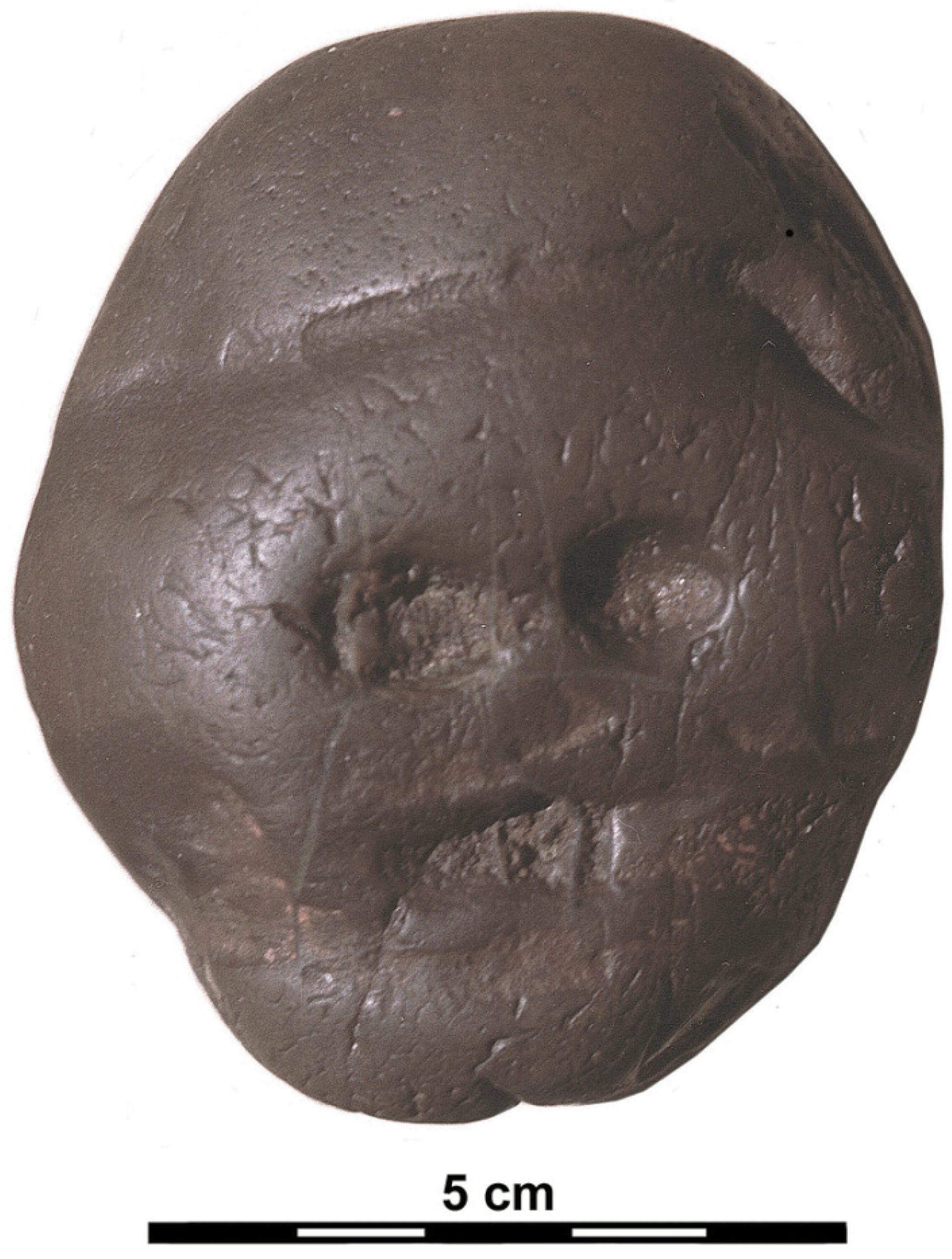
Jasperite Face Pebble, 3 million BCE
Lion-Human, 33,000 BCE
Ivory

Woman from Willendorf, 24,000 BCE
Limestone & Red Ochre

Pech-Merle Cave, 25,000 BCE
Spotted horses and handprints

Lascaux Caves: Hall of Bulls, 15,000 BCE
Very high up paintings of animals and people
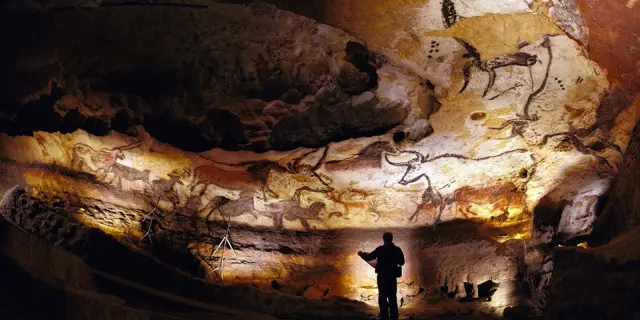
Lascaux Caves Birdheaded Man with Bison, 15,000 BCE
cave painting showing battle between bison and man

Neolithic
the final stage of the Stone Age marked by the beginning of farming, permanent settlements, and polished stone tools
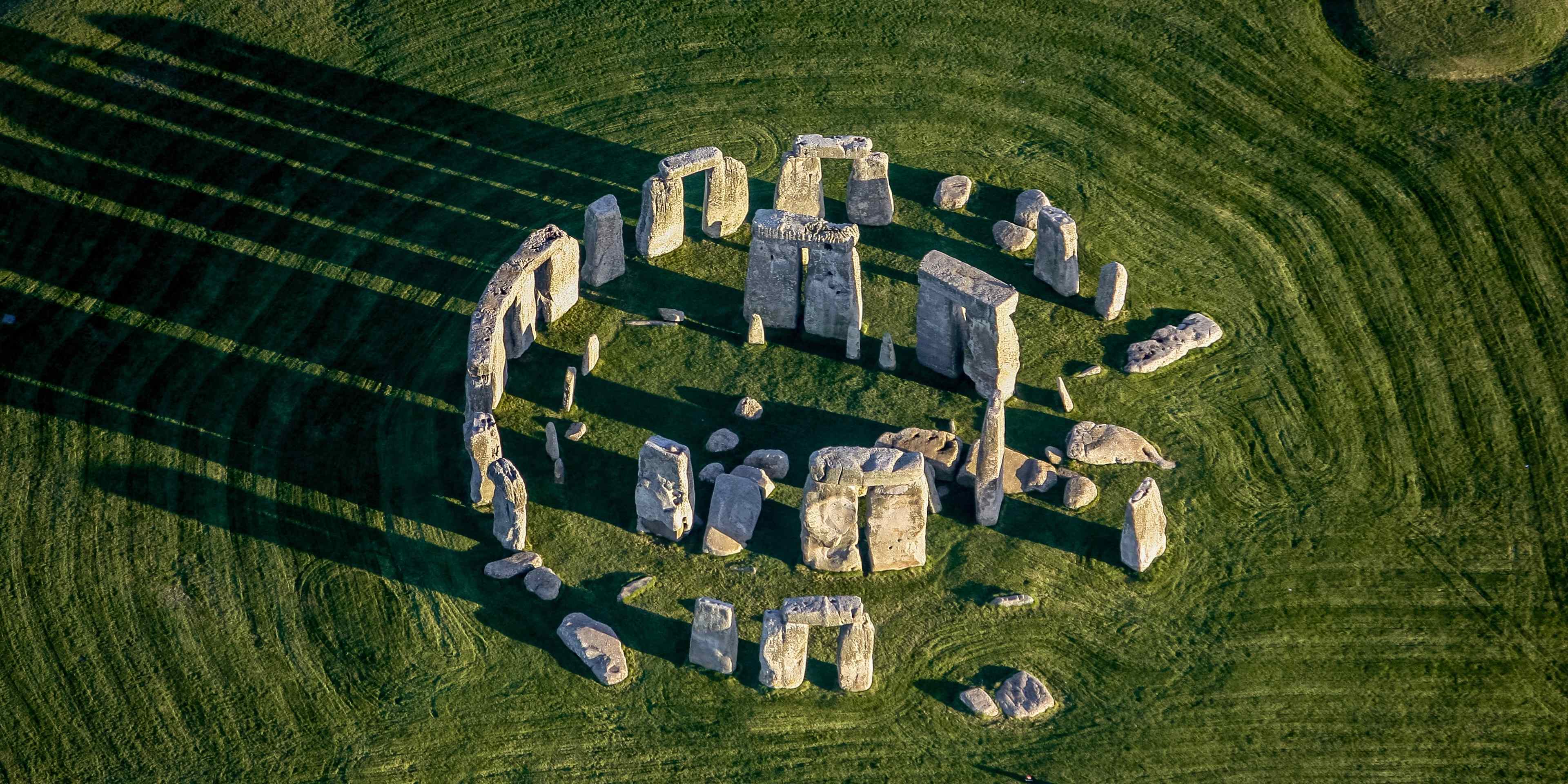
Stonehenge, 3000-1500 BCE
giant stone structure for burials, lines up with the sun on the summer solstice, stones imported from far distance (Wales)
Post and Lintel
Vertical and horizontal beams or stones making a doorway

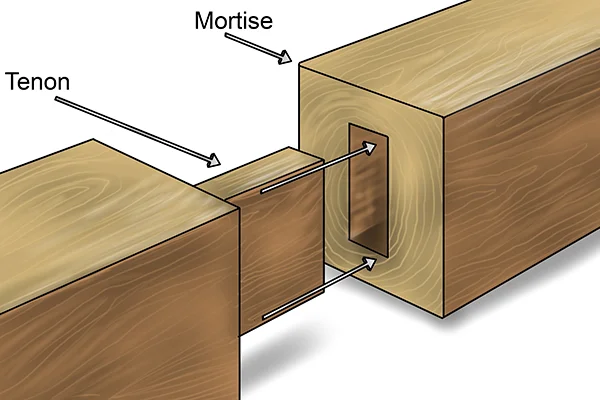
Mortis and Tenon
hole and peg (like lego)
Settlements of Catalhoyuk, 7000 BCE
In Turkey, remains of dead buried under homes (purposefully), maps of the settlement found inside homes (volcano In background)

Pictographic Tablet from Iraq, 3000 BCE
Jemdet Nasr

Cuneiform
Earliest writing system (mesopotamia), used for recording and counting for trade
Cylinder Seal, 700 BCE
Assyrian and Sumerian

Cuneiform Deal of Sale

Relief
Three dimensional image that projects from a flat surface
Annu Ziggurat & White Temple 3200 BCE
Uruk, Iraq, Annu - sky god

Architectural Plan
Arial view of building with important structures labeled
Cone Mosaic, Eanna Temple, 3500 BCE
Eanna Temple, Urak Iraq

Female Head, Eanna Temple, 3300 BCE
Ziggurat of Inane Urak

Cult Image
image of god or heavily worshipped figure
Uruk Vase, 3000 BCE
relief carving in bands (registers), narrative scene shows layers of importance

Registers
Lines of representation oriented horizontally across something
Votive
statues that were offered ceremoniously
Votive Statue Eshnunna, 2700 BCE

Stele of Naram-Sin, 2240 BCE
Shows defeated enemies while a soldier (naram sin)looks up at the gods , Naram Sin shown as divine figure (bull horns) and glorious in battle

Lyre with Bulls Head, 2500 BCE
made of wood, gold, lapis. depicts scenes from epic of Gilgamesh (story about kingship. Lapis found only in Afghanistan, very rare, they brought it to Iraq to make this

Votive Statue of Gudea, 2090 BCE
Girsu Iraq, offering, two rivers, TIGRIS and EUPHRATES flow from Gudea’s vase (most powerful rivers in the region (shows that he is builder, bringer of peace, and life)

Old Babylonian Period
1894 - 1595 BCE
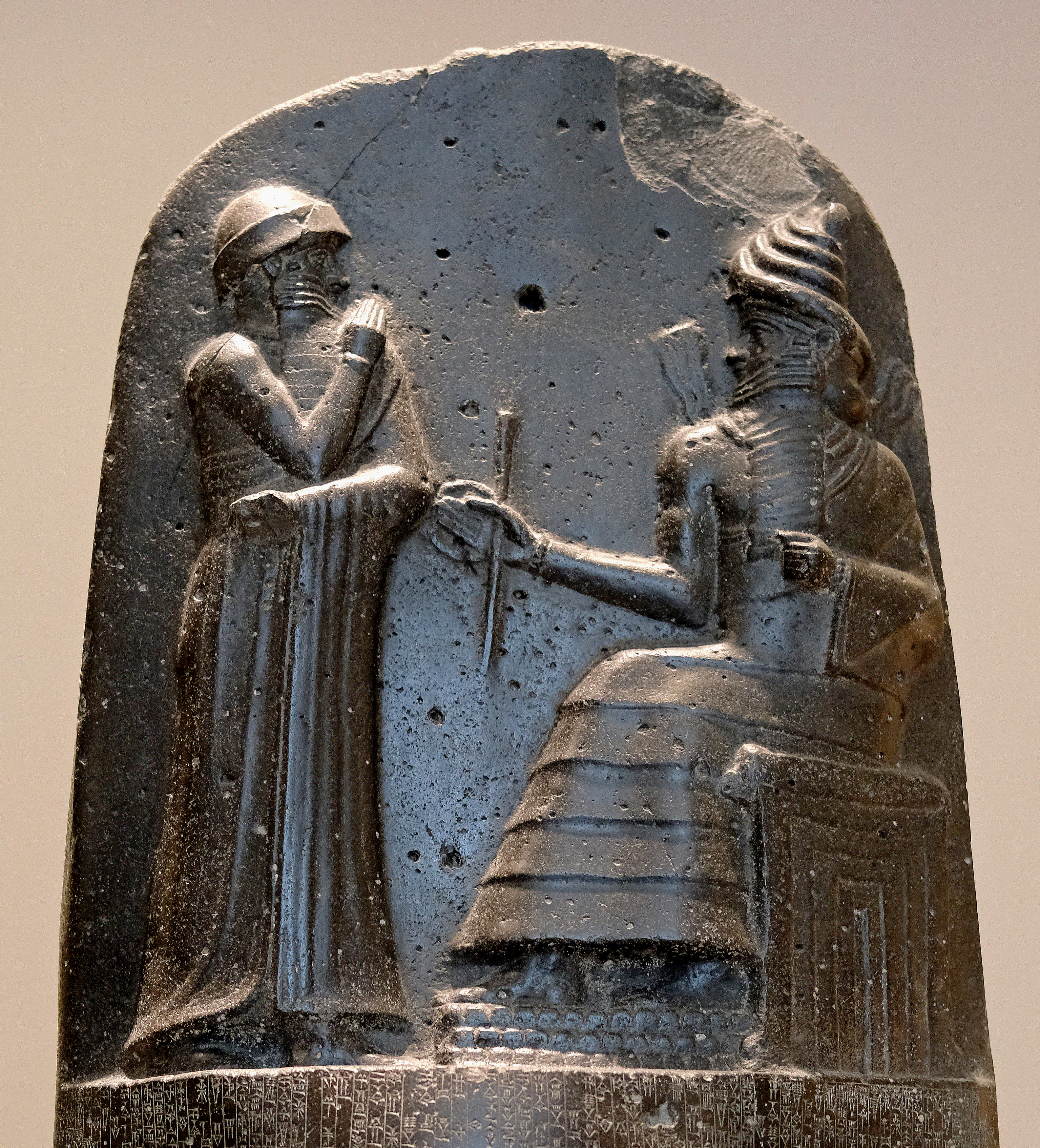
Stele of Hammurabi, 1750 BCE
God figure (stacked bull horns) gives laws to Hammurabi (who displays sign of respect in pose), Shows punishments for different crimes, first time ever that laws were written and displayed (to our knowledge)
Human Headed Winged Lions, 875 BCE
come in pairs to protect important rooms/structures, meant to make people be on best behavior, bull hooves and lions feet - both signs of power/divinity

Hierarchy of Scale
scaling that made the most important figures larger than others and vise versa
Assurnasirpal Killing Lions
lions are a sign of power, this showed assurnasirpal’s strength as a leader

City Attacked by the Crown Prince, 875 BCE
Assurnasirpal’s son with archers, a battering ram

Assurbanipal & his queen in the Garden, 647 BCE
After his victory, Ashurbanipal and his queen relax. There is a nearby head in the trees that decays as the panels go on.

Persepolis, 518 BCE
built by Darius (king of Persia), ancient ceremonial capital of Persia

Persepolis Ceremonial Complex, 480 BCE
Persians welcomed other cultures/ kept them in charge of themselves once conquered, massive foreign exchange here

Apadana
Audience hall of Persepolis

Bull Pillar
Giant bull, looming down in Persepolis Audience Hall

Frieze form Apadana
Shows soldiers and merchants leading up to the center where Darius and Xerxes stand/sit. People all have clothing and items native to their place of origin (showing the power and diversity of the empire)
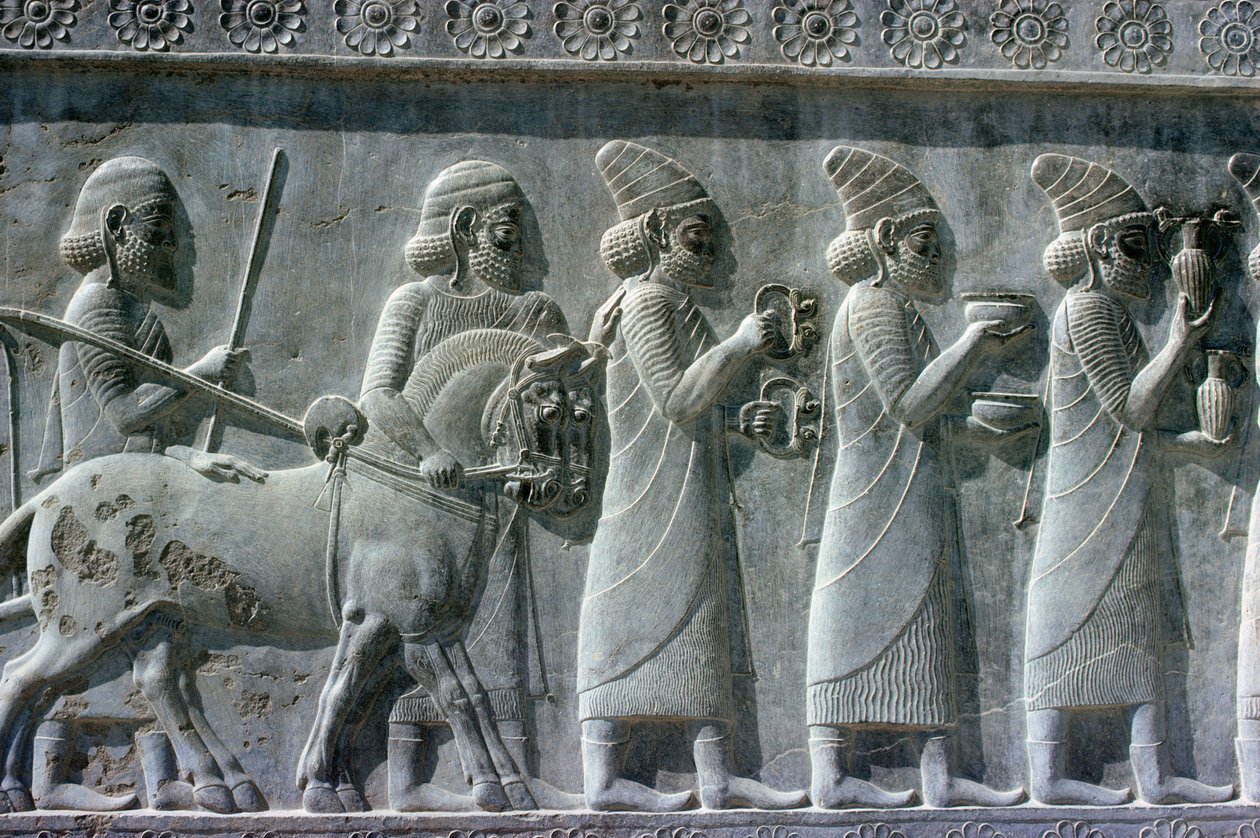
Foot Soldiers of Inanna
Part of the Frieze of Apadana. Diff groups in an audience chamber, delegations bring tributes from their individual regions, Hierarchy of scale used, shows vastness of the Persian empire and its fruitfulness

Darius and Xerxes Audience Frieze, 490 BCE
Persepolis, shows hierarchy of scale, D and X are very much rulers but are holding court (not cruel)

Palette of Narmer, 2950 BCE
make up palette for a ruler, used for eye makeup due to bright sun of Egypt. FRONT - farmer beating an enemy, other defeated enemies and soldiers in back. Narmer has no sandals: divine (sandal bearer in background) . BACK - Multi registered, bull tramples Nubian enemies. Use of hierarchy of scale. penises cut off of enemies (as a way to count kills)
Shows the joining of Northern and Southern Egypt (through the two hats)

Mastaba of Queen Meritneit 2870 BCE
Tomb filled with all objects that someone would need in the afterlife (chairs, plates, clothing, food, etc) Hard to get into once built. All people (of importance) were buried like this

Stepped Pyramid of Djoser
Multiple Mastubas stacked up on one another, rooms are inaccessible (only to spirits)), Djoser wanted a bigger/grand mastuba

Statue of Djoser 2550 BCE
statue for burial chamber, multi perspectived, used a canon (rule) to measure out proportions

Canon
a rulebook/ standard of representation. included measurements to keep bodies proportional
Nile
RIver, left side for the dead, right side for the living/cities

Great Pyrimds of Giza, 2500 BCE
Menkaure, Khafre, and Khufu. Pryimids made of granite and faced with limestone (originally), made by farmers and laborers, Basically GIIIANTT mastabas (burial chambers) full of traps and fake rooms to deter thieves

Colossal Statue of the Great Sphinx, 2500 BCE
Protective figure, made of limestone, protects the pyramids (like the lion headed winged lions)

Khafre, 2500 BCE
Horace wraps head around pharoe (Horace is closest god to (or sometimes is) pharoe) Funurary sculpture of pharos

Menkaure and his principal wife: Khamerernebty, 2480 BCE
wife has two hairlines (one real hair and one ceremonial wig) menkaure is stiffly posed with a stone beard and headwear (also ceremonial)

Seated Scribe, 2400 BCE
statue of a Boundary official, very realistic in depiction, eyeliner, less muscular

Head of Senusret III, 1825 BCE
one of the only things to survive from the Middle Kingdom (Egypt)

Kneeling Figure of Hatshepsut, 1465 BCE


Seated statue of Hatshepsut, 1460 BCE
Shown as customatic king (common male king clothing and beard, she was the wife of the late king. The priests at the time, who had gained immense power, named her the real pharoe later

Funerary Temple of Hatshepsut, 1465 BCE
Walkways leading up, geographic tension, horizontal land and vertical pillars

Expedition to the Land of Punt, 1460 BCE
queen of punt (ati) brings gifts to the queen, she has a weird body. All images of Hatshepsut were erased by her fuckwad son

Colossal figure of Akhenaten, 1345 BCE
Akhenaten instituted a monotheistic religion, changed the standard of representation (narrow shoulders, wide hips, big lips, defined collarbones. He also moved the capital

Portrait of Queen Thy Mediate el Grub

Akhenaten and His Family, 1340 BCE
children are very adult like (they all look the same due to their divine bloodline) Symbol for eternal life/ god being passed down to children. Divine Sun above

Nefertiti, 1345 BCE

Funerary Mask of Tutankhamun, 1330 BCE
Changed Egypt back to polytheism, moved capital back, his burial seemed like a rushed burial. this is his funerary mask

Inner coffin of Tutankhamun, 1330 BCE
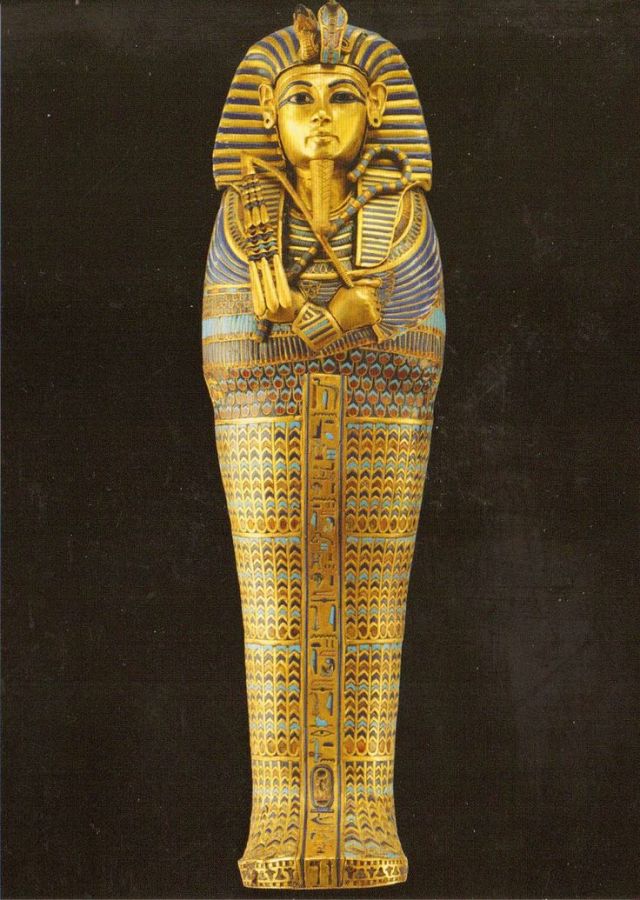
Figure of Woman, 2500 BCE
Had paintings of eyes all over it at one point, personal figurine

Palace of Knossos
Inspiration behind greek minotaur (the place was very maze like when they found it, and there was a mosaic of a giant bull. Also known as the Minoan Palace Complex. Wasn’t a palace, we think it was ruled by multiple family units and possible democratic.

Fresco
Method of mural painting where dies and water are added into wall plaster
Bull Leaping Fresco, 1500 BCE
Image that inspired the minotaur. shows a dancer and bull wranglers putting on a performance

Octopus Flask, 1500 BCE
Knossos had a large navy and valued the water

City of Mycenae
German dude: Schliemann tried to prove this was the home of Agamemnon. It wasn’t

Lion Gate of Mycenae, 1250 BCE
Lions for protection on of the cities weak spots of Mycenae

Tholos Tomb, 1300 BCE
People thought this was a treasury at first. Largest structure to survive the years (before greek pantheon) gap at top of arch was very helpful in its preservation.

Mask of Agamemnon
Remake, mask from grave

Corbel
Stacked staggered rocks with counter weight on the backside to lessen the load
Peplos Kore, 530 BCE
Archaic Smile (like most statues at the time). name means: girl with dress. Would’ve been painted, she is likely a goddess

Metropolitan kouros, 590 BCE
Same pose as menkaure (Egypt), greeks learned sculpture from the Egyptians.

Anavysos Kouros, 530 BCE

Kritios Boy 480 BCE
Change in style, hairstyle, more accurate musculature, contraposto posture

Contraposto
human figure standing with most of its weight on one foot is…
Riace Warrior, 400 BCE
Definition of male form/beauty. Most bronze statues didn’t survive as they were melted down for other things. This one survived at the bottom of the ocean.

Polykleitos, 450 BCE
Spear bearer, has braces because marble is less strong than bronze, contraposto

Lysippos, 340 BCE
Marble copy of greek statue, Man scraping himself (bathing) after athletic stuffs

Praxiteles Aphrodite, 350 BCE
Marble copy of marble original. Change in woman representation. sculpture of Aphrodite. was rejected by many due to the feeling of walking in on Aphrodite (her hand is in front of crotch)

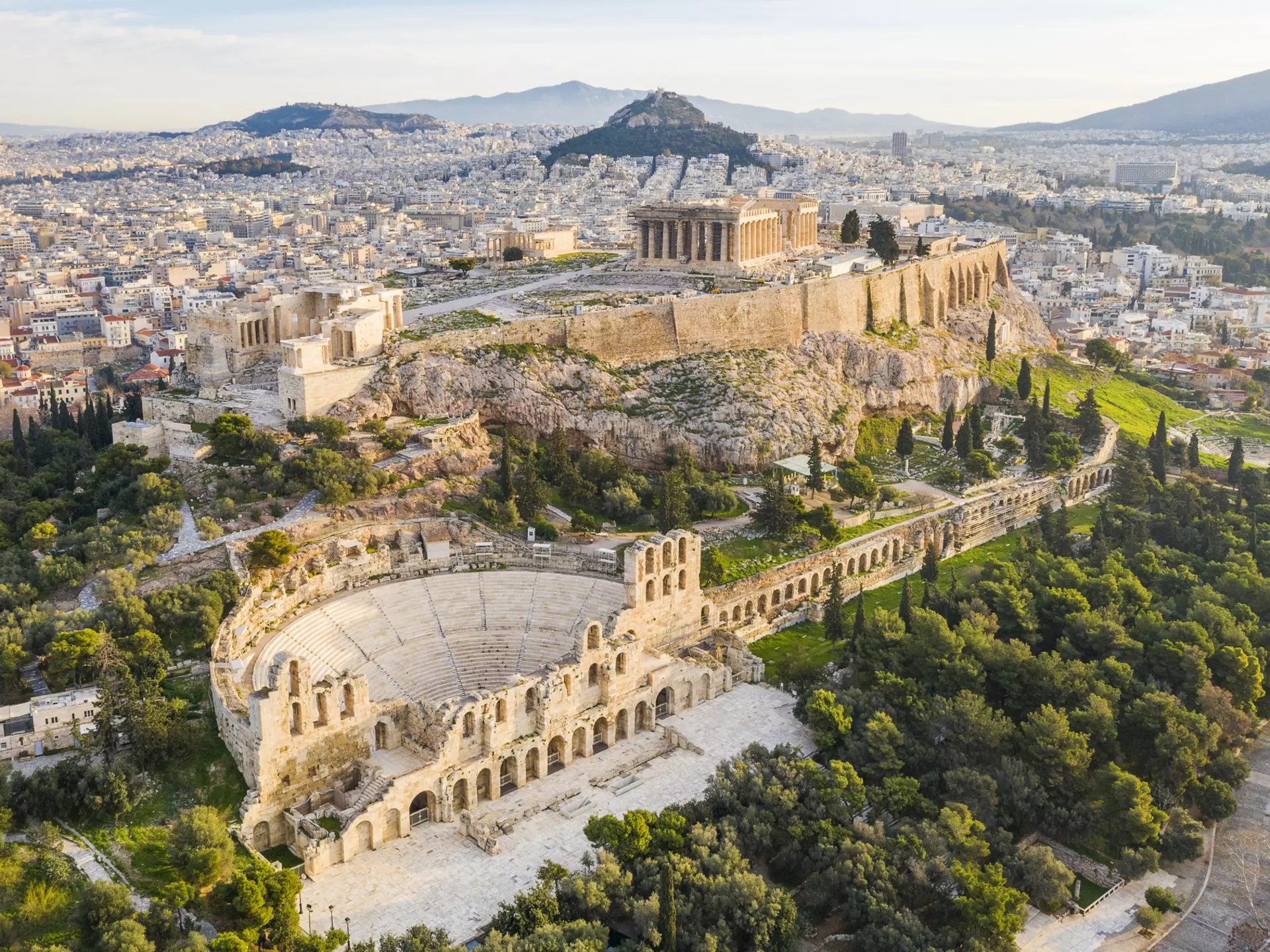
Akropolis, Athens
city that was sacked and destroyed, greeks didn’t know whether to rebuild or abandon. When they did decide to rebuild for Athena they built it fast as shit
Temple of Athena, 427 BCE

nike adjusting sandal
greeks saw this as scandalous

Ionic Order
building style. Flutes in columns (lines), Frieze (band of representaition) above columns, volutes (spiral top to columns)
The Parthenon, 440 BCE
Kallikrates and Iktinos built/designed. careful refinement of angles/ placement of columns and floors for perfect view from far away

Doric Order
Another Greek Building style.. No base at columns (just floor) . Entablature is barren. capital block at top of columns.
Stylobate
top step/floor of greek temple
shaft
column (excluding caps)
Colonnade
Series of columns in a row
Pediment

Triglyphs

Metope

Wet Drapery
Heavy, tight, wet looking clothing on sluptures or paintings, lots of body revealed underneath