clinic theory III exam 2
 Call Kai
 Learn
Learn Practice Test
 Spaced Repetition
 Match
Match Flashcards
 Knowt Play
1/116

There's no tags or description
Looks like no tags are added yet.
Name | Mastery | Learn | Test | Matching | Spaced | Call with Kai | Chat |
|---|
No analytics yet
Send a link to your students to track their progress
117 Terms
stage I
initial periodontitis
SRP quad D4341 (four teeth or more)
SRP quad D4342 (three teeth or less)
Perio maintenance D4910
stage II
moderate periodontitis
SRP quad D4341 (four teeth or more)
SRP quad D4342 (three teeth or less)
Perio maintenance D4910 /3 months
periodontist referral
Stage III
severe periodontitis with potential for additional tooth loss
SRP quad D4341 (four teeth or more)
SRP quad D4342 (three teeth or less)
Perio maintenance D4910 /3 months
periodontist referral
stage IV
severe periodontitis with potential for loss of the dentition
need for complex rehabilitation
SRP quad D4341 (four teeth or more)
SRP quad D4342 (three teeth or less)
Perio maintenance D4910 /3 months
Periodontist referral and surgical evaluation
grade A
slow rate of disease progression
grade B
moderate rate of disease progression
grade C
rapid rate of disease progression
staging
intends to classify the severity and extent/ complexity of a patients disease
grading
aims to indicate the rate of periodontitis progression
generally more important
periodontium
a functional system of tissues that surrounds teeth and attaches them to the jaw bone
attachment and supportive apparatus of teeth
periodontitis
a bacterial infection of all parts of the periodontium including the
gingiva
periodontal ligament
bone
cementum
results in irreversible tissue damage
a type of periodontal disease
horizontal pattern of bone loss
is the most common pattern of bone loss
results in fairly even, overall reduction in the height of bone
inflammation spreads in this manner because it is the path of least resistance
vertical bone loss
less common pattern
leaves a trench-like area of missing bone alongside the root
occurs when the crestal periodontal ligament fibers are weakened and no longer act as an effective barrier to inflammation
Stage I periodontitis severity
interdental CAL: 1-2 mm at site of greatest loss
RBL: coronal third (<15%)
no tooth loss
Stage I periodontitis complexity
maximum probing depth of ≤ 4mm
mostly horizontal bone loss
Stage II periodontitis severity
interdental CAL: 3-4 mm
RBL: coronal third (15%-33%)
no tooth loss
Stage II periodontitis complexity
max. probing depth ≤5 mm
mostly horizontal bone loss
Stage III periodontitis severity
interdental CAL: ≥ 5mm
RBL: extending to middle third of root and beyonf
≤4 teeth lost
Stage III periodontitis complexity
probing depths of 6mm or more
vertical bone loss of 3 mm or more
furcation involvement class II or III
moderate ridge defects
(in addition to Stage II complexity)
Stage IV periodontitis severity
interdental CAL: ≥ 5mm
RBL: extending to middle third of root and beyond
≥ 5 teeth lost
Stage IV periodontitis complexity
probing depths of 6mm or more
vertical bone loss of 3 mm or more
furcation involvement class II or III
moderate ridge defects
need for complex rehabilitation due to
masticatory dysfunction
secondary occlusal trauma
bite collapse, drifting, flaring
< 20 remaining teeth (10 opposing pairs)
Grade A periodontal disease
RBL: no loss over 5 years
% bone loss/ age: <0.25
case phenotype: heavy biofilm deposits with low levels of destruction
non smoker
normoglycemic/ no diagnosis of diabetes
Grade B periodontitis
RBL: < 2 mm over 5 years
% bone loss/ age: 0.25 to 0.50
case phenotype: destruction commensurate with biofilm deposits
< 10 cigarettes a day
HbA1c < 7.0% in patients with diabetes
Grade C periodontitis
RBL: ≥ 2 mm over 5 years
% bone loss/ age: > 1.0
case phenotype: destruction exceeds exceptions given biofilm deposits; specific clinical patterns suggestive of periods of rapid progression and/or early onset disease
≥ 10 cigarettes a day
HbA1c ≥ 7.0% in patients with diabetes
initial periodontal lesion
bacterial colonization near the gingival margin
increased vascular dilation
PMN migration to gingival sulcus
gingival tissue looks clinically healthy
early periodontal lesion
bacteria penetrate into connective tissues
more PMNs attracted to site and release cytokines causing more localized destruction of the connective tissue
macrophages are first recruited to the connective tissue
release cytokines, PGE2, and MMPs
clinically, edema and redness of gingival marginal tissue is observed
Sulcular epithelium forms epithelial ridges and JE cells proliferate
established lesion (established gingivitis)
plaque biofilm extends subgingivally into the sulcus, disrupting attachment of coronal-most portion of the JE from the tooth surface
macrophages and lymphocytes are most numerous in connective tissues; PMNs continue to fight bacteria in the sulcus
host cells produce more toxic chemicals
collagen breakdown, gingivitis is present clinically
advanced periodontal lesion (periodontitis)
plaque biofilm spreads laterally as well as apically along the root surface
chronic inflammation causes harm to the periodontium
macrophages produce high concentrations of cytokine, PGE2 and MMPs that destroy alveolar bone
PMNs, macrophages cause destruction of connective tissue and PDL fibers
immune response becomes chronic; intense inflammation begins to harm the periodontium
C-reactive protein
protein produced in the liver, usually during acute inflammation that increases in blood when there is inflammation in the body
activates complement system and leads to phagocytosis
high levels when there is infection, trauma, or inflammation
periodontitis may trigger body to produce elevated levels
phase 1 urgent/diagnostic
emergency care
consultations with other medical providers are needed
dental hygiene diagnosis
phase 2 disease control
biofilm control/calculus removal
preventive measures (diet, fluoride, mouthguard)
restorative needs
phase 2 evaluation
evaluation of treatment, biofilm control of patient
complicance with treatment recommendations?
phase 3 corrective therapies or rehabilitation
periodontal surgery
endodontics
orthodontics
fixed or removable prosthesis
implant placement
phase 4 maintenance or support therapy
continuing care intervals and evaluation
refining biofilm control techniques and modifiable risk factors
CDT codes in dentristry
A set of standardized codes used to ensure consistency and accuracy in reporting dental procedures to third-party payers (insurance), in Electronic Health Records (EHR), and in submission fees for the patient estimate of care/financial responsibility.
D0100-D0999
diagnostic category of CDT code
D1000-D1999
preventative category of CDT code
D2000-D2999
restorative category of CDT code
D3000-D3999
endodontic category of CDT code
D4000-D4999
periodontics category CDT code
D5000-D5899
prosthodontics- removable
D5900-D5999
maxillofacial proshtetics
D6000-D6199
implant services
D6200-D6999
prosthodontics fixed
D7000-D7999
oral and maxillofacial surgery
D8000-D8999
orthodontics
D9000-D9999
adjunctive general services
D0171
post-op 4-6 week follow-up <90 days
D0170
chronic conditioning/monitoring
% bone loss / patient age
Calculation of bone loss percentage
maconutrients
proteins, fats, carbohydrates, water
micronutrients
vitamins, minerals, bioflavonoids (antioxidants)
fat soluable
Vitamins A, D, E, and K
associated with the structure and calcification of hard tissues
are absorbed with the other fats from the foods you eat
water soluable
B and C vitamins
Not stored in the body
enter the bloodstream, and what the body doesn’t need is eliminated through urine
folic/ folate acid (B9)
Necessary for pregnant females to prevent neural tube defects (spinal bifeda)
Deficiency may also lead to megaloblastic anemia: a deficiency of _ affecting red blood cell production
nutrigenomics
personalized nutrititon that studies how genes respond to food
nonmaleficience
having the duty to do no harm
refraining from action that cause injury, pain, or suffering
beneficence
acting for the good of others to promote well-being
taking active steps to help, comfort, or improve situations of others
nutritional assessment
A Systematic collection of information to identify the need for nutritional counseling and make appropriate recommendations and referrals.
targeted patients for nutritional counseling
at high risk for dental caries or periodontal disease
exhibiting oral manifestations of a possible nutritional deficiency
undergoing periodontal or oral and maxillofacial surgery
at risk for osteoporosis
diagnosed with osteopenia
body mass index (BMI)
divide patients weight in kilograms by his/her height in meters
important components of health history
provides measurement associated with health risks such as heart disease, hypertension, diabetes, and cancer
Normal range ~18.5-24.9, with 25-29.9 being overweight and over 30 considered obese
waist circumference
Can be used to indicate health risk. Determines central obesity and health risks
men- 40 in
women- 35 in
most accurate method because it does not take age, race, or frame size into consideration
exercise patterns
acitivity levels may be used to determine daily caloric need
activity levels can be entered into online interactive tools
approximate daily caloric expenditure can be useful
primary goal in a dental setting is to identify nutritional concerns that may contribute to systemic/oral disease
my plate
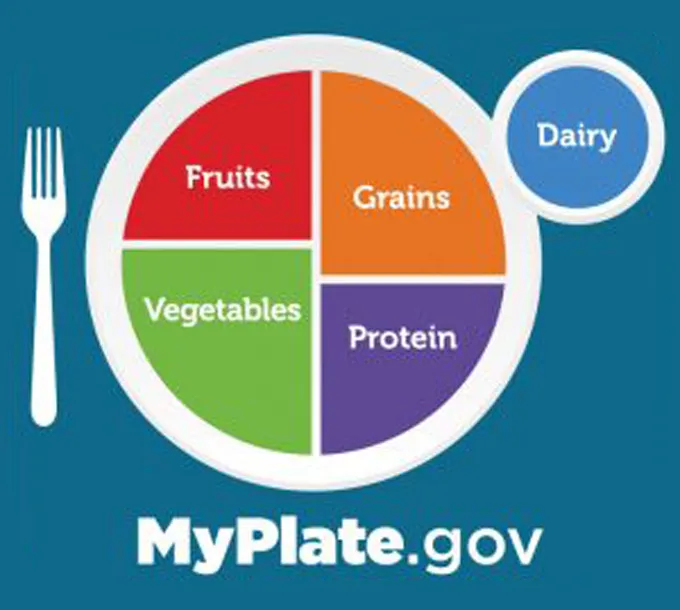
foods are categorized into five good groups (grains, vegetables, meats/beans, fruits, dairy)
individual caloric needs are determined based on age, gender, and activity level
each sugar exposure is circled in red (cariogenic potential)
most programs provide information on caloric intake as well as deficient or excess nutrient amounts
once energy needs are established, dental hygienist can compare an individuals intake to the specified amount recommended by _ to assess the patients dietary adequacy
D1310
listed as “other preventive services” and receives no compensation when provided in dental practice
Although not compensated by insurance companies, it is NOT a justification to eliminate nutritional counseling from the DH process of care
nutritional counseling
Using the information obtained from health history and dietary assessment, dental hygienist and patient fromulate a plan
useful for patient education and motivation
use motivational interviewing techniques
explain how positive lifetyle changes can benefit overall health
discuss health, nutrient-dense snack foods
identifying nutritional deficiencies (cultural sensitivity)
cariogenic foods vs cariostatic foods
food insecurities
pregnant patients
have an increased need for nutrients and energy intake
Calcium intake for fetal tooth development
Folic/folate acid (vitamin B9) to prevent neural tube malformations
veracity
conformity with truth or fact
devotion to being truthful
primary nutritional deficieny
Inadequate intake of a nutrient
can be corrected once identified
counseling and proper intake of the nutrient
secondary nutritional deficiency
due to a systemic disorder that interferes with absorption, transport, digestion, or ingestion of the nutrient
complex care; refer to a physician and dietitian for treatment
vitamin K
clotting factors
deficiency blood can clot slowly and cause excessive bleeding
patients may bruise easily
iodine
necessary to prevent hypothyroidism, graves disease (supplied via iodized salt)
nutritional needs of infancy and childhood
Nutritional intake and food choices during this time may influence growth patterns
Nutrient-dense foods (osteomalacia prevention, enamel hypoplasia) with offered variety of food groups
nutritional needs older adult patients
need more vitamins/minerals
possible need for increased protein in a segment of the population
specifically need for vitamin D, E, B6, B12, folate, calcium, magnesium, iron, and zinc
periodontal and oral maxillofacial surgical patients
often unable to consume adequate amount of recommended nutrients owing to loss of function
chronic alcoholics, extremely underweight individuals, those taking steroids, or immunosuppressents may have depleted stores of nutrients
osteopenia
a loss of mineralized bone tissue
regardless of cause, is considered to be a precursor to osteoporosis
osteoporosis
is a disease characterized by low bone mass, microarchitectural deterioration of bone tissue leading to enhanced bone fragility and a consequent increase in fracture risk
Monitor patients' vitamin D intake, as deficiency reduces calcium absorption and can worsen bone loss
obesity
Associated with many chronic diseases, including periodontal disease
having a BMI of greater than or equal to 30
While it is beyond the role of the dental hygienist to create diet plans for use in weight loss, it is the hygienist's responsibility to educate patients on health promotion, disease prevention techniques, and habits that will benefit oral health as well as overall health.
Caries risk may elevate with bariatric surgery as the frequency of meals is increased; deficiency is also possible due to meal portions
pharmacologic assessment
An assessment of ingestion of prescription medications, as well as common OTC supplements, provides insight into oral manifestations or effects of these medications on oral tissues that may interfere with dental care such as
xerostomia
lichenoid reactions
candidiasis
chelitits
and glossitis (inflamed tongue)
vitamins associated with hard tissues
Vitamin A (fat-soluble)
Vitamin D (fat-soluble)
Vitamin E (fat-soluble)
Vitamin K (fat-soluble)
Vitamin C (water-soluble)
vitamin A
fat-soluble vitamin
synthesized in the intestinal tract
only found in animal foods (beef liver is excellent source)
beta form (carotene):
carrots, melon, squash, sweet potatoes, spinach
excess may cause headache, vomiting, severe liver damage, defect in long-bone formation, and fetal birth defects
vitamin A manifestations of deficiency
fat-soluble vitamin
growth failure, xerosis, keratomalacia
enamel hypoplasia, defective dentin formation (hard tissue)
decreased salivary secretion and xerostomia; delayed or impaired wound healing (soft tissue)
vitamin D
fat-soluble vitamin
Synthesized in skin exposed to sunlight
excess may cause vomiting, diarrhea, and hypercalcemia
vitamin D deficiency
rickets, osteomalacia
enamel hypoplasia, loss of lamina dura
vitamin E
fat-soluble vitamin
synthesized in the intestinal tract
Found in vegetable seed oils widely distributed among foods
Excess may inhibit vitamin K functions→ causing problems with blood clotting
can act as an anticoagulant
vitamin E deficiency
anemia, neuropathy, myopathy
loss of oral resistance to inflammation in the periodontium (hard tissue)
loss of integrity of cell membranes of mucosa (soft tissue)
vitamin K
fat-soluble vitamin
Synthesized by intestinal bacteria
found in green leafy vegetables, soybeans, and beef liver
high doses of synthetic form may cause oxidation of membrane lipids and severe jaundice in infants
vitamin K deficiency
defective blood clotting
may be involved in bone formation
vitamin C
water-soluble vitamin
synthesized in intestinal tract
Found in citrus fruits, papaya, cantaloupe, broccoli, potatoes, and strawberries
Excess can cause GI distress, and interfere with vitamin B12 absorption
overdose may cause diarrhea and kidney stones
vitamin C deficiency
survy
inhibition of the formation of fibroblasts, osteoblasts, and odontoblasts (hard tissue)
weakened collagen formation, leading to gingivitis and poor oral wound healing (soft tissue)
minerals associated with hard tissues
calcium
phosphorus
magnesium
fluoride
calcium
found in milk and milk products, sardines, clams, turnip and mustard greens, broccoli
excess may cause constipation
deficiency may result in rickets, osteomalacia, osteoporosis, stunted growth
oral manifestations of deficiency may include tooth exfoliation due to osteoporosis in alveolar bone
phosphorus
found in meat, poultry, fish, eggs, milk products, and chocolate
symptoms associated with excess are rare; problems appear to occur only when calcium-to-phosphorus ratios are altered significantly in infants.
Deficiency may result in rickets and osteomalacia
oral manifestations of deficiency may result in possible failure of reparative dentin formation
magnesium
Found in nuts, legumes, cereal grains, chocolate, blackstrap molasses, and spinach
acute toxicity from excessive intravenous administration results in nausea, depression, and paralysis
deficiency may result in growth failure, neuromuscular dysfunction, personality changes, muscle spasms
oral signs of deficiency may include reduced formation of alveolar bone, hypoplasia of enamel, widening of PDL space, and gingival hyperplasia
fluoride
Naturally found in mackerel, salmon, shrimp, meat, potatoes, wheat, and sardines
Excess results in fluorosis
deficiency may result in osteoporosis or osteosclerosis
oral manifestations of deficiency may include dental caries
vitamins associated with soft tissue
vitamin B1
vitamin B2
vitamin B6
vitamin B12
Niacin
folate
pantothenic acid
biotin
vitamins C, A, and E
vitamin B1
thiamine, water-soluble vitamin
found in pork, sunflower seeds, and legumes
Excessive doses may cause headache, convulsions, cardiac arrhythmia, and anaphylactic shock.
deficiency may include Beriberi, muscle weakness, tachycardia, enlarged heart, edema, anemia, neuropathy, and myopathy
oral manifestations of deficiency include Glossitis, gingival tissue discoloration
vitamin B2
water-soluble riboflavin
found in Beef liver, lean steak, mushrooms, ricotta cheese, milk
no toxicity symptoms reported
Deficiency may result in Photophobia, dermatitis, anemia
Oral manifestations of deficiency may include Cheilosis, glossitis, edema of pharyngeal and oral mucous membranes, angular stomatitis
vitamin B6
water-soluble, pyridoxine
found in Sirloin steak, navy beans, potatoes, bananas
excessive causes sensory and peripheral neuropathy; minimal dose, at which toxicity occurs, is not defined.
defiency may result in Dermatitis, neurologic symptoms of confusion, drowsiness, neuropathy
Oral manifestations of deficiency may include Glossitis and cheilitis
vitamin B12
water-soluable
found in Meat, fish, shellfish, poultry, milk
no effects from excessive doses
deficiency may result in Megaloblastic anemia (pernicious anemia), degeneration of peripheral nerves, skin hypersensitivity
oral manifestations of deficiency may include glossitis, eventual disappearance of the filiform and fungiform papillae; glossopyrosis