arch history 2
 Call Kai
 Learn
Learn Practice Test
 Spaced Repetition
 Match
Match Flashcards
 Knowt Play
1/241

Earn XP
Description and Tags
just "when" - ballpark; "you have to know when" - exact year
Name | Mastery | Learn | Test | Matching | Spaced | Call with Kai | Chat |
|---|
No analytics yet
Send a link to your students to track their progress
242 Terms
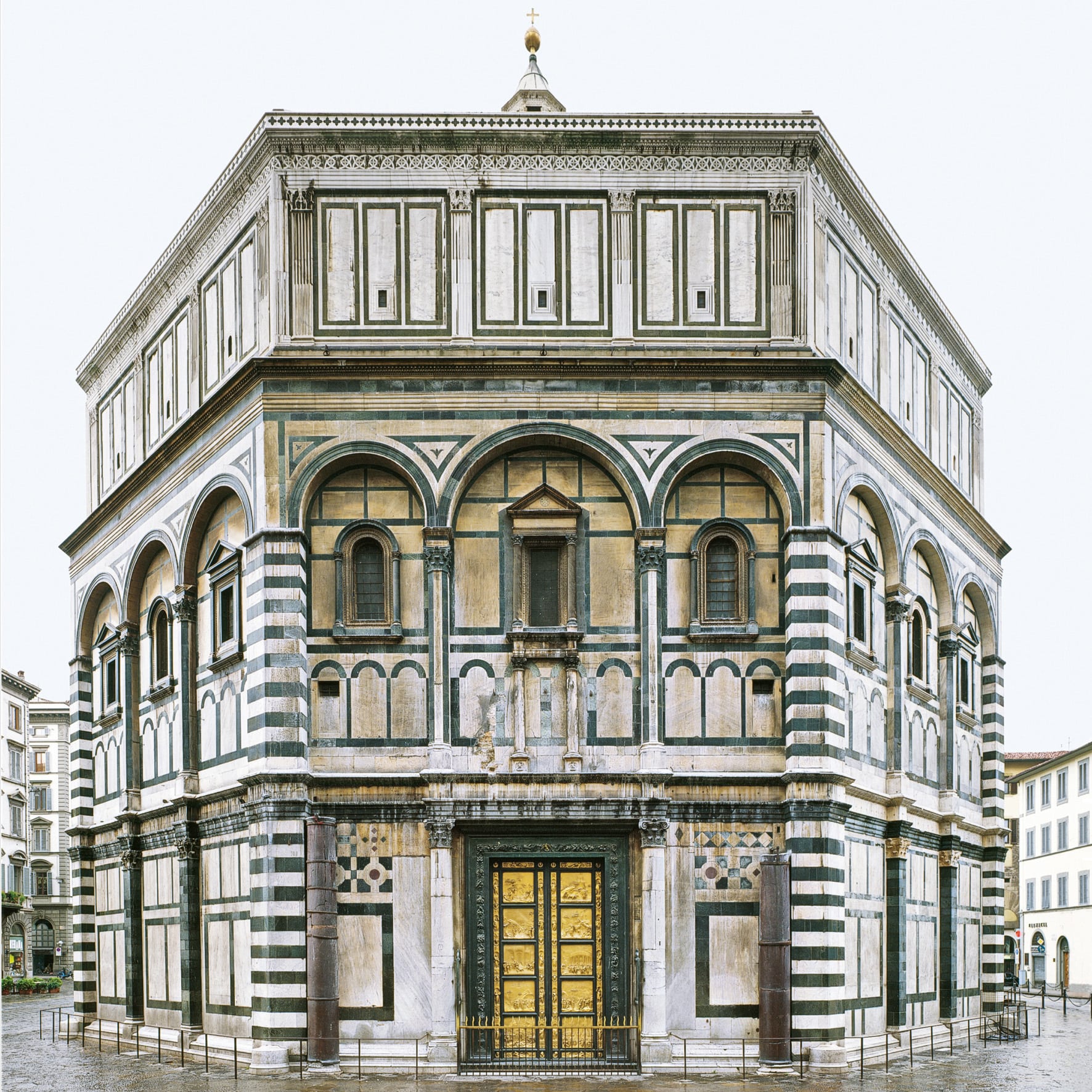
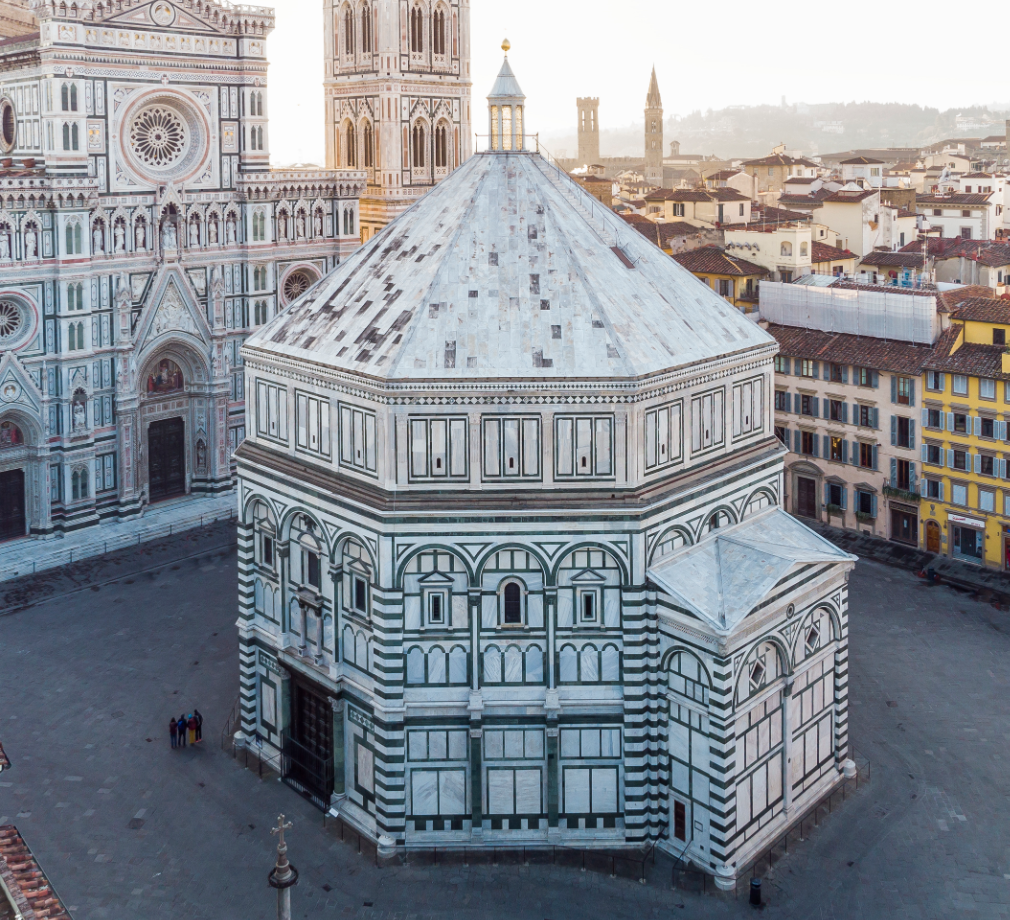
what, where, whats important, tell me abt the shiny doors
baptistery of florence, romanesque building
next to the florence cathedral (brunelleschi’s dome)
the bronze doors // gates of paradise (by ghiberti) - that started the renaissance
renaissance: yrs, how it started, where
1425 - 1525
when ghiberti won the competition to complete the gates of the baptistry in florence
started in italia
whats the connection between classical and renaissance, what is each thing one
classical - greek and roman architecture and art
renaissance - inspired by classical, uses the same elemets in different ways, stricter grids and such
renaissance characteristics
symmetry, proportion, geometry, regularity of parts
regular grid, pilasters, lesenes, lintels, semicircular arches, domes
arranging the parts of classical architecture in a particular grid
regularity of parts
the buildings should follow a strict even grid
the rules that renaissance followed (the book); what came from them following it
vitruvius' de architectura // ten books on architecture
that’s why there are so many beautiful buildings being built in this period, because they all had to follow certain rules (vitruvius’)
e.g. corinthian columns’ width-to-height ratio had to always be about 1:9
so architects could only build with specific regulated elements → protecting from the chaos we see in modern architecture
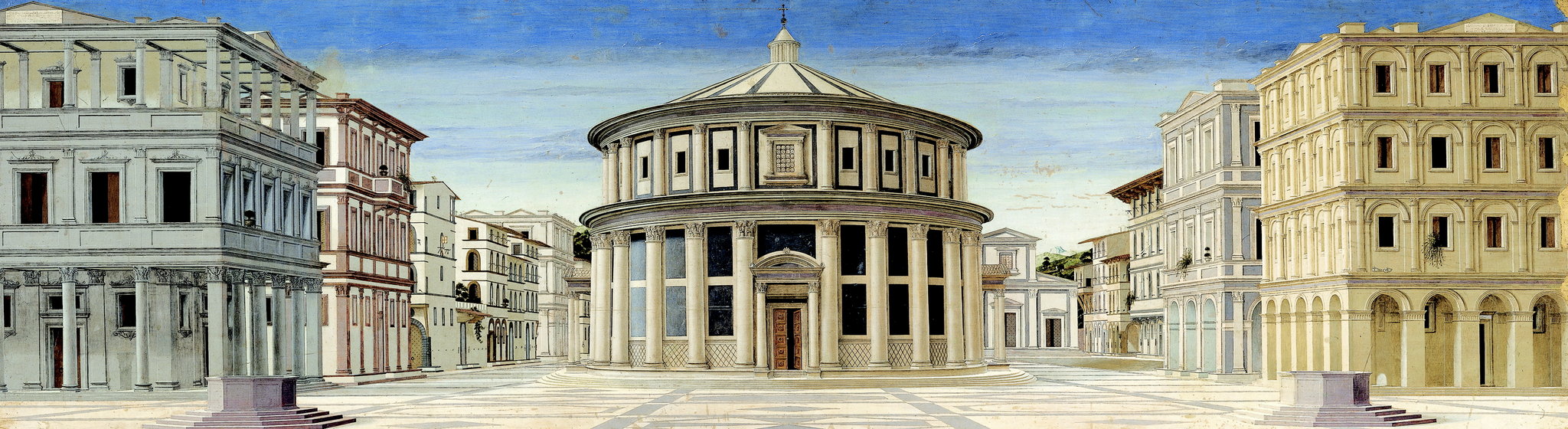
the ideal city (painting)
here the regularity of parts required in renaissance buildings is perfectly shown
while the gothic period had a lot of technological advancements (flying buttresses, rib vaults etc), what made the renaissance different
the renaissance was more of a stylistic breakthrough, inspired by the classical period, specifically roman ruins
first and most important architect of the renaissance
filippo brunelleschi
1377 - 1466
extra info: he used to be a goldsmith before his proposal for the florence cathedral, not an architect
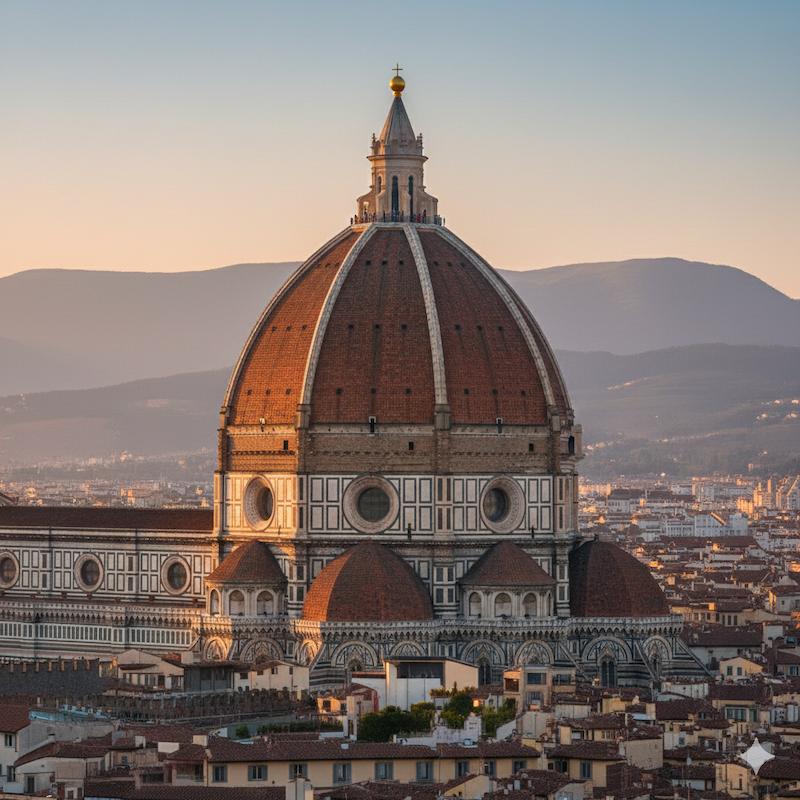
what, when
the dome of the florence cathedal
1436
scaffolding
скеле
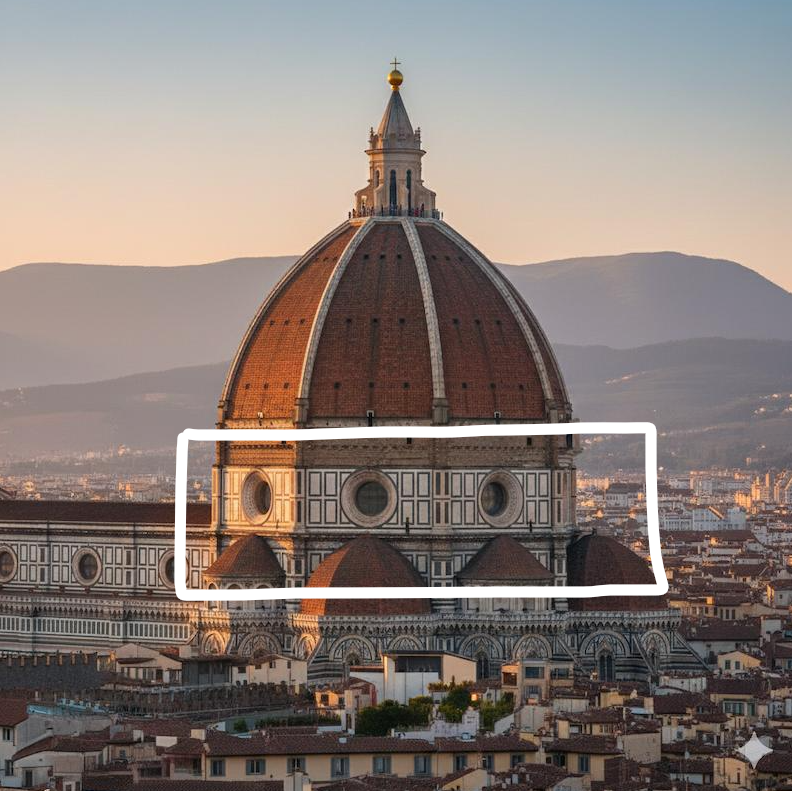
drum, the cathedral was completed to the drum before the dome was added
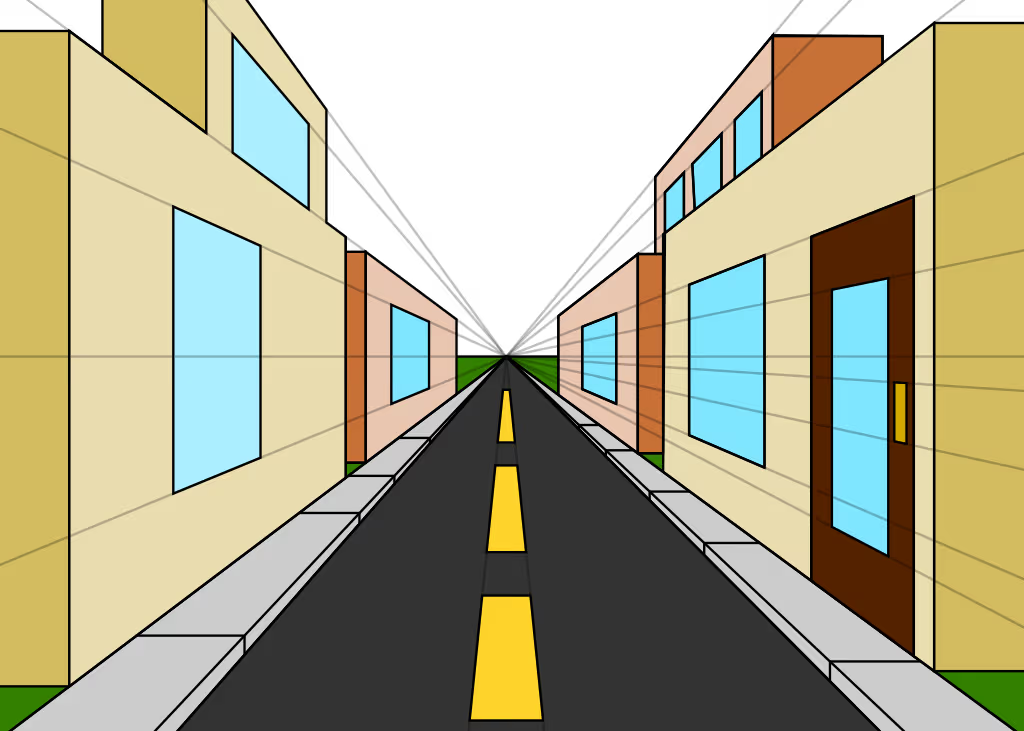
who invented linear perspective
filippo brunelleschi
what’s the biggest defining characteristic of renaissance art
the use of perspective
the egg story around the dome and filippo brunelleschi
brunelleschi won the commission for the dome by challenging rival architects to make an egg stand upright on a flat marble slab, and when they all failed, he simply cracked the bottom of the egg and set it upright, showing that his unique, seemingly impossible solution (like his dome design) would work if only he were allowed to demonstrate it rather than explain it beforehand
who was the original architect of the florence cathedral
arnolfo di cambio
who painted the dome and what did he write
georgio vasari
wrote “the lives”, talking abt the lives of the most excellent painters, sculptors, and architects before his time
in 1550
what’s high renaissance
high renaissance is the last buildings of the renaissance that look almost like medieval buildings, easily confused with classical, but still following the rules of the renaissance
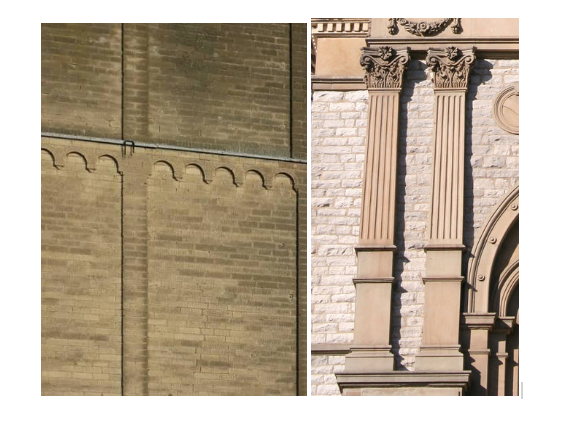
difference between lesene and a pilaster
lesene - no base and no caital
pilaster - a 2d column
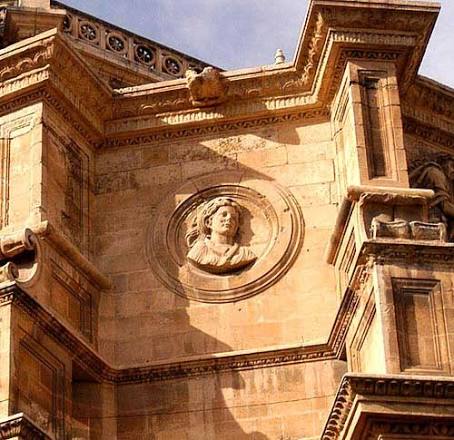
what’s this element called
roundel // medallion
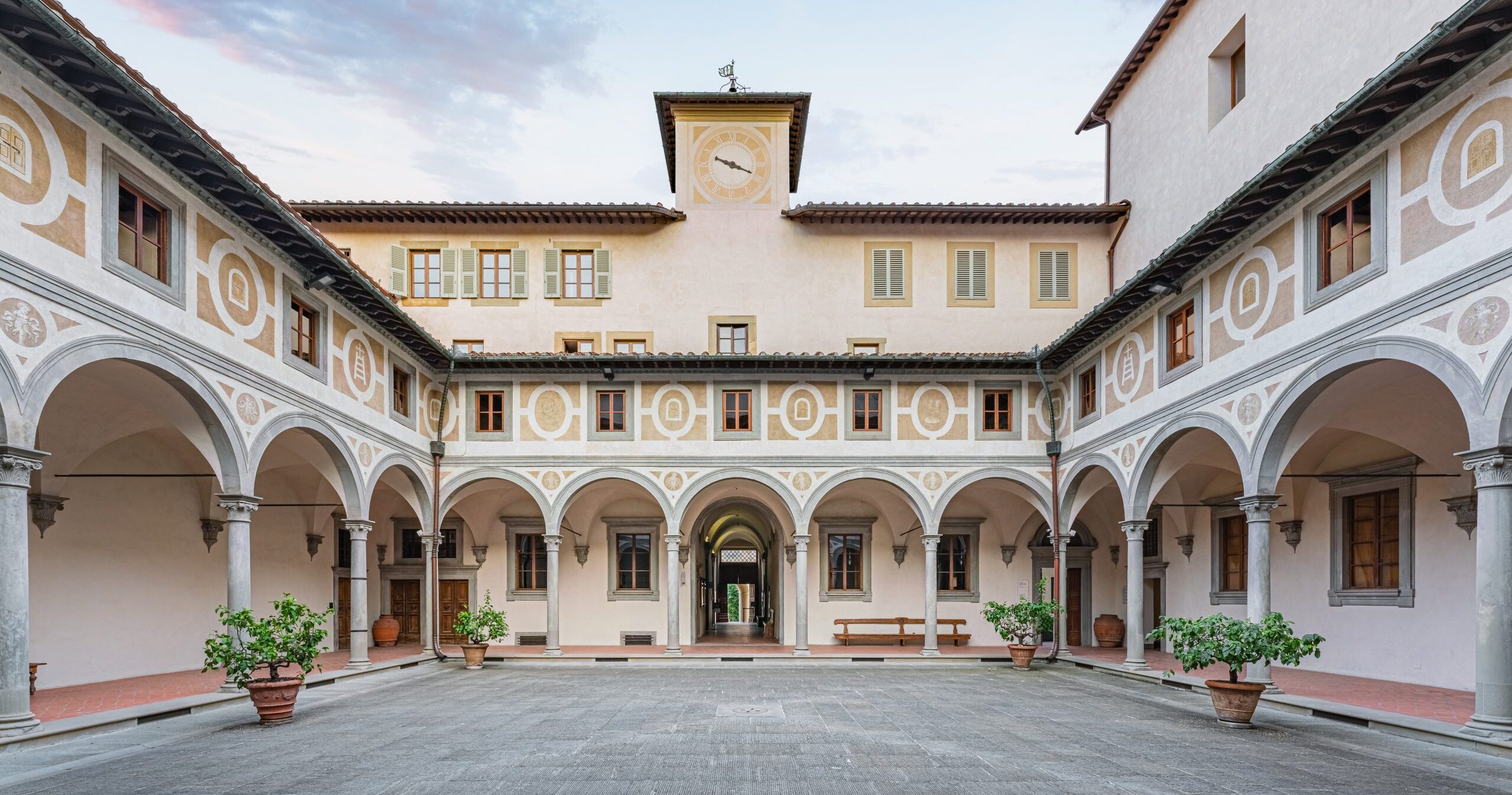
ospedale degli innocenti // foundling hospital // hospital of innocents
by brunelleschi
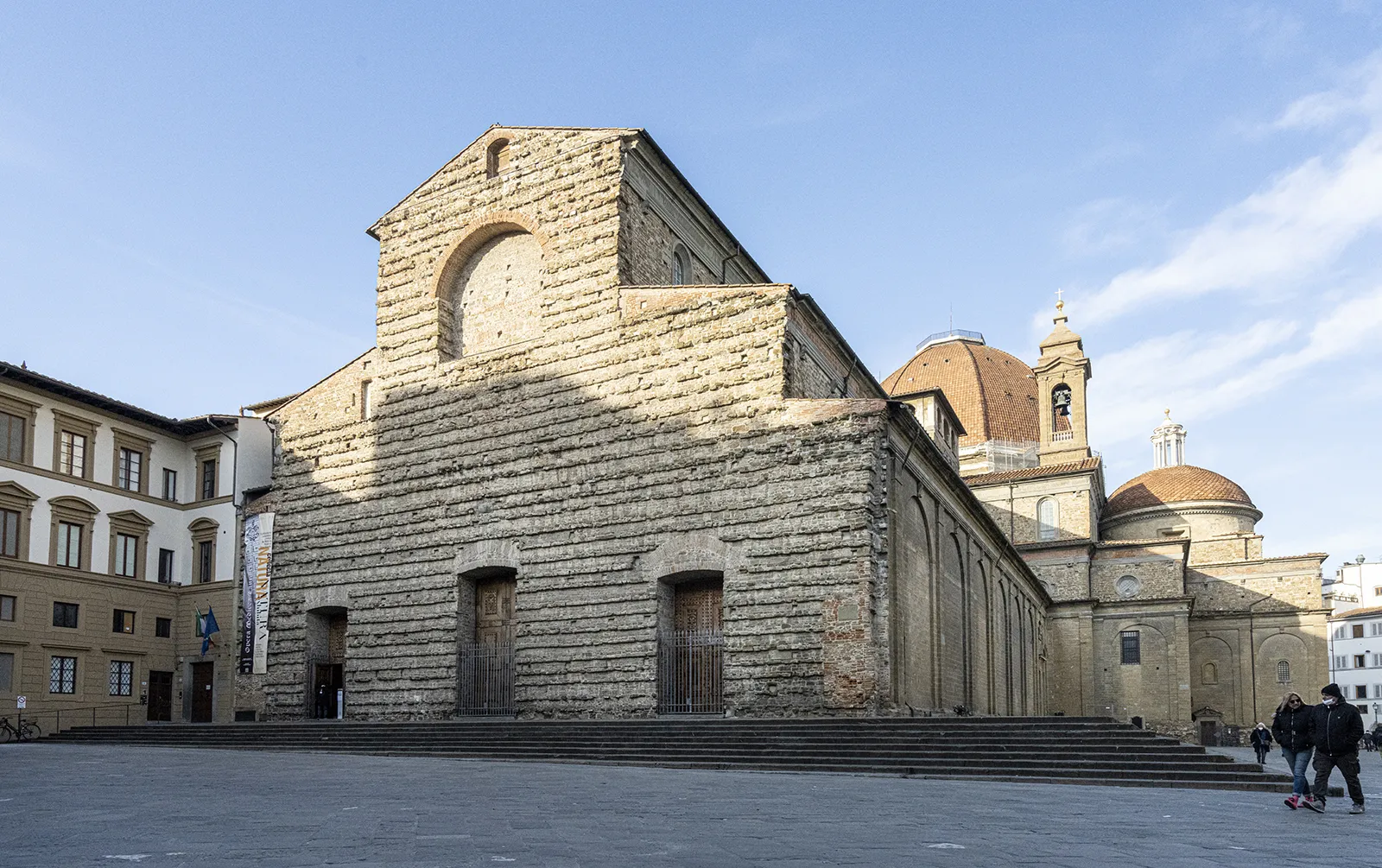
what, where, by who, when
basilica of st lorenzo
in the san lorenzo complex
by brunelleschi
1419 - 1480
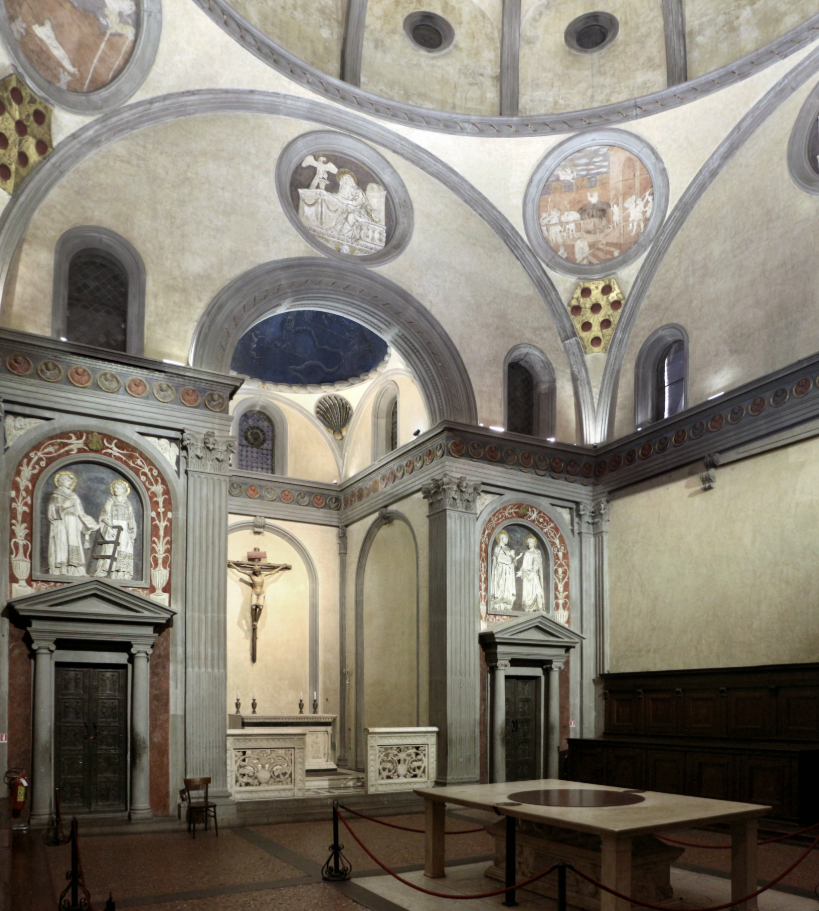
the old sacristy, part of the san lorenzo complex
by brunelleschi
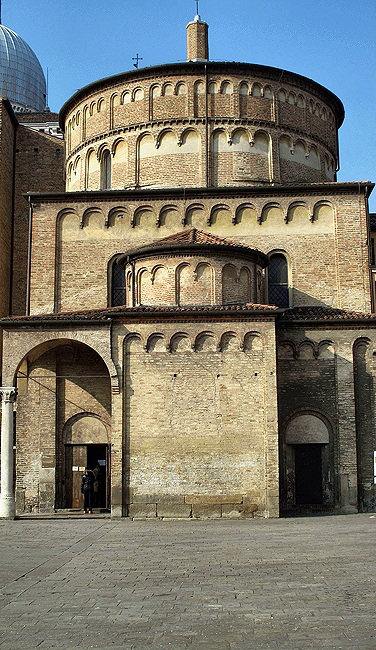
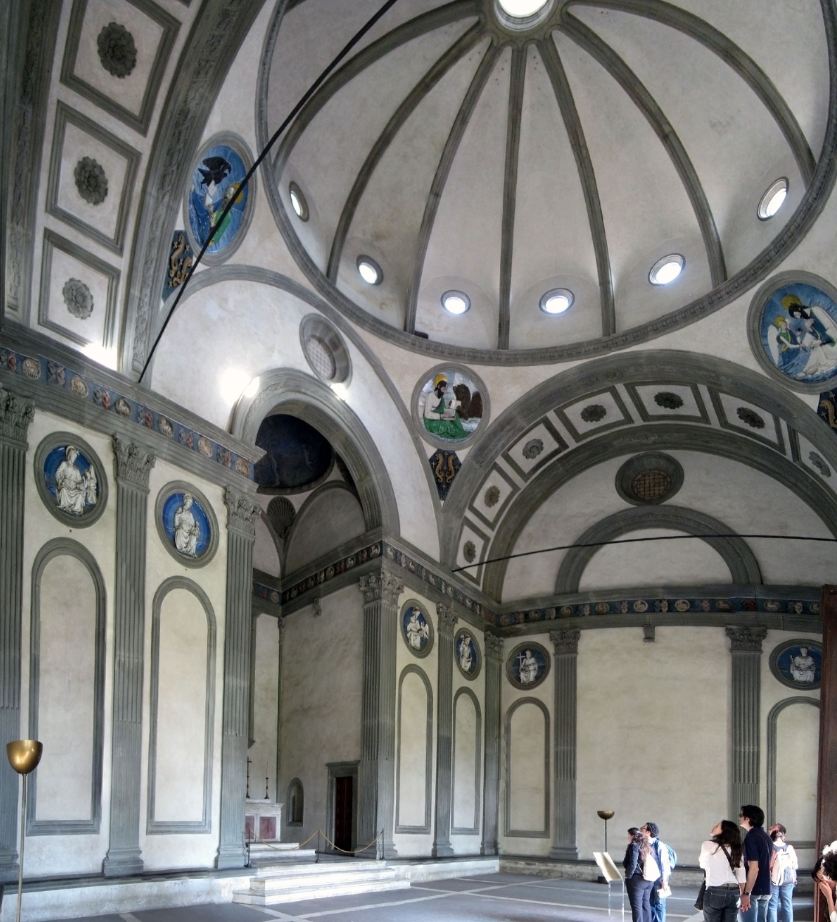
pazzi chapel, next to santa croce
1430 - 1444
by brunelleschi
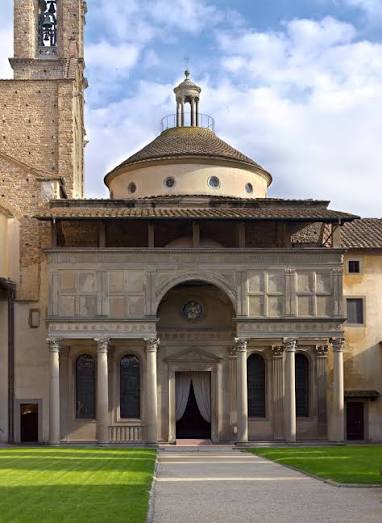
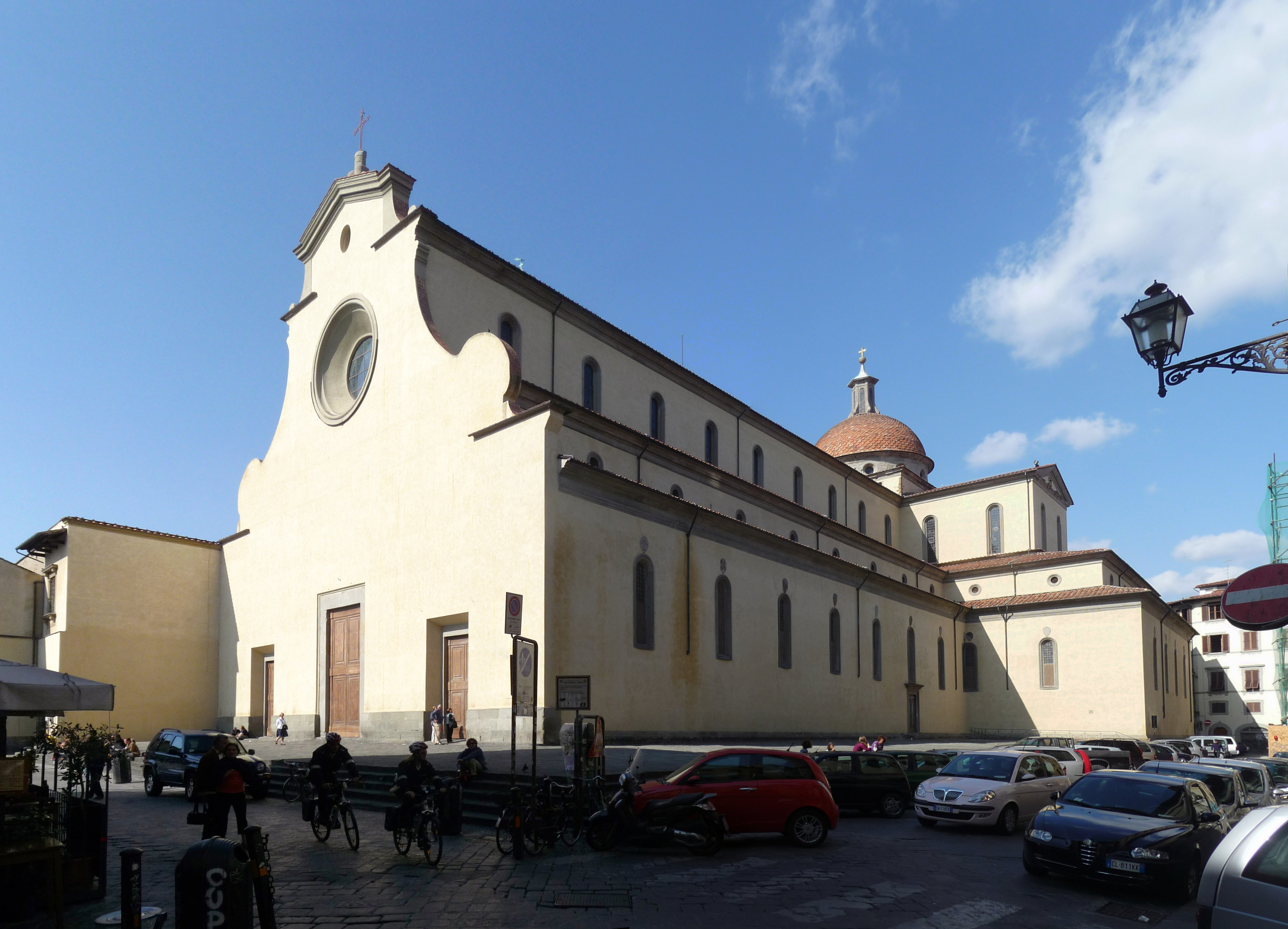
basilica of santo spirito
1436 - 1466
last work by brunelleschi
leon battista alberti, what ‘d he write
de re aedificatoria
1452
what does de re aedificatoria mean; what does the book stand for
italian: the art of building
utility, strength, beauty
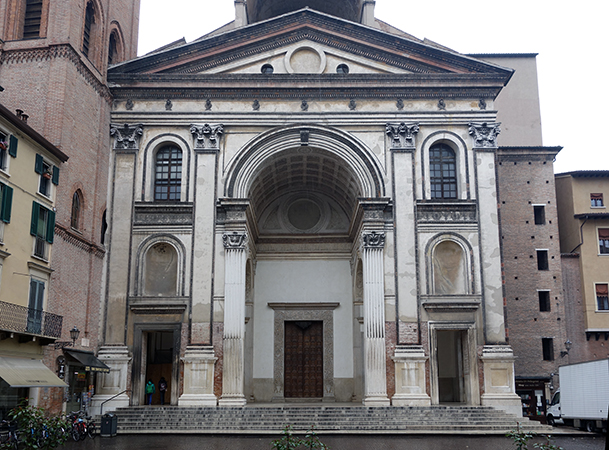
what, where, when, by who, inspired by what roman thing
sant’andrea in mantua, italy
1471
most famous work by alberti
inspired by a triumphal arch
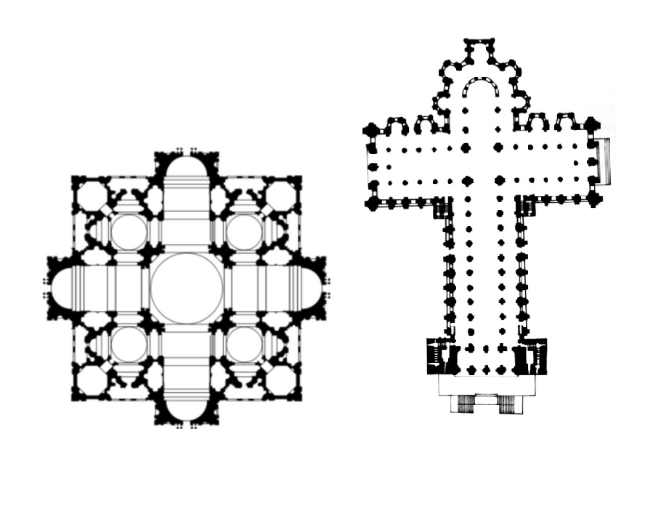
greek and latin cross plans
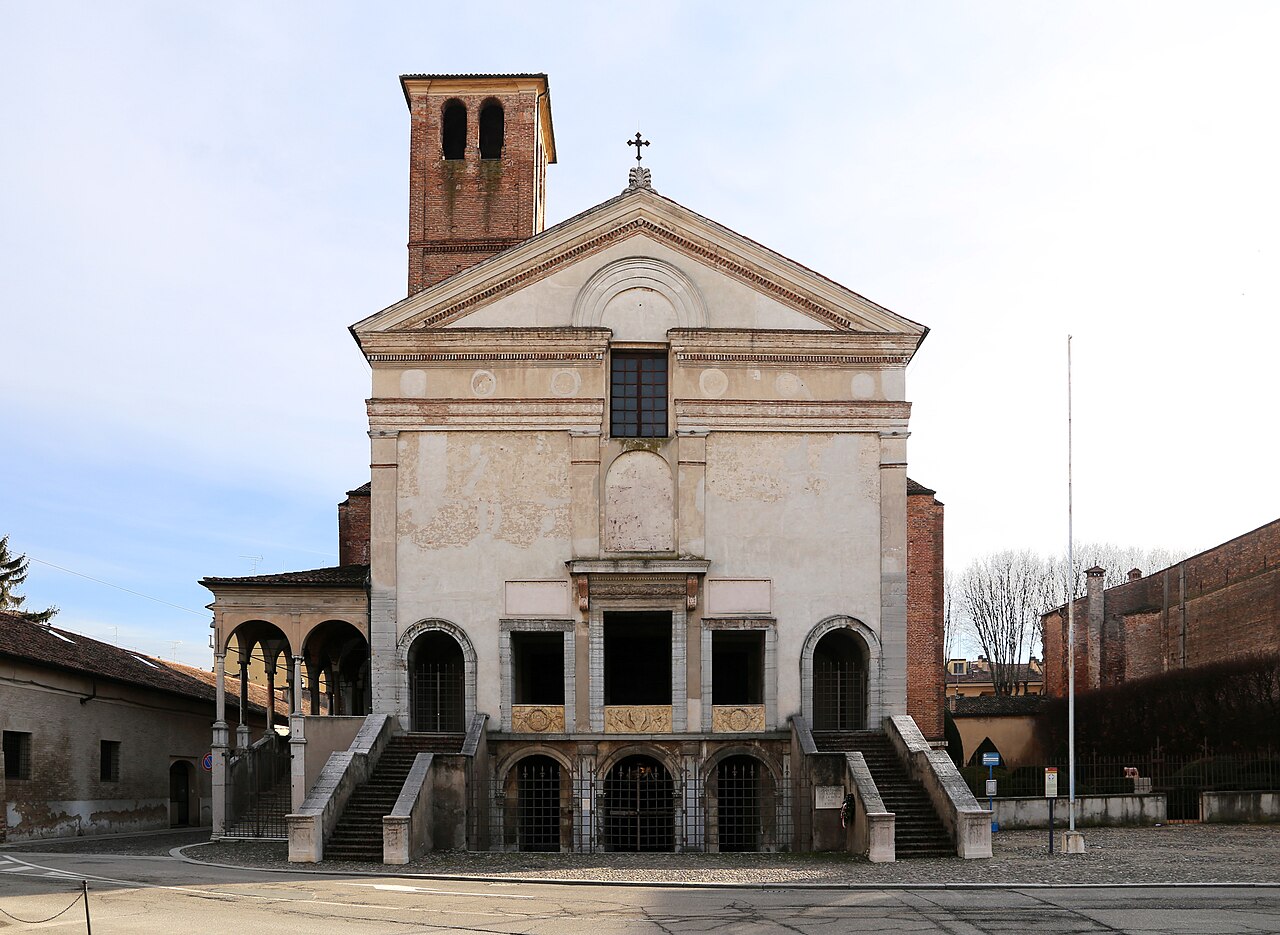
what, when, by who, how can u guess it’s renaissance
san sebastiano in mantua
1460
alberti
double staircase, round arches, and sort-of grid layot → renaissance
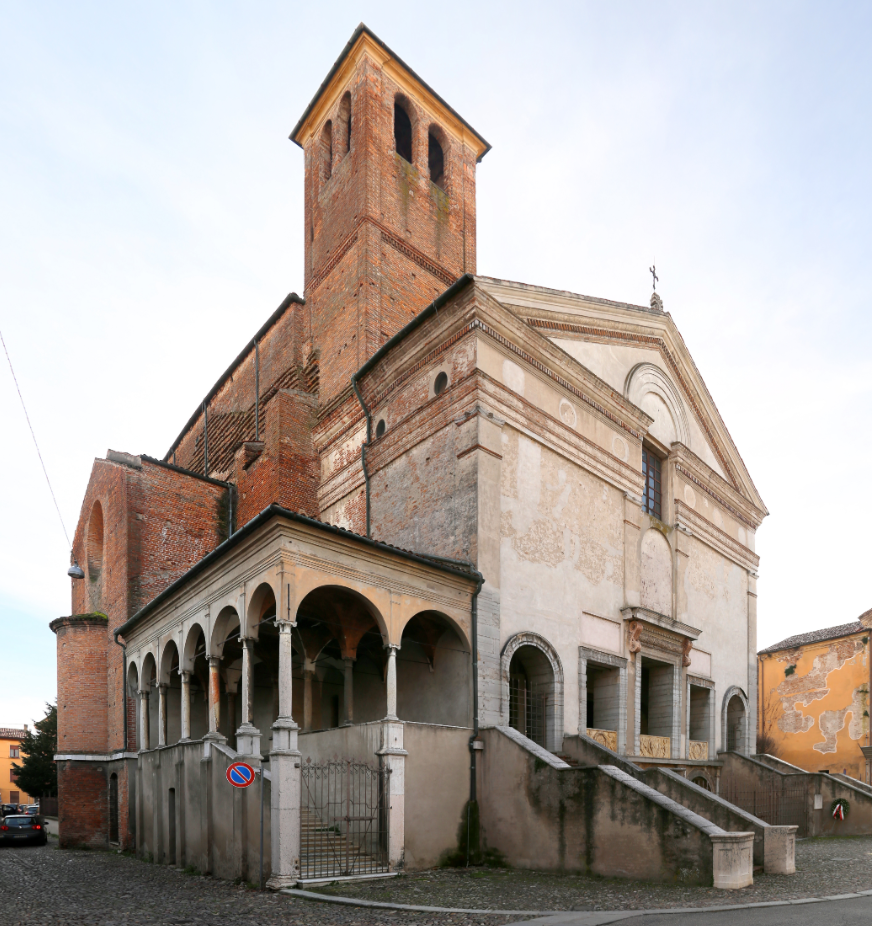
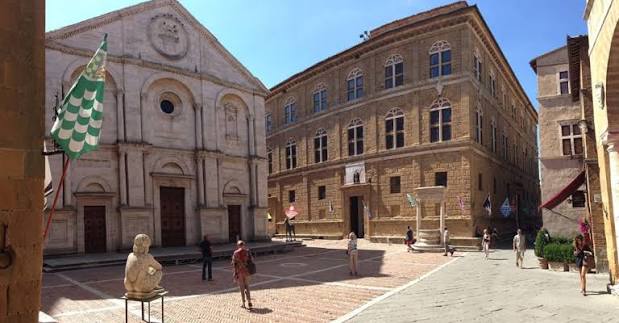
what city, by who, when (u gota the yr here fs), what does it represent
pienza
city by pope pius II
1459
first application of humanist urban planning concepts
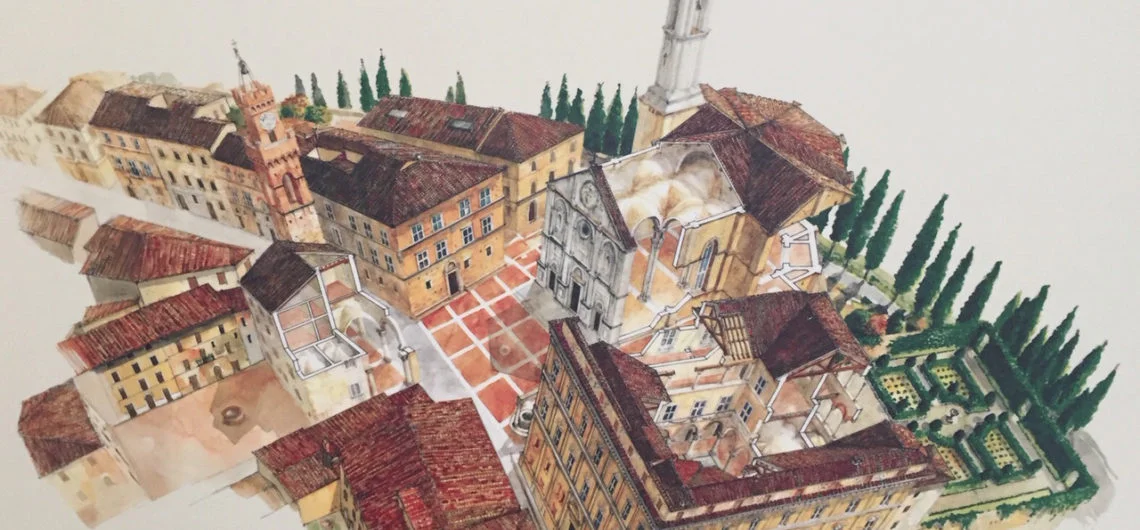
humanist urban planning concept
if we build perfefct cities (based on proportions, right angles, straight lines) then those cities will produce better people
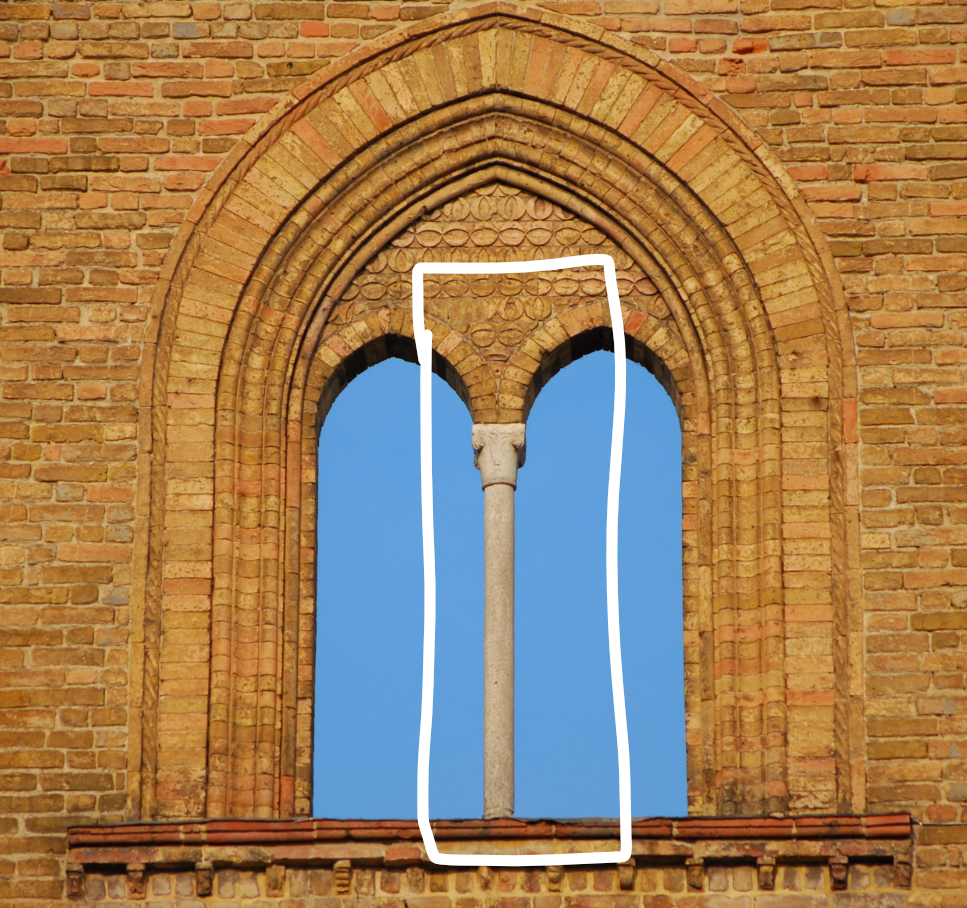
mullion, separates the bifora window
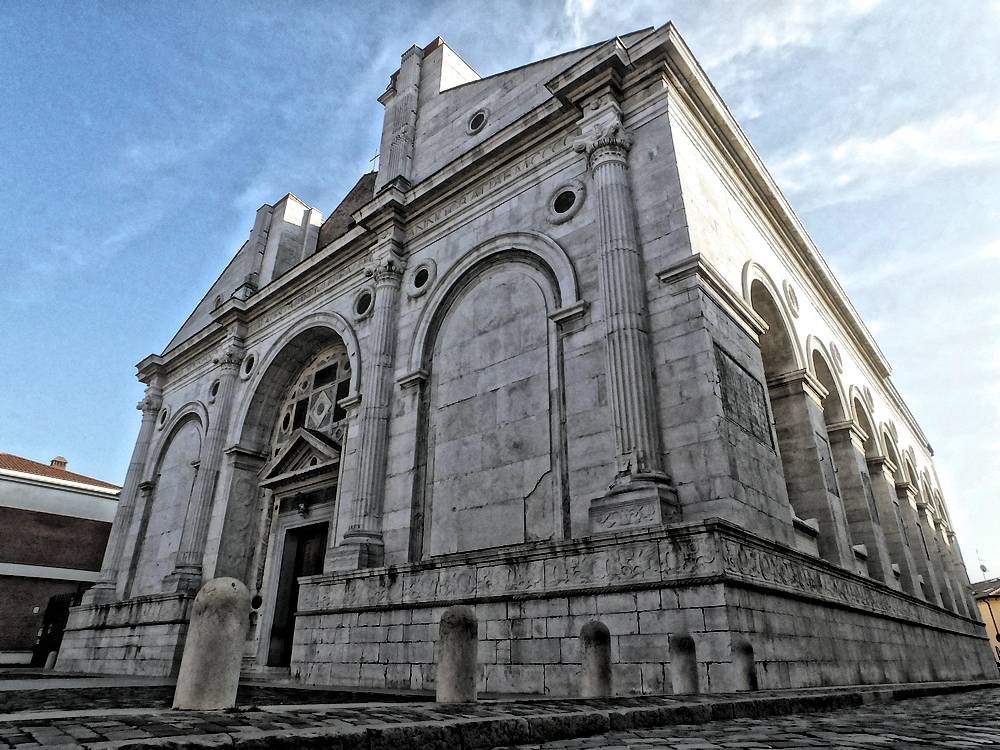
what, where, by who, inspired by, whats on the side
tempio malatestiano in rimini
by alberti
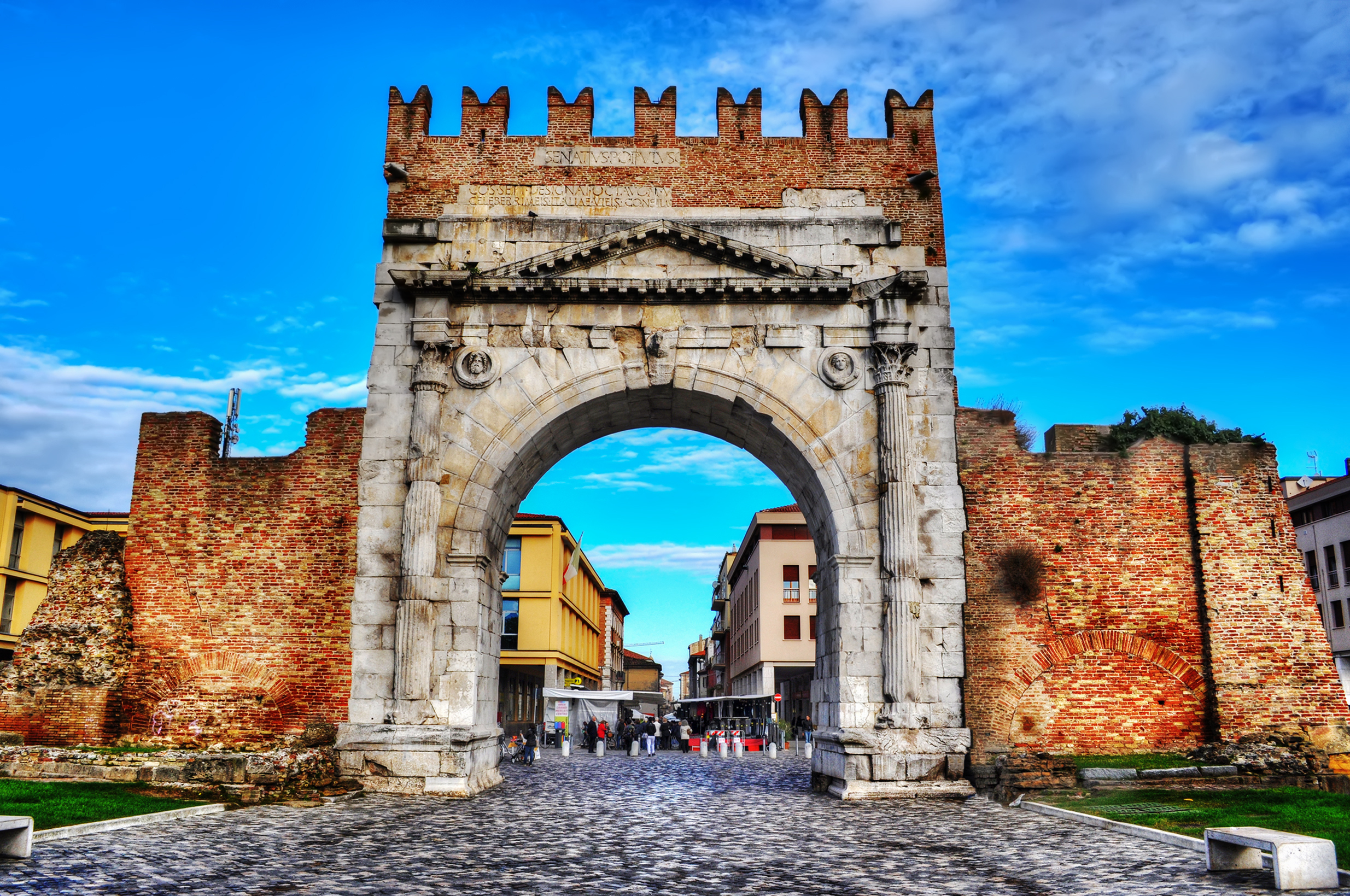
inspired by the arch of augustus in rimini
there are sarcophagi in the arches on the side
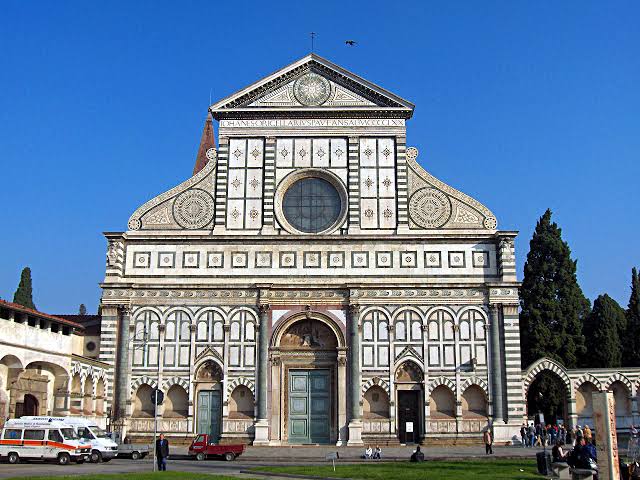
what, who made the facade, when
the facade of santa maria novella by alberti in 1470
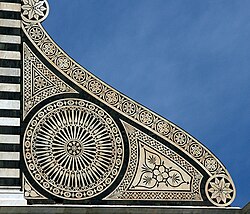
who made this element, hows it called
alberti completely invented the scrolls on the sides
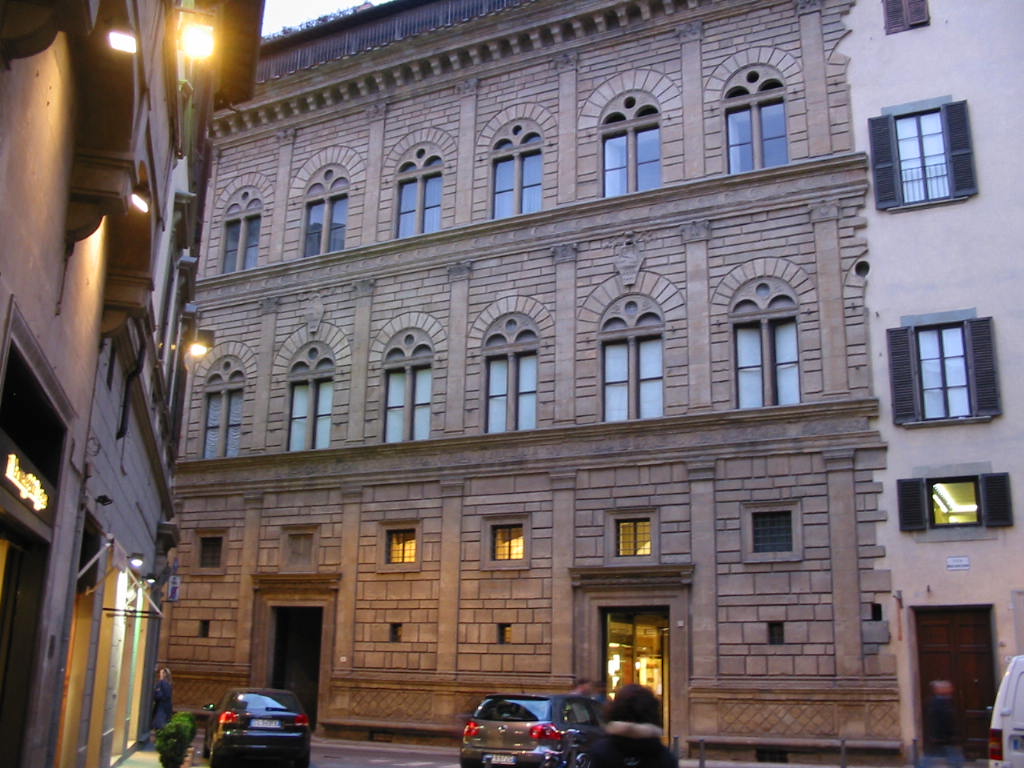
what, by who, when, what kind of building, inspired by what
palazzo rucellai by alberti
1451
secular building
inspired by the colosseum (the engaged columns in diff styles… then pilasters… cool)
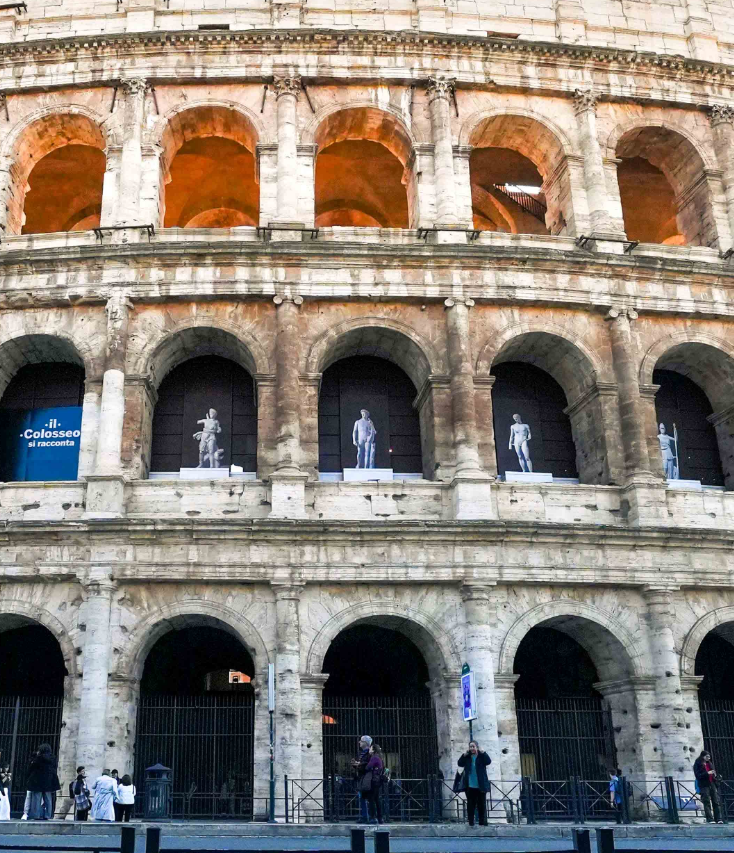
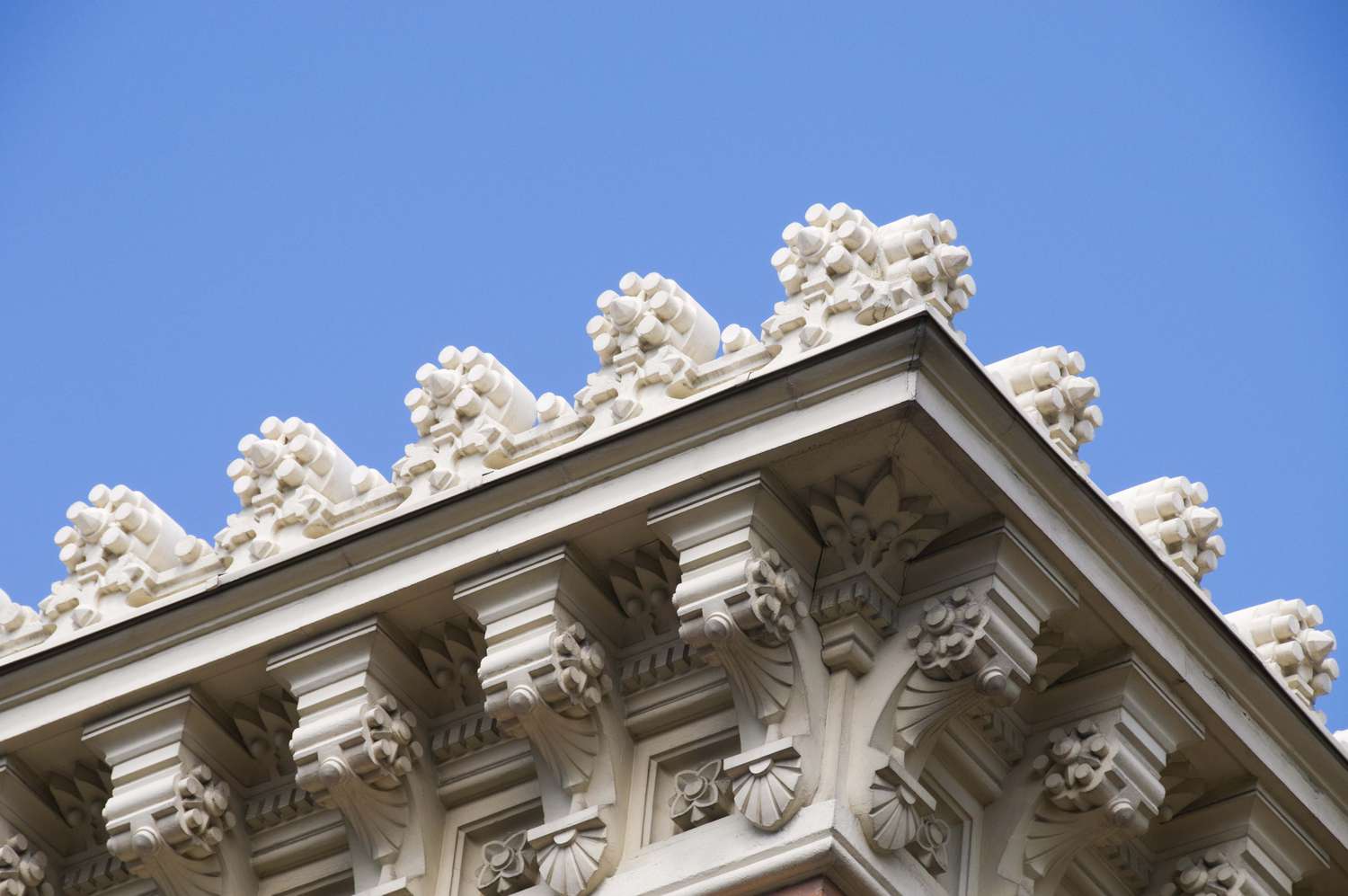
cornice
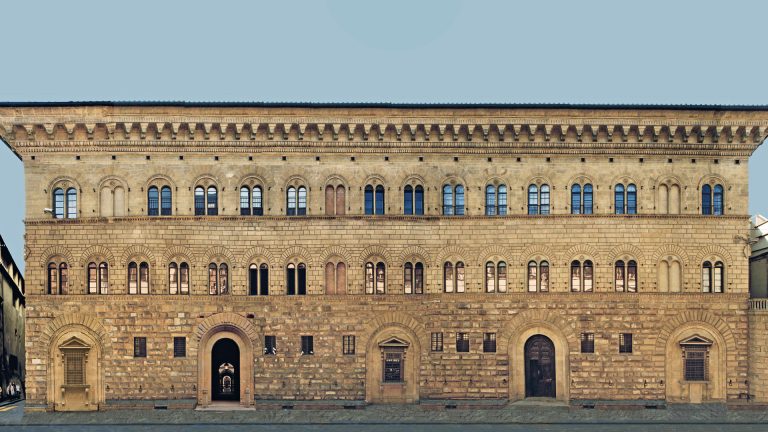
what, when, who ordered it from who, who bought it
palazzo medici-riccardi
1444
comissioned by the medici to michelozzo
then sold to riccardi
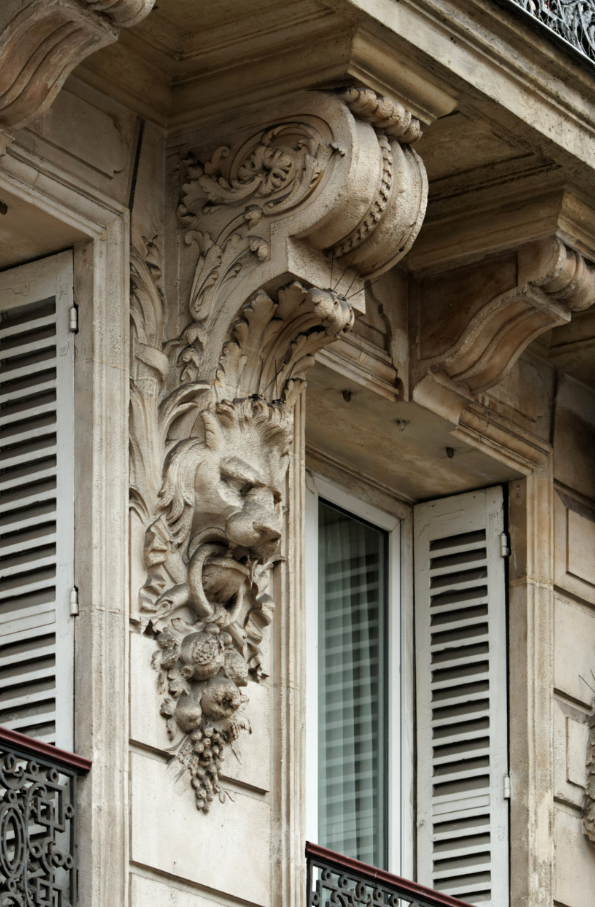
corbel, used under balconies to symbolise that the balcony is carrying something
one of the typical classical elements that then renaissance plays with
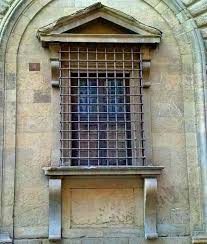
what, by who
kneeling window
invented by michelangelo
the corbel under the window isn’t carrying anything, so it isn’t really following vitruvius’ rules
renaissance is playing with different elements, rearranging the same elements in different ways
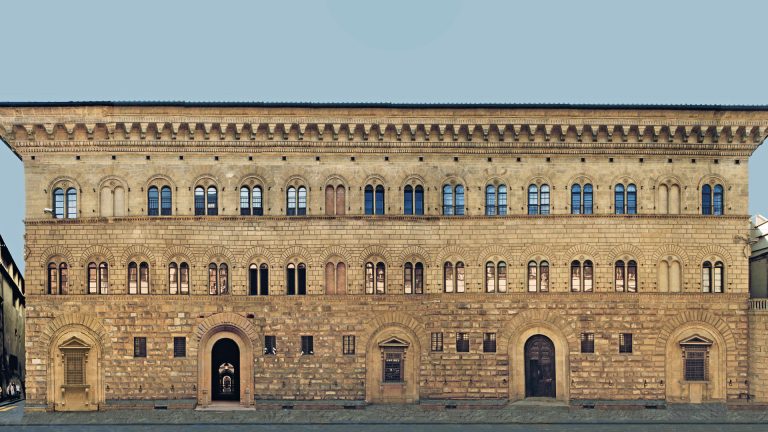
who made the facade of the palazzo medici-riccardi, what’s specific abt it
michelangelo
the kneeling windows
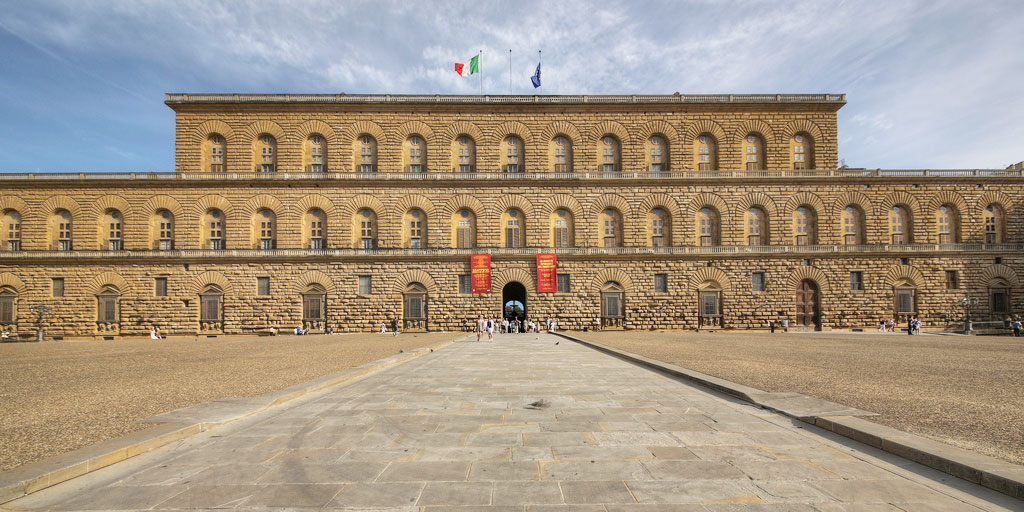
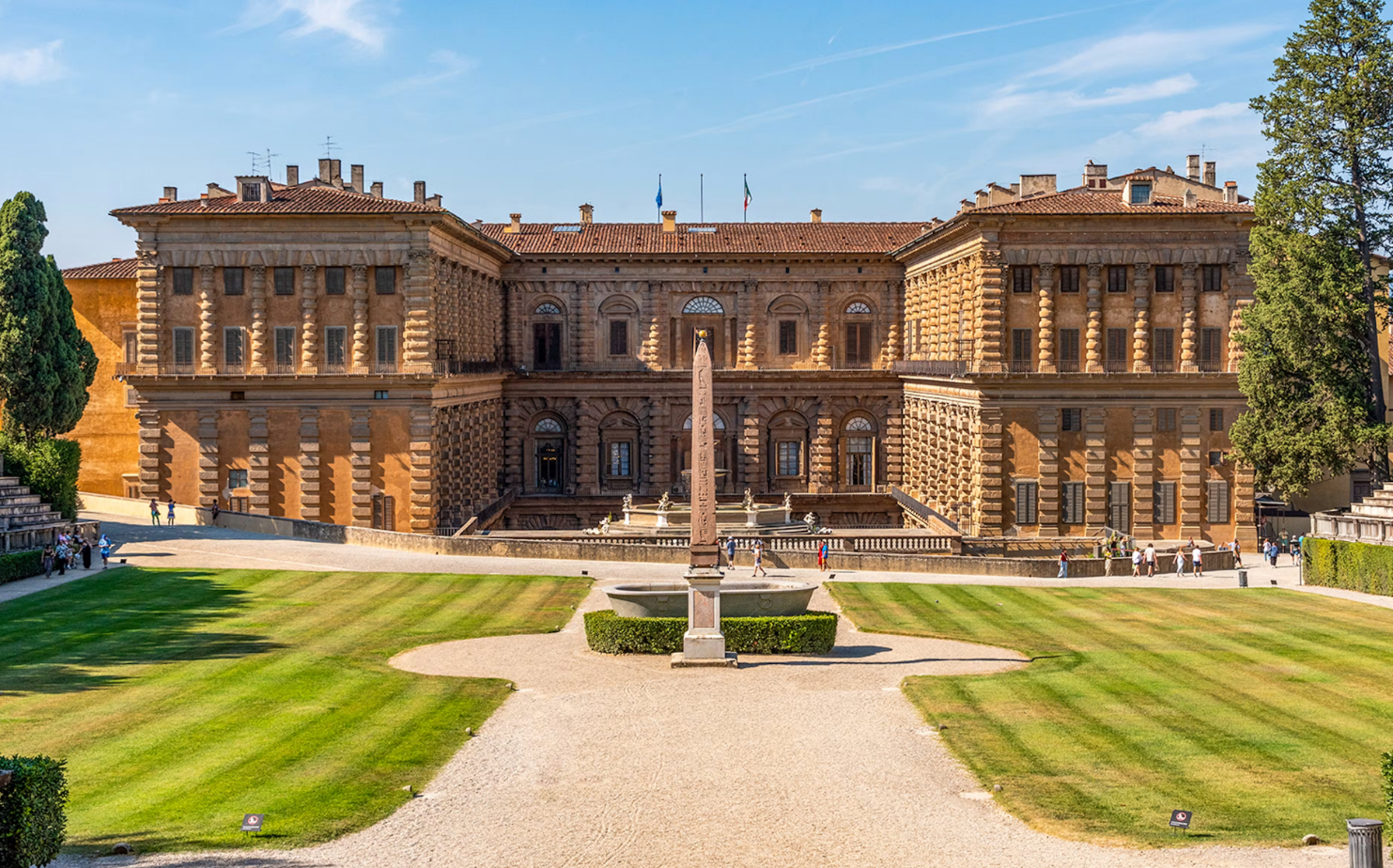
what, what is it now, when, by who, with what
palazzo pitti
now a museum
1458 - 1631
by bartolomeo ammannati
with the boboli gardens
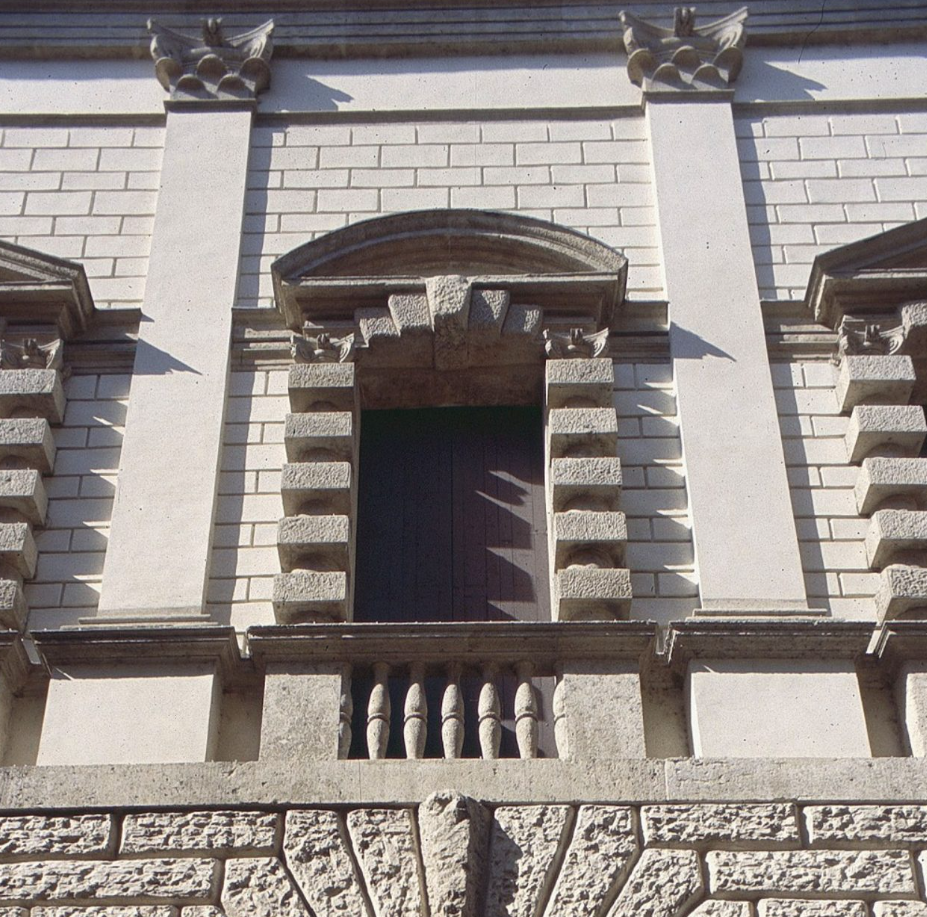
whats this element called
gibbs surround
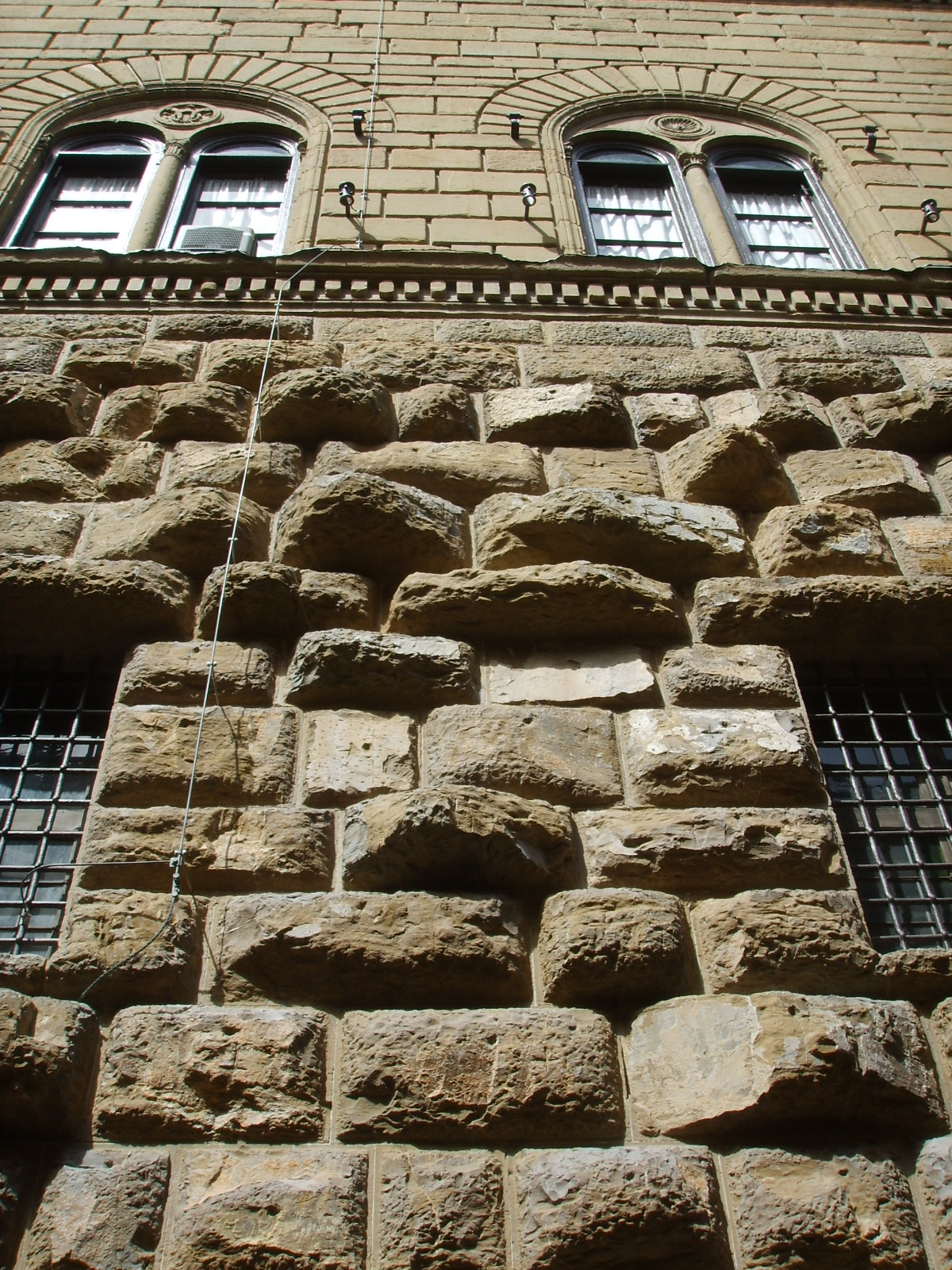
stone, empty, stone, empty
rustication
technique where stone blocks are cut with rough, textured, or deeply recessed edges/surfaces (instead of smooth and flat) to make a building's exterior look bold, heavy, and fortress like
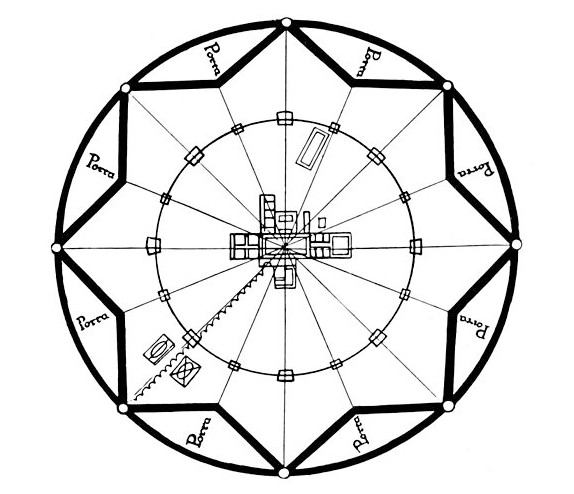
filarente
urban planner
sforzinda
filarente was comissioned by the sfonza family in milan to build an idea city, called sforzina
→ it never happened
in which period did donato bramente work
high renaissance
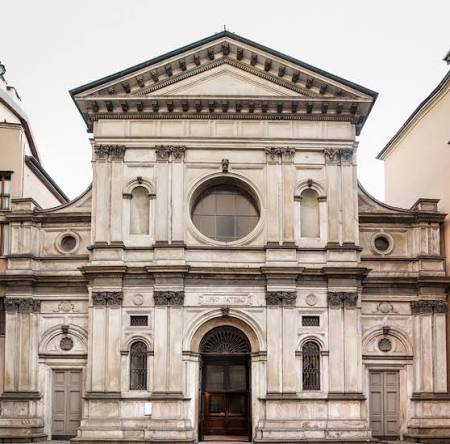
what, when, by who
santa maria presso san satiro
1486
by bramente
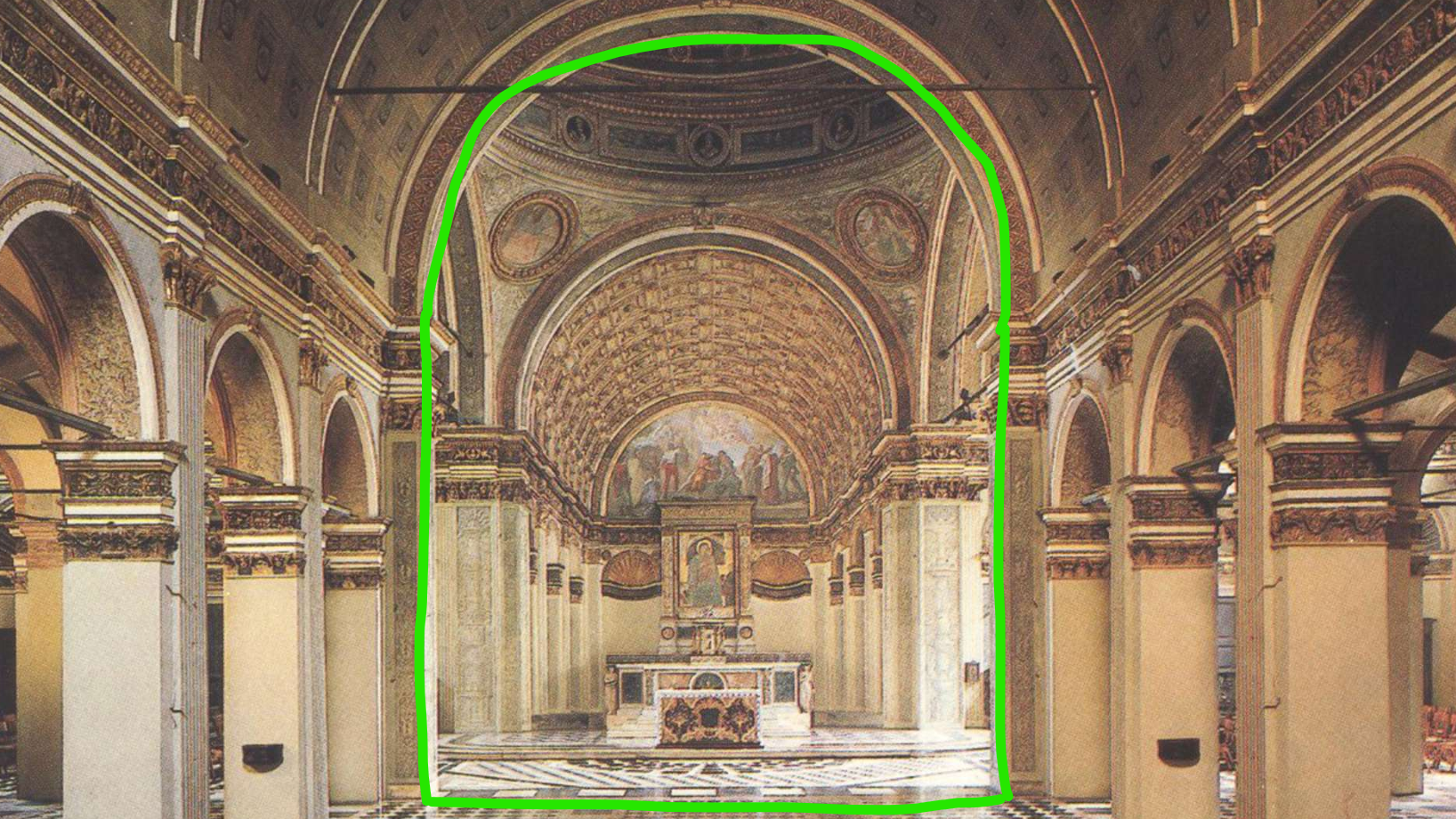
trompe-l'œil
means deceiving eye
a painting at the end of a hall that was a very good perspective drawing, creating the illusion that the hallway keeps on going
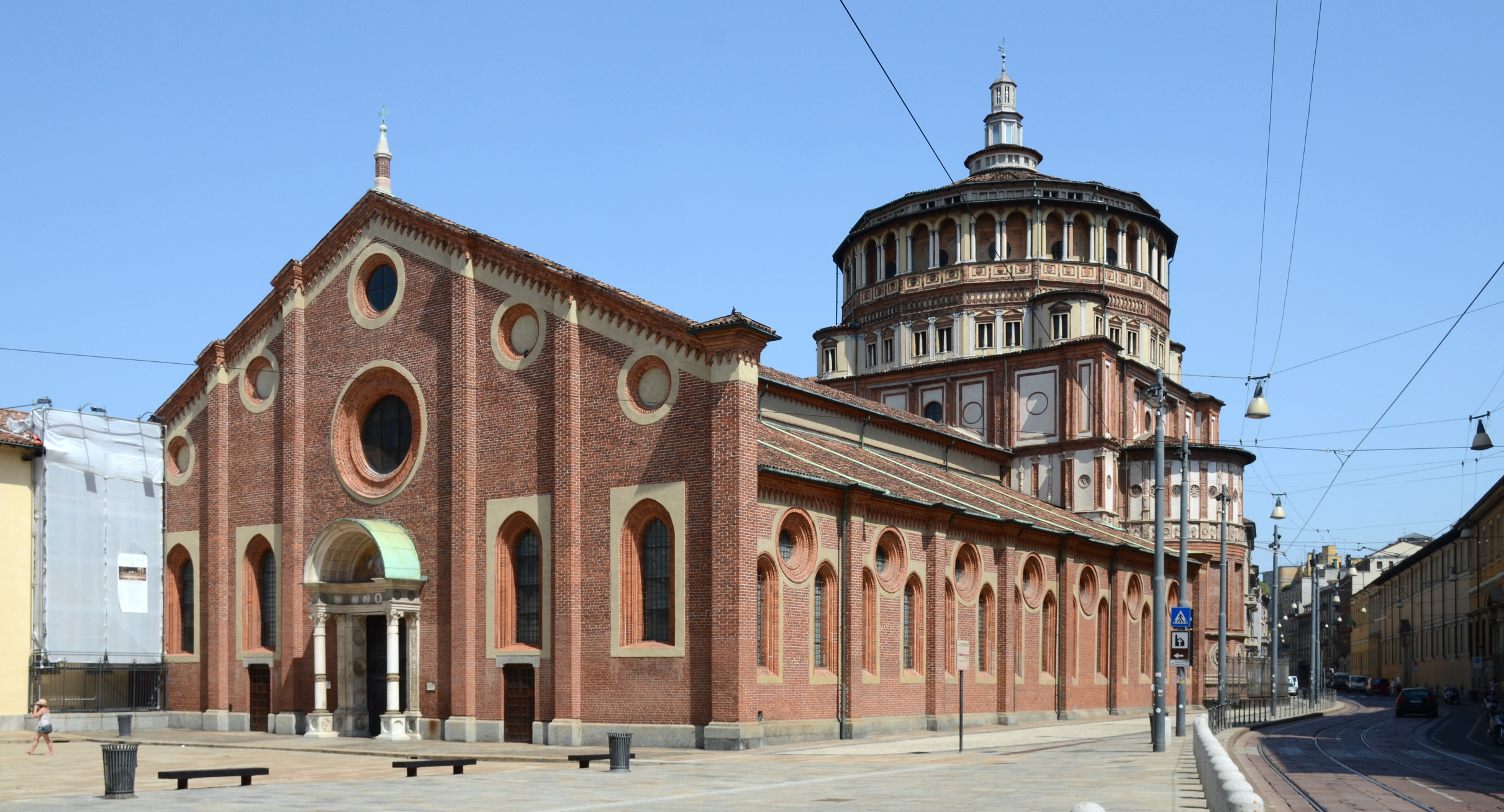
what, what was built by bramante
santa maria delle grazie in milan
bramante built the wedding-cake-looking portion in 1498
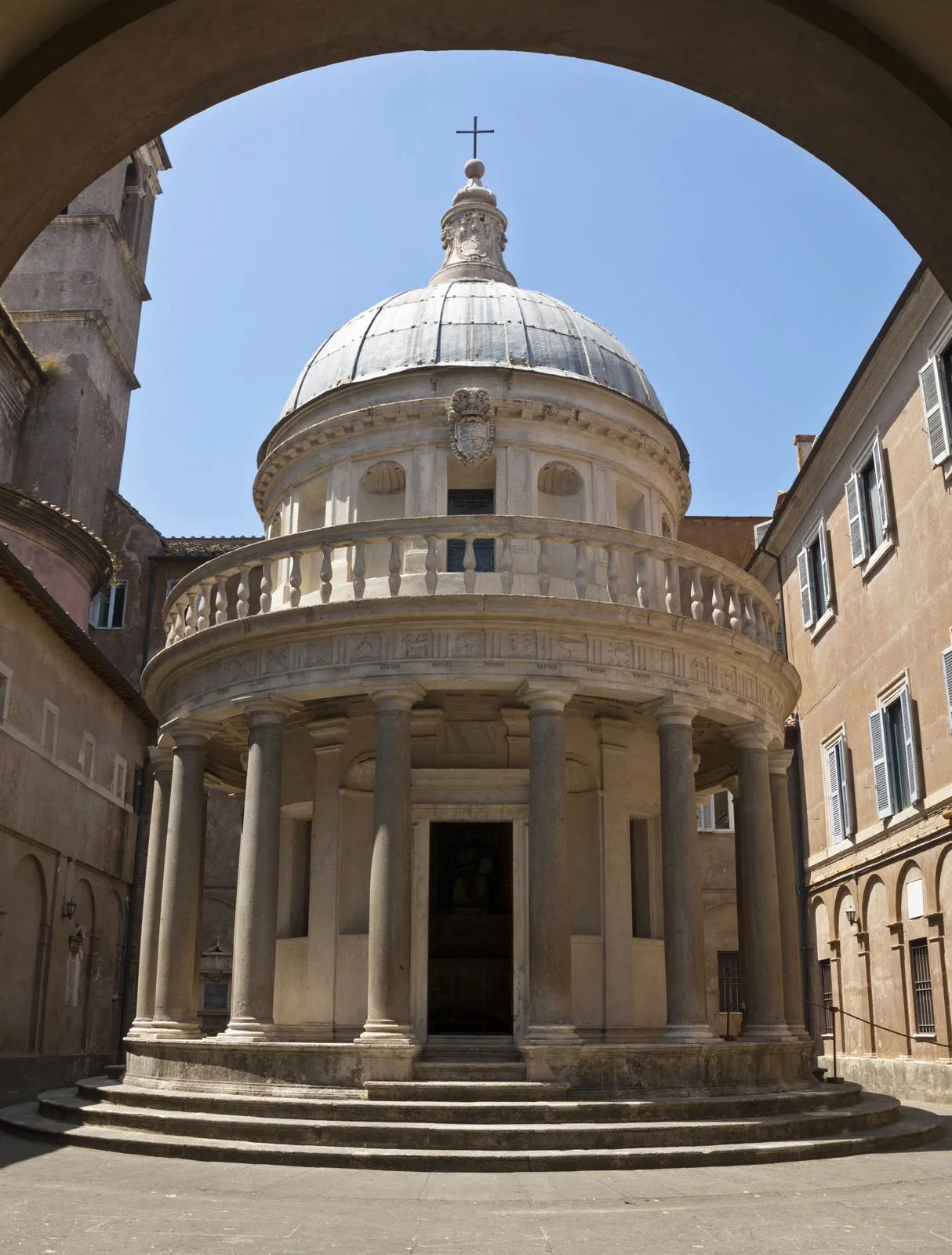
what, where, when, by who
tempietto in rome 1502
by bramante
the first building of high renaissance
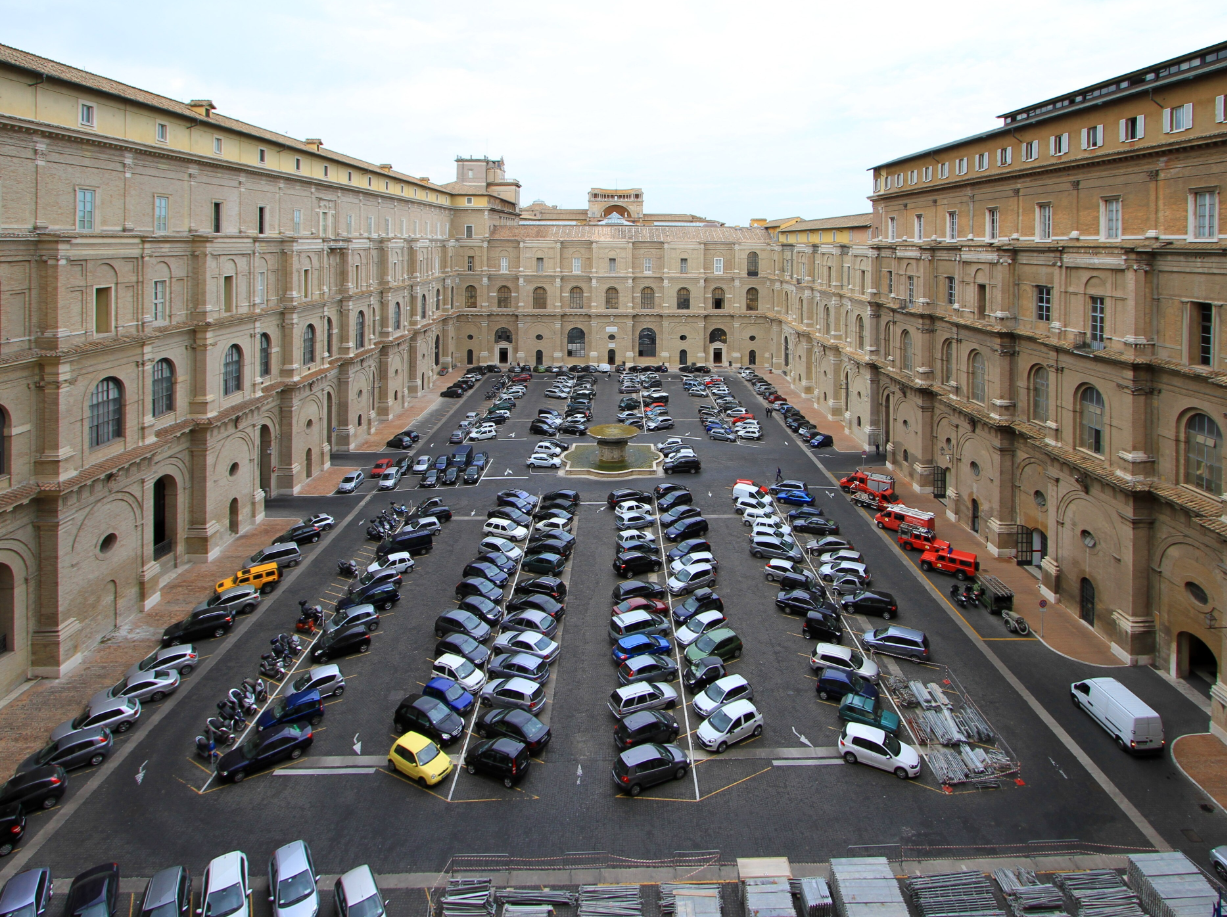
who made the parking of the vatican and how is it called
bramante
cortile del belvedere
bramante also made the first plan of
st peter’s basilica
his plan didn’t make it, but he still worked on the basilica
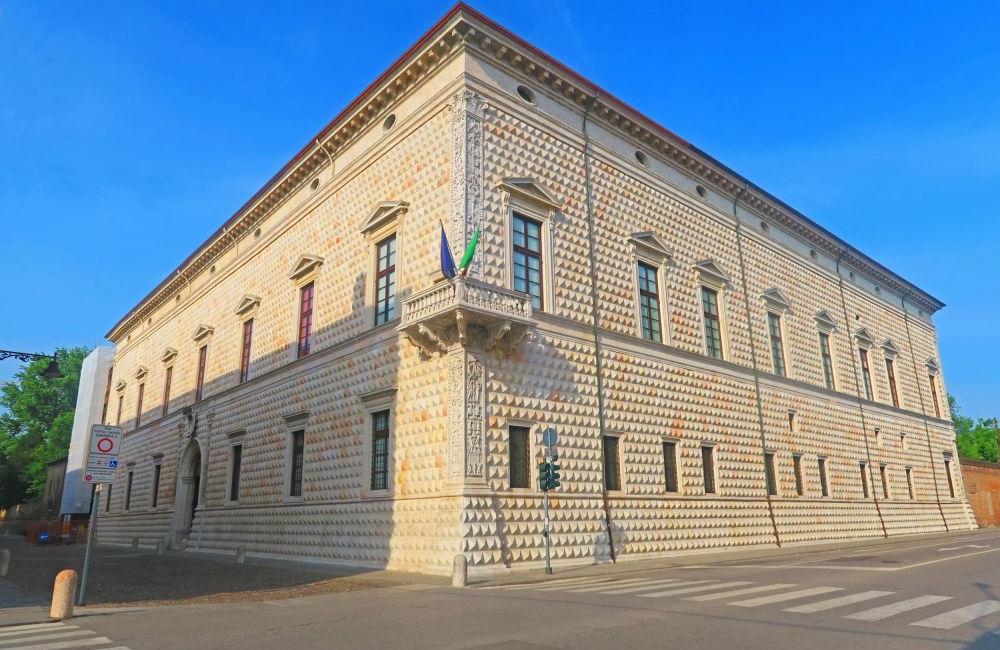
what, when, by who, where
palazzo dei diamanti
1493
biagio rosetti
in ferrara, italy
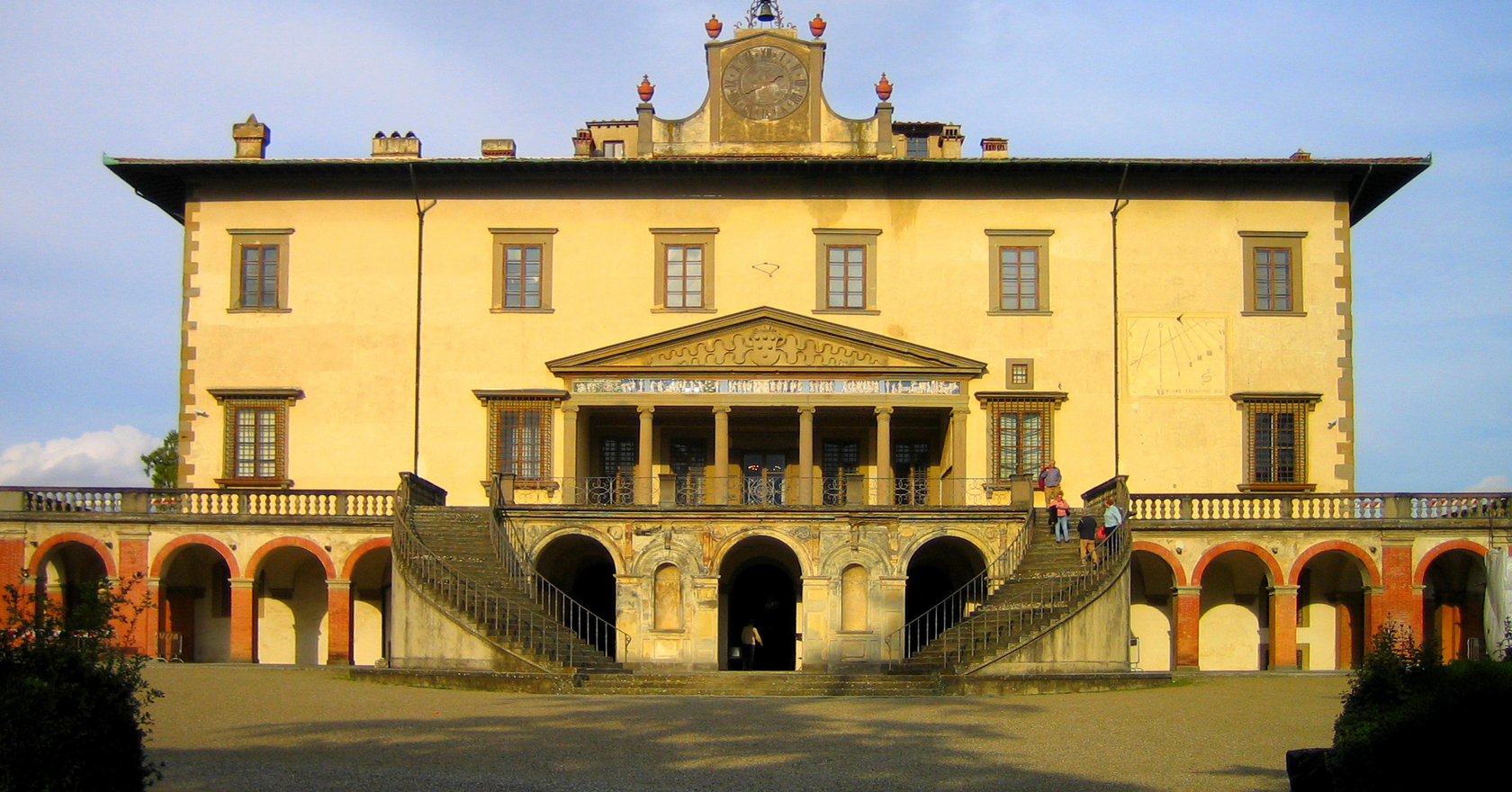
what, by who, when
villa medici a poggio caiano
by giuliano da sangallo
1480
when did baldassare peruzzi operate
end of high renaissance to the beginning of manerism
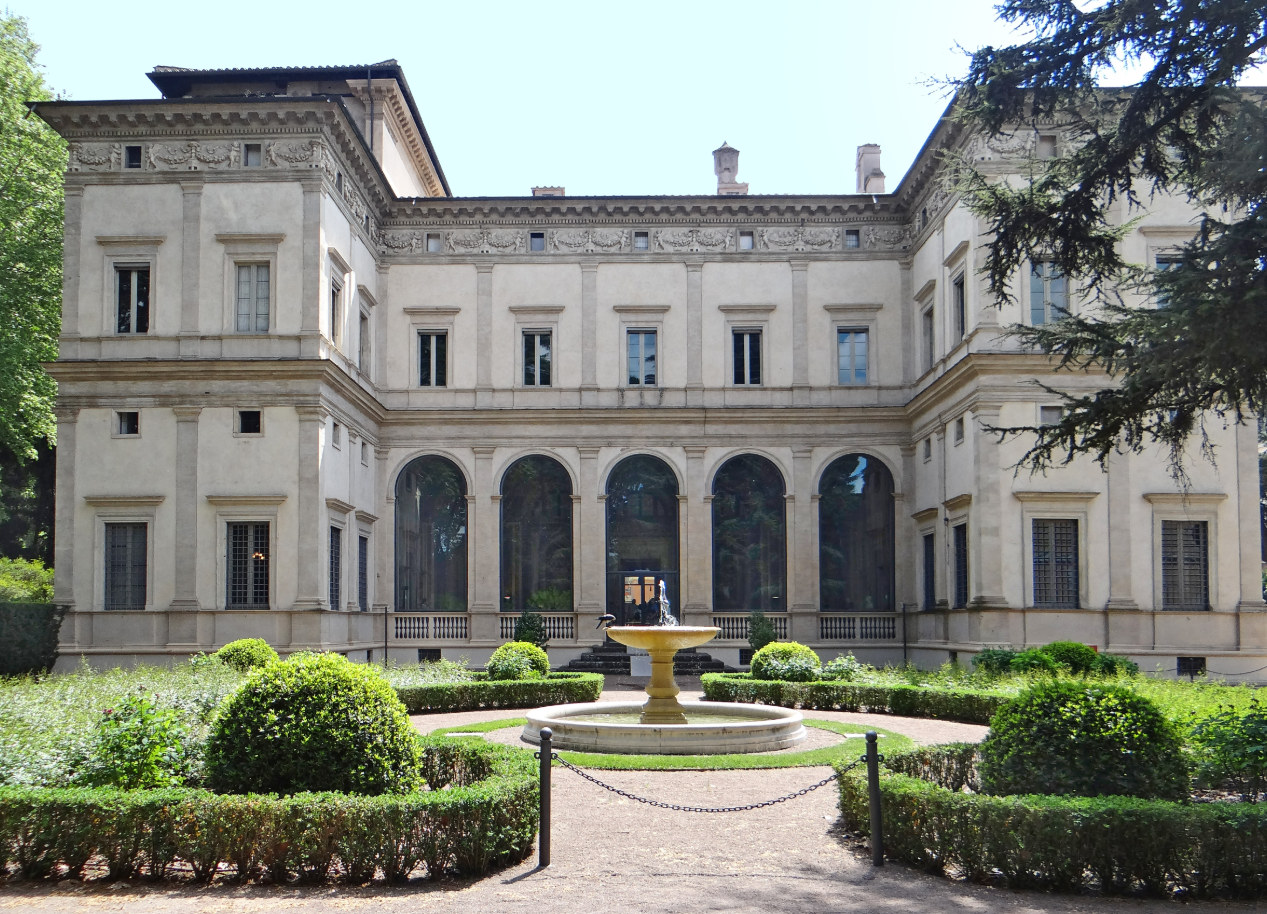
what, when, by who, where
villa farnesina
1506 - 1510
peruzzi
rome
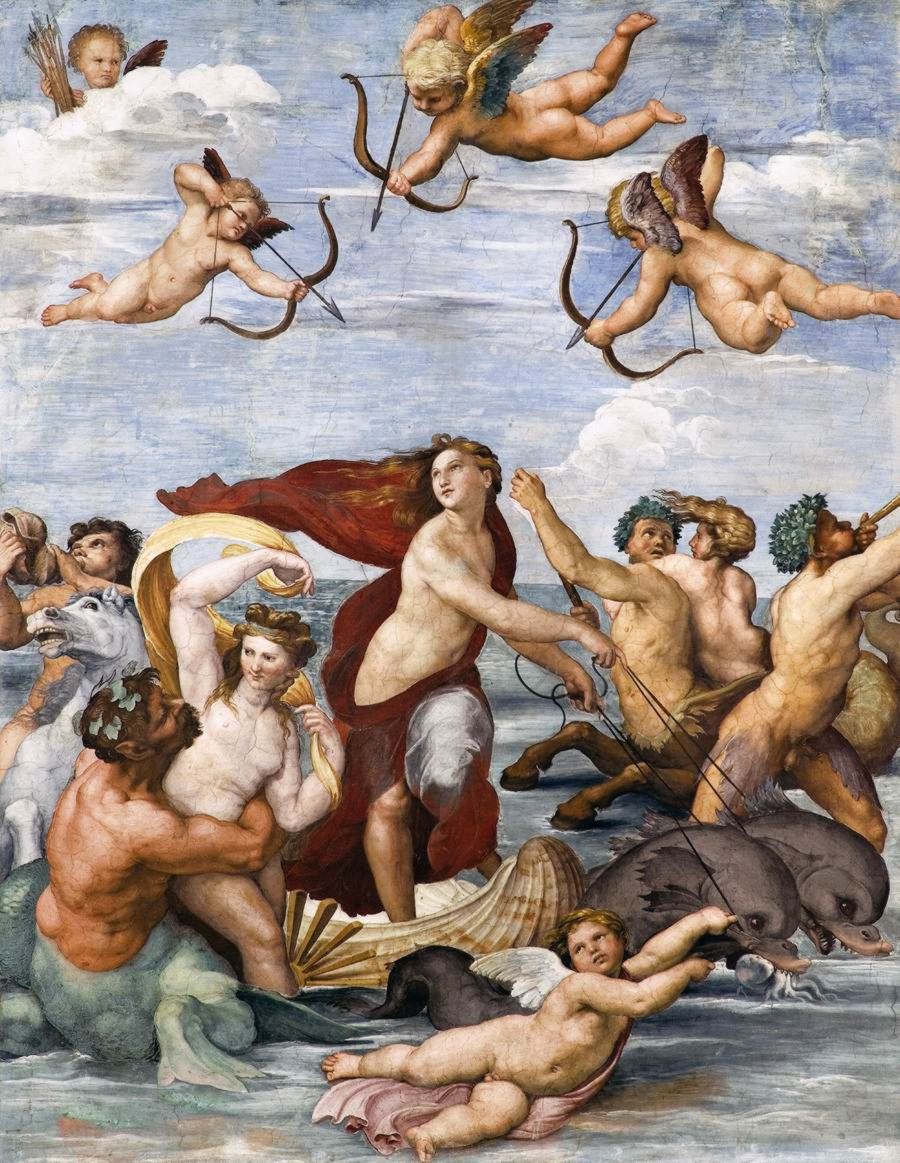
what, where, by who
the triumph of galatea
in vial farnesina
by raphael
the only allegorical painting by him
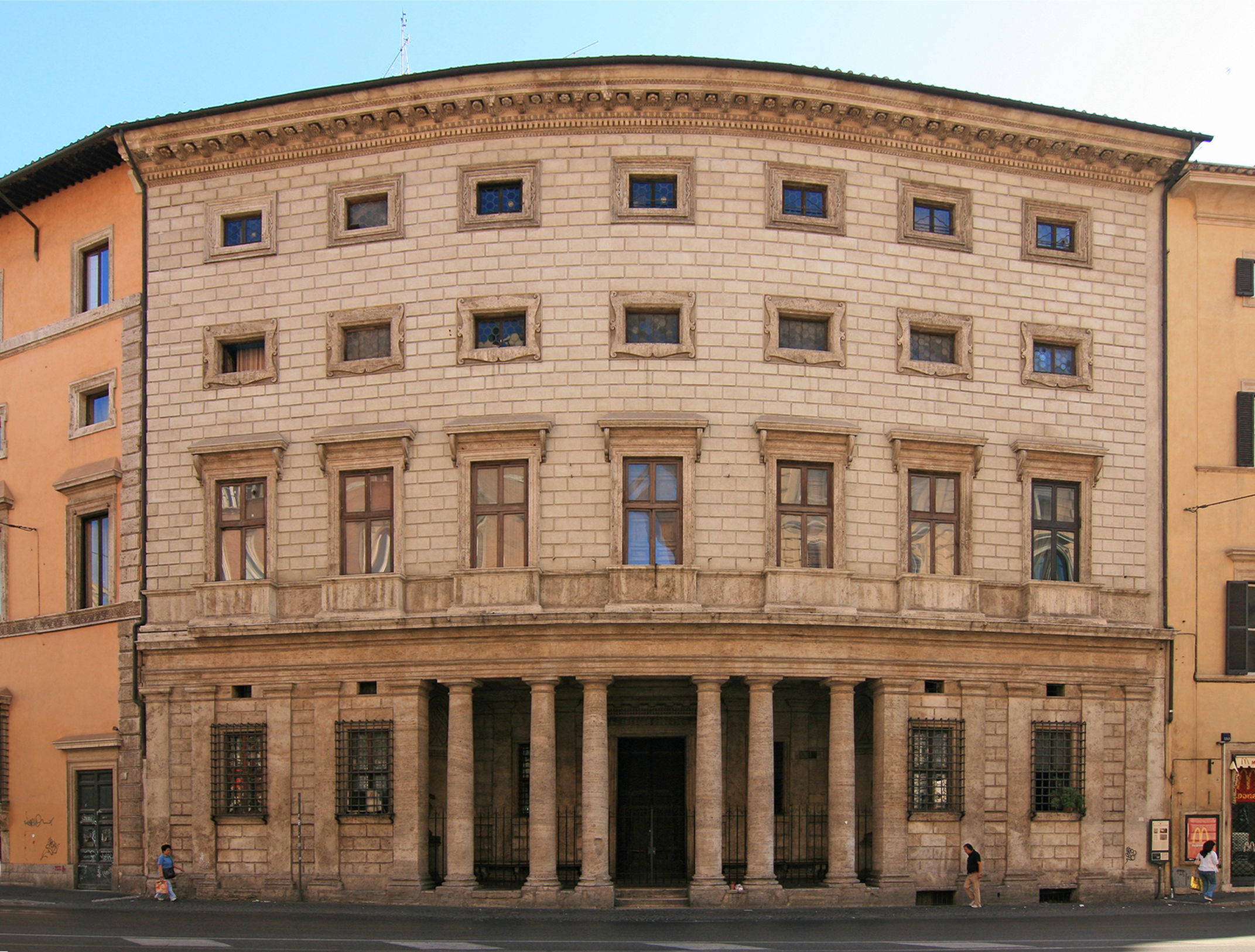
what, who made it, in what style
the facade of palazzo massimo alle colonne
by peruzzi
in manerism
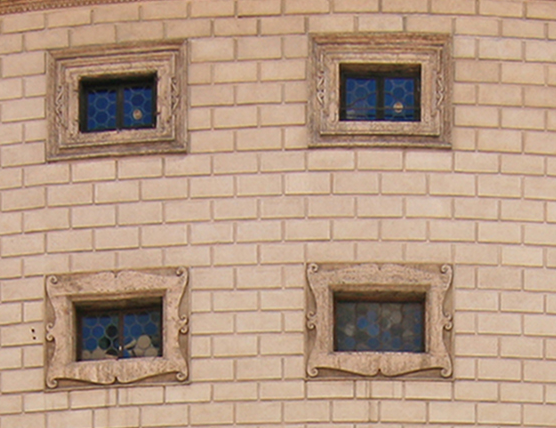
tell me a little abt these frame-looking things around the windows
peruzzi invented them
part of manerism
what ended the renaissance and when
the sack of rome (1527)
who’s buried in the pantheon, name as many as possible
peruzzi
raphael
victor emanuel II - first king of italy
→ his son, umberto I
annibale carracci
michelangelo buonarroti: when, whatd he do, which styles did he work in
1475 - 1564
architect, sculptor, painter → best in the business of all three
mostly renaissance, bit of manerism
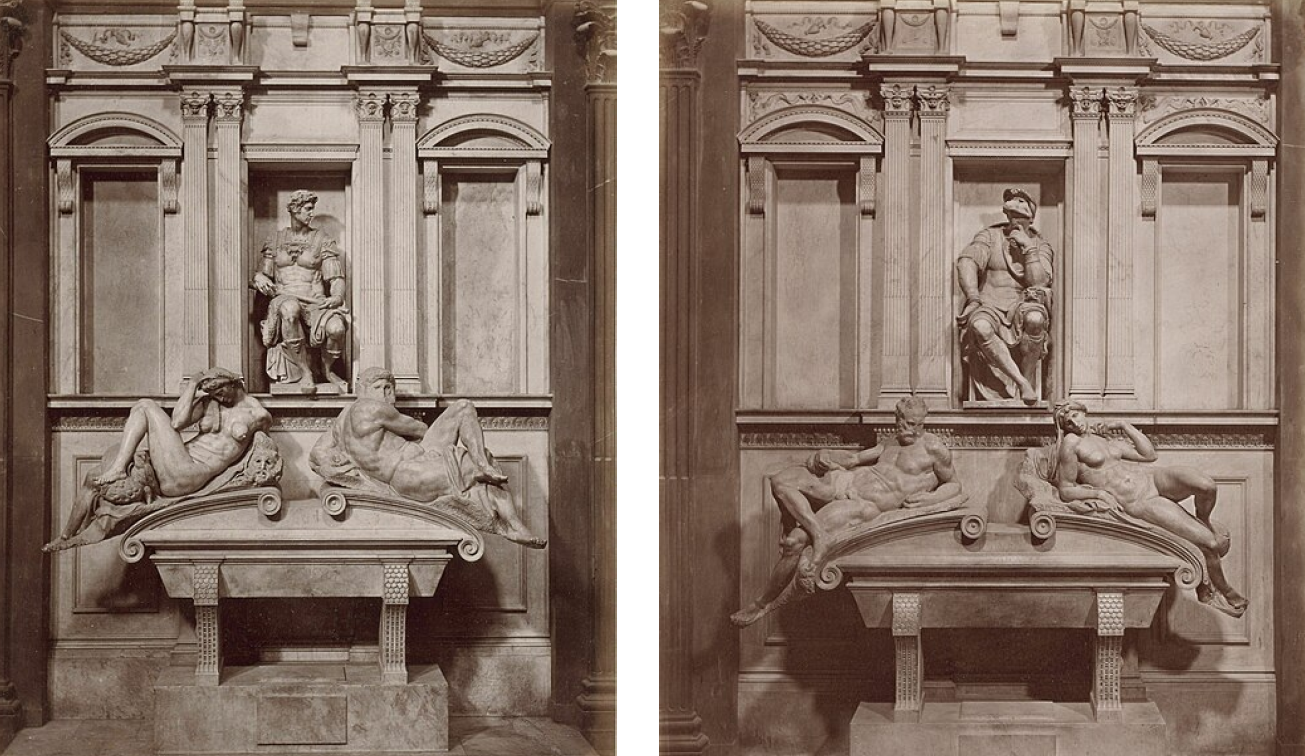
whats the names of these sculptures
day, night, dusk, dawn
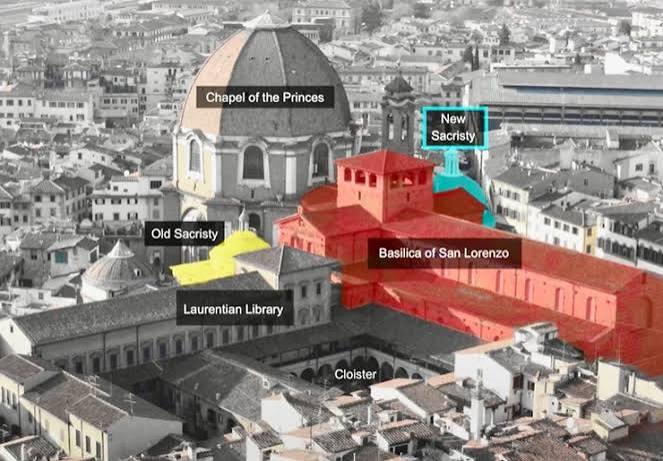
what do u know abt the new sacristy
the sargestia nuova by michelangelo buonarroti
part of the san lorenzo complex
two medici tombs inside (giuliano and lorenzo)
the sculptures on their sarcophagi: day, night, dusk, dawn
1520 - 1533
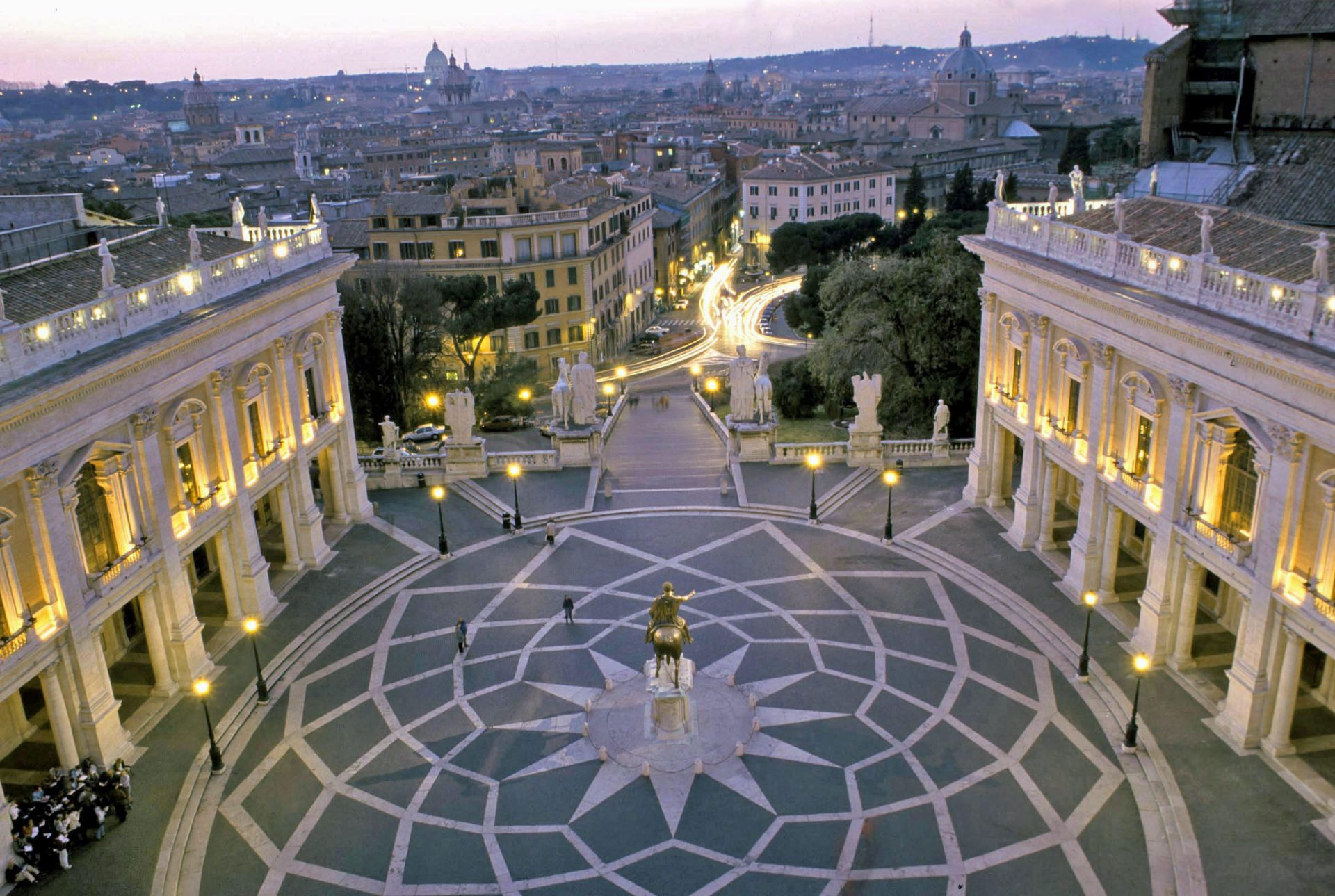
what, where, when, by who, whos the guy in the middle
campidoglio hill // capitoline hill
the rome square
1536 - 1546
michelangelo buonarroti
marcus aurelius
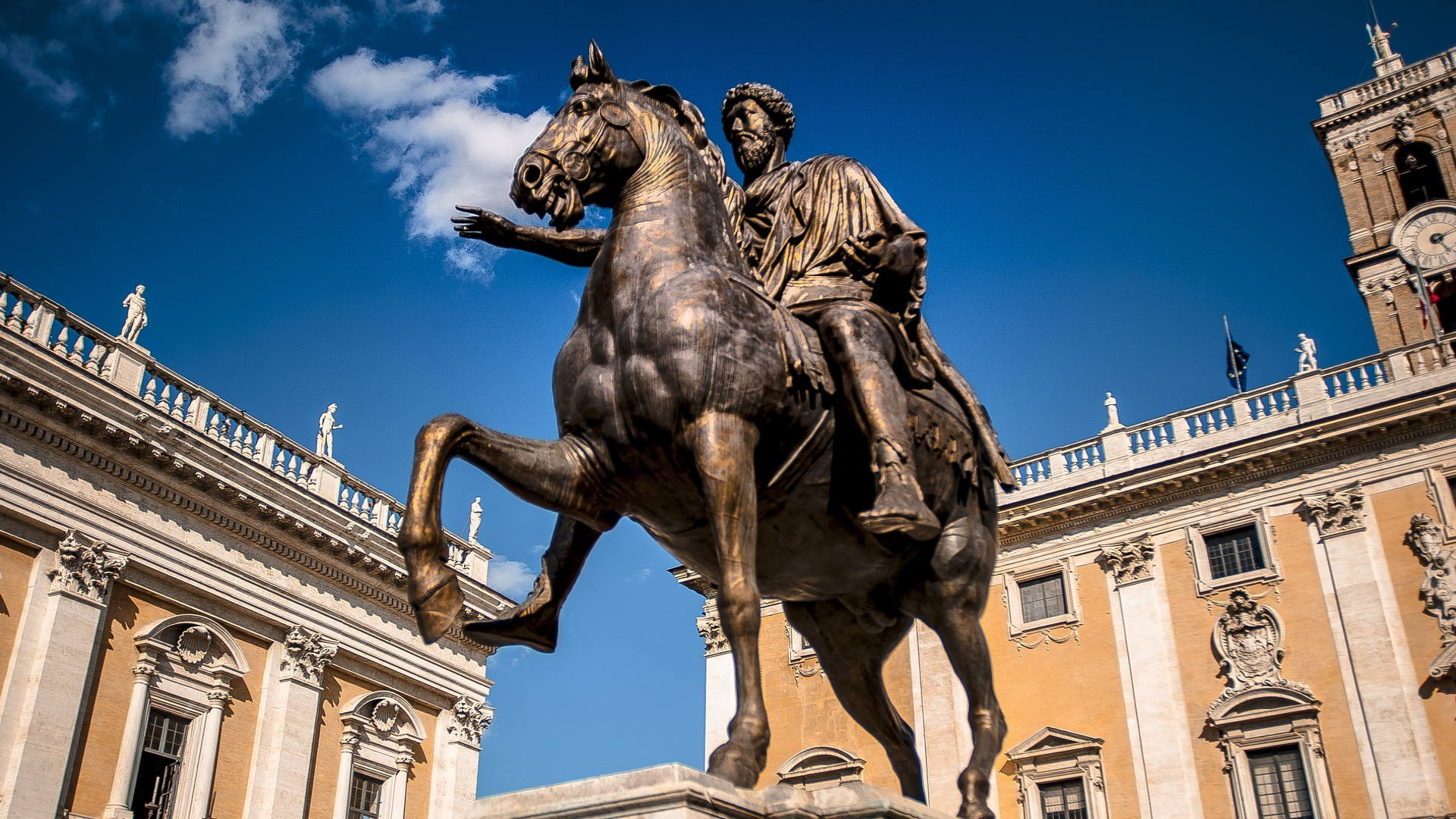
whats interesting abt this statue on the capitoline hill
it’s made of bronze, very rarely did bronze statues survive the middle ages without being melted down for money
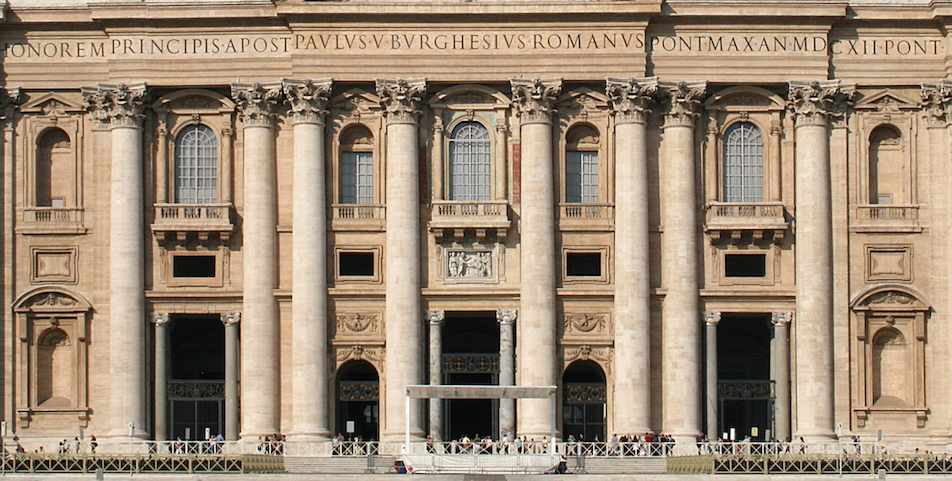
what are these columns called
giant order // colossal order
more than one floor
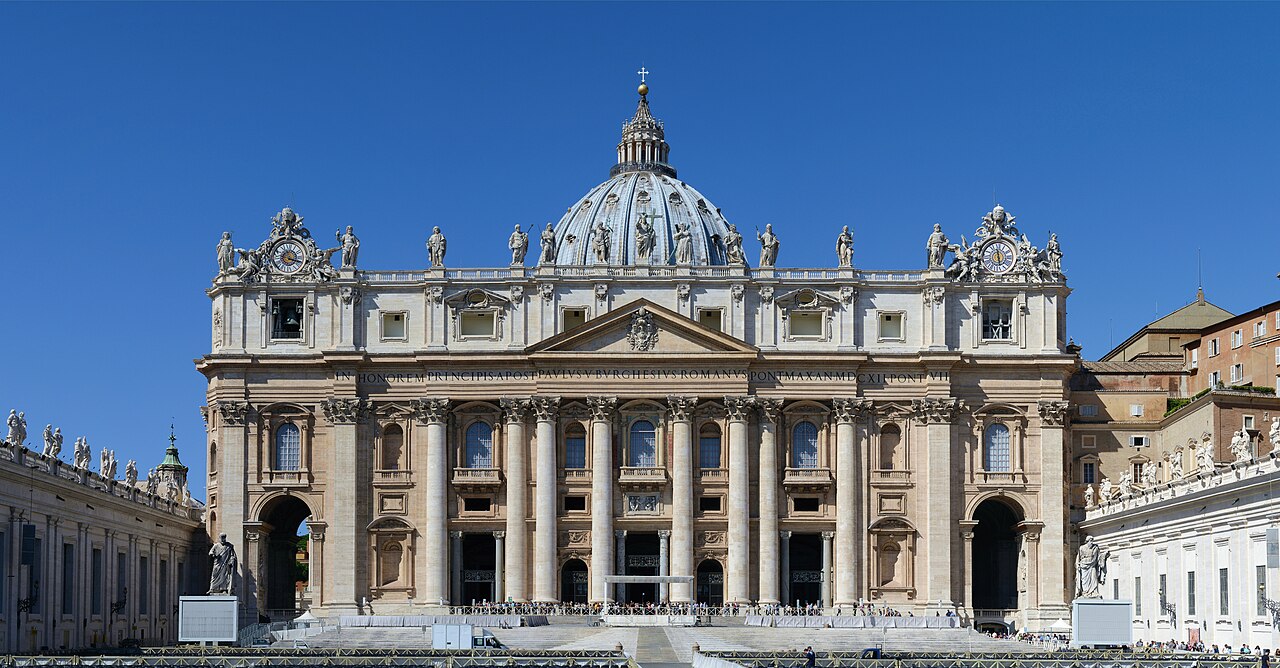
what, when, some history
st peter’s basilica
1506 - 1626
first plan by bramante
most famous work by michelangelo buonarroti, he started working on this in 1546
the facade and the extended nave are carlo maderno, built in 1626
starts as a renaissance church, but finishes as a baroque
pope julius II nickname, and why
the renaissance pope
he comissioned st. peter’s basilica, the sistine chapel etc
manerism: when, what
between high renaissance and baroque
1525 - 1575
unexpected elements that challenge renaissance norms
first manerist
michelangelo buonarroti
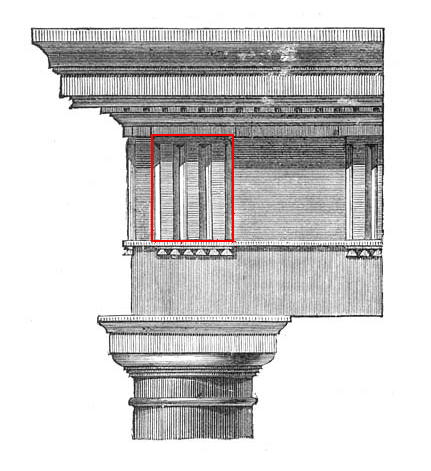
triglyph

what, where, what style, by who, years
palazzo te in mantua, italy
best example of manerism
by giulio romano
1524 - 1534
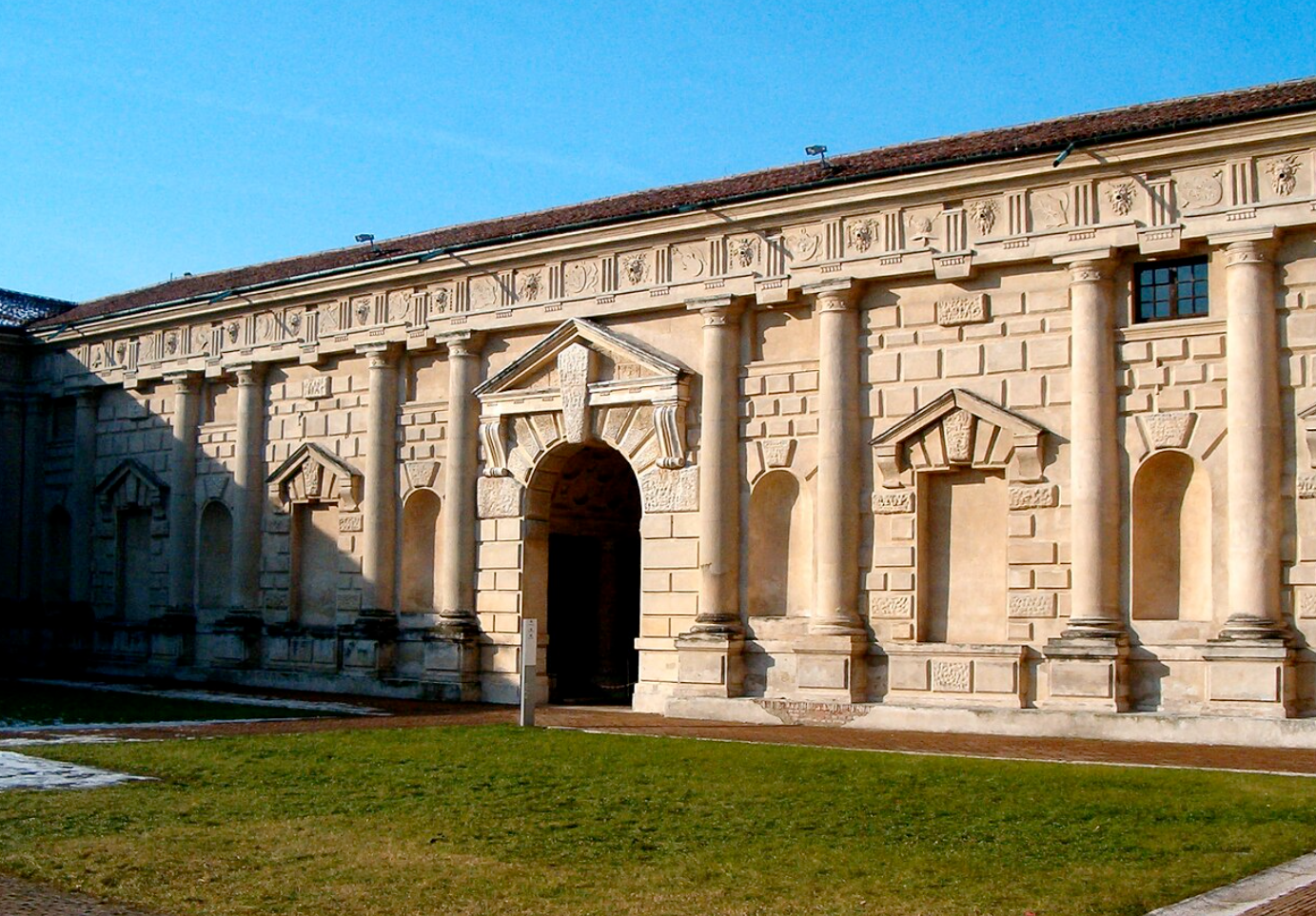
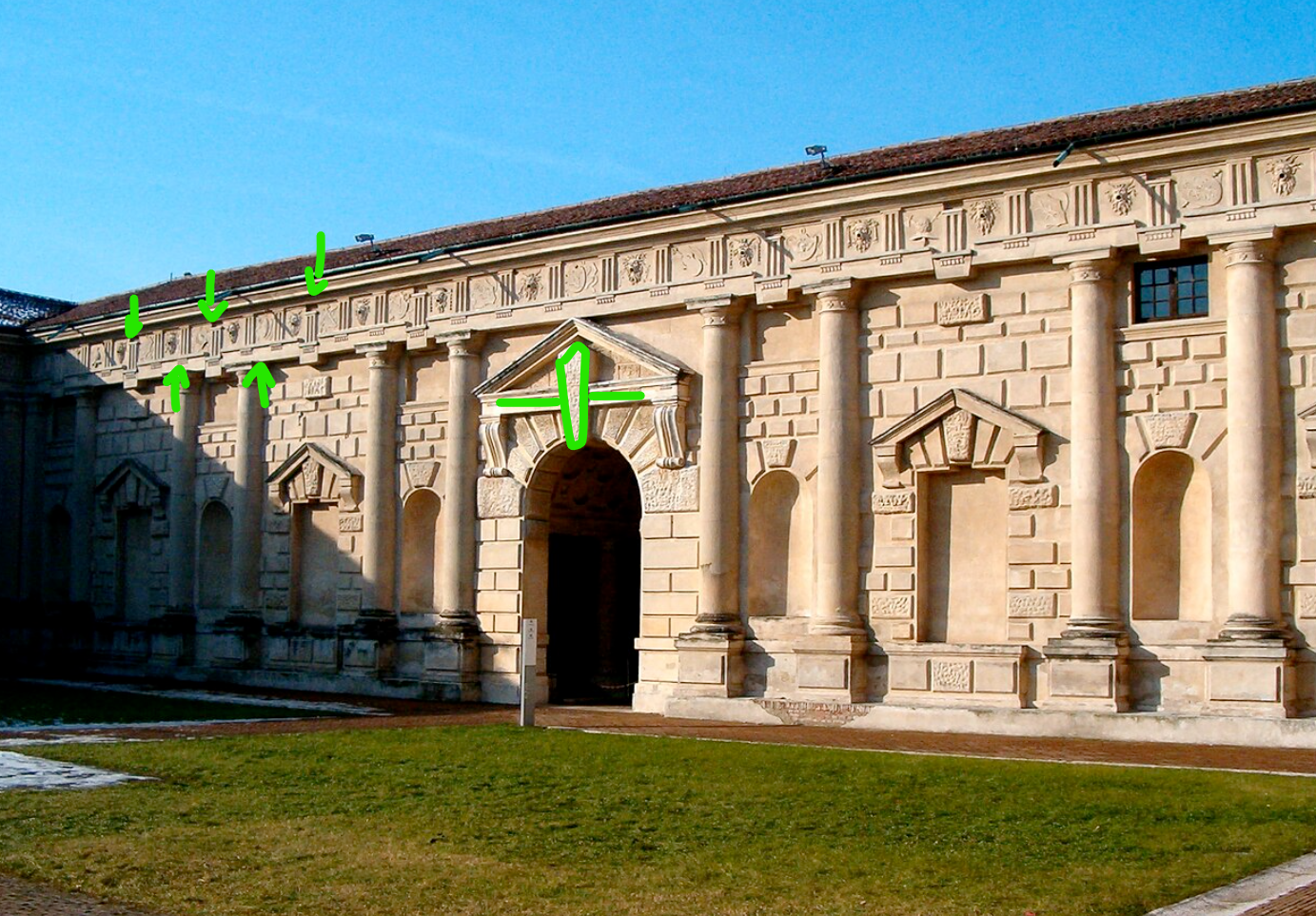
how does palazzo te portray manerism
not a straight line with the triglyphs
the keynote interrupts and goes in the pediment
the three architects of manerism
giulio romano
baldassare peruzzi
michelangelo buonarroti
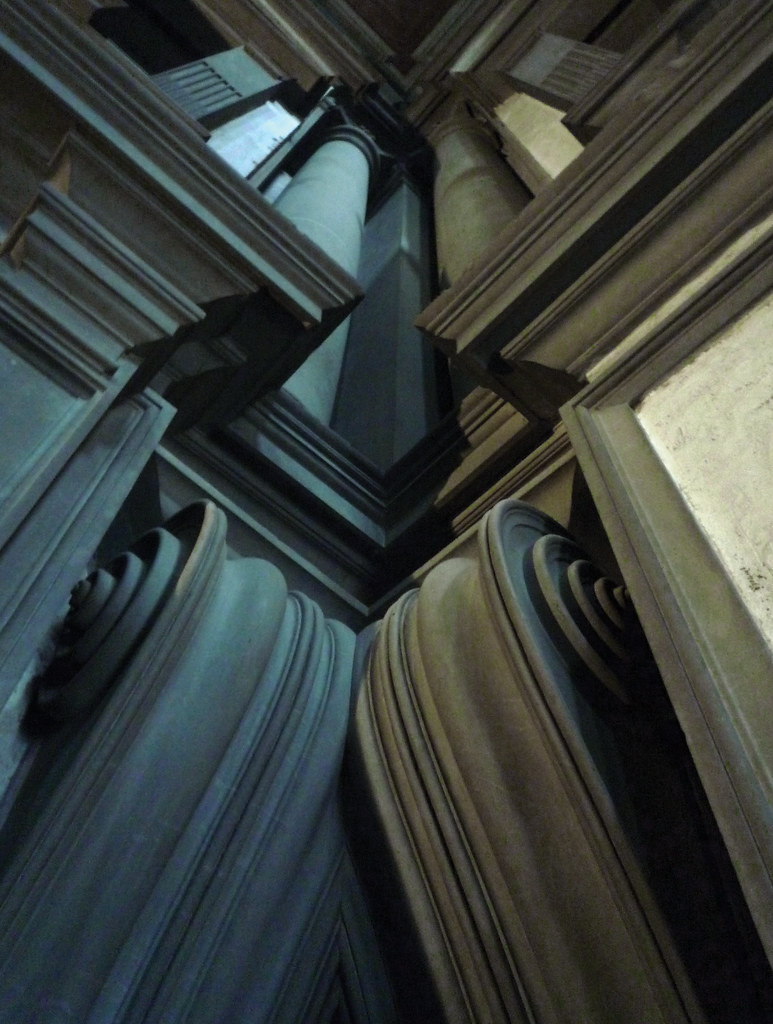
corner detail of the laurentian library
by michelangelo buonarroti
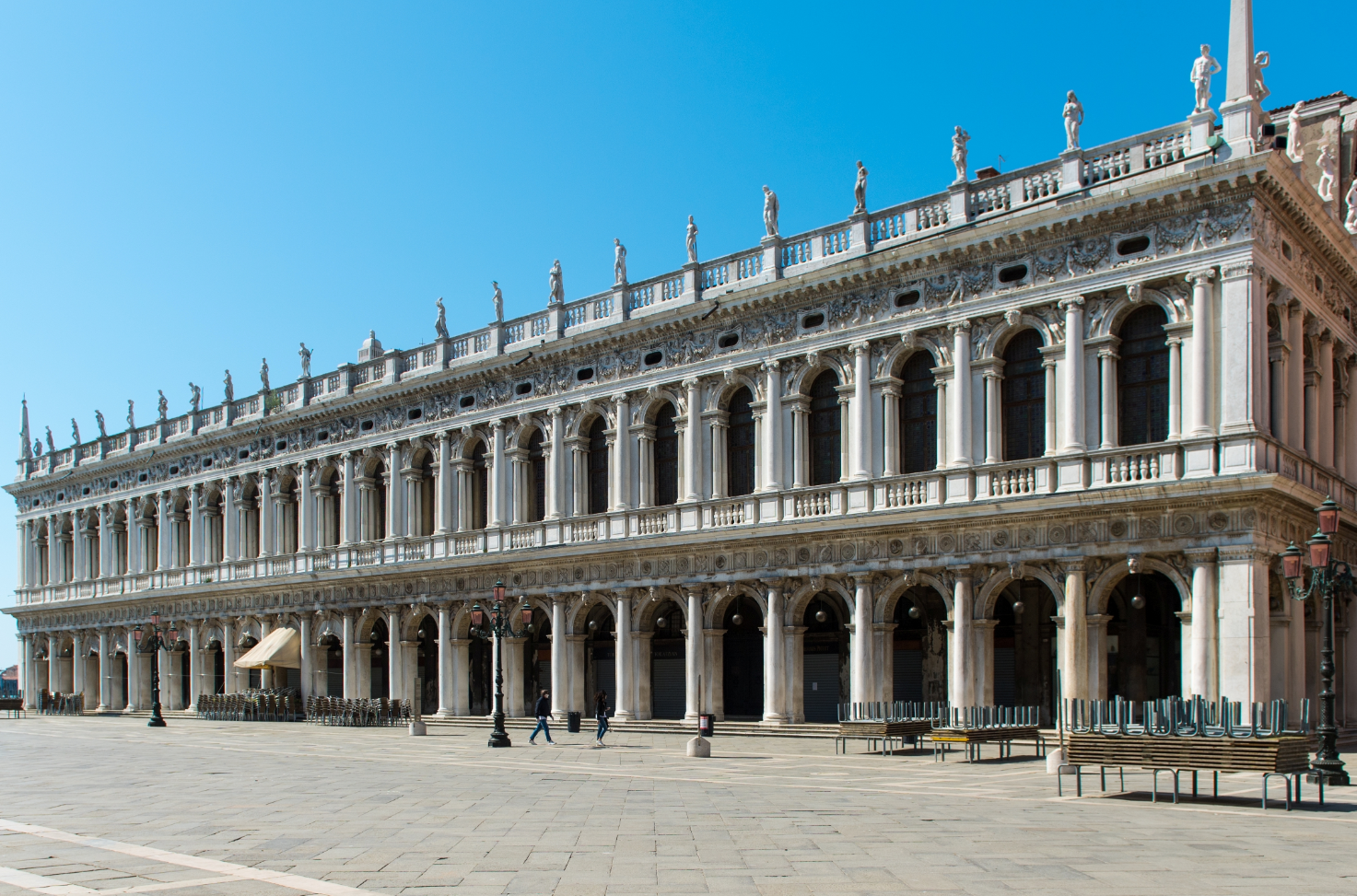
what, where, when, whose is the facade, style, public opinion
biblioteca marciana in venice
1537 - 1588
jacopo sansovino
renaissance
according to andrea palladino, this was the best building since antiquity
andrea palladio
super famous architect
worked in venice, padua, and vicenza
how did palladio’s work evolve
gradual classicising
what did palladio write and when
four books on architecture, 1570
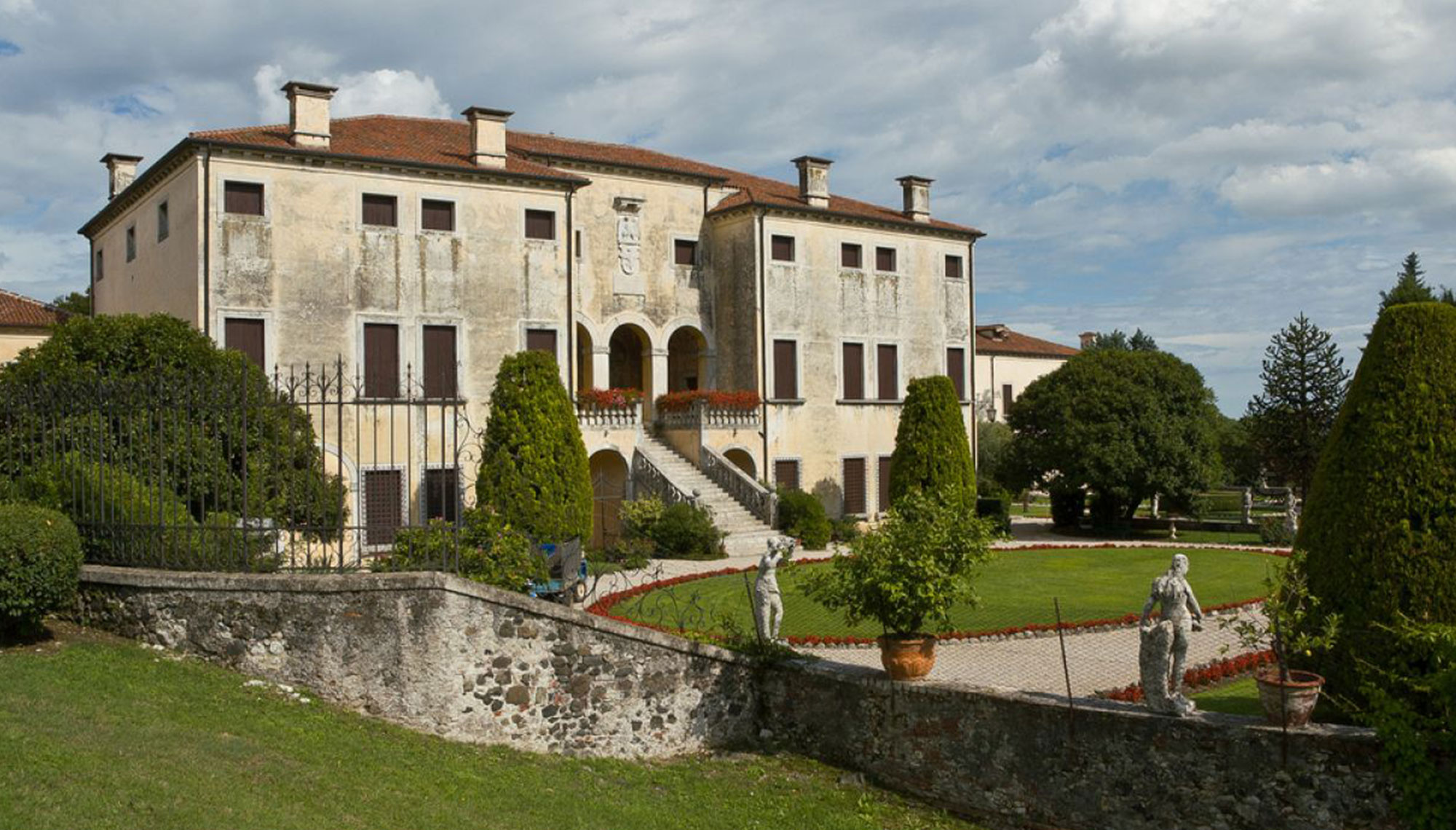
what, when, by who
villa godi
begun 1537
by palladio
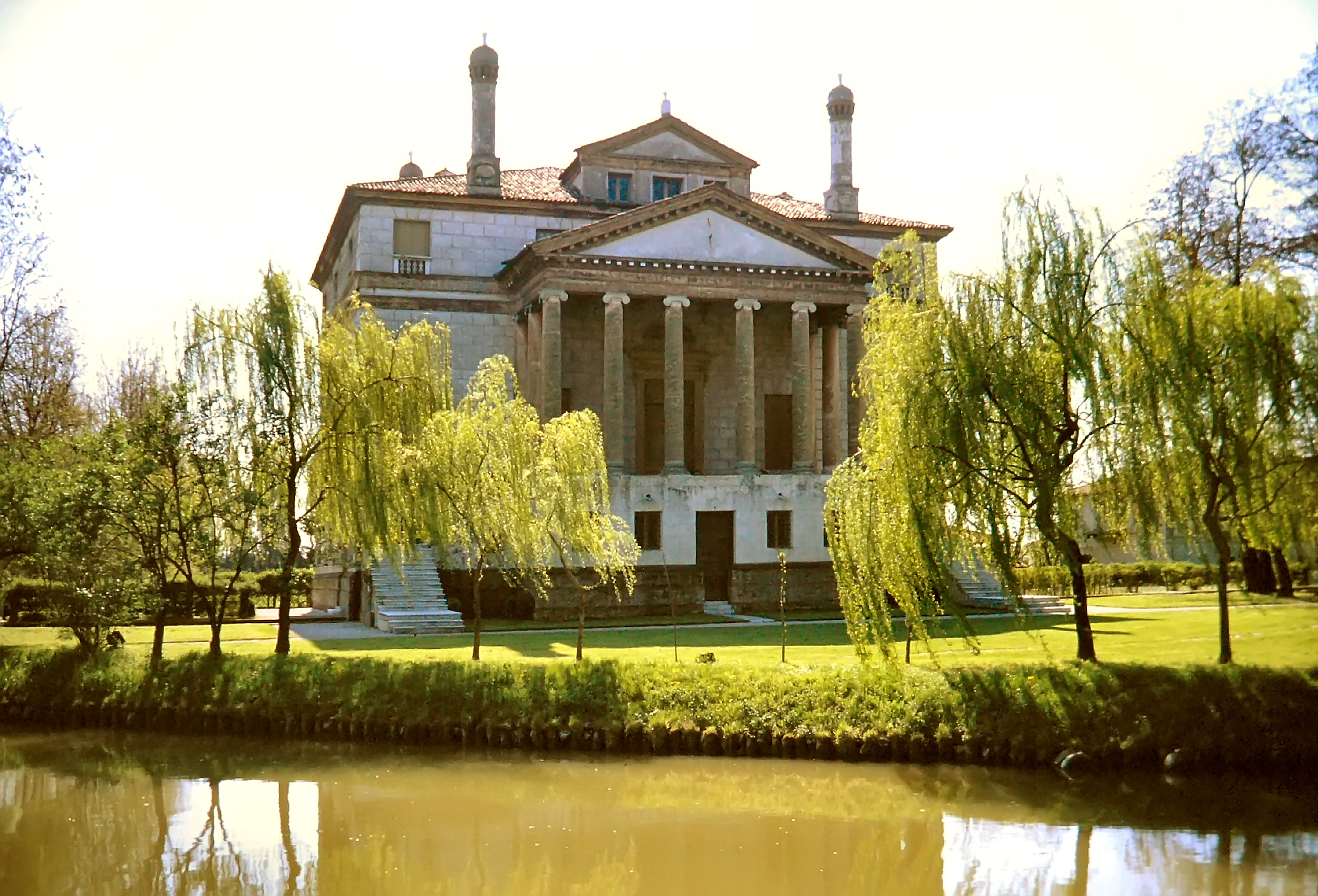
la malcontenta (the disconnected) // villa foscari
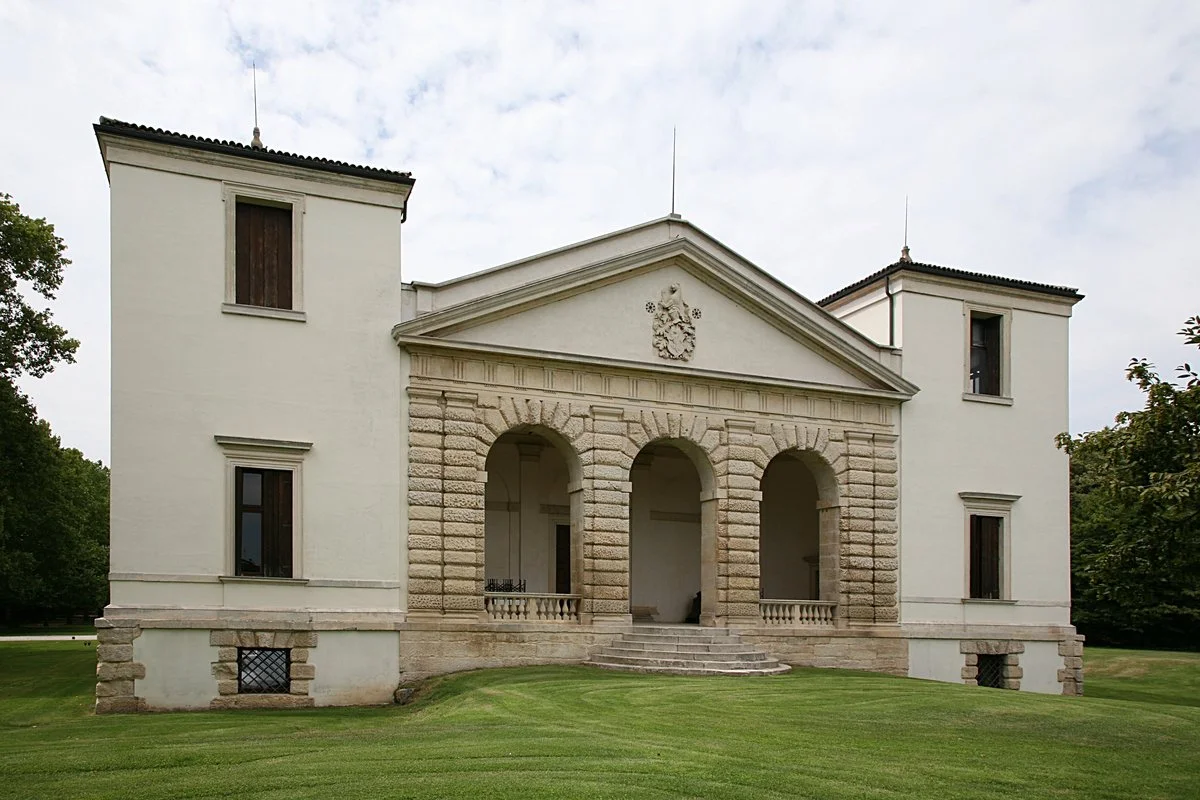
what, where, when
villa pisani
in bagnolo
1542
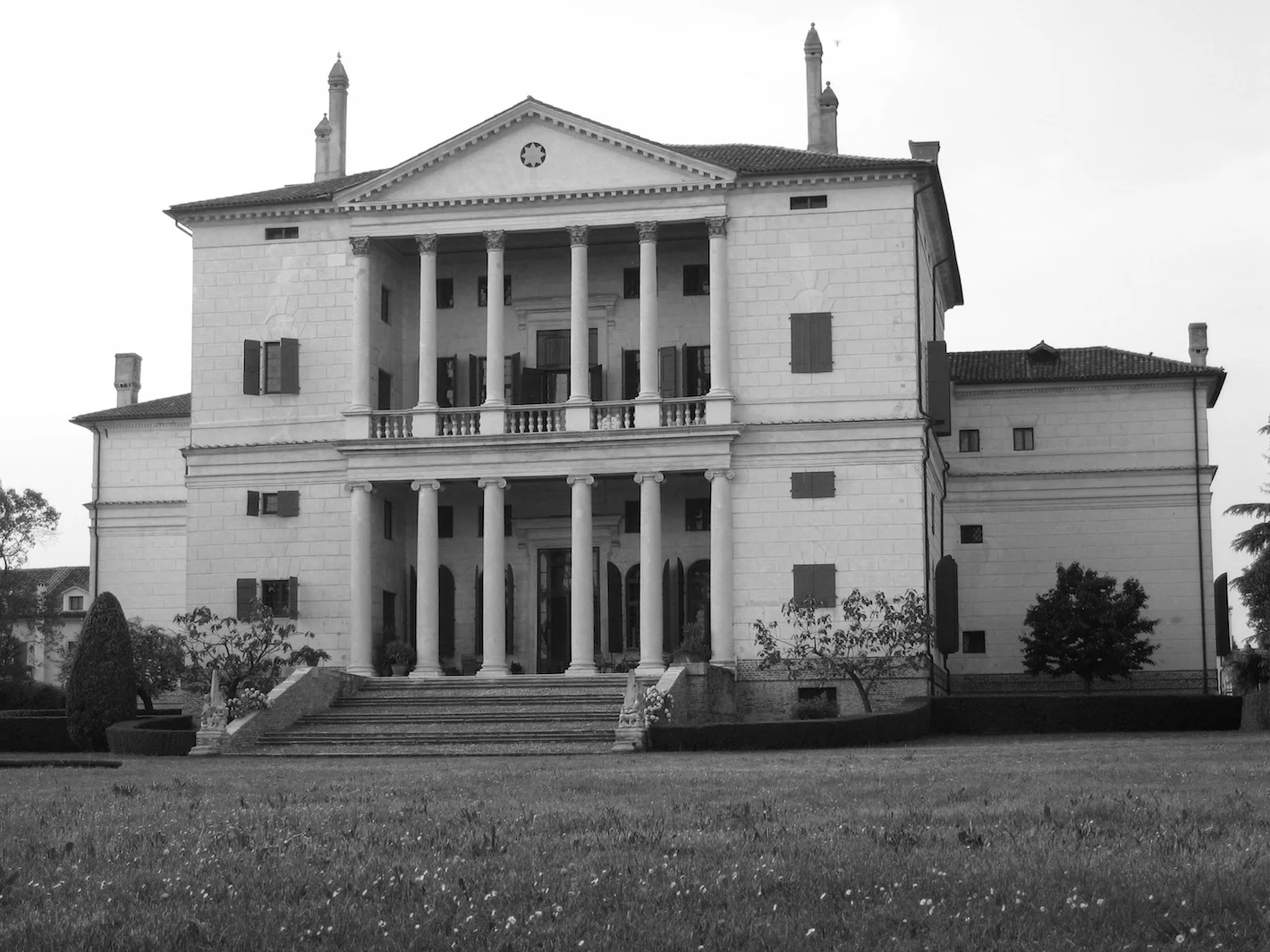
what, when, who
villa cornaro
begun 1553
by palladio
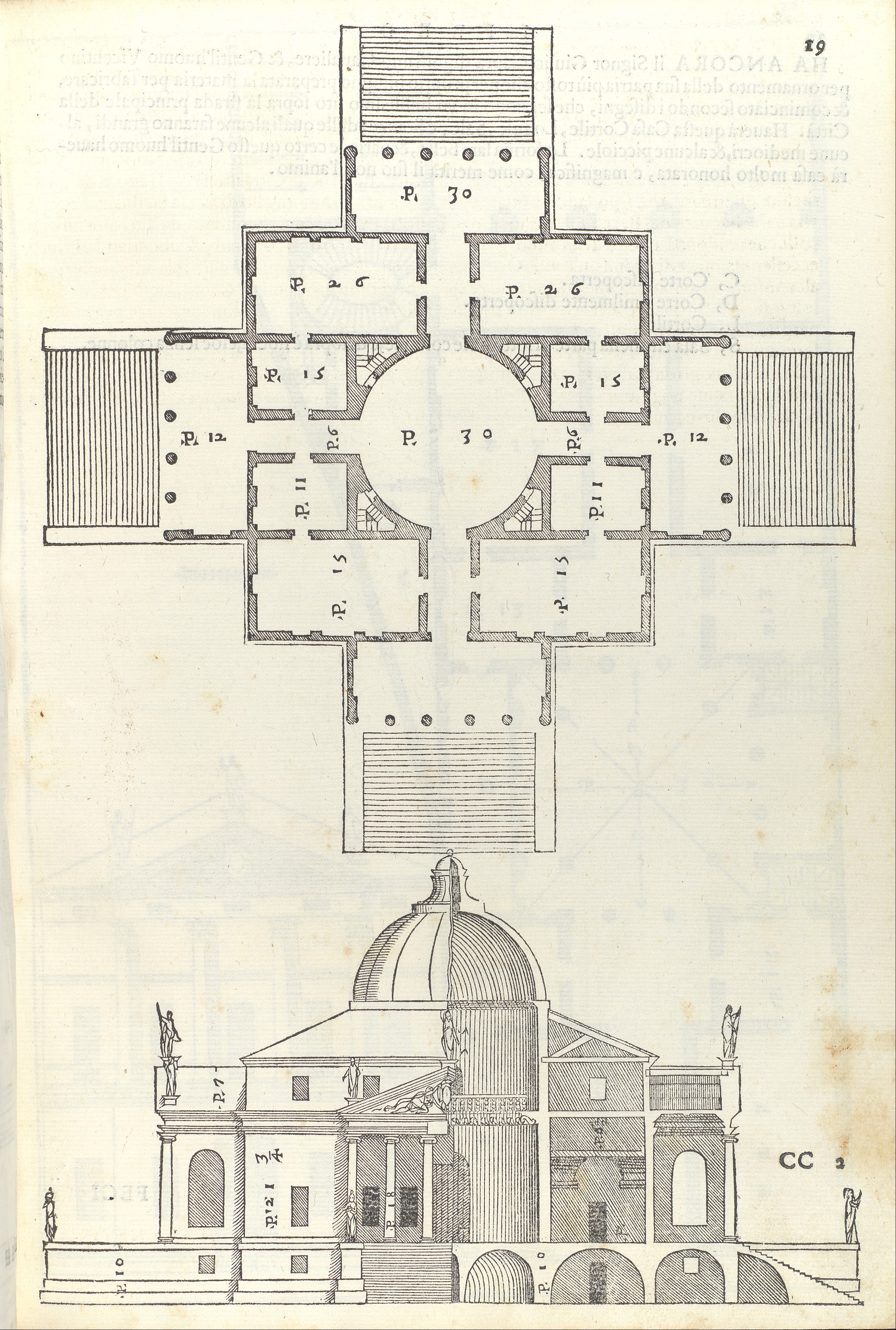
villa rotonda
plan and section

what, by who, where, when
villa rotonda
by palladio
in vicenza
1566
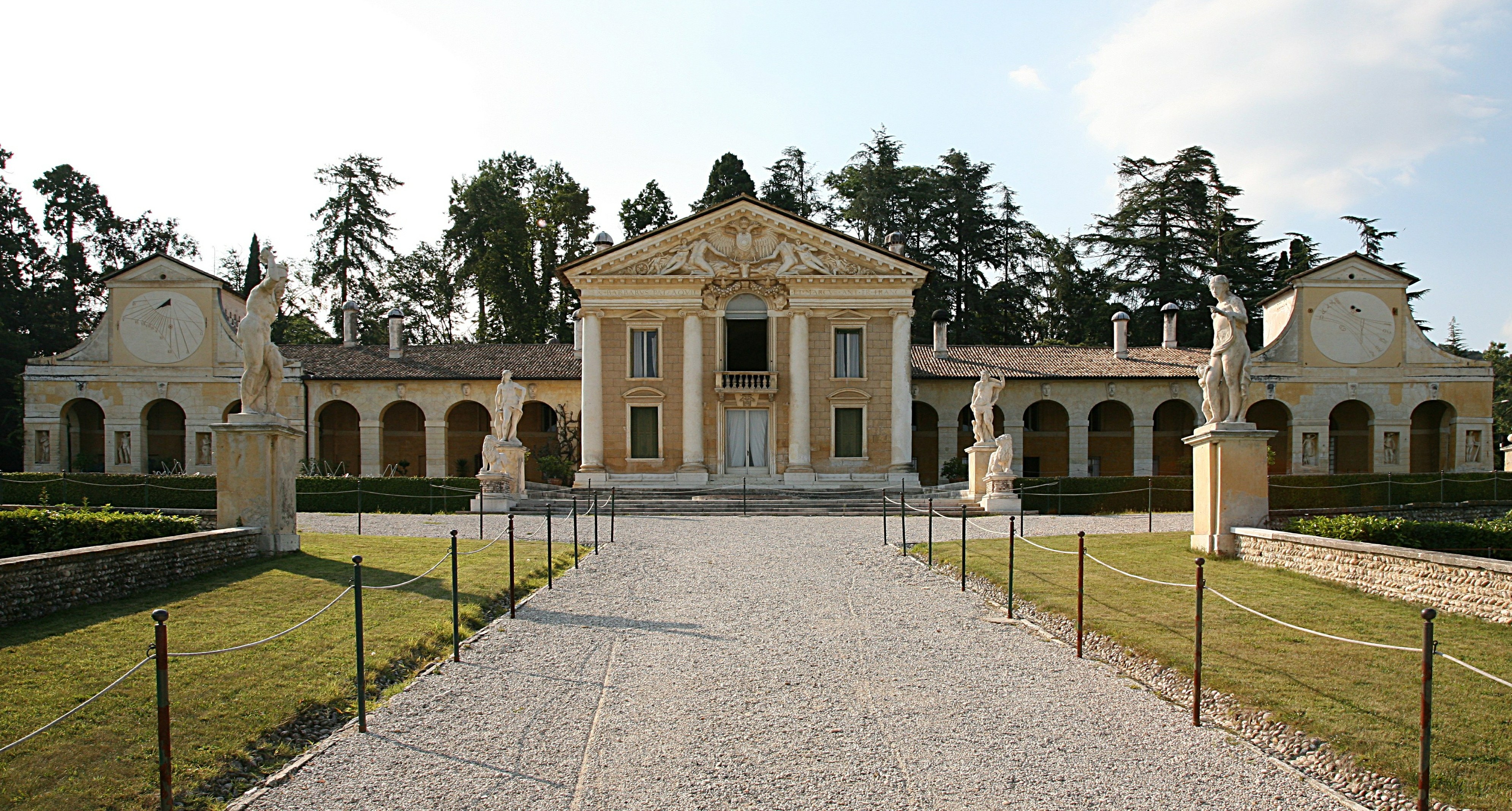
what, by who, when, where
villa barbaro // villa maser
by palladio
1560
maser, italy

veronese’s paintings in the hall of olympus of villa barbaro, portraying the actual owners of the house

what, where, when, by who
palazzo chiericatti
in vicenza
1550
by palladio
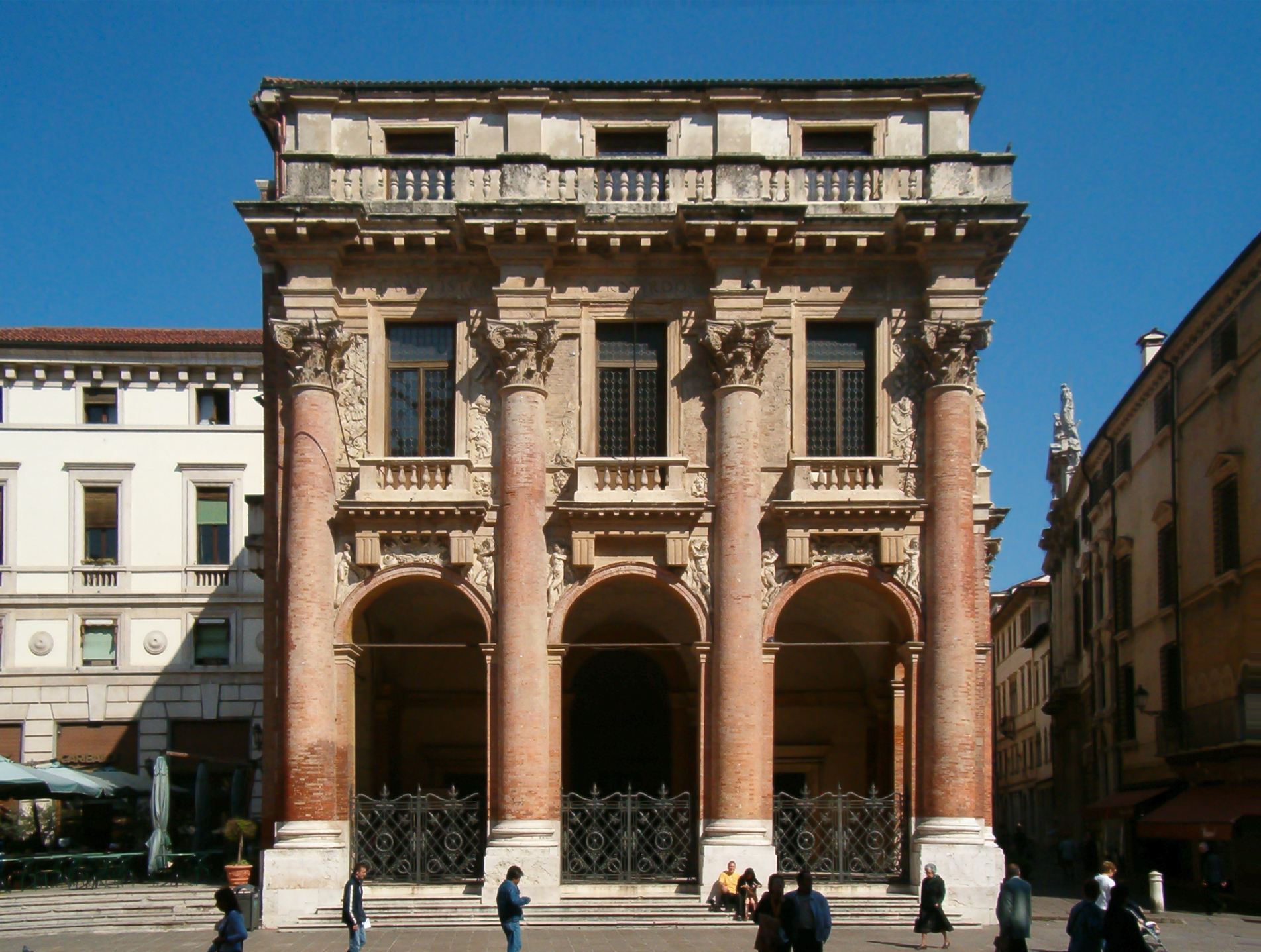
what, when, by who, where
palazzo del capitaniato
1562 - 1572
by palladio
in vicenza, italy
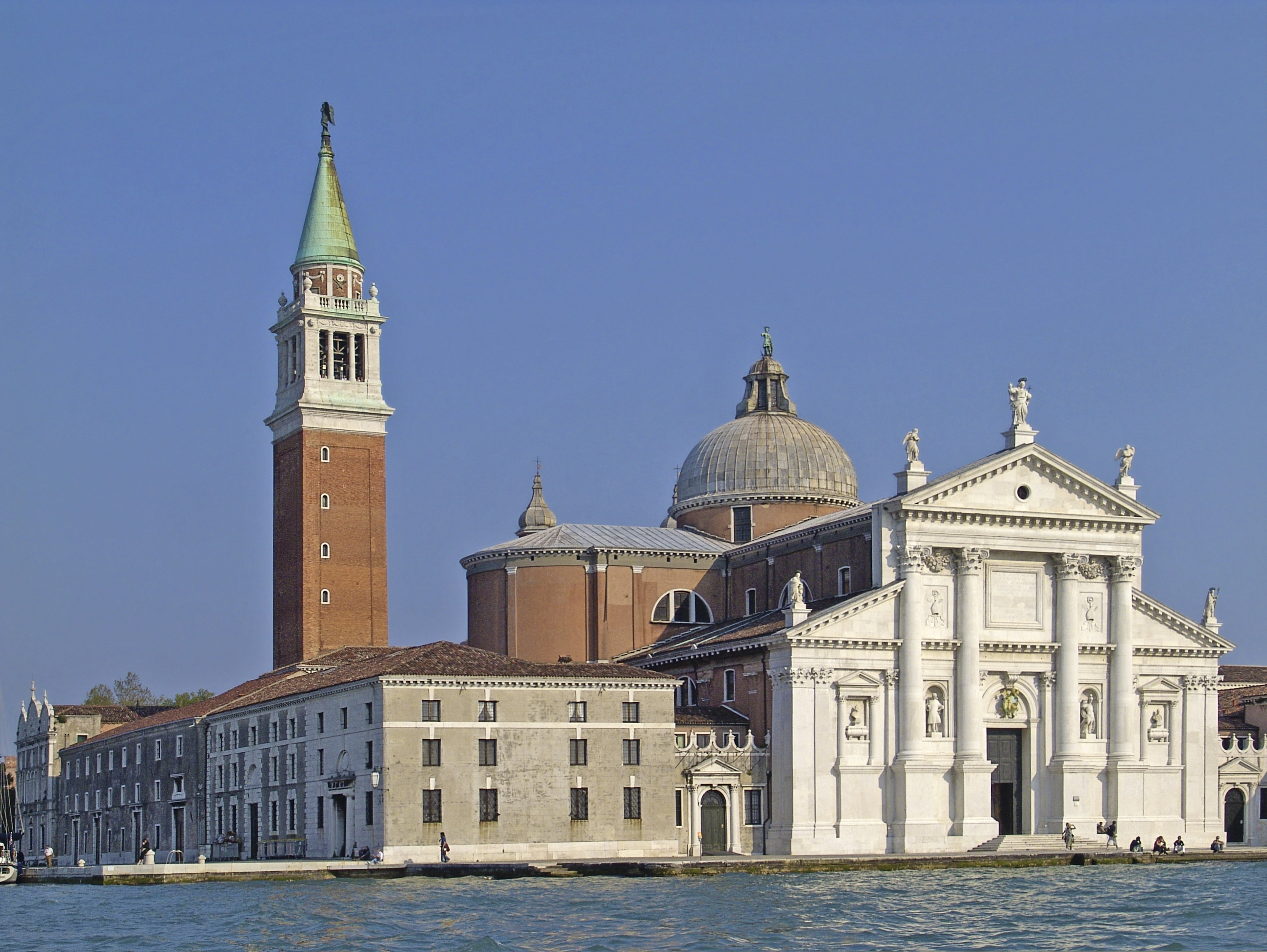
what, by who, when, where
san giorgio maggiore II
by palladio
1566
venice

il redentore
1577
venice, italy
palladio

hows this element called
palladian window // venetian window

teatro olimpico
1580
vicenza, italy
by palladio
where does the work baroque come from
portuguese: irregular pearl
when was baroque
1575 - 1750
another name for late baroque?
rococo
what does baroque do different than the renaissance
the straight lines and right angles in the renaisssance are changed with deliberately complex facades and depth in the facade is introduced as a defining characteristic of baroque and then of neoclassicism