Psychology unit 1 exam
 Call Kai
 Learn
Learn Practice Test
 Spaced Repetition
 Match
Match Flashcards
 Knowt Play
1/68

There's no tags or description
Looks like no tags are added yet.
Name | Mastery | Learn | Test | Matching | Spaced | Call with Kai | Chat |
|---|
No analytics yet
Send a link to your students to track their progress
69 Terms
Psychology
The scientific study of human behavior, including affect, behavior, and cognition.
Proximate Causes
Immediate causes of behavior, such as hormones, brain reactions, and cognitions.
Distal Causes
Longer-term causes of behavior, such as genes and evolutionary adaptations.


Evolutionary Perspective
Driven by adaptations due to natural and sexual selection.
Biological Perspective
Driven by biology, including hormones, genes, and neurotransmitters. ( Physiological psychology, biological psychology, psychobiology, psychobiology, psychophysiology, behavioral neuroscience)

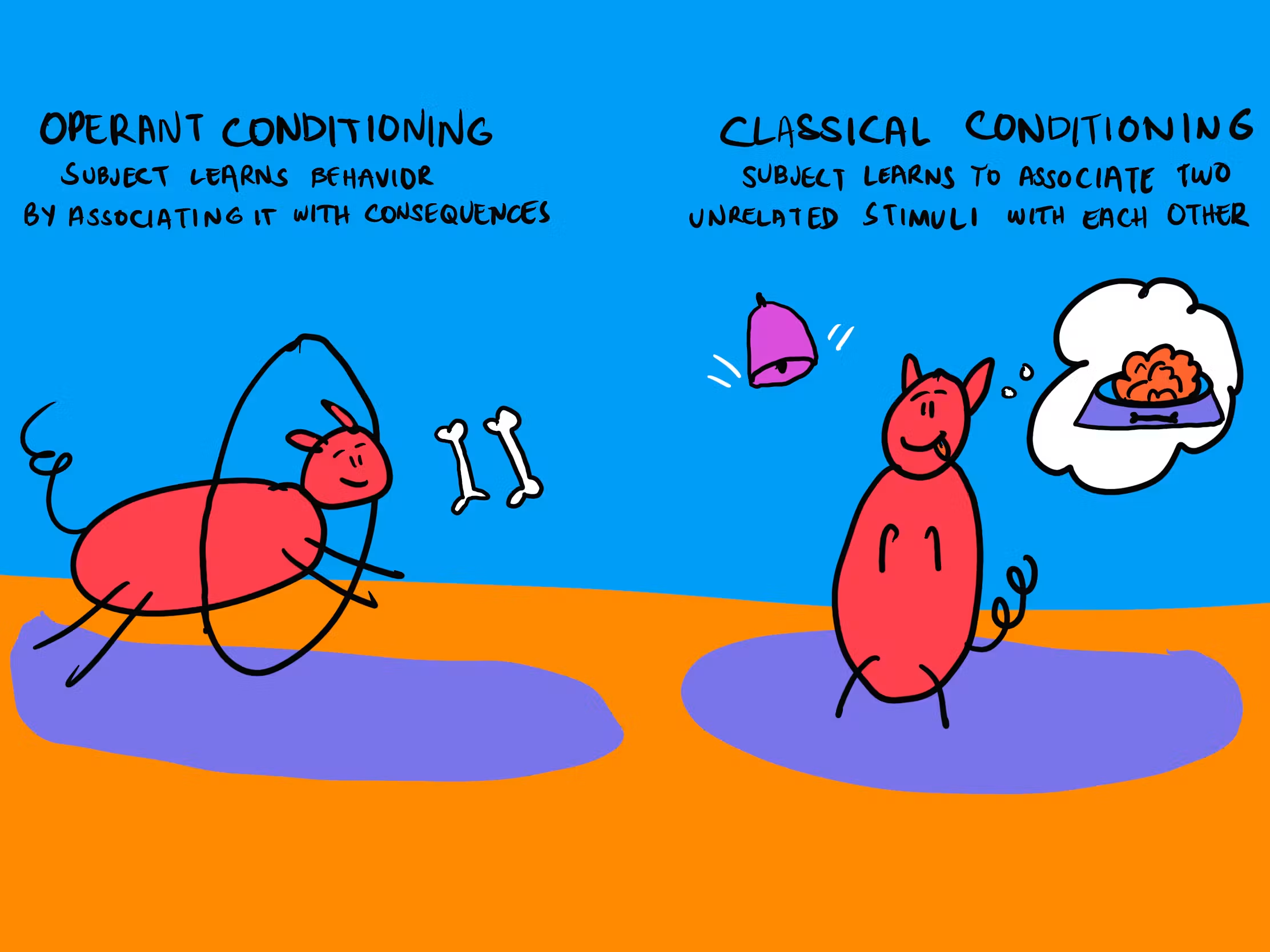
Behaviorism
Driven by learned experiences, rejecting cognition; focuses on classical and operant conditioning.


Classical conditioning (Behaviorism)
A learning process where a natural, automatic response becomes linked to a previously neutral environmental cue (pavlov’s dogs)


Operant conditioning (Behaviorism)
voluntary behavior modified by its environmental consequences through reinforcement and punishment (Giving a kid ice cream every time they eat vegetables without complaining, which will make them not complain anymore because they know that they’ll get ice cream)


Cognitive Perspective
Focuses on how attention, memory, learning, and cognition affect behavior.


Sociocultural Perspective
Focuses on how behavior is influenced by other people, groups, norms, and culture.

Interactionist approach
Social behavior is a result of an individual and the situation they’re in.
Science
Creation of knowledge based on systematic empiricism, public verification, and the scientific method.
Systematic
Unbiased sample of phenomena
publicly verifiable
Findings must be produced publicly for review, scrutiny, critique, replication, and verification by others.
Goals of science
Describe, explain, predict behavior
Scientific method
Question, hypothesis, collect date, communication, develop theories, and theories
Empiricism
Phenomena are observable, experienced with senses.
primary source
Peer review: Golden standard because of the difficult process.

Naturalistic Observation
Watching animals or humans behave in their normal environment.


Laboratory Observation
Watching animals or humans behave in a controlled laboratory setting.

Case Study
The study of one individual in great detail, providing tremendous depth but limited generalizability.

Self-Report Surveys
Researchers ask a series of questions to gather data from large numbers of people.
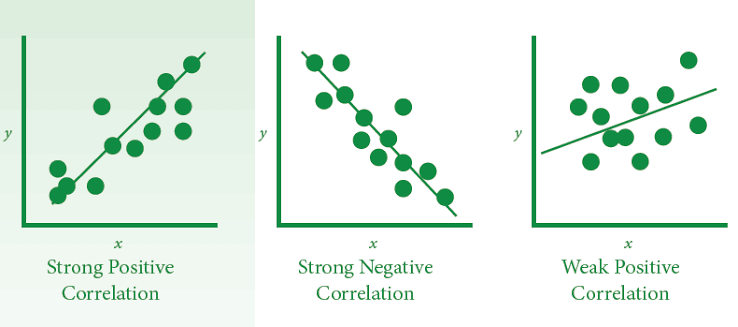
Correlational Research
Examines the relationship between two continuous variables, yielding a correlation coefficient (r).

Experimental Research
Examines whether one variable has a causal influence on another through manipulation and random assignment.

Independent Variable (IV)
The variable manipulated by the experimenter.

Dependent Variable (DV)
The variable measured by the experimenter, dependent on the IV.

Random Assignment
Process of assigning subjects to groups so each has an equal chance, controlling for confounding variables.

Psychiatrist
A medical doctor (MD or DO) who can prescribe medications.

Human Development
The scientific study of changes that occur in people as they age, from conception until death.

Cross-Sectional Design
Several different participant age groups studied at one specific time.
Longitudinal Design
One group of people studied at different times as the group ages.

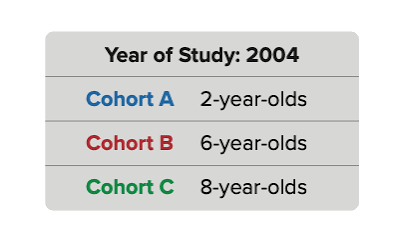
Cross-Sequential Design
Participants are studied first cross-sectionally, then longitudinally.

Nature vs. Nurture
The age-old question of whether behavior is driven by biology/genetics or environment.

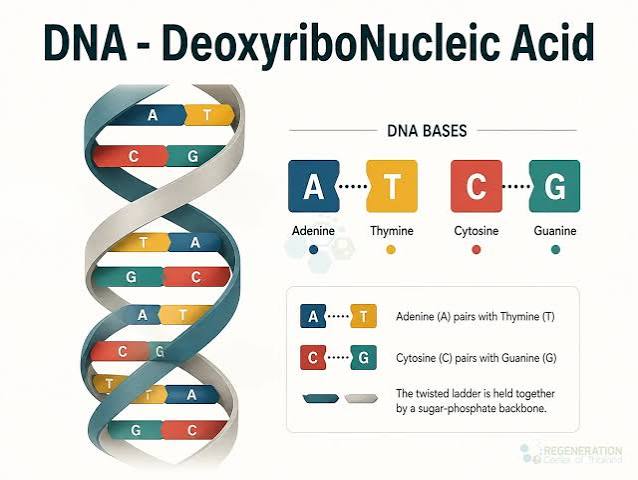
DNA
Molecules containing the genetic material of an organism.

Genes
Sections of DNA that determine traits through dominant or recessive inheritance.
Dominant genes
Actively controls the expression of a trait.
Recessive genes
Only influence the expression of a gene when paired with another recessive gene

Chromosomes
Tightly wound strands of DNA; humans have 46 (23 pairs).
Autosomes
22 pairs determine human characteristics (Appearance, build of body, sensory details)
Sex chromosomes
23rd pair determines the sex of an organism (XX is female, XY is male)
Fertilization
Happens when the sperm and the ovum unite, the sperm is the male sex cell, and the ovum is the female sex cell
Zygote
Cell that results from fertilization
Mitosis
Process where the zygote begins to divide until the mass of the cell becomes a baby

When does the germinal period occur and what happens in that time
First two weeks after fertilization and the zygote moves to the uterus and implants in the lining of the uterus)
Uterus
Organ that contains and protects developing organism. This is where the placenta and umbilical cord develop.
Placenta
Organ provides nourishment, and filters waste
Umbilical cord
Connects organism to the placenta
When does the embryonic period occur and what happens at this time?
two to eight weeks after fertilization and this is when major organs and structures develop, more importantly the embryo develops at this time.
Embryo
Developing organism
Critical period
Time when environmental influence can have the greatest impact on development
When is the fetal period
8 weeks-birth

Monozygotic Twins
Identical twins formed when one zygote splits into two separate masses of cells.

Dizygotic Twins
Fraternal twins occurring when two eggs get fertilized by two different sperm.

Teratogens
Environmental factors that can cause birth defects during prenatal development.

Piaget's Stages of Cognitive Development
Four stages: sensorimotor, preoperational, concrete operations, and formal operations.

Schemas
Mental concepts that children develop through experience with new situations and events
Assimilation
Process of learning new things in terms of schemas they already possess
Accommodation
altering and changing old schemas to fit new information and experiences.
When does the sensorimotor stage occur and what happens in that stage?
Birth to two years. They use their senses and motor abilities to interact with objects in the environment, object permanence, and symbolic thought begins

Object Permanence
The knowledge that an object exists even when it is not in sight (sensorimotor stage).
When does the preoperational stage occur, and what happens?
2-7 years old. They learn to use language in the world, inability to conserve logically reason, or consider the many characteristics of objects.

Conservation
Understanding that changing an object's appearance does not change its nature.
Centration
Focusing on one feature ignoring other relevant features.
When does the concrete operational stage occur? What happens in this stage?
7-12 years old. Children are capable of logical thought but not abstract thinking (Some literature would be too difficult for them to understand)
When does formal operations occur? What happens in this stage?
Ages 12-adulthood. They are capable of abstract thinking.
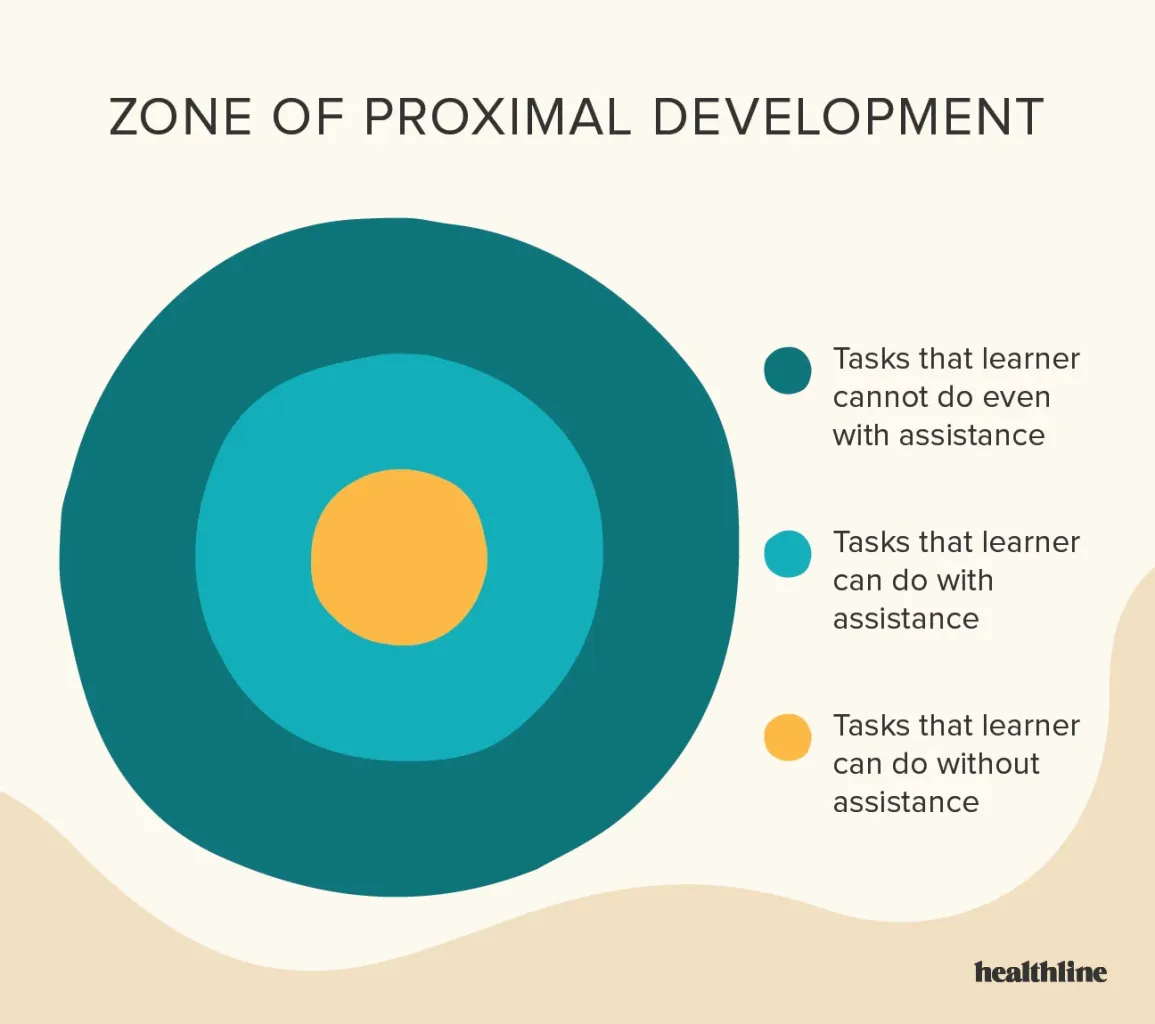
Zone of Proximal Development (ZPD)
Vygotsky's concept of the difference between what a child can do alone vs. with help.
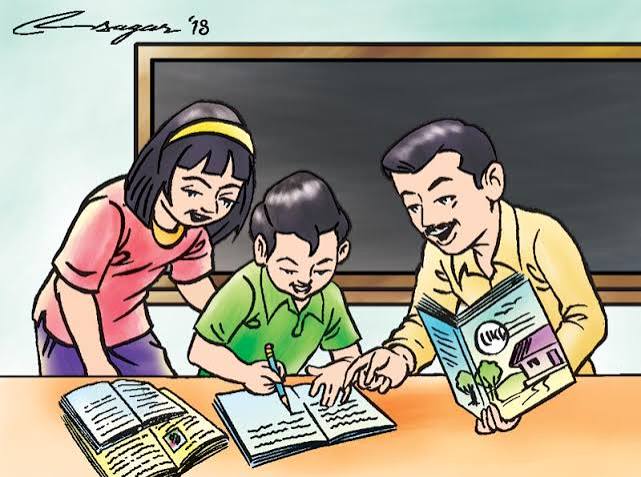
Scaffolding
Process where a skilled learner gives help and then reduces it as the learner becomes more capable.
Private Speech
Vygotsky believed it was a way that children speak out loud and Piaget believed it to be ego centric.