Seminar/Ethics 1
 Call Kai
 Learn
Learn Practice Test
 Spaced Repetition
 Match
Match Flashcards
 Knowt Play
1/41

There's no tags or description
Looks like no tags are added yet.
Name | Mastery | Learn | Test | Matching | Spaced | Call with Kai | Chat |
|---|
No analytics yet
Send a link to your students to track their progress
42 Terms
General Ethics Principles
A: Beneficence and non maleficence
B: Fidelity and Responsibility
C: Integrity
D: Justice
E: Respect for people’s rights and dignity
A: Beneficence and non maleficence
General ethics principle that emphasizes do no harm and if harm may occur, minimize it and maximize goodness

B: Fidelity and responsibility
A general ethics principle that highlights the importance of faithfulness such as maintaining promises and relationships of trust, and accountability for actions
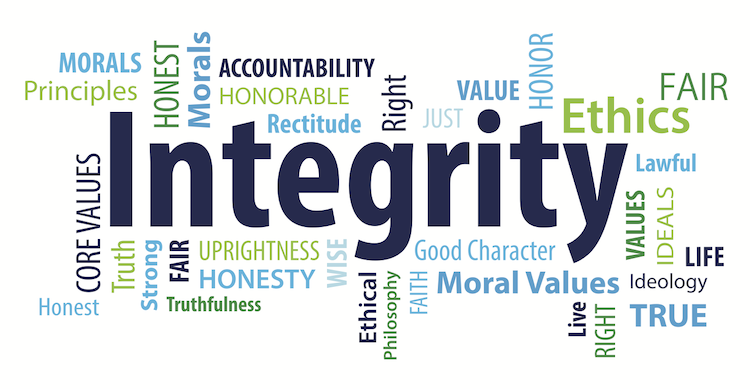
C: Integrity
A general ethics principle that emphasizes accuracy and truthfulness, as well as highlighting that these populations are vulnerable
D: Justice
A general ethics principle that emphasizes fair, equitable, and appropriate access to guard against bias.
Domains in justice principle
-Distributive
-Procedural
-Interactional
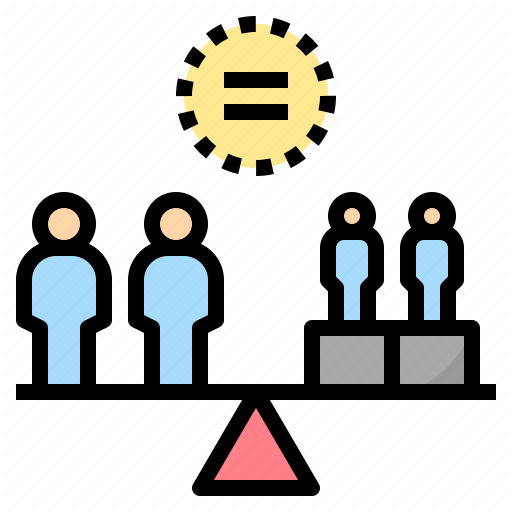
Distributive justice
Domain of justice principle emphasizing fair allocation of resources, opportunities, and burdens within a society
Procedural justice
Domain of justice principle emphasizing fairness in the processes that resolve disputes and allocate resources

Interactional justice
Domain of justice principle that emphasizes the degree to which people are treated with dignity, politeness, and respect by authorities or decision-makers
E: Respect for people’s rights and dignity
A general ethics principle that emphasizes regard for autonomous decision making (informed consent), diversity, and privacy and confidentiality
Event that inspired ethics code
WWII because of draft eligibility, mental health services to soldiers, torture, etc
When was the first APA Committee on Ethical Standards for Psychologists appointed?
1947
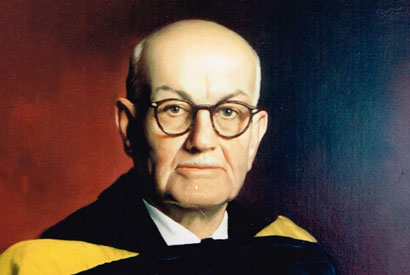
Who chaired the first Committee on Ethical Standards for Psychologists in 1947?
Edward Tolman
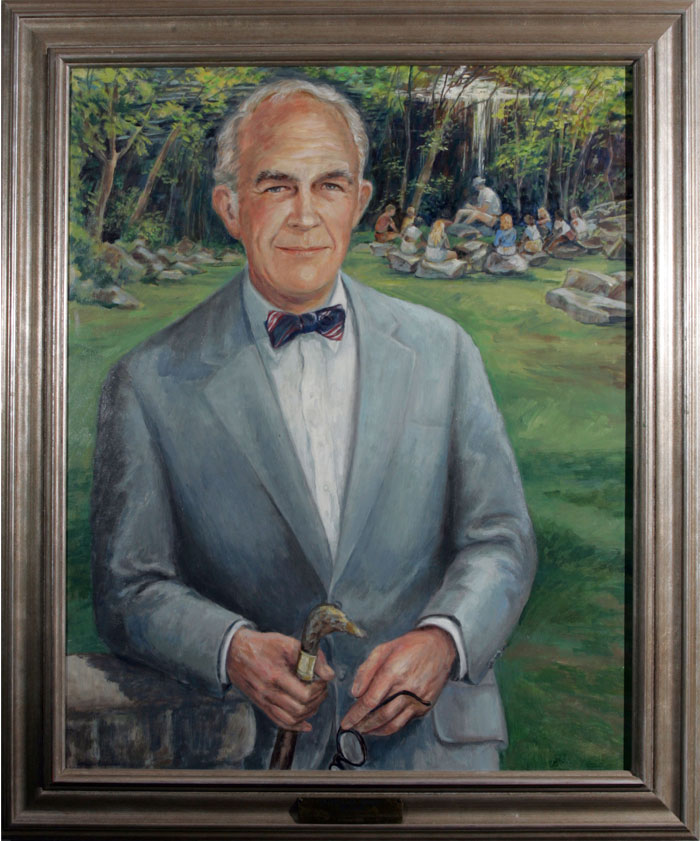
Who chaired the first APA Committee on Ethical Standards for Psychologists?
Nicholas Hobbs
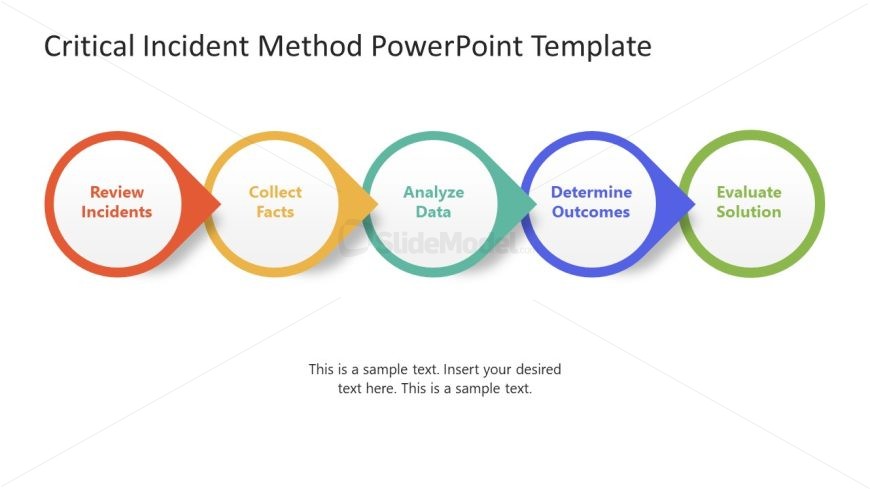
Critical Incidence Method
Process of asking members to describe ethical incidents and occurred at the APA Committee on Ethical Standards for Psychologists
When was the final draft of the APA Committee on Ethical Standards for Psychologists adopted?
1952 and was more aspirational in nature
When did the APA Committee on Ethical Standards for Psychologists incorporate aspirational principles and enforecable standards
1992

Trends that influenced revisions to APA Ethics Code
-Growth of Health Maintenance Organizations (HMOs)
-Internet
-Cultural and linguistic sensitivity
-Psychologists and legal involvement
-Access to health records
-Federal regulations
-Evolving legal landscape
-Psychologists involvement in inhumane military interrogations
Purpose of the Ethics Code
-Establishing integrity
-Education and Professional Socialization
-Public Trust in the profession
-Enforcement value
Establishing Integrity
A purpose of the Ethics Code, and to establish a common purpose, setting expectations

Educational and professional socialization
A purpose of the Ethics Code, and serves as a guide as to what one can expect of those in the field
Public Trust in the profession
-A purpose of the Ethics Code that demonstrates strong values
-Social construct

Enforcement value
A purpose of the Ethics Code that defines ethical violations and process for complaints
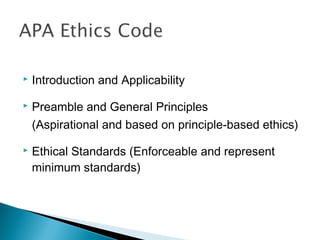
Introduction and preamble of Ethics Code
The general principles that are aspirational in nature and the standards are enforceable and broad but not exhaustive

This is not a defense to a charge of unethical conduct
Lack of awareness or misunderstanding
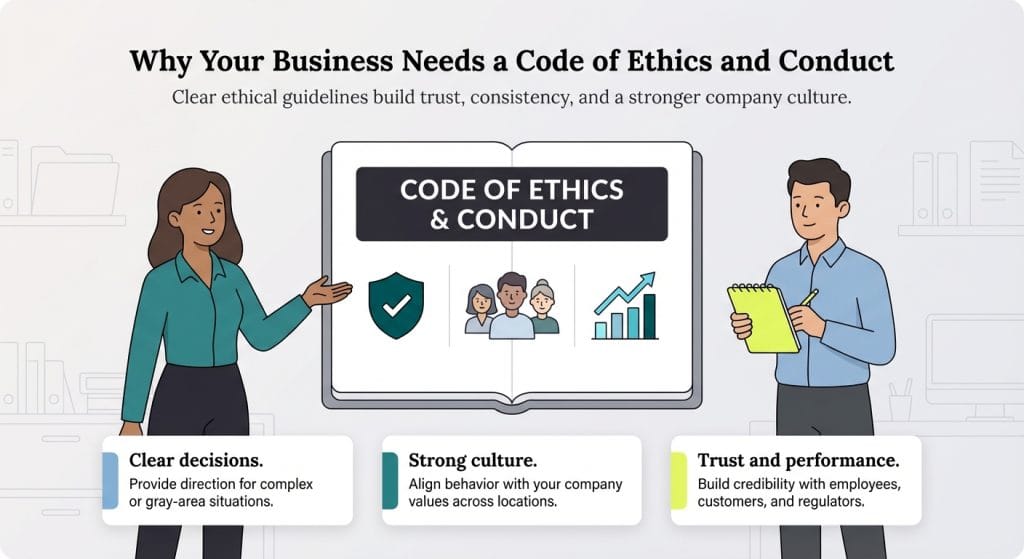
Applying the Ethics Code
-APA Members must comply
-Programs adopt into policies
-Integrated into laws
-Professional activities

Contexts where the ethics code is applied
-Person
-Postal
-Telephone
-Internet
-Electronic transmissions

Where does the ethics code NOT apply?
Private conduct, but should consider if it is good behavior of psychologists, professional, workplace, credibility, etc

Criteria of language of the Ethics Code
-Clarity to know which behaviors could be considered violations
-Applicable across multifaceted roles and responsibilities
-Enhance and not impede scientific and professional practice

The language of the Ethics Code needs to be?
Specific enough to provide guidance but general enough to allow for critical thinking and professional judgement

Modifiers
Reasonable/appropriate/potentially prevailing professional judgement of psychologists engaged in similar activities in similar circumstances, given the knowledge they had or should have had
What should modifers do?
-Allow professional judgement
-Eliminate injustice or inequality that would occur without it
-Ensure applicability across broad range of activities
-Guard against rigid rules that would be quickly outdated
Where do ethical complaints go?
Mainly outsourced to relevant location unless no alternative forum
When can complaints be filed?
Within < 3 years of alleged conduct as long as it is filed < 10 years after conduct is alleged to have occurred
What happens when complaint case is accepted?
Psychologist is given a charge letter, and is given an opportunity to provide documentation, but failure to respond is a violation
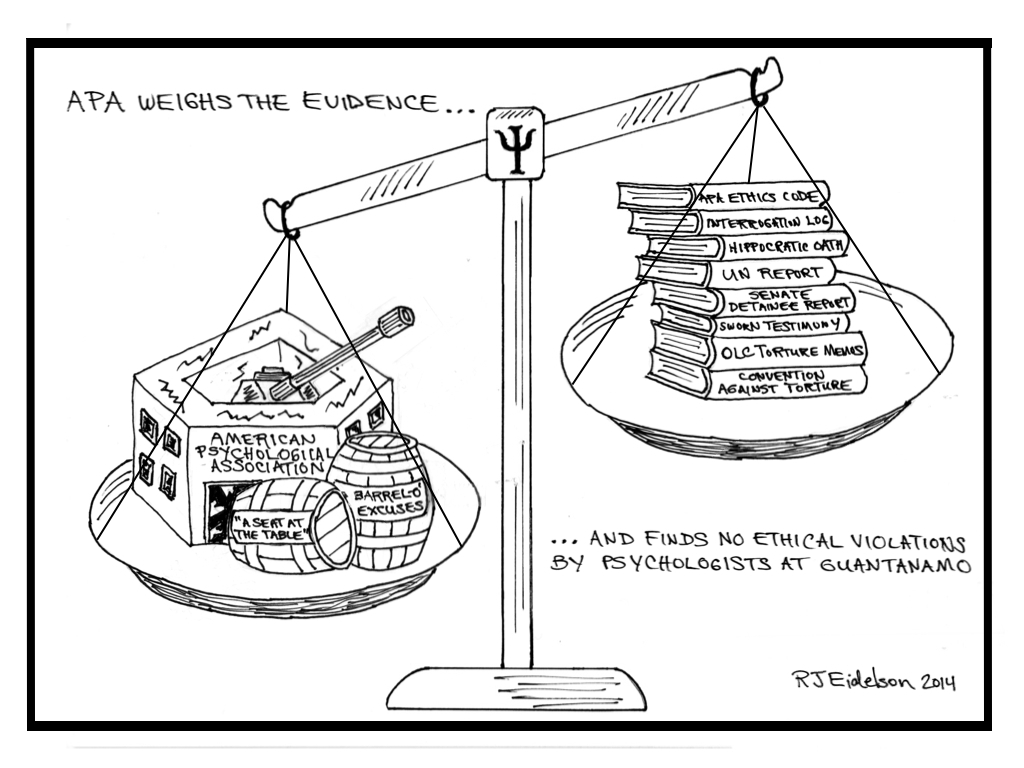
When may APA take action against a member?
-After conviction of felony
-Expulsion or suspension from state psychological association
-Suspension
-Loss of licensure
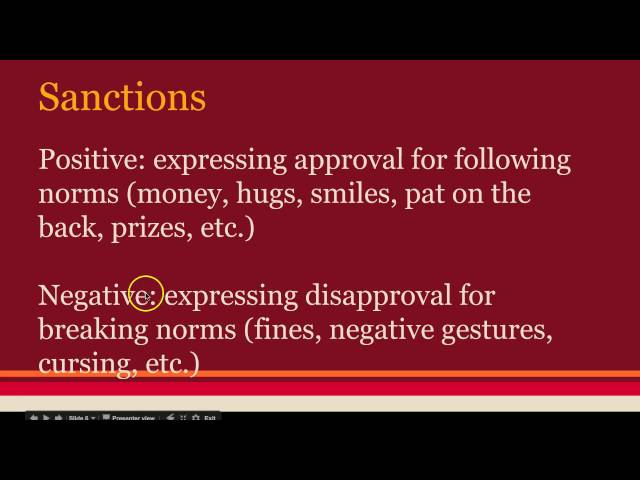
Sanctions of Ethics Code
-Reprimand
-Censure
-Expulsion
-Stipulated resignation
-Others

Reprimand
Sanction given if violation did not cause substantial harm to profession AKA a warning
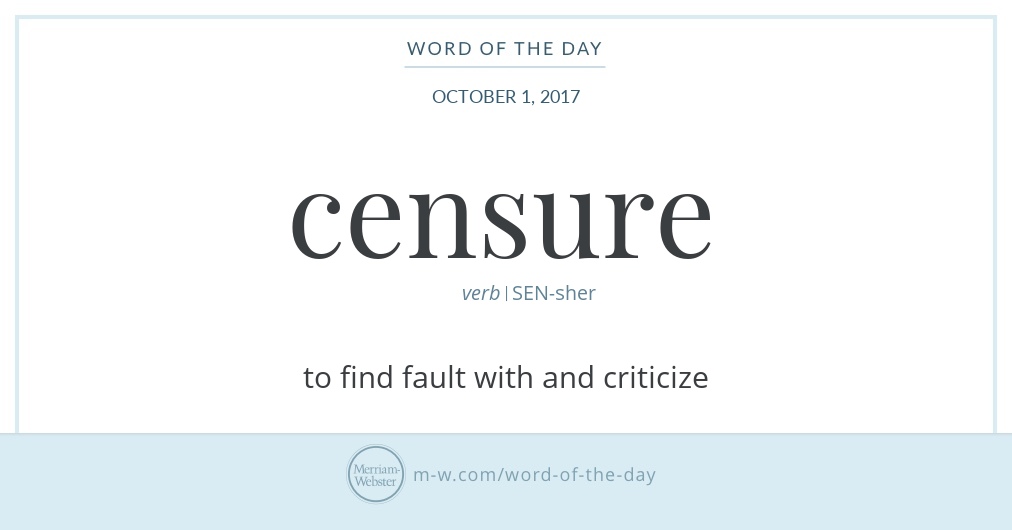
Censure
-Sanction given if violation caused harm to someone/the profession, though not substantial harm
-May involve written statement or record
-Membership retained

Expulsion
-Sanction given when violation caused substantial harm to someone or the profession
-Expelled from APA
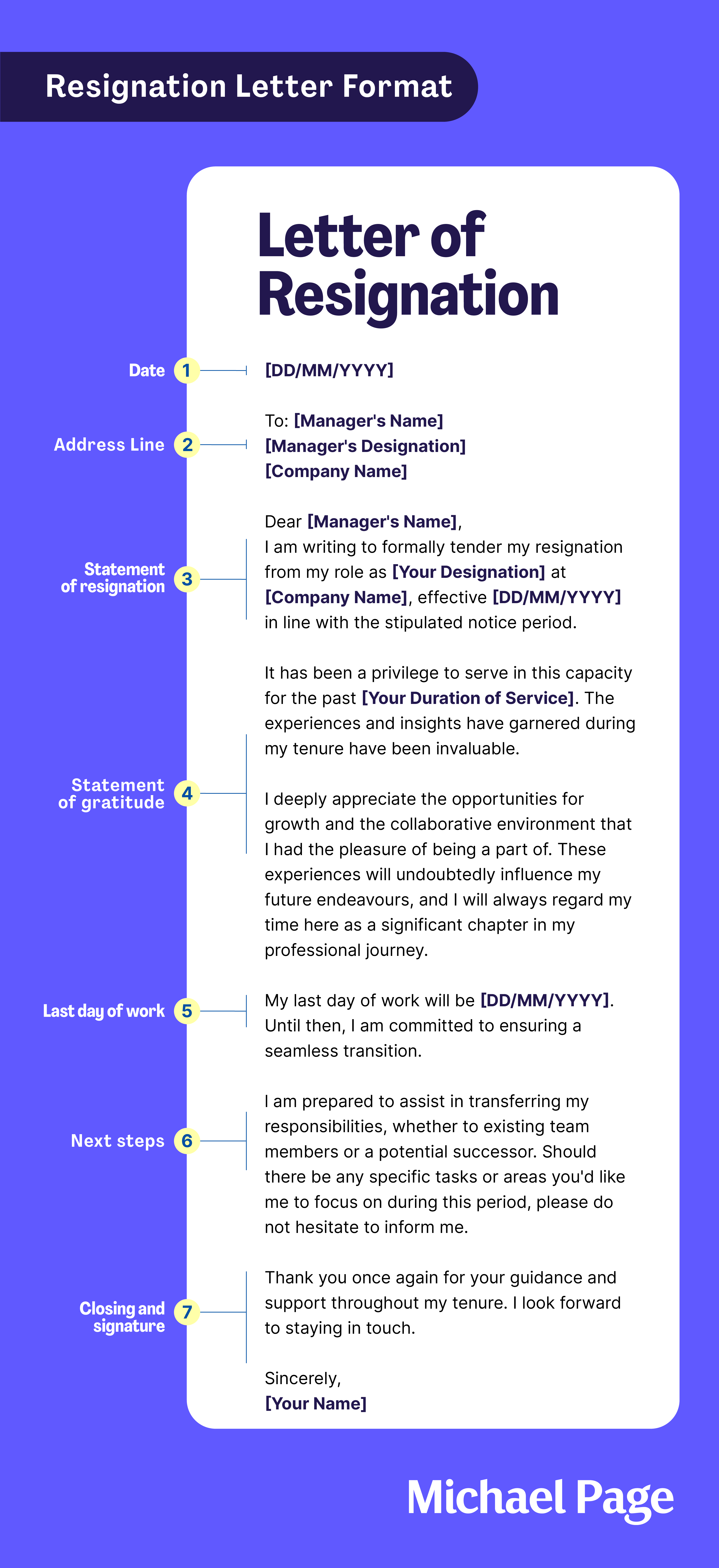
Stipulated resignation
-Sanction given when violation was committed or failed to show good cause why they should not be expelled
-Requires approval to leave
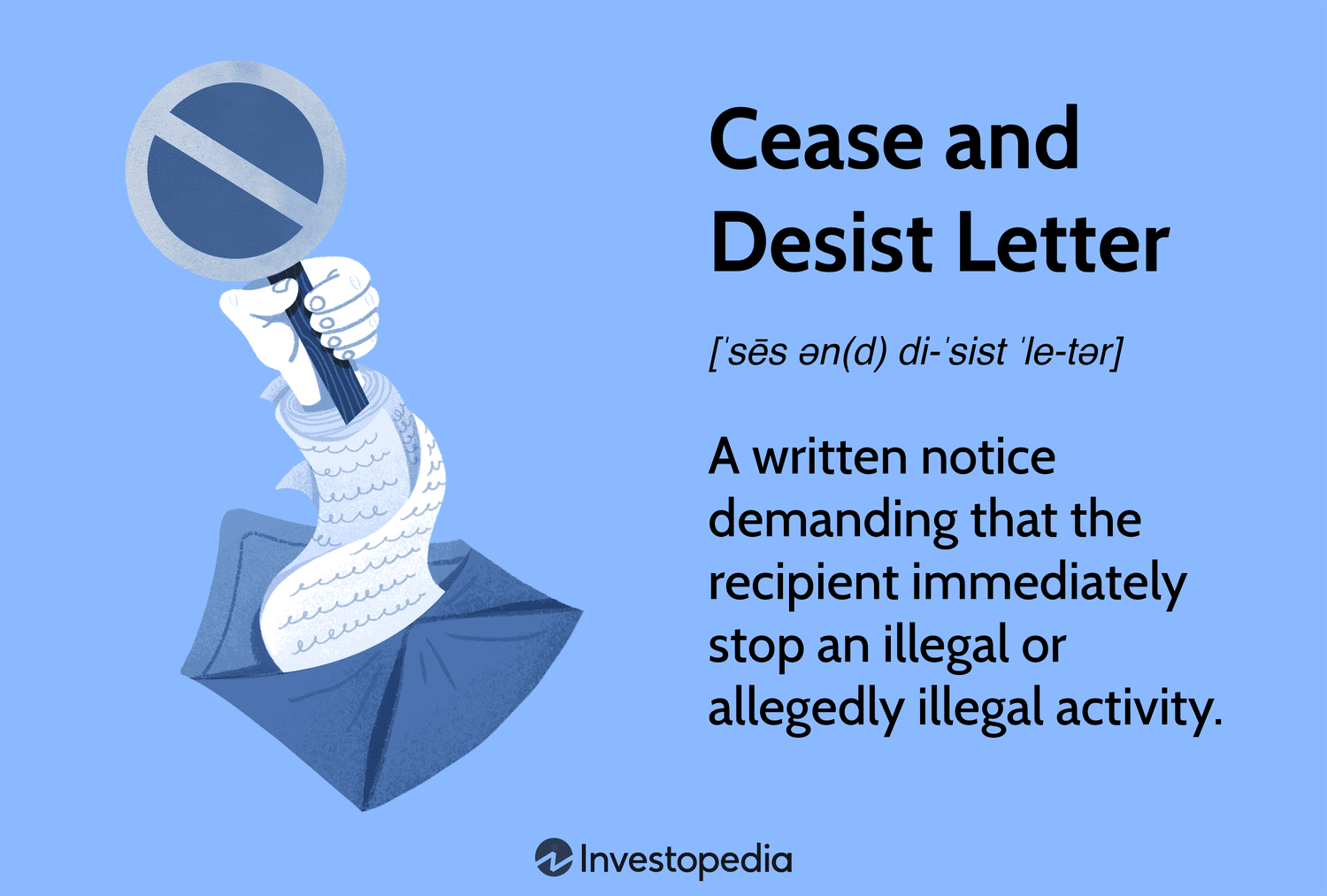
Other sanctions
cease an desist from activity, obtain supervision/additional training, be evaluated and obtain treatment, agree to probationary monitoring, state board informed