AP Bio (2.1 and 2.2)
 Call Kai
 Learn
Learn Practice Test
 Spaced Repetition
 Match
Match Flashcards
 Knowt Play
1/12

There's no tags or description
Looks like no tags are added yet.
Name | Mastery | Learn | Test | Matching | Spaced | Call with Kai | Chat |
|---|
No analytics yet
Send a link to your students to track their progress
13 Terms
Water molecules have a polar covalent bonds
characterized by uneven distribution of electrons
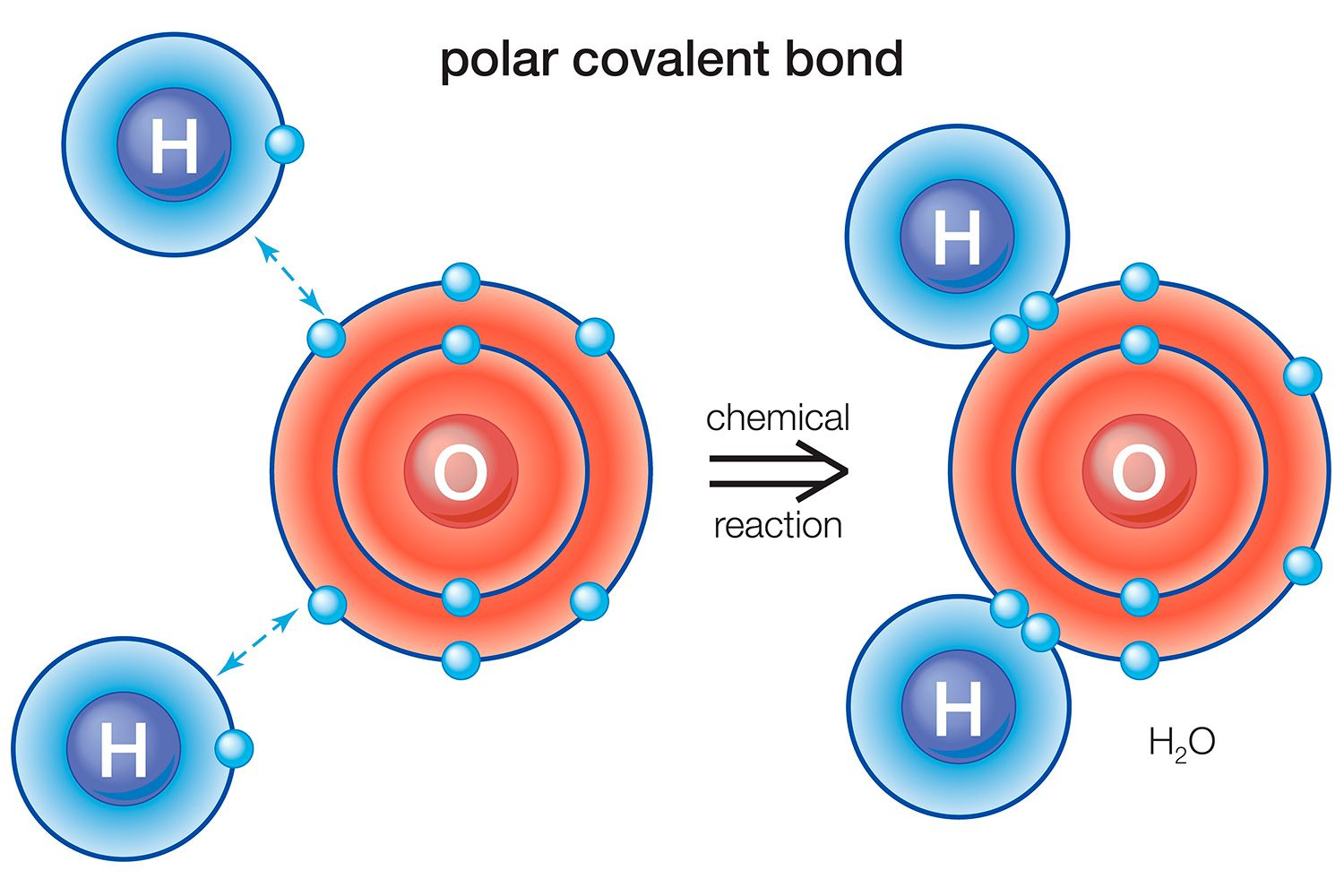
bond of water are polar because
oxygen is much more electronegative than hydrogen. as a result, the shared electrons are more likely to be near O atoms than H atoms.
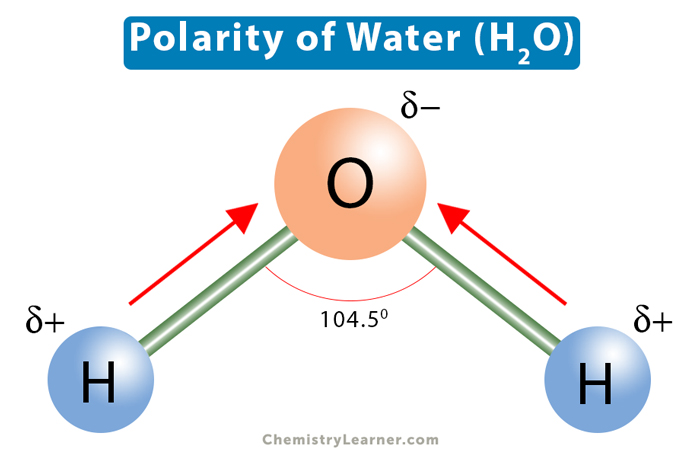
polar
water has regions of positive and negative charge, 分子の中で「電気の偏り」があること!
water molecules orient themselves to
minimize the repulsion of like changes
hydrogen atom
slightly negatively charged oxygen

hydrogen bond
-a weak type of attractive force between a partially positive hydrogen atom and a strongly electronegative atom like oxygen, nitrogen, or fluorine
-weaker than covalent bonds and ionic
-weak hydrogen bonds help organic molecules in case of nucleic acids and proteins
-ydrogen bond = δ+ の hydrogen と、別の分子の δ− の原子との弱い引力
cohesion
-water molecules tend to stick to each others
-form drops, puddles, rivers,lake
-contributes to water movement in plants
adhesion
-tendency of water to stick to materials other than water
-cause droplet of dews to stick to leaf
surface tension
-a measure of the difficulty of breaking the surface of a liquid
-do not have other molecules surrounding them on all sides, they stick to surface molecules strongly
-strong bonding provides a films of molecules
water has the highest tensions of
common liquids

open crystalline lattice
Liquid water takes up less space, has less volume, and is denser than ice
The water molecules in liquid water are able to move closer to one another when they are in ice