COM 107: Exam #1 study guide
 Call Kai
 Learn
Learn Practice Test
 Spaced Repetition
 Match
Match Flashcards
 Knowt Play
1/14

There's no tags or description
Looks like no tags are added yet.
Name | Mastery | Learn | Test | Matching | Spaced | Call with Kai | Chat |
|---|
No analytics yet
Send a link to your students to track their progress
15 Terms
What is communication?
Use of symbol systems that convey different meanings
Communication=Transmition
Transmition Model
Source→Encoding→message→decoding→receiver
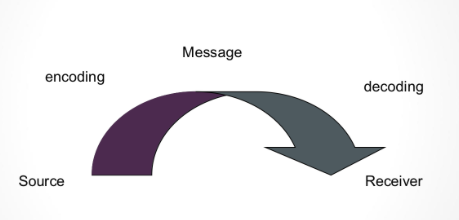
Communication doesnt happen without?
source (verb & visual symbols)
Identification
Audience
What is communication about?
Communication is about creating, maintaining and restoring culture.
Culture
The shared beliefs, values, behaviors, symbols, and practices of a group of people.
High Culture
Cultural products associated with elite groups (Opera, classical art, fine literature)
Low Culture
Widely accessible cultural products (TikTok, Pop music, Reality TV)
Material Culture
Physical objects created by a society (phones, buildings,clothing)
Non-Material Culture
Ideas, traditions, beliefs, language and norms
Shannon and Weavers Transmission (Linear) Model
Communication is a one way process
sender→message→channel→reciver→noise
Example: A Tv news station broadcasts infromation to viewers
Carey’s Ritual (Cultural Model)
Communication creates and maintains shared culture.
Focuses on participation and community rather than information transfer.
Example: Watching the Super Bowl together as a cultural experience.
Identification
Kenneth Burke's idea that people communicate by finding common ground.
Persuasion occurs when audiences identify with a speaker.
Example: A politician emphasizing a working-class background.
Beliefs
Beliefs: What people think is true.
Values
Values: What people consider important.