Your Study Nook Australian Medication Posters - Digital Flashcards
 Call Kai
 Learn
Learn Practice Test
 Spaced Repetition
 Match
Match Flashcards
1/63

Earn XP
Description and Tags
A complete set of vocabulary flashcards covering drug classes, mechanisms of action, and clinical indications based on the lecture transcript.
Name | Mastery | Learn | Test | Matching | Spaced | Call with Kai | Chat |
|---|
No analytics yet
Send a link to your students to track their progress
64 Terms
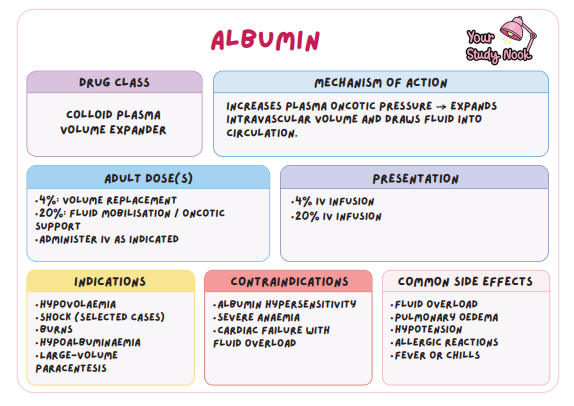
Albumin
Colloid Plasma Volume Expander - Increases plasma oncotic pressure to expand intravascular volume and draw fluid into circulation; indicated for hypovolaemia, shock, and burns.
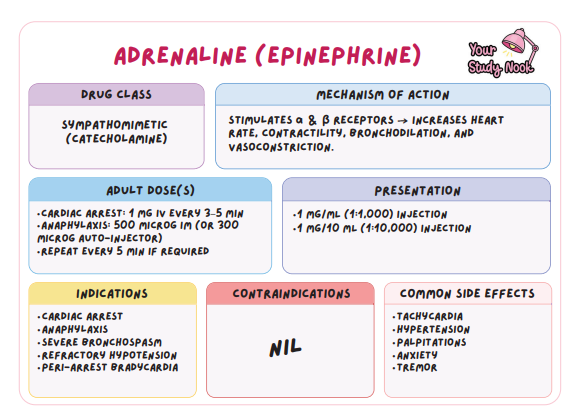
Adrenaline (Epinephrine)
Sympathomimetic (Catecholamine) - Stimulates α and β receptors, increasing heart rate, contractility, bronchodilation, and vasoconstriction.
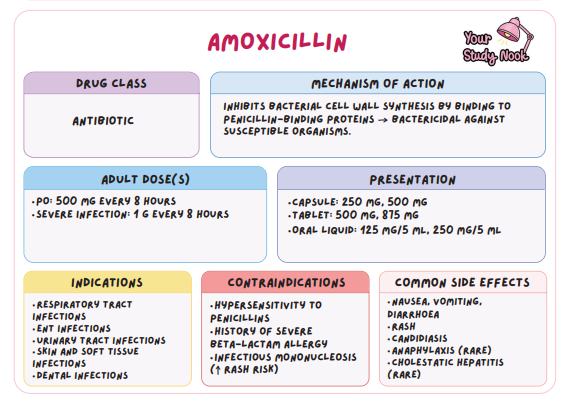
Amoxicillin
Antibiotic - Inhibits bacterial cell wall synthesis by binding to penicillin-binding proteins; bactericidal against susceptible organisms like those in respiratory and urinary tract infections.
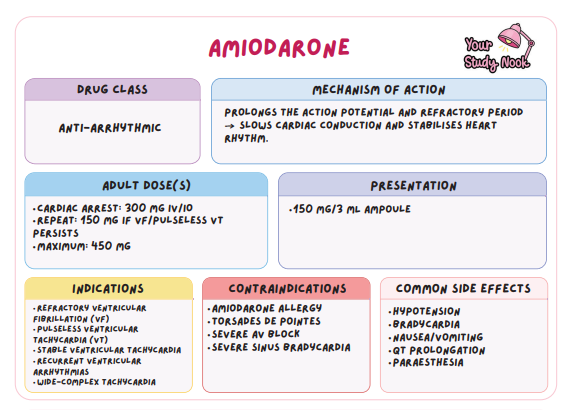
Amiodarone
Anti-arrhythmic - Prolongs the action potential and refractory period to slow cardiac conduction and stabilise heart rhythm; used for refractory VF and pulseless VT.
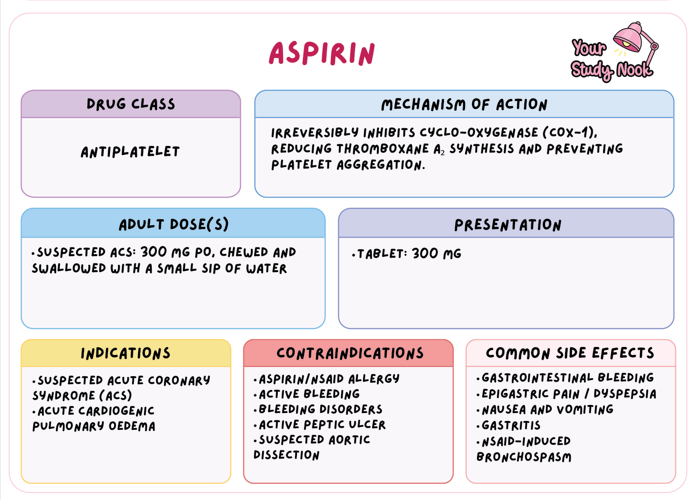
Aspirin
Antiplatelet - Irreversibly inhibits cyclo-oxygenase (COX-1), reducing thromboxane A2 synthesis and preventing platelet aggregation; used in suspected acute coronary syndrome.
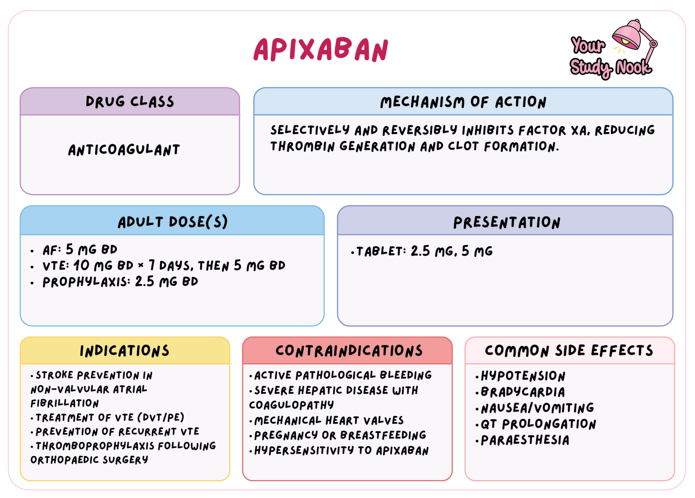
Apixaban
Anticoagulant - Selectively and reversibly inhibits Factor Xa, reducing thrombin generation and clot formation; indicated for stroke prevention in non-valvular atrial fibrillation.
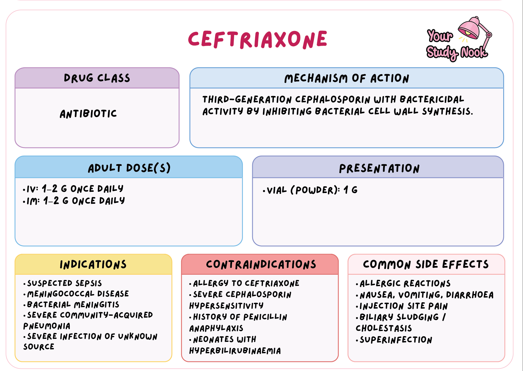
Ceftriaxone
Antibiotic - Third-generation cephalosporin with bactericidal activity that inhibits bacterial cell wall synthesis; indicated for sepsis and meningitis.
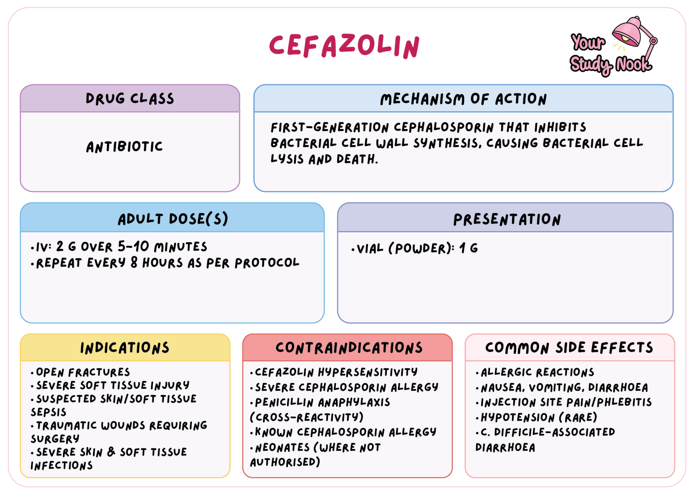
Cefazolin
Antibiotic - First-generation cephalosporin that inhibits bacterial cell wall synthesis, causing bacterial cell lysis and death; used for open fractures and traumatic wounds.
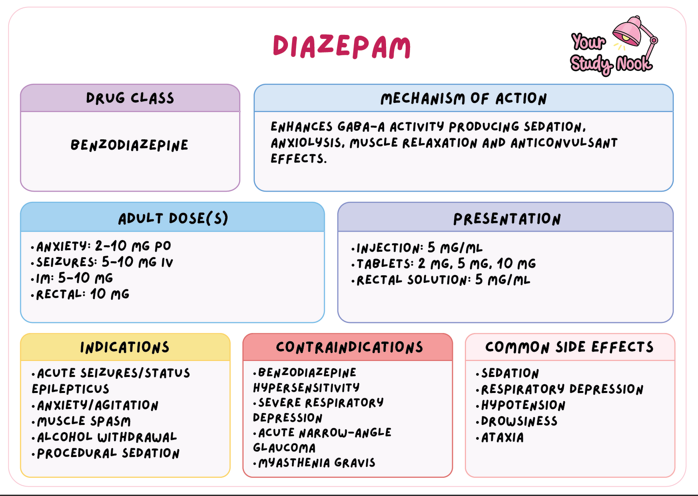
Diazepam
Benzodiazepine - Enhances GABA-A activity producing sedation, anxiolysis, muscle relaxation, and anticonvulsant effects; used for status epilepticus.
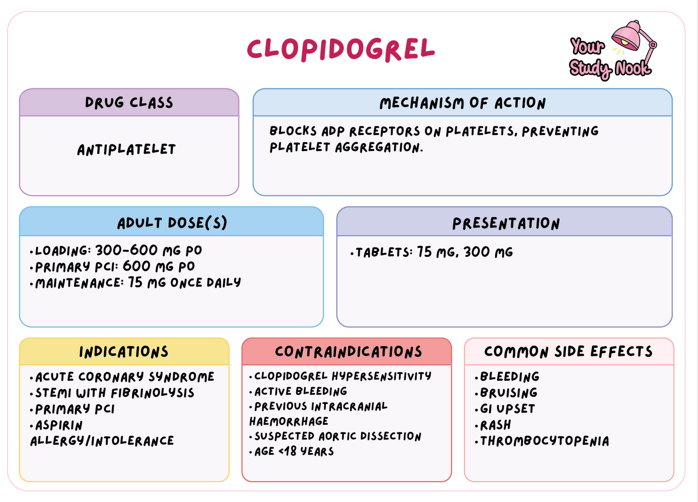
Clopidogrel
Antiplatelet - Blocks ADP receptors on platelets, preventing platelet aggregation; used for acute coronary syndrome and primary PCI.
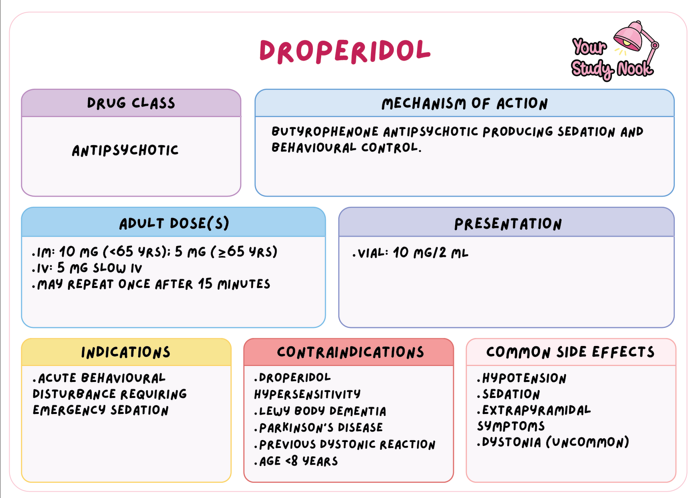
Droperidol
Antipsychotic - Butyrophenone antipsychotic producing sedation and behavioural control in acute behavioural disturbances.
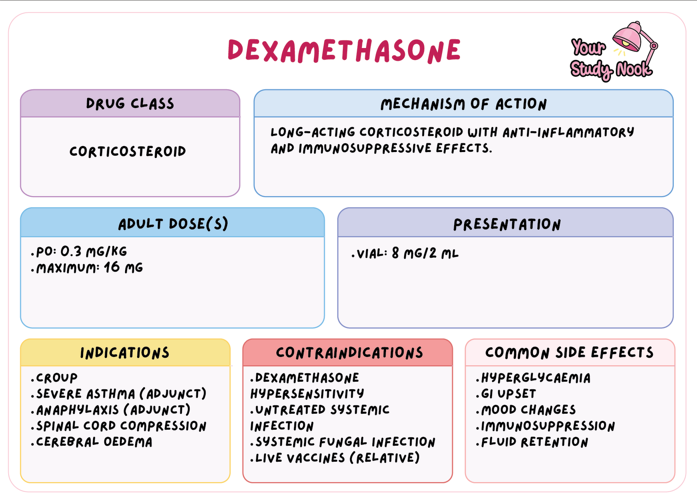
Dexamethasone
Corticosteroid - Long-acting corticosteroid with anti-inflammatory and immunosuppressive effects; used as an adjunct in croup, severe asthma, and anaphylaxis.
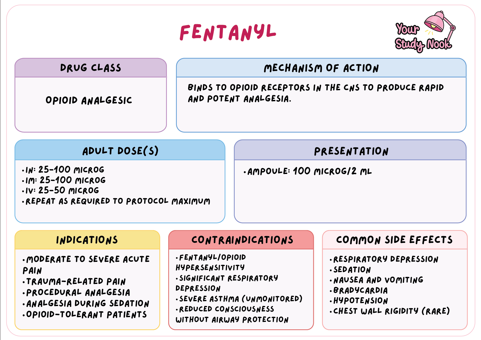
Fentanyl
Opioid Analgesic - Binds to opioid receptors in the CNS to produce rapid and potent analgesia for moderate to severe acute pain.
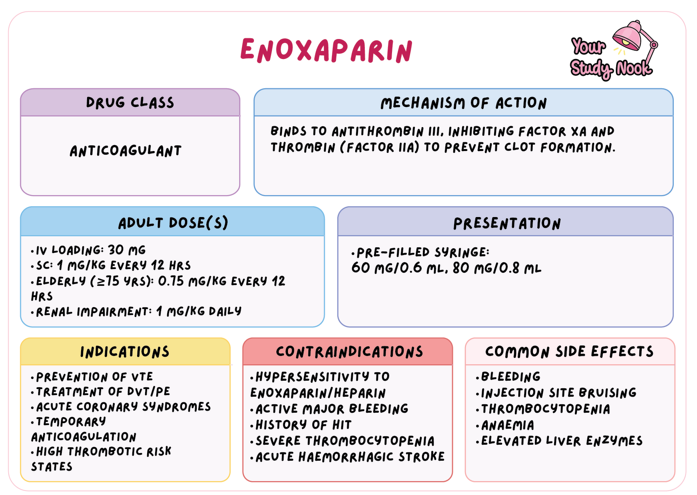
Enoxaparin
Anticoagulant - Binds to antithrombin III, inhibiting Factor Xa and thrombin (Factor IIa) to prevent clot formation; used for VTE prevention and ACS.
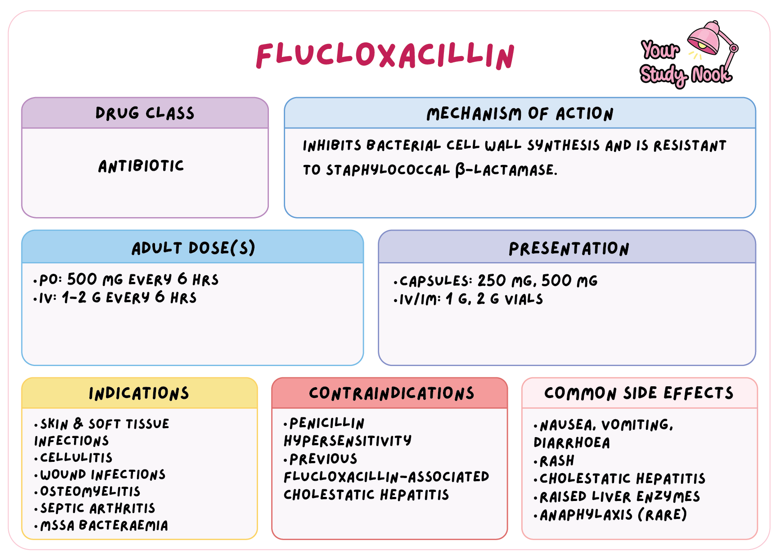
Flucloxacillin
Antibiotic - Inhibits bacterial cell wall synthesis and is resistant to staphylococcal β-lactamase; primary use is for skin and soft tissue infections.
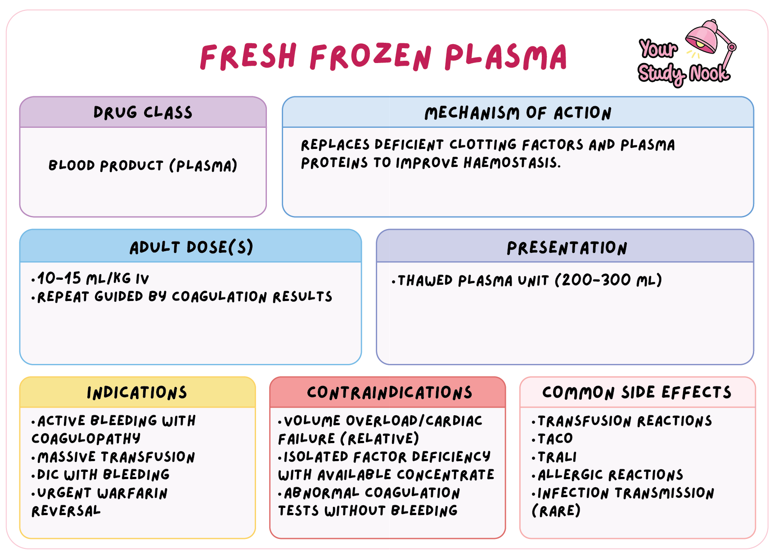
Fresh Frozen Plasma
Blood Product (Plasma) - Replaces deficient clotting factors and plasma proteins to improve haemostasis; used in massive transfusions and urgent warfarin reversal.
Glucagon
Hyperglycaemic - Mobilises hepatic glycogen, releasing glucose into the bloodstream; used for severe hypoglycaemia without IV access.
Gentamicin
Aminoglycoside antibiotic - Binds to the 30S ribosomal subunit to inhibit protein synthesis; indicated for severe gram-negative infections.
Glucose Gel
Hyperglycaemic - Provides rapidly absorbed oral glucose to increase blood glucose levels; used for symptomatic hypoglycaemia in patients able to swallow.
Glucose 10%
Hyperglycaemic - Provides glucose as the body's primary energy source, rapidly increasing BGL; indicated for symptomatic hypoglycaemia and altered conscious states.
Hartmann's Solution
Isotonic crystalloid IV fluid - Replaces extracellular fluid and electrolytes to restore circulating volume in hypovolaemia and dehydration.
Glyceryl Trinitrate (GTN)
Vasodilator - Dilates veins and arteries, reducing preload and afterload while improving coronary blood flow; used in ACS and pulmonary oedema.
Hydrocortisone
Corticosteroid - Anti-inflammatory and immunosuppressive agent that replaces cortisol in adrenal insufficiency and treats adrenal crisis.
Heparin
Anticoagulant - Enhances antithrombin III to inhibit Factor Xa and thrombin, preventing clot formation; used for ACS and DVT/PE prevention.
Insulin (Actrapid)
Antidiabetic hormone - Promotes cellular glucose uptake and reduces hepatic glucose production; used for hyperglycaemia and DKA.
Ibuprofen
Non-steroidal anti-inflammatory - Inhibits prostaglandin synthesis, reducing pain, inflammation, and fever for mild to moderate pain.
Ketamine
Anaesthetic / Analgesia - Non-competitive NMDA receptor antagonist producing dissociative anaesthesia, analgesia, and sedation.
Ipratropium Bromide
Anticholinergic Agent - Antimuscarinic agent that promotes bronchodilation by inhibiting cholinergic bronchomotor tone in asthma and COPD.
Magnesium Sulphate
Electrolyte / Anticonvulsant - Reduces neuromuscular transmission and stabilises excitable membranes; used for eclampsia and severe asthma.
Loratadine
Second-generation Antihistamine - Selectively blocks peripheral H1 receptors to reduce histamine-mediated symptoms like allergic rhinitis and hives.
Metformin
Biguanide - Reduces hepatic glucose production and improves insulin sensitivity in the treatment of Type 2 diabetes mellitus.
MetAclopramide
Antiemetic - Blocks dopamine (D2) receptors to enhance gastric emptying and reduce nausea and vomiting.
Metronidazole
Antibiotic - Damages bacterial and protozoal DNA, causing cell death; used for anaerobic and dental infections.
Methoxyflurane
Analgesic - Produces analgesia by depressing central nervous system activity; used for moderate to severe trauma and procedural pain.
Misoprostol
Prostaglandin E1 (PGE1) analogue - Stimulates uterine contractions and promotes cervical ripening; used for PPH prevention and treatment.
Midazolam
Benzodiazepine - Enhances GABA activity to produce sedation, anxiolysis, and anticonvulsant effects for seizures or agitation.
Naloxone
Opioid antagonist - Competitively blocks opioid receptors, reversing opioid effects in overdose or respiratory depression.
Morphine
Opioid Analgesic - Activates opioid receptors to produce analgesia and sedation for severe pain and ACS.
Ondansetron
Antiemetic - Selective 5-HT3 receptor antagonist that blocks serotonin-mediated nausea and vomiting.
Omeprazole
Proton Pump Inhibitor (PPI) - Irreversibly inhibits the gastric H+/K+-ATPase (proton pump) to reduce gastric acid secretion in GORD and peptic ulcers.
Oxycodone
Opioid Analgesic - Binds opioid receptors to inhibit ascending pain pathways and alter pain perception for moderate to severe pain.
Olanzapine
Atypical Antipsychotic - Blocks dopamine and serotonin receptors to improve psychotic symptoms and acute agitation.
Oxytocin
Oxytocic - Stimulates uterine smooth muscle contraction and promotes uterine tone for PPH prophylaxis and treatment.
Oxygen
Gas - Improves tissue oxygenation by increasing arterial oxygen concentration in cases of hypoxaemia, shock, or cardiac arrest.
Paracetamol
Analgesic / Antipyretic - Provides analgesic and antipyretic effects via central mechanisms for mild to moderate pain or fever.
Packed Red Blood Cells
Blood Product - Increases circulating red blood cells to improve oxygen-carrying capacity in acute blood loss or symptomatic anaemia.
Propofol
General Anaesthetic (Hypnotic) - Enhances GABA-A receptor activity causing sedation, hypnosis, and anaesthesia for induction or ICU sedation.
Platelets
Blood Product - Provides functional platelets to improve primary haemostasis and reduce bleeding in thrombocytopenia.
Rivaroxaban
Anticoagulant - Direct Factor Xa inhibitor that reduces thrombin generation and clot formation for AF or DVT/PE prevention.
Prednisolone
Corticosteroid (Glucocorticoid) - Suppresses inflammatory and immune responses by decreasing cytokine production and leukocyte migration.
Sodium Chloride 0.9%
Isotonic Crystalloid - Expands extracellular fluid volume and restores intravascular volume in hypovolaemia and shock.
Rocuronium
Non-depolarising Neuromuscular Blocker - Blocks acetylcholine at nicotinic receptors causing skeletal muscle paralysis for endotracheal intubation.
Sodium Bicarbonate
Alkalinising Agent - Buffers excess hydrogen ions, increasing blood pH; used for severe metabolic acidosis and hyperkalaemia.
Spironolactone
Potassium-sparing Diuretic - Blocks aldosterone receptors, promoting sodium excretion while conserving potassium for heart failure and hypertension.
Salbutamol
Beta-adrenergic agonist - Stimulates β2 receptors to produce bronchodilation and lowers serum potassium in asthma and hyperkalaemia.
Tenecteplase
Fibrinolytic - Activates plasminogen to dissolve fibrin clots in conditions like STEMI and acute ischaemic stroke.
Sodium Valproate
Antiepileptic (anticonvulsant) - Increases GABA activity, reducing neuronal excitability in epilepsy and status epilepticus.
Ticagrelor
Antiplatelet - Reversibly inhibits the P2Y12 (ADP) platelet receptor to reduce platelet aggregation in acute coronary syndrome.
Thyroxine
Thyroid Hormone Replacement - Synthetic T4 converted to active T3 to regulate metabolism and growth in hypothyroidism.
Tranexamic Acid
Antifibrinolytic - Inhibits plasminogen activation, preventing fibrin clot breakdown in major haemorrhage and trauma.
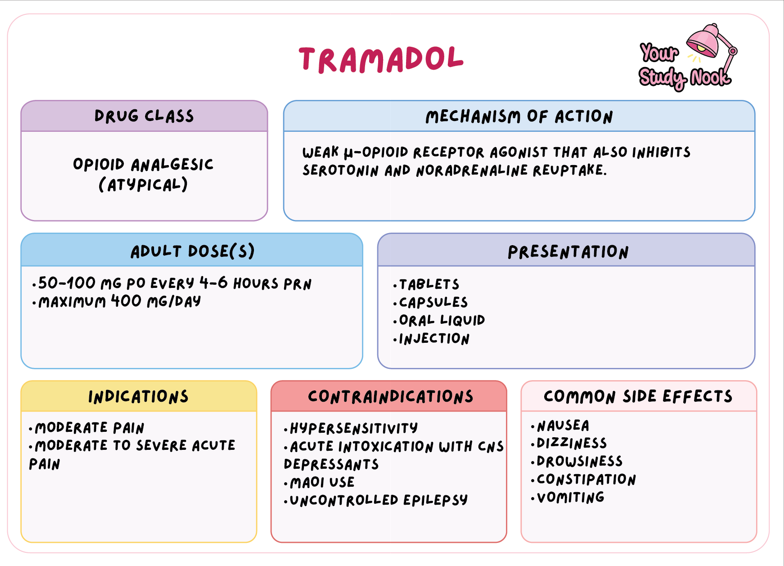
Tramadol
Tramadol: Centrally acting opioid analgesic - Weakly activates mu-opioid receptors and inhibits serotonin and noradrenaline reuptake, reducing pain transmission; indicated for moderate to severe pain
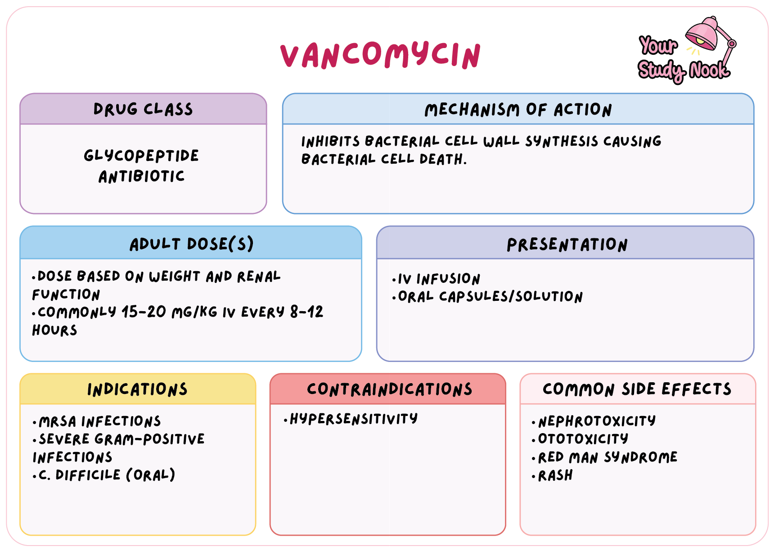
Vancomycin
Glycopeptide antibiotic - Inhibits bacterial cell wall synthesis causing cell death; indicated for MRSA and severe Gram-positive infections.
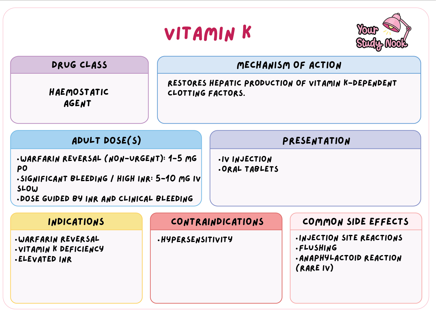
Vitamin K
Haemostatic agent - Restores hepatic production of vitamin K-dependent clotting factors; indicated for warfarin reversal, vitamin K deficiency and elevated INR
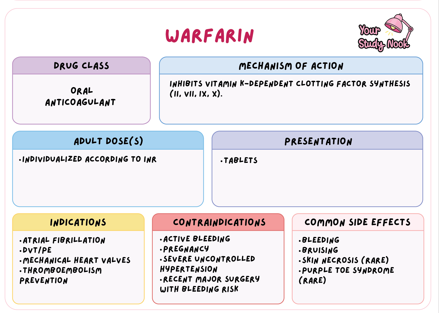
Warfarin
Oral anticoagulant - Inhibits vitamin K-dependent clotting factor synthesis (II, VII, IX and X); indicated for atrial fibrillation, DVT/PE, mechanical heart valves and thromboembolism prevention