Cumulative Plant Test
 Note
Note Call Kai
 Learn
Learn Practice Test
 Spaced Repetition
 Match
Match Flashcards
 Knowt Play
1/159

There's no tags or description
Looks like no tags are added yet.
Name | Mastery | Learn | Test | Matching | Spaced | Call with Kai | Chat |
|---|
No analytics yet
Send a link to your students to track their progress
160 Terms
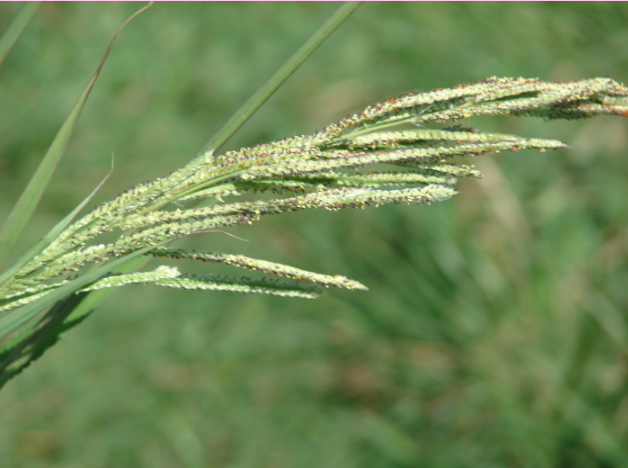
What is the scientific name (genus and specific epithet) of this plant species?
Paspalum urvillei
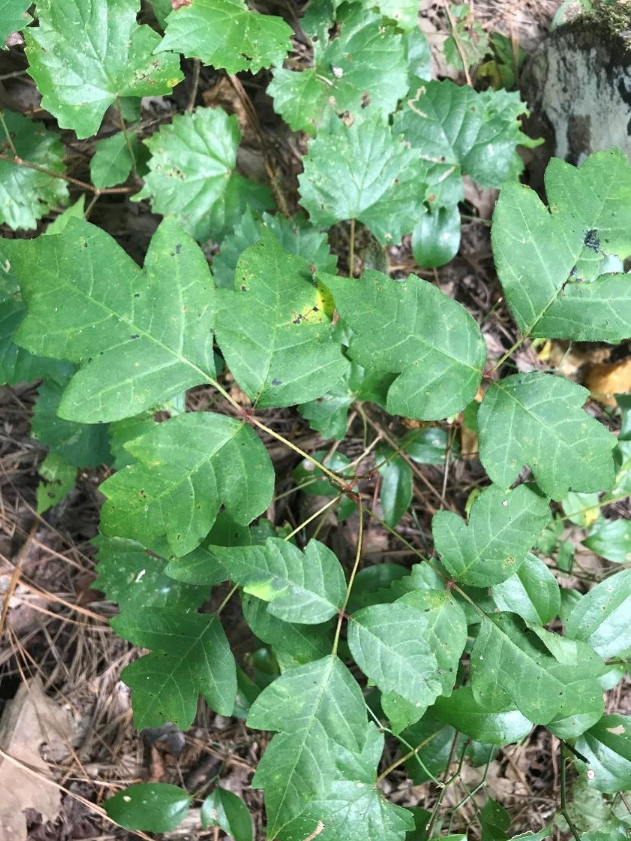
What are the genus and specific epithet of this plant?
Hint: leaves of three, let it be
Toxicodendron radicans
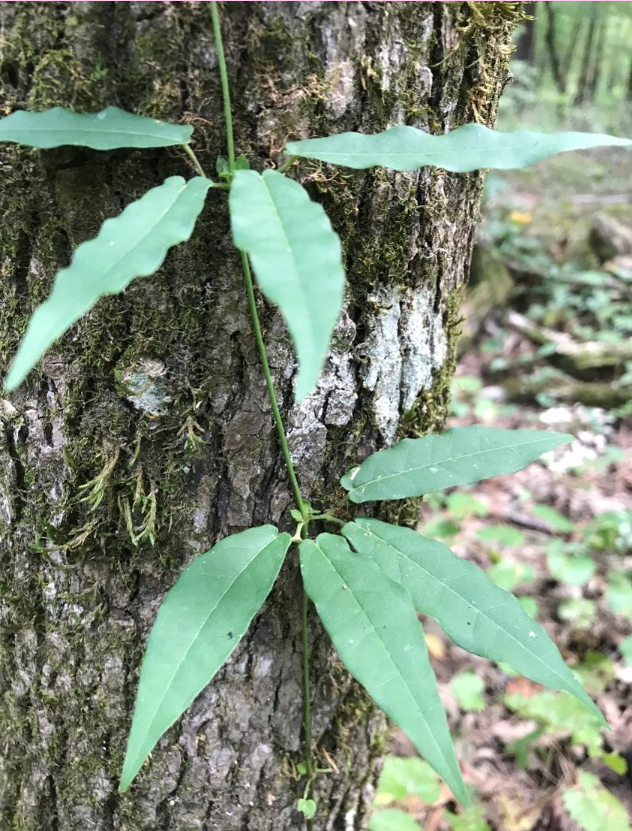
What is the genus of this plant?
Bignonia
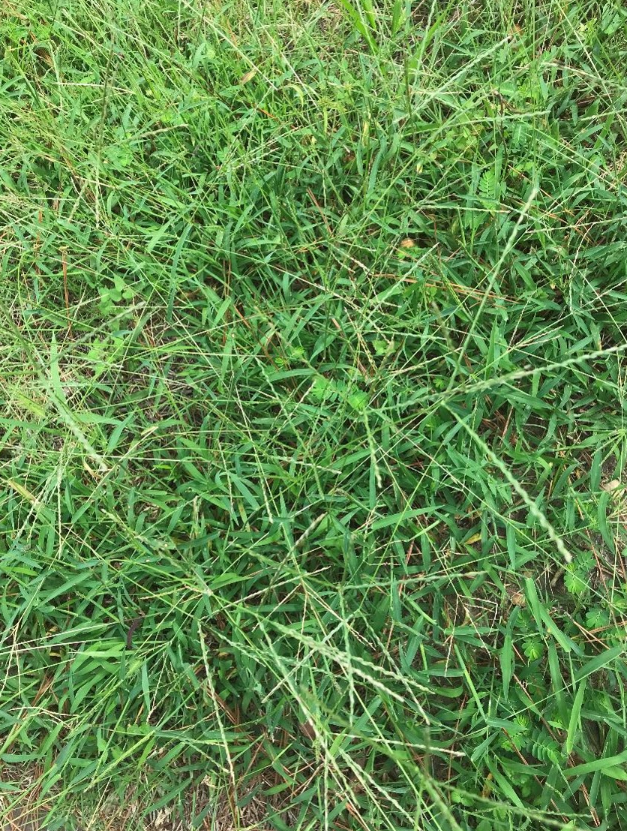
What is the genus of this plant?
Digitaria
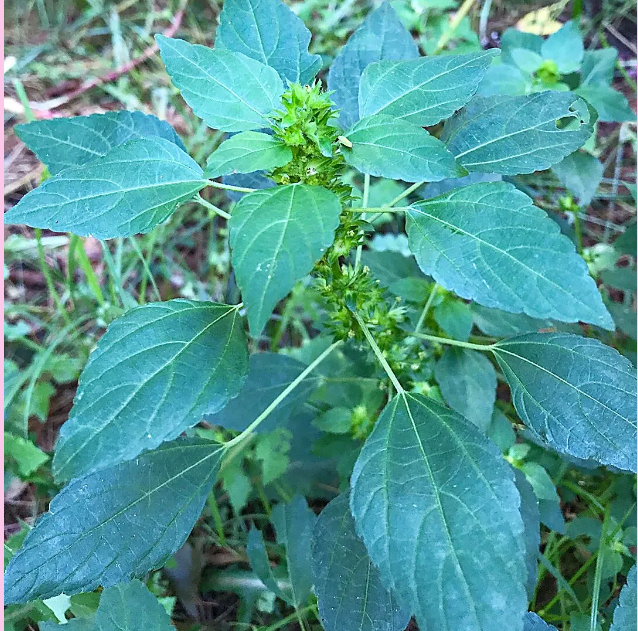
What is the growth form of this plant?
forb
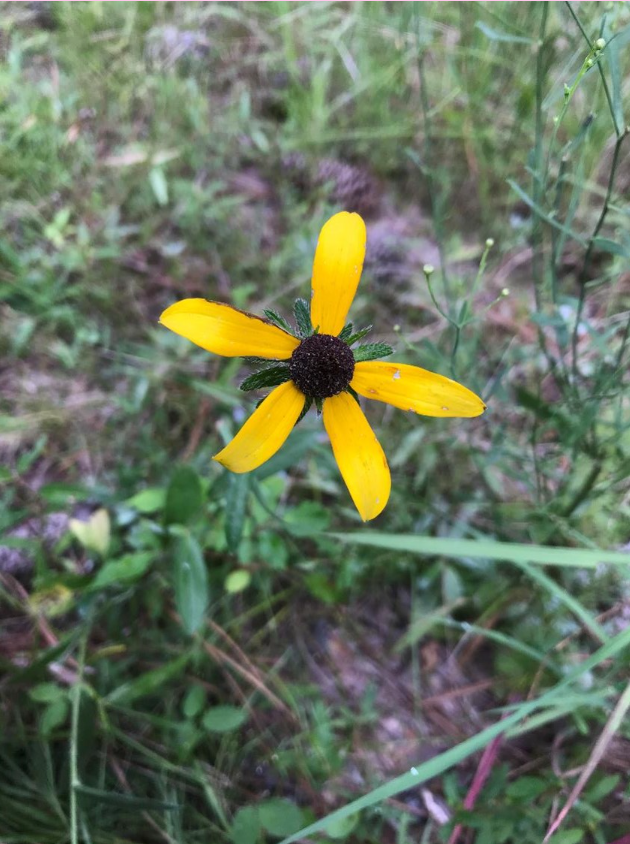
The species can have a basal rosette during the dormant season which White-tailed Deer and Eastern Wild Turkeys will occasionally forage
True or False?
True- Rudbeckia hirta
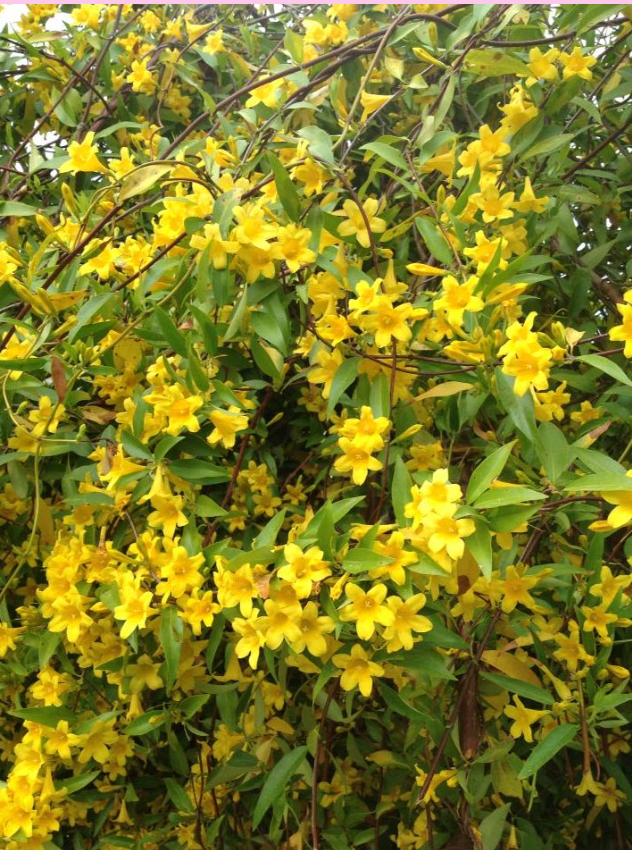
This vine species is an early spring nectar source for Ruby-throated hummingbirds
True or False?
True- Gelsemium sempervirens
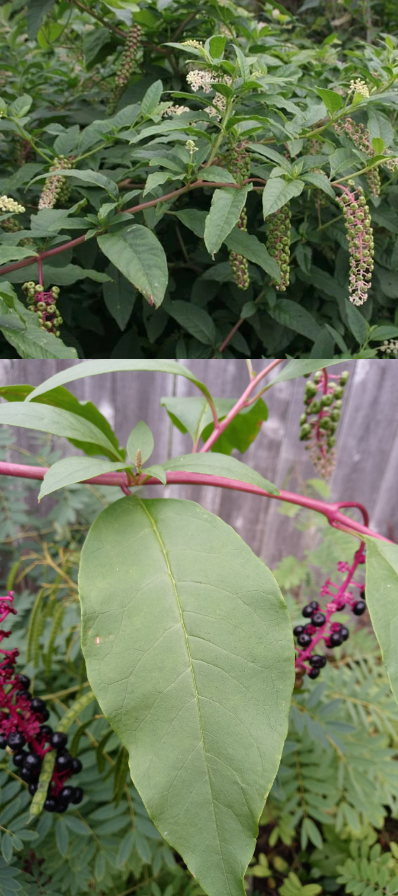
What is the scientific name (genus and specific epithet) of this plant?
Phytolacca americana
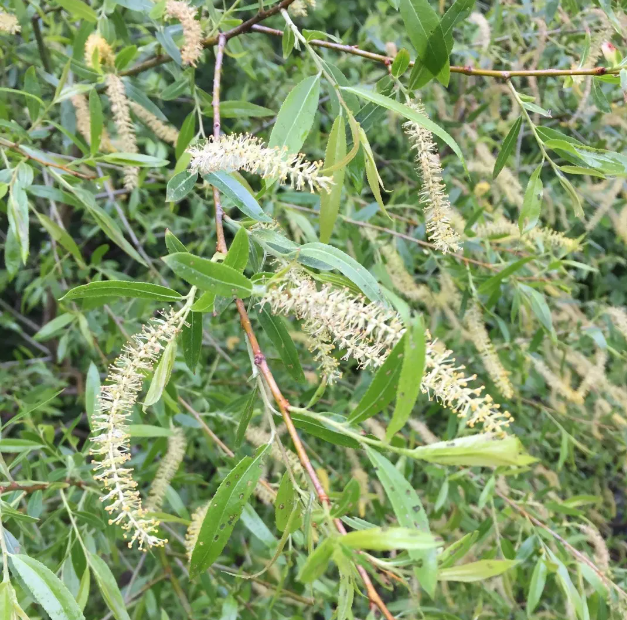
What is the growth form of this plant?
Tree
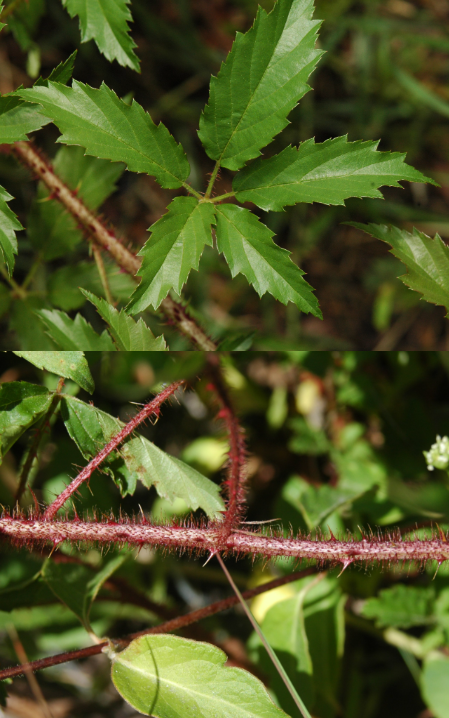
What is the growth form of the following plant species?
Vine
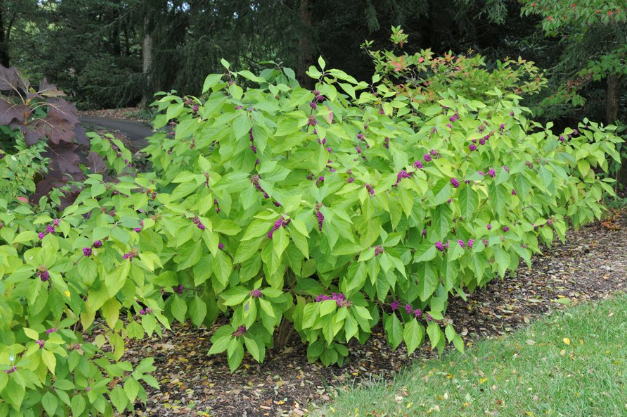
What is the scientific name (genus and specific epithet) of this plant?
Callicarpa americana
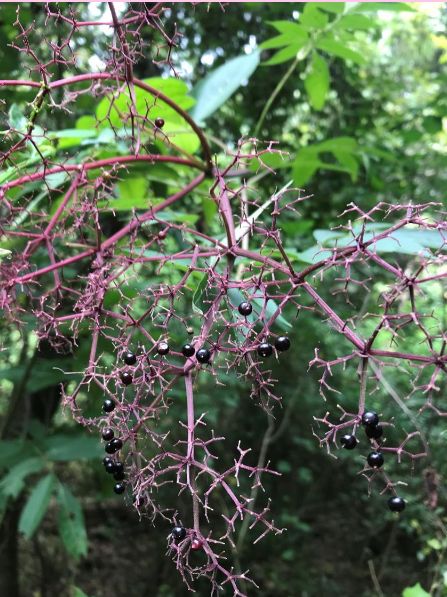
What are the genus and specific epithet of this plant?
Sambucus canadensis
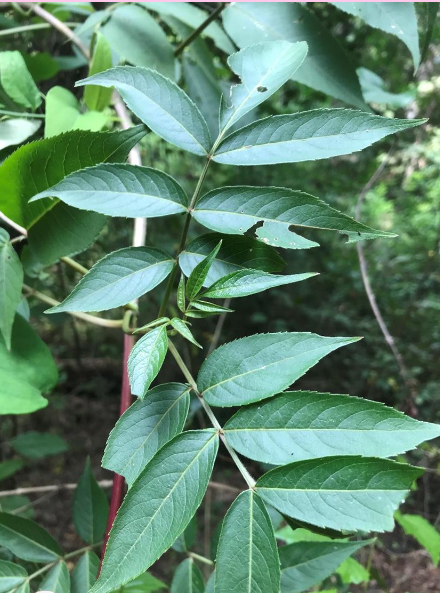
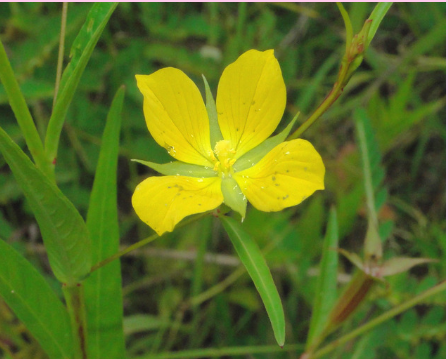
What is the genus of this plant?
Ludwigia
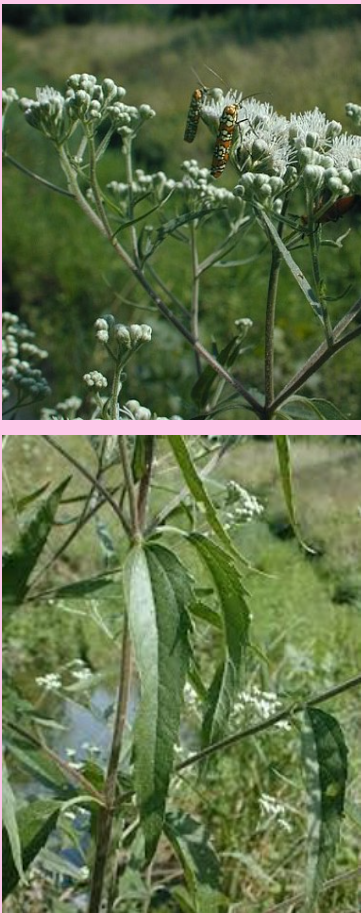
What are the genus and specific epithet of this plant
Eupatorium serotinum
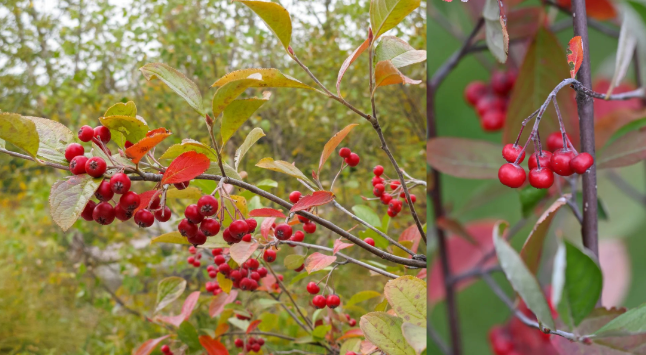
This plant species is known for what wildlife benefits (select all that apply)
Fruit source for birds
Browsed by deer
Browsed by rabbits
Fruit source for meso- to small mammals
Consumed by bigfoot
Fruit source for birds
Browsed by deer
Browsed by rabbits
Fruit source for meso- to small mammals
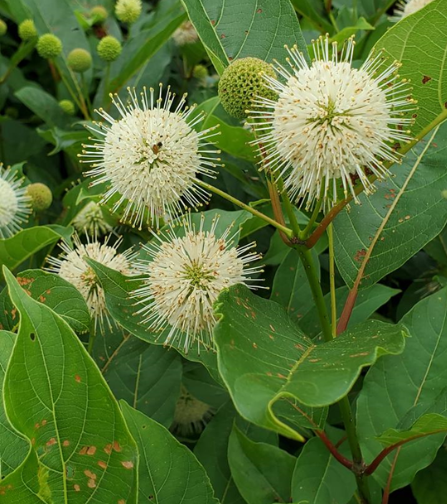
This species is not good for waterfowl because it often shades out beneficial plants
True or False
False- Cephalanthus occidentalis sometimes called the wood duck bush because of its concealment and forage (seeds) benefits to this waterfowl species
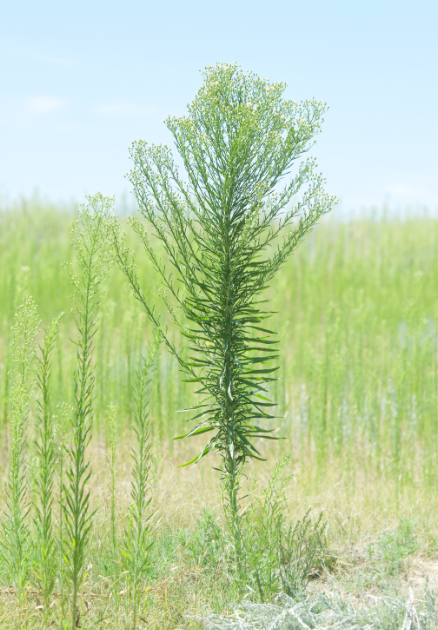
This exotic forb loves peace and quiet (i.e. very little disturbance)
True or False
False- Conyza canadensis
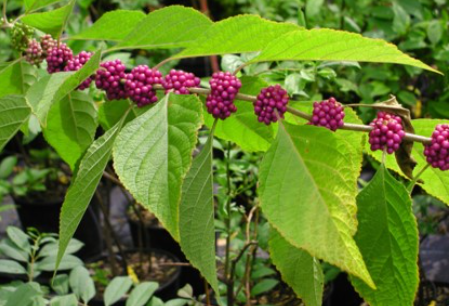
This is a low protein plant that only provides fruits for multiple bird and mammal species and high to moderate preference forage of white-tailed deer
True or False
False- relatively high crude protein (8-18%)
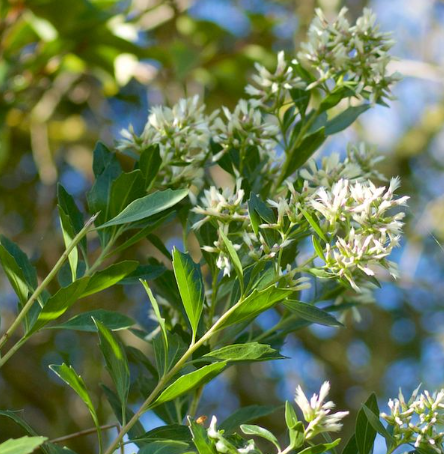
What are the genus and specific epithet of this plant?
Hint: while native, it can be very invasive especially in old fields and the lower coastal plain
Baccharis halimifolia
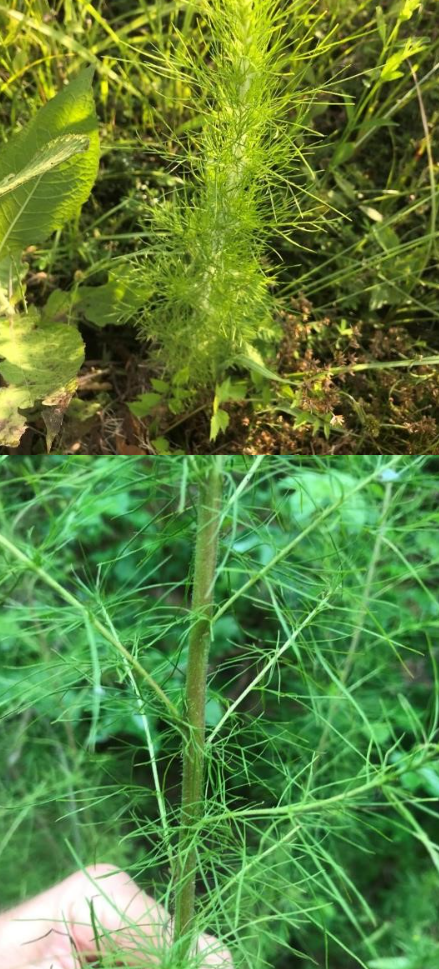
What is the genus of this plant?
Hint: Filamentous- leaved plant in the front, when crushed it has a strong smell
Eupatorium
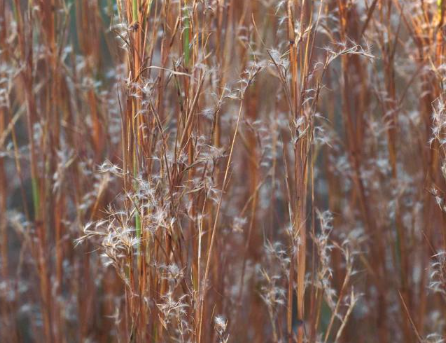
What is the growth form of this plant?
grass
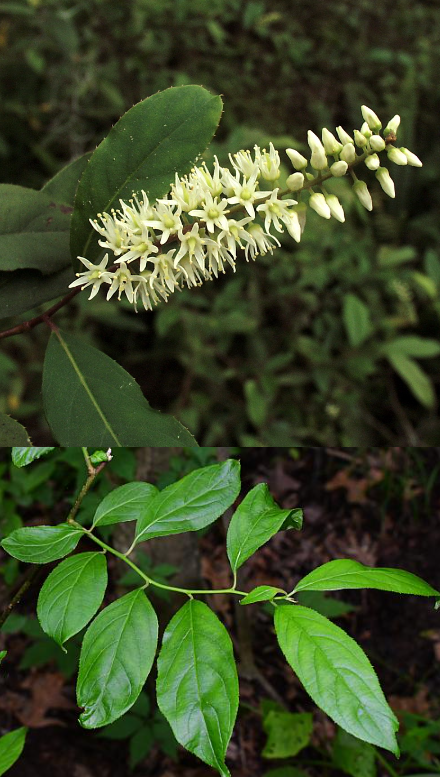
What is the growth form of this plant?
Shrub
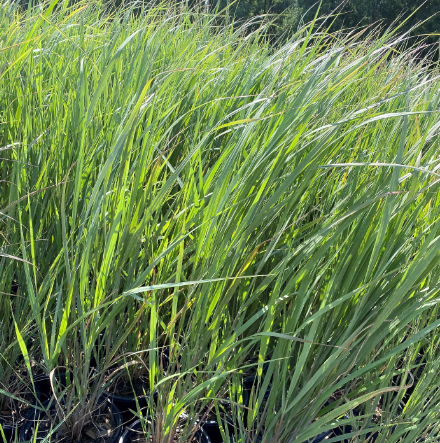
What is the growth form of this plant?
grass
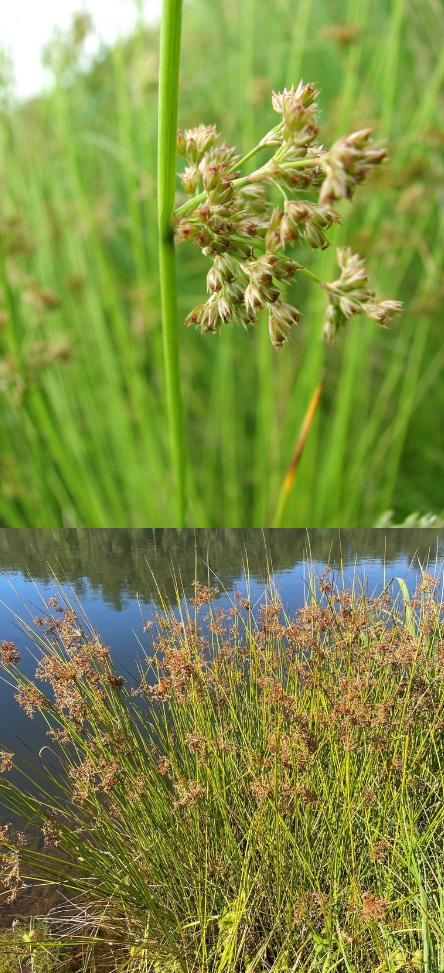
What is the growth form of this plant?
rush
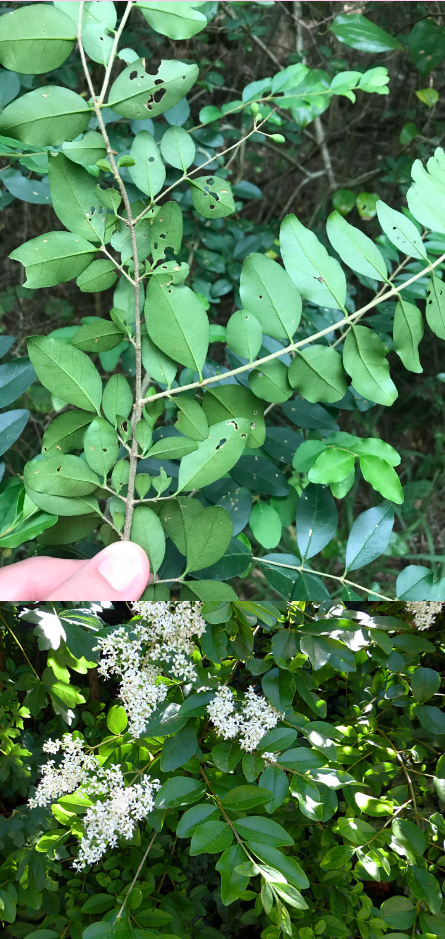
What is the scientific name (genus and specific epithet) of this plant?
Ligustrum sinense
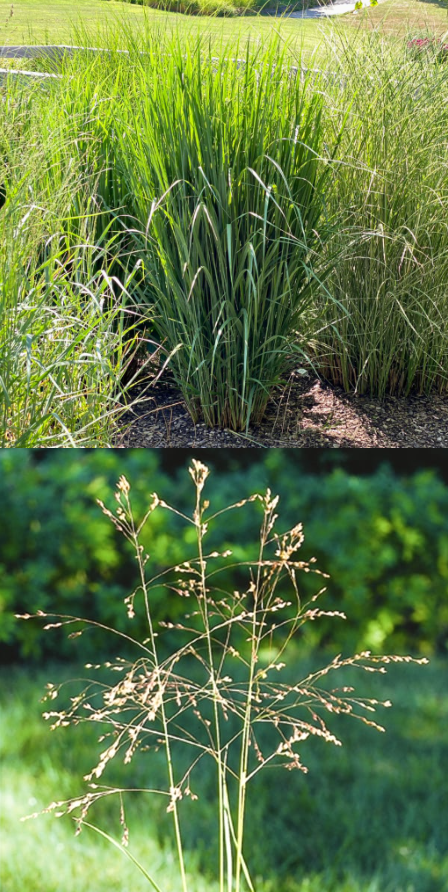
What is the scientific name (genus and specific epithet) of this native warm season grass?
Panicum virgatum
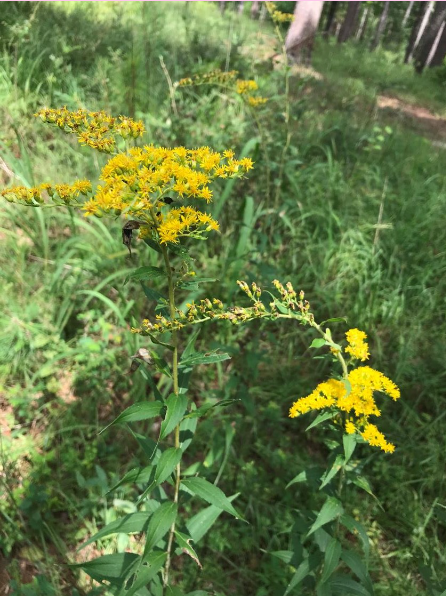
What is the genus of this plant?
Solidago
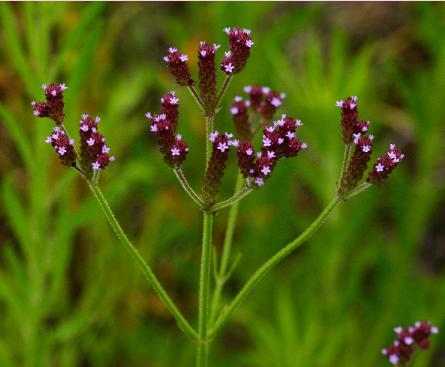
What is the genus of this plant?
Verbena
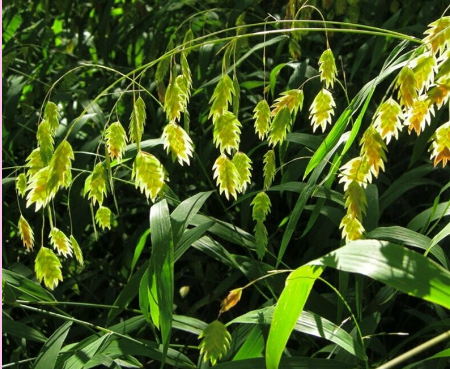
What is the genus of this plant?
Chasmanthium
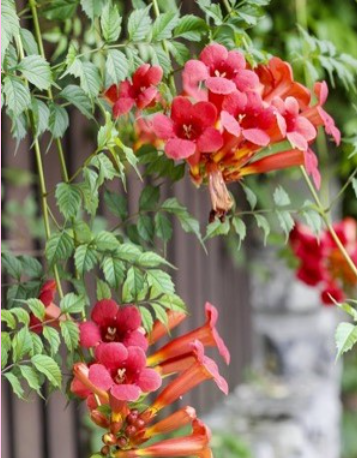
What is the genus of this plant species
Campsis
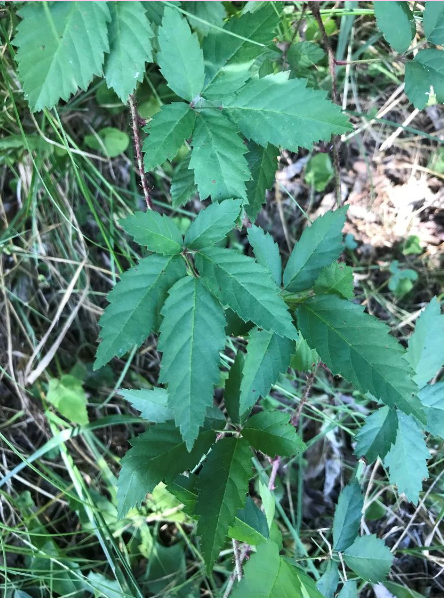
This species and it’s fellow genera members only provide cover for wildlife and thorns to prick you fingers
True or False
False- Rubus trivialis provide great soft mast for numerous wildlife species along with forage for WTD
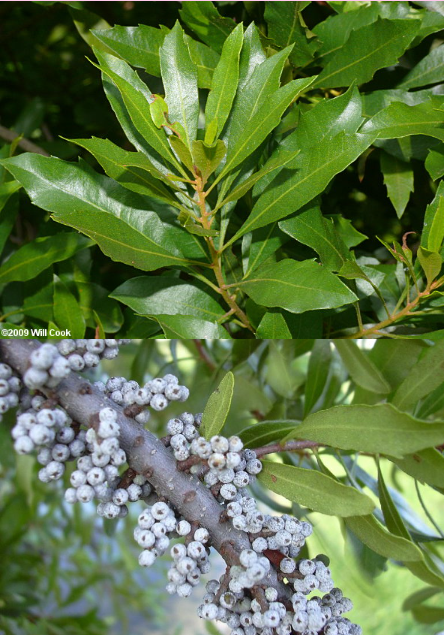
This shrub species provides fruits but no seeds
True and False
False- Morella cerifera provides fruits and seeds. The species feeding on each differ but the wildlife value is clear that fruit and seeds are consumed by wildlife
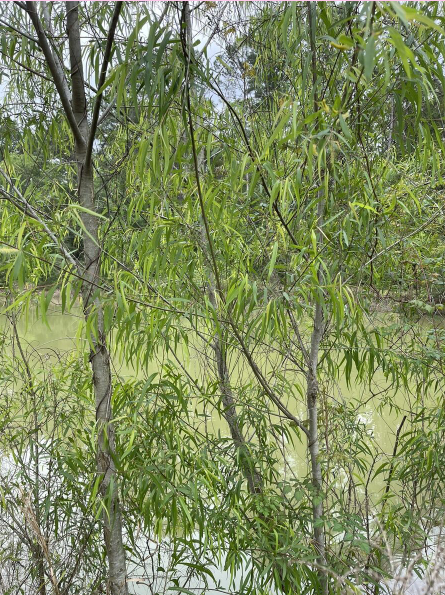
A late nectar provider for honeybees and other pollinators. Beavers love this plant for its leaves and cambium as well.
True or False
False- Salix nigra is an EARLY nectar source for honeybees and other pollinators in addition to it being favored by beavers
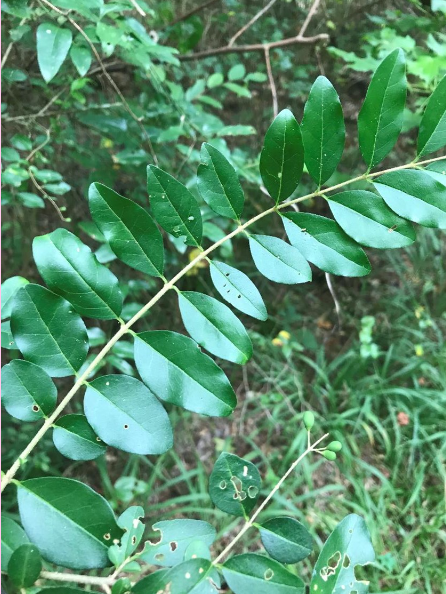
This is a native species
True or False
False- Ligustrum sinense
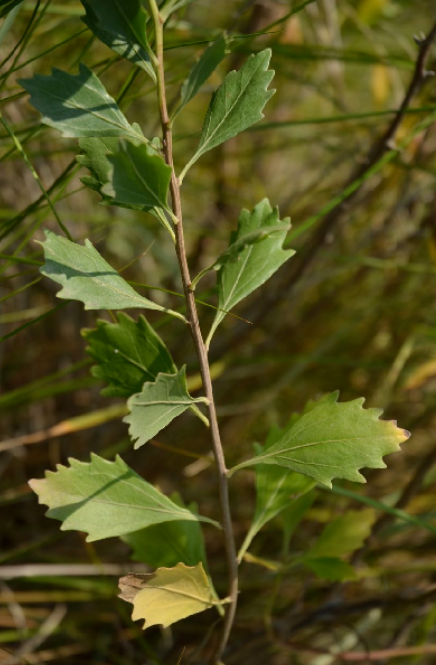
This is a native species of the Lower Coastal Plain that can be invasive in fields and forests outside of this soil region
True or False
True- Baccharis halimifolia is a native species but can be pesky
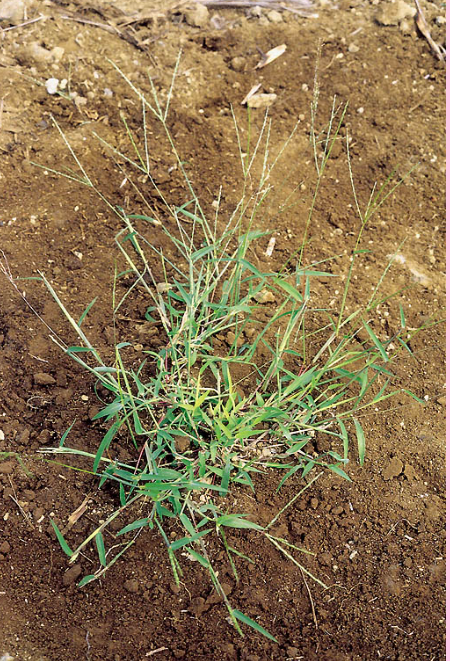
This genus represents only native species of seed-producing grasses often found in recently disturbed areas
True or False
False- Digitaria represents native and exotic species of crabgrass. these species are often associated with disturbances and tend to play well with other plant species
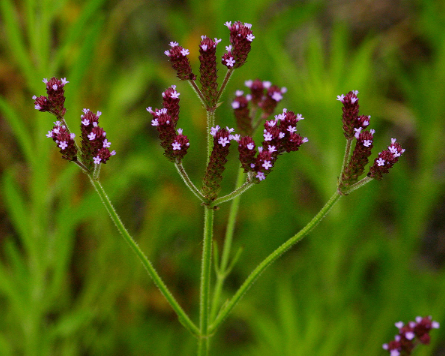
What is growth form of this plant species?
forb
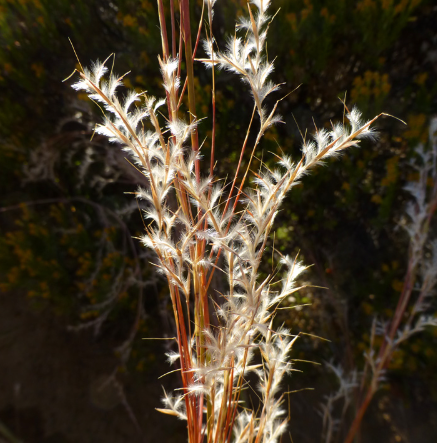
What is the genus of this plant species?
Schizachrium
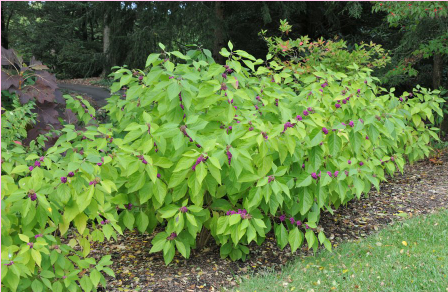
What is the scientific name (genus and specific epithet) of this plant?
Callicarpa americana
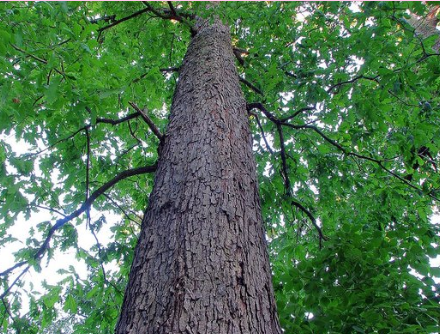
What is the growth form of this plant?
tree
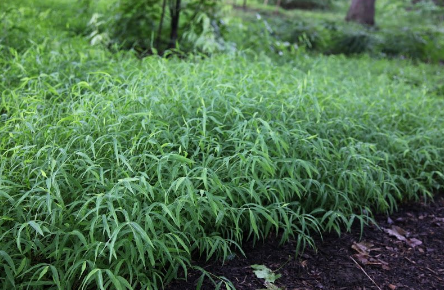
What is the scientific name (genus and specific epithet) of this shade-tolerant grass species?
Microstegium vimineum
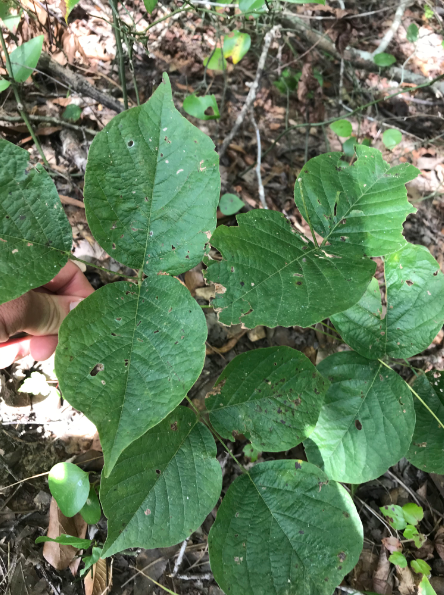
What are the genus and specific epithet of this plant species?
Dioclea multiflora
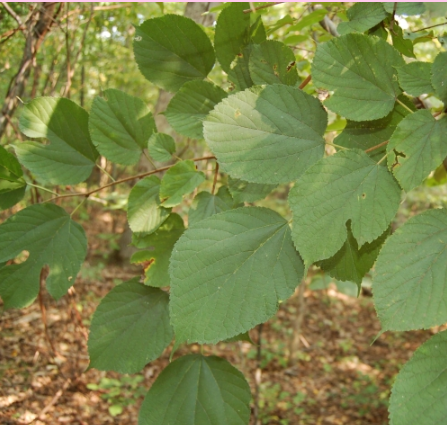
What is the scientific name (genus and specific epithet) of this plant?
Morus rubra
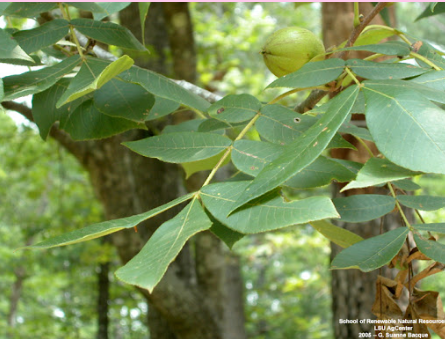
Hickories like this exotic species are poor mast producers
True or False
False- Carya tomentosa and its relative Carya spp. are great. NATIVE mast producers. They also often provide cavities for our primary and secondary cavity nesters
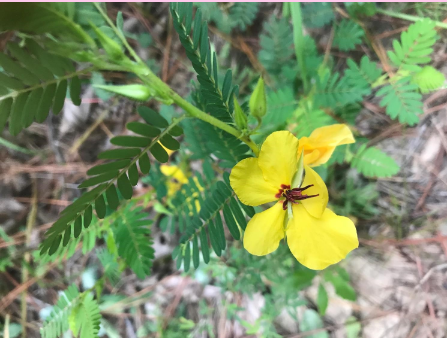
This is nitrogen fixing plant
True or False
True- Chamaecrista fasciculata is a member of the Fabaceae family known to fixate nitrogen through a symbiosis with fungi
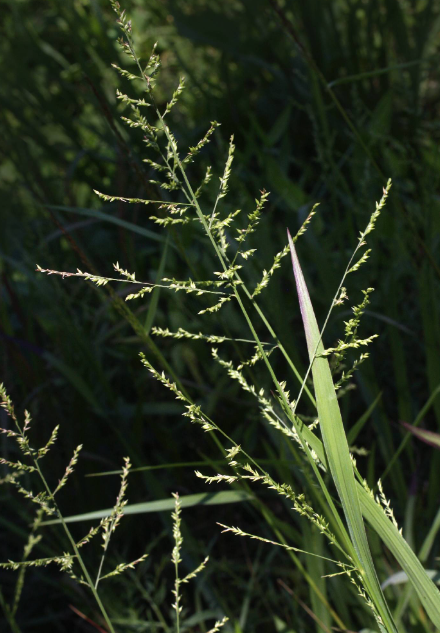
Many species of this genus, like this one, provide great seed for species like Mourning Doves and when near water a variety of dabbling ducks
True or False
True- Panicum anceps is a great seed producer like most Panicum spp. It is often found in upland, well-drained areas but can tolerate wetter sites as well or simply higher ground next to wetlands.
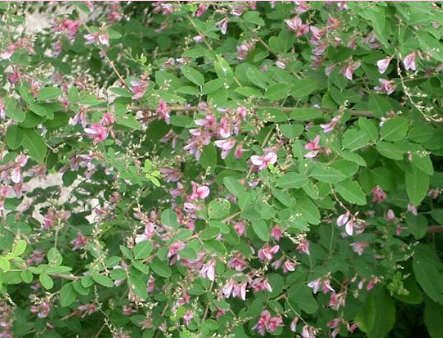
This legume is consumed by white-tailed deer and a great seed producer. Hint: Stipules at the base of the leaf petiole only and underside of leaves are much lighter than the top.
True or False
True- Lespedeza bicolor does have these qualities, but the seeds are less preferred than other Lespedeza spp. Furthermore, this exotic plant can displace more beneficial native species
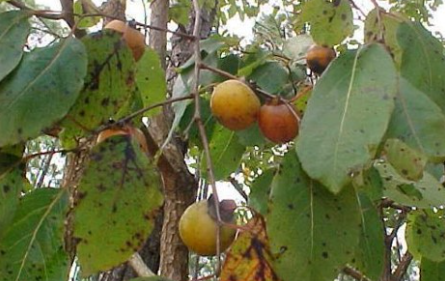
What are the genus and specific epithet of this dioecious tree?
Diospyros virginiana
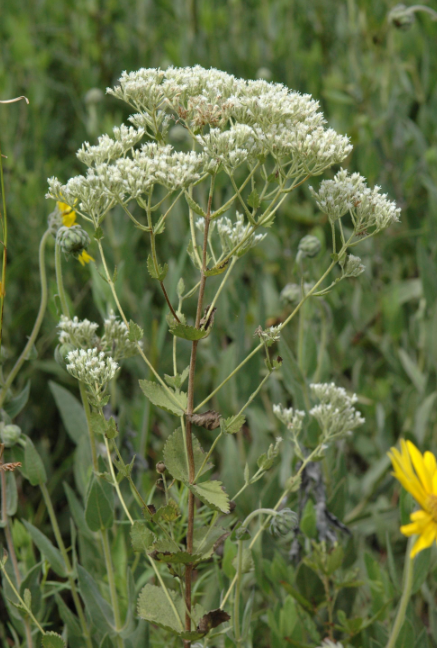
What are the genus and specific epithet of this plant species?
Eupatorium rotundifolium or Eupatorium rotundifolia
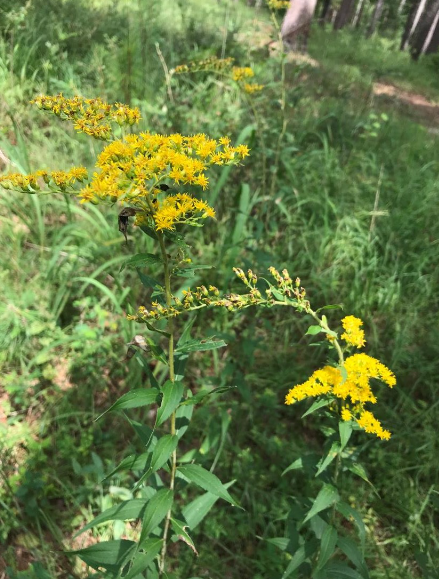
What is the genus and specific epithet of this plant?
Solidago odora
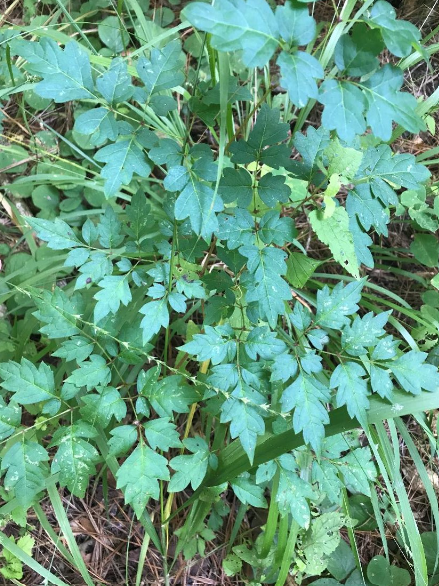
What is the genus of this plant?
Nekemias
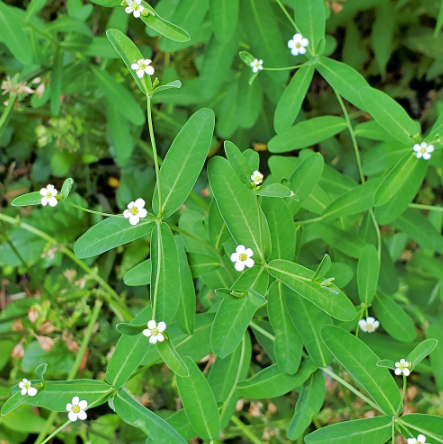
What is the genus of this plant?
Euphorbia corollata
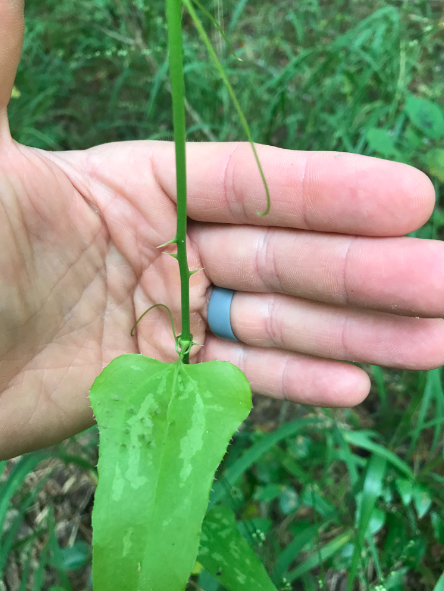
What wildlife benefits are associated with this plant species (select all that apply)?
Toxic to wildlife
No wildlife value
Some fruit production
Ice cream plant, especially regarding white-tailed deer forage and browse preference
Rhizomes for beavers
Some fruit production
Ice cream plant, especially regarding white-tailed deer forage and browse preferences
Rhizomes for beavers
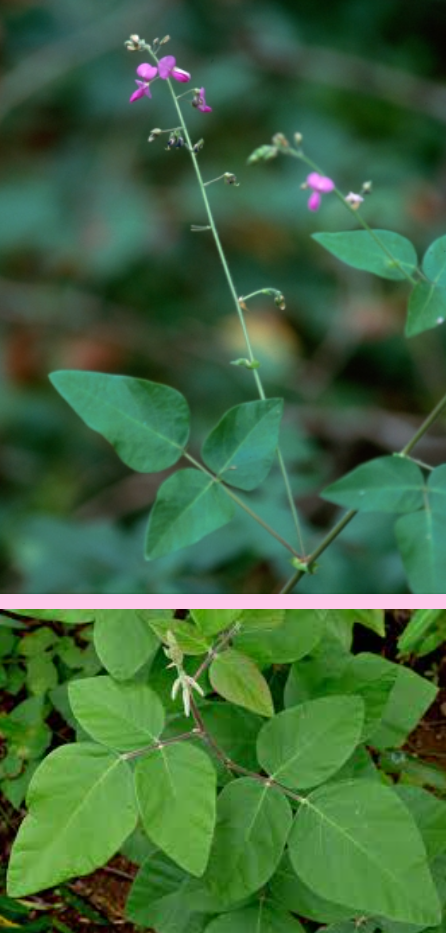
What is the scientific name (genus and specific epithet) of this plant (i.e. stipules at the base of leaf petioles and base of each leaflet)?
Desmodium viridiflorum
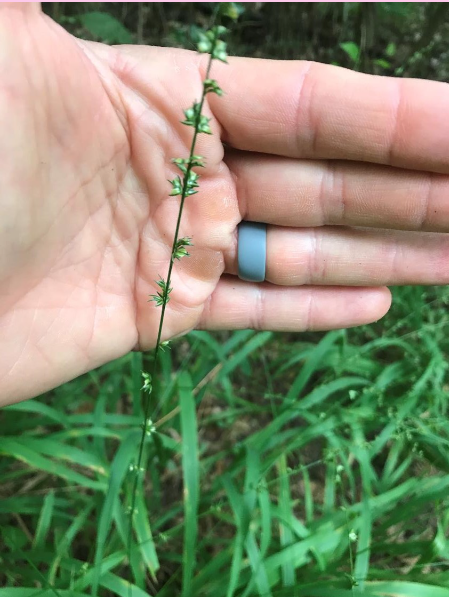
What are the genus and specific epithet of this plant? Hint: hairs on base of stem
Chasmanthium sessiliflorum
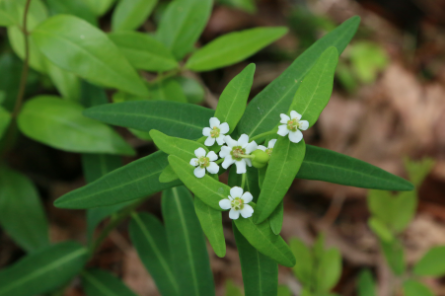
What is the growth form of this plant?
Forb
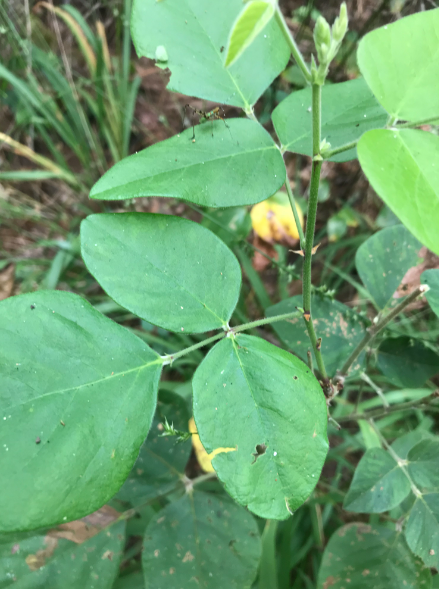
What is the growth form of this plant?
legume
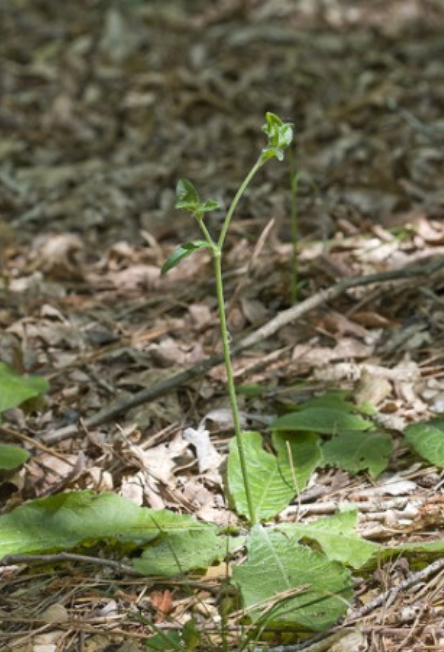
What is the scientific name (genus and specific epithet) of this plant?
Elephantopus tomentosus
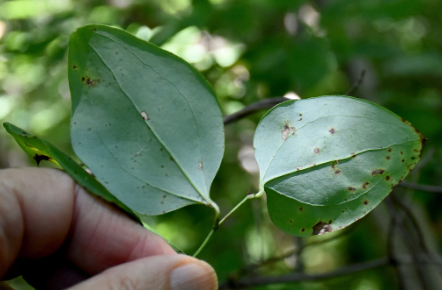
What is the scientific name (genus and specific epithet) of this plant?
Smilax glauca
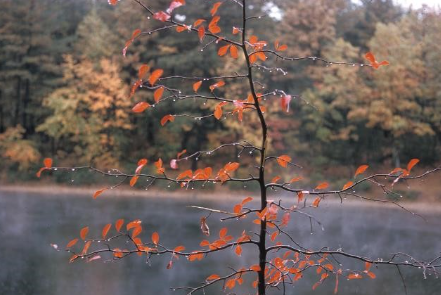
What are the genus and specific epithet of this plant?
Nyssa sylvatica
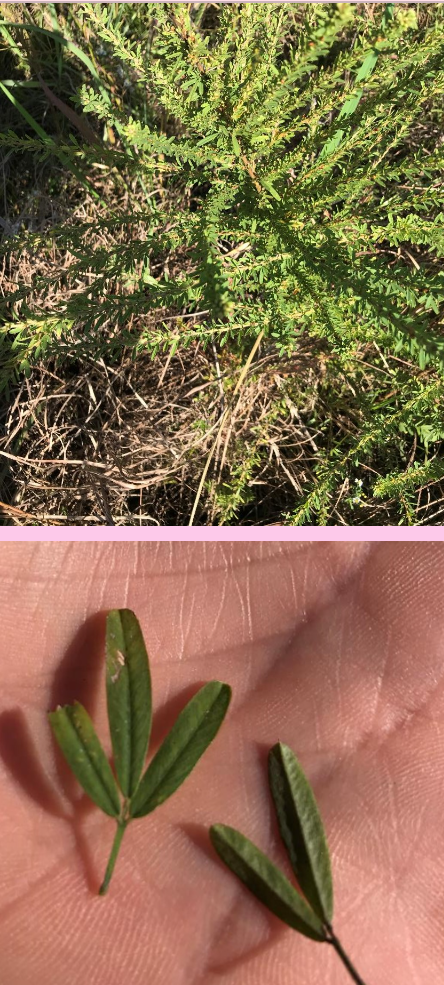
What are the scientific name (genus and specific epithet) of this plant?
Lespedeza cuneata
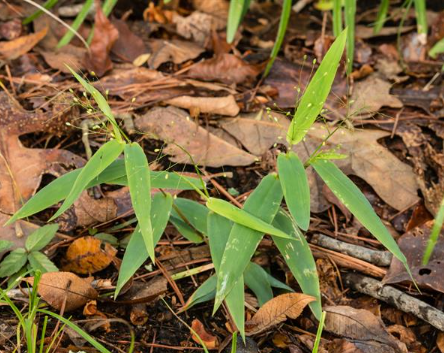
This grass provides seeds for numerous ground feeding birds and also provides basal rosettes for white-tailed deer and Eastern wild turkey forage
True or false
True- many Dichanthelium spp. provide all of the above. Some species do not have basal rosettes.
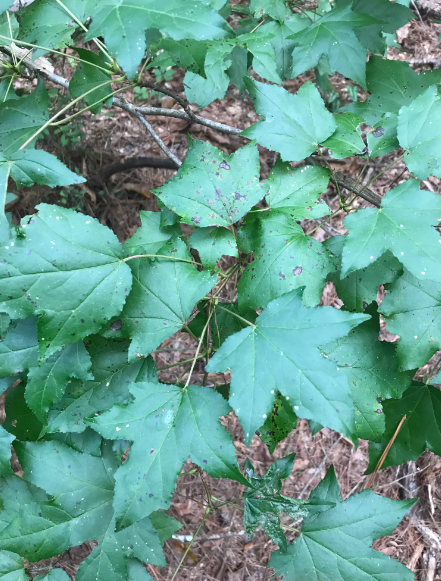
What is the wildlife value(s) of this plant species?
provides fruiting bodies for American Black Bears
very little wildlife value other than some seeds for wild turkey (WITU) and tree nesting sites for some songbirds
One of the best tree species for wildlife
Only contributes concealment for ground-nesting songbirds
very little wildlife value other than some seeds for wild turkey (WITU) and tree nesting sites for some songbirds
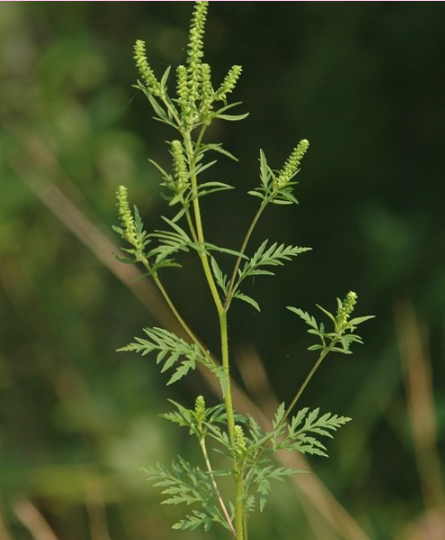
The following plant has no wildlife value and makes many people sneeze
True or False
False- Ambrosia artemisifolia provides seeds and great forage for myriad wildlife species
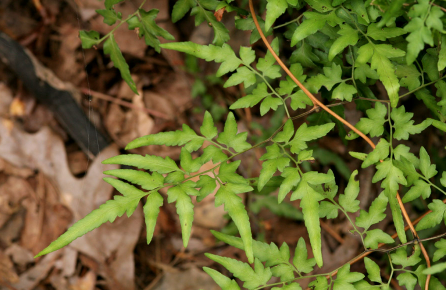
What is the genus of this plant?
Lygodium
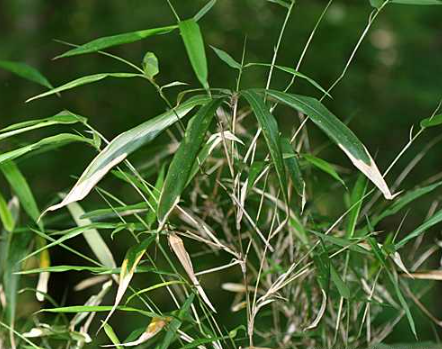
What is the genus of this plant?
Arundinaria
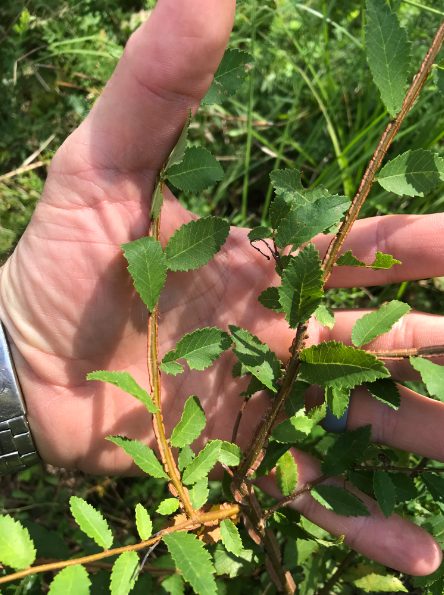
This tree is browsed by white-tailed deer and rabbits. It can also invade burned areas due to its resprouting vigor
True or False
True- Ulmus alata- provides seeds for small birds and flower buds for multiple mammal species
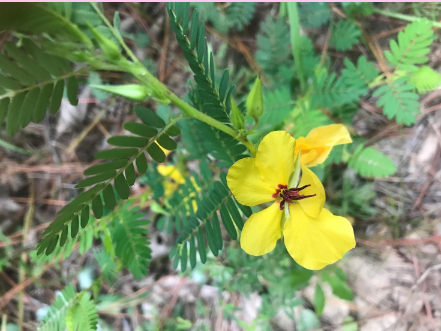
This is a nitrogen fixing plant
True or False
True- Chamaecrista fasciculata is a member of the Fabaceae family known to fixate nitrogen through a symbiosis with fungi
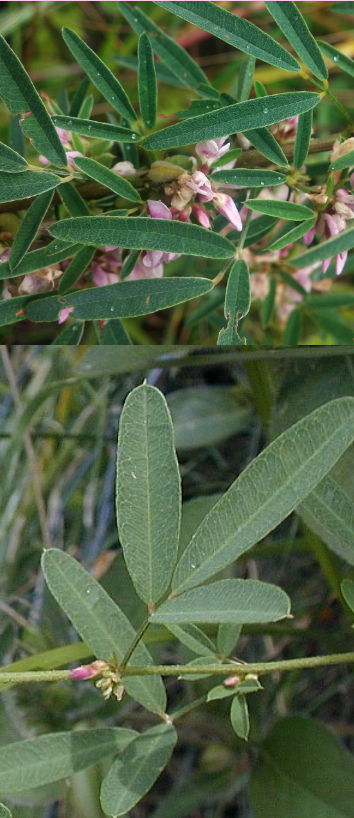
What are the genus and specific epithet of this plant?
Lespedeza virginica
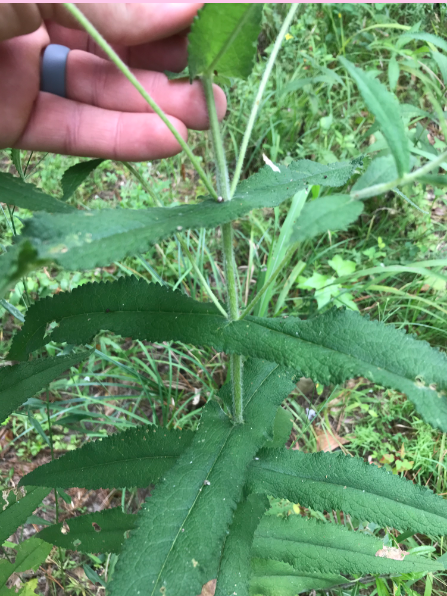
What are the genus and specific epithet of this plant species?
Eupatorium perfoliatum
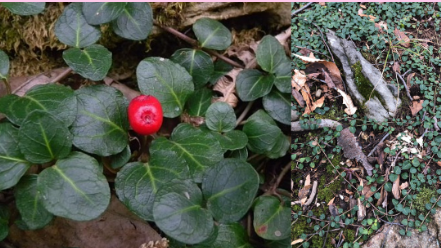
What is the scientific name (genus and specific epithet) of this plant species?
Mitchella repens
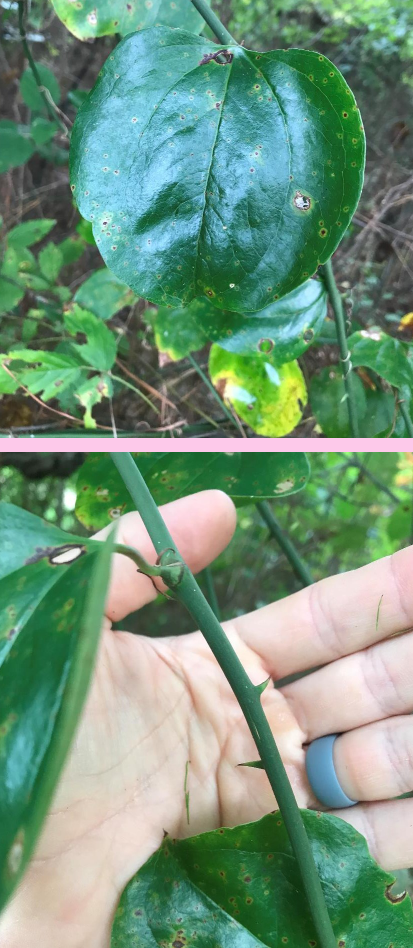
What are the genus and specific epithet of this plant?
Smilax rotundifolia
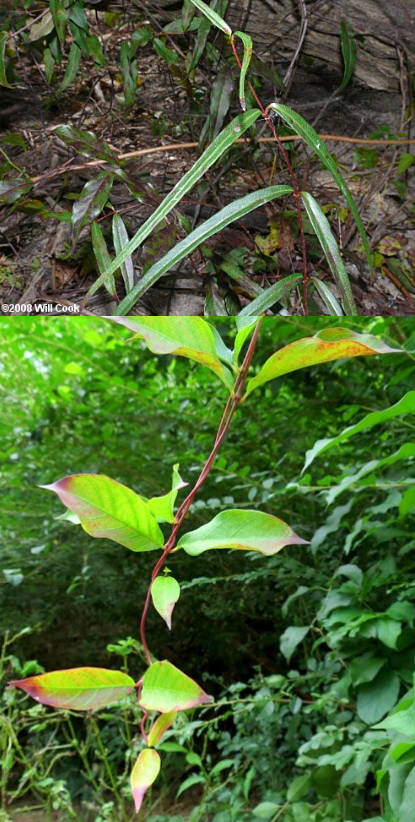
This is the same plant species
True or False
True- Trachelospermum difforme can be tricky because it grows in different forms
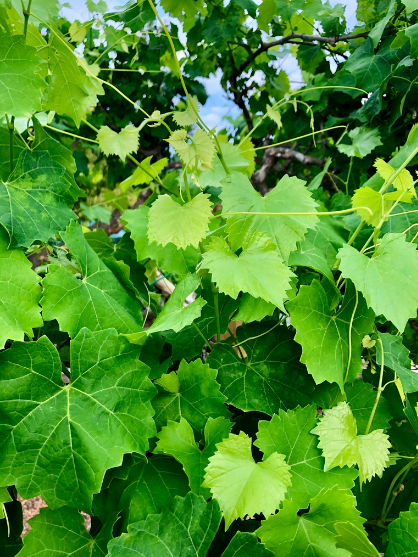
What are the genus and specific epithet of this plant species?
Vitis rotundifolia
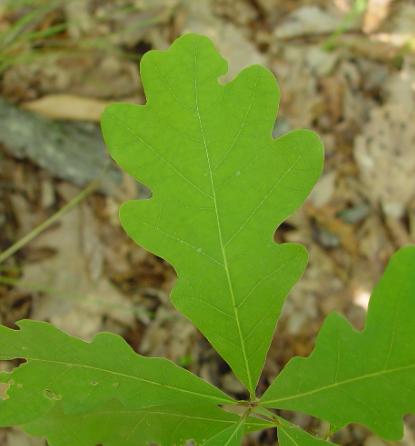
This oak species is in the group of oaks that often provides less bitter (lower tannin level) acorns every year.
True or False
True
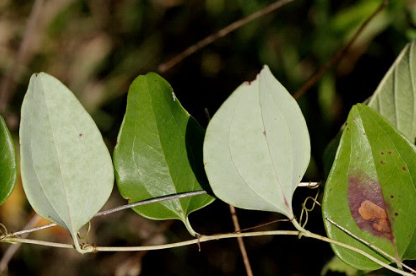
What wildlife benefits are associated with this plant species (select all that apply)
Some fruit production
No wildlife value
Ice cream plant, especially regarding white-tailed deer forage and browse preferences
Rhizomes for beavers
Toxic to wildlife
Some fruit production
ice cream plant, especially regarding white-tailed deer forage and browse preference
Rhizomes for beavers
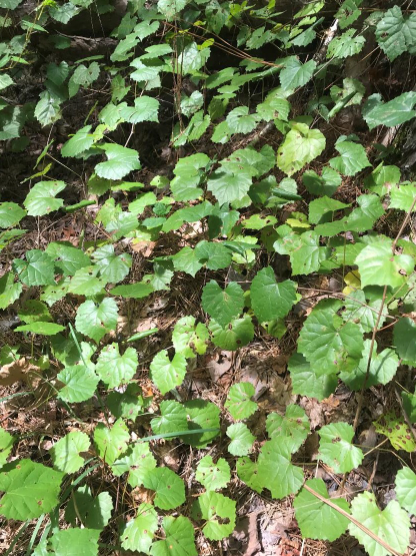
What are some of the wildlife benefits of this plant?
Soft mass production, browse for multiple species, and nesting cover
Nesting cover and soft mast
Browse for some species and soft mast
Only nesting cover
Soft mast production, browse for multiple species, and nesting cover
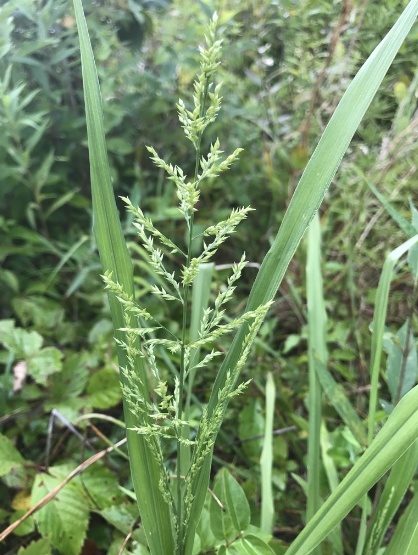
What is the genus of this plant?
Panicum
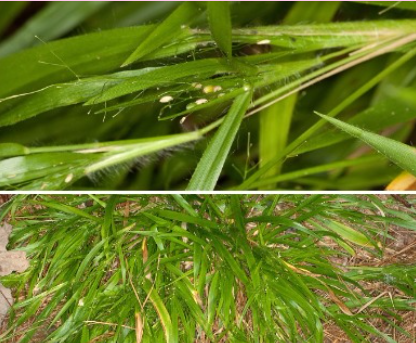
What is the genus of this plant species?
Dichanthelium
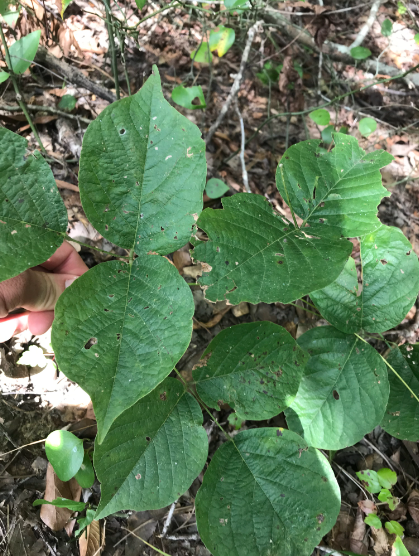
This vine is the native counterpart and somewhat lookalike to Pueraria montana
True- Dioclea multiflora is a native legume that can be easily mistaken for kudzu
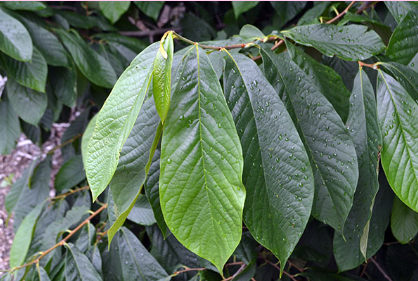
Is this a native or exotic species?
Native
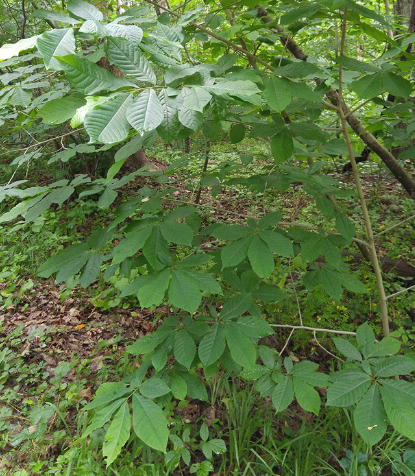
What is the scientific name (genus and specific epithet) of this tree (sometimes called a shrub)?
Asimina triloba
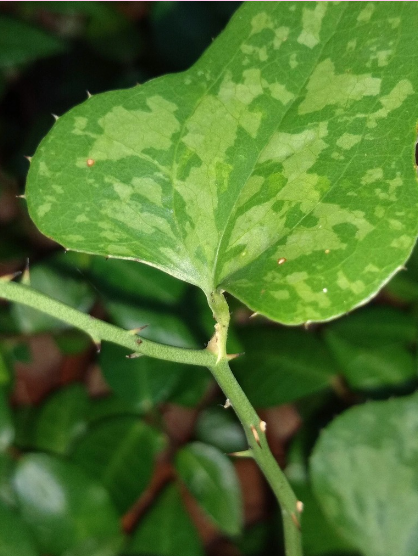
What is the scientific name (genus and specific epithet) of this plant?
Smilax bona-nox
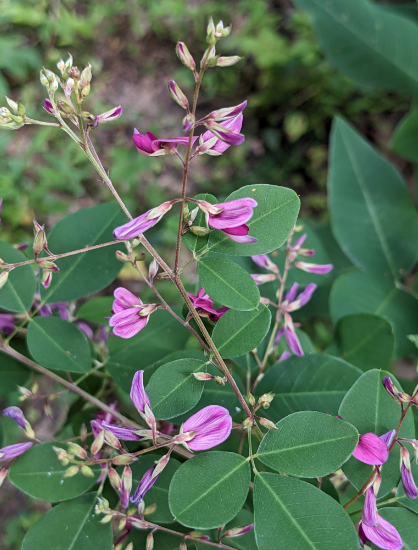
What is the scientific name (genus and specific epithet) of this plant species?
Lespedeza bicolor
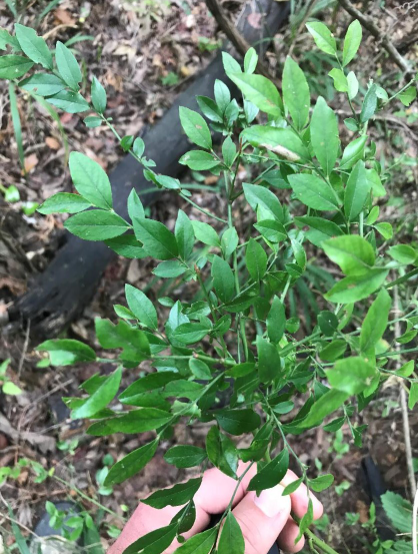
What are the genus and specific epithet of this plant?
Vaccinium elliottii
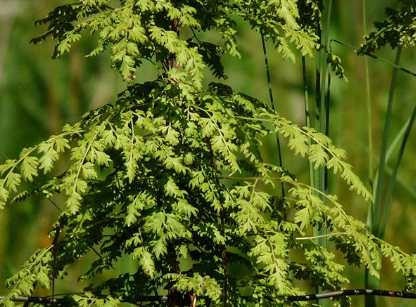
Is this a native or exotic species?
Exotic
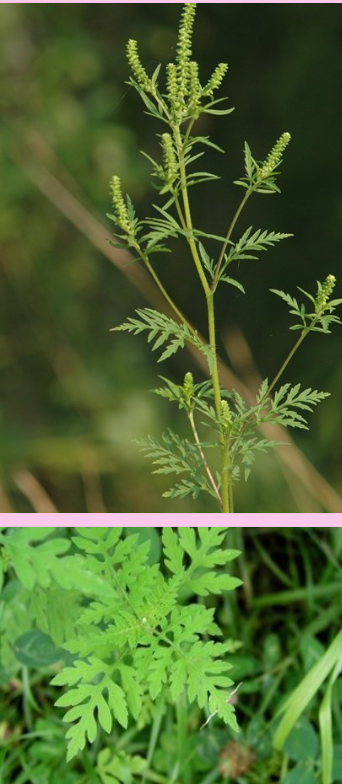
What is the genus and specific epithet of this plant species?
Ambrosia artemisiifolia
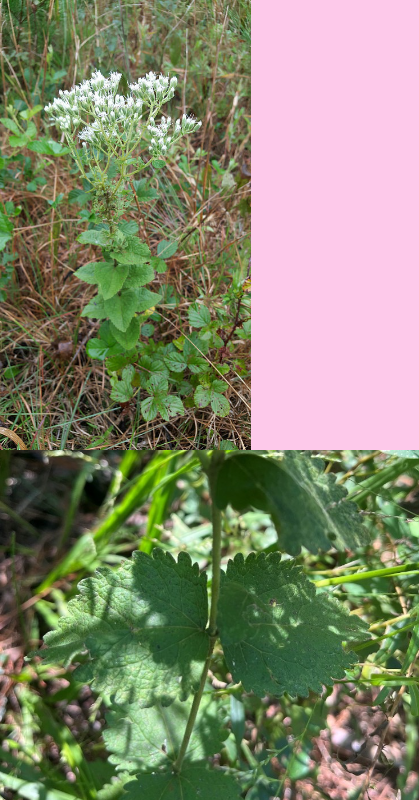
As with other species of this genus, we can usually just expect benefits to pollinators. For this species specifically, it also has moderate to high preference for white-tailed deer
true or false
true- eupatorium rotundifolium has a greater white-tailed deer preference than some of the other Eupatorium spp. Otherwise, pollinator benefits are real when it comes to this genus
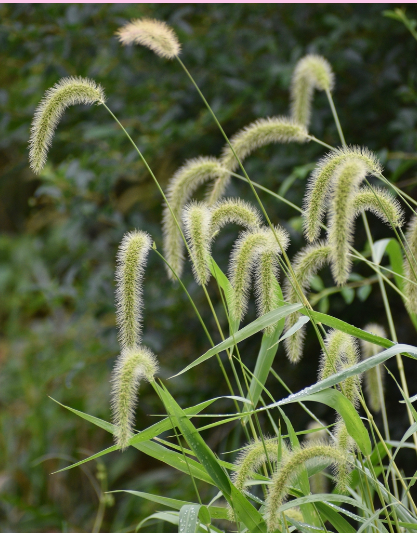
This is a native grass that is a great seed producer for Mourning Doves and Northern Bobwhite
True or False
False- Setaria spp. are a “naturalized” grass; it is exotic
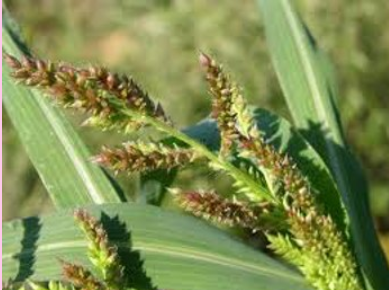
What is the genus of this plant?
Echinochloa
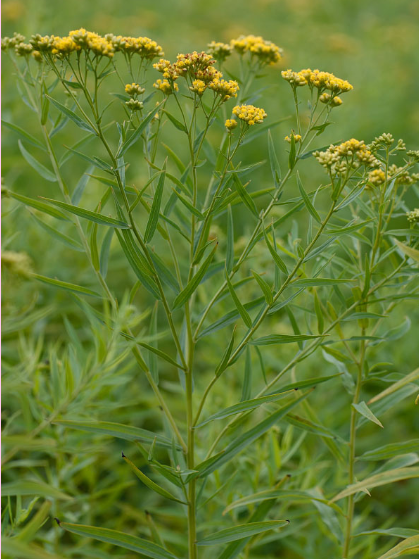
What is the genus of this plant?
Euthamia
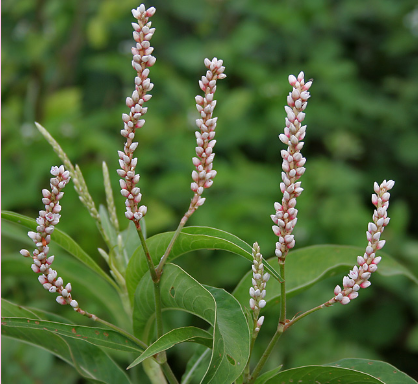
What is the genus of this plant?
Persicaria
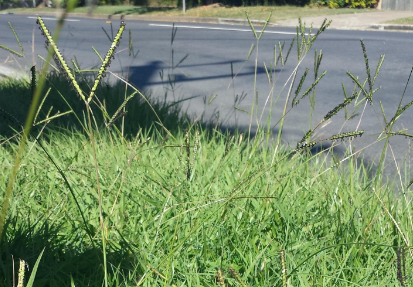
What is the scientific name (genus and specific epithet) of this plant species?
Paspalum notatum
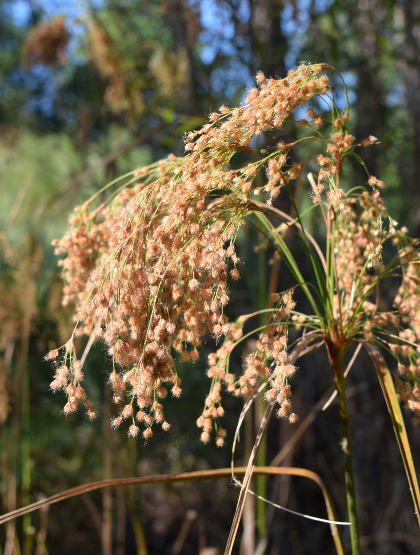
What are the genus and specific epithet of this species?
Scirpus cyperinus
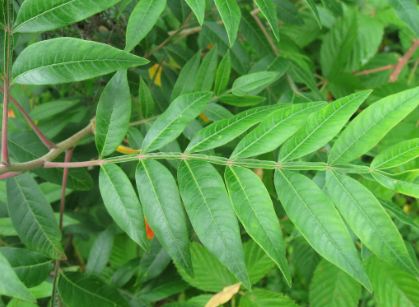
What are the genus and specific epithet of this plant species?
Rhus coppalina
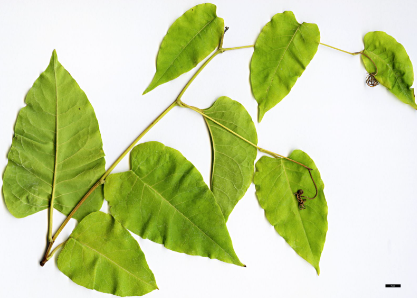
What is the wildlife use of this plant species?
No known wildlife use
Soil stabilizer for moist soil units
Great cover for dabbling ducks like Mallards and Blue-winged Teal
Forage for muskrats
No known wildlife use
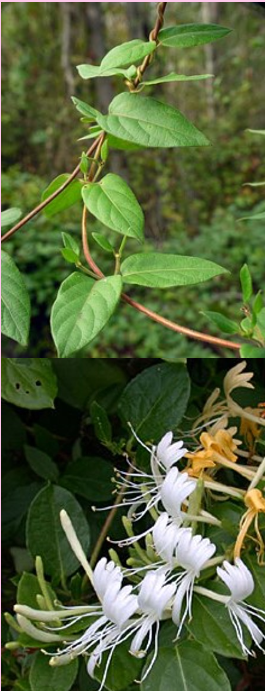
What are the wildlife benefits of this plant?
Browsed by White-tailed Deer and Eastern Cottontail
Browsed by white-tailed deer and eastern cottontail, nectar for pollinators, nesting cover, and fruit for songbirds, northern bobwhite, and other animals
it’s an exotic species with relatively minor wildlife value
fruit for songbirds, northern bobwhite, and other animals
Browsed by white-tailed deer and eastern cottontail, nectar for pollinators, nesting cover, and fruit for songbirds, northern bobwhite, and other animals
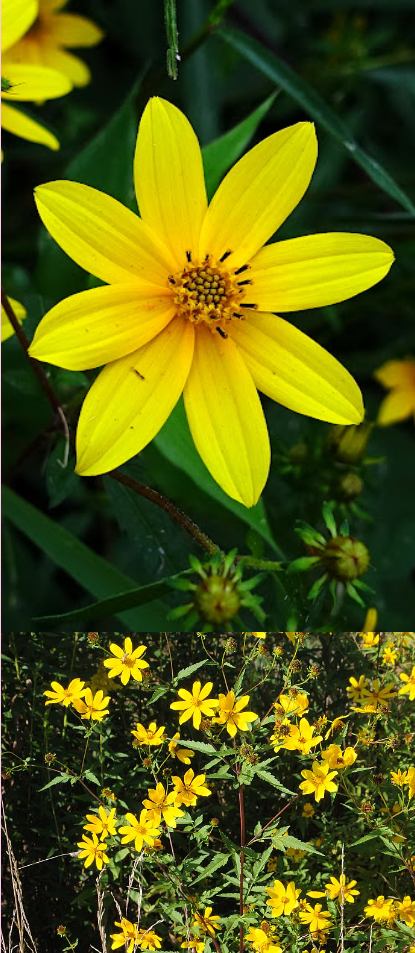
This species is foraged by rabbits
true or false
True- Bidens aristosa is consumed by rabbits
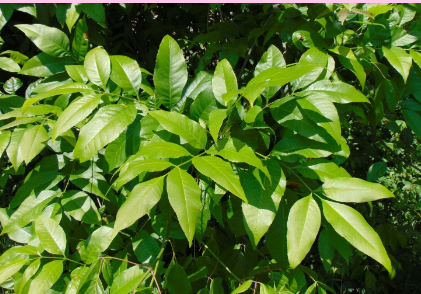
Which answer best describes this plant species?
a non-native tree species best controlled by triclopyr or metsulfuron herbicides
a non-native tree species that provides seeds (samaras) for multiple songbirds, WITU, and rodents
a native tree species that does not invade wet fields or other areas
a native tree species that invades wet fields being converted to native warm season grass prairies.
a native tree species that invades wet fields being converted to native warm season grass prairies
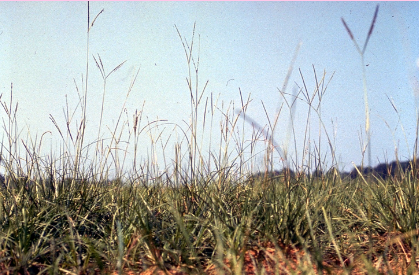
Which of the following answers best describes the wildlife value of this grass species
a native grass species with low wildlife value but of minimal concern regarding management actions
a common livestock planting that is sod forming and best to eradicate for increasing wildlife value of any landscape
a heavy seed producer with amazing wildlife value
a non-native grass with high wildlife value
a common livestock planting that is sod forming and best to eradicate for increasing wildlife value of any landscape