Table 10 | Functional Group Transformations
 Call Kai
 Learn
Learn Practice Test
 Spaced Repetition
 Match
Match Flashcards
 Knowt Play
1/23

There's no tags or description
Looks like no tags are added yet.
Name | Mastery | Learn | Test | Matching | Spaced | Call with Kai | Chat |
|---|
No analytics yet
Send a link to your students to track their progress
24 Terms
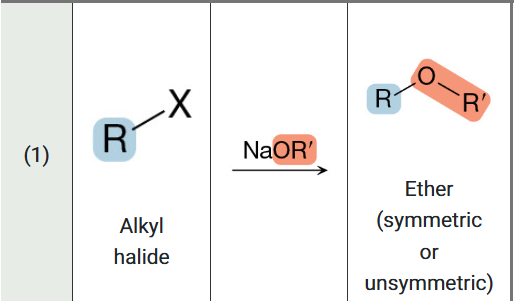
1. Starting Compound Class
2. Typical Reagents & Reaction Conditions
3. Compound Class Formed
4. Electron Rich Species (Nucleophile)
5. Electron Poor Species (Electrophile)
6. Mechanism

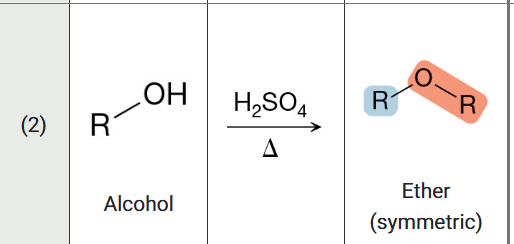
1. Starting Compound Class
2. Typical Reagents & Reaction Conditions
3. Compound Class Formed
4. Electron Rich Species (Nucleophile)
5. Electron Poor Species (Electrophile)
6. Mechanism


1. Starting Compound Class
2. Typical Reagents & Reaction Conditions
3. Compound Class Formed
4. Electron Rich Species (Nucleophile)
5. Electron Poor Species (Electrophile)
6. Mechanism


1. Starting Compound Class
2. Typical Reagents & Reaction Conditions
3. Compound Class Formed
4. Electron Rich Species (Nucleophile)
5. Electron Poor Species (Electrophile)
6. Mechanism
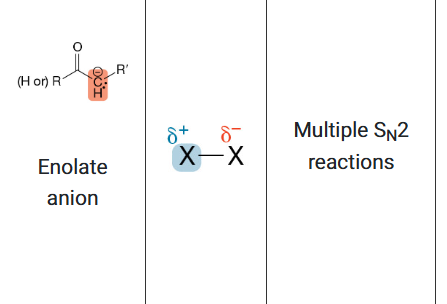

1. Starting Compound Class
2. Typical Reagents & Reaction Conditions
3. Compound Class Formed
4. Electron Rich Species (Nucleophile)
5. Electron Poor Species (Electrophile)
6. Mechanism


1. Starting Compound Class
2. Typical Reagents & Reaction Conditions
3. Compound Class Formed
4. Electron Rich Species (Nucleophile)
5. Electron Poor Species (Electrophile)
6. Mechanism


1. Starting Compound Class
2. Typical Reagents & Reaction Conditions
3. Compound Class Formed
4. Electron Rich Species (Nucleophile)
5. Electron Poor Species (Electrophile)
6. Mechanism


1. Starting Compound Class
2. Typical Reagents & Reaction Conditions
3. Compound Class Formed
4. Electron Rich Species (Nucleophile)
5. Electron Poor Species (Electrophile)
6. Mechanism


1. Starting Compound Class
2. Typical Reagents & Reaction Conditions
3. Compound Class Formed
4. Electron Rich Species (Nucleophile)
5. Electron Poor Species (Electrophile)
6. Mechanism


1. Starting Compound Class
2. Typical Reagents & Reaction Conditions
3. Compound Class Formed
4. Electron Rich Species (Nucleophile)
5. Electron Poor Species (Electrophile)
6. Mechanism


1. Starting Compound Class
2. Typical Reagents & Reaction Conditions
3. Compound Class Formed
4. Electron Rich Species (Nucleophile)
5. Electron Poor Species (Electrophile)
6. Mechanism


1. Starting Compound Class
2. Typical Reagents & Reaction Conditions
3. Compound Class Formed
4. Electron Rich Species (Nucleophile)
5. Electron Poor Species (Electrophile)
6. Mechanism


1. Starting Compound Class
2. Typical Reagents & Reaction Conditions
3. Compound Class Formed
4. Electron Rich Species (Nucleophile)
5. Electron Poor Species (Electrophile)
6. Mechanism
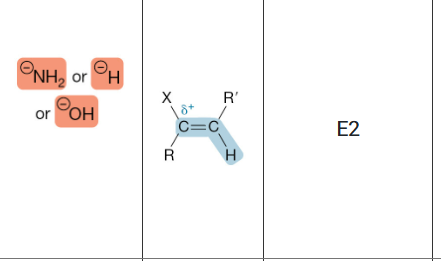

1. Starting Compound Class
2. Typical Reagents & Reaction Conditions
3. Compound Class Formed
4. Electron Rich Species (Nucleophile)
5. Electron Poor Species (Electrophile)
6. Mechanism


1. Starting Compound Class
2. Typical Reagents & Reaction Conditions
3. Compound Class Formed
4. Electron Rich Species (Nucleophile)
5. Electron Poor Species (Electrophile)
6. Mechanism
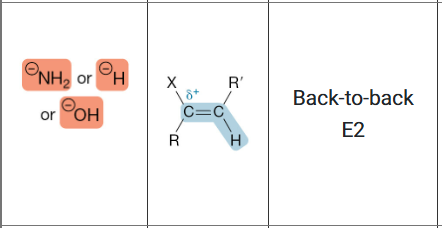

1. Starting Compound Class
2. Typical Reagents & Reaction Conditions
3. Compound Class Formed
4. Electron Rich Species (Nucleophile)
5. Electron Poor Species (Electrophile)
6. Mechanism
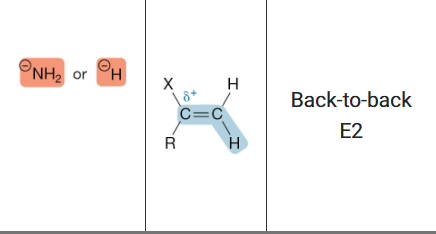
4. Electron Rich Species (Nucleophile)
5. Electron Poor Species (Electrophile)
6. Mechanism