Instruments
 Studied by 0 people
 Call Kai
 Learn
Learn Practice Test
 Spaced Repetition
 Match
Match Flashcards
 Knowt Play
1/27

There's no tags or description
Looks like no tags are added yet.
Name | Mastery | Learn | Test | Matching | Spaced | Call with Kai |
|---|
No analytics yet
Send a link to your students to track their progress
28 Terms
___________ are used when cutting large muscle masses, cartilage, or any other non delicate tissue. Blades are thick and approximately 1/3 of instruments length
Mayo Scissors
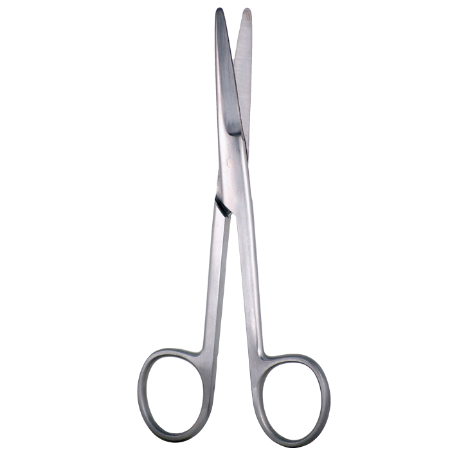
Identify
Mayo scissors
____________ used for delicate surgical dissection. Blades are thin, delicate, and approximately 1/4th of the instruments overall length. Blades can be straight or curved.
Metzenbaum Scissors
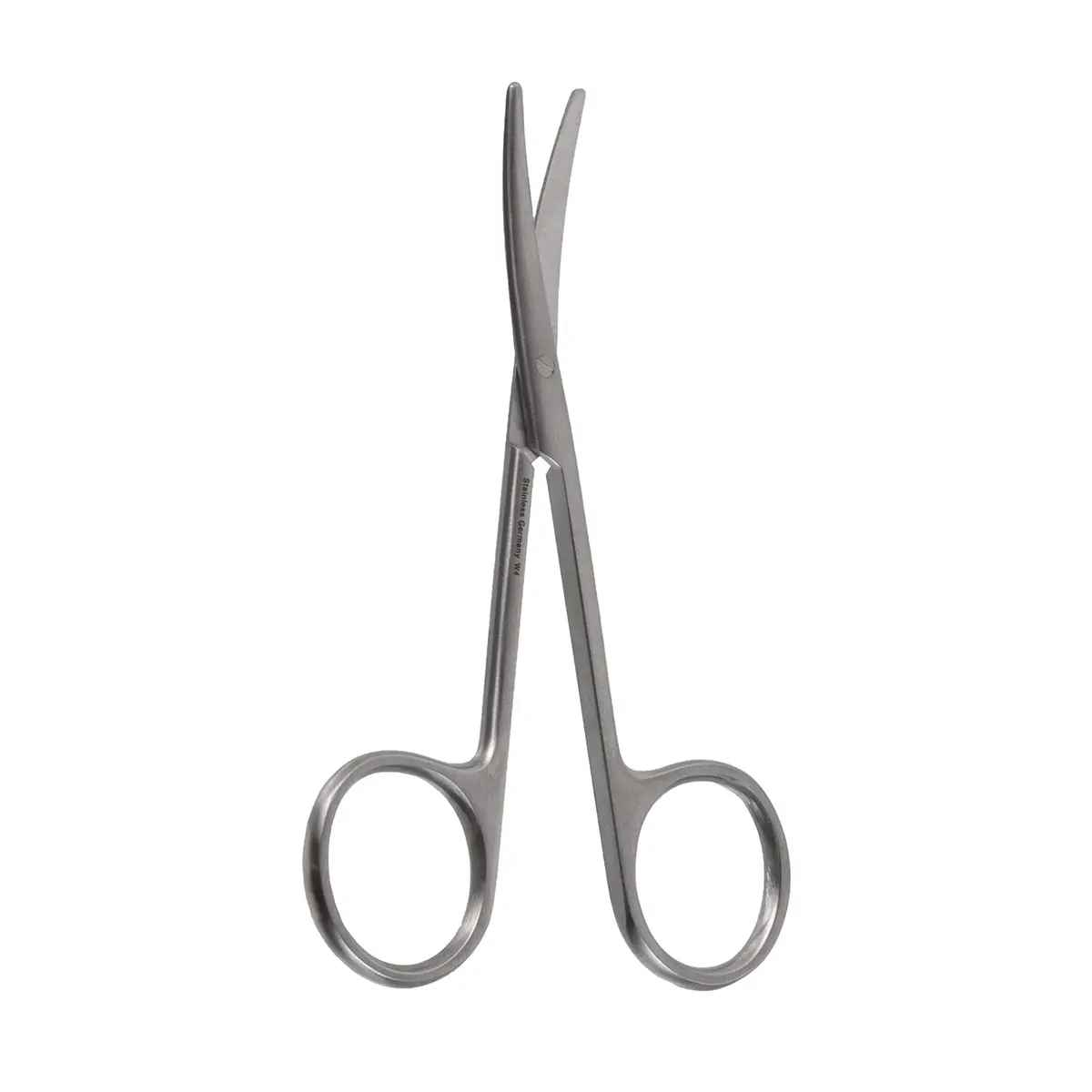
identify
Metzenbaum Scissors
______________ small jaws with fine horizontal serrations that extend the entire length of the tip. Instrument is generally used to clamp small vessels
Halstead mosquito hemostatic forceps
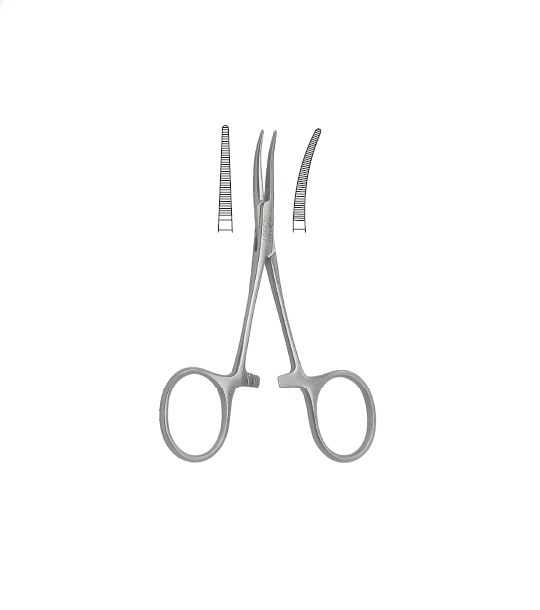
identify
Halstead mosquito hemostatic forceps
______________ larger than the halstead. Horizontal serrations are wider and only extend half of the length of the jaw
kelly hemostatic forceps
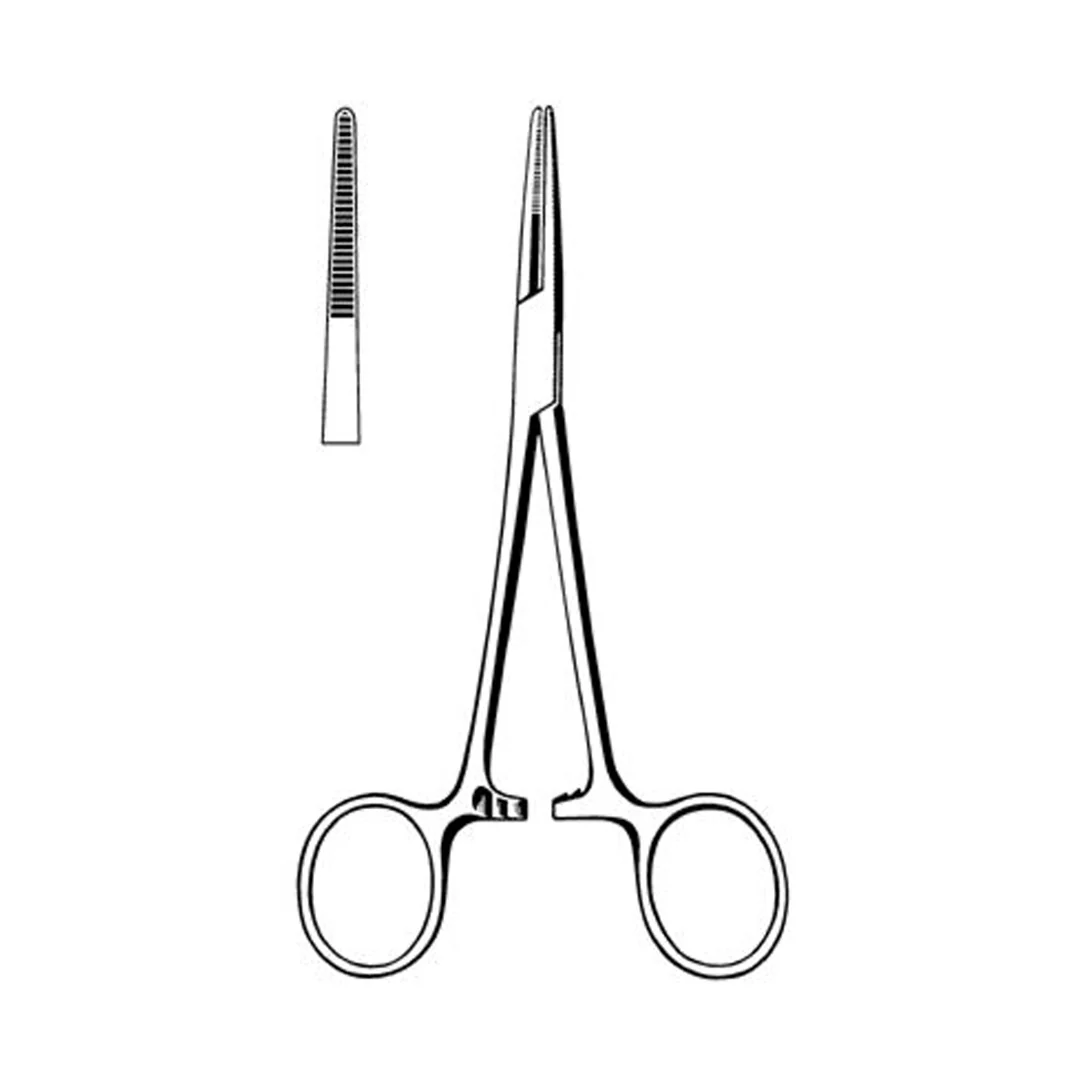
identify
kelly hemostatic forceps
what is the difference between the kelly and crile hemostatic forceps
how for the serrations extend along the jaws. Crile extends down the entire jaw
___________________ has both horizontal and vertical serrations on the jaw near the tip. 8 inches long, with jaw being 3.5 inches
rochester-carmalt hemostatic forceps
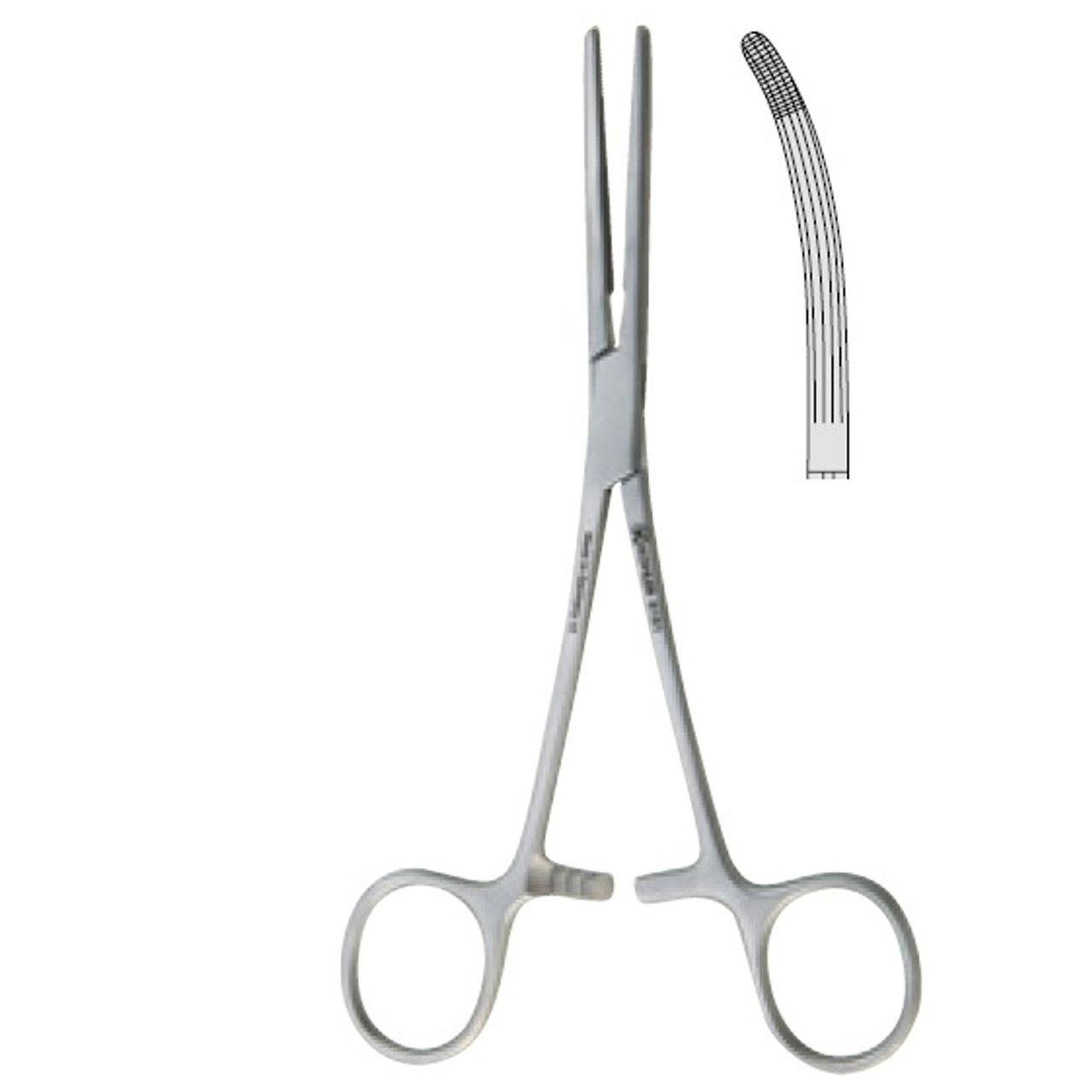
identify
rochester-carmalt hemostatic forceps
__________________ different from other needle holders because it has built in scissors into the jaws
Olsen-hagar needle holder
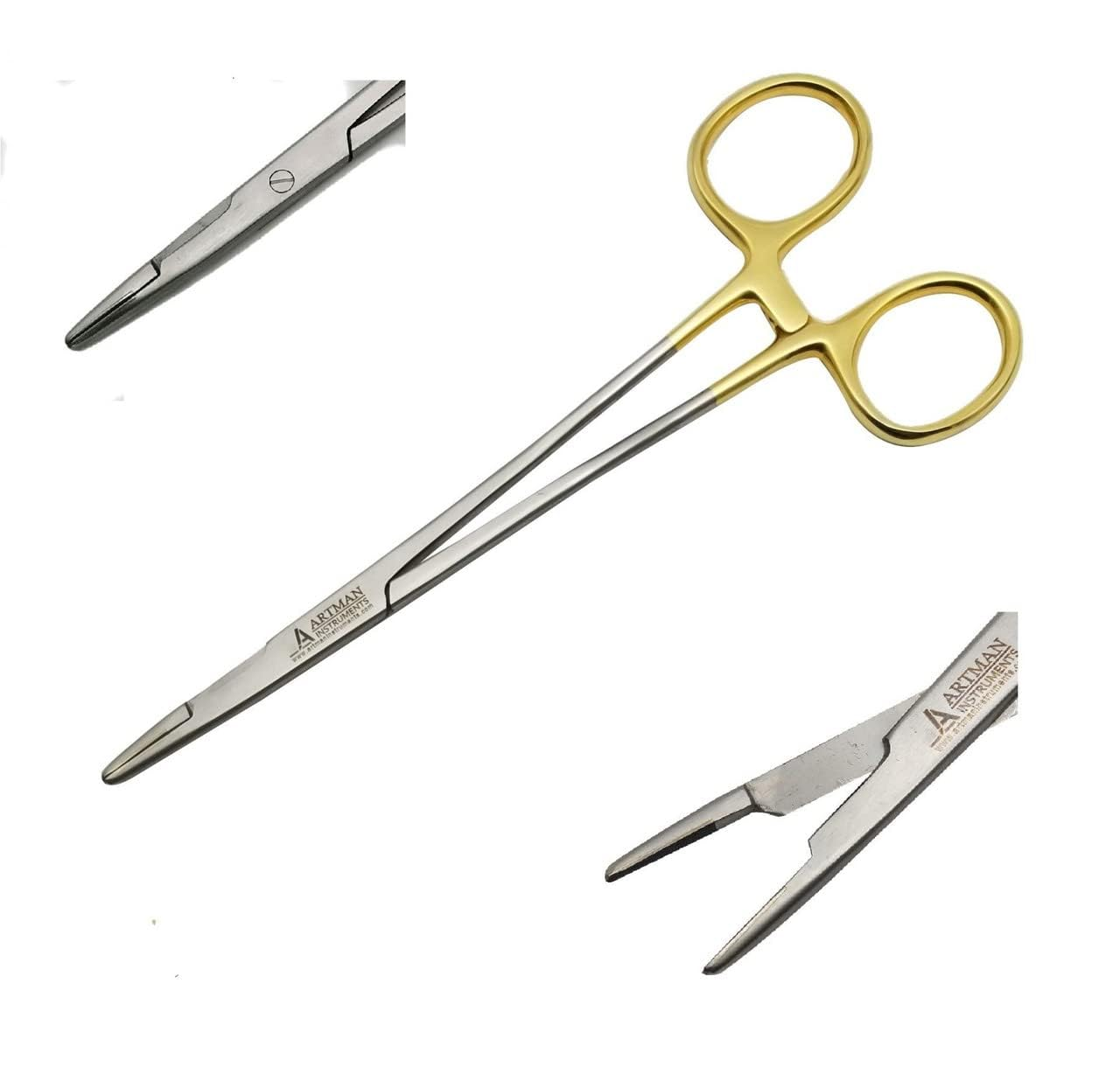
identify
Olsen-hagar needle holder
___________commonly used instrument available in a variety of lengths, depending on procedure and preference.
mayo-hegar
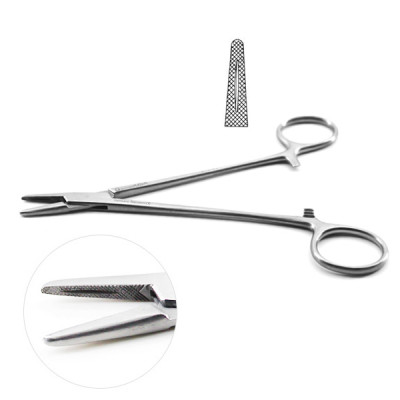
identify
mayo-hegar
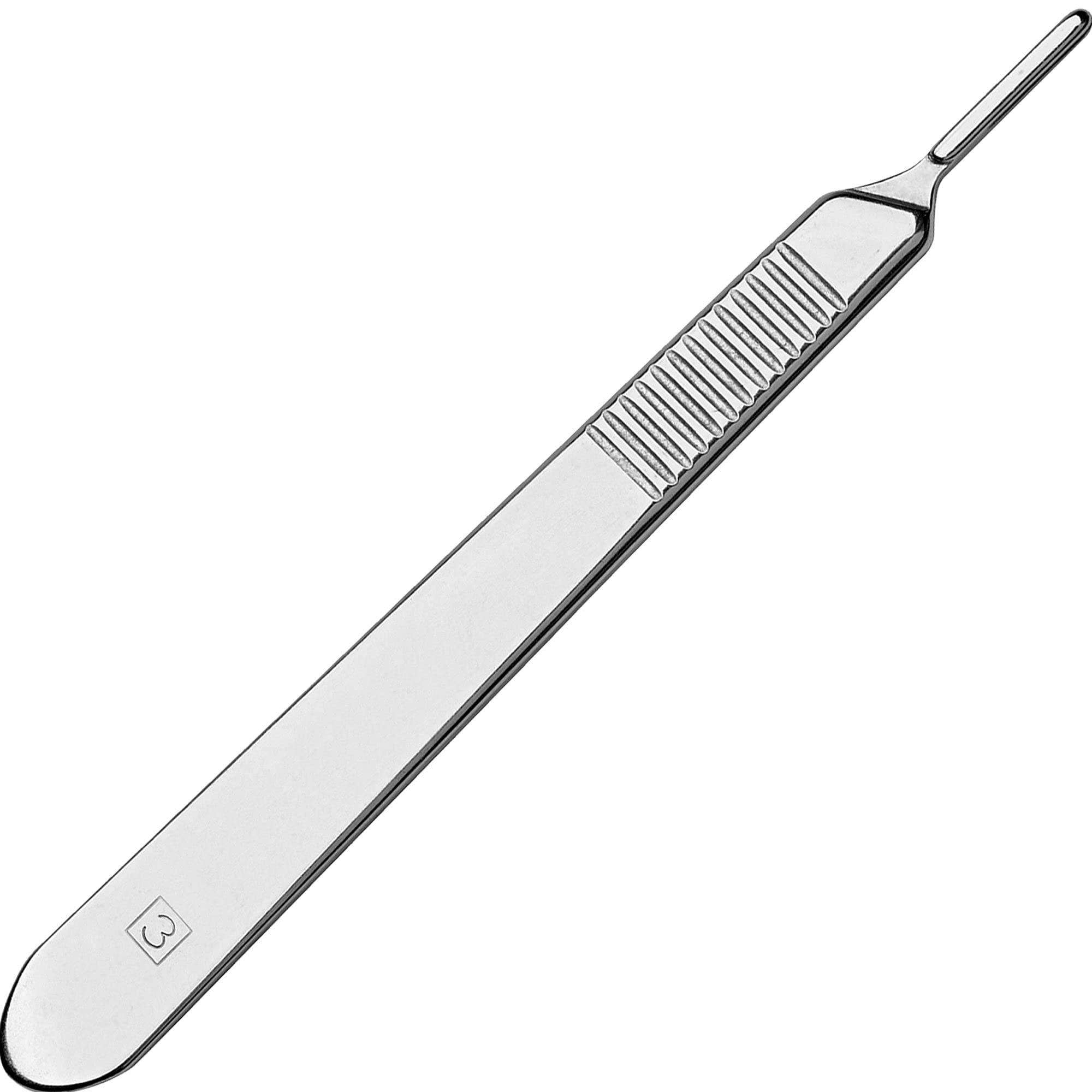
identify
scalpel blade handle
2 parallel rows of 9 shallow teeth on both tips
adson brown thumb tissue forceps
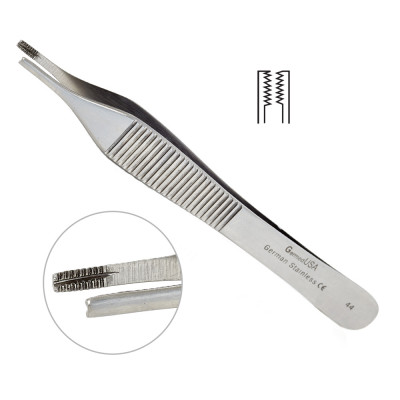
identify
adson brown thumb tissue forceps
neither a hemostat or a thumb tissue forceps. Intended for grasping tissue in a fairly traumatic way
allis tissue forceps
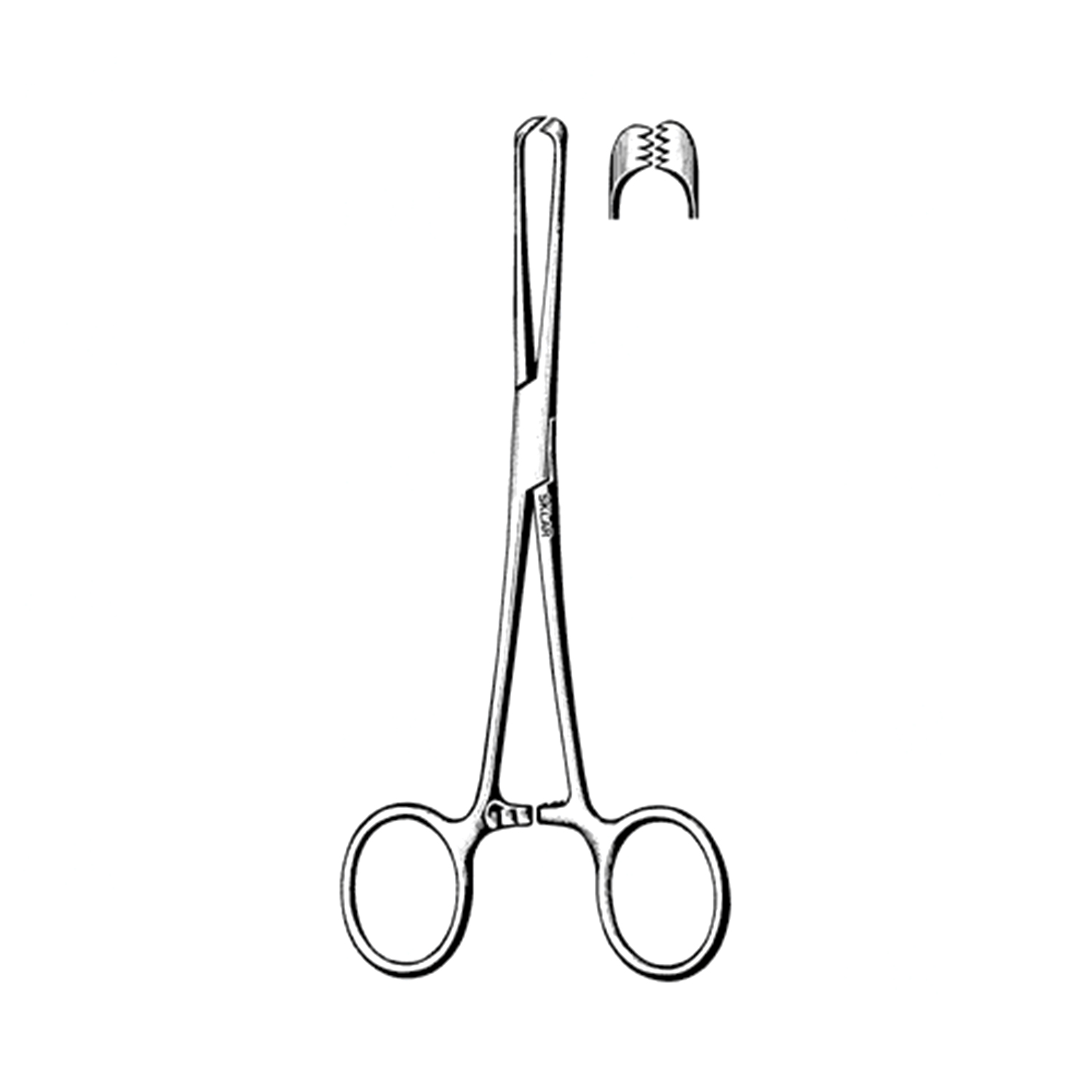
identify
allis tissue forceps
most common style of towel clamp. Penetrating tips and is available in 2.5 or 5.5 inch sizes
Backhaus
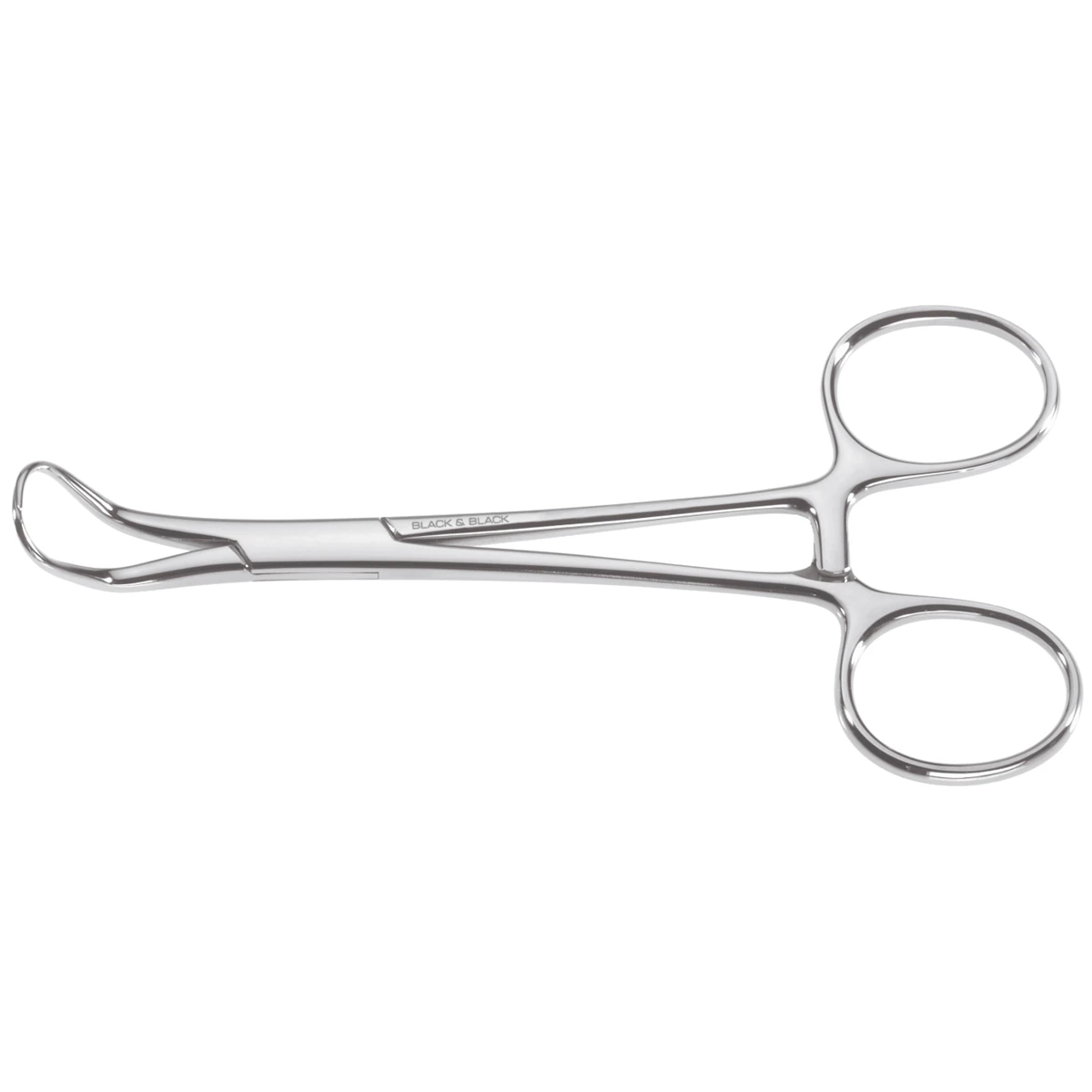
identify
Backhaus
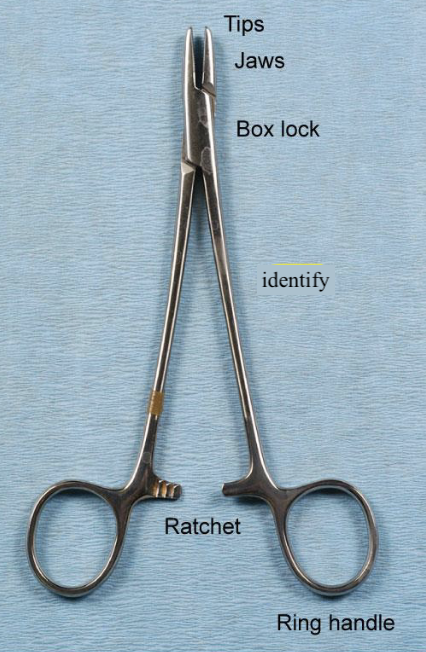
shank
To remove sutures from an incision line or wound closure in small animals
The tip of one blade has a small depression that can be slipped between the suture material and skin.
Straight Spencer Delicate-stitch Scissors
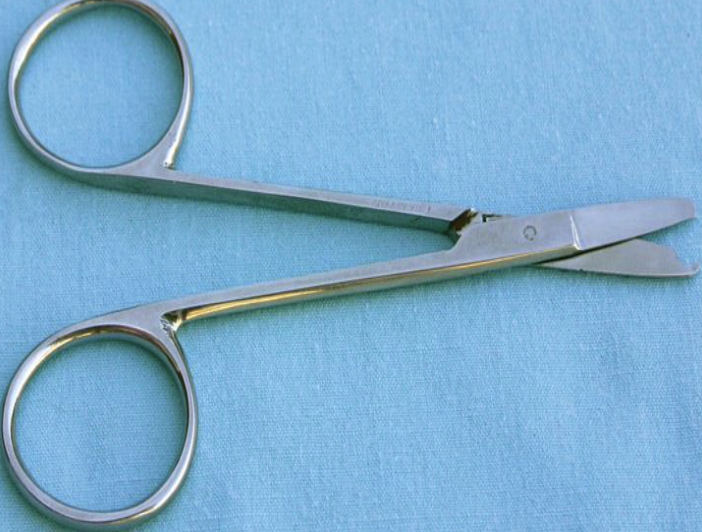
identify
Straight Spencer Delicate-stitch Scissors
To remove bandages and other dressings
One blade ends in a blunt triangle that is designed to push the skin out of the way
Lister Bandage Scissors
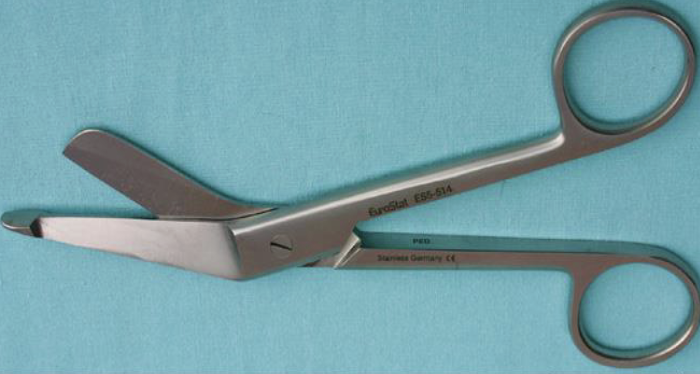
Lister Bandage Scissors
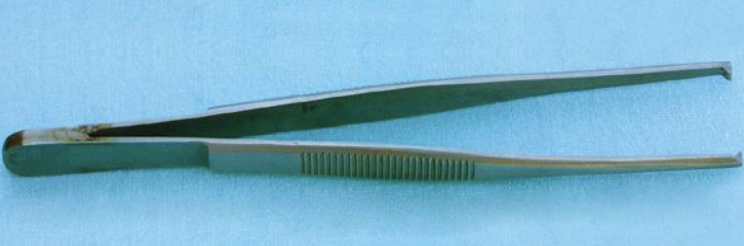
Rat-tooth
 Note
Note  Flashcards (50)