A+P chapter 3
 Call Kai
 Learn
Learn Practice Test
 Spaced Repetition
 Match
Match Flashcards
 Knowt Play
1/83

There's no tags or description
Looks like no tags are added yet.
Name | Mastery | Learn | Test | Matching | Spaced | Call with Kai | Chat |
|---|
No analytics yet
Send a link to your students to track their progress
84 Terms
flat at the bottom w/ bulge on top, found in skin
squamous
cube-shaped (as wide as it is tall), found in glands
cuboidal
taller than it is wide (rectangular) w/ extensions on epical surface, found in small intestine (good at absorption)
columnar
star-shaped, found in neurons (stoma)
stellate
disc-shaped (ex: red blood cells)
discoid
spindle shaped cells that taper at ends (ex: smooth muscle cells)
fusiform
thread-shaped cells (ex: skeletal muscles + axons)
fibrous
provides cell shape, regulates exit/entry
cell membrane
jelly-like substance where organelles are located
cytoplasm
provides support/structure and compartmentalization to the cell
cytoskeleton
defines cell boundaries, governs cell interactions, controls passage in/out of cell
plasma membrane
composed of phospholipids + cholesterol + proteins, makes membrane semi-permeable
phospholipid bilayer
hydrophilic head and hydrophobic tail
phospholipids
protein that has glucose attached to it
glycoprotein
protein that does not extend to both sides of the phospholipid bilayer
peripheral protein
packs phospholipid bilayer tighter while providing stability
cholesterol
provide weight to membrane + facilitate transport
membrane proteins
‘fingerprint’ on surface of cell, protects from injury/infection and helps w/ cell adhesion + fertilization
glycocalyx
protein that binds to chemical messenger
receptor
protein that breaks down receptor + terminates effects
enzyme
protein that distinguishes body cells from foreign cells
cell-identity marker
protein that’s constantly open; allows ions to pass
ion channel
protein that converts ATP to cAMP
adenylate cyclase
protein that binds one cell to another
cell-adhesion molecule
transmembrane protein that binds to ligand + transfers to other side of membrane
carrier
extensions of plasma membrane (shorter) used for absorption
microvilli
extensions of plasma membrane (longer) which beat rhythmically and perform sensory/transport functions
cilia
structural basis of cilia
axoneme
fingerlike extensions in small intestine which increase surface area; also used for absorption
villi
cytoplasm-filled extensions which constantly change
pseudopods
limits cell size
surface area to volume ratio
carries one type of solute in one direction
uniport
carries multiple types of solute in one direction
symport
carries multiple solutes in opposite directions
antiport/counter transport
PASSIVE : physical pressure forces fluid through selectively permeable membranes - used by blood capillaries
filtration
PASSIVE: solute goes down concentration gradient and dissolves amongst solvent (allows solute to pass through air/water/membranes)
simple diffusion
affects simple diffusion
temp, molecule size, concentration difference, surface area, membrane permeability
PASSIVE: flow of water from one side of a semi-permeable membrane to another
osmosis
pressure caused by a difference in solute concentration on sides of semi-permeable membrane
osmotic pressure
ACTIVE: pressure is applied to one side of a semi-permeable membrane, overriding concentration gradient/existing pressure and driving water low → high
reverse osmosis
hypotonic solution
more water than solute; causes swelling/lysing
isotonic solution
net 0 change
hypertonic solution
more solute than water; causes shrinking/shriveling
transport proteins carry solutes from one side of membrane to another
carrier-mediated transport
carriers only move a specific type of solute
ligand specificity
transport max is reached (all available carriers filled)
saturation
pumps use ATP to move solvent against transportation gradient
primary active transport
large particles, fluid droplets, or inclusions travel in vesicles
vesicular transport
endocytosis involving engulfing
phagocytosis
endocytosis involving ‘drinking’
pinocytosis
particles bond to receptors before being taken into cell in vesicle
receptor-mediated endocytosis
discharges from cell in vesicle
exocytosis
does endocytosis use atp
yes

structural support and maintenance of cell shape
microfilaments
resist stress, participate in junctions (maintain cell integrity) (neon green lines on textbook pic)
intermediate filaments

hold organelles in place, facilitate transport
microtubules
membranous organelles
nucleus, mitochondria, lysosomes, peroxisomes, ER, Golgi
nonmembranous organelles
ribosomes, centrosomes, centrioles, basal bodies
cell part w/ no specific function (stored products or foreign bodies)
inclusions
largest organelle, contains genome/chromatin
nucleus
web of protein filaments in nucleus; supports pores + nuclear envelope
nuclear lamina
produces phospholipids + proteins, has ribosomes
rough ER
organelle involved in translation/protein production
ribosomes
detoxification, steroid + lipid synthesis, calcium ion storage
smooth ER
synthesizes carbs + glycogen, modifies products from rough ER, location of splicing, makes lysosomes
golgi

packages of enzymes bound in a membrane, digests + disposes (autophagy) and can self-destruct (autolysis)
lysosomes
resemble lysosomes but are not made in golgi; detoxify and neutralize free radicals (in liver + kidney)
peroxisomes
synthesizes ATP, surrounded by double membrane
mitochondria

important in cell division; made of microtubules (held in centrosome)
centrioles
number of particles in a solute
osmolarity
ability of solute to affect fluid volume
tonicity
3 main cell components
cytoplasm, nucleus, plasma membrane
what do channel proteins respond to
ligands, chemical messengers, changes in electrical potential, and physical deformation of membrane
pressure used by filtration
hydrostatic
something is taken in by endocytosis and spit out on the other side of the cell
transcytosis

binds cells together on side
desmosene
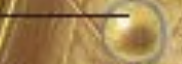
what is this
secretory vesicle

attaches cell on bottom
hemidemosome
bottom area below cell
basal cell surface
cause of familial hypercholesterolima
genetic mutations impair body’s ability to remove LDL cholesterol from bloodstream (usually mutated LDLR gene)
cause + symptoms of cystic fibrosis
body is unable to make chloride ion channels, so mucus builds up in the body leading to decreased life span and respiratory / digestive symptoms
stages of cell cycle
interphase (G1, S, G2), prophase, metaphase, anaphase, telophase
has crossing over, two sets of PMAT, makes 4 haploid (23) gametes
meiosis
happens in all somatic cells, one set of PMAT, makes 2 genetically identical daughter cells (diploid - 46 chromosomes)
mitosis