H356 Biophysical Processes: Medsurg 1 Exam Study Guide
 Call Kai
 Learn
Learn Practice Test
 Spaced Repetition
 Match
Match Flashcards
 Knowt Play
1/307

There's no tags or description
Looks like no tags are added yet.
Name | Mastery | Learn | Test | Matching | Spaced | Call with Kai | Chat |
|---|
No analytics yet
Send a link to your students to track their progress
308 Terms
fluid/electrolytes help to maintain _______
homeostasis
T/F: fluid/electrolyte has a narrow window for balance
true
water content constitutes for what percent of adult body weight?
50-60%
what group of people have decreased thirst sensation, slowed peristalsis and metabolism that leads to less hydration and water concentration?
older adults
older adults decrease in fluid concentration places them at risk for ____ due to _____
imbalance; slowed metabolism
which gender tends to hold less water content and why?
female- less muscle mass
why do infants have higher fluid content than adults?
higher metabolism and quicker peristalsis
the increased ECF in children makes them more susceptible to
rapid fluid loss
intracellular cation
Potassium (K+)
intracellular anion
Phosphate
extracellular cation
Sodium
extracellular anion
Chloride
diffusion
this is an example of
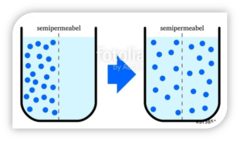
diffusion
movement of molecules across a permeable membrane from high to low concentration
glucose
example of facilitated diffusion (using carrier to move molecules)
active transport
process in which molecules move against concentration gradient requiring external energy
>295
fluid volume deficit value
fluid volume excess value
280-295 mOsm/kg
normal plasma osmolality value
edema
fluid shifting to interstitial space causes
first spacing
normal distribution of fluid
second spacing
abnormal distribution/edema is what type of spacing?
third spacing
fluid is trapped where its difficult/impossible for it to move back into cells or vessels is what type of fluid spacing?
hypothalamus
what aspect of the brain responsible for sensing fluid deficit/increase?
identify the fluid imbalance based off manifestations:
restlessness, drowsiness, lethargy, confusion, postural hypotension, tachycardia, tachypnea, weakness, dizziness, weight loss, seizure, coma
decreased skin turgor, cap refill and urine output
hypovolemia
identify the fluid imbalance based off manifestations:
headache, confusion, lethargy, peripheral edema, jugular venous distention, bounding pulse, hypertension, dyspnea, crackles, pulmonary edema, muscle spasms, seizures, coma
hypervolemia
diuretics, fluid restriction, sodium restriction
what interventions can be done to treat FVE?
elevated BUN, sodium and urine osmolality indicate what imbalance?
fluid volume deficit
low BUN, sodium and urine osmolality indicate what imbalance?
fluid volume excess
sunken fontanelle
what indicates fluid deficit on infants?
abdomen
when assessing fluid status on children, skin turgor should be checked where?
when patient requires two+ fluids at different rates
when are secondary lines used?
osmolality
sodium changes are typically associated with parallel changes in ______
kidneys
sodium loss is regulated by the
identify the electrolyte imbalance:
thirst, change in mental status, confusion, restlessness, lethargy FVD symptoms
hypernatremia
overload of fluids can cause cerebral edema or neurological issues
why do you have to gradually increase fluids when treating hypernatremia?
identify the imbalance:
headache, irritability, difficulty concentrating, confusion, vomiting, seizures, coma
hyponatremia
diarrhea, N/V, fistula, K+ sparring diuretics, wounds, etc
what are common causes of hyponatremia?
Chloride normal range
98-106 mEq/L
Bicarbonate (HCO3-) normal range
22-26 mEq/L
Phosphate normal range
3.0-4.5 mg/dL
Calcium normal range
9-10.5
Magnesium normal range
1.3-2.1 mEq/L
Potassium normal range
3.5-5.0 mEq/L
Sodium normal range
136-145 mEq/L
interventions for hyponatremia from water excess
fluid restriction, loop diuretics, hypertonic solution (severe)
interventions for hyponatremia from abnormal fluid loss
replace fluids with sodium containing solution, increase oral intake, withhold diuretics
What are the causes of hyperkalemia?
-impaired renal excretion
-ICF--->ECF
-massive intake
identify the imbalance:
cardiac dysrhythmias, cramping leg pain, weak or paralyzed skeletal muscles, abdominal cramping or diarrhea
hyperkalemia
what are the effects on an ECG with hyperkalemia?
peaked T wave
what is a major potential complication of hyperkalemia?
dysrhythmias
normal hemoglobin levels
Male: 14-18 g/dL
Female: 12-16 g/dL
normal hematocrit levels
Male: 41%-50%
Female: 36-48%
medical complications that can cause hypokalemia
medications (hydrochlorothiazide, lasix, loop diuretics, laxative misuse), ileostomy, etc
identify the imbalance:
cardiac dysrhythmias, skeletal muscle weakness, weak respiratory muscles, decrease GI motility, hyperglycemia
hypokalemia
what change on ECG indicates hypokalemia?
prominent U wave
how urine output is required to reach adequate amount?
0.5 mg/kg/hr
what are the safety points for administering KCl IV?
-always dilute
-never push/bolus
-invert bag multiple times for distribution
- do not add to hanging IV bag
- should not exceed 10 mEq/hr unless critical setting
calcium is balanced and controlled by
parathyroid hormone
- calcitonin
what is 2/3 the cause of hypercalcemia?
hyperparathyroidism
identify the imbalance:
fatigue, lethargy, weakness, confusion, bone pain, fractures, polyuria, dehydration, hallucinations, seizure
hypercalcemia
hypercalcemia puts the patient at risk for
pathological fractures
a positive trousseau or chvostek is an indication of
hypocalcemia
what two electrolytes work reciprocal of one another?
phosphate + calcium
(high phosphate = low calcium, vice versa)
what controls phosphate levels?
PTH
what is the most common cause of hyperphosphatemia?
acute kidney injury or CKD
identify the imbalance:
neuromuscular irritability/tetany, calcified deposits in tissue, arteries, skin, kidneys, corneas
asymptomatic unless calcium binding
hyperphosphatemia
identify the imbalance:
CNS depression, muscle weakness/pain, respiratory and heart failure, rickets, osteomalacia
hypophosphatemia
what electrolyte is responsible for metabolism of carbs, cellular health, BP regulation, ATP production, etc?
magnesium
identify the imbalance:
lethargy, N/V, impaired reflexes, muscle paralysis, respiratory and cardiac arrest
hypermagnesemia
identify the imbalance:
hyperactive DTR, muscle cramps, tremors, seizures, cardiac dysrhythmias (v-fib), corresponding hypocalcemia/hypokalemia
- can occur with digoxin toxicity
hypomagnesemia
what type of IV fluids contain more water than electrolytes, moving water from ECF to ICF for maintenance most commonly?
hypotonic fluids
what type of IV fluids only expands ECF and helps to replace and increase fluid volume and urine output?
isotonic
what IV fluid is isotonic, free water w/o electrolytes, provides 170 cal/L, and used to replace water loss, hypernatremia, and prevent ketosis?
D5W
what IV fluid is compatible with blood and most medications?
normal saline
what type of IV fluids expands and raises osmolality of ECF, and requires frequent monitoring of BP, lung sounds and serum sodium levels?
hypertonic
what IV fluid is hypertonic and provides highest dextrose concentration without requiring central line?
D10W
what IV fluids are considered volume expanders that stay in vascular space and increase osmotic pressure?
colloids
what procedure may be indicated when using long term IV therapy, multiple solutions, irritating medications, large volumes fo infusions, TPN?
PICC lines, central Cath
what is the most common location for central lines?
subclavian, internal jugular
what type of infusion is the primary line and/or secondary line with long term infusion?
continuous infusion
what type of infusion has a saline lock (for emergency meds) and IVPB?
intermittent infusion
pH range
7.35-7.45
pH < 7.35
acidosis
pH > 7.45
alkalosis
PaCO2 normal range
35-45 mm Hg
what acid-base imbalance is always due to a respiratory problem with inadequate CO2 excretion (hypoventilation)?
causes: COPD, infection, cardiac disease, pneumonia, atelectasis, drug overdose on respiratory agent, inadequate mechanical ventilation
respiratory acidosis
what acid base imbalance is described:
sudden increased pulse, decreased BP, mental changes, warm/flushed skin, hypoventilation, headache, dyspnea, hyperkalemia, drowsiness, muscle weakness, disorientation
respiratory acidosis
which acid base imbalance is always due to hyperventilation?
causes: pneumonia, embolism, acute anxiety, stimulant medications, neural disorders (stroke)?
respiratory alkalosis
identify the acid-base imbalance described:
lightheadedness, inability to concentrate, numbness/tingling, N/V, rapid deep breathing, tachycardia, hypokalemia, lethargy?
respiratory alkalosis
what is the treatment for respiratory acidosis?
improve ventilation
what is the treatment for respiratory alkalosis?
correct cause of hyperventilation (O2 therapy, rebreathing)
what acid base imbalance is most commonly due to renal failure?
causes: diabetic keto acidosis**, lactic acidosis, severe diarrhea
metabolic acidosis
identify the acid-base imbalance:
headache, confusion, increased respirations, KUSSMAUL RESPIRATIONS, decreased BP + cardiac output, HYPERKALEMIA, warm/flushed skin, changes in LOC, watery diarrhea
metabolic acidosis
what acid base imbalance occurs most commonly due to vomiting, gastric suction or medications (long term diuretics)?
metabolic alkalosis
identify the acid-base imbalance:
dysrhythmias, confusion, HYPOKALEMIA, tachycardia, restlessness followed by lethargy, compensatory hypoventilation, tremors
metabolic alkalosis
Normal BUN range
10-20 mg/dL
Normal creatinine levels
0.8-1.4 mg/dL
process of oxygen transported to cells and carbon dioxide transported from cells
gas exchange
breathing is an involuntary function controlled by the
medulla