A Divided Nation
 Certain options have been disabled. Please contact your teacher if you need access to these modes.
 Call Kai
 Learn
Learn Practice Test
 Spaced Repetition
 Match
Match Flashcards
1/18

There's no tags or description
Looks like no tags are added yet.
Name | Mastery | Learn | Test | Matching | Spaced | Call with Kai | Chat |
|---|

19 Terms
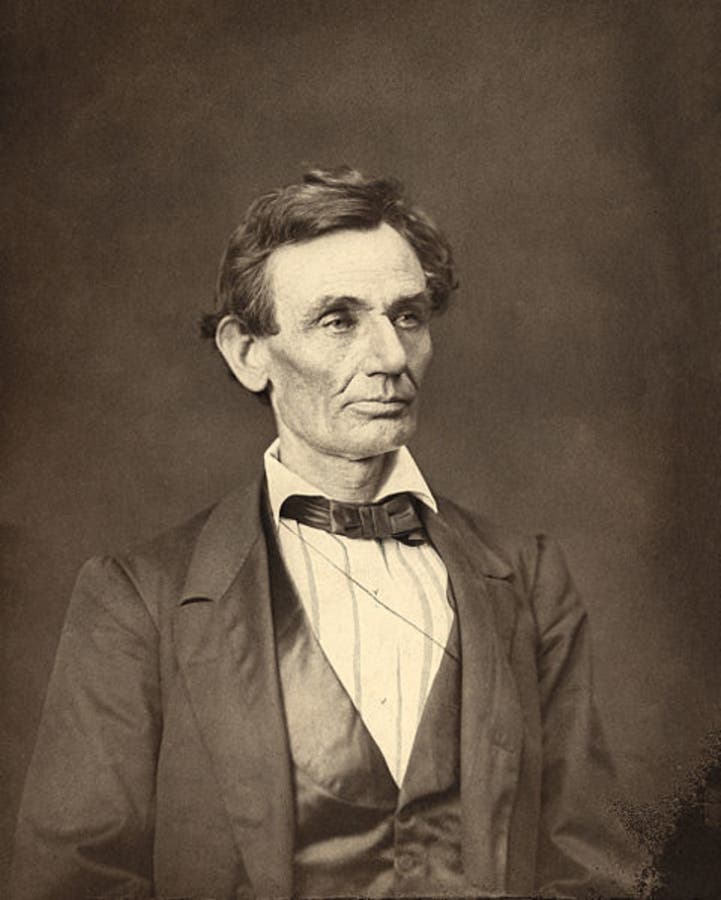
Abraham Lincoln
an Illinois lawyer who gained attention after he engaged in a series of debates on slavery when running for Illinois senator (he lost).
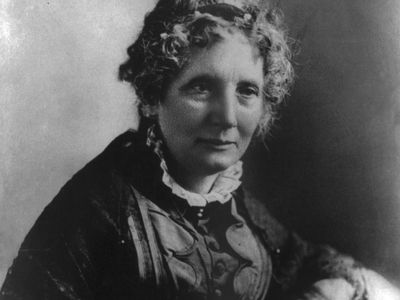
Harriet Beecher Stowe
Author of Uncle Tom's Cabin
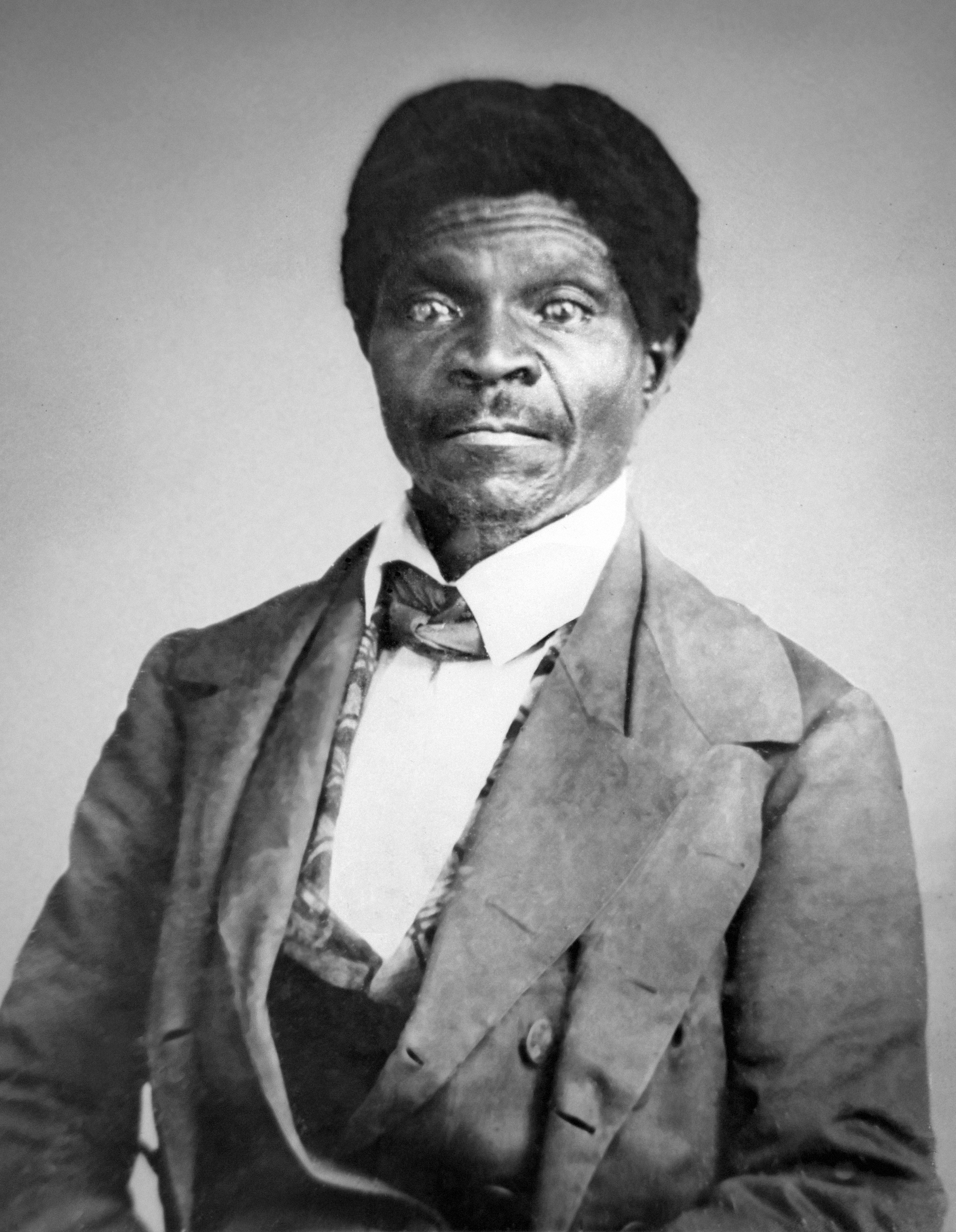
Dred Scott
American slave who sued his master for keeping him enslaved in a territory where slavery was banned
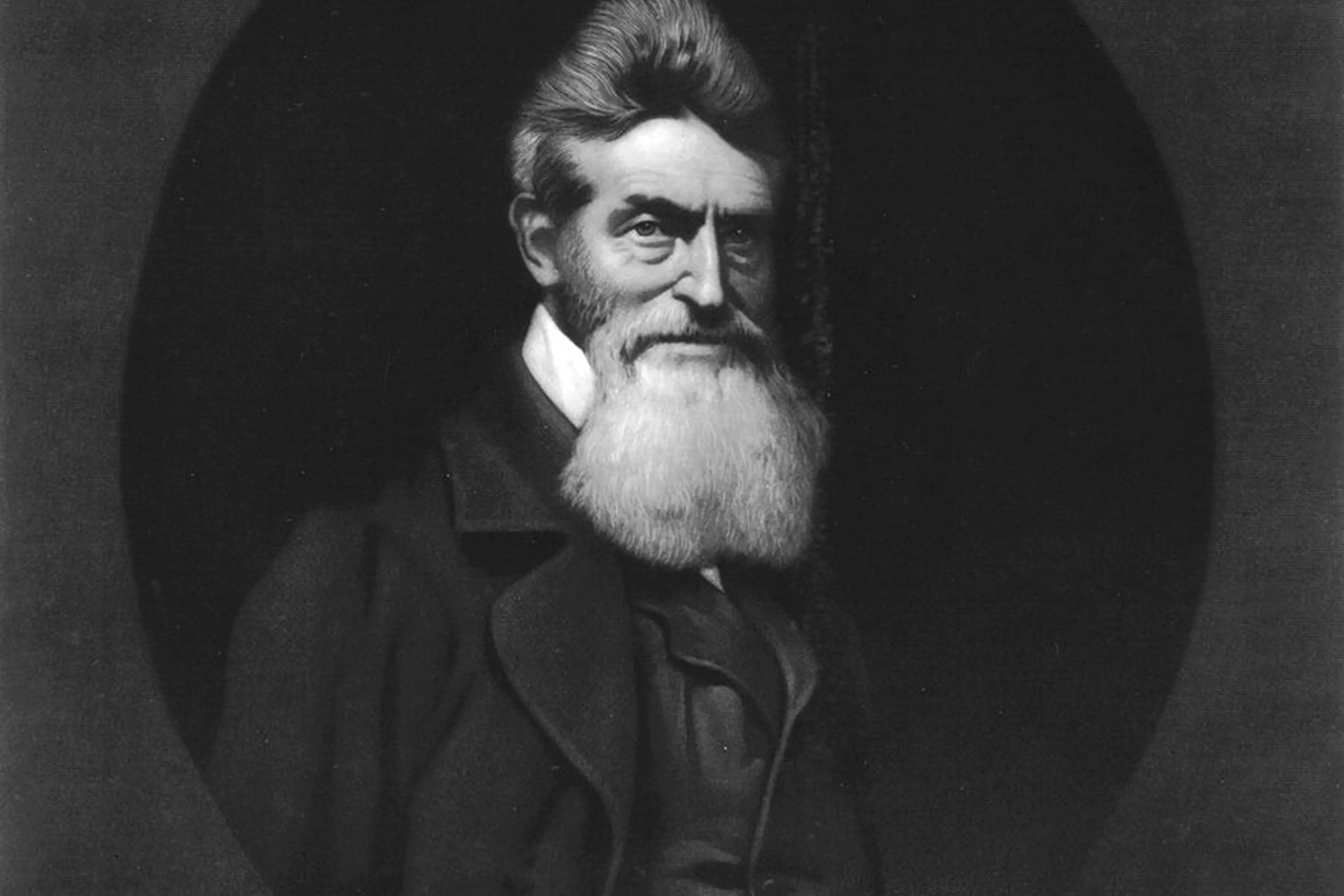
John Brown
an abolitionist who attempted to lead a slave revolt and raid the federal armory at Harper's Ferry
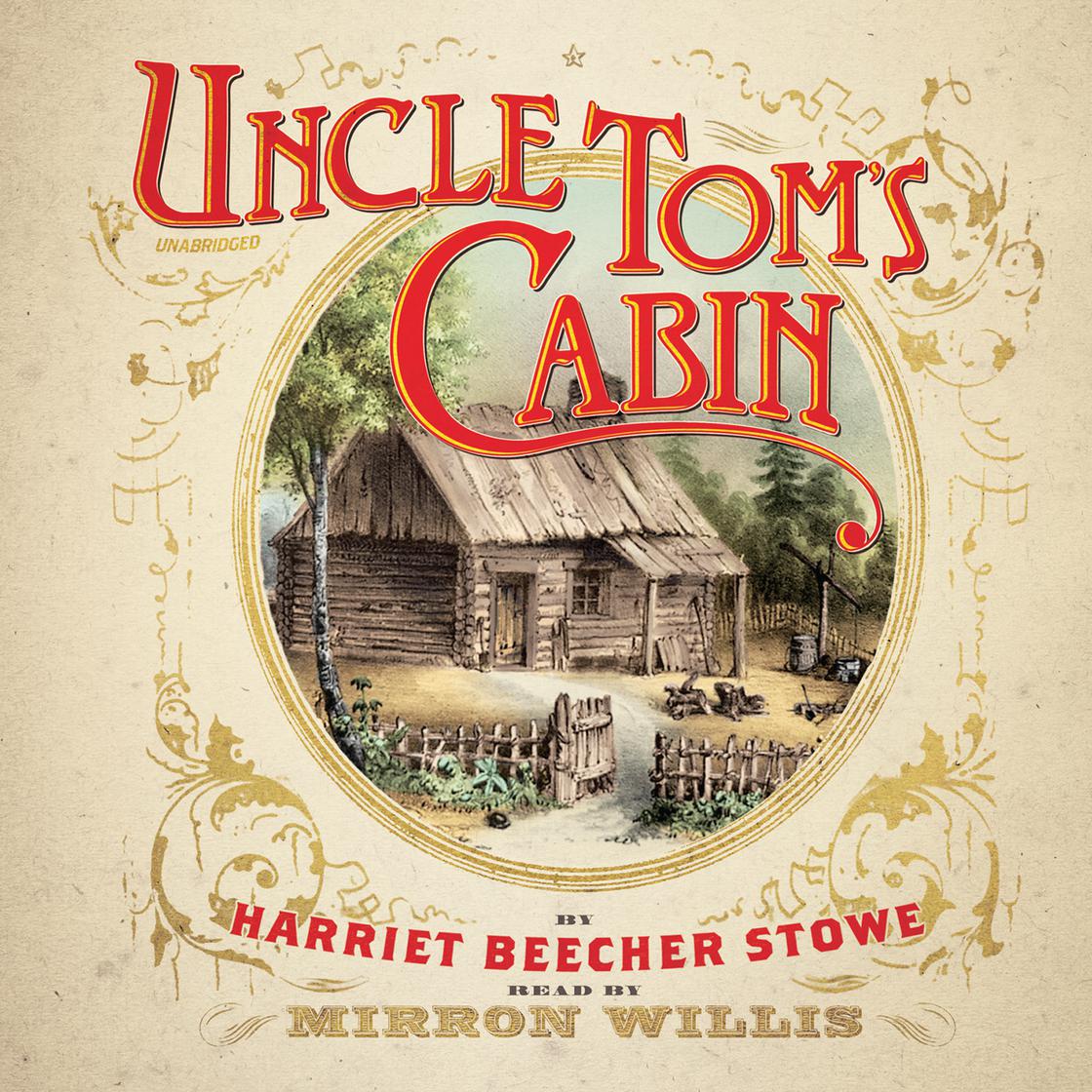
Uncle Tom's Cabin
a novel telling the story of a fictional slave in the south that depicted slavery’s brutality
Impact of Uncle Tom's Cabin
became the best-selling novel of the 1800s and had major influence on Northerner's view of slavery
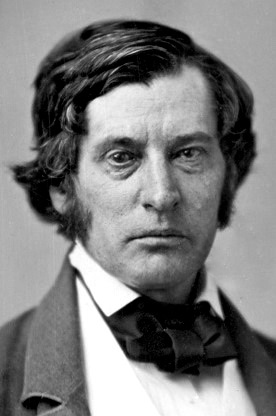
Charles Sumner
Abolitionist senator who openly criticized the South and slavery
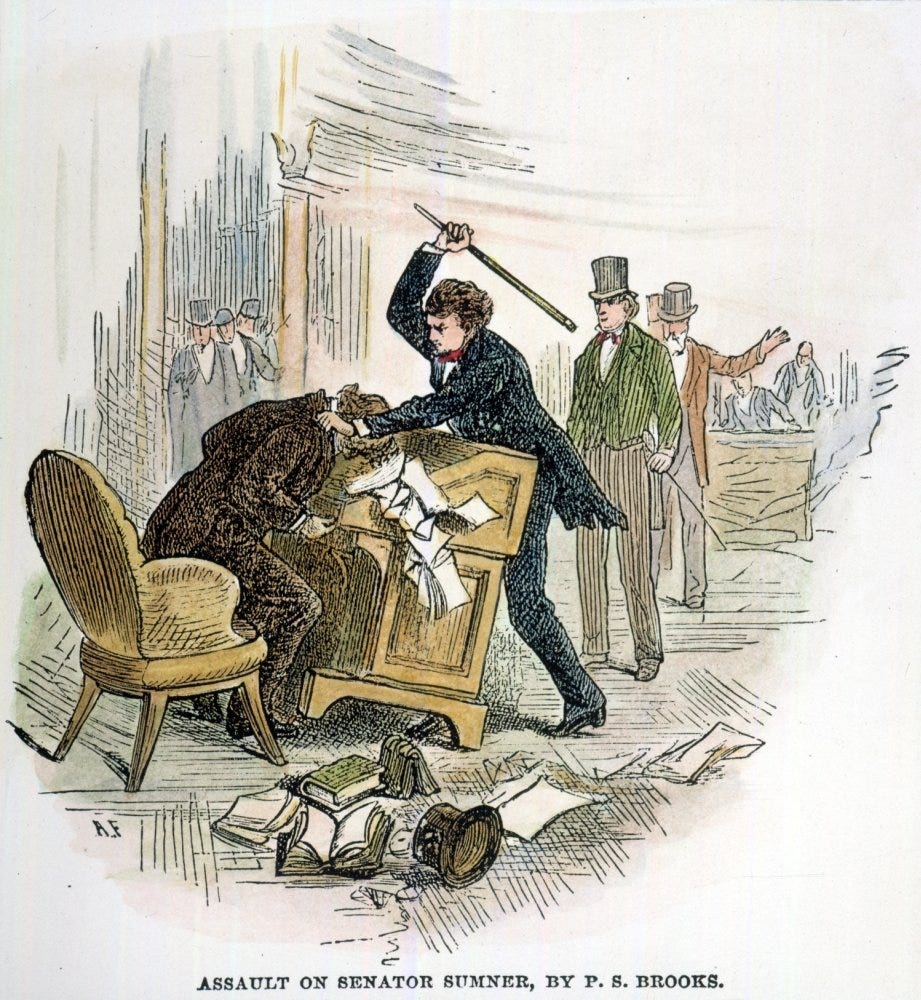
Sumner Caning
Preston Brooks (Pro Slavery) beat Charles Sumner (Anti-slavery) on the floor of the senate because of Sumner's criticisms of slavery; Sumner ended up with severe injuries and yet the south hailed Brooks as a hero
Fugitive Slave Act of 1850
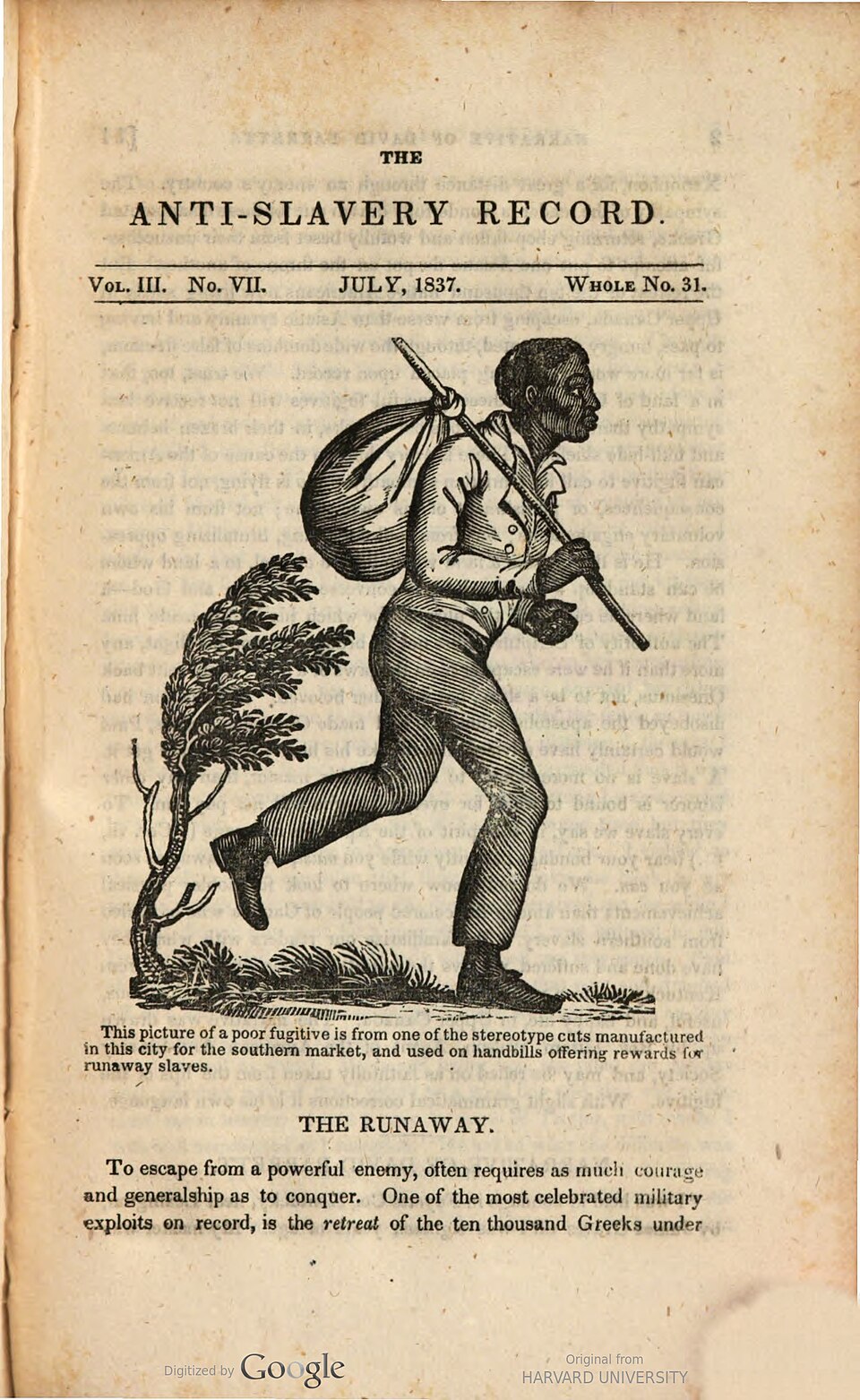
A law that made it a crime to help runaway slaves, allowed for the arrest of escaped slaves in areas where slavery was illegal, and required their return to slaveholders
Effect of the Fugitive Slave Act
-much harder for abolitionists to help fugitives
-escaped slaves were no longer safe in the North
-corrupt: commissioners earned more $$ by declaring someone guilty of being a runaway than by declaring someone as innocent
Dred Scott Decision
Supreme Court ruling that declared that NO African Americans, slave or free, could be a citizen, and declared that the US could not ban slavery in any of the territories
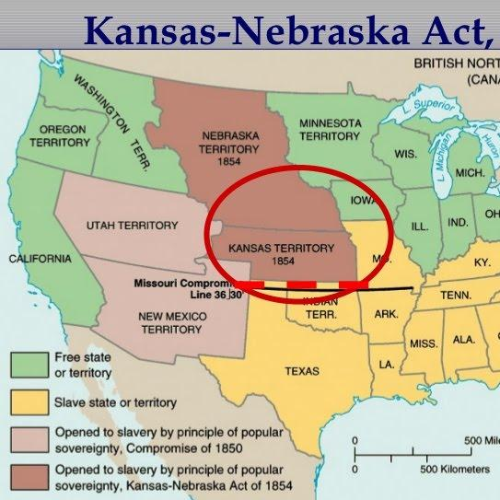
Kansas-Nebraska Act
allowed voters residing in these two territories to decide via popular vote whether or not the territories became slave states or free states
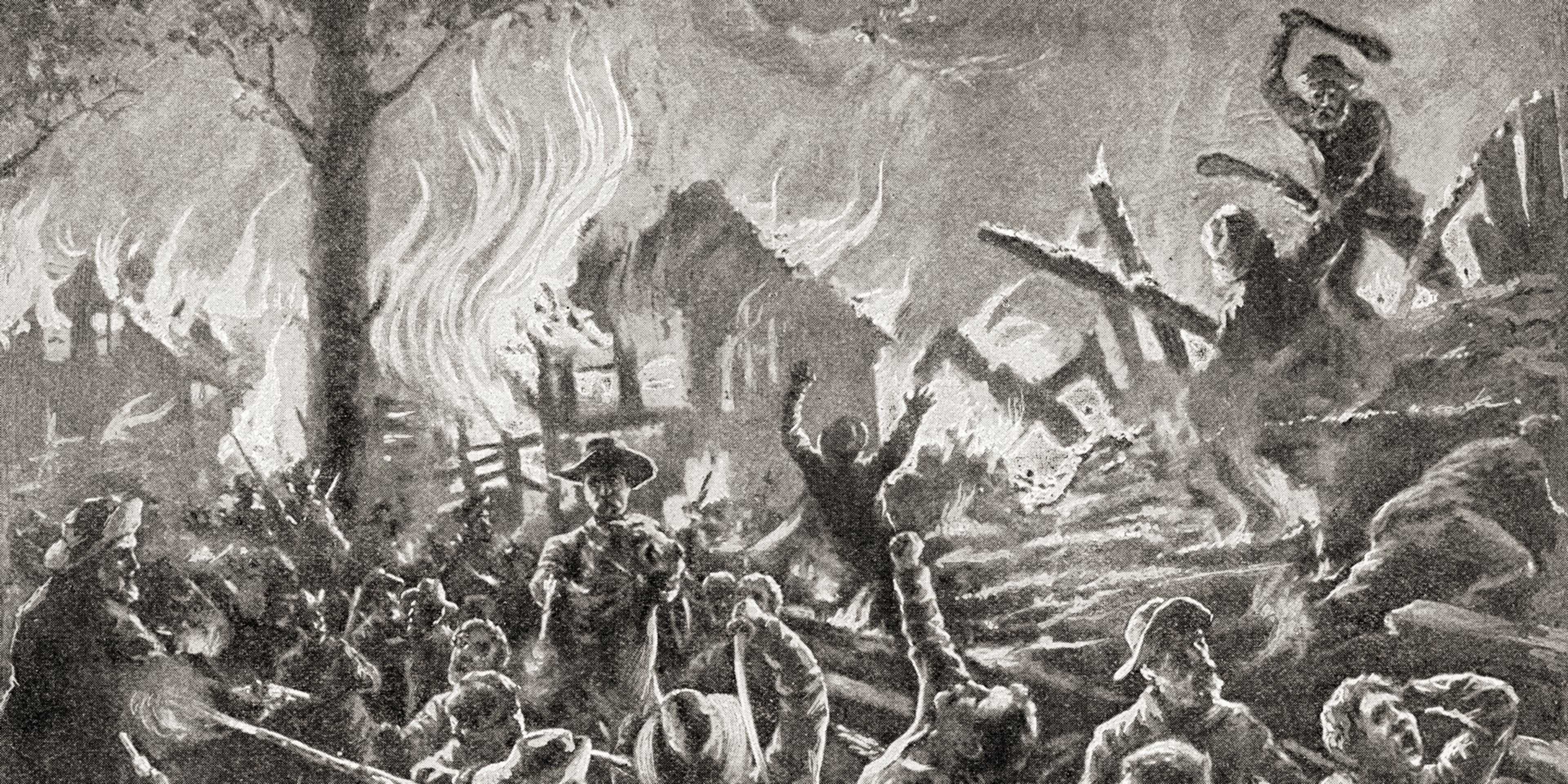
Bleeding Kansas (1856)
A series of violent conflicts in the Kansas territory between anti-slavery and pro-slavery factions over the status of slavery.
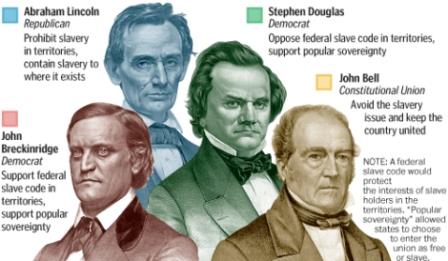
Election of 1860
Slavery was so divisive that the democrat voters were split. 4 candidates ran. Lincoln, the only Republican, won-- he had the MOST votes out of all 4 candidates, but the majority of people did not vote for him
Effects of the Election of 1860
No southern states elected Lincoln; they feared an abolitionist was in the Whitehouse; Southern states began to secede rather than have Lincoln as their president
Secession Argument
"We voluntarily joined the U.S. so we can voluntarily leave it."
secede
formally break away or separate
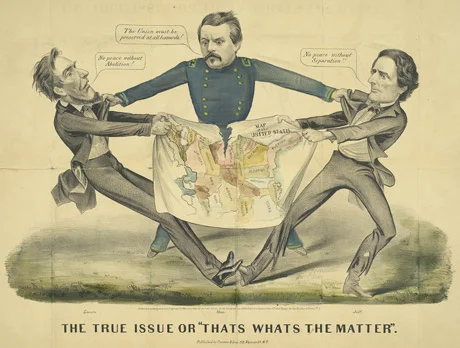
secession
the act of seceding
Lincoln's 1860 Views
hated slavery but claimed that President did not have power to abolish it
had no intention of ending slavery in the South; only wanted to prevent slavery from spreading to new states
believed secession was illegal