PSY339 Adolescence Exam 3
 Call Kai
 Learn
Learn Practice Test
 Spaced Repetition
 Match
Match Flashcards
 Knowt Play
1/167

Earn XP
Description and Tags
updated with: intimacy, sexuality, psychosocial problems, resilience
Name | Mastery | Learn | Test | Matching | Spaced | Call with Kai | Chat |
|---|
No analytics yet
Send a link to your students to track their progress
168 Terms
intimacy
the development of relationships characterized by self-disclosure, trust, and concern
social closeness in all types of relationships, not just romantic ones
capacity for intimacy increases in adolescence and it’s an unavoidable consequence of psychosocial development
how does puberty affect the development of intimacy?
changes in sexual impulses provoke interest in sex, leading to the development of romantic relationships
these relationships give rise to a host of issues requiring serious intimate communication
how do social role changes affect the development of intimacy?
new behavioral independence → more opportunity to be alone with friends
being with friends naturally leads to more intimate communication
how do cognitive changes affect the development of intimacy?
cognitive changes bring increased self-awareness, better communication skills, and better understanding of the social landscape
leads to changes in relationships to involves greater empathy, sensitivity, and self-disclosure
what are the 2 major theoretical perspectives on adolescent intimacy?
Sullivan’s theory of interpersonal development & Bowly’s attachment theory
sullivan’s theory of interpersonal development
a stage theory stating that different interpersonal needs arise across different stages of development
if needs are met, feelings of security*** emerge
solid foundation of security in past relationships → easier to find security in future relationships
if needs are not met, feelings of anxiety emerge
anxiety in past relationships → difficulty finding security in future relationships
this development is cumulative and affects who you become as a person and how you feel in future relationships
how did Sullivan see security in his theory of interpersonal development?
security (in your relationships) is the glue that holds your sense of self together
identity & self-esteem are products of your interpersonal relationships
when does the need for intimacy emerge in Sullivan’s theory of interpersonal development?
preadolescence (8-14 years)
intimacy develops in same-sex friendships, which serves as a foundation for later romantic/sexual relationships to be based on
challenge is to integrate established need for intimacy with emerging need for sexual contact
what interpersonal needs emerge in infancy according to Sullivan’s theory?
need for contact with people and tenderness from mother
what interpersonal needs emerge in early childhood according to Sullivan’s theory?
need for adult participation in child’s play
what interpersonal needs emerge in middle childhood according to Sullivan’s theory?
need for acceptance into peer groups and playmates
what interpersonal needs emerge in preadolescence according to Sullivan’s theory?
the need for intimacy in same-sex friendships
what interpersonal needs emerge in early adolescence according to Sullivan’s theory?
need for sexual contact and intimacy with sexual partners
what interpersonal needs emerge in late adolescence according to Sullivan’s theory?
the need for integration into adult society
attachment
strong affectionate bond that develops between an infant and caregiver
a determinant of how you relate to others and see the world
Strange Situation
an experiment that assesses attachment
observes 3 reactions:
child’s reaction when the mother is present with the child in a “strange” room
child’s reaction when the mother leaves and a stranger offers comfort
child’s reaction when the mother returns
what are the 4 attachment styles that have been discovered?
secure, anxious resistant, anxious avoidant, and disorganized
secure attachment
the best attachment style
caregiver used as a secure base
appropriate distress when the caregiver leaves
comforted upon the caregiver’s return
anxious resistant attachment
protests when caregiver leaves
distressed and slow to warm up upon caregiver’s return
seeks contact but resists when it’s given
lowkey me lol
anxious avoidant attachment
lacks emotions when caregiver leaves or returns
not a lack of attachment; just a shitty one
easily soothed by a stranger
disorganized attachment
a LACK OF ATTACHMENT shown by disorganized emotional behavior
how do attachment styles relate to an adolescent’s future mental health and behavior?
there is a link between attachment styles and an adolescent’s future interpersonal relationships
however, most of the research holds up ONLY in the absence of adverse life events
how have dating and marriage rates changed over time?
dating and marriage rates have decreased over time
the median age of one’s first marriage is rising
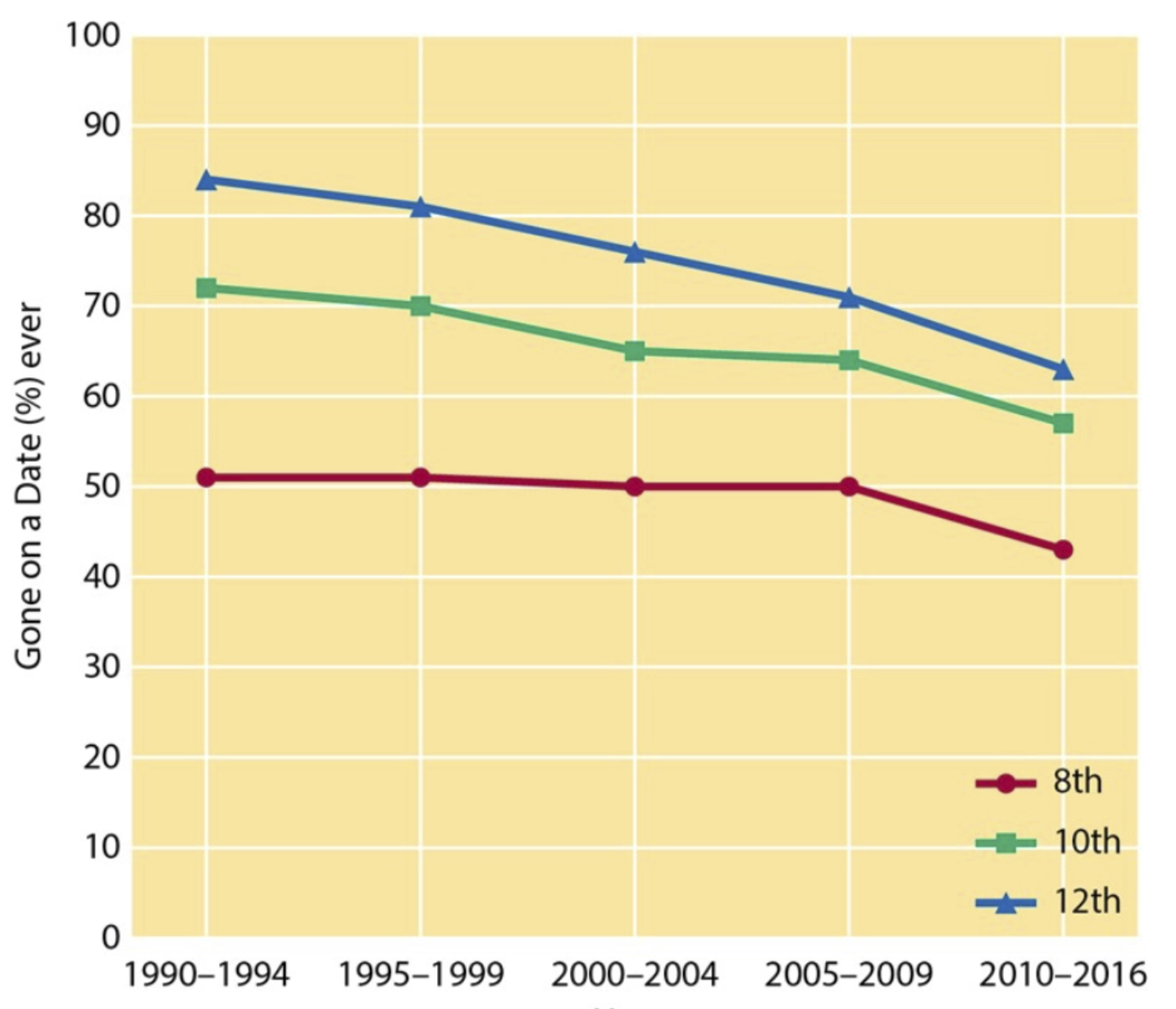
what influences the age at which an adolescent starts dating?
their peer groups and community norms/expectations, which is a bigger influence than the adolescent’s physical maturity
dating begins earlier among adolescents who:
have older siblings
are less close to their parents
live with a single mother
what are some of the reasons adolescents date in early adolescence?
establishing emotional and behavioral autonomy
furthering gender identity development
establishing popularity and status among peers
influencing how others see them
how do dating relationships change in late adolescence?
they begin to have emotional depth/maturity and their importance increases compared to other relationships
increasing willingness to acknowledge, analyze, and work through disagreements
what are the phases of adolescent romance?
11-13: first discovery of interest in socializing with potential romantic partners
14-16: more meaningful one-on-one relationships
17-18: concerns over commitments and consideration of long-term survival/growth of romantic relationships
phases might be different for queer youth due to STIGMAS AND HOMOPHOBIAAAAAAAA
what is dating early associated with?
lots of negative correlates
less social maturity, imagination, orientation toward achievement, happiness with oneself, etc.
more depression, disordered eating, and delinquency
dating early might be prompted by other aspects of the adolescents’ lives like unstable home environments
what is not dating at all associated with?
signs of social retardation (so aromantic people don’t exist? lol)
it’s not clear if age-appropriate dating leads to better social development or more socially developed adolescents are more likely to date
what is the single most common trigger of a first episode of major depression in adolescents?
the breakup of a romantic relationship
but not all people have such severe effects from a breakup
how many American adolescents experience dating violence?
40%
it’s commonality increases in early-mid adolescents and then decreases
dating violence is more common in rural areas
how many 6th graders think it’s okay for partners to hit each other?
~50% think it’s okay for a girlfriend to hit her boyfriend
25% think it’s okay for a boyfriend to hit his girlfriend
thats like a fucking lot
intergenerational transmission of violence
refers to how adolescents’ parents/family deal with conflict is linked to how they deal with conflict in their romantic relationships
quality of relationships strongly correlate with one another for adolescents
what are the 5 markers of unhealthy love according to that one TED talk video we watched?
intensity
isolation
extreme jealousy
belittling
volatility (rapid changing for the worse)
how do adolescent and childhood friendships differ?
children’s friendships are concrete and built around shared activities/games
adolescent friendships have a strong emotional foundation built on mutual understanding/caring
internal working model (Bowly’s attachment theory)
a set of beliefs/expectations that an individual approaches their relationships with
approaching relationships with either trust or apprehension
e.g. a securely attached individual approaches their future relationships with a healthy internal working model
based on the attachment this individual formed with their caregiver in the past
rejection sensitivity
a high sensitivity to being rejected by others
can lead to depression
developed by individuals with insecure attachments (MEEEEEEEE)
cyberball study
an online ball-tossing game used by neuroscientists to study attachments
discovered that adolescents with high rejection sensitivity show different brain activity when excluded from social play

what gender differences are observed in romantic relationships?
for girls, romantic relationships are a context to express the intimacy they already learned from friends
for boys, relationships are often where they develop intimacy skills for the first time
what is the strongest predictor of dating violence?
exposure to violence at home (intergenerational transmission of violence)
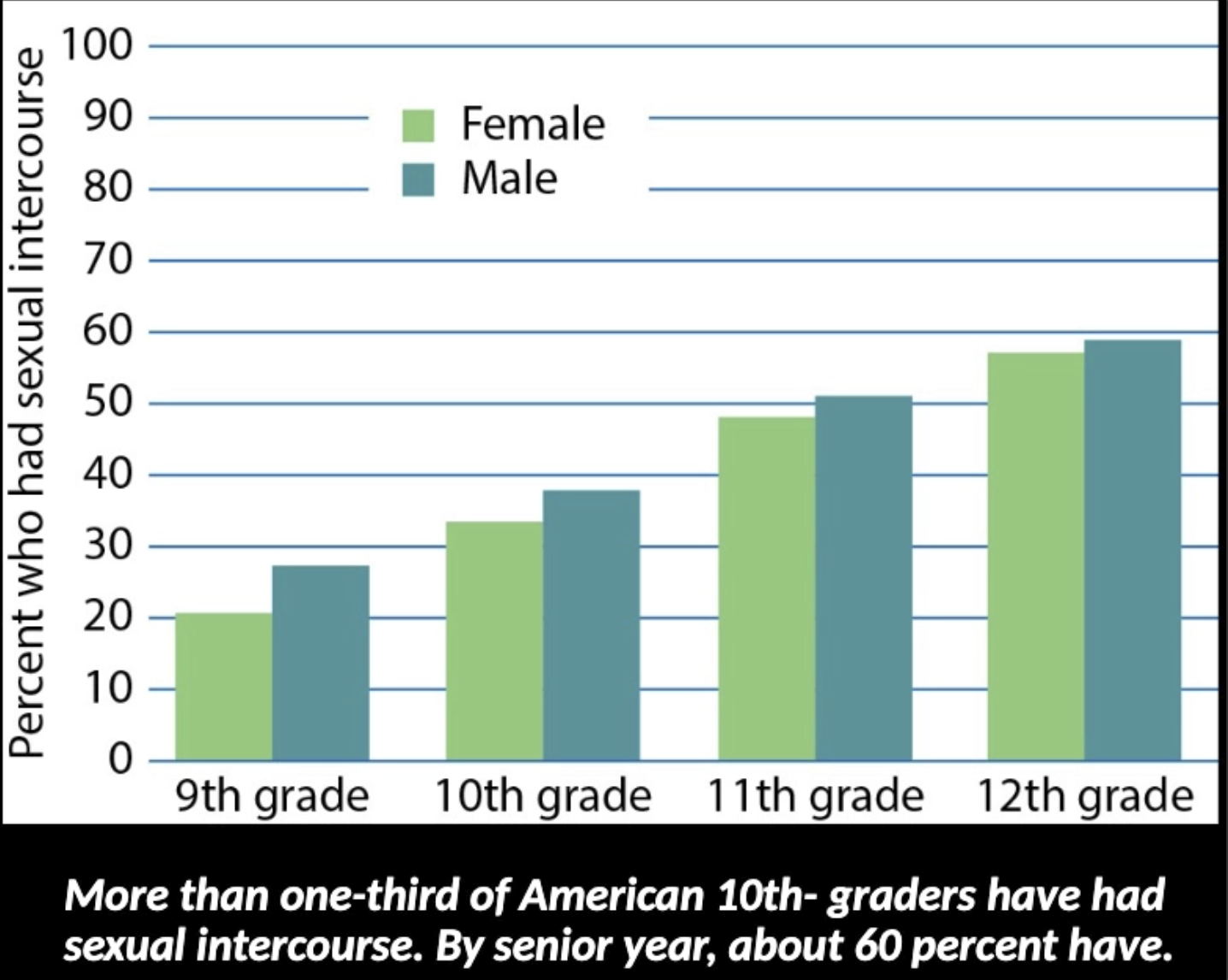
is sexual activity in high school normal?
yes; it’s a normative experience for the majority of American students
>1/3 of 10th grades have had sexual intercourse, and this increases to about 60% by 12th grade
autoerotic behavior
sexual behavior experienced alone (e.g. masturbation, sexual fantasizing)
sexual socialization
the process through which adolescents are exposed to and educated about sexuality
different for boys and girls
sexual socialization doesn’t tend to be consistent across culture or history
how are boys sexually socialized?
first experience orgasm through masturbation usually
overstate their level of activity
keep sex and intimacy separate (interpret sex as recreation rather than intimacy)
experience approval from peers they confide in
how are girls sexually socialized?
experience sex for the first time with another person
connect sex with intimacy/emotional involvement
approach sex cautiously due to risk of pregnancy
understate their level of activity
experience disapproval/mixed feelings from peers they confide in
what are the ethnic differences in sexual activity?
in all ethnic groups, there are higher rates of sexual activity in economically disadvantaged youth
by age 13,
12% of black boys started having sex
9% of hispanic boys started having sex
4% of white boys started having sex
asian females have delayed sexual initiation
when are adolescents more likely to lose their virginity and why?
around may/june'/july and december
might be due to weather, “special occasions” or less supervision
how has the developmental progression of sexual behavior changed over time?
not much has changed; sexual behaviors have progressed around the same time for individuals historically
how have historical trends of adolescent sexual activity changed over time?
sex rates increased in the early 1970s/80s and then declined since
early teen sex rates have declined in recent years
median age is around 17 years old now
females had greatest increase of sex rates and greatest decline in age of first intercourse
how many adolescents had intercourse with someone they are not in a romantic relationship with?
around 1/3, but these partners are generally someone they know well like a friend or ex
is having sex associated with negative psychological outcomes in adolescents?
nope
the impact of having sex early depends on if that behavior is seen as culturally normative
how is risky sex associated with problems?
the tendency for risk-taking increases the likelihood of risky sex, substance use, and other problems
sex overall is more likely when substance use is involved
rates of using drugs/alcohol before having sex among adolescents has increased in recent years (~20%)
how do hormones influence sexual activity?
testosterone is primarily responsible for the initial interest in sex
in boys, testosterone is directly linked to sexual activity and changes in physical appearance
in girls, testosterone is directly linked to sexual activity while estrogens are responsible for changes in appearance
how do social factors influence sexual activity?
they are more strongly linked to sexual intercourse in girls than boys
there’s more social control placed on girls’ sexual activity
plus pregnancy is more of an issue
environments that tolerate and encourage boys having sex makes social factors more weak for them
how does parenting style influence sexual activity in adolescents?
authoritative parenting is associated with lesser likelihood of early sexual activity and less engagement in risky sex
meanwhile, parent-adolescent conflict is associated with early sexual activity
how does parent-adolescent communication influence adolescent sexual activity?
there are discrepancies in what parents and children report about the nature/impact of their conversations about sex
communication CANNOT prevent adolescents from having sex but can stop them from engaging in risky sex
lots of the discussions are about issues of safety not the sexual behavior itself
what’s important is the attitudes and values communicated by parents + how adolescents interpret them
how do father-daughter relationships impact adolescent sexual activity?
closer father-daughter relationships → more parental monitoring + lower affiliation with promiscuous peers → decreased sexual behavior
how do peers influence sexual activity in adolescents?
the values/attitudes of schoolmates are a strong influence on adolescents’ sexual behavior
sexually active peers → adolescent more likely to be sexually active (reinforce one another through communication)
having older siblings who model sexual behavior also influences
living in a poor neighborhood is also a factor
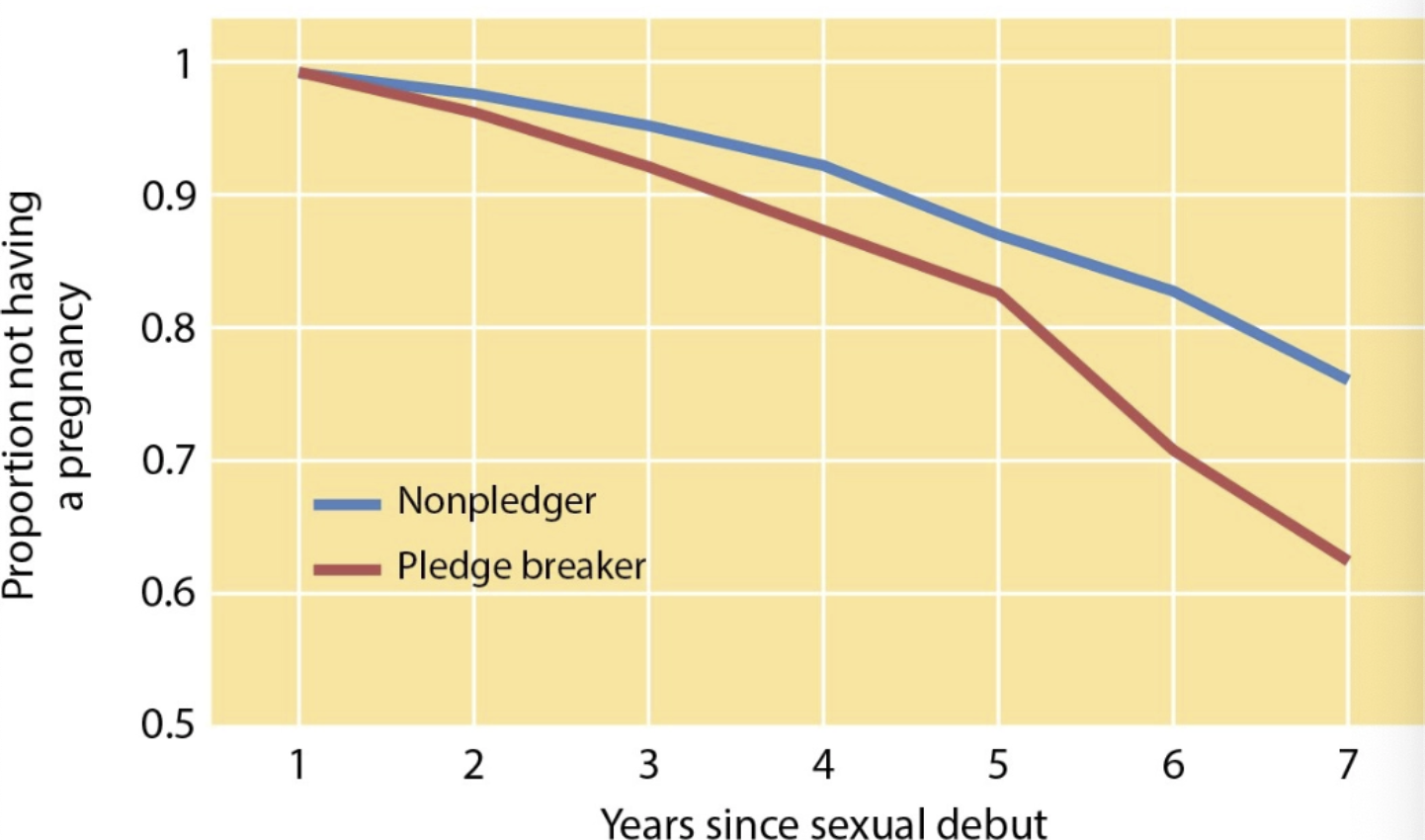
how do virginity pledges affect adolescent sexual activity?
they only work for younger adolescents
in high school students, taking a virginity pledge is linked to
the same rates of having sex as non-pledgers
less contraception use
more likelihood of becoming pregnant
does same-sex experimentation in adolescence predict later sexual orientation?
no; there are no consistent predictors here
young adolescents often:
engage in sex play with those of the same sex
fantasize about the same sex
question the nature of their feelings for same-sex partners
how widespread is sexual harassment in American public schools?
very
>80% of girls and 60% of boys report unwanted sexual attention
7-18% of adolescents report rape before 18
there’s also strong overlap between adolescents who bully others and those who sexually harass others
date rape
being forced by a date to have sex against one’s will
what problems do sexually abused adolescents show?
lower self-esteem
academic difficulties
higher rates of anxiety, fear, eating disorders, and depression
there’s a wide range of the forms these problems take and show themselves
where is more hostility against sexual minority youth seen in?
smaller, rural, low-SES, and less diverse schools that have few explicit rules for student behavior
how does prejudice and parental acceptance of sexual minority youth change over adolescence?
prejudice decreases
parental acceptance increases
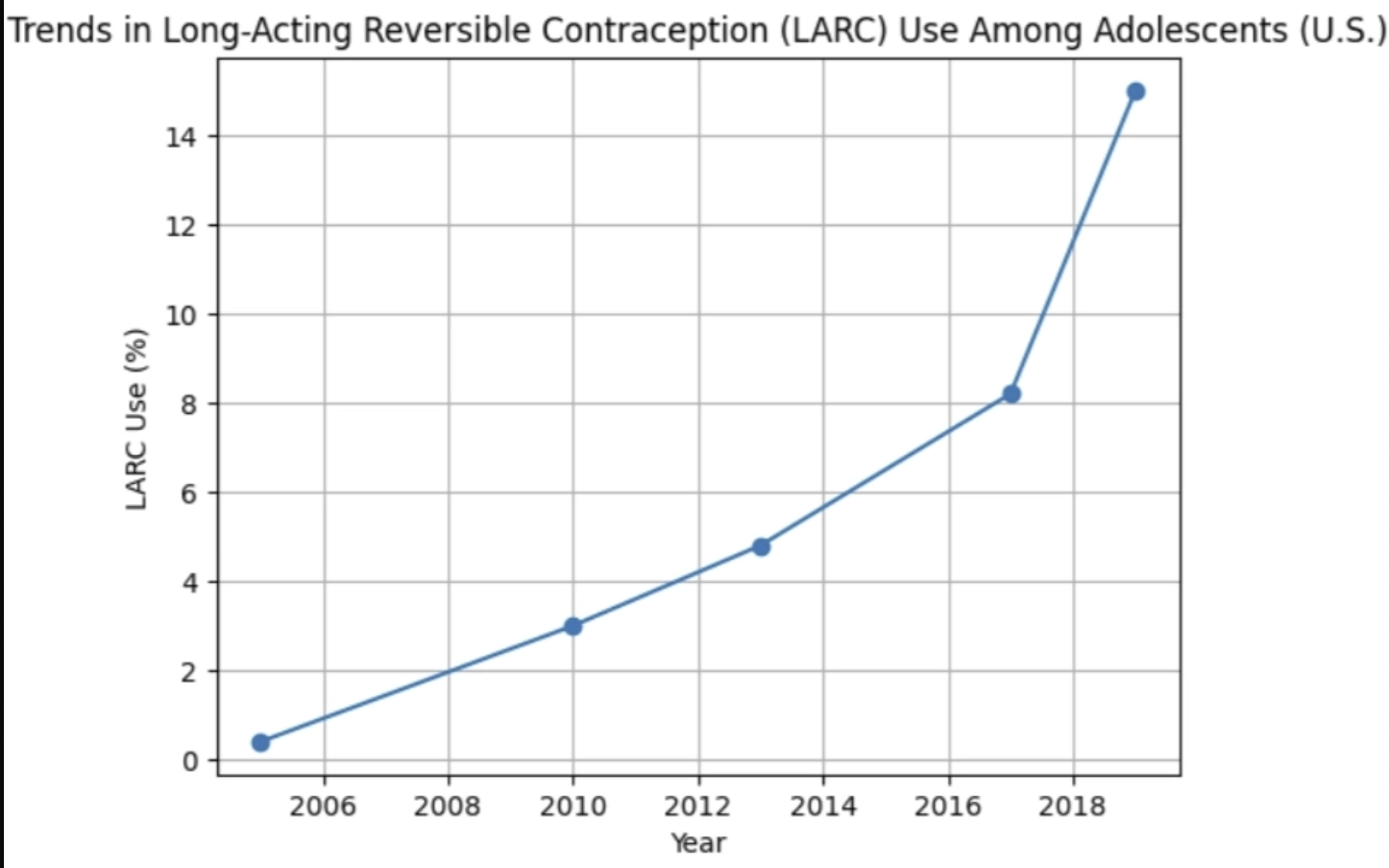
what kinds of contraception is used by adolescents?
condoms (most popular method)
birth control pill (second most popular)
withdrawal (used by ~10%)
long-acting reversible contraception (e.g. IUDs) (use has been increasing
is contraception used regularly by adolescents?
nope
nearly 45% of adolescents report not using a condom the last time they had sex
what is the risk of teen pregnancy caused by?
50% by the absence of contraceptive use
50% by failed contraceptive use
what are the reasons for why adolescents don’t use contraception?
a lack of planning, which is not easy to address, and a lack of access/knowledge, which is easy to address
the best predictor of contraceptive use is the adolescent’s age (younger adolescents → more risky decisions)
what are the 2 major risks of not using contraception?
STDs and teen pregnancy
sexually transmitted infections/diseases (STIs/Ds)
any group of infections passed on through sexual contact
adolescents accounted for over half of gonorrhea, chlamydia, and HPV cases in 2020
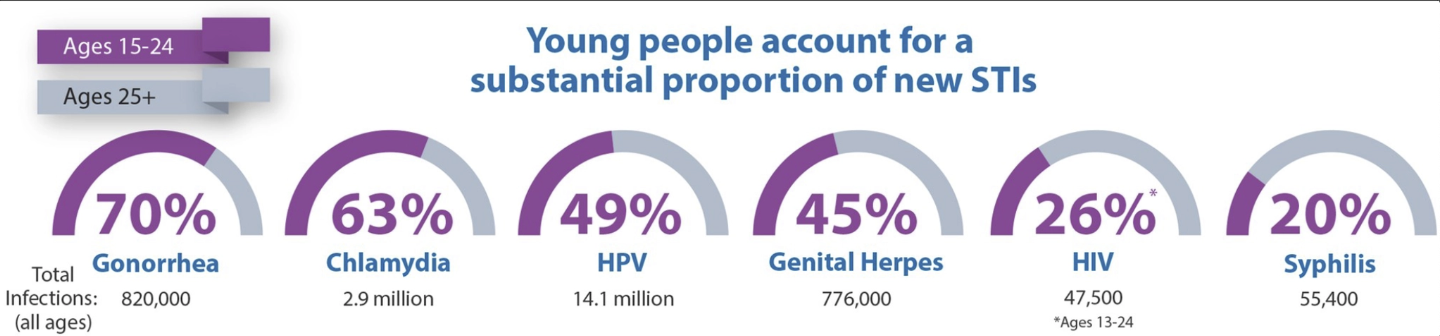
what are some of the unique risk factors that place adolescents at risk for STIs/Ds?
secrecy is a big one; they don’t talk about how they have sex with adults
others include:
insufficient screening
women being more biologically susceptible to STIs
lack of access to healthcare
multiple sex partners
what are some STDs we discussed in lecture?
gonorrhea, herpes, human papillomavirus (HPV), trichomoniasis, and acquired immune deficiency syndrome (AIDS)
gonorrhea
an STD caused by bacteria
symptoms include painful urination, abnormal discharge, testicular pain, and lower belly pain
if left untreated, can cause infertility
herpes
an STD caused by the herpes simplex virus
symptoms include pain, itching, and small sores that later turn into scabs on the genitals
after infection, herpes can lie dormant in the body and symptoms can recur for years
human papillomavirus (HPV)
an STD caused by the HPV virus
symptoms include warts on genitals but many don’t have symptoms
has no cure and increases the risk for cervical cancer
trichomoniasis
an STD caused by a parasite
symptoms include foul-smelling discharge, genital itching, and painful urination for women and no symptoms for men
complications include the risk of preterm delivery in pregnancy
acquired immune deficiency syndrome (AIDS)
a disease caused by the human immunodeficiency virus (HIV) that is transmitted through bodily fluids
devastates the immune system
used to be linked to gay men and drug needle users in the US but now the greatest threat of transmission is through heterosexual activity
especially prevalent in inner-city ethnic minority youth
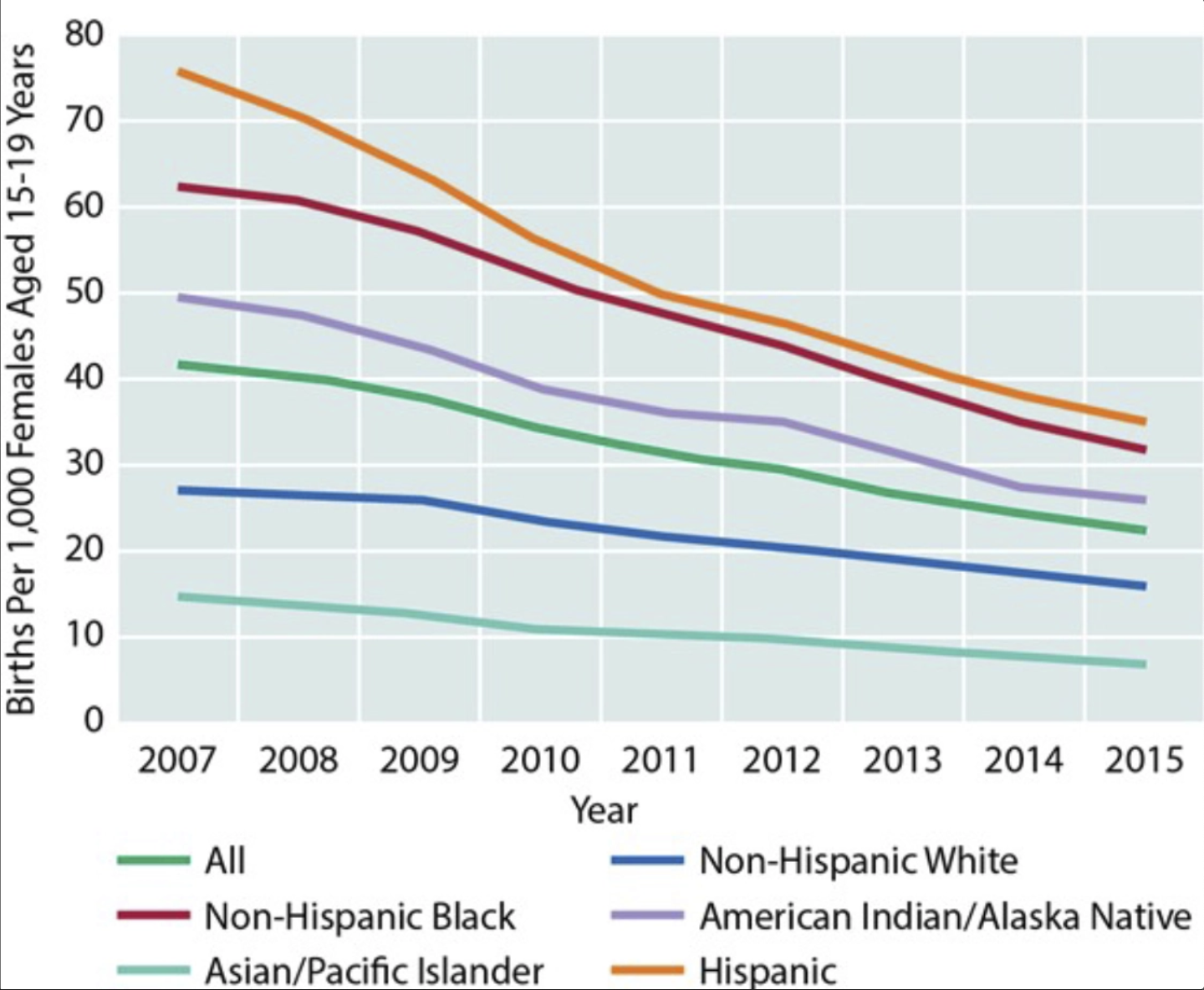
how has the rate of teen pregnancy changed over time, and why?
it’s dramatically lower today than in the 1990s due to improve contraception use and later onset of sexual activity
how does the rate of teen pregnancy and births compare in the US than in other industrialized countries?
the US has the highest rate of teen pregnancy among all industrialized countries, and the teen birth rate is super high too
about 90% of pregnancies are unintended and more than 50% result in the birth of infants raised by teen moms
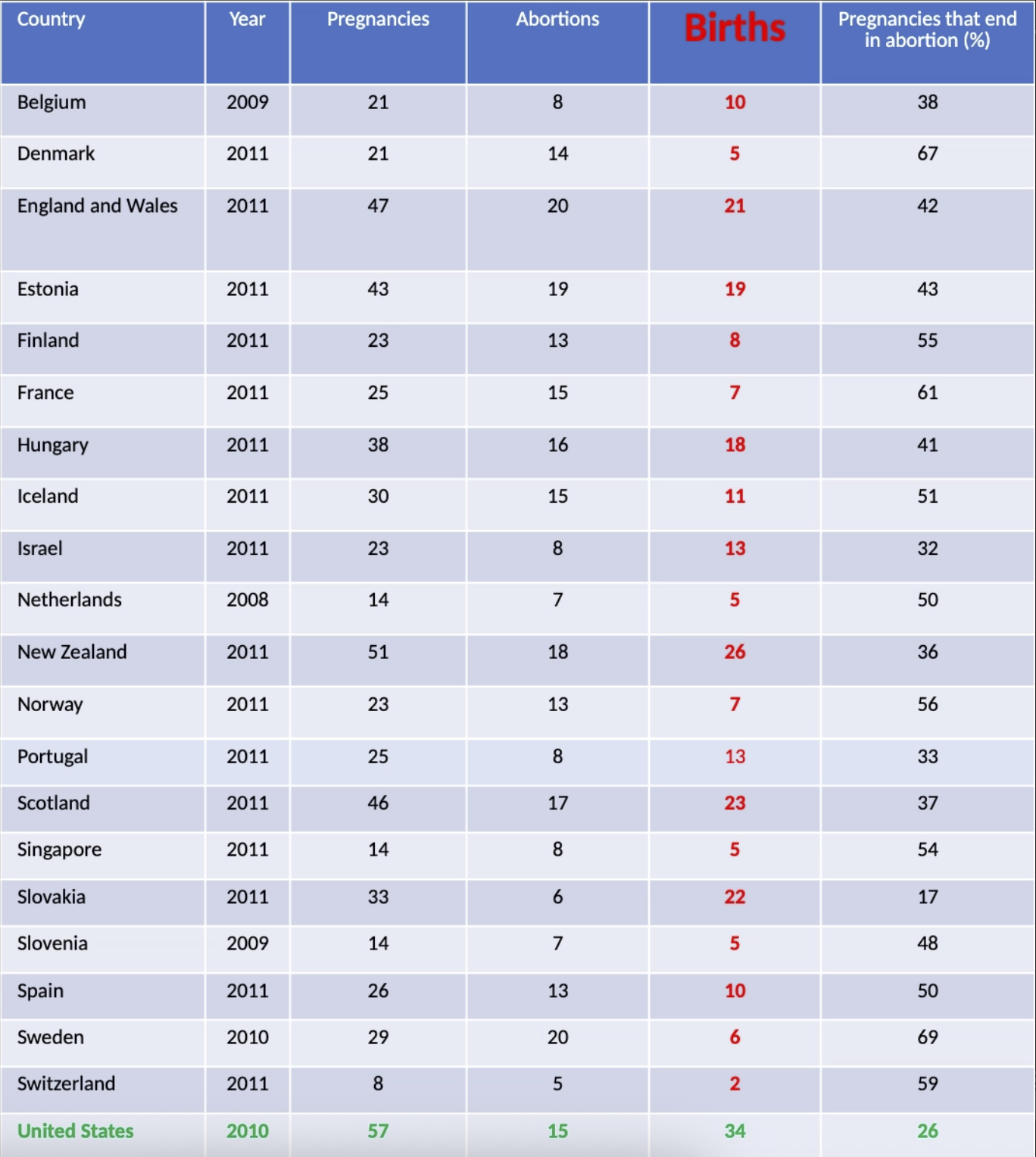
what are the most important differences between teens who become pregnant and those who do not?
sexual activity and contraceptive use
adolescents who are ambivalent about becoming parents are less likely to use contraceptives effectively
what is the general consensus among experts about if unwanted pregnancies psychologically harm teens?
the consensus is that they do not
teens who abort their pregnancy are significantly better off than teens who give birth to their child
what effect do laws requiring parental notification before abortion have?
there are mixed effects
it potentially lowers abortion rates overall but increases late term abortions
what are the ethnic differences in teen pregnancy/birth rates?
they are heavily concentrated among economically disadvantaged youth
what is religion a good predictor off when it comes to teen pregnancy?
it’s not a good predictor of who gets pregnant
but it is a good predictor of who gets an abortion
what are the distinguishing characteristics of teen fathers (sexual partners of teen moms)?
problems with self-esteem, school, work, aggression, drugs, and alcohol
they are more likely to father more children later on
they are more likely to be children of adolescent fathers
what is the mean age difference between teen moms and their sexual partners?
2-3 years
are the problems of early childbearing worse for the children or for the teen moms?
the teen moms, since it disrupts their schooling/career and keeps them in poverty
there is a long-term advantage to remaining in school
doesn’t mean that all teen moms experience this
what does research show about children of teen moms?
they are more likely to have school problems, be delinquent, be sexually active at an earlier age, and become adolescent parents themselves
not sure if being born to a teen mom or correlated factors bring this up
adolescent moms might perceive their babies as being more difficult → problems raising them
or could be environmental factors
what kind of support is best for teen moms?
lessening the disruptive economic impact of having a child (e.g. UNIVERSAL DAY CARE!!!) + social support (e.g. living with family can help with staying in school/employment)
what are some of the ways to improve contraceptive behavior?
open, responsive communication between parents and teens about sex
encouraging adolescents to think about the consequences of teen pregnancy
making contraceptives accessible
providing sex ed about contraceptive use BEFORE adolescents become sexually active
does sex ed and communication about sex stop teens from having sex?
no
but it can delay the initiation of sex and increase safe sex
what kinds of messages are most effective when it comes to sex ed?
messages focusing on the benefits (e.g. autonomy, control, relationship benefits, etc.) more strongly influence adolescent sexual behavior
increases contraceptive use
messages about the costs (e.g. pregnancy risk, STDs, etc.) often trigger defensiveness and reduce contraceptive use
comprehensive sexual education
programs that provide info on contraception/STDs/pregnancy, education on refusing unwanted/unintended sex, increase motivation to engage in safe sex, and change perceptions about peer norms/attitudes
changes what teens know NOT what teens do
abstinence-only sexual education
programs that solely encourage teens to avoid sex with no info about safe sex
absolutely unsuccessful; actually increase teen pregnancy and child bearing
noncoital activity
sexual activity other than intercourse
e.g. kissing, touching, etc.
what is the usual sequence of intimacy/sexual behavior for teens?
holding hands → kissing → making out → feeling breasts/penis/vagina → intercourse/oral sex
experiencing all of this in a compressed time interval is often linked to seeking early autonomy and drug/alcohol experimentation
what is the prevalence of sexual intercourse in teens?
about 34% of high school sophomores and 57% of seniors have had vaginal intercourse
however, less than 1/3 report being currently (in last 3 months) sexually active
what is early sexual initiation often linked to?
poverty and single-parent households (more sexual activity in ethnic minorities)
how has teen sexual activity changed over time?
rates of intercourse have declined since the 1990s
however, today’s teens are more sexually active in ways other than intercourse