Terminology and Neuroanatomy Part 1
 View linked note
 Call Kai
 Learn
Learn Practice Test
 Spaced Repetition
 Match
Match Flashcards
 Knowt Play
1/16

Earn XP
Description and Tags
These flashcards cover the fundamental terminology and neuroanatomy for small animal neurology, including CNS/PNS distinctions, motor neuron pathways, and spinal cord segment distribution.
Name | Mastery | Learn | Test | Matching | Spaced | Call with Kai | Chat |
|---|
No analytics yet
Send a link to your students to track their progress
17 Terms
What constitutes the Central Nervous System (CNS) and what are its primary roles?
The brain and spinal cord; it receives sensory input (afferent), produces motor output (efferent), and coordinates nervous system activity.
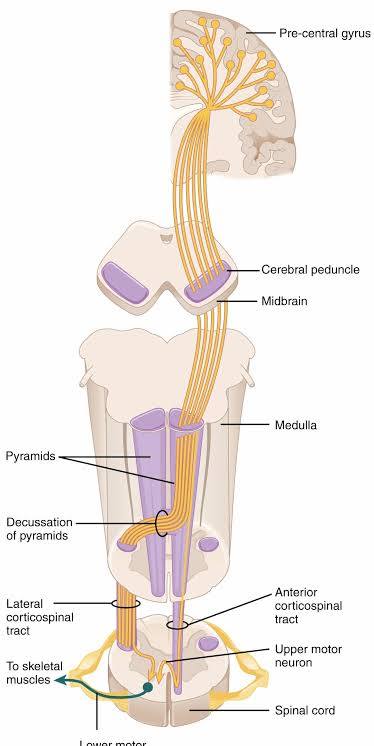
What is the definition of an Upper motor neuron (UMN)?
The 1st neuron in the motor pathway with its cell body in the CNS (cerebral cortex), which synapses on the lower motor neuron in the brainstem or spinal cord.
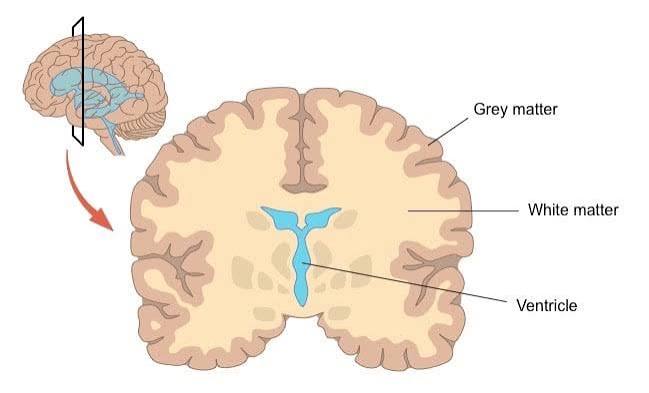
What are the characteristics of gray matter within the CNS?
An unmyelinated region of the CNS that contains cell bodies and dendrites.
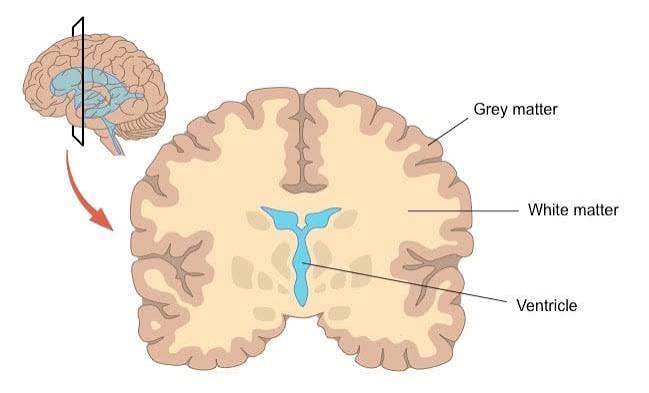
What does white matter in the CNS consist of?
The myelinated region of the CNS containing myelinated axons, which in the spinal cord are interconnecting axons.
What defines the Peripheral nervous system (PNS)?
All parts of the nervous system excluding the brain and spinal cord.
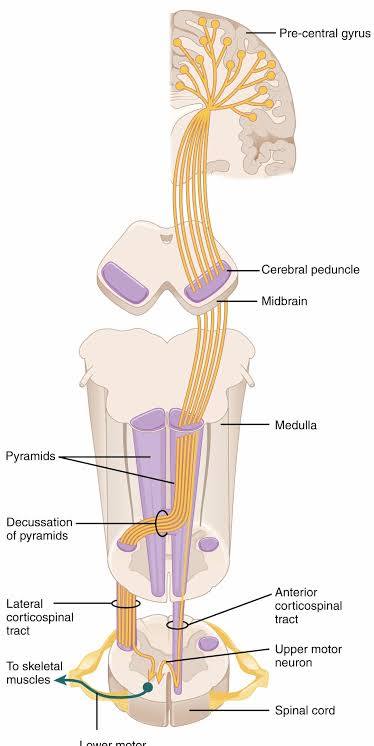
What is a Lower motor neuron (LMN) and where does it connect?
The 2nd neuron in the motor pathway that begins in the spinal cord or brainstem and connects to skeletal muscle or a gland.
What is the function and origin of a Cranial nerve (CN)?
Paired nerves that emerge directly from the brainstem and provide motor and sensory function to the head and neck.
What functional systems are controlled by the Somatic NS?
Proprioception, voluntary movement, and reflexes.
What is the role of the Visceral/autonomic NS?
Controlling internal organ function through the sympathetic and parasympathetic systems.
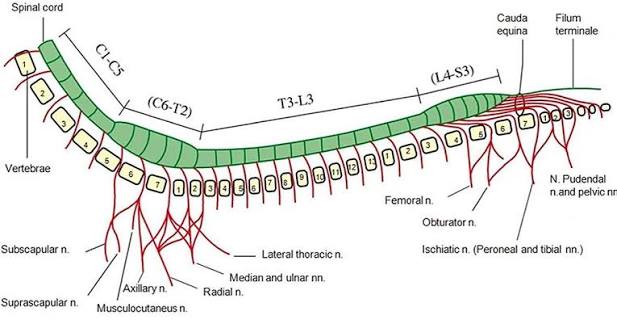
List the number of spinal cord segments in the canine/feline spinal regions.
8 cervical, 13 thoracic, 7 lumbar, 3 sacral, and 5 caudal (variable number of vertebrae).
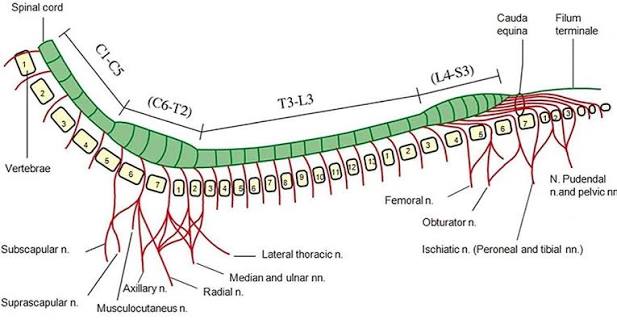
At what vertebral level does the canine spinal cord typically end?
L6−7 vertebrae.
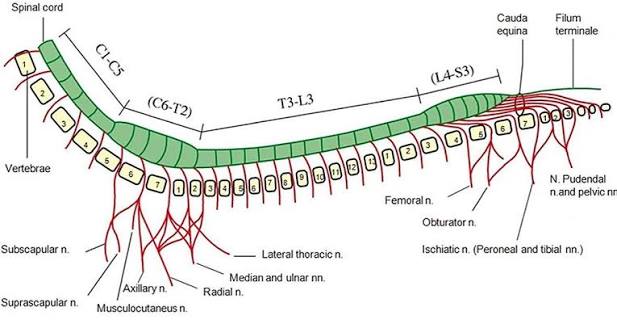
At what vertebral level does the feline spinal cord typically end?
L7−S3 vertebrae.
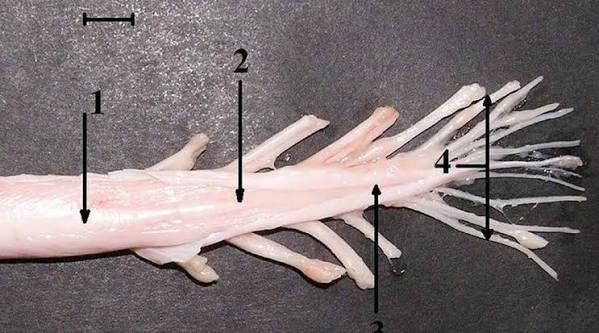
What is the cauda equina?
Long spinal roots and nerves located caudal to L7.
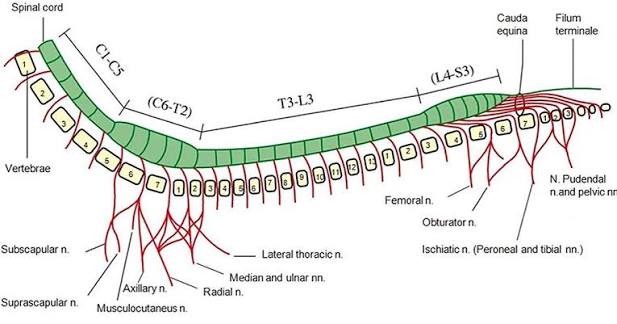
How do cervical spinal nerves C1−7 exit relative to their vertebrae compared to other spinal nerves?
C1−7 spinal nerves exit the intervertebral foramina cranial to the vertebra of the same number; all other nerves (except C8) leave foramina caudal to the vertebra of the same number.
Where does spinal nerve C8 exit?
Cranial to T1, between vertebrae C7 and T1.
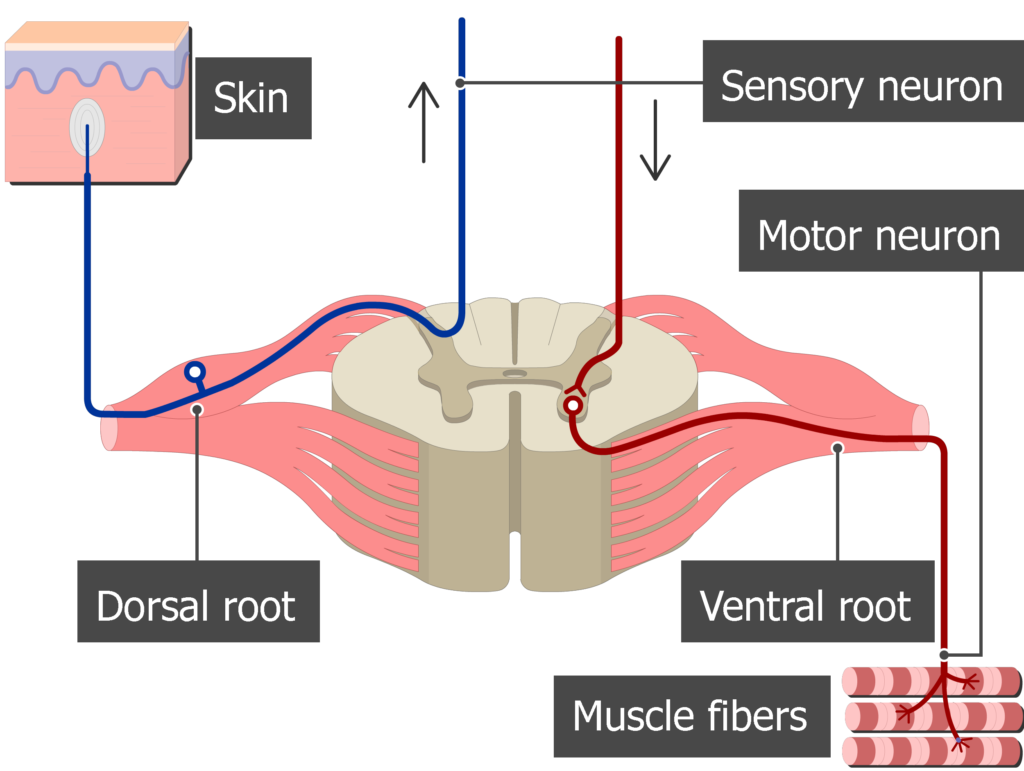
What is the functional distribution of nerves within the spinal cord horns?
Motor tracts are located in the ventral horn (descending/efferent), while sensory tracts are in the dorsal horn (ascending/afferent).
Under what condition does a lesion in the spinal canal cause LMN signs?
When the spinal nerve is affected, as spinal nerves are considered LMN/part of the PNS once they leave the spinal cord.