IV Fluid Therapy Part 2
 View linked note
 Call Kai
 Learn
Learn Practice Test
 Spaced Repetition
 Match
Match Flashcards
 Knowt Play
1/17

Earn XP
Description and Tags
This set of vocabulary flashcards covers indications and contraindications for IV fluid therapy, methods for assessing hydration and blood volume, and indicators of fluid overload in small animal patients.
Name | Mastery | Learn | Test | Matching | Spaced | Call with Kai | Chat |
|---|
No analytics yet
Send a link to your students to track their progress
18 Terms
Shock/hypovolemia
A fluid deficit of the vasculature.
Dehydration
A fluid deficit of the interstitium and intracellular spaces.
Respiratory acid-base disorders
Conditions that do not correct with fluid therapy.
Hydration Assessment Parameters
1- Evaluating mucous membranes
2- testing skin turgor
3- examining eyes
4- assessing pulses and mentation.
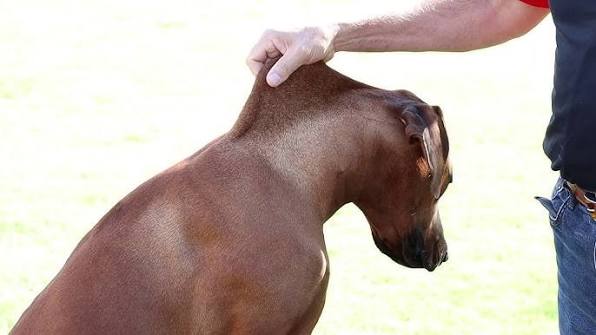
Geriatric/emaciated skin tenting
A prolonged skin tent artifact caused by having less SQ collagen.

Ptyalism
Excessive salivation that may give a false impression of moist oral mucous membranes.
Compensatory shock
The early stage of shock where the heart rate increases.
Decompensatory shock
The late stage of shock where the heart rate decreases.
Feline shock clinical progression
Cats typically skip the compensatory stage of shock.
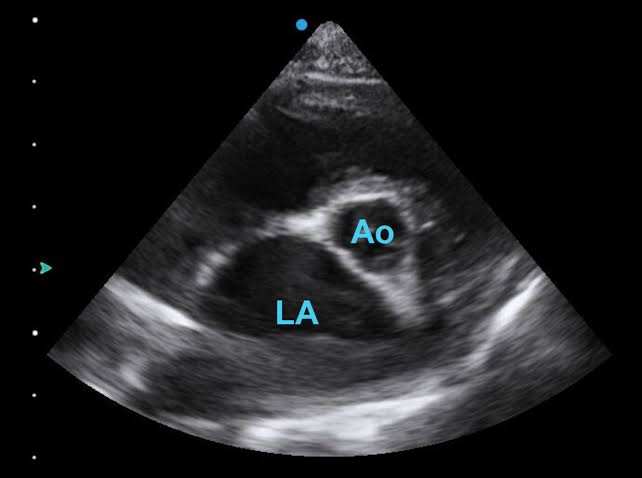
LA:Ao ratio
The ratio of the left atrial size compared to the aorta, which is normally 1−1.5.
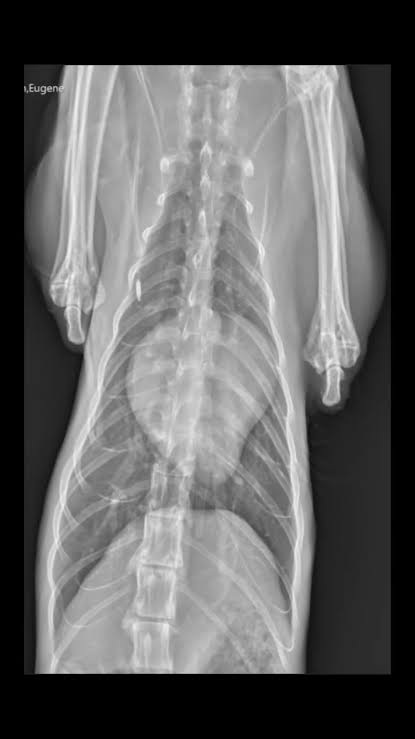
Valentine heart
The classic thoracic radiographic appearance of a cat with hypertrophic cardiomyopathy, noting bi-atrial enlargement.

Indicators of fluid overload
1- New effusion
2- new or progressive pulmonary or peripheral edema
3- chemosis
4- sometimes nasal discharge.
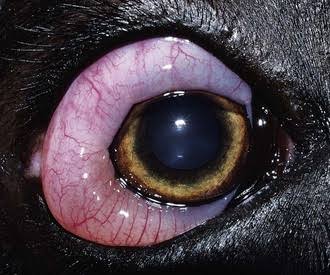
Chemosis
Swelling or edema of the conjunctiva, used as an indicator of fluid overload.
Oligoanuric patients
Patients at high risk for fluid overload due to low or absent urine production.
Confounders for mucous membrane assessment
Using vulvar or preputial mm when ptyalism makes oral mm appear falsely moist.
Initial fluid administration for shock
Fluids should be administered rapidly to patients in shock.
Initial fluid administration for dehydration
Fluids may be administered more slowly compared to shock patients.
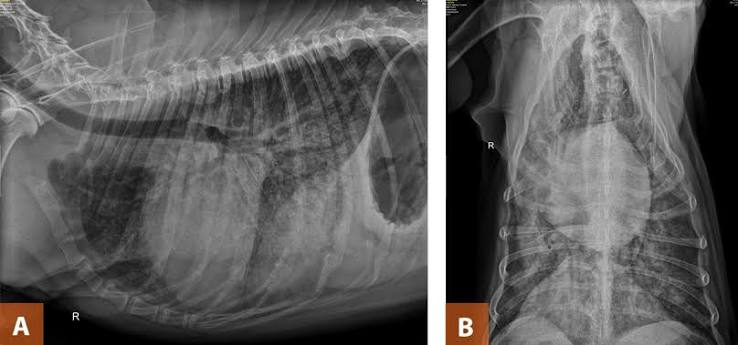
Contraindications for IV fluids
1- Active or history of most types of congestive heart failure (CHF)
2- fluid-overloaded patients or patients maintaining their own hydration.