quizlet.com/766201789/south-east-southeast-asia-india-flash-cards/
 Call Kai
 Learn
Learn Practice Test
 Spaced Repetition
 Match
Match Flashcards
 Knowt Play
1/41

There's no tags or description
Looks like no tags are added yet.
Name | Mastery | Learn | Test | Matching | Spaced | Call with Kai | Chat |
|---|
No analytics yet
Send a link to your students to track their progress
42 Terms
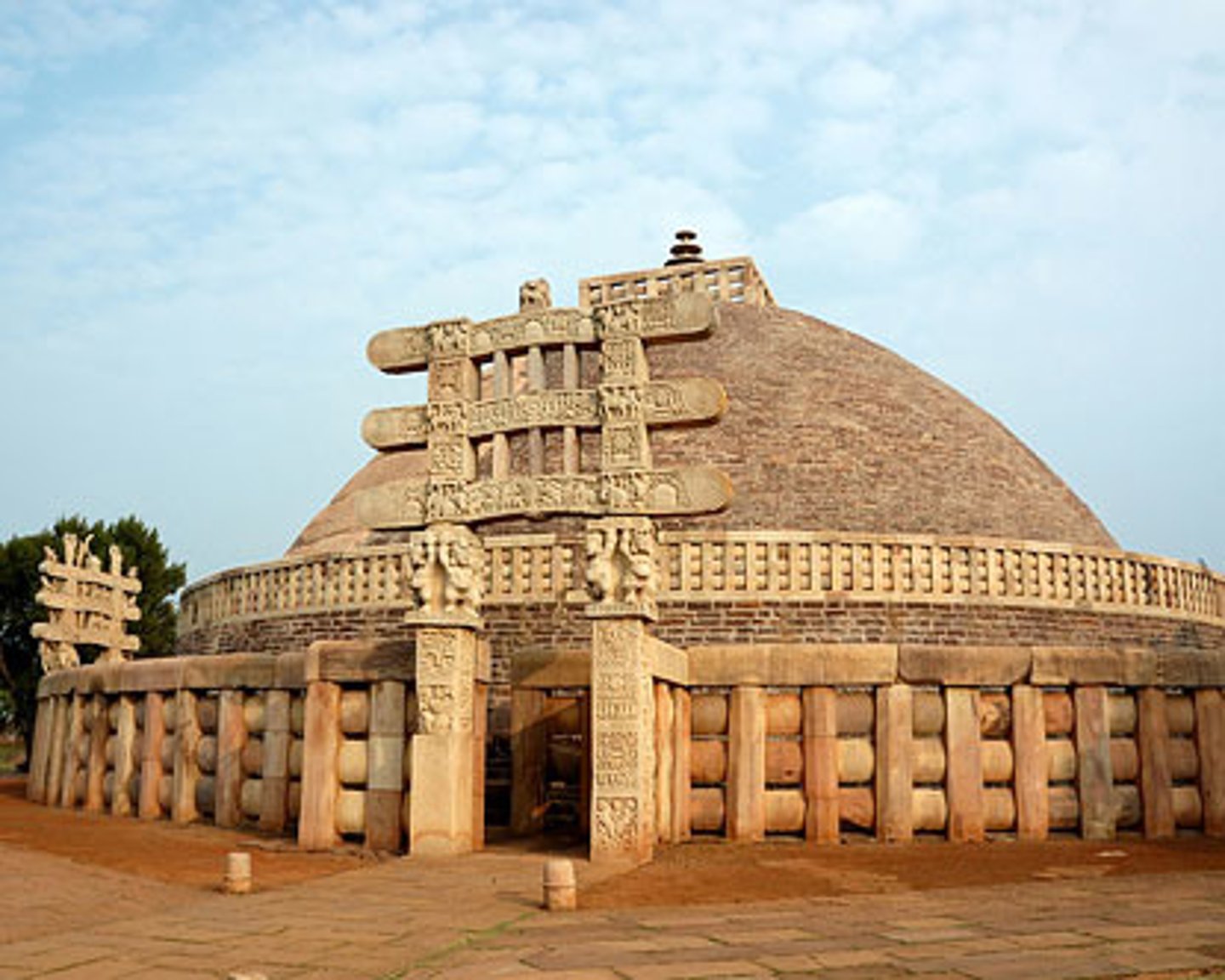
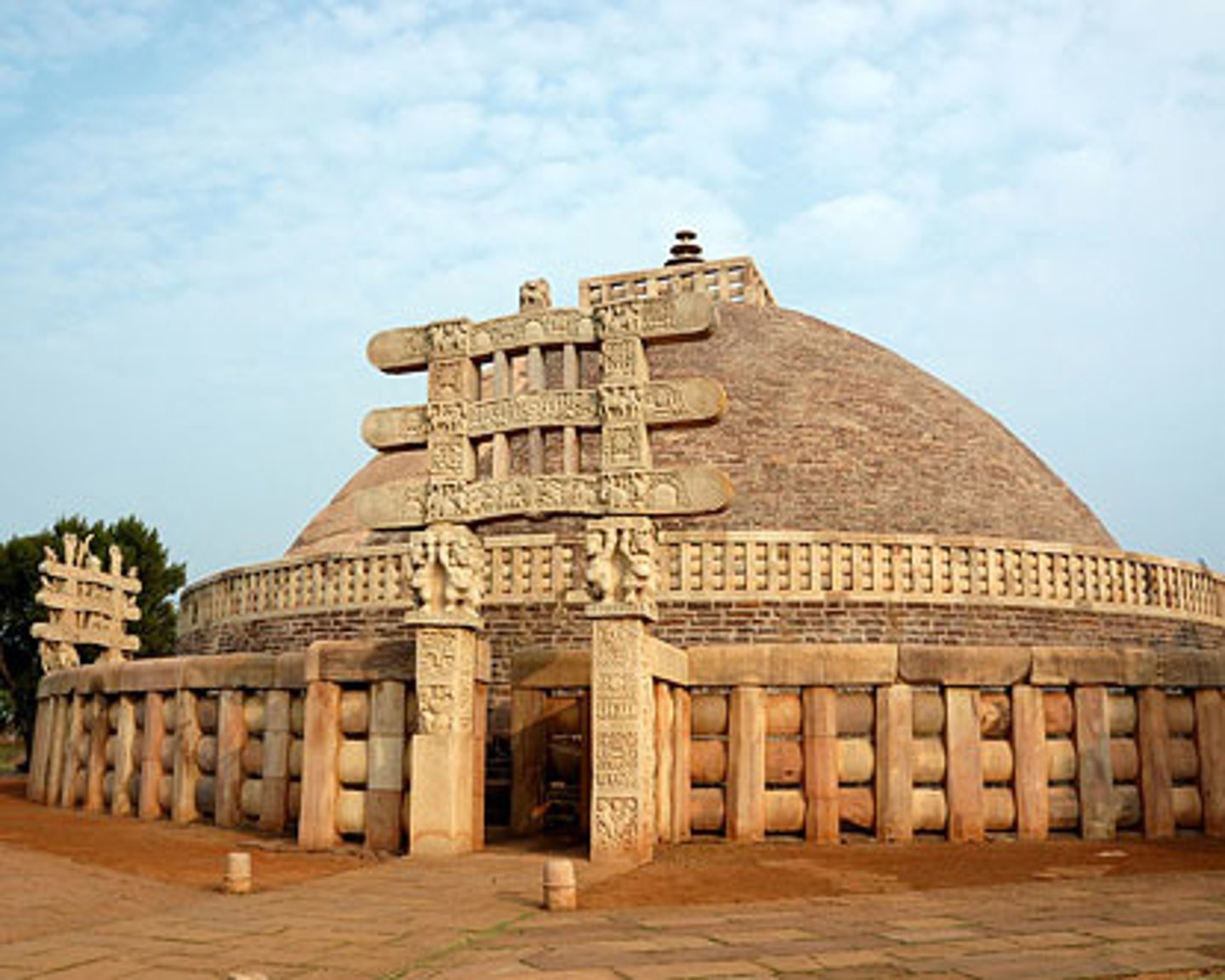
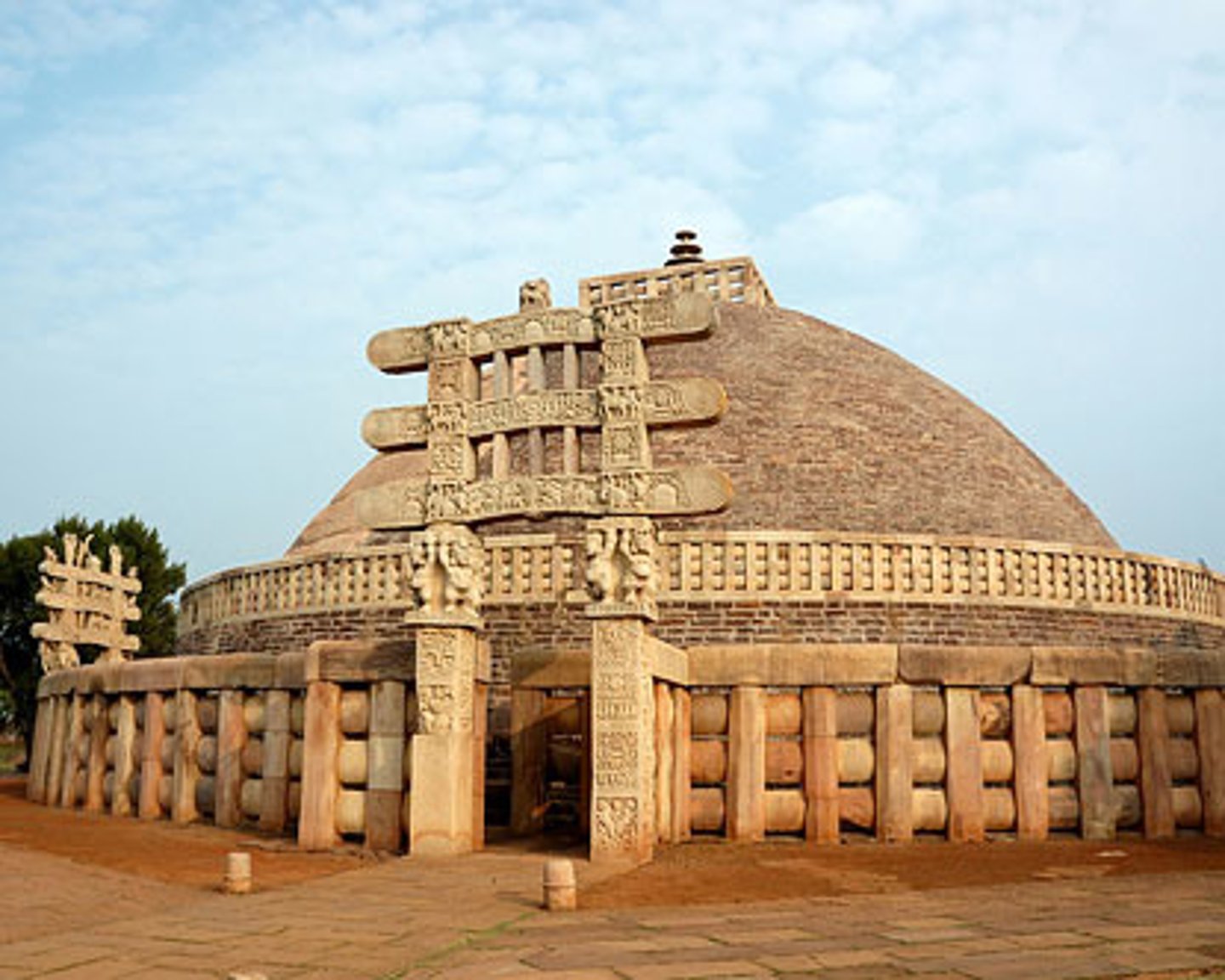
Stupa
Buddhist shrine that is shaped like a dome or mound
Karma
(Hinduism and Buddhism) the effects of a person's actions that determine his destiny in his next incarnation
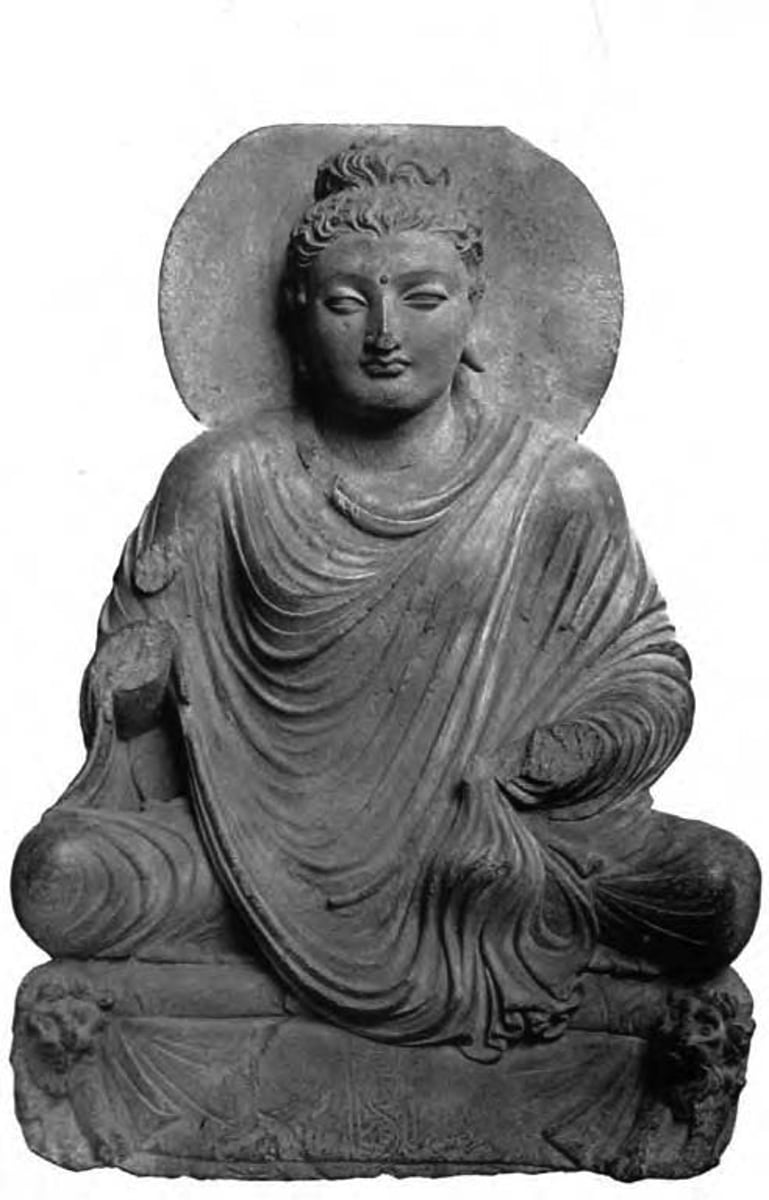
Four Noble Truths of Buddhism
1. Everyone suffers.
2. The cause of suffering is desire (greed)
3. To end suffering you must end desire (greed)
4. Follow the eightfold path
Dharma (Buddhism)
the teachings of the Buddha
Samsara (Buddhism)
cyclic existence; the continual round of birth, death, and rebirth
Sutras
Buddhist sacred writings
Torana
gateway in the stone fence around a stupa, located at the cardinal points of the compass

Yasti
In Buddhist architecture, the mast or pole that arises from the dome of the stupa and its harmika and symbolizes the axis of the universe; it is adorned with a series of chatras (stone disks).
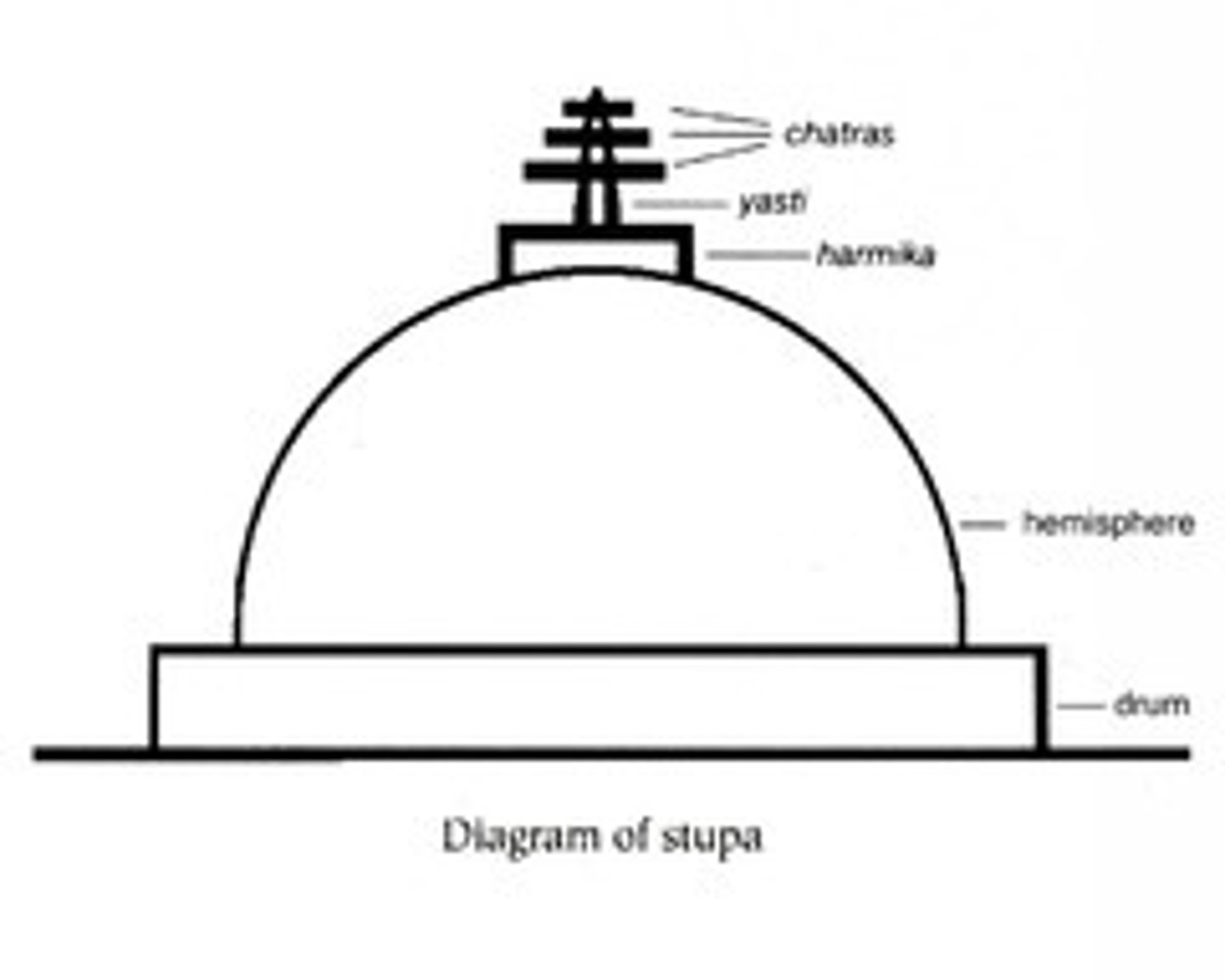
Harmika
a small platform with a railing located at the very top of a stupa
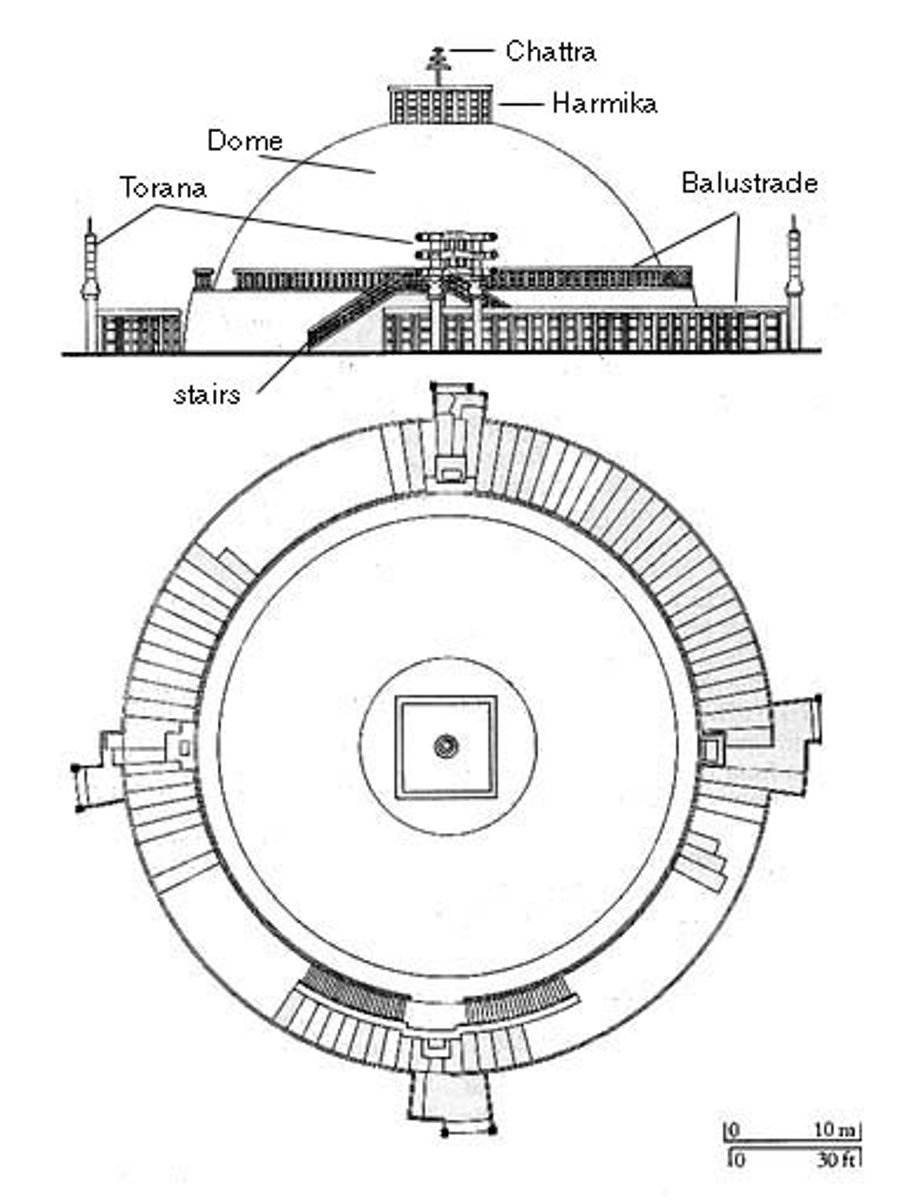
chattras
parasol forms on the top of stupas, symbolizing the three heavens, the Three Jewels, and the rule of the Buddha over the cosmos
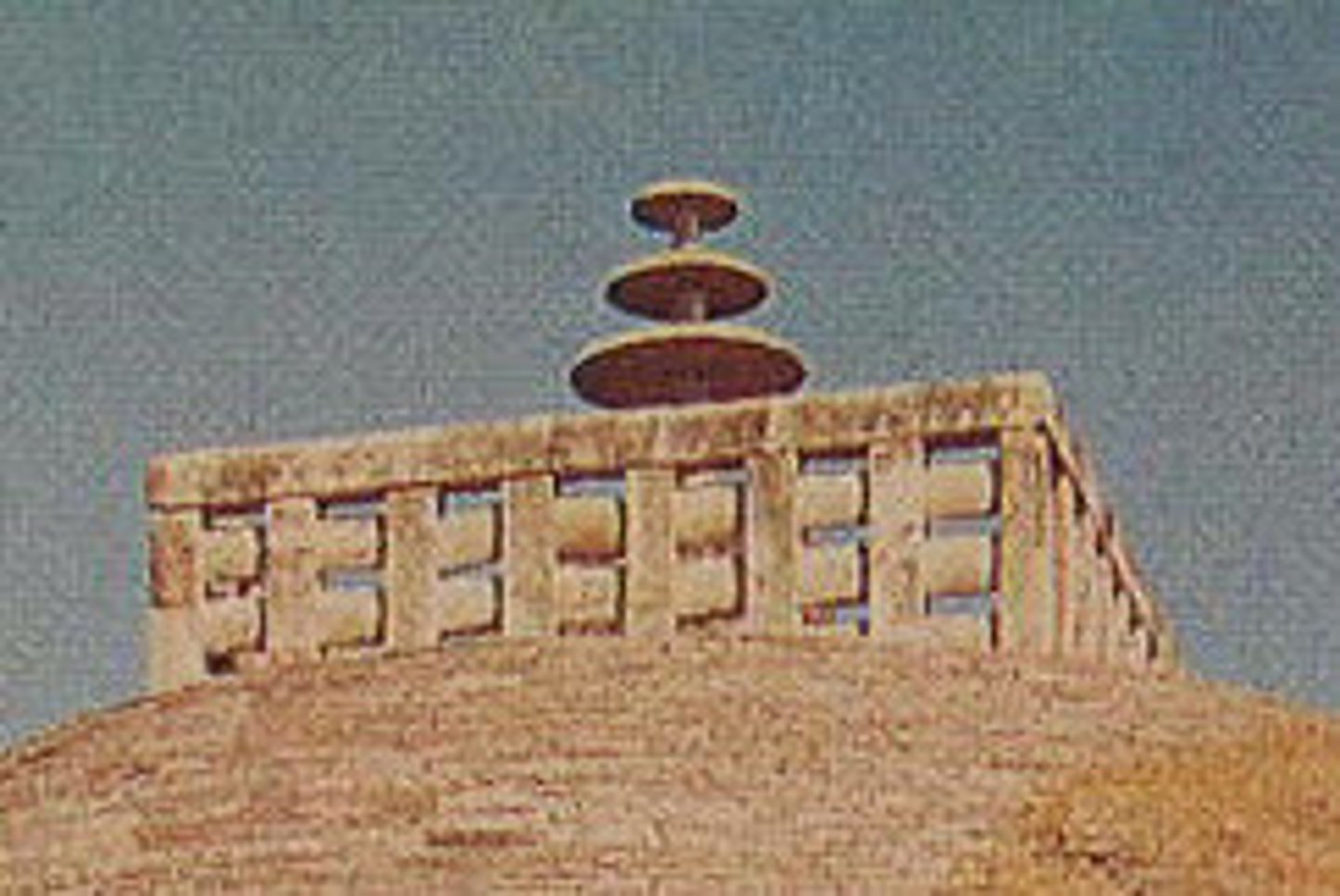
Mt. Meru
mountain sacred to both Hindu and Buddhist cosmologies that lies at the center of the physical, metaphysical, and spiritual universes
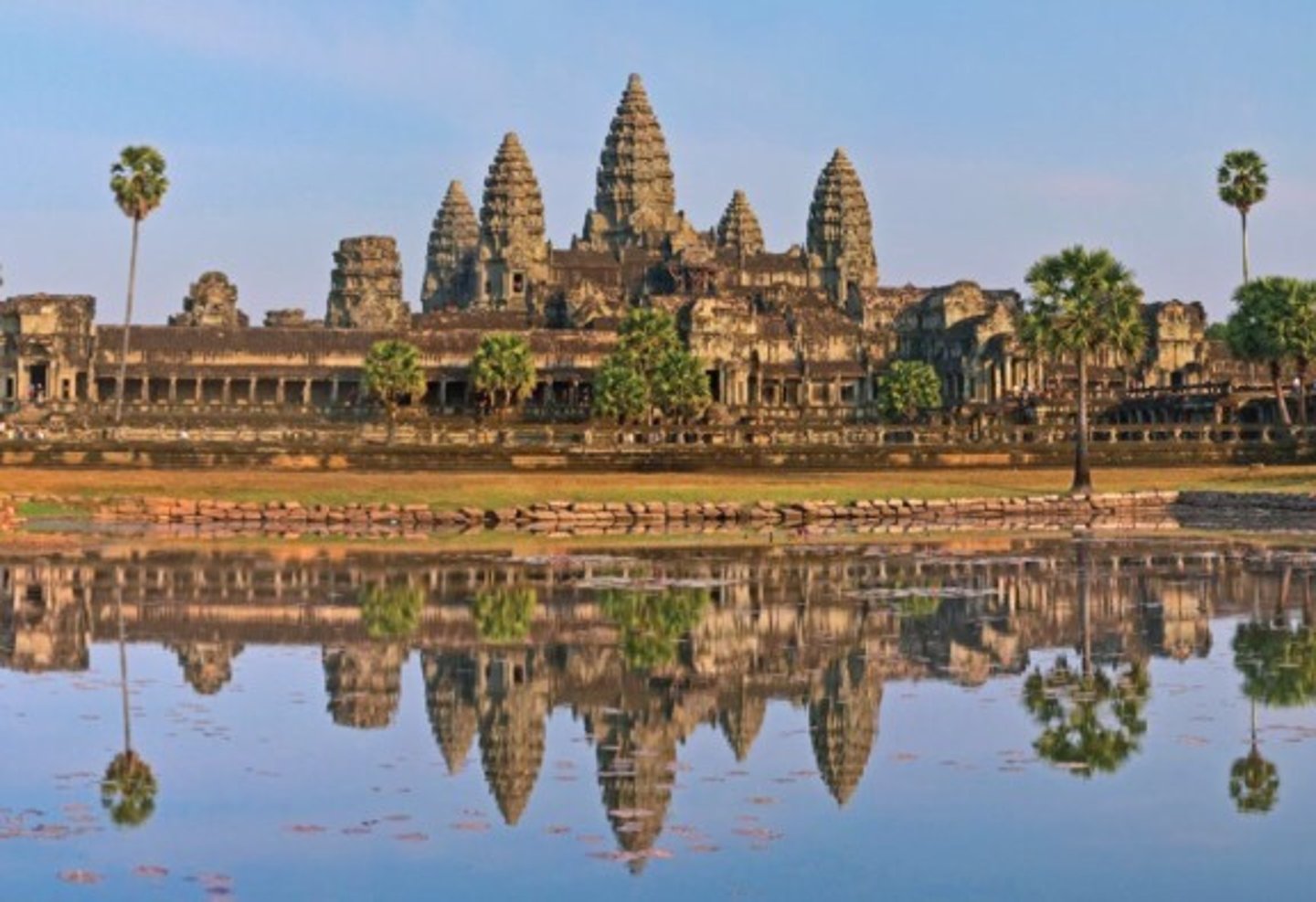
circumambulate
to walk around
King Ashoka
The King who sent out missionaries to expand Buddhism.
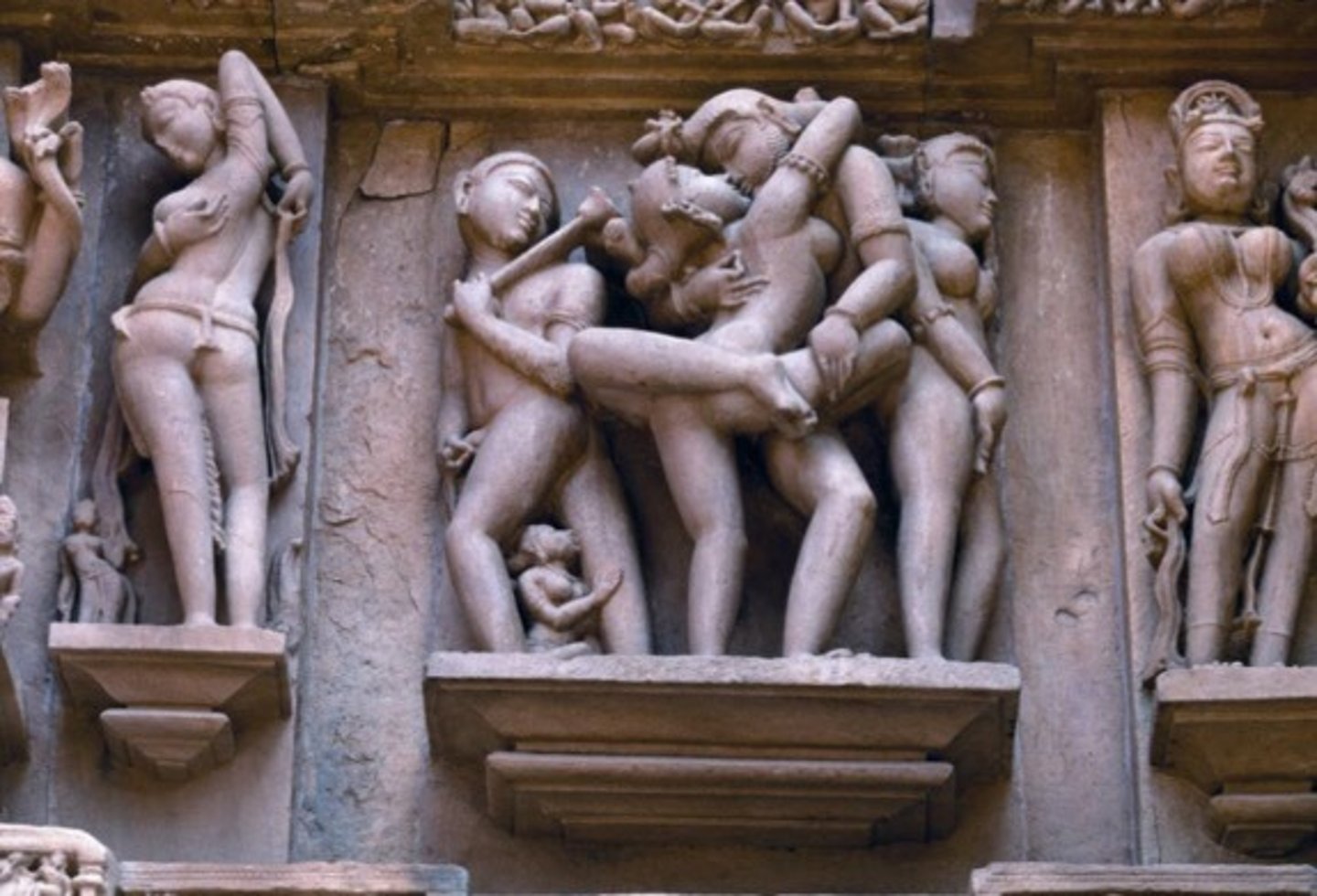
Mithuna
in South Asian art, a male-female couple embracing or engaged in sexual intercourse
Moksha
The Hindu concept of the spirit's 'liberation' from the endless cycle of rebirths.
garba griha (inner womb chamber)
the sacred room of a Hindu temple, where rituals are performed and the image of the god is kept
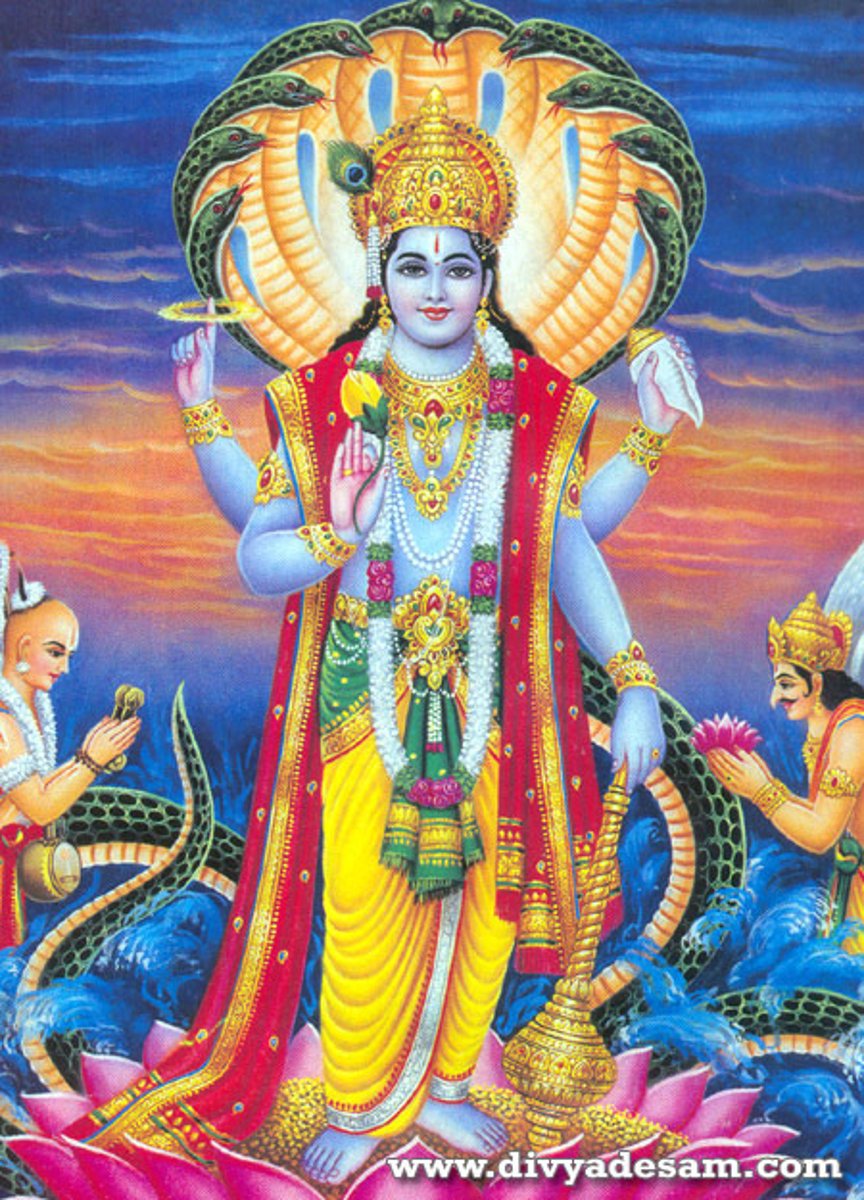
Vishnu
A Hindu god considered the preserver of the world
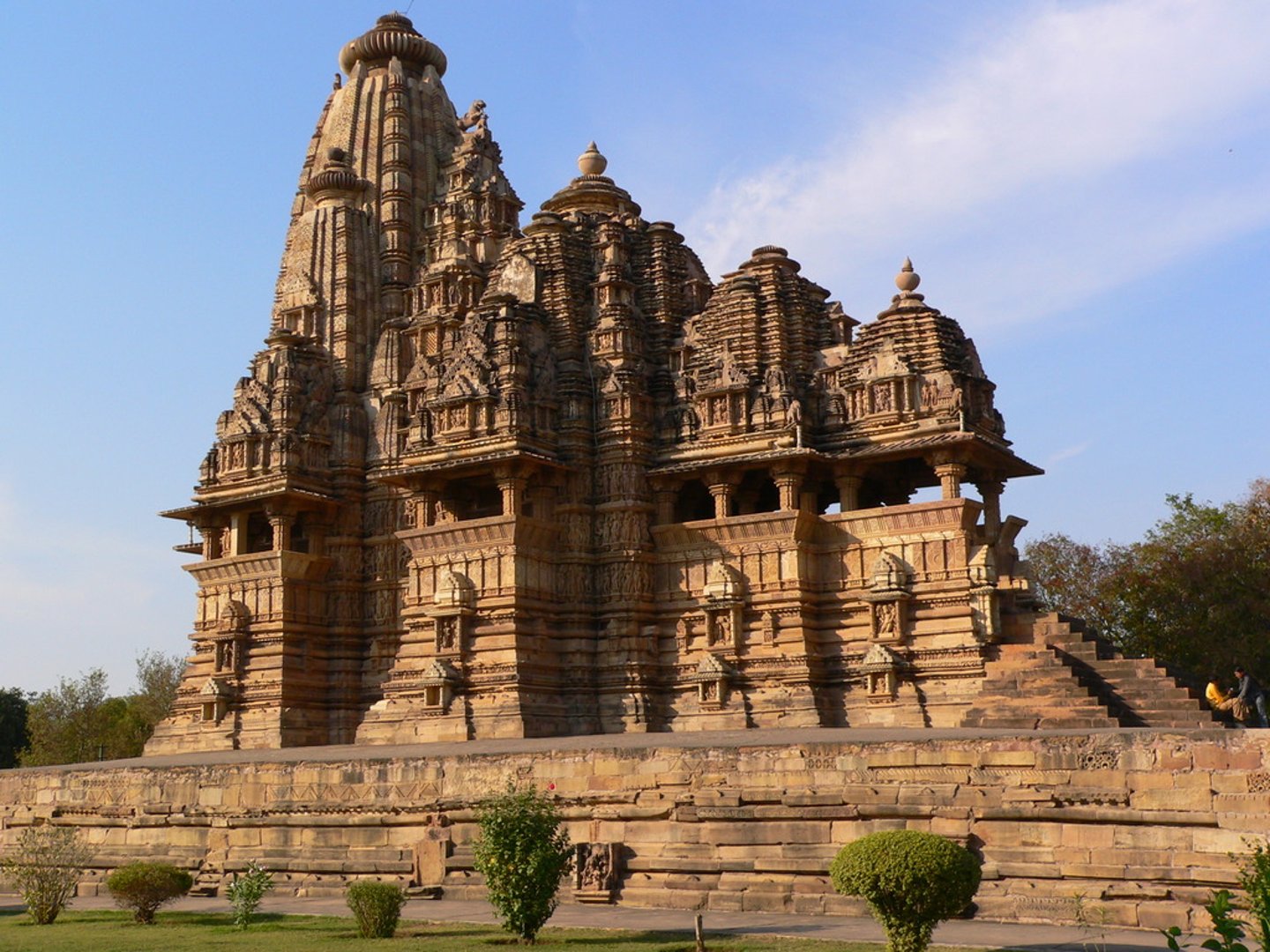
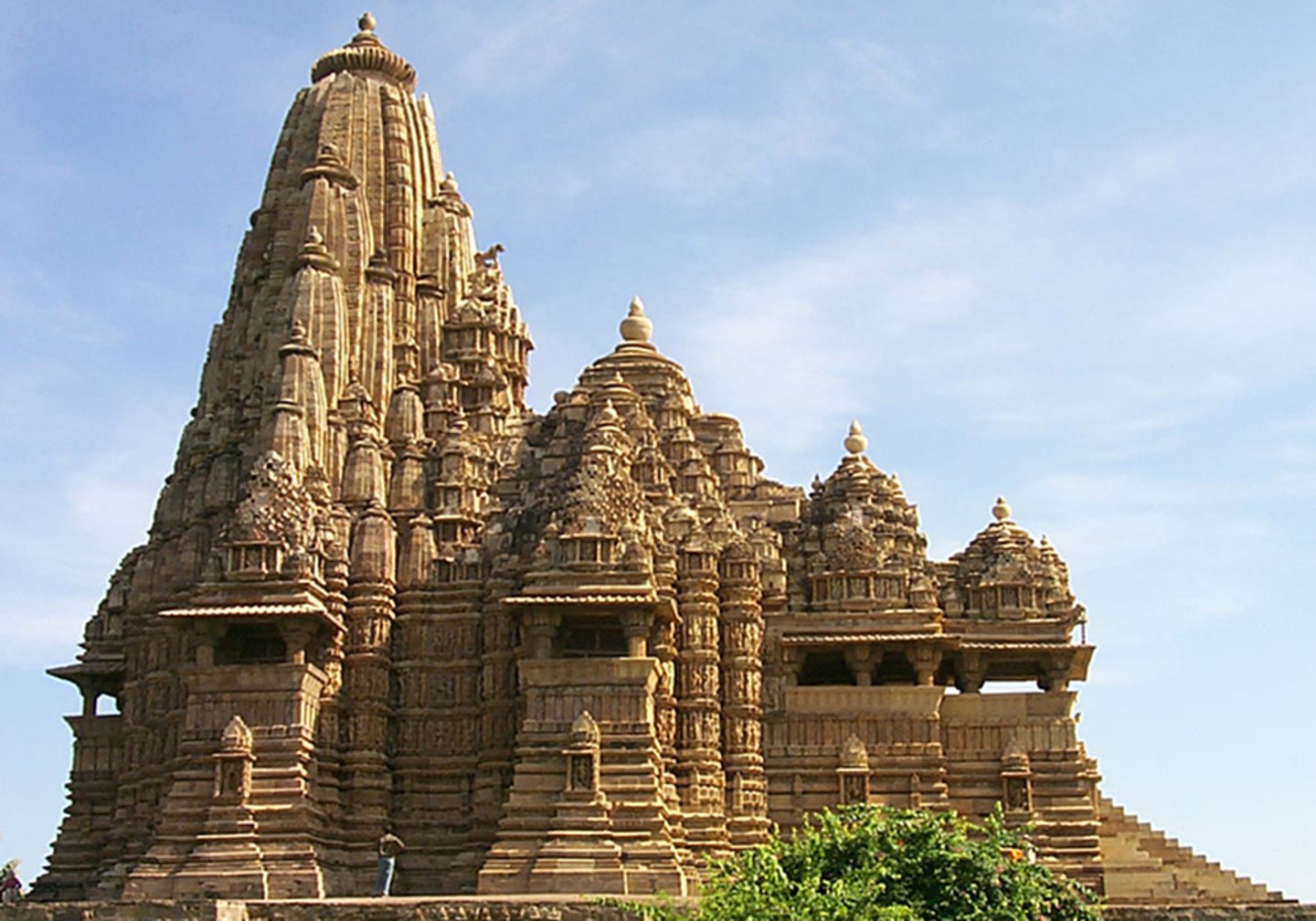
Nagara style
the North Indian style of temple architecture, beehive like, with a spire
Vimana
a pyramidal tower over the inner sanctum of a Hindu temple of the southern style.
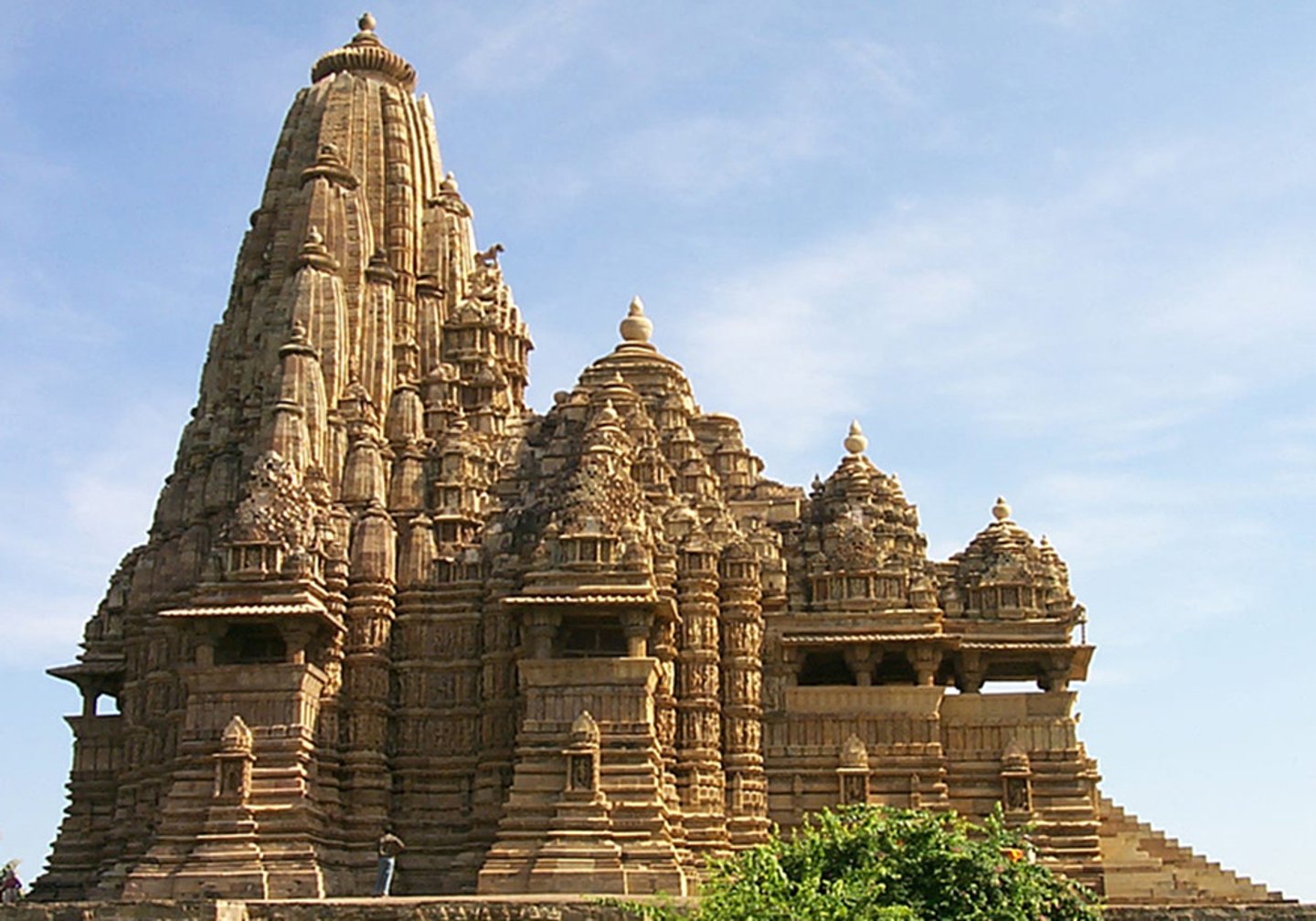
Mandapa
In Hindu temples, a pillared porch or hall connected to a sanctum by a vestibule

Sikhara
(North Indian Hindu temples) a mountain-like temple tower or superstructure

plinth
an architectural support or base (as for a column or statue)
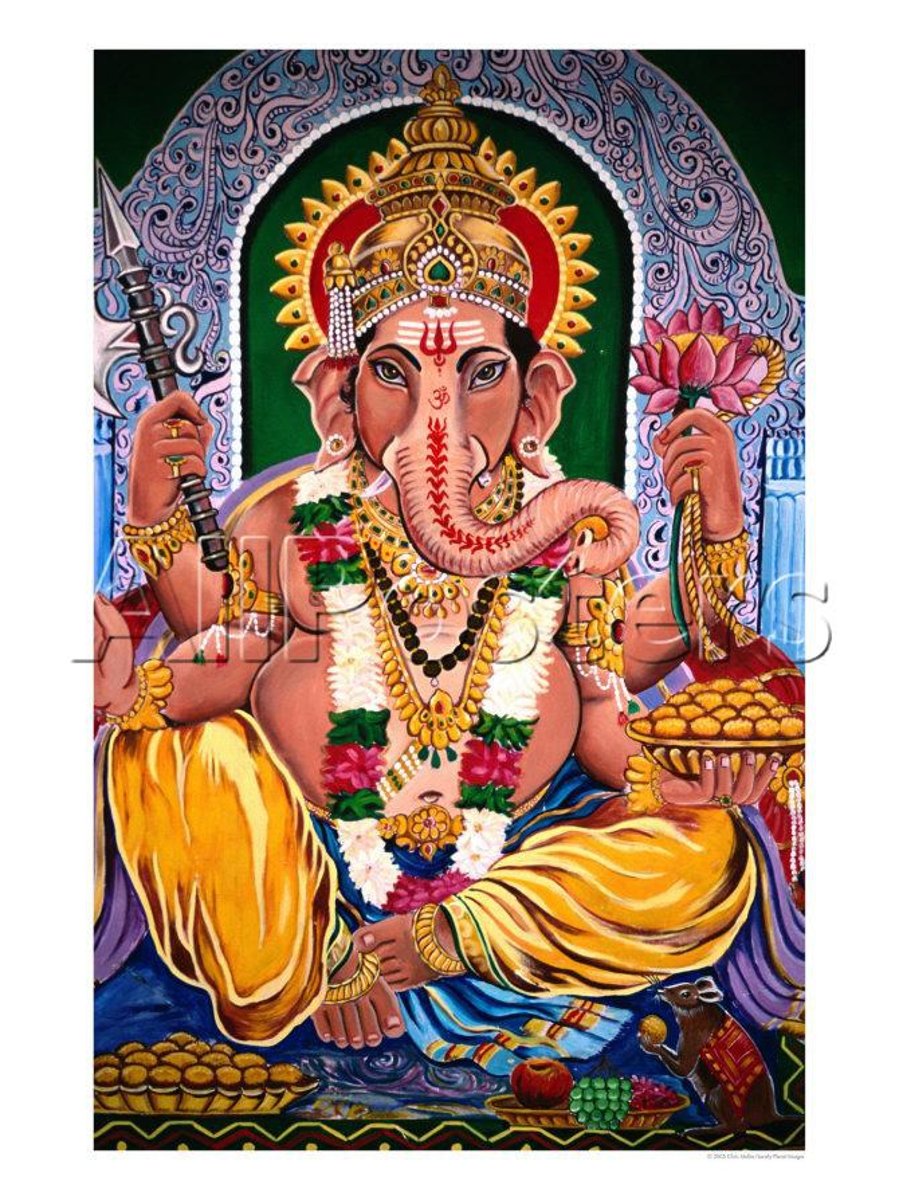
Ganesha (Hinduism)
Elephant headed god who is the remover of obstacles
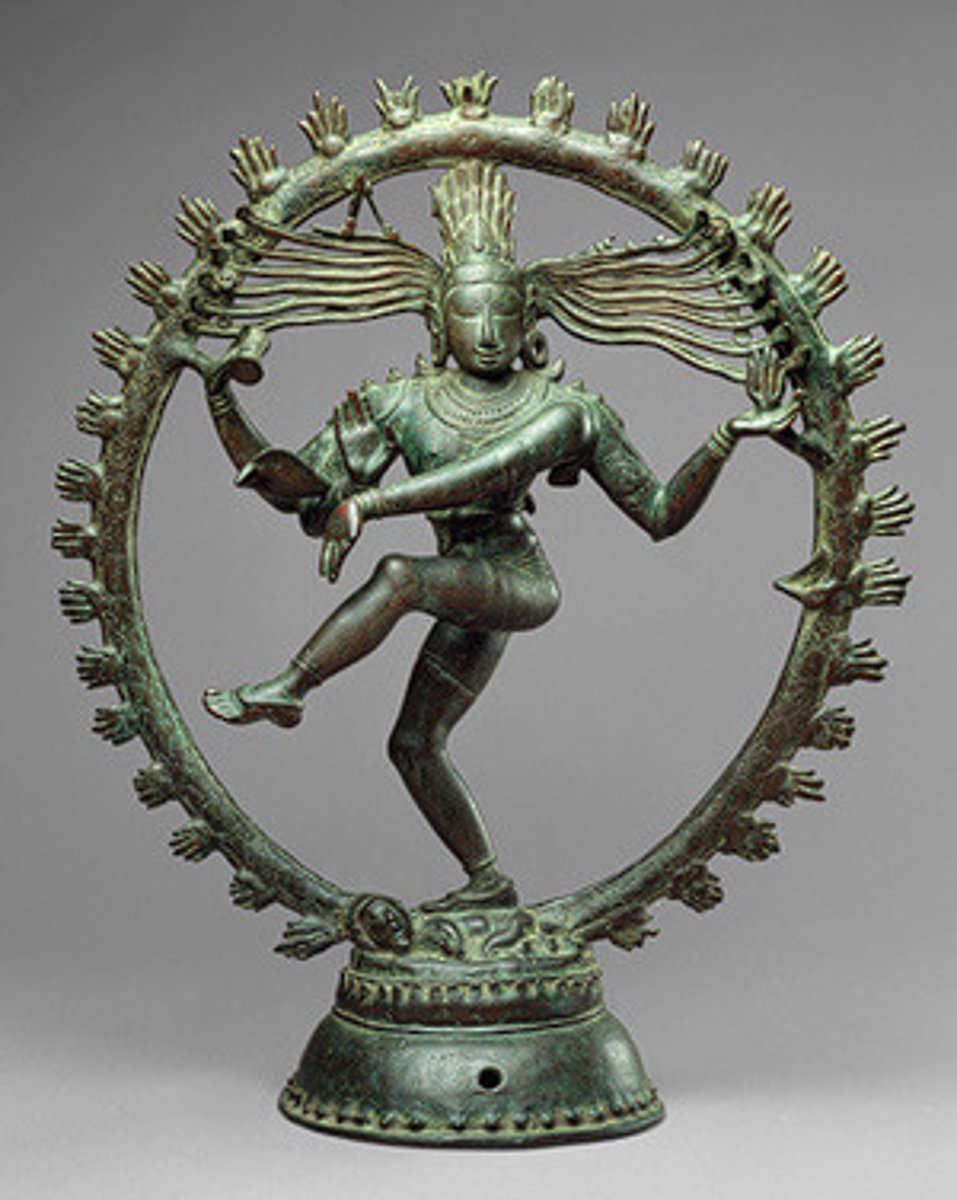
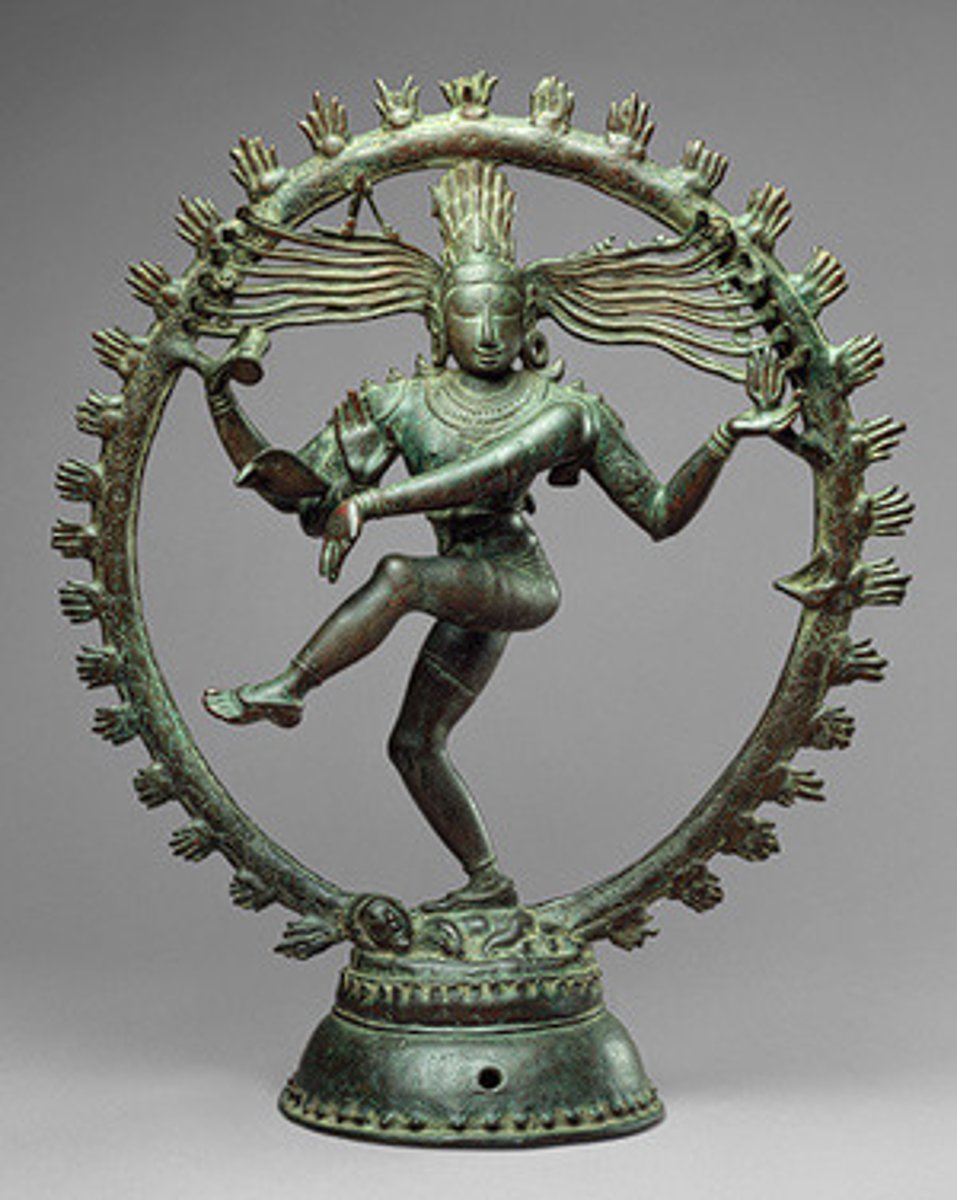
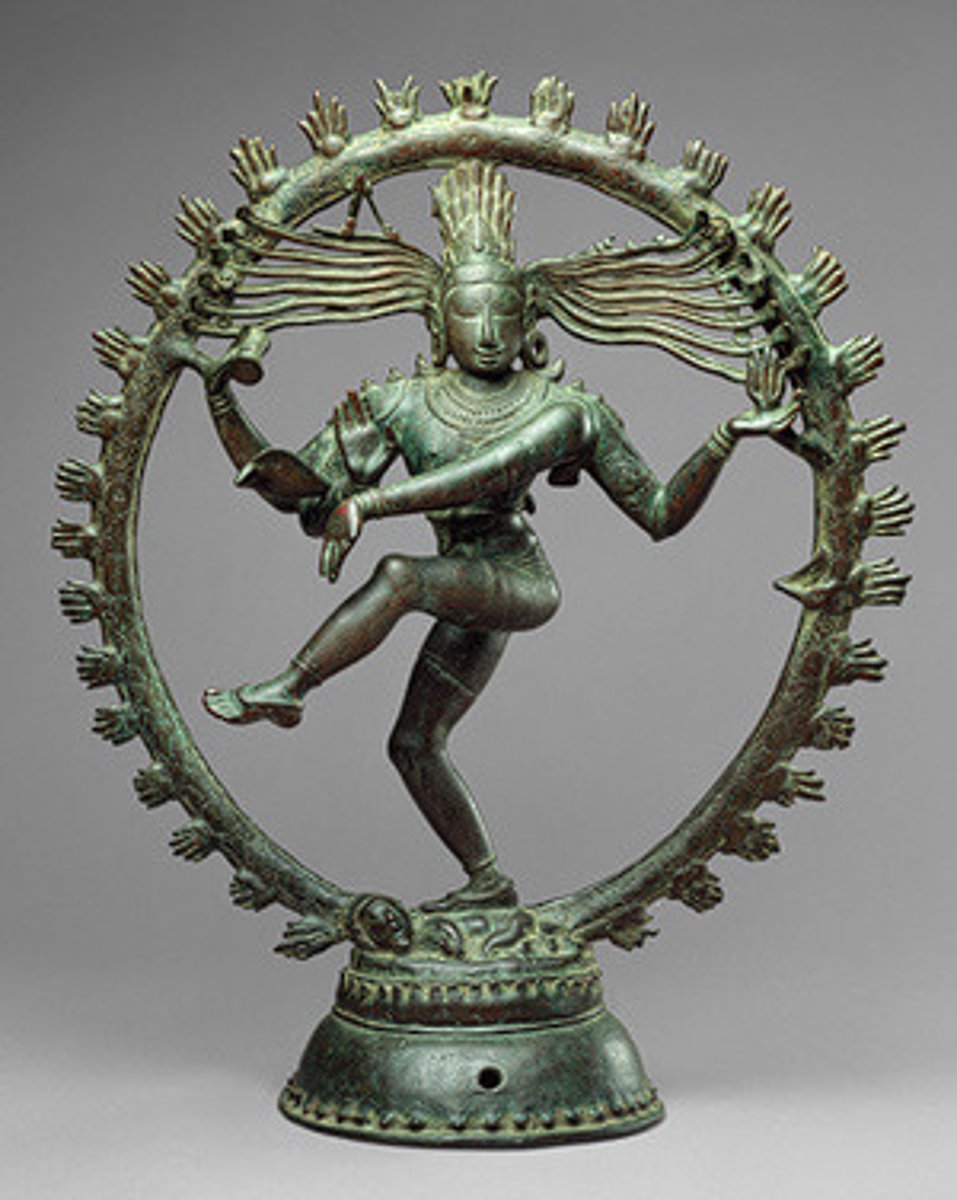
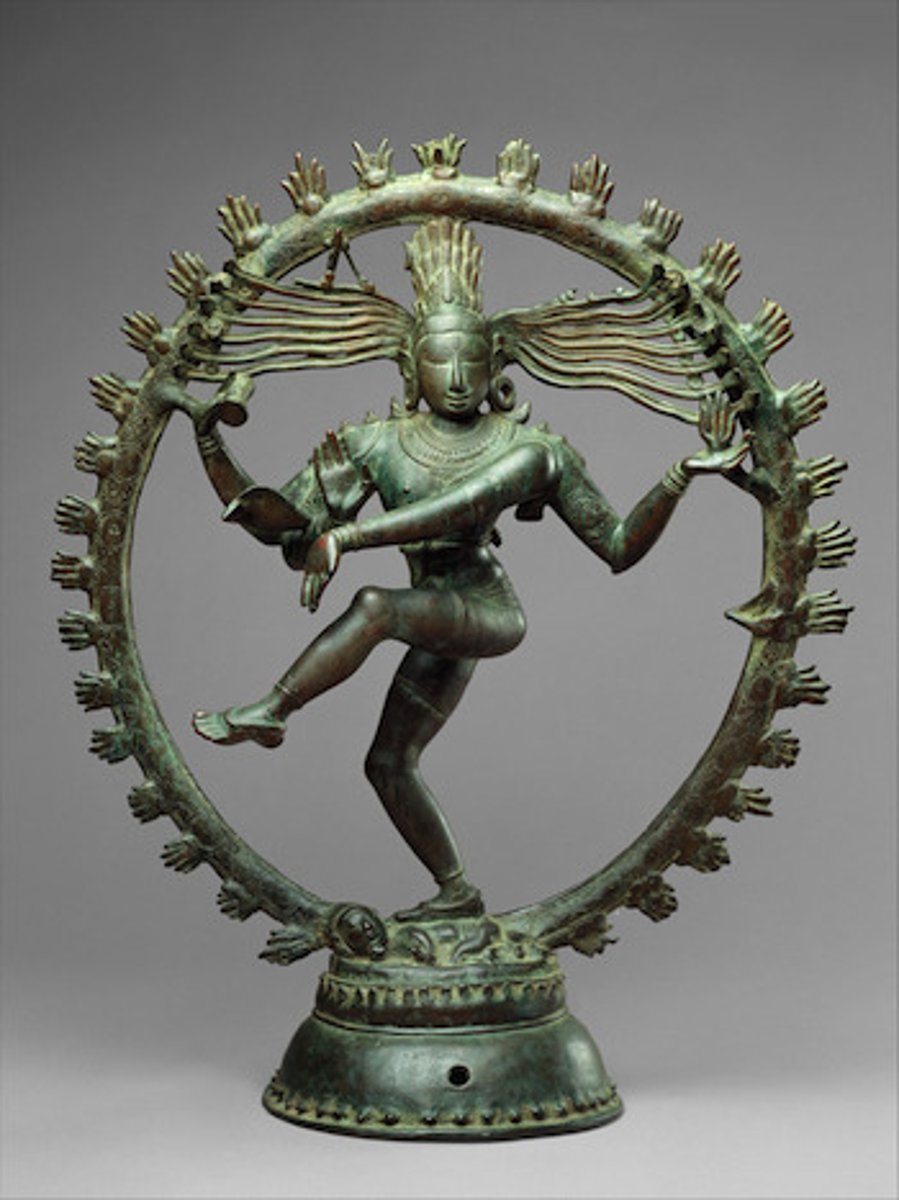
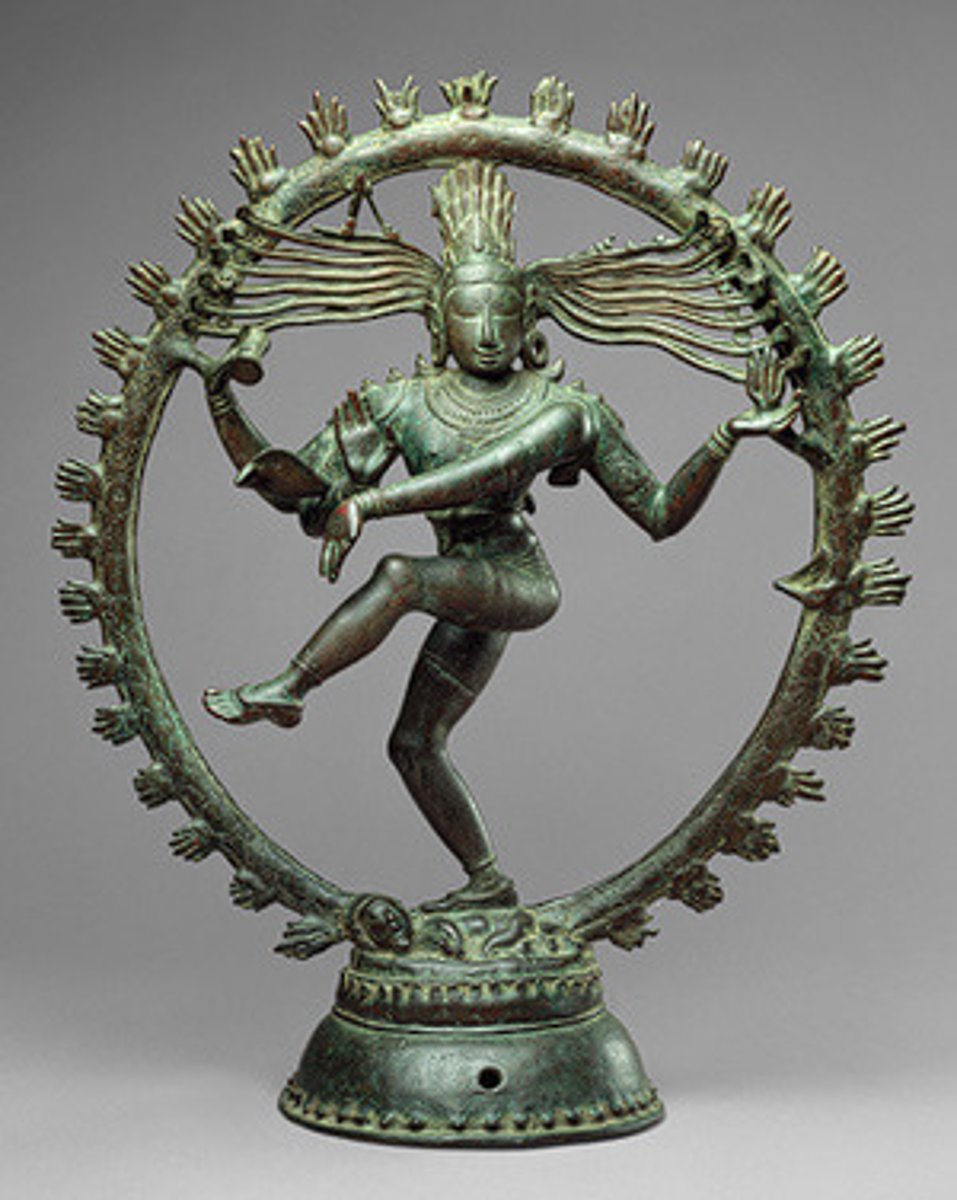
Nataraja
"Lord of the Dance"; an incarnation of Shiva who will appear at the end of the present age to destroy ignorance through dancing.
Shiva
A Hindu god considered the destroyer of the world.
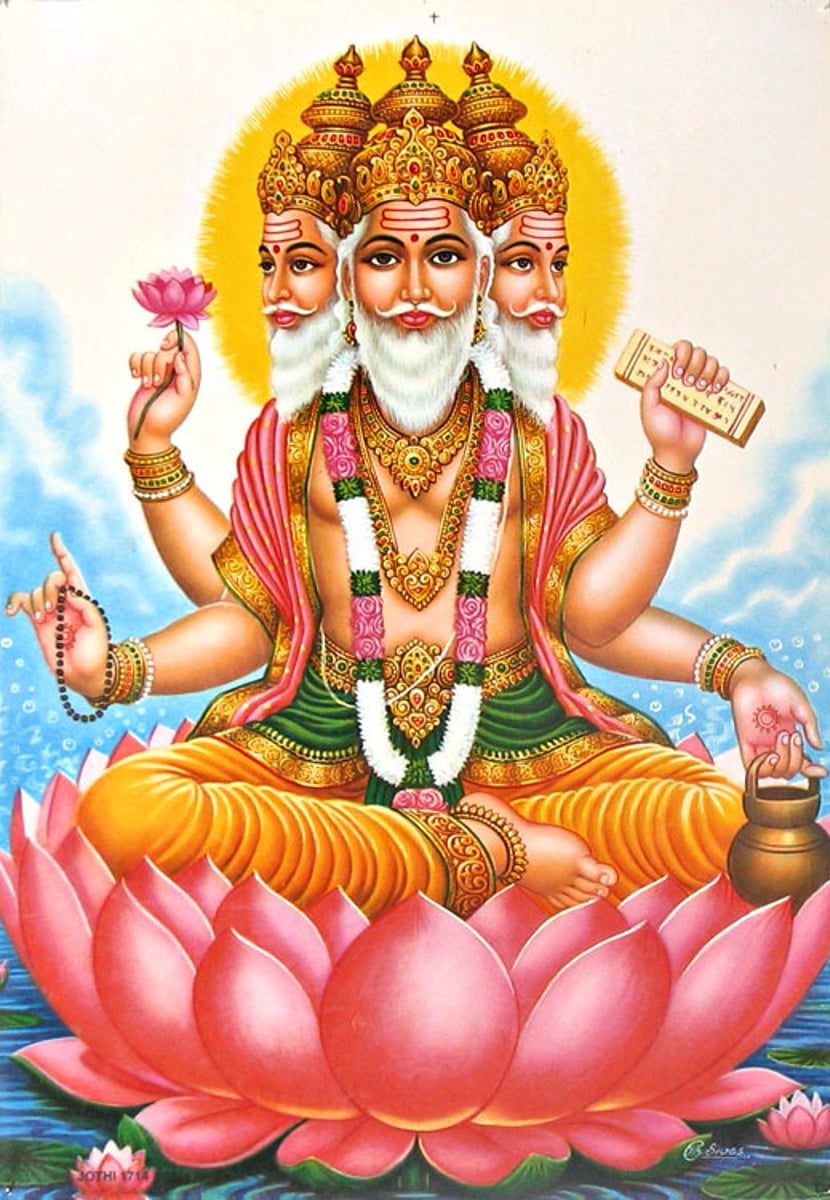
Brahma
A Hindu god considered the creator of the world.
damaru
A two-sided drum thought to generate spiritual energy.
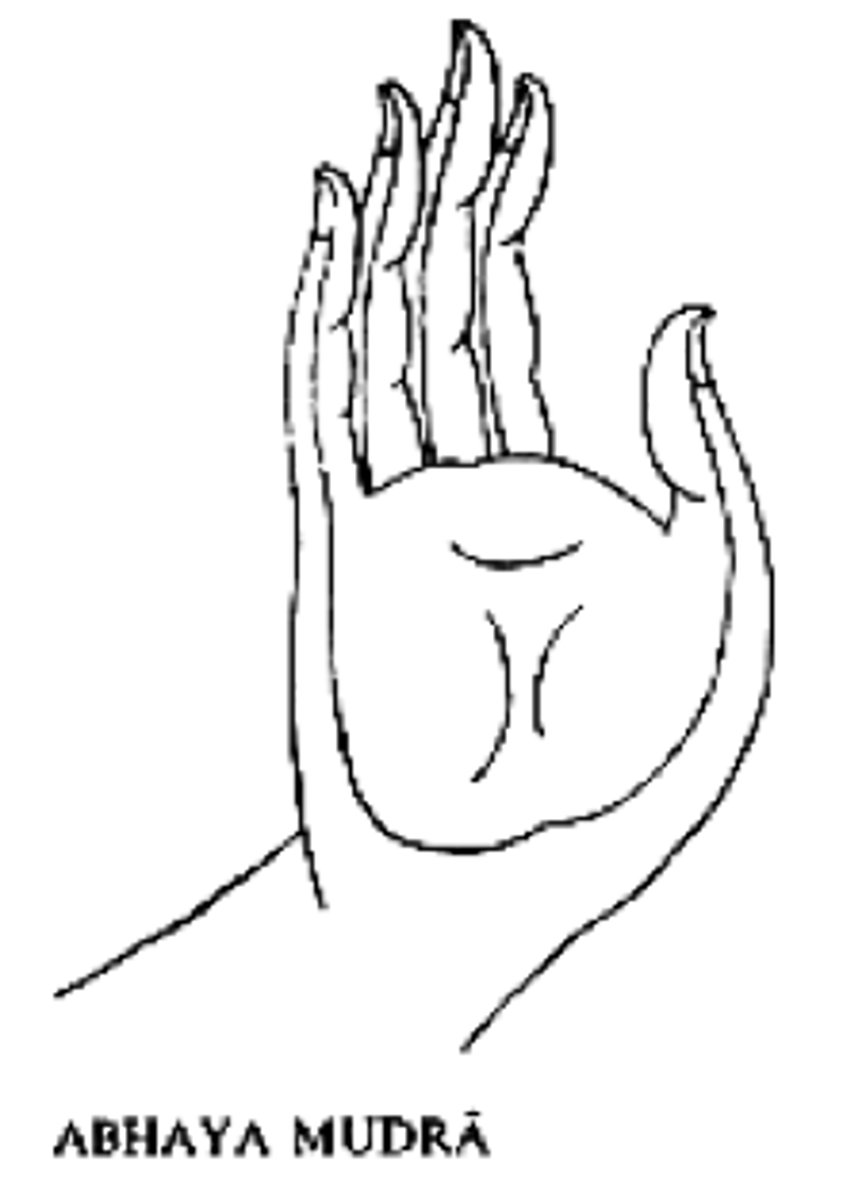
abhaya mudra
"fear not," gesture often made as a sign of reassurance and/or protection
Agni
flame of destruction that annihilates all
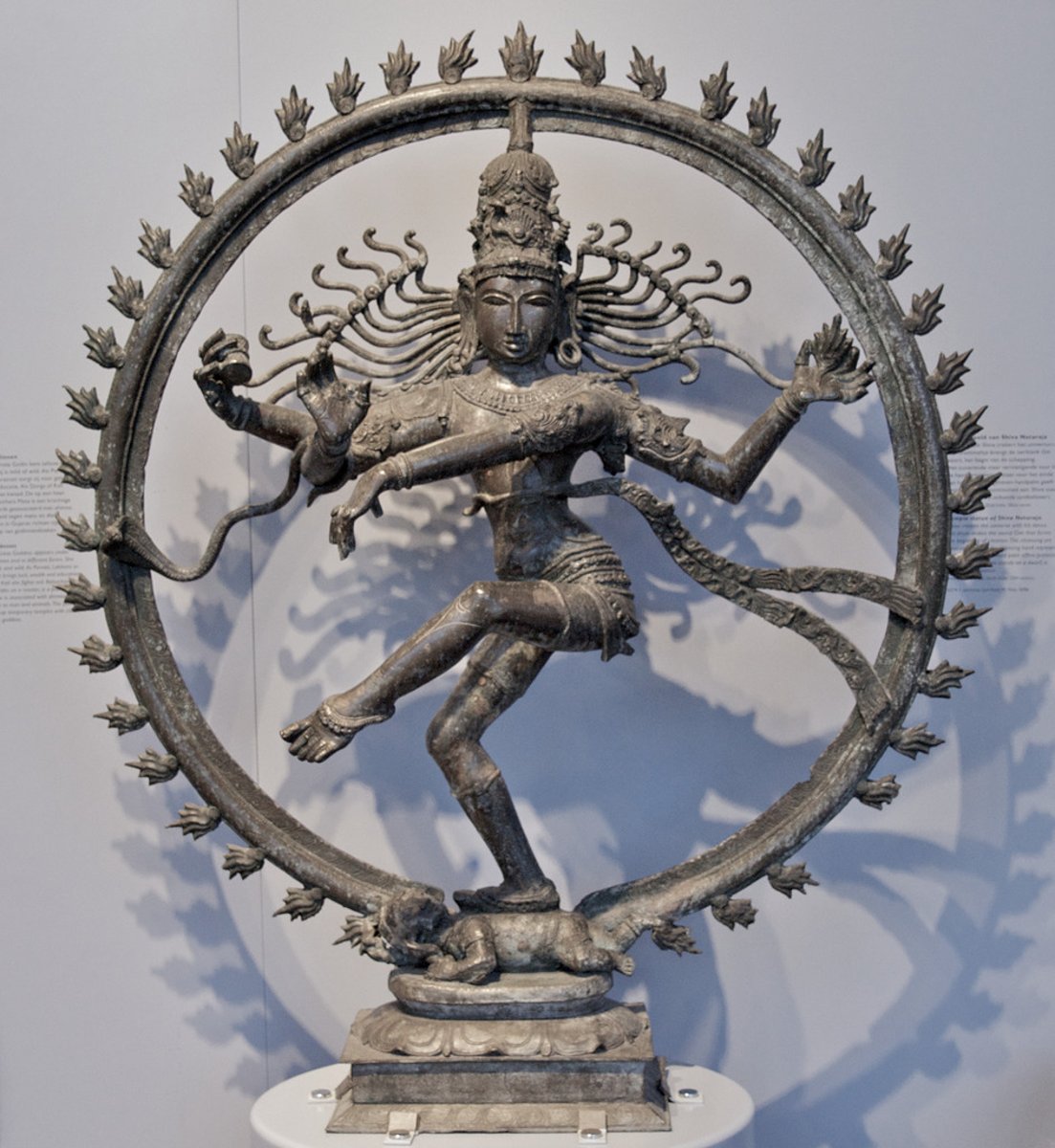
Apasmara
dwarf of ignorance
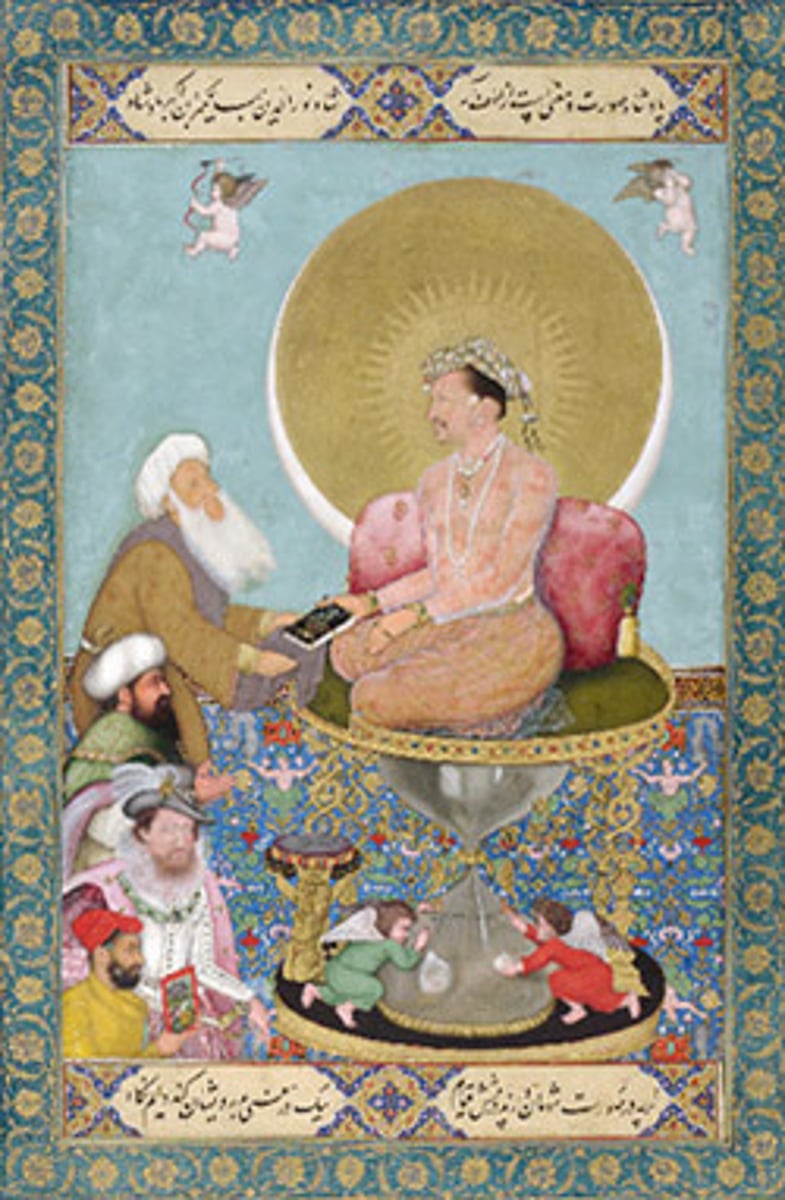
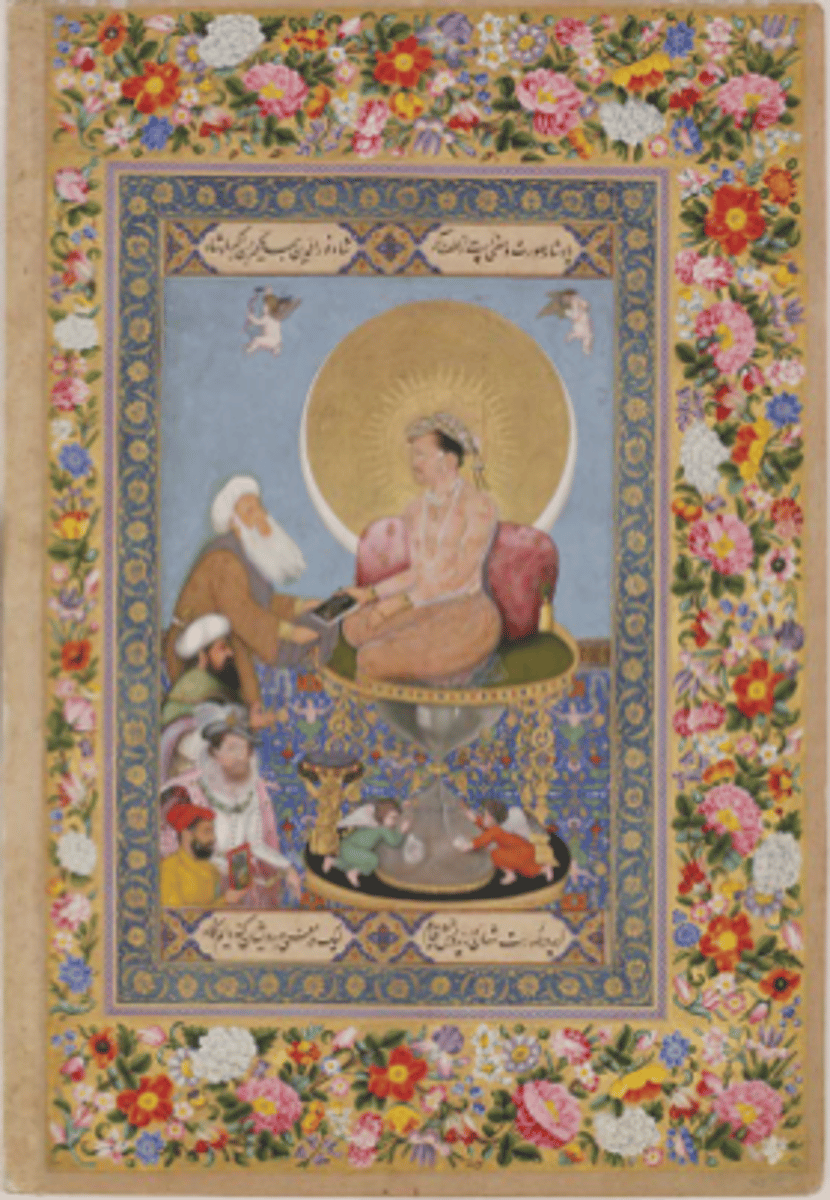
Shaikh
spiritual master or leader
Sufi
The branch of Islam that believes in a more mystical connection with Allah.
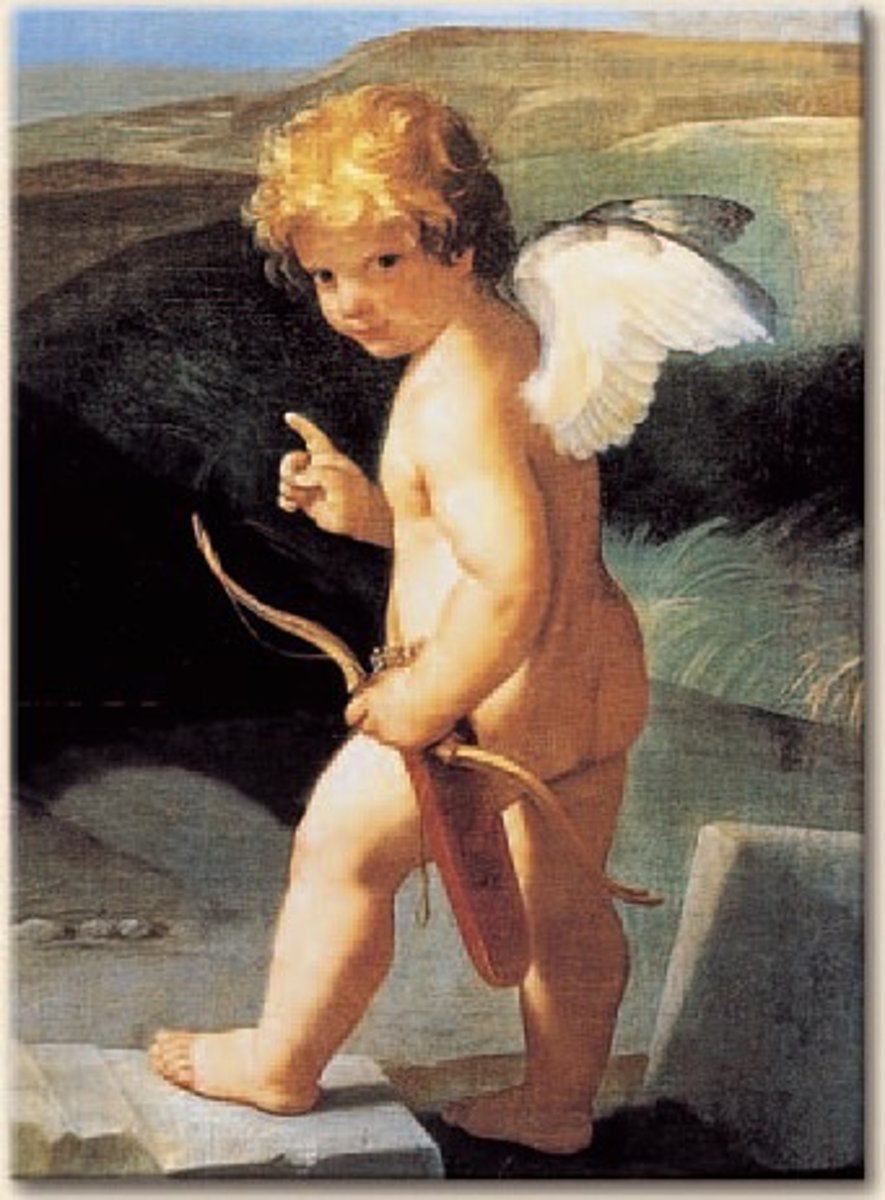
Putti
A plump, naked little boy, often winged.
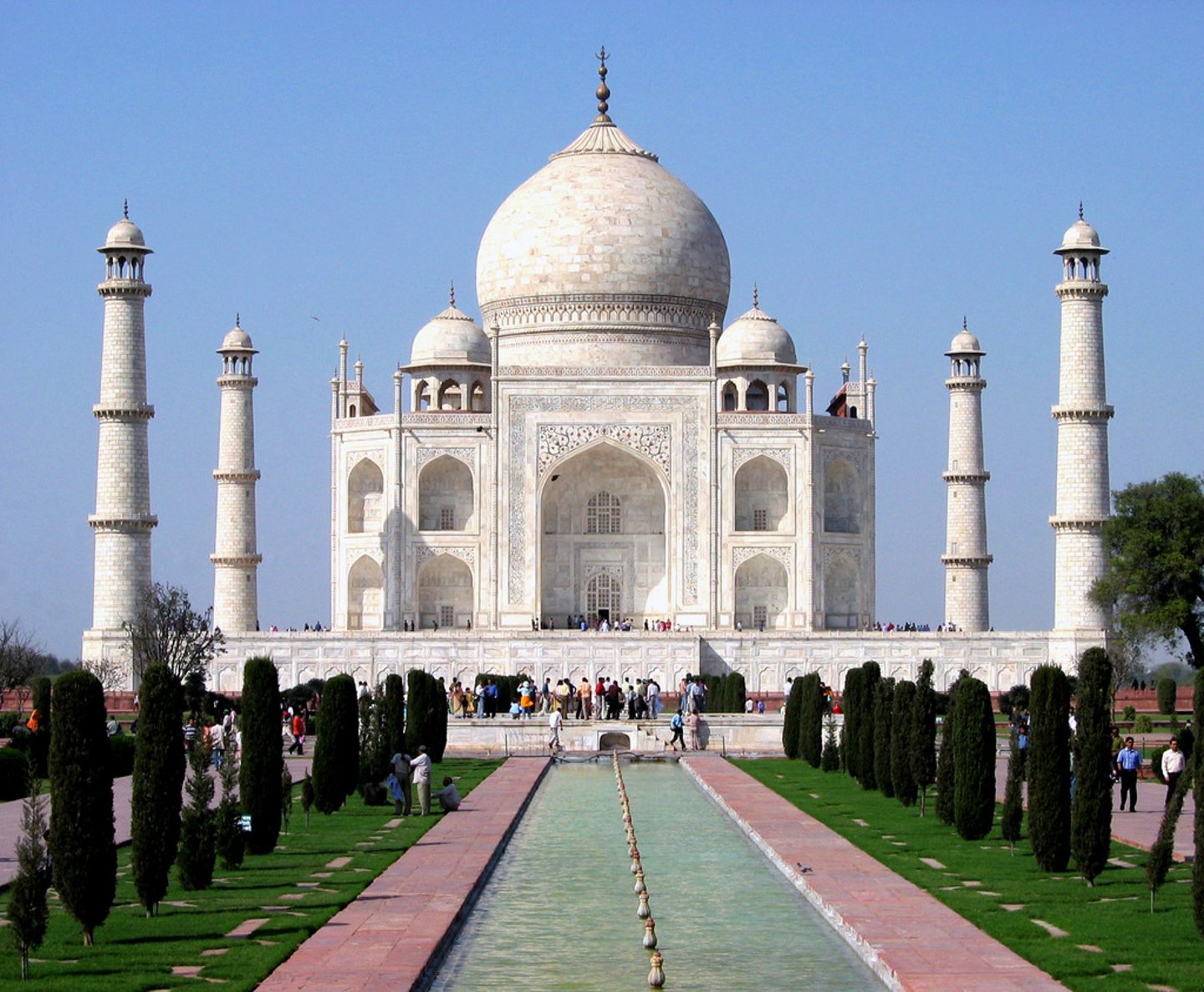
Shah Jahan
Mogul emperor of India during whose reign the finest monuments of Mogul architecture were built (including the Taj Mahal at Agra) (1592-1666)
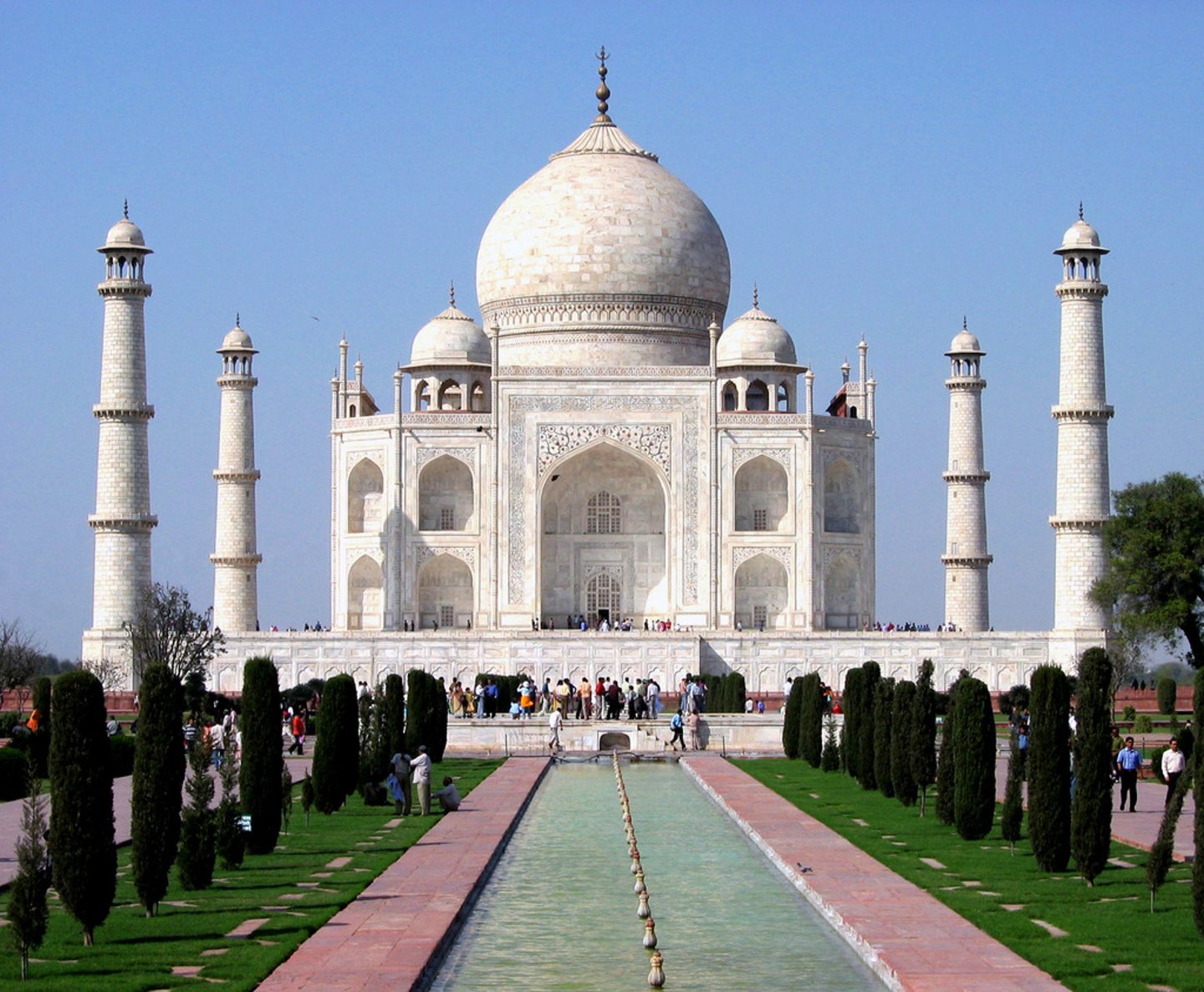
Mumtaz Mahal
Wife of Shah Jahan; took an active political role in Mughal court; entombed in Taj Mahal
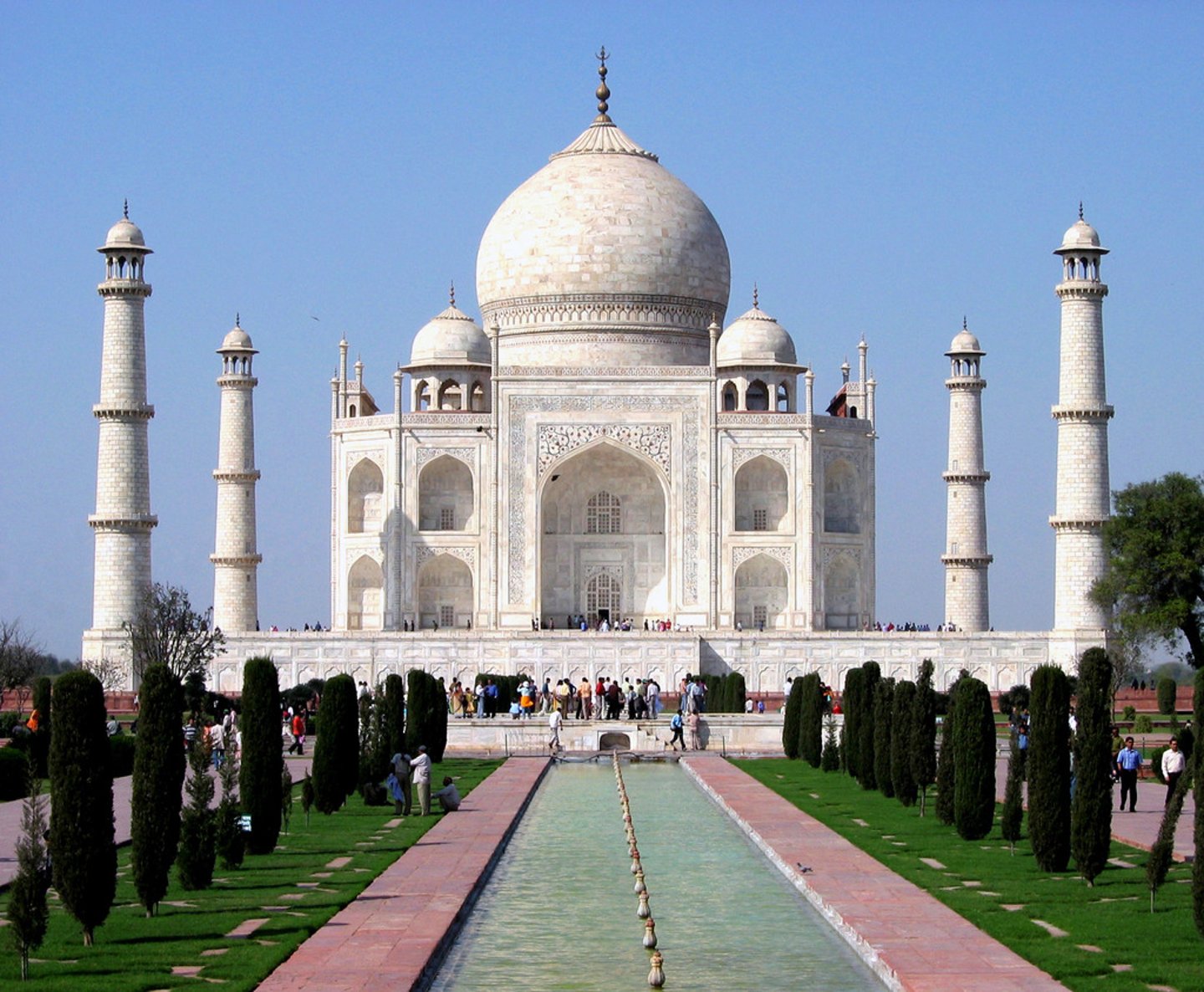
cenotaph
a monument erected to the memory of the dead, with the dead human body not present
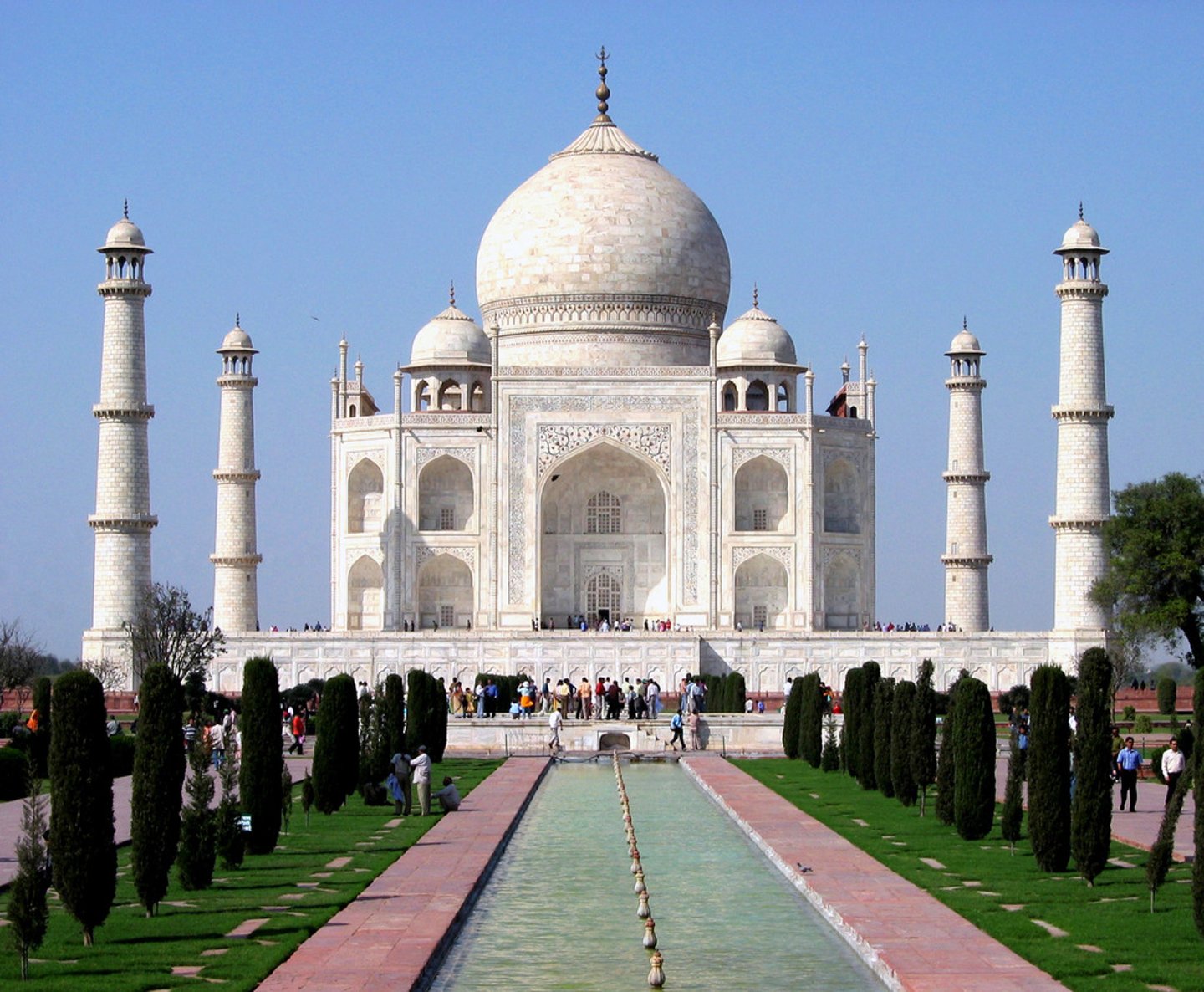
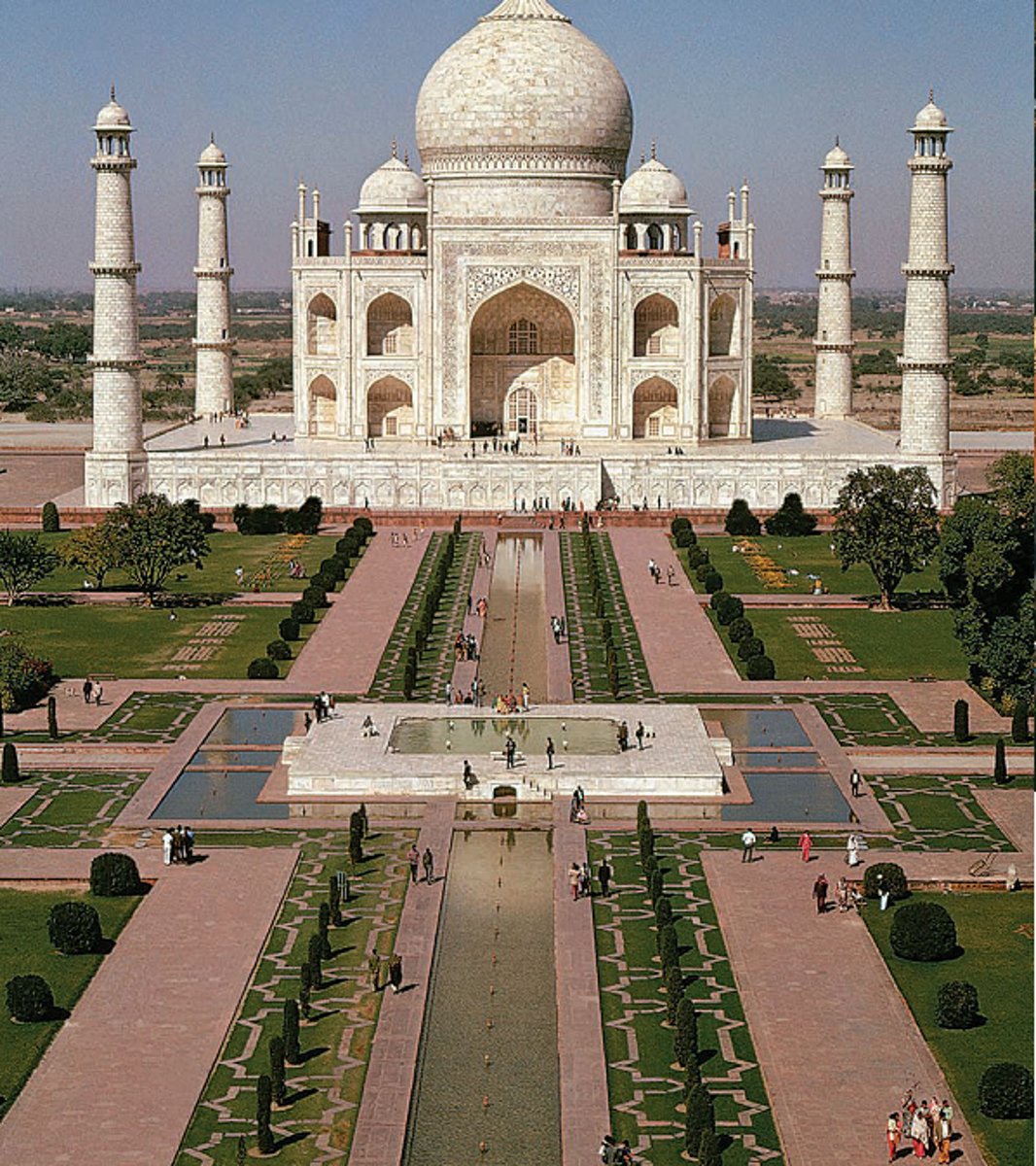
Char-bagh
Four part garden divided by four water channels
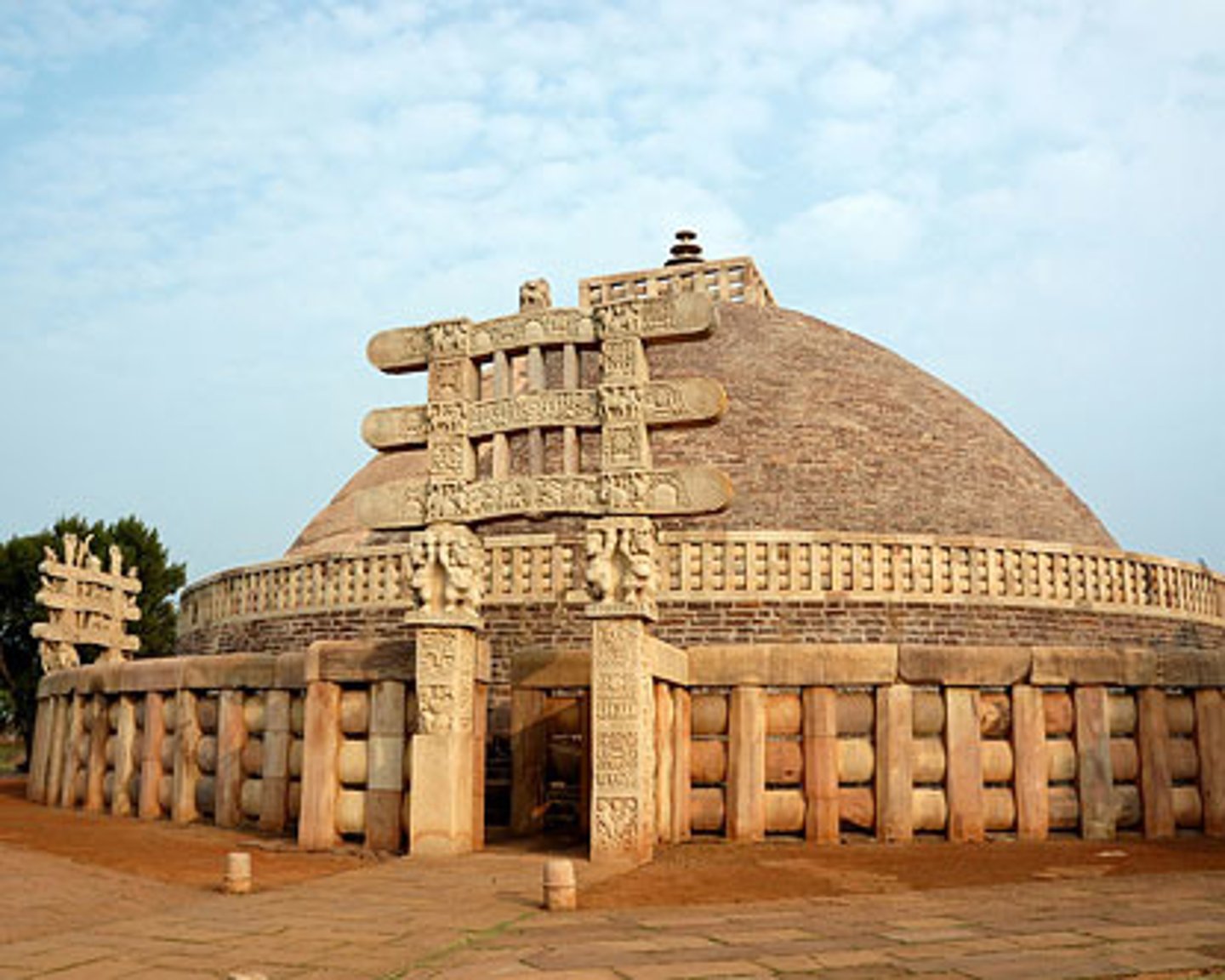
Great Stupa at Sanchi
Dates: c. 300 B.C.E.-100 C.E.
Culture: Madhya Pradesh, India. Buddhist; Maurya Empire-late Sunga Dynasty
Material: Stonemasonry, sandstone on dome
Lakshmana Temple
Dates: c. 930-950 C.E.
Culture: Khajuraho, India. Hindu, Chandella Dynasty
Material: Sandstone
Shiva as Lord of Dance (Nataraja)
Dates: 11th century C.E.
Culture: Hindu; India (Tamil Nadu-state), Chola Dynasty
Material: Cast Bronze
Jahangir Preferring a Sufi Shaikh to Kings
Artist: Bichitr
Period:
Dates: c. 1620 C.E.
Culture: India, Islamic, Mughal Dynasty
Material: Watercolor, gold and ink on paper
Taj Mahal
Artist: Masons, marble workers, mosaicists and decorators working under the supervision of Ustad Ahmad Lahori . architect to the emperor.
Period:
Dates: 1632-1653 C.E.
Culture: Agra, Uttar Pradesh, India (location)
Material: Stonemasonry & marble with inlay of precious & semi precious stones; gardens