Chapter 7 — Hearing, Touch, Smell, Taste, and Attention
 Call Kai
 Learn
Learn Practice Test
 Spaced Repetition
 Match
Match Flashcards
 Knowt Play
1/22

There's no tags or description
Looks like no tags are added yet.
Name | Mastery | Learn | Test | Matching | Spaced | Call with Kai | Chat |
|---|
No analytics yet
Send a link to your students to track their progress
23 Terms
Hierarchical organization
Information is processed through successive levels, with higher levels dealing with increasingly complex aspects of sensory information.
Functional segregation
Different areas of the brain specialize in processing different types of sensory information.
Parallel processing
Different aspects of information can be processed simultaneously by separate neural pathways.
Example:
When looking at an object, different neural systems can process its:
- shape
- color
- movement
- location
at the same time.

Sound
A form of physical energy produced by vibrations.
Major structures:
Outer ear → middle ear → inner ear → auditory nerve → brainstem → thalamus → auditory cortex

Cochlea
The inner-ear structure that converts sound vibrations into neural signals.
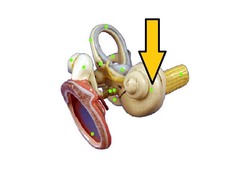
Basilar membrane
A structure within the cochlea that responds differently to different sound frequencies.

Auditory cortex
The cortical area involved in processing auditory information.

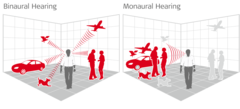
Sound localization
The ability to determine where a sound originates.
Somatosensory System
Processes sensations involving:
- touch
- pressure
- temperature
- pain
- body position
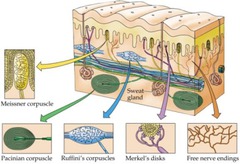
Cutaneous receptors
Sensory receptors located in the skin.
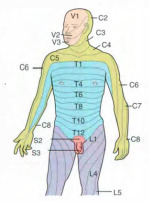
Dermatomes
Areas of the body associated with particular spinal nerves.
Primary somatosensory cortex
The cortical area that receives and processes much of the body's somatosensory information.

Somatosensory pathways
The two major pathways carrying somatosensory information toward the brain.

Pain
A sensory and emotional experience associated with actual or potential tissue damage.

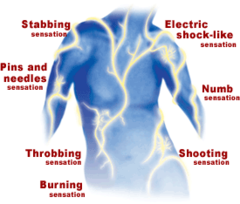
Neuropathic pain
Pain resulting from abnormal functioning or damage within the nervous system.
Olfaction
The sense of smell.

Olfactory receptors
Receptors that detect chemicals associated with odors.
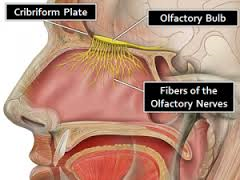
Olfactory glomeruli
Structures in the olfactory bulb where information from olfactory receptor neurons is organized.

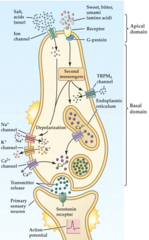
Taste receptor proteins
Proteins involved in detecting different taste stimuli.
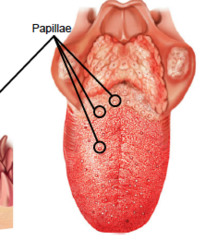
Gustation
The sense of taste
Selective attention
The ability to focus on some sensory information while ignoring other
information.

Change blindness
Failure to notice changes in a visual scene.

Simultanagnosia
Difficulty perceiving more than one object at a time.