Chapter 2. AP lecture Flashcards
 Call Kai
 Learn
Learn Practice Test
 Spaced Repetition
 Match
Match Flashcards
 Knowt Play
1/101

There's no tags or description
Looks like no tags are added yet.
Name | Mastery | Learn | Test | Matching | Spaced | Call with Kai | Chat |
|---|
No analytics yet
Send a link to your students to track their progress
102 Terms
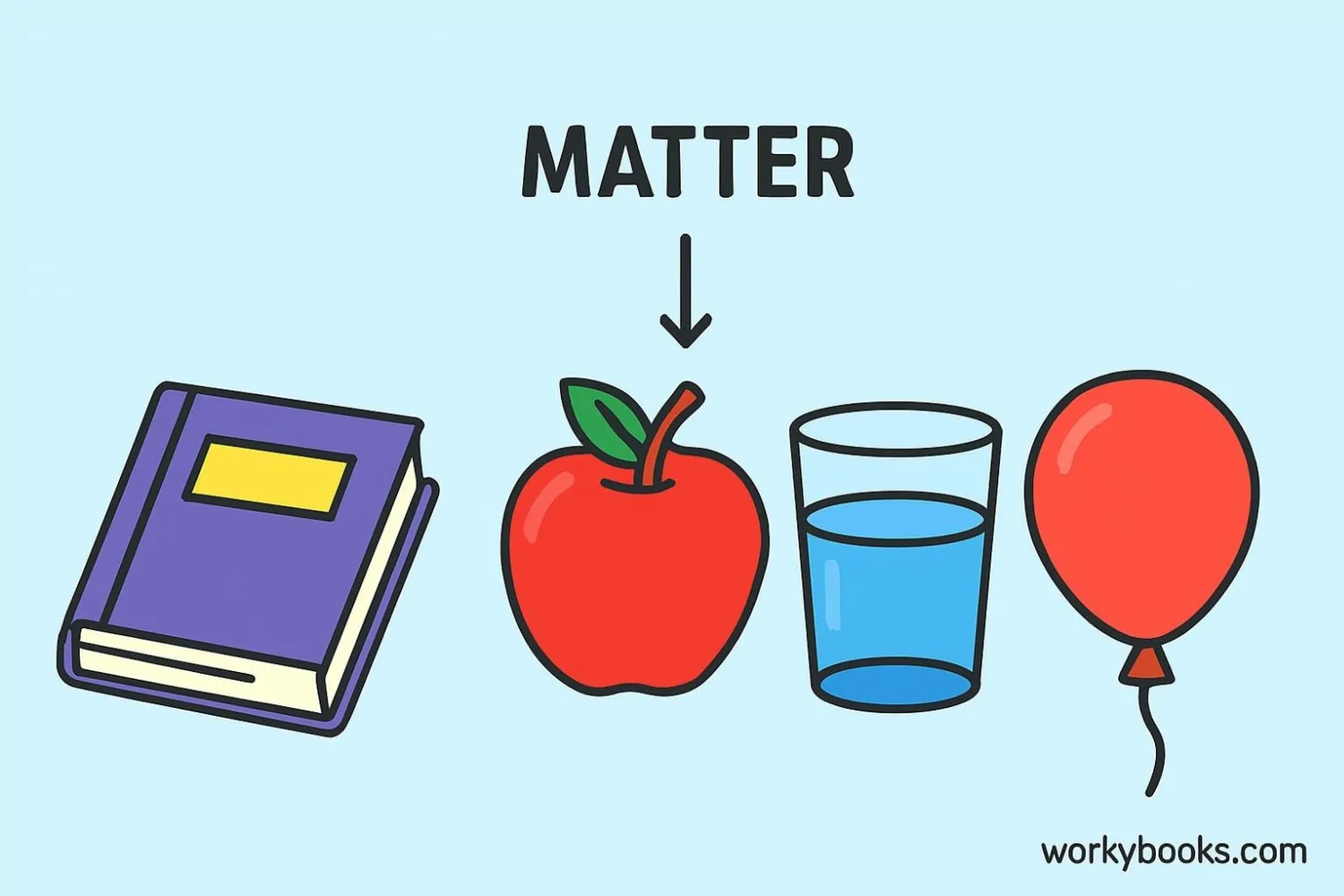
What is Matter?
- anything that occupies space and has mass. With some exceptions, it can be seen, smelled, and felt. Substance taking up a volume of space and having mass.

What is Energy?
-defined as the capacity to do work, or to put matter into motion. The greater the work being performed, the more energy that is used in doing it.

What is Potential energy?
-stored energy; that is, inactive energy that has the potential, or capability, to do work but is not presently doing so

What is Kinetic energy?
-energy in action. We see evidence of kinetic energy in the constant movement of the tiniest particles of matter (atoms) as well as in larger objects (a bouncing ball).
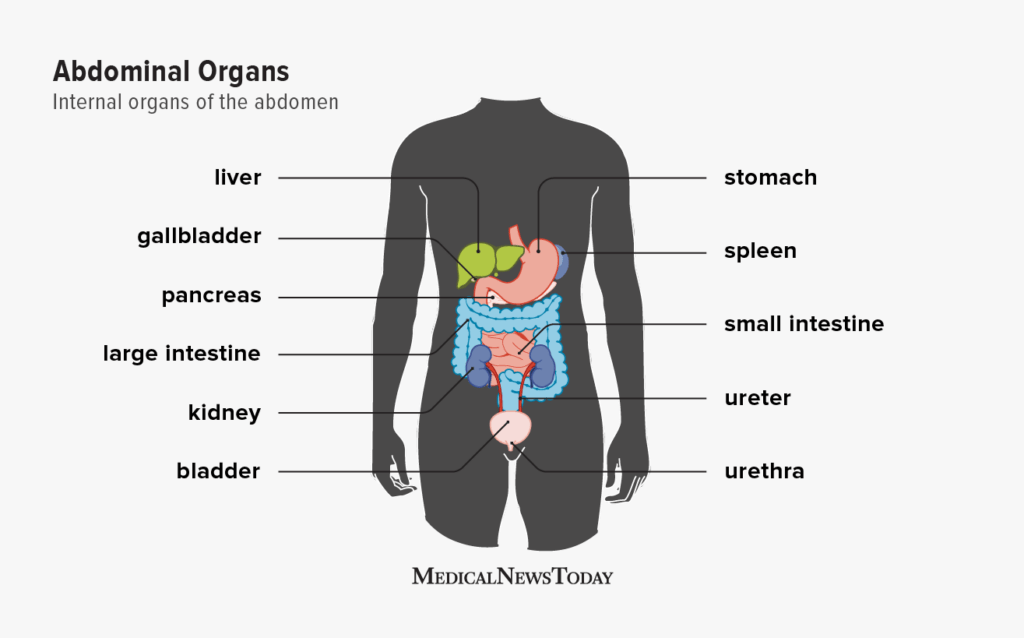
what energy is food molecules in the stomach?
-Potential energy
what energy is the passage of food to the stomach?
-Kinetic energy
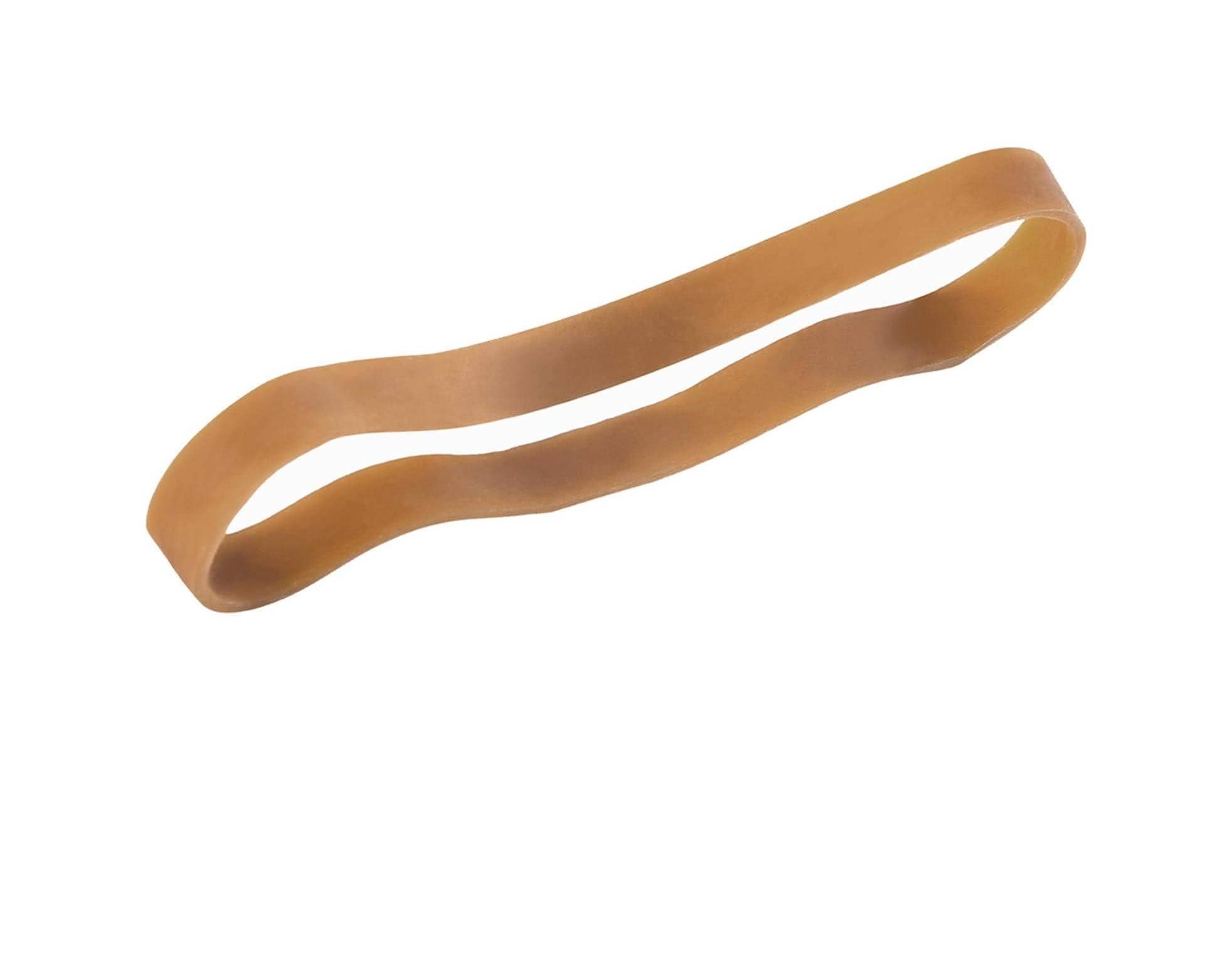
What energy is the release of a stretched rubber band?
-Kinetic energy
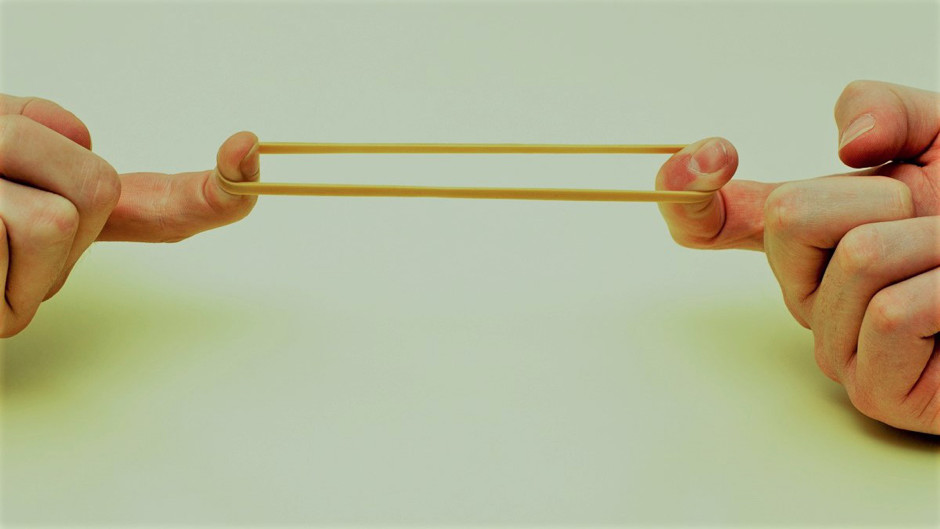
What energy is a stretched rubber band?
-Potential energy
What energy is water held behind a dam?
-Potential energy
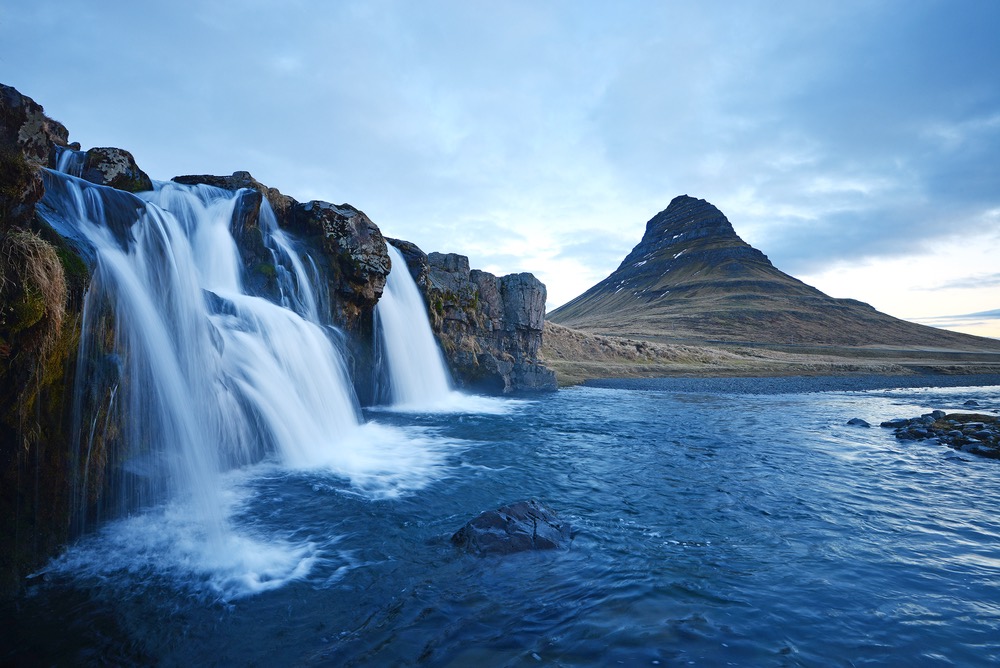
What energy is water flowing down a river?
-Kinetic energy
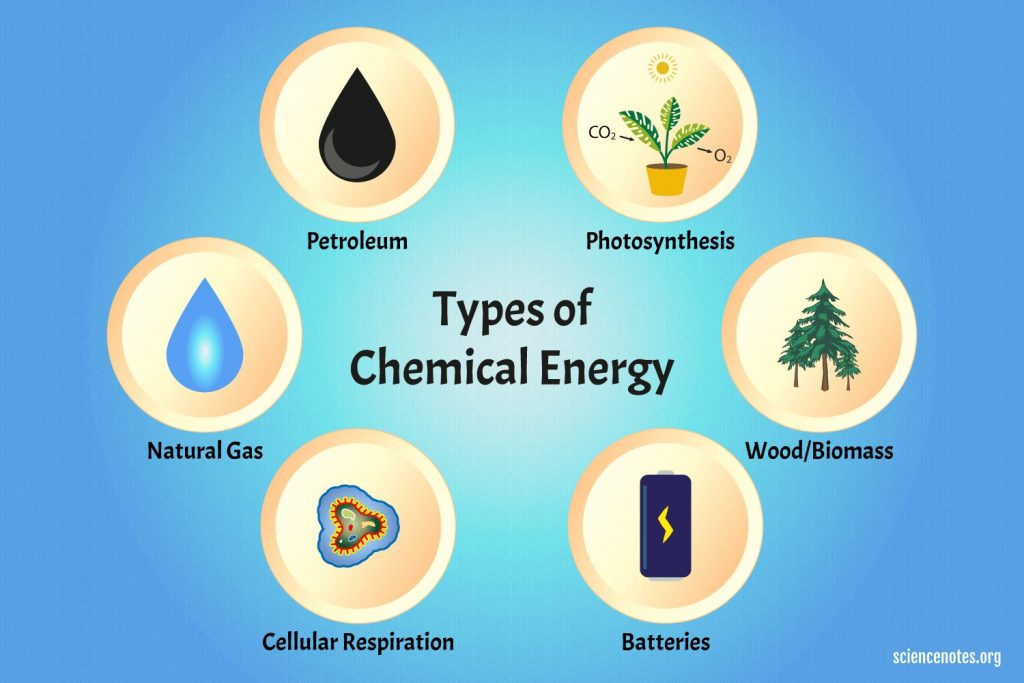
-1.Nerve impulse traveling from the spinal cord to a muscle?
-2.Kicking a ball?
-3.Breaking the bonds of ATP to energize a muscle cell?
-4. Ultraviolet waves traveling from the sun?
-1.Electrical energy
-2.Mechanical energy
-3.Chemical energy
-4. Radiant energy
chemical element?
-A unique variety of matter that cannot be broken down into simpler substances by ordinary
chemical means, for example, carbon, oxygen, and hydrogen
example to the major elements; together they make up 96.3% of body mass, which elements?
-Nitrogen, Oxygen, Hydrogen, Carbon
Sodium?
Oxygen ?
Potassium?
Calcium?
Carbon ?
Hydrogen?
Iron ?
Chlorine ?
Nitrogen?
NA
O
K
CA
C
H
FE
CL
N
The building blocks of a given element are called?
-atoms
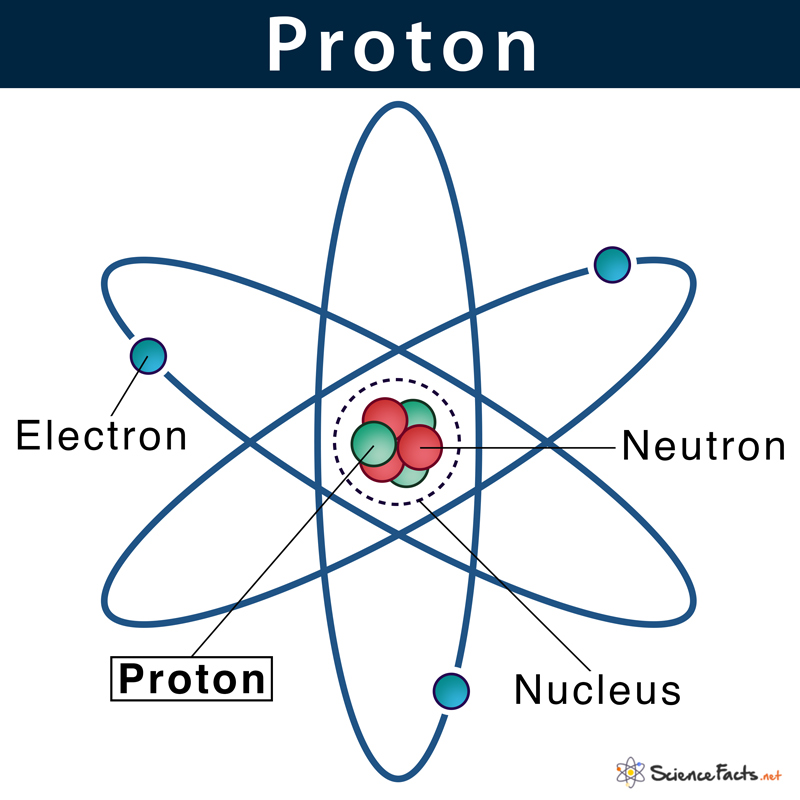
Proton?
-Located in the nucleaus, charge +1, mass 1 amu

Neutron?
-Located in the nucleus, Charge Neutral, 1 amu

Electron
-NOT located in the nucleus, Charge -1, Neglitible amu
What is an orbital of an atom?
-Region around an atom’s nucleus in which a given electron or electron pair is likely to be found most of the time.
In what way do atoms that make up one element differ from the atoms that make up a different element?
-Atoms of different elements are composed of different numbers of protons

What information does the atomic number provide?
-The number of protons in the nucleus.
In addition, since all atoms are electrically neutral (the number of positive protons is always, equal to the number of negative electrons), the atomic number also determines the number of electrons in the atom
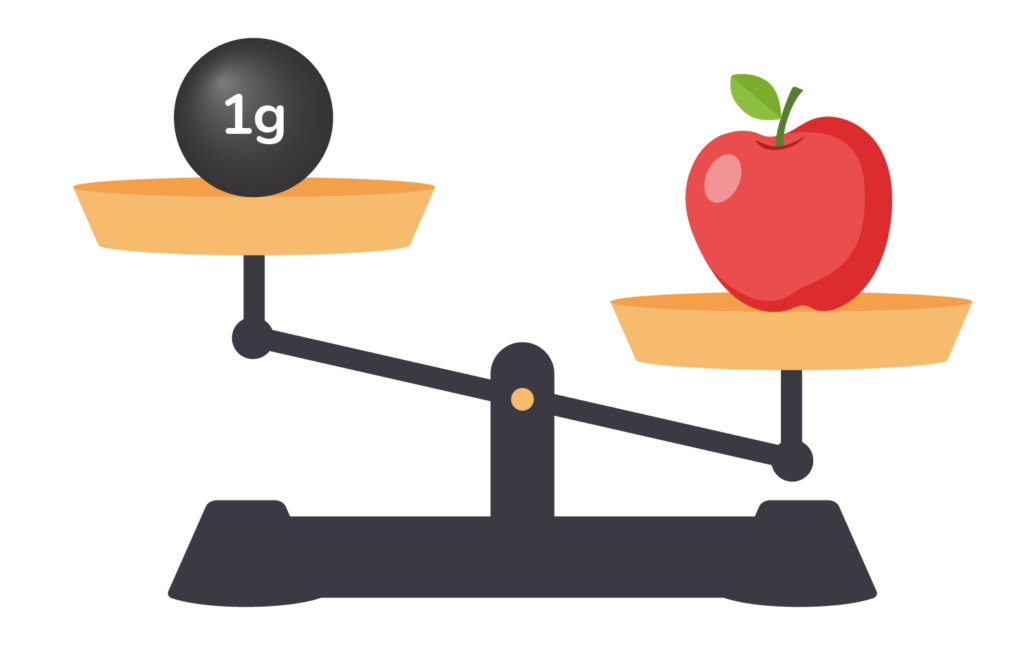
What information does the mass number provide?
-the sum of the masses of the protons and
neutrons in an atom.
How many protons does this atom have?
How many neutrons does this atom have?
How many electrons does this atom have?
Protons - 6
Neutrons - 8
Electrons - 6
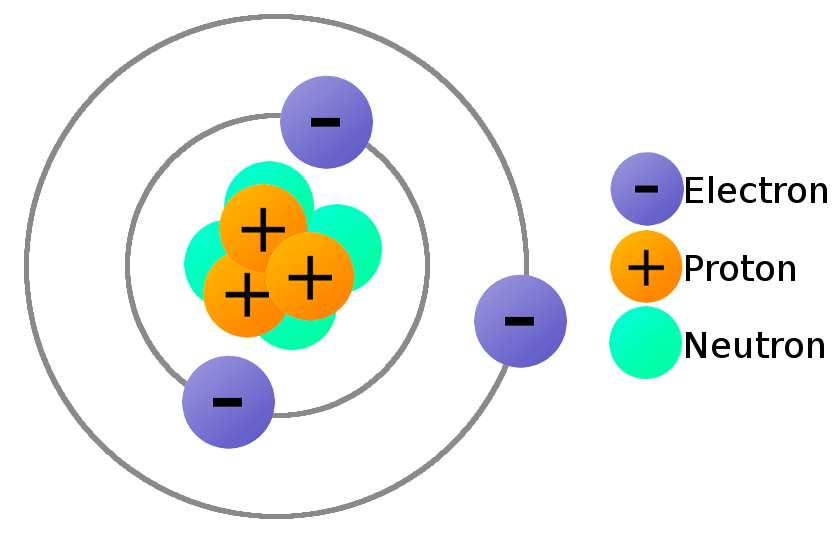
This image shows?
3 Electrons
3 Protons
4 Neutrons
All atoms are electrically neutral (same number of protons as electrons?
An atom is the smallest particle of an element that still has the properties of the element?
True and True

What is a molecule?
-A combination of two or more atoms held together by chemical bonds

What is a compound?
-A substance composed of two or more different elements, the atoms of which are chemically united.
What is a mixture?
-A physical combination of two or more unlike substances in which the chemical properties of each substance are not altered.
Colloid descripton or example?
-solute particles scatter light but do not settle out.
-Cytosol (semifluid material in living cells)
Solution Description/ Example?
-Mixture of table salt (NaCl) and water
-Solute particles are very tiny, do not settle out, and do not scatter light.
Suspension Descrption/ Example?
-solute particles are very large, settle out, and may scatter light
-mixture of sand and water.
In seawater, the salt is the ? and the water is the ?
-Solute and Solvent
calculate the molecular weight of carbonic acid (H2 CO3 )?
-1) carbon atom X 12.011 (atomic weight) = 12.011 amu
-(2) hydrogen atoms X 1.008 = 2.016 amu
-(3) oxygen atoms X 15.999 = 47.997 amu
Total = 62.024 amu
Which of the subatomic particles (protons, neutrons, and electrons) determines whether or not a given atom is reactive or stable?
-Electrons
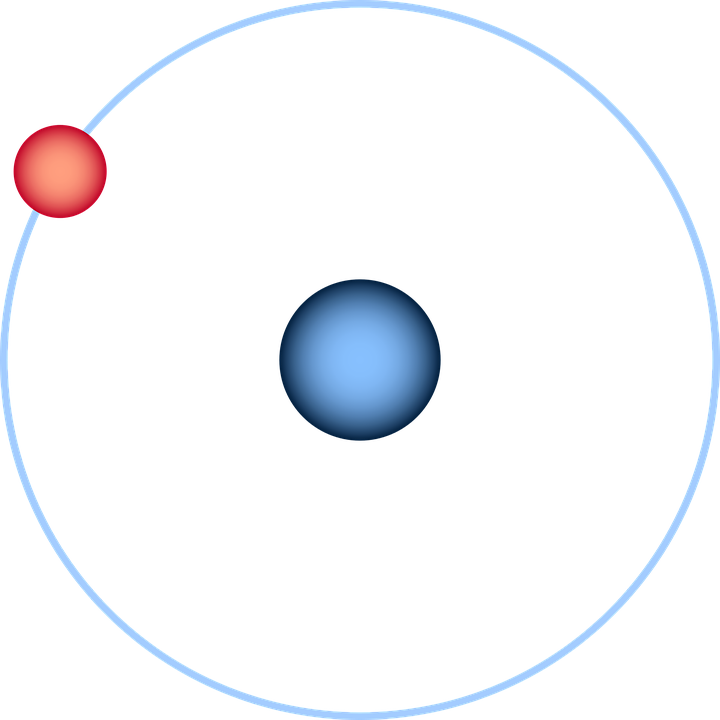
1.The first electron shell (immediately surrounding the nucleus of the atom) can hold a maximum of how many electrons?
2.How many electrons can the second electron shell accommodate?
1.2
2.8
What is the valence shell of an atom?
-The outermost electron shell (energy level) of an atom that contains electrons
What is the octet rule (rule of eights)?
-The tendency of atoms to interact in such a way that they have eight electrons in their valence shell.
![<p>How many electrons does a chlorine atom have?</p><p>Explain how the electrons of a chlorine atom fill the electron shells [how many in the first (innermost) shell, second shell, etc.]??</p>](https://assets.knowt.com/user-attachments/470c57fa-0d70-4be4-bc08-f2ab3aa42ed4.png)
How many electrons does a chlorine atom have?
Explain how the electrons of a chlorine atom fill the electron shells [how many in the first (innermost) shell, second shell, etc.]??
1.17
2 First (innermost) shell (2 electrons), second shell (8 electrons), third shell (7 electrons)
Is a chlorine atom chemically reactive or chemically inert (stable)? Why?
-A chlorine atom is reactive because the outermost energy level contains fewer than 8 electrons;
it will tend to interact with other atoms to achieve stability
How many electrons does a neon atom have?
Explain how the electrons of a neon atom fill the electron shells [how many in the first
(innermost) shell, second shell, etc.].???
Is a neon atom chemically reactive or chemically inert (stable)? Why?
-10
-First (innermost) shell (2 electrons), second shell (8 electrons)
- A neon atom is stable because the outermost energy level contains 8 electrons.

Hydrogen Description and Example?
-Attraction between a hydrogen atom carrying a partial positive
charge and an electronegative atom with a slightly negative charge
-Bonds between adjacent water molecules
-Weakest strength of the three types of bonds
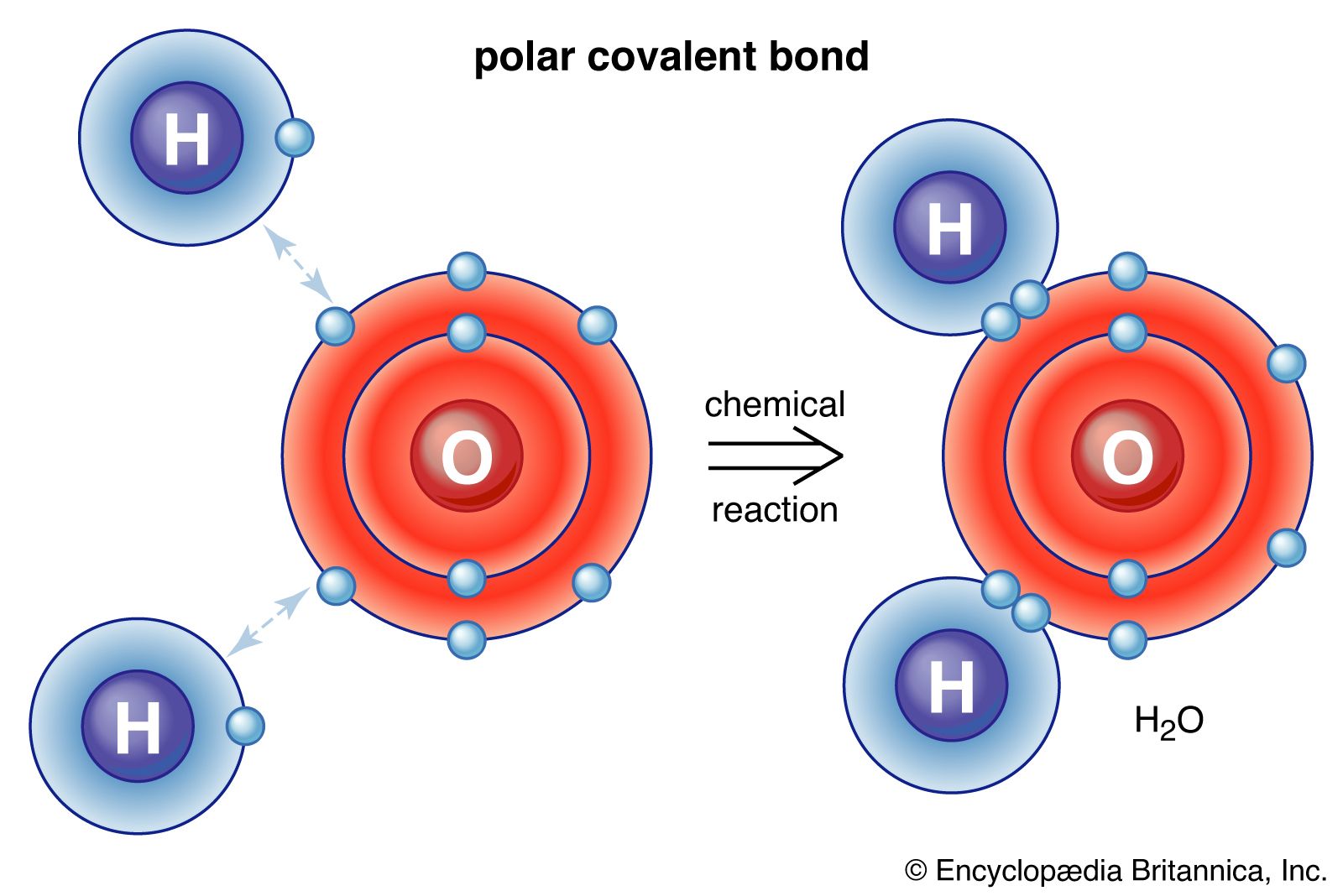
Covalent Description and Example?
-Bond within a water molecule
-Sharing of pairs of electrons
-Strongest strength of the three types of bonds
Ionic Description and Example?
-Intermediate strength of the three types of bonds
-Attraction between two oppositely charged ions
-Sodium chloride (table salt)
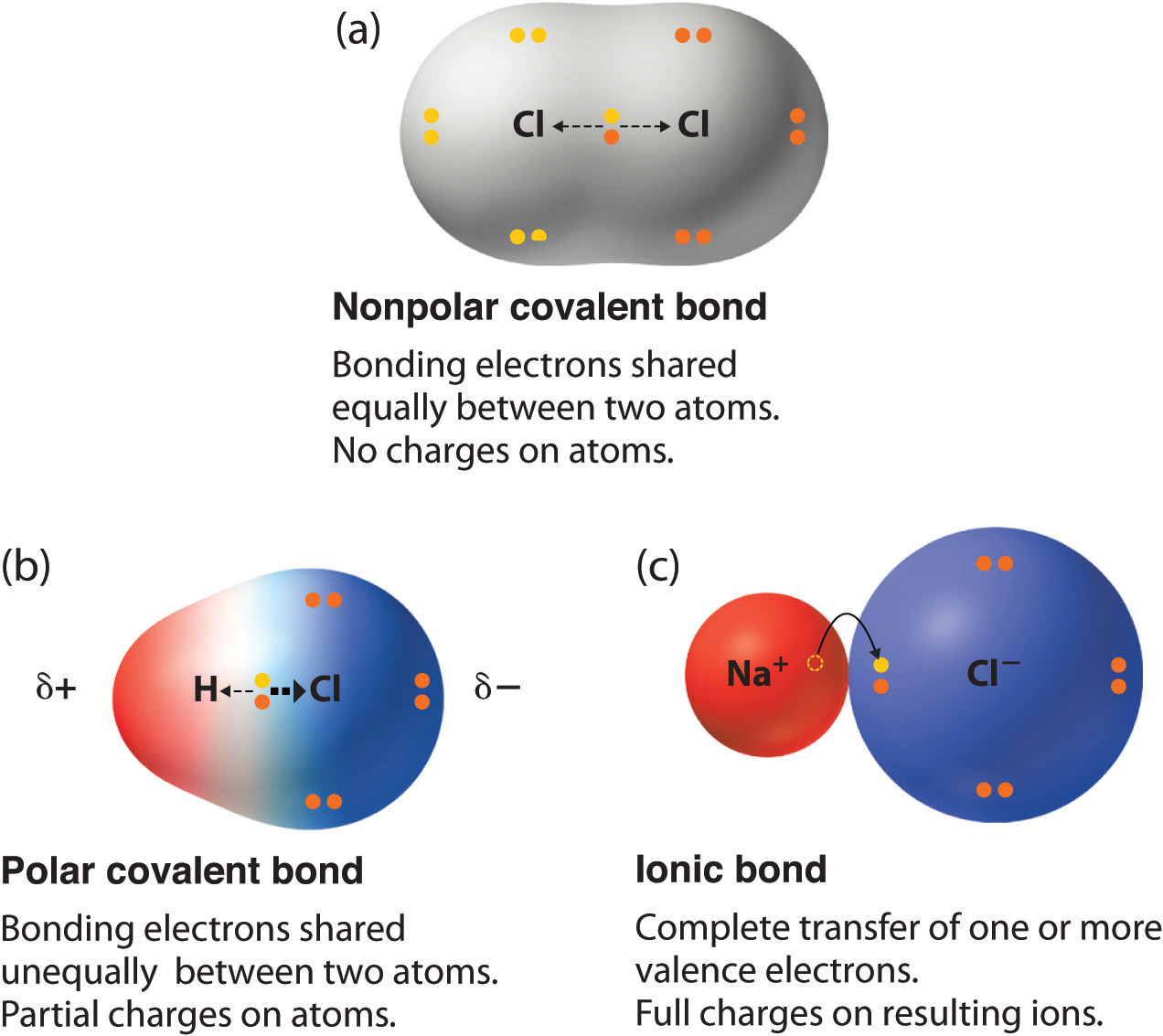
In what way are polar and nonpolar covalent bonds similar?
In what way are polar and nonpolar covalent bonds different?
-Both types of covalent bonds involve sharing electrons between atoms.
-In polar covalent bonds, electrons are shared unequally; in nonpolar covalent bonds, electrons are shared equally.
H2O (water molecule)
O2 (molecular oxygen)
CO2 (carbon dioxide
polar covalent or non polar covalent?
-Polar
-Non polar covalent
-Non polar covalent
Synthesis reaction?
-A chemical reaction in which smaller particles are bonded together to form larger, more complex
molecules
-Nucleotides are joined together to form a DNA
molecule.
-A + B → AB
Decomposition reaction?
-A chemical reaction in which bonds are broken in larger molecules, resulting in smaller, less
complex molecules (or constituent atoms).
-AB → A + B
-Protein is broken down into amino acid molecules.
Exchange reaction?
-A chemical reaction in which bonds are both made and broken; atoms are combined with
different atoms.
-AB + CD → AD + CB
-The transfer of a phosphate group from creatine
phosphate to ADP produces ATP and creatine.

True or false?
Decomposition reactions underlie all degradative, or anabolic, processes in body
cells???
Reactions that release energy are exergonic reactions???
In oxidation-reduction reactions, the reactant losing the electrons is the electron
donor and is said to be reduced???
The products of endergonic reactions contain more potential energy in their
chemical bonds than did the reactants???
-Catabloic
-True
-Oxidied
-True
A + B → AB??? both lines are same length ***
-This is a reversible reaction in which neither the forward reaction
(to the right) nor the reverse reaction (to the left) is dominant.
A + B → AB??? both lines are NOT same length ***
-This is a reversible reaction in which the forward reaction
(to the right) predominates over the reverse reaction (to the left).___
Explain why the overall reaction for cellular respiration (shown below) is never reversed in body cells?
-The energy trapped in ATP will not be available to power the reverse reaction because the cell
uses ATP’s energy for various functions. In addition, the CO2 that is produced is removed from the body by the lungs.

The larger the reacting particles, the faster the chemical reaction??
Increasing the concentrations of reactants slows chemical reactions??
\Higher temperatures increase the rate of chemical reactions???
Biological catalysts, called enzymes, increase the rate of chemical reactions without
themselves becoming chemically changed or part of the products???
-Smaller
-Decreasing
- True
-True
Water is a polar molecule. Explain how this property causes NaCl (salt) to dissociate in water?
What property of water prevents sudden changes in its temperature?
-When NaCl (salt) is dissolved in water, it dissociates into its component ions (Na + and Cl − ).
The arrangement of polar water molecules prevents the oppositely charged ions from reforming ionic bonds. The negative oxygen regions of polar water molecules are attracted to the Na + cations. The positive hydrogen regions of polar water molecules are attracted to Cl− anions
-High heat capacity
What property of water accounts for the cooling effect of perspiration as it evaporates from the skin?
-high heat of vaporization

What is a salt?
-A compound formed by ionic bonding between oppositely charged electrolytes that are neither protons (H+ nor hydroxyl ions (OH−).
What are electrolytes?
Chemical substances—such as salts, acids, and bases—that ionize and dissociate in water and are capable of conducting an electrical current
Ionic sodium (Na + )??
Ionic potassium (K+ ) ??
Ionic calcium (Ca 2+) ??
-important for water balance, conduction of nerve impulses, and
muscle contraction (major positive ion found in extracellular fluid)
-Necessary for conduction of nerve impulses and muscle
contraction (major positive ion in cells).
-Required for muscle contraction, conduction of nerve impulses,
and blood clotting.
Acid??
Base??
Buffer??
-A substance that releases hydrogen ions when in solution; a proton dono
-A substance capable of binding with hydrogen ions; a proton acceptor.
-A chemical substance or system that minimizes changes in pH by releasing or binding hydrogen ions.
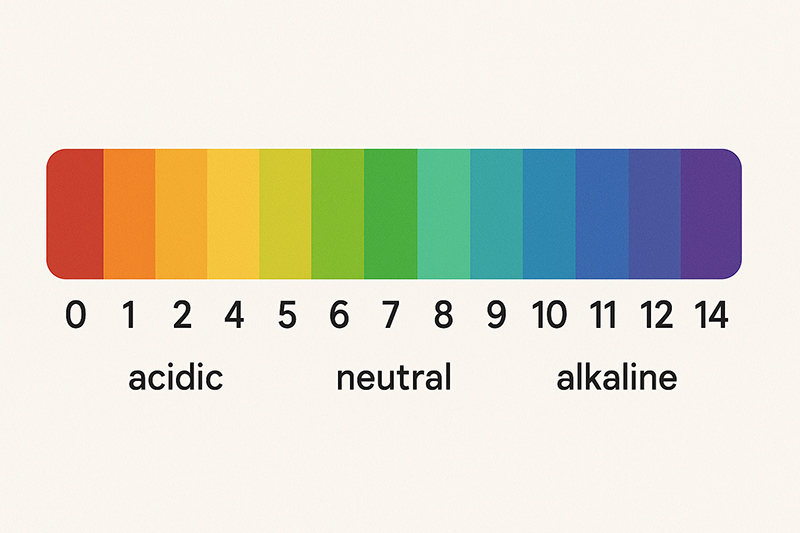
The pH scale is based on the concentration of ??? ions in a solution.
-HYDROGEN
If the concentration of these ions (from the above question) in a solution is 0.000001 (10−6 )mol/liter, what is the pH ???
Is this solution acidic, basic, or neutral???? refer to.
-6
-Acidic
compared to a solution with a pH of 10, a solution with a pH of 8 has?
-100 times more H+
Of the following, which is the most acidic? _ Refer to
-Hydrochloric acid
All organic molecules contain carbon??
Carbon has six valence electrons??
Carbon always shares electrons and never forms ionic bonds??
In general, inorganic molecules are larger than organic molecules???
-True
-Four
-True
-Smaller
list the four types of macromolecules that form our cells?
-Carbohydrates, lipids, proteins, and nucleic acids.
When the monomers glucose and fructose combine to form the disaccharide sucrose, is water released or consumed in the reaction?
Is this an example of dehydration synthesis or hydrolysis?
-Released
-Dehydration synthesis
When the disaccharide sucrose is broken down into the monomers glucose and fructose, is water released or consumed in the reaction?
Is this an example of dehydration synthesis or hydrolysis?
-Consumed
-Hydrolysis
The building blocks (monomers) of carbohydrates are
-monosaccharides
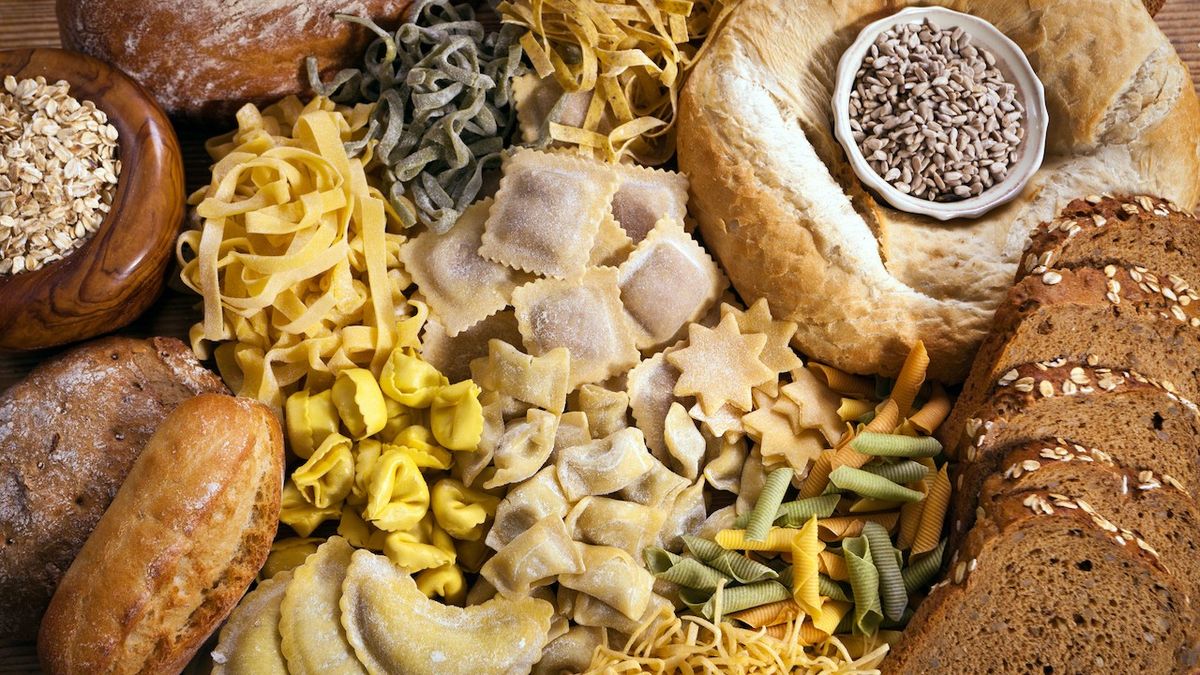
What is the major function of carbohydrates in the body?
-Provide a ready, easily used source of cellular fuel
What is the ratio of carbon, hydrogen, and oxygen atoms in carbohydrates?
-1:2:1 so a general formula of (CH2 O)n
What specific monomer of carbohydrates is called “blood sugar?”
How many carbon atoms does this particular molecule contain?
-Glucose
-6
Which of the following is the storage carbohydrate (polysaccharide) of animal cells?
-Glycogen
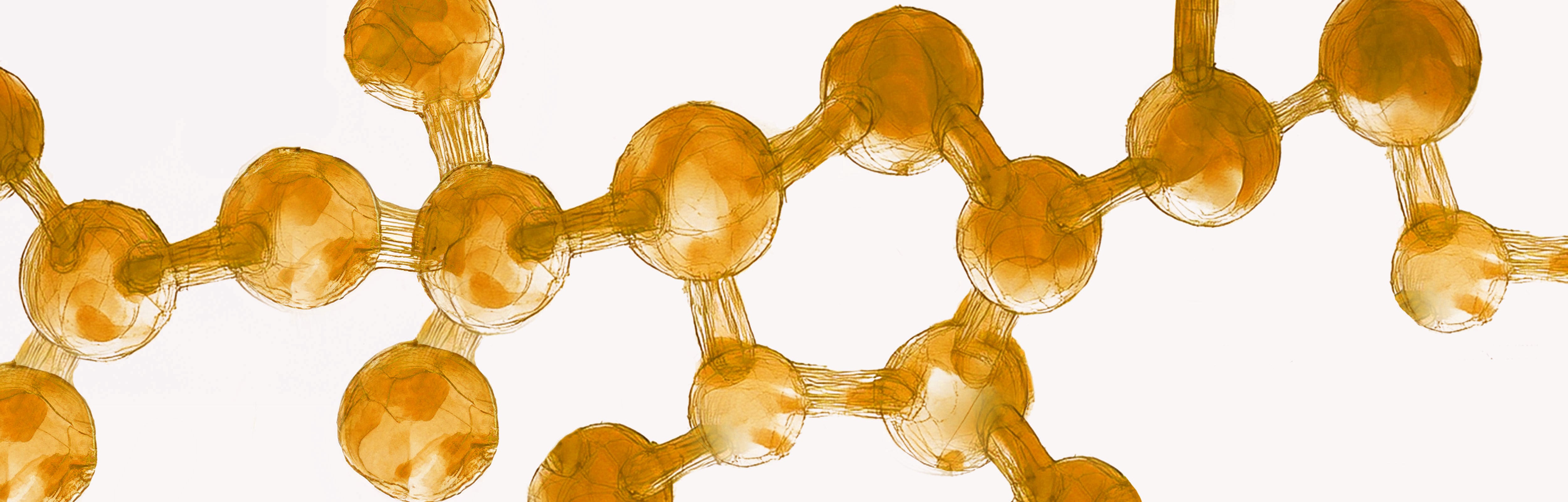
When glucose molecules are broken down the energy that was stored in the chemical bonds is used to synthesize ???? the energy currency of the cell
-ATP
What are the building blocks of triglycerides?
What are the functions of triglycerides in the body?
-Fatty acids and glycerol
-Major form of stored energy in the body; protect and insulate body organs.
Triglycerides are known as ?? when solid or ?? when liquid.
-Fats
-Oil
What type of lipid is a key component of the plasma membrane?
-Phospholipid
What molecule is the basis for all steroids formed in the body?
-Cholesterol
Is olive oil considered to be a saturated fat or an unsaturated fat?
-Unsaturated fat
Why do phospholipids form a bilayer (shown below) when placed in a watery environment?
-Each phospholipid has a polar head that is hydrophilic (interacts with water, a polar molecule) and nonpolar tails that are hydrophobic (avoid water). In a watery environment, phospholipids
naturally form a bilayer in which the polar heads face the water on either side of the bilayer, and the hydrophobic tails face each other away from the water.
What are the building blocks of proteins?
-Amino acids
What is the special name for the covalent bond that joins the monomers of proteins together?
-Peptide bond
List some examples of protein functions in the body?
-mechanical support (structural proteins), catalysis (enzymes), moving substances into or out of the cell (transport proteins), movement (contractile proteins), cell signaling (communication proteins), and protection against disease (defensive proteins).
Secondary ? protein structure
-the two types are Alpha-helix and Beta-pleated sheet
Tertiary ? Protein Structure
-A compact globular molecule held together by intramolecular
bonds
Primary ? Protein Structure
-Linear sequence of amino acids that forms a polypeptide chain
Quaternary ? Protein Structure?
-Two or more polypeptide chains that combine to form a functional protein

When cooking an egg (shown below) what is the term that describes what happens to the protein albumin to cause the coagulation of egg white?
-Denaturation
In addition to temperature, a change in what other environmental condition could cause a protein to lose its three-dimensional shape?
-A change in pH can also cause denaturation of proteins.
Enzymes are fibrous proteins that act as biological catalysts??
Enzymes lower the activation energy required for a reaction??
The substance on which an enzyme acts is called the active site??
Most enzyme names end with the suffix -ase??
-globular
-true
-substrate
-true
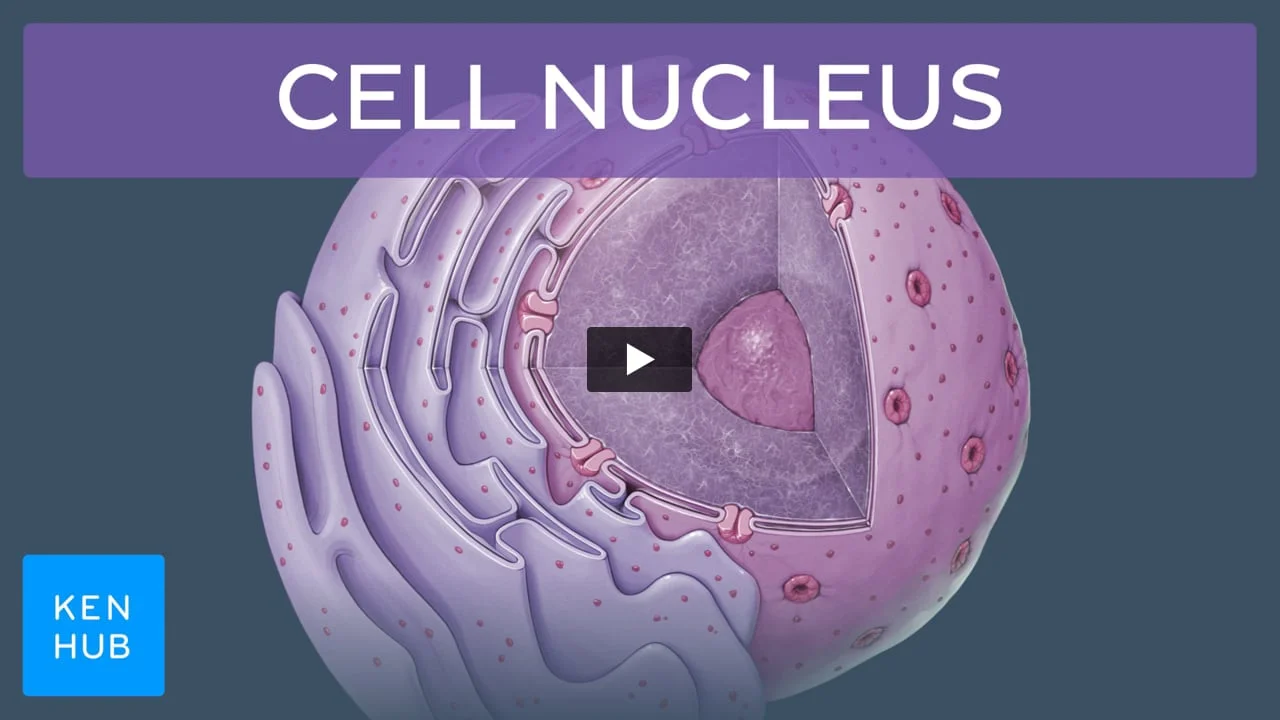
What are the building blocks of nucleic acids?
What are the two major classes of nucleic acids in the body?
-Nucleotides
-DNA (deoxyribonucleic acid) and RNA (ribonucleic acid)
if the sequence of bases along one strand of DNA is CCGGATTGCCA, what is the sequence of bases on the other strand of DNA?
-GGCCTAACGGT
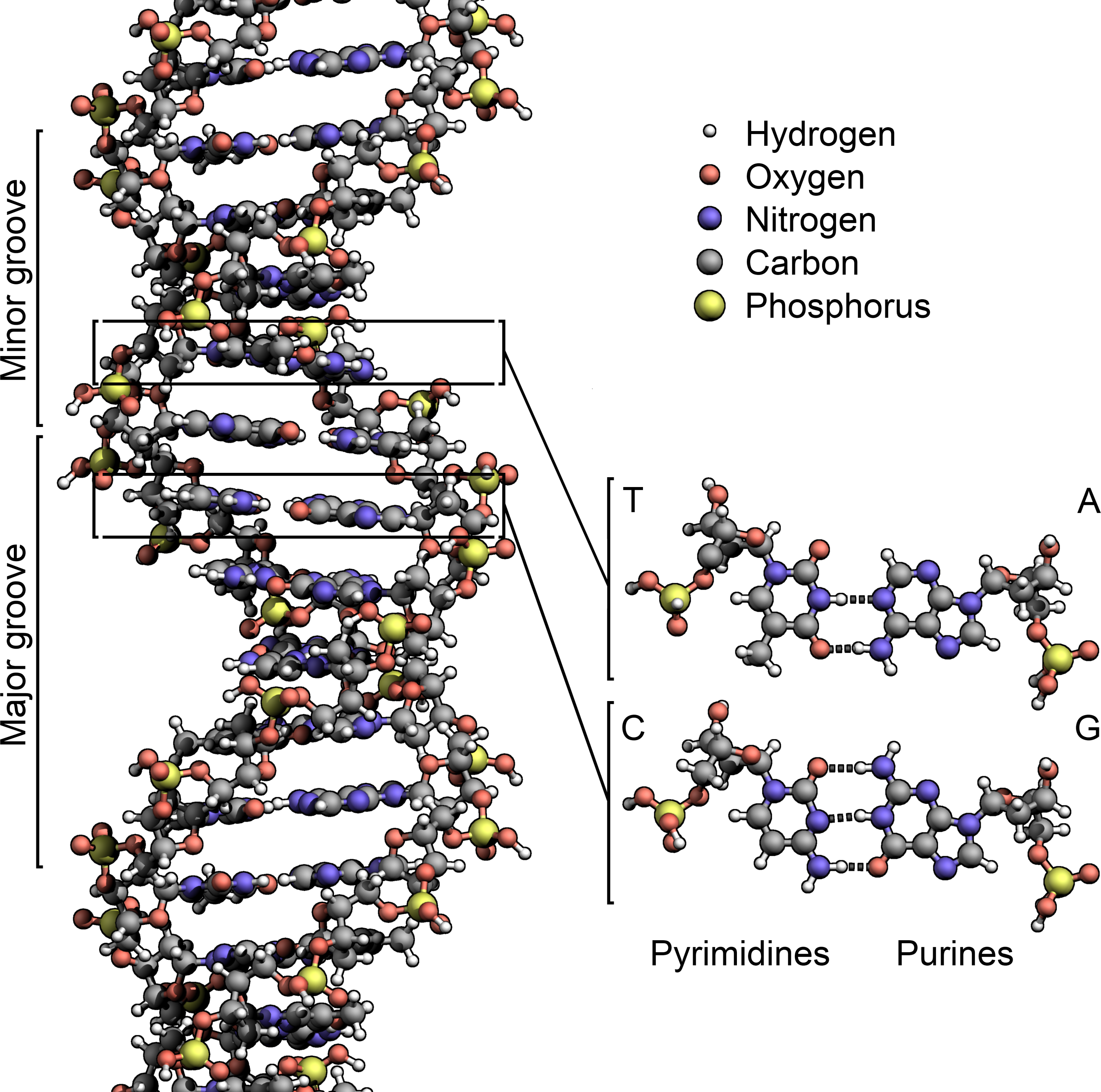
What kinds of bonds connect the base pairs of the DNA double helix?
-Hydrogen bonds
How does a molecule of ATP differ from an adenine nucleotide of RNA?
-ATP forms when two additional phosphate groups are added to an adenine-containing RNA
nucleotide.
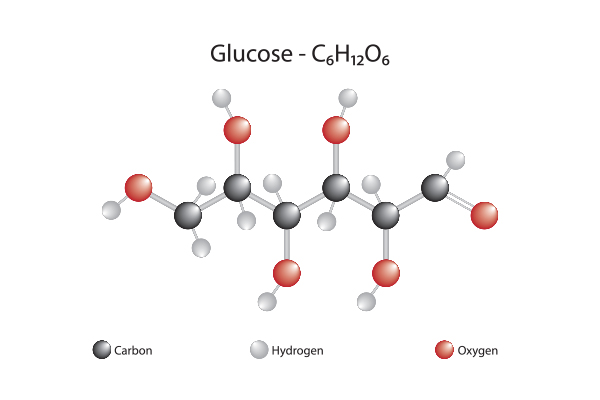
When glucose is broken down, energy is released from the broken bonds and captured in the bonds of ATP molecules.
Is the breakdown of glucose an exergonic reaction or an endergonic reaction?
-Exergonic
Is the formation of ATP molecules an exergonic reaction or an endergonic reaction?
-Endergonic
When ATP molecules are “spent,” the energy in the terminal phosphate bond is released and used to power work in the cell, such as muscle contraction.
Is the conversion of ATP to ADP an exergonic reaction or an endergonic reaction?
Is the cellular work driven by energy from ATP exergonic or endergonic?
-Exergonic
-Endergonic
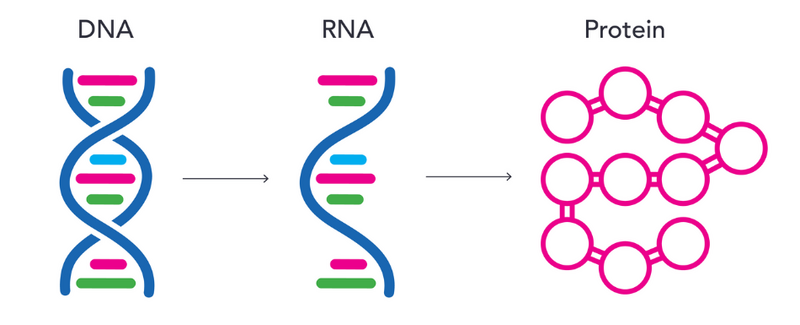
Strucutre,
DNA , RNA?
-Double stranded
-Single stranded
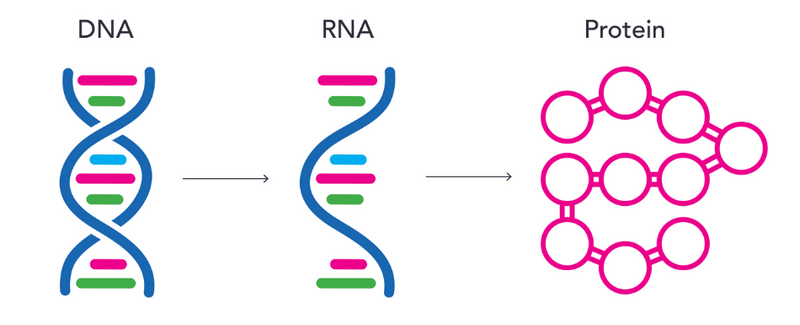
Major cellular site
DNA, RNA?
-Nucleus
-Cytoplasm
Bases
DNA, RNA?
-Adenine (A), guanine (G),
cytosine (C), thymine (T)
-Adenine (A), guanine (G),
cytosine (C), uracil (U
Major functions
DNA, RNA?
-Replicates itself before cell
division and provides genetic
instructions for building
proteins
-Carries the genetic
instructions for protein
synthesis out of the nucleus