Anatomy Quiz 1 - Body systems, Methods of study, vocab
 Call Kai
 Learn
Learn Practice Test
 Spaced Repetition
 Match
Match Flashcards
 Knowt Play
1/37

There's no tags or description
Looks like no tags are added yet.
Name | Mastery | Learn | Test | Matching | Spaced | Call with Kai | Chat |
|---|
No analytics yet
Send a link to your students to track their progress
38 Terms
Gross Anatomy
Study of large body structures, can see with the naked eye
Microscopic anatomy
Study of small structures, not visual w naked eye
Developmental anatomy
Studying changed over time
Surface anatomy
The study of external features, a type of gross anatomy
Systemic anatomy
Study by body system, a type of gross anatomy, the method used in this class
Regional anatomy
Study by body region, a type of gross anatomy, used in medical school
Cytology
study of cells, type of microscopic anatomy, CYTO=CELL
Histology
Study of tissues, type of microscopic anatomy, HISTO=TISSUE
Embryology
study of prenatal development, type of developmental anatomy
Comparative anatomy
Compares different organisms
3 main studying tools for anatomy
observation
manipulation/hands on work
mastery of anatomical terms/vocab
integumentary system
covers your body, protects, regulations temperature. Main organs: skin

Skeletal system
Supports and protects organs/body. Main organs: Bones (206)
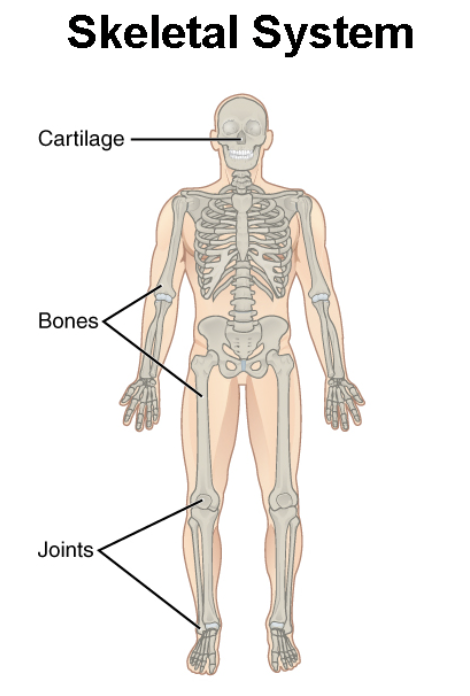
Muscular system
Controls movement. Main organs: Muscles (skeletal, cardiac, smooth)
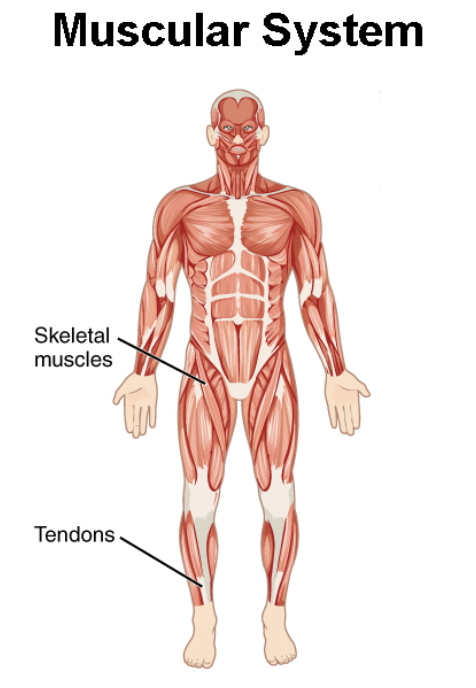
Nervous system
Replays impulses to the body, main control center. Main organs: Brain and spinal cord
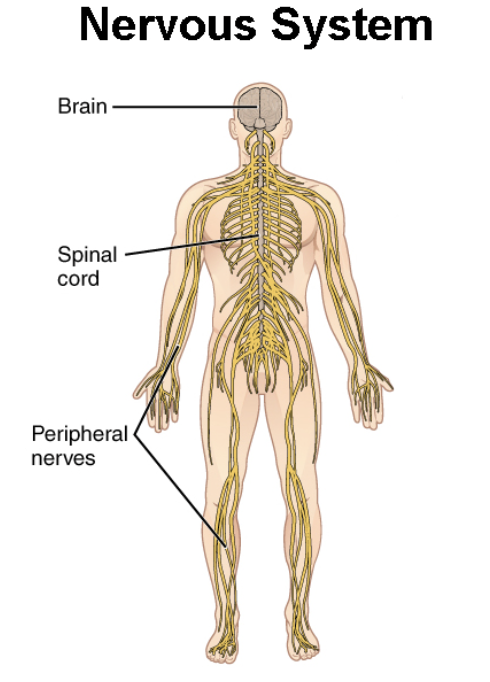
Endocrine system
Regulates the body by secreting hormones. Main organ: glands

Cardiovascular system
Transports blood and oxygen. Main organs: Heart and blood vessels

Respiratory system
Handles gas exchange. main organs: lungs

Lymphatic/Immune system
protects body and fights pathogens (bacteria), work hand in hand w/ each other. Main organs: lymph vessels and many organs
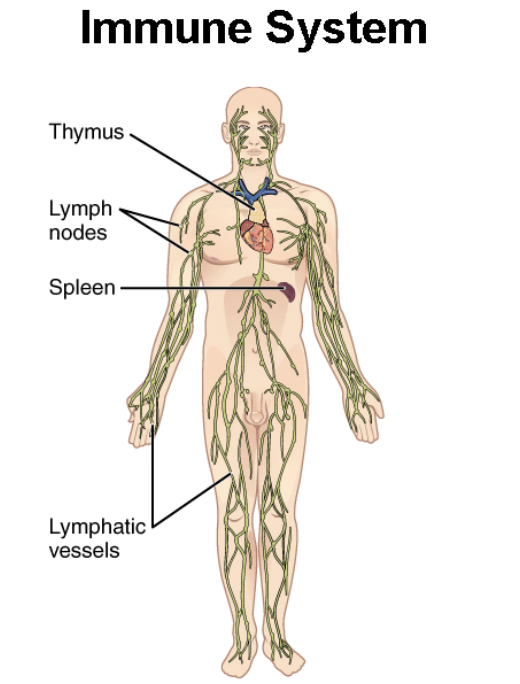
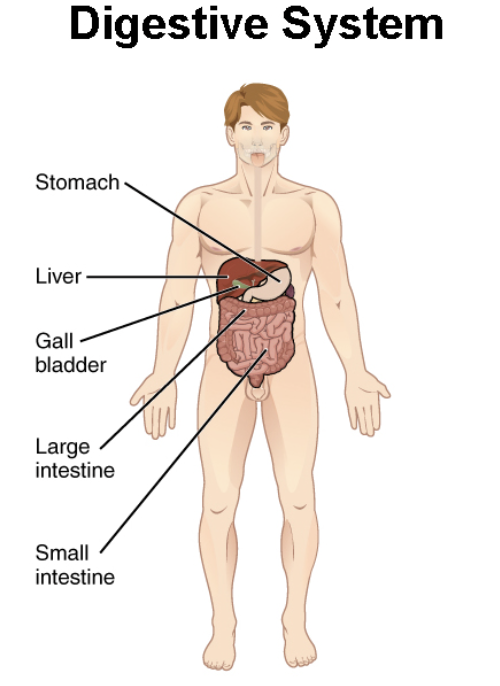
Digestive system
Breaks down food and excretes solid waste. Main organs: mouth, stomach, intestines
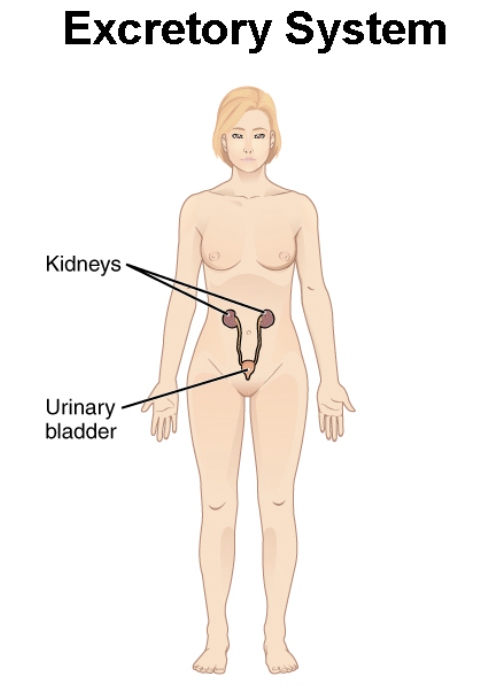
Urinary system
Removes liquid waste and nitrogen containing wastes. Maintain water balance in the body. Main organs: Kidney and bladder
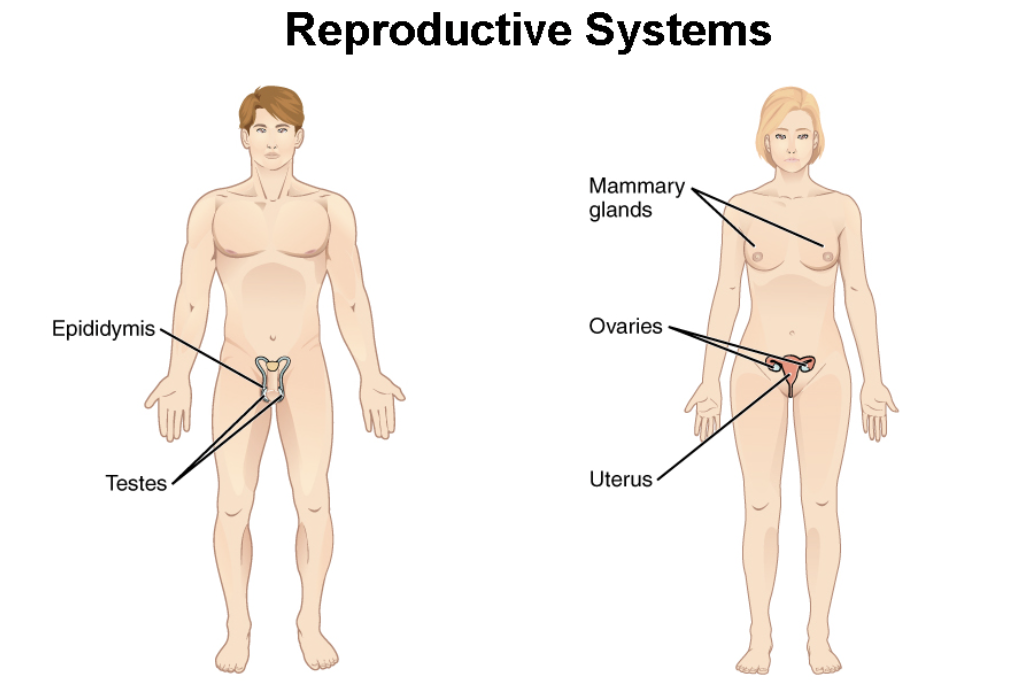
Reproductive system
Produces offspring. Main organs: ovaries and testes
Anatomy
What it is, the structure. Ex: That’s the heart
Physiology
What it does, the function. Ex. The heart pumps blood and oxygen to the body.
What is the order of structural levels of organization from smallest to largest?
Atom→molecule→macromolecule→organite→cell→tissue→organ→organ system→organism
What keeps us alive?
homeostasis
bucco-
cheek
buccolabial: pertaining to the cheek and lip
chondr-
cartilage
chondrogenic: giving rise to cartilage
crani-
skull
craniotomy: a skull opporation
-dia
through, between
diaphragm: the wall between or through 2 areas.
-epi
over, above
epidermis: outer layer of skin
extra-
outside, beyond
extracellular: outside the body cells of an organism
morpho-
form
morphology: the study of form and structure of organisms
nephro-
kidney
nephritis: inflammation of the kidney
neuro-
nerve
neurophysiology: the physiology of the nervous system
sub-
beneath, under
sublingual: beneath the tongue
-emia
condition of the blood
anemia: deficiency of red blood cells
-logy
the study of
pathology: the study of changes in structure and function brought on by disease.