BIOS-251: Exam 1 Review
 Call Kai
 Learn
Learn Practice Test
 Spaced Repetition
 Match
Match Flashcards
 Knowt Play
1/61

There's no tags or description
Looks like no tags are added yet.
Name | Mastery | Learn | Test | Matching | Spaced | Call with Kai | Chat |
|---|
No analytics yet
Send a link to your students to track their progress
62 Terms
The study of human structure
Anatomy
The study of human function
Physiology
A tendency for organisms to maintain a balanced or constant internal state
Homeostasis
A state of balance
Equilibrium
Consequences of homeostatic imbalance
Illness or death
Thermoregulation Process
A feedback loop in which a system responds to a change by reversing that change, or by decreasing the rate at which the change is occurring. (Ex. thermoregulation)
Negative Feedback Loop
A feedback loop in which a system responds to a change by amplifying that change. (Ex. childbirth)
Positive Feedback Loop
Changes, occurring within or outside the body, that affect homeostasis
Stimuli
Detects and sends messages to the control center
Receptors
Processes the signal, alerts the effector about the detected change, and gives instructions
Control Center
An organ or cell that acts in response to a stimulus; handles the issue
Effector
Divides a human body into anterior and posterior sections
Frontal Plane or Coronal Plane

Divides the human body into equal left and right sections
Midsagittal Plane
Divides the human body in half, creating two sections; top and bottom
Transverse or Horizontal Plane
Parallel plane next to the midsagittal plane
Parasaggittal Plane
Plane cut at an angle
Oblique
Midline of body
Medial
Away from midline
Lateral
Towards the head
Superior
Towards the feet
Inferior
Closer to the body or point of attachment
Proximal
Away from point of attachment
Distal
Front of the body
Anterior (Ventral)
Back of the body
Posterior (Dorsal)
Between two structures
Intermediate
On the same side of the body as another structure
Ipsilateral
On the opposite side of the body as another structure
Contralateral
Towards the surface of the body
Superficial
Away from the surface of the body
Deep
Simplest to most complex organisms
Atoms
Molecules
Macromolecules
Organelles
Cells
Tissues
Organs
Organ Systems
Organisms
Cavity that contains the brain
Cranial Cavity
Cavity that contains the spinal cord and nerves
Vertebral Canal
Contains the heart and lungs
Thoracic Cavity (aka. Chest Cavity)
Space that contains just the lungs
Pleural Cavity
Space that contains just the heart
Pericardial Cavity
Houses the lungs, heart, thymus, esophagus, trachea, and several large blood vessels
Mediastinum
Contains both the abdominal and pelvic cavities
Abdominopelvic Cavity
Contains the stomach, spleen, liver, gallbladder, small intestine and most of the large intestine
Abdominal cavity
The space formed by the hip bones and contains primarily the organs of the reproductive and excretory systems.
Ex. urinary bladder, portions of large intestine, and internal organs of reproduction
Pelvic Cavity
Membrane that secretes mucus that lubricates the surface of organs and keeps them moist.
Mucous Membrane
Thin, double-layered membrane that covers the viscera in the cavities and reduces friction
Serous Membrane (Visceral and Parietal)
Covers external surface of organs within the cavity
Visceral Layer
Lines a cavity or body wall
Parietal Layer
Double-layered membrane surrounding the abdominal organs
Peritoneum
Double-layered membrane surrounding the heart
Pericardium
Double-layered membrane that divides the thoracic cavity into two pleural compartments and mediastinum
Pleurae
Classification of organs that are not surrounded by the peritoneum but rather behind it
Retroperitoneal
Contains the liver, gallbladder, portion of the stomach, right kidney, portion of the pancreas, right adrenal gland, and portions of the small and large intestines
Right Upper Quadrant (RUQ)
Contains the stomach, pancreas, left kidney, spleen, the left adrenal gland, and portions of the small and large intestines
Left Upper Quadrant (LUQ)
Contains the appendix, portions of reproductive organs, right ureter, and portions of the small and large intestines
Right Lower Quadrant (RLQ)
Contains portions of reproductive organs, left ureter, and portions of the small and large intestines
Left Lower Quadrant (LLQ)
Function of Enzymes
Speed up chemical reactions by lowering activation energy
Function of Lipids
Long term energy storage, reserved energy, cell membrane
Subatomic particles
protons, neutrons, electrons
Number of protons in an atom
Same as the atomic number
A storage polysaccharide in plants consisting entirely of alpha glucose.
Starch
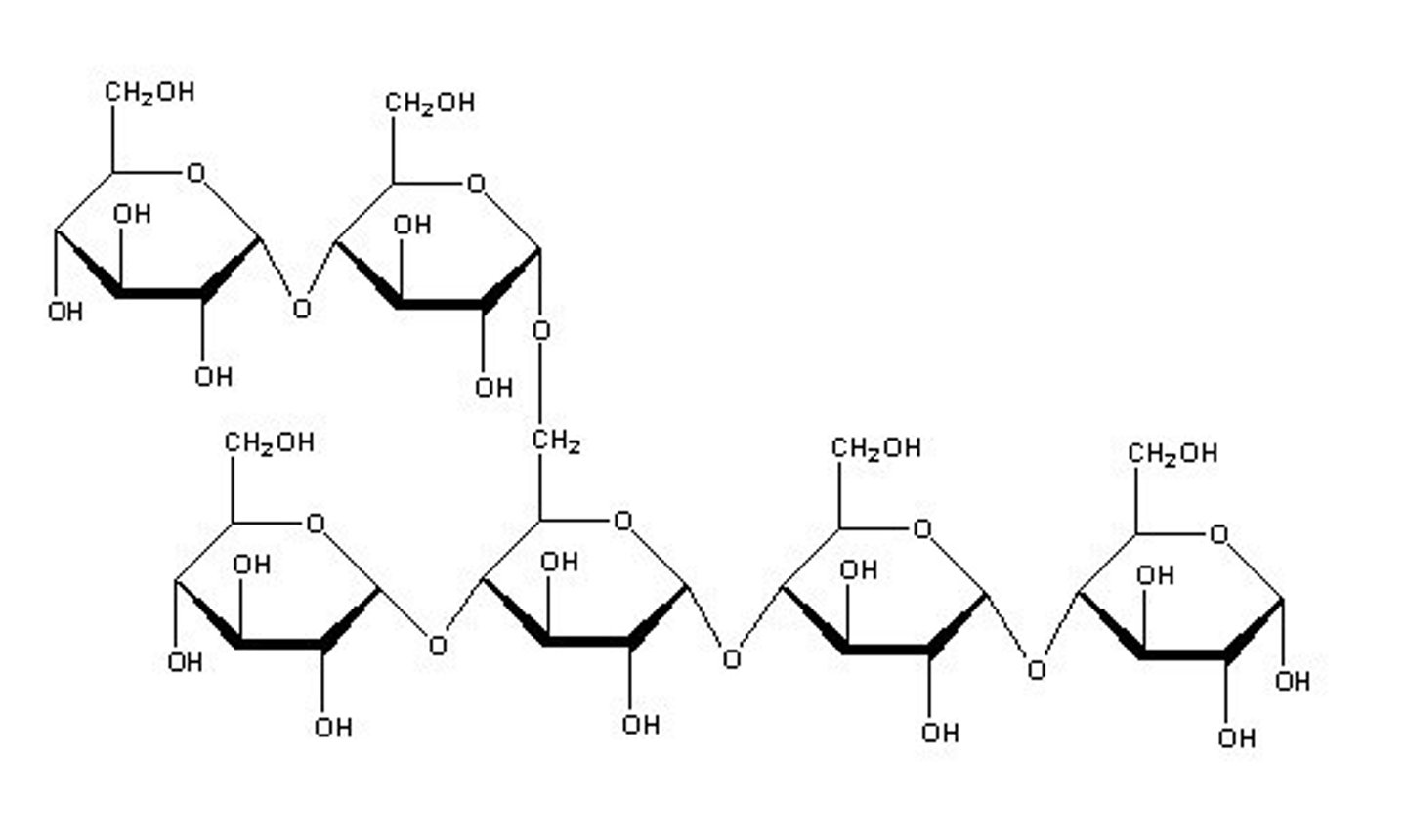
Polysaccharide consisting of beta glucose monomers that reinforces plant-cell walls
Cellulose
A polymer (chain) of many amino acids linked together by peptide bonds to create protein
Polypeptide
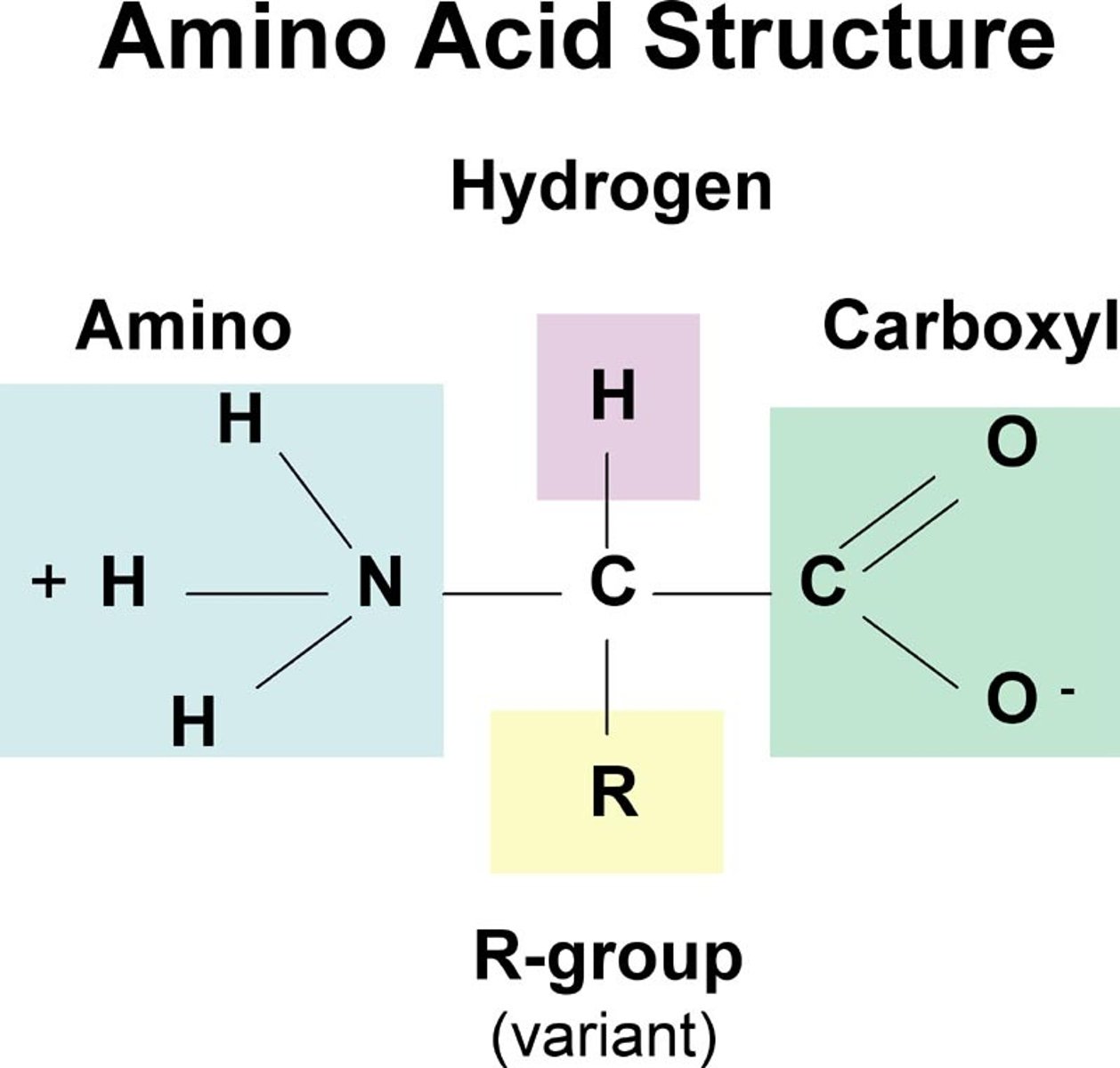
Compound with an amino group on one end and a carboxyl group on the other end; building block for protein
Amino Acid
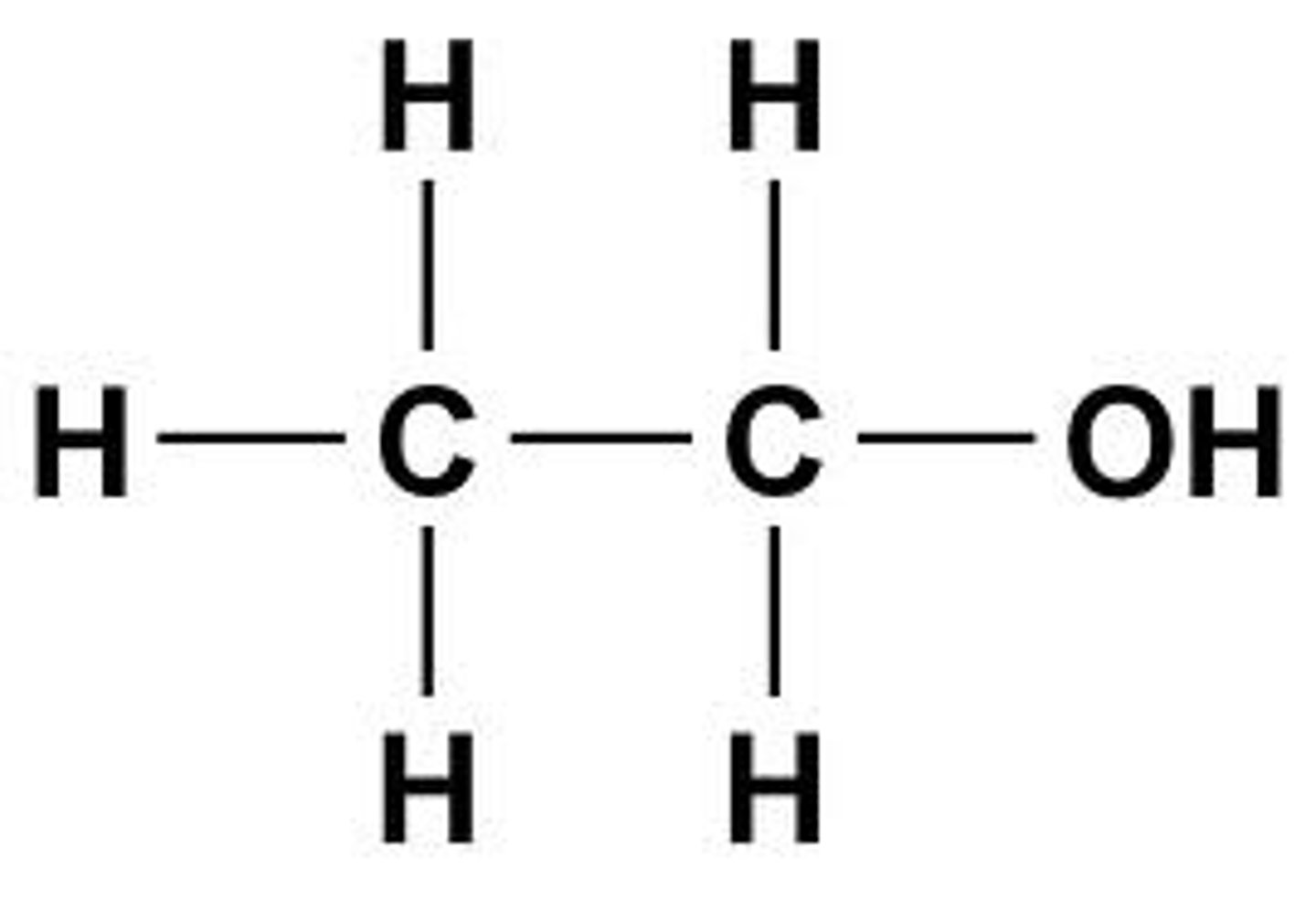
Ethanol
C2H5OH
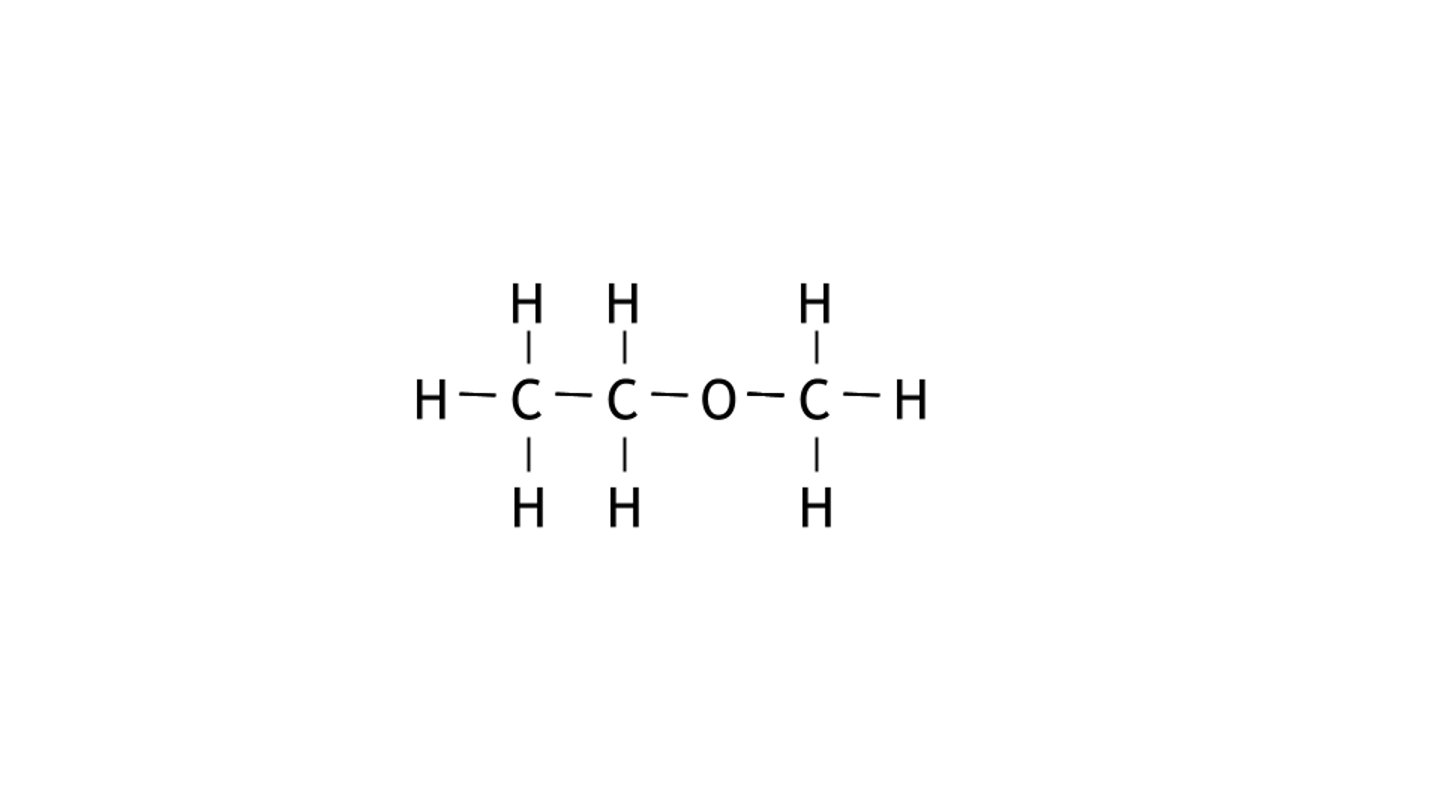
Ethyl Ether