Cell Biology and Chemistry
 Call Kai
 Learn
Learn Practice Test
 Spaced Repetition
 Match
Match Flashcards
 Knowt Play
1/135

There's no tags or description
Looks like no tags are added yet.
Name | Mastery | Learn | Test | Matching | Spaced | Call with Kai | Chat |
|---|
No analytics yet
Send a link to your students to track their progress
136 Terms
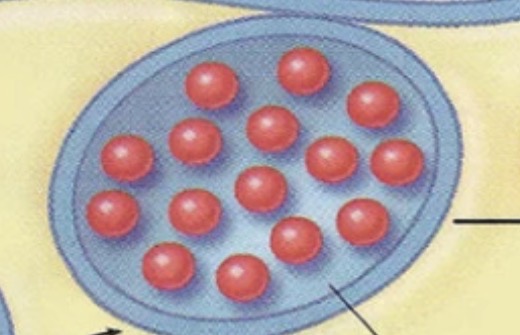
Secretory Vesicle
A membrane pouch that transports proteins and hormones from the Golgi apparatus to the cell membrane to be released outside.
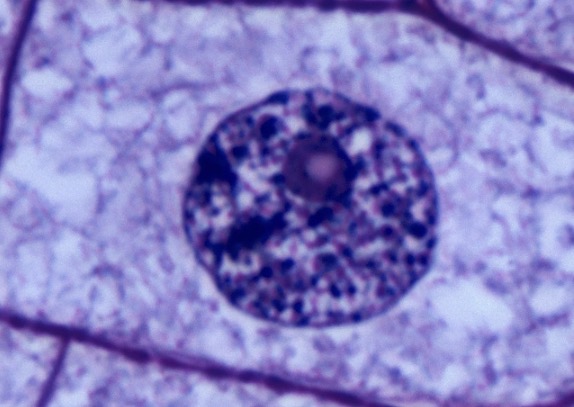
Nucleus
A double-membrane organelle that stores the cell's DNA and controls cellular activities like growth, metabolism, and protein synthesis.
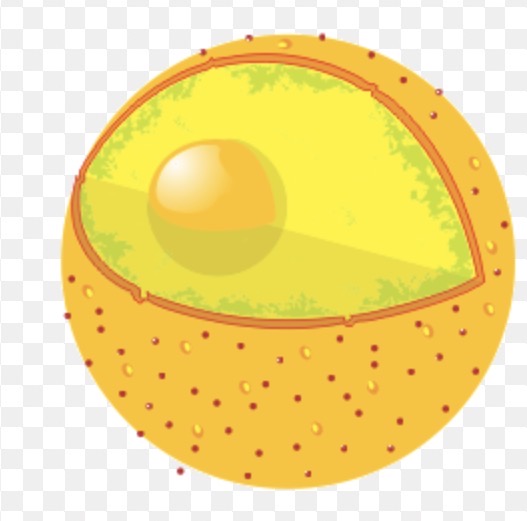
Nuclear Membrane
A double-layered barrier that surrounds the nucleus, protecting its DNA and controlling what enters or exits through tiny nuclear pores.
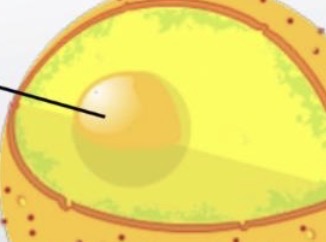
Nucleolus
A dense region inside the nucleus that produces ribosomal RNA (rRNA) and assembles the subunits needed to build ribosomes.
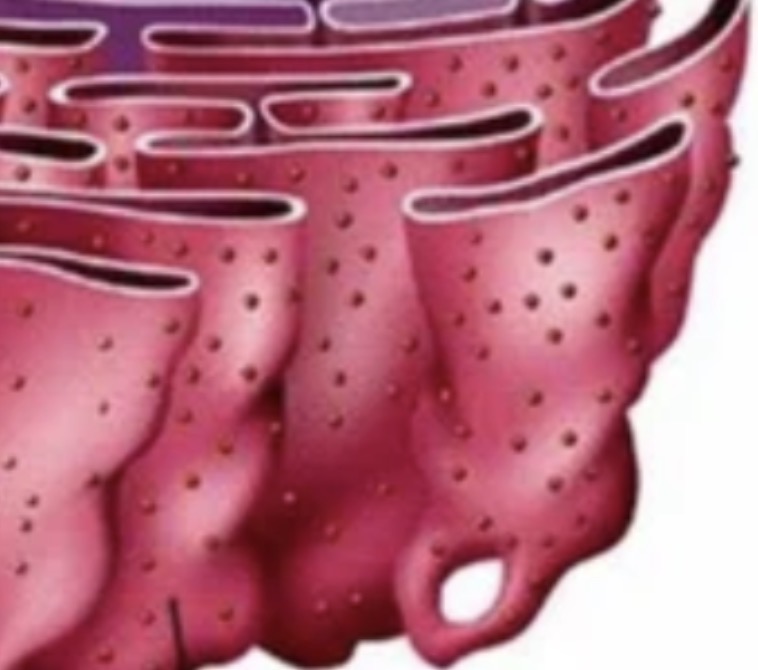
Rough Endoplasmic Reticulum (RER)
A network of folded membranes studded with ribosomes that folds, modifies, and transports proteins produced by those ribosomes.
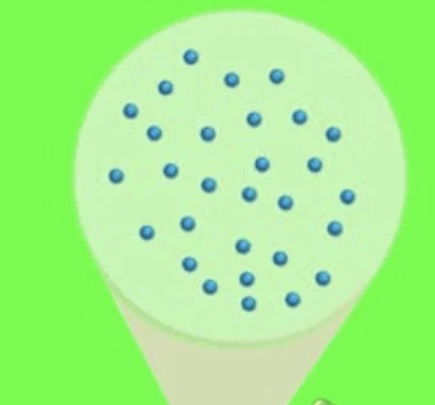
Ribosome
A tiny organelle made of RNA and protein that reads mRNA sequences to synthesize proteins for the cell.
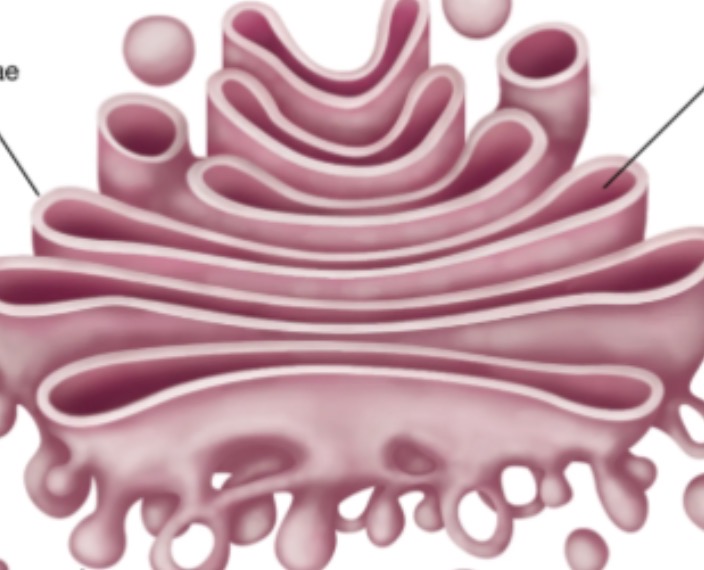
Golgi Body
A stack of flattened membrane sacs that modifies, sorts, and packages proteins and lipids into vesicles for transport inside or outside the cell.
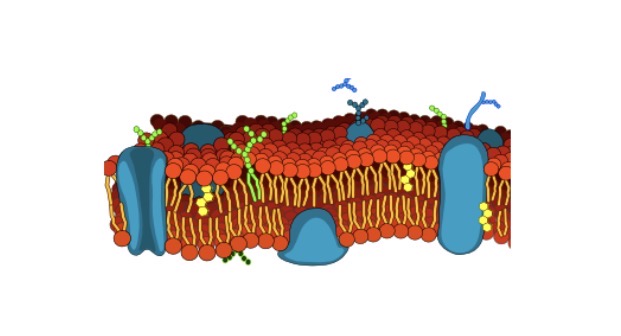
Cell Membrane
A flexible barrier made of a phospholipid bilayer that encloses the cell, regulating what enters and exits to maintain internal balance.
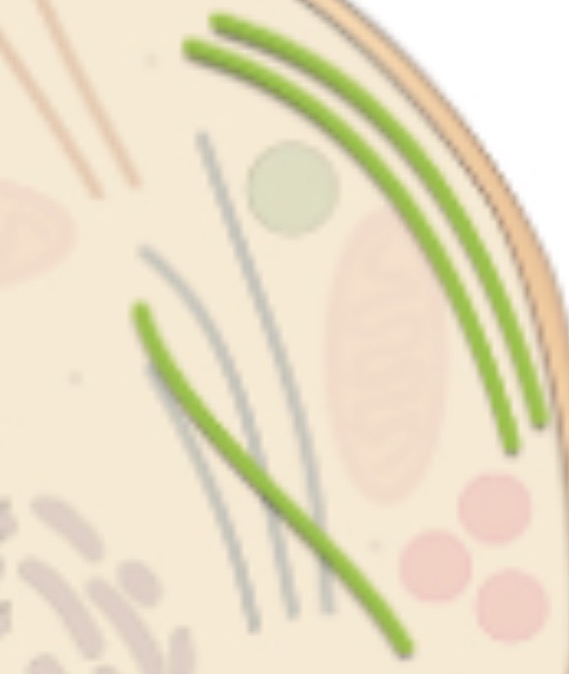
Microfilament
A thin thread of actin protein that gives the cell structural support, helps maintain its shape, and enables cell movement.
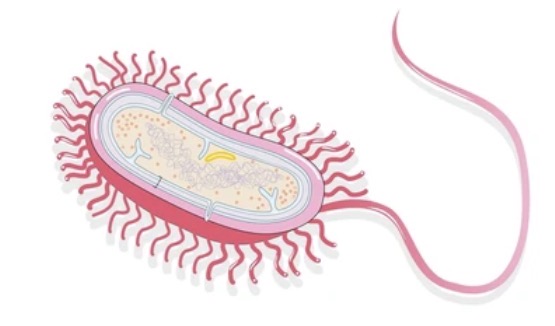
Flagellum
A long, whip-like appendage that projects from the cell surface and rotates or lashes to propel the cell forward.
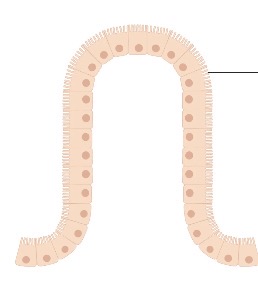
Microvilli
Tiny, finger-like projections on the cell surface that increase surface area to maximize the absorption of nutrients and materials.
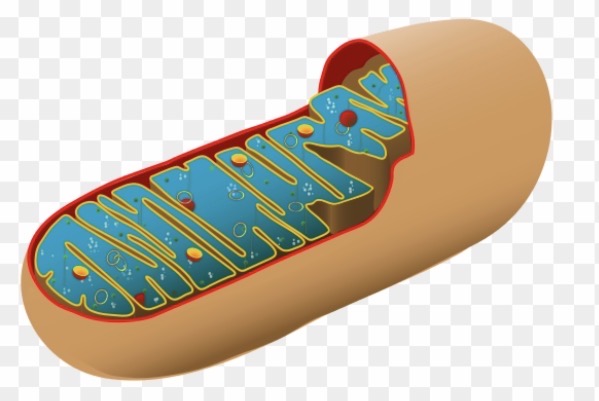
Mitochondria / Mitochondrion
Responsible for converting nutrients and oxygen into cellular energy (ATP) to power cell processes.
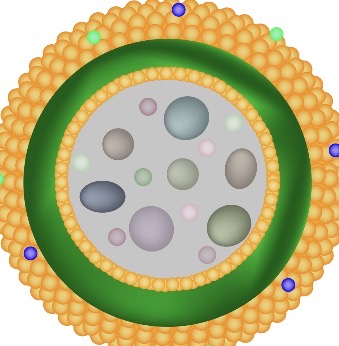
Lysosome
A membrane-bound organelle containing digestive enzymes that breaks down cellular waste, debris, and foreign invaders.
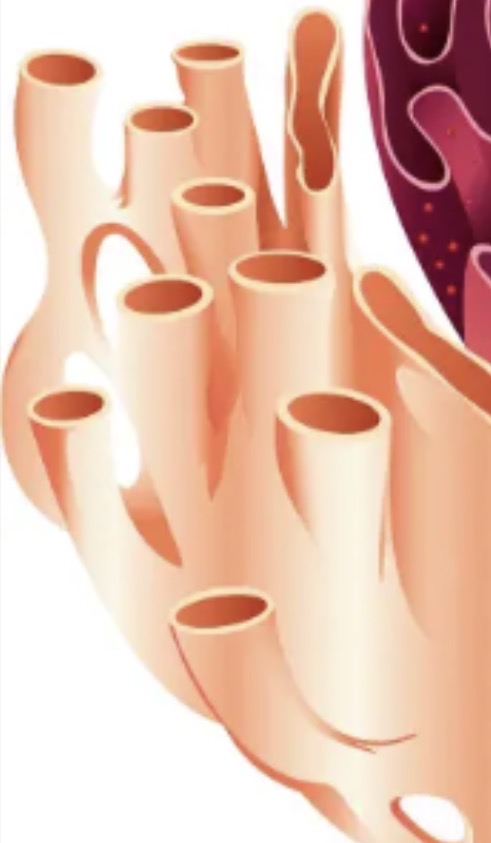
Smooth Endoplasmic Reticulum (SER)
A network of tubular membranes without ribosomes that synthesizes lipids, metabolizes carbohydrates, and detoxifies harmful substances in the cell.
Define what an element is
A pure substance made up of only one type of atom that cannot be broken down chemically into anything simpler, and is composed of a nucleus and electrons.

Define what a compound is
A pure substance composed of two or more different elements chemically bonded together in a fixed ratio.

Define what a mixture is
A physical blend of two or more substances that retain their individual chemical identities and can be separated by physical means.
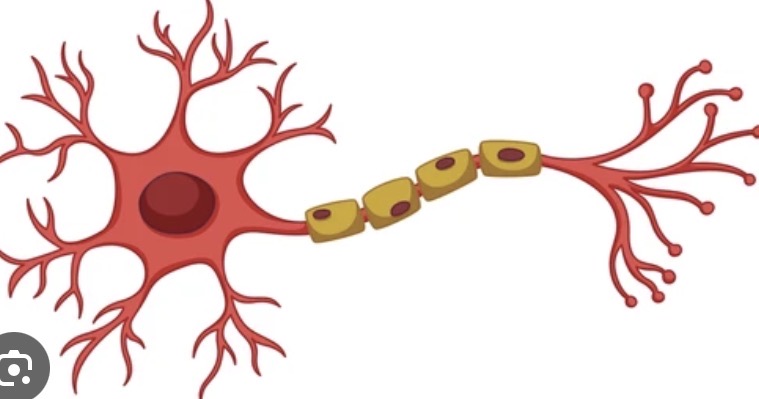
Nervous Tissue
Conducts electrical impulses throughout the body to enable communication, processing, and regulation of bodily functions.

Epithelial Tissue
Covers body surfaces and lines organs to provide protection, absorption, secretion, filtration, and sensation.

Muscle Tissue
Contracts and relaxes to generate physical movement, maintain posture, and produce body heat.

Connective Tissue
Provides structural support, protection, insulation, and transportation by connecting and anchoring different organs and tissues.
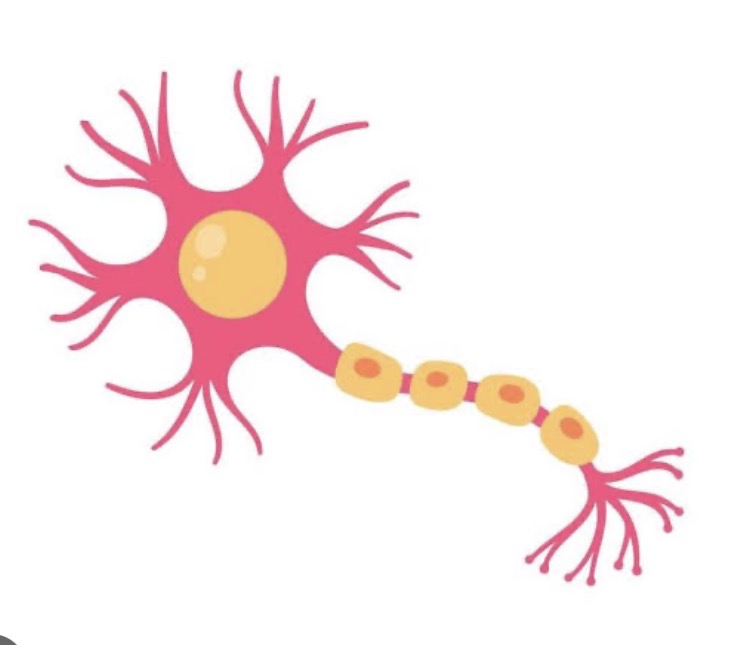
Sensory neuron
Detects stimuli from the internal or external environment and transmits those signals directly toward the central nervous system.

Motor Neuron
Carries nerve signals from the brain and spinal cord to muscles and glands to trigger movement and physiological responses.
Interneuron
Acts as an information bridge within the central nervous system, connecting sensory and motor pathways to process complex signals like memory, learning, and planning.
What does the symbol O represent
Oxygen (Constituent of water and organic molecules; necessary for cellular respiration)
What does the symbol C represent
Carbon (Found in every organic molecule)
What does the symbol H represent
Hydrogen (Constituent of water and most organic molecules)
What does symbol N represent
Nitrogen (Constituent of all protein molecules)
What does symbol P represent
Phosphorus (Constituent of many protein molecules, ATP; required for normal bone and teeth)
What does symbol Ca represent
Calcium (Present as calcium ions in bone and teeth; required for blood clotting)
What does symbol Cl represent
Chlorine (Present as chloride ions in extracellular fluid)
What does symbol S represent
Sulphur (Constituent of many proteins)
What does symbol Na represent
Sodium (Present as sodium ions in extracellular fluid; essential in maintaining water balance)
What does symbol K represent
Potassium (Present as potassium ions in intracellular fluid; required in conduction of nerve impulses)
What does symbol Mg represent
Magnesium (A cofactor for many enzymes)
What does symbol Fe represent
Iron (Oxygen binding component of haemoglobin)
What does symbol I represent
Iodine (Vital to functioning of thyroid)
What is a compound
A pure substance that contains two or more elements chemically bonded
Inorganic compounds
Usually small molecules that lack carbon (e.g., water, carbon dioxide, salts, acids, bases).
Organic Compounds
Always contain carbon (C) and can be made by living things (e.g., carbohydrates, lipids, proteins, nucleic acids).

Chemical formula
A shorthand way of representing a chemical compound that shows the elements present and their proportions.
characteristic properties of metals that distinguish them from non-metals
High conductivity, shiny, almost all solid, conduct heat & electricity and is malleable.
Name the region of the brain responsible for learning
Cerebrum
What is a mixture?
Two or more substances (elements/compounds) mixed in any proportion that keeps their own properties.
What does solute mean
The substance being dissolved
What does solvent mean
The substance doing the dissolving
Properties of a solution
Always clear (even if coloured); solute does not settle out and cannot be filtered out. Eg. salt water, vinegar, air, sugar water.
Type of mixture: colloid
Particles too small to see but big enough to diffract light, cannot pass through semi-permeable membranes. Eg, milk, fog gelatin, blood plasma, mayo
Type of mixture: suspension
Very small but visible particles of a solid suspended in a liquid. Eg, whole blood, muddy water, OJ with pulp
Type of mixture: Emulsion
Droplets of one liquid suspended in another liquid eg, milk, butter, mayo, oil
Bile salts
Acts as emulsifiers to allow the dispersion of fats in the intestine.
body solutions
Fluids containing dissolved solutes (glucose, salts, urea) essential for physiological function.
Primary solvent
Water H20 - the most important solvent in the human body
Hydrophilic
Water loving
Hydrophobic
Water hating
What of these are elements
Iodine, carbon
What of these are compounds
Sodium chloride (NaCl), haemoglobin, distilled water, magnesium oxide (MgO), Glucose (C6H12O6)
What of these are Mixtures
Milk, air, blood, urine blood plasma
How many atoms of each element are in this? CO2
1 carbon, 2 Oxygen
How many atoms of each element are in this? H2
2 Hydrogen
How many atoms of each element are in this? NH4CL
1 Nitrogen, 4 Hydrogen, 1 Chlorine
How many atoms of each element are in this? Fe(OH)2
1 iron, 2 oxygen, 2 hydrogen
How many atoms of each element are in this complex molecule? C6H12O6
6 carbon, 12 Hydrogen, 6 Oxygen
How many atoms of each element are in this complex molecule? Mg(HCO3)2
1 magnesium, 2 hydrogen, 2 carbon, 6 Oxygen
How many atoms of each element are in this complex molecule? (NH4)3PO4
1 nitrogen, 12 Hydrogen, 1 Phosphorus, 4 Oxygen
How many atoms of each element are in this complex molecule? NaH2PO4
1 Sodium, 2 Hydrogen, 1 phosphorus, 4 Oxygen
What type of mixture is found in whole blood?
Suspension and Colloid
What type of mixture is found in blood plasma?
Solution and Colliod
What are 3 key physical properties of metals that distinguish them from non-metals?
Conductivity, malleability & ductility, and luster (shiny appearance)
What are the main two branches that matter is divided into?
Pure substances and mixtures
What are examples of pure substances?
Gold, pure water, oxygen, table salt
What are examples of Mixtures
Air, milk, blood, saline solution
What two categories fall under pure substances
Elements and compounds
What are some elements?
Carbon, iron, hydrogen, nitrogen
What are some compounds?
Water (H2O), carbon dioxide (CO2), sodium chloride (NaCl), glucose (C6H12O6)
What two subcategories do elements divide into
Metals and non-metals
What are some examples of metals?
Iron, magnesium, calcium, potassium, copper
What are some examples of Non-metals
Oxygen, carbon, nitrogen, chlorine, iodine
What is a chemical change?
Makes or breaks compounds into elements ( eg. electrolysis)
What is a physical change?
Changes state ( solid, liquid, gas); molecules stay the same
What is electrolysis
Using electric current to break down a compound into elements.
What is sublimation?
Direct change from solid to gas. (Eg. Dry ice/solid CO2)
Why does sweating cool the body?
Evaporation, sweat absorbs body heat to change into gas, pulling thermal energy away from the skin.
Physical change features
No new substance, easily reversed, retains properties.
Chemical change features
New substance formed, hard to reverse, new properties
Physical change examples
Freezing/boiling water, dissolving sugar/salt, evaporating sweat, melting wax, blood dialysis/separation, sublimating dry ice
Chemical change examples
Rising bread dough, grape fermentation, rusting metal, burning candles, souring milk, electrolysis of water
Heated iodine
Greyish solid turns to purple gas (sublimation-physical change)
Cooling iodine
Purple gas turns back into solid (deposition/reverse sublimation)
Heating sucrose (physical)
Sucrose melts into clear liquid (reversible state change)
Heating sucrose (chemical)
Continuous heat thermally decomposes sugar into black carbon, steam, and bubbles (irreversible)
Burning magnesium ribbon (reaction and balanced equation)
Malleable metal burns with bright white light, leaving white powder MgO. Equation: 2mG + O2 → 2MgO
Subatomic Particles contain
Protons, electrons, and neutrons
Properties of proton
Nucleus, +1, relative mass 1
Properties of electron
Around nucleus, -1, relative mass negligible
Properties of neutron
Nucleus, 0, relative mass 1
What determines an atoms mass
Almost all mass is in the nucleus (protons + neutrons)
What determines an atoms Volume/size
Determines by the electron cloud (space electrons move around in)
Atomic number
Number of protons (also equals number of electrons in a neutral atom). Defines the element
Mass number
Total number of particles in the nucleus (protons + neutrons)