GACE Art Education
 Call Kai
 Learn
Learn Practice Test
 Spaced Repetition
 Match
Match Flashcards
 Knowt Play
1/265

There's no tags or description
Looks like no tags are added yet.
Name | Mastery | Learn | Test | Matching | Spaced | Call with Kai | Chat |
|---|
No analytics yet
Send a link to your students to track their progress
266 Terms
A triad on a color wheel can be described as
three colors equally spaced apart.
Overlapping shapes can contribute to creating
spatial depth
perspective that us commonly called bird's eye or worm's eye view
3 point perspective
Method originally used for transferring smaller compositions to larger surfaces
grid to grid
What can help distinguish between figure and ground
shifts in color relationships
Development of photography influenced what change in painting
influenced painters to compose work that appears cropped
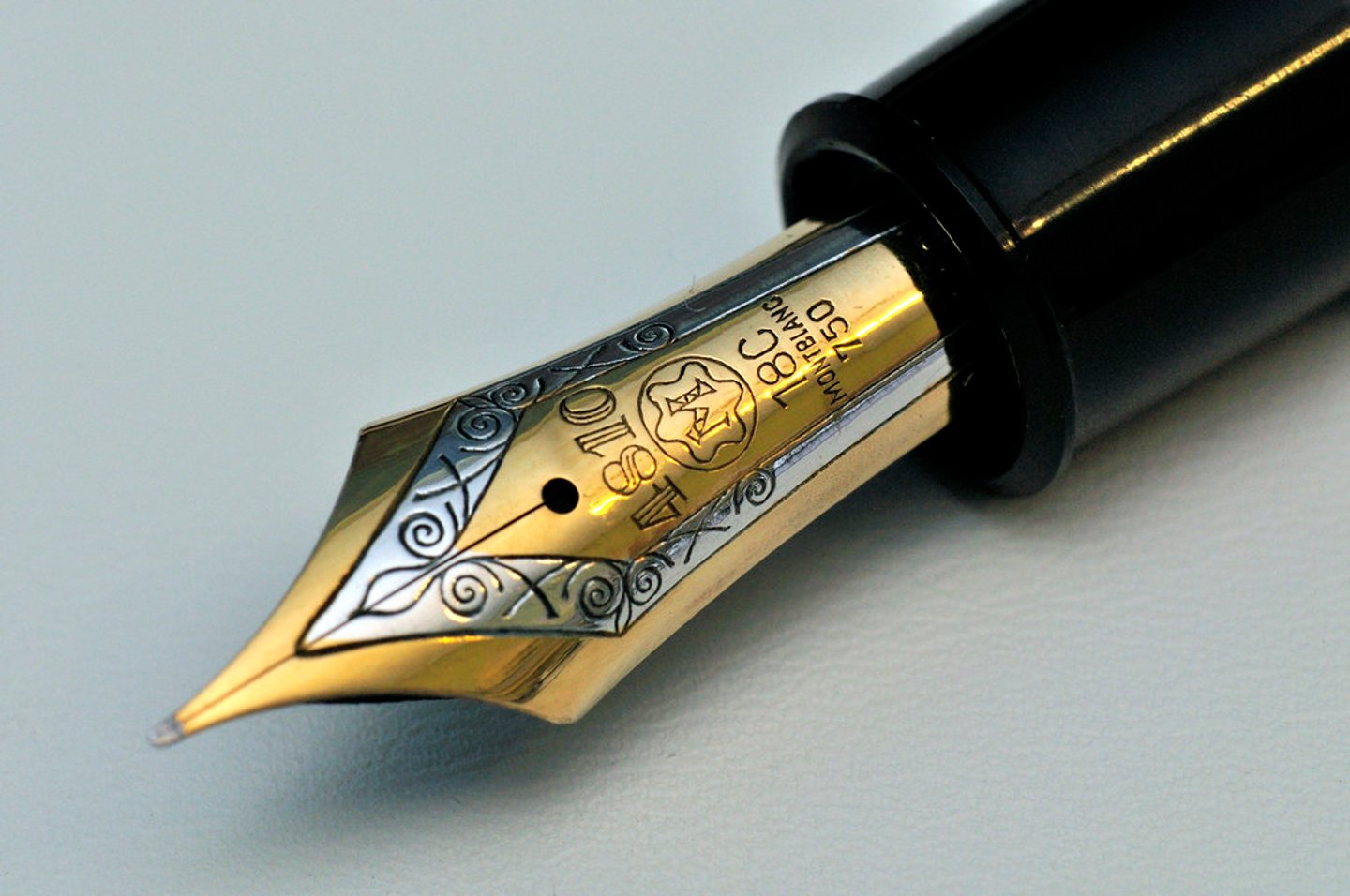
Nib
the part of a quill, dip pen, fountain pen, ball point or stylus which comes into contact with the writing surface in order to deposit ink
Awl
a tool with which holes can be punctured in a variety of materials, or existing holes can be enlarged. It is also used for sewing heavy materials, such as leather or canvas. It is a thin, tapered metal shaft, coming to a sharp point, either straight or slightly bent.

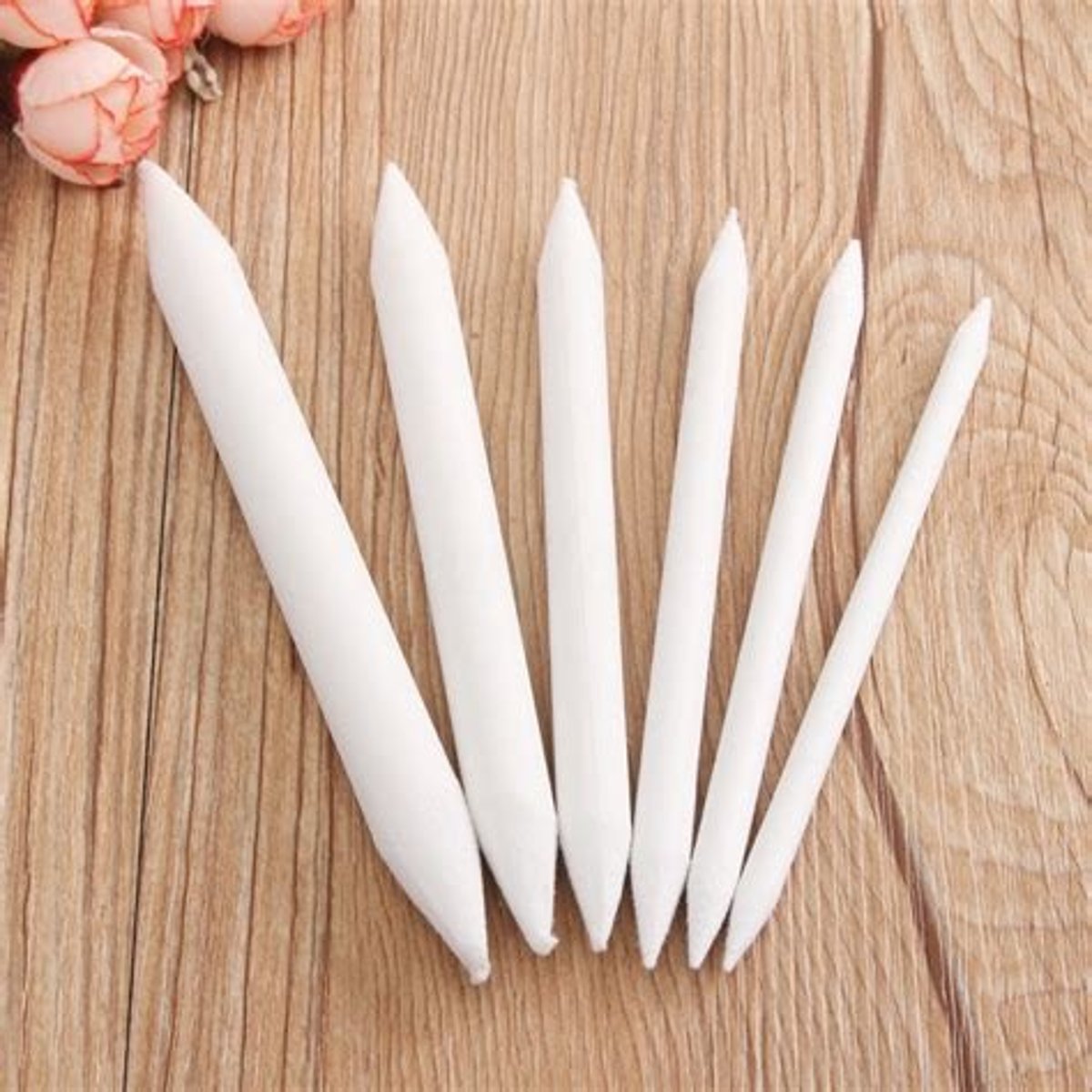
stomp
A stump is a cylindrical drawing tool, usually made of soft paper that is tightly wound into a stick and sanded to a point at both ends. - smudges ur drawing!!!!
Tortillon
An artist's tool used to smudge and blend a drawing made from charcoal, pencil, or pastel, consisting of a tightly-wound stick of soft, fibrous paper, sanded to a point at one end like a pencil.
simulation
Simulation is the imitation of the operation of a real-world process or system over time.
modeling
the use of changes in value to represent a 3D surface
serigraph
silk screen printing - stencil-based printing process in which ink is forced through a fine screen onto the paper beneath
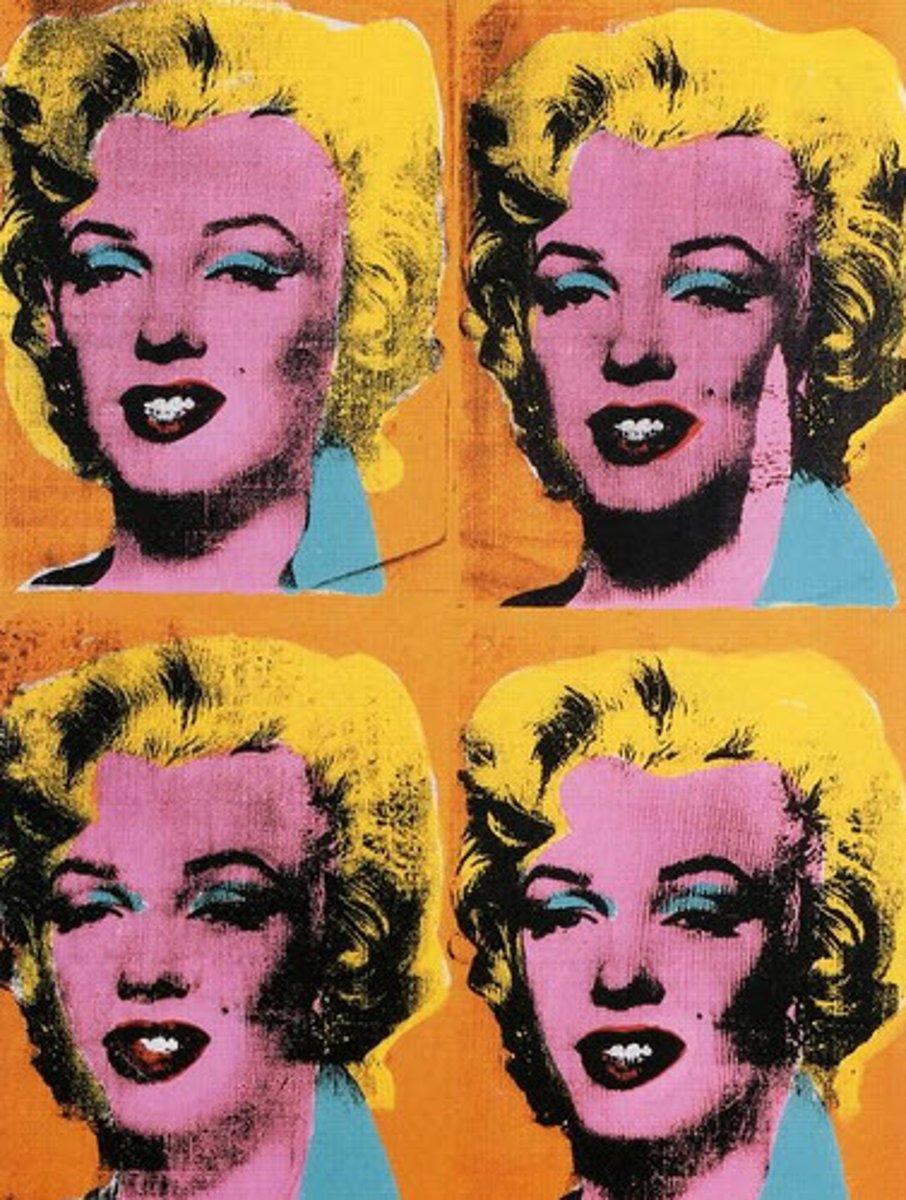
lithograph
a print produced by a printing process in which a smooth surface is treated so that ink will adhere only to the design to be printed

linocut
A relief process in printmaking, in which an artist cuts away negative spaces from a block of linoleum, leaving raised areas to take ink for printing.
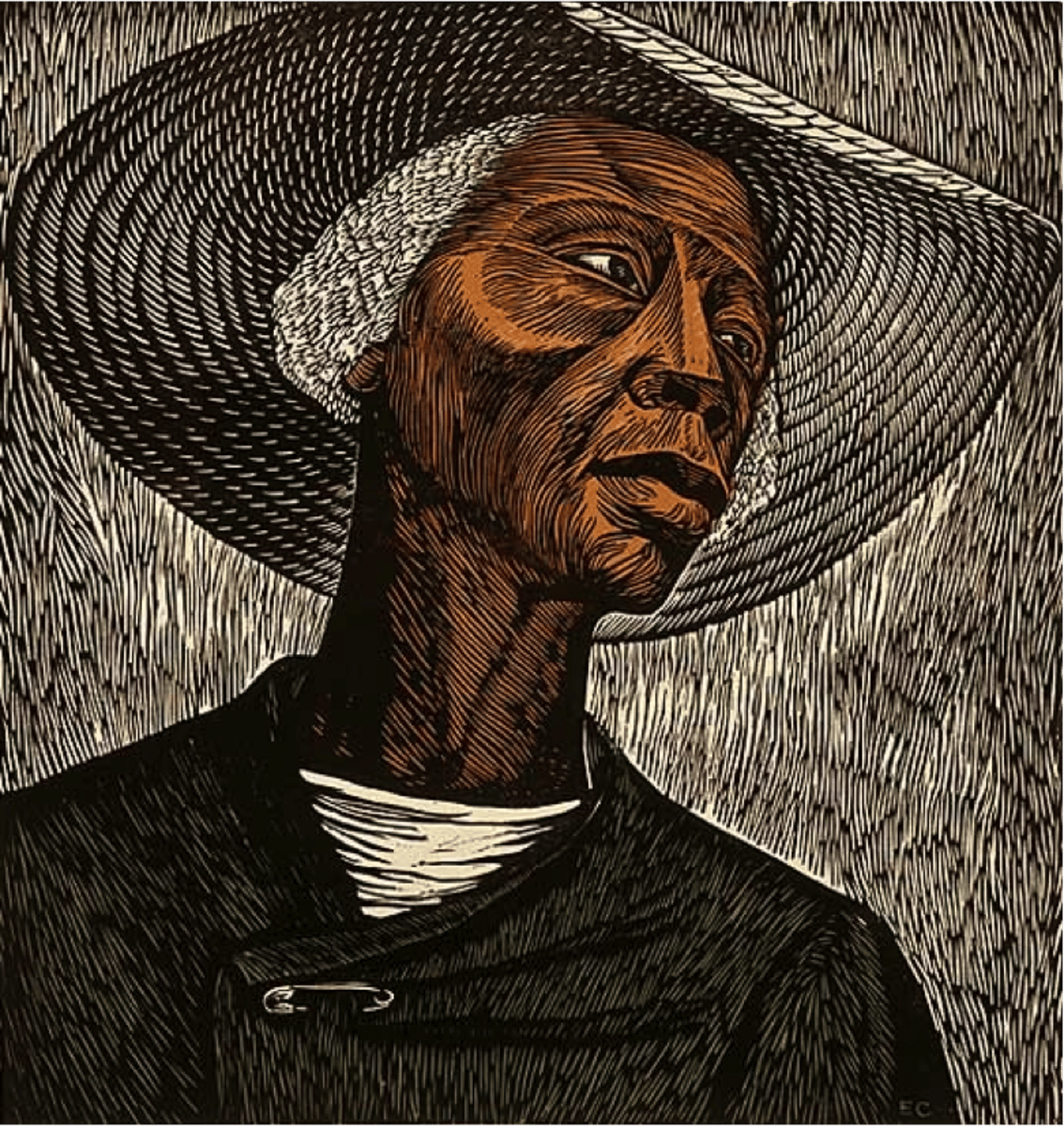
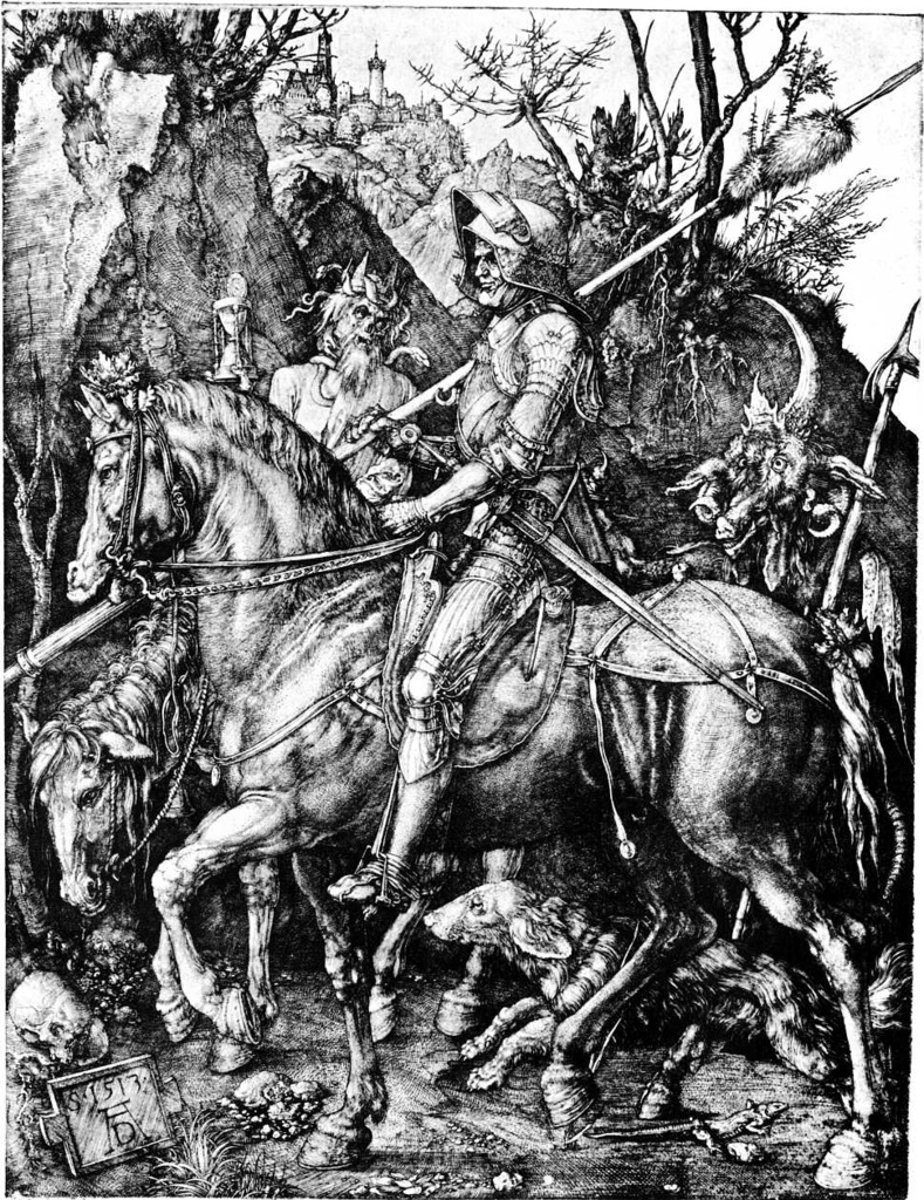
engraving
a printmaking technique where the artist gouges or scratches the image into the surface of the printing plate
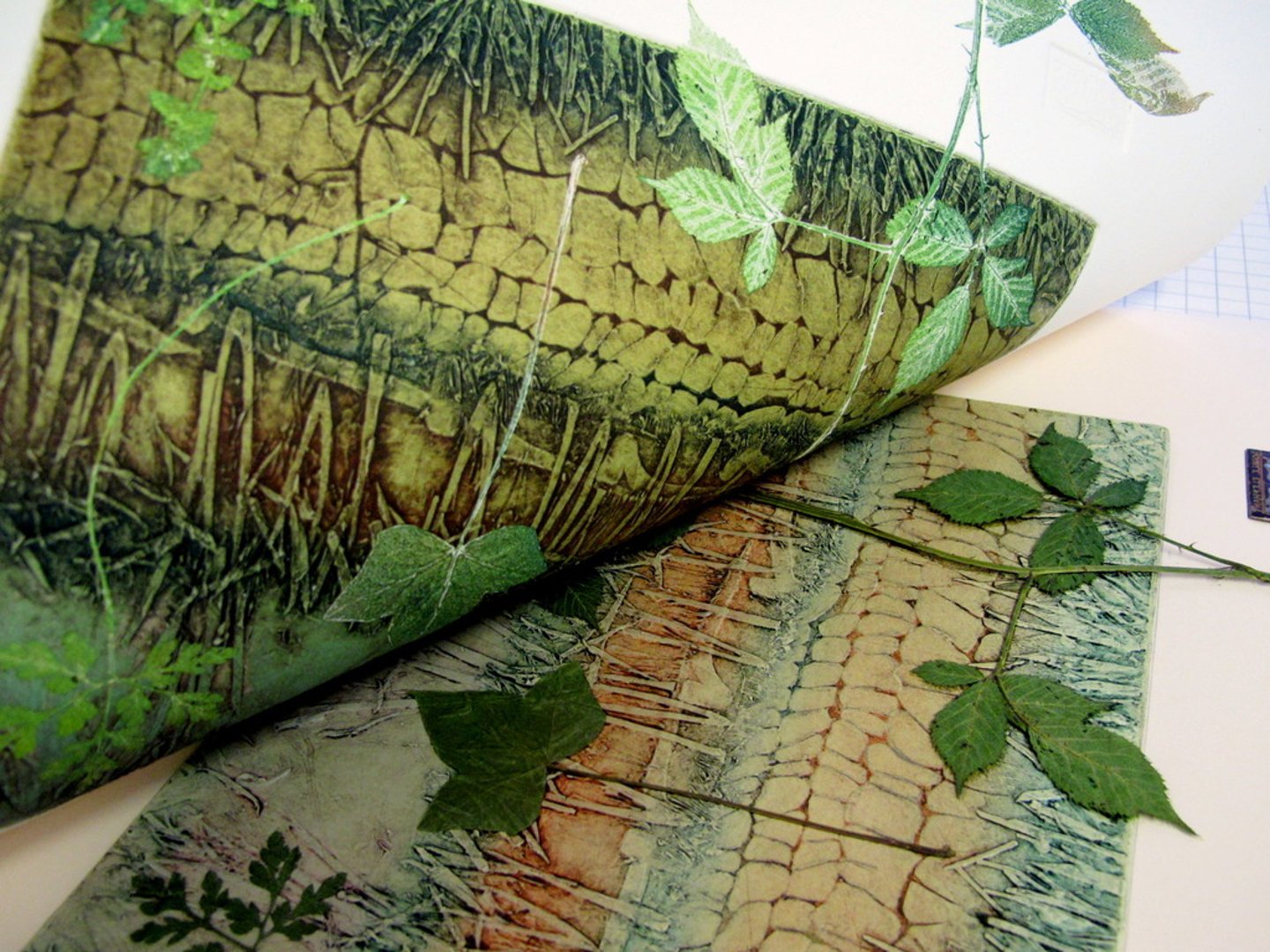
Collography Printmaking
a collage of materials of various textures glued on to a printing plate, often a thin wood or cardboard.
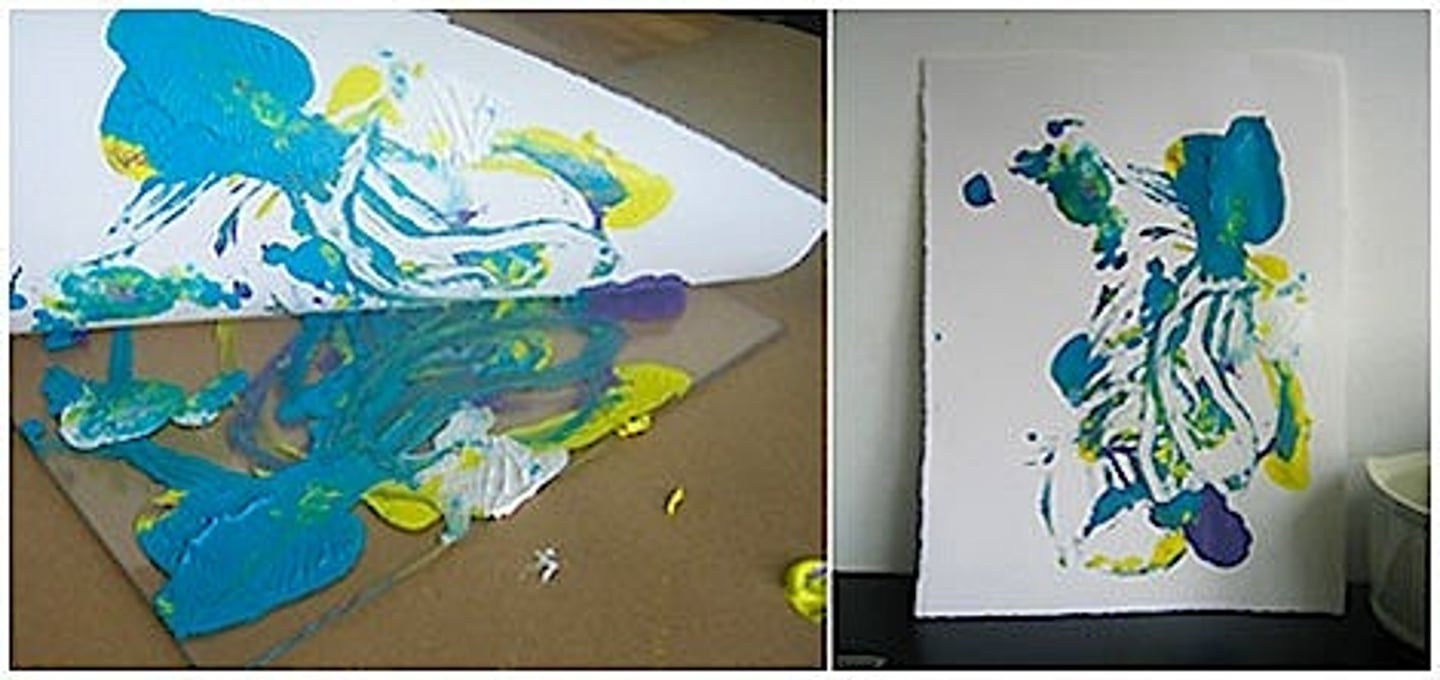
Monoprinting
in method of printing that involves creating a unique impression by applying ink to a flat surface and transferring it to paper. Can be combined with other printing methods listed above.
Vehicle
the liquid constituent of paint that holds pigment in suspension
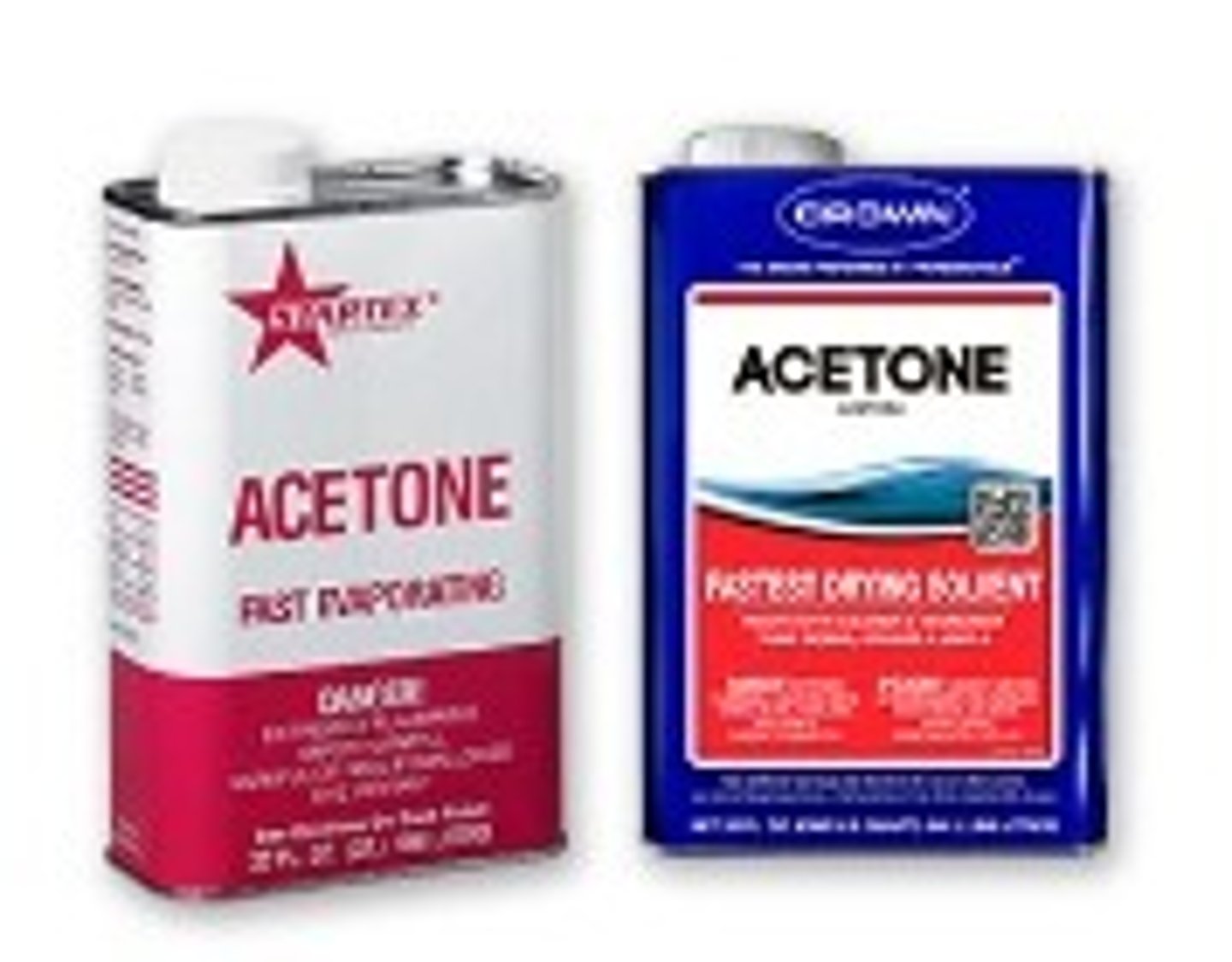
Solvent
A liquid substance capable of dissolving other substances - used to thin oil paints for creating a wash if you wish to tone a canvas, for a thin underpainting or drawing layer or to break down stiff brands of paint.
extender
pigment is a naturally occurring chemical substance (usually having a white color) that is added to a paint or coating to improve its properties such as durability, cost, and resistance to corrosion or wear.
Tooth
surface texture of paper; determines which mediums can be used on it
f-stop
A camera setting that determines the amount of light passing through the lens by controlling the size of the iris.
shutter speed
The amount of time the shutter inside the camera is open to expose your photo - controls length of time light can enter a camera
bitmaps
Bitmap images are made up from thousands of tiny dots called pixels (picture elements.)
Programs such as Photoshop work with bitmaps. Bitmap images are similar to
photographs; if you enlarge them too much, the image becomes grainy or pixilated.

paper mache
gluing multiple layers of paper onto an armature
lost wax
A casting method. First, a model is made from wax and encased in clay or casting plaster. When the clay is fired to make a mold, the wax melts away, leaving a void that can be filled with molten metal or other self-hardening liquid to produce a cast. - casting metal in a plaster mold
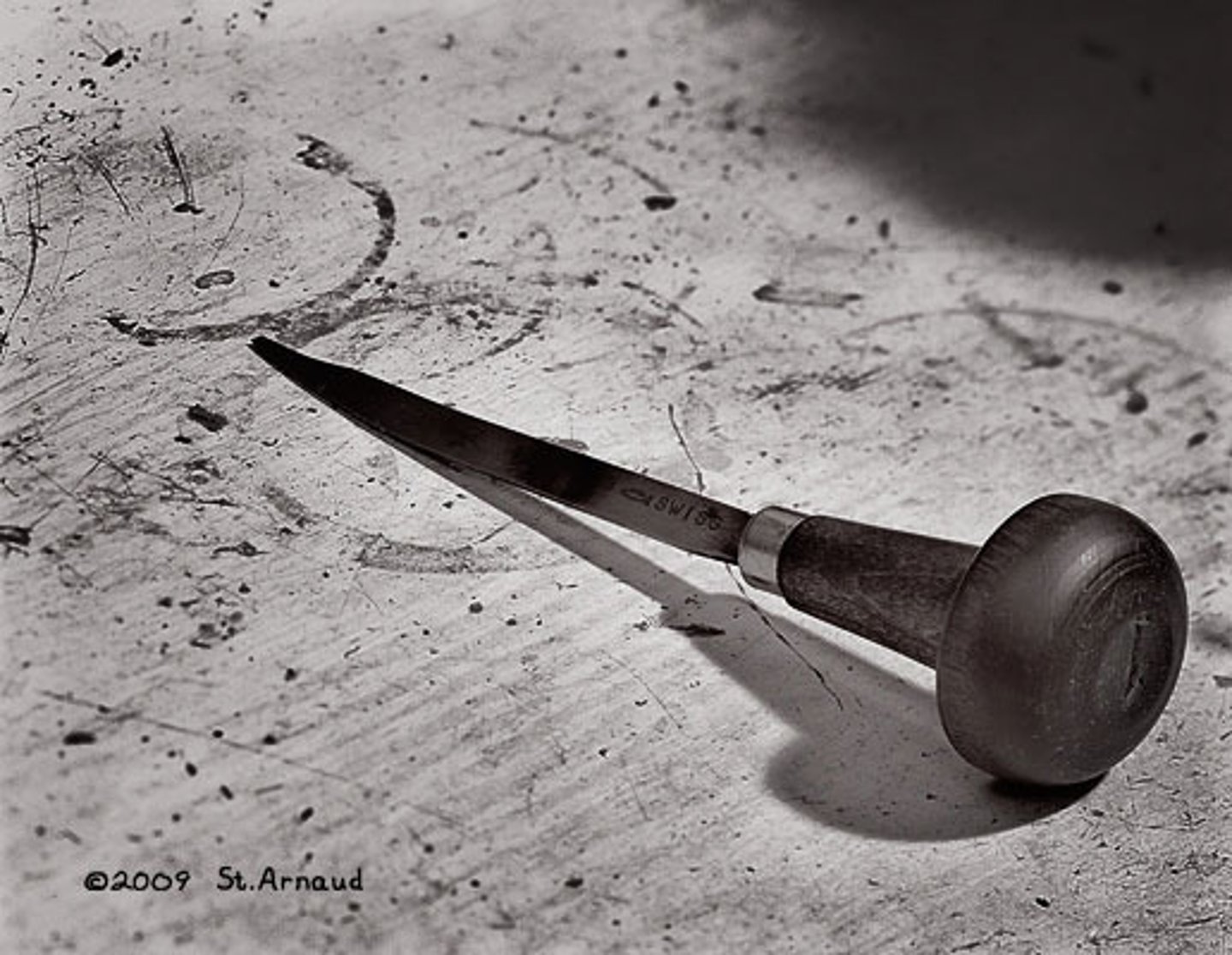
burin
A pointed tool used for engraving or incising.
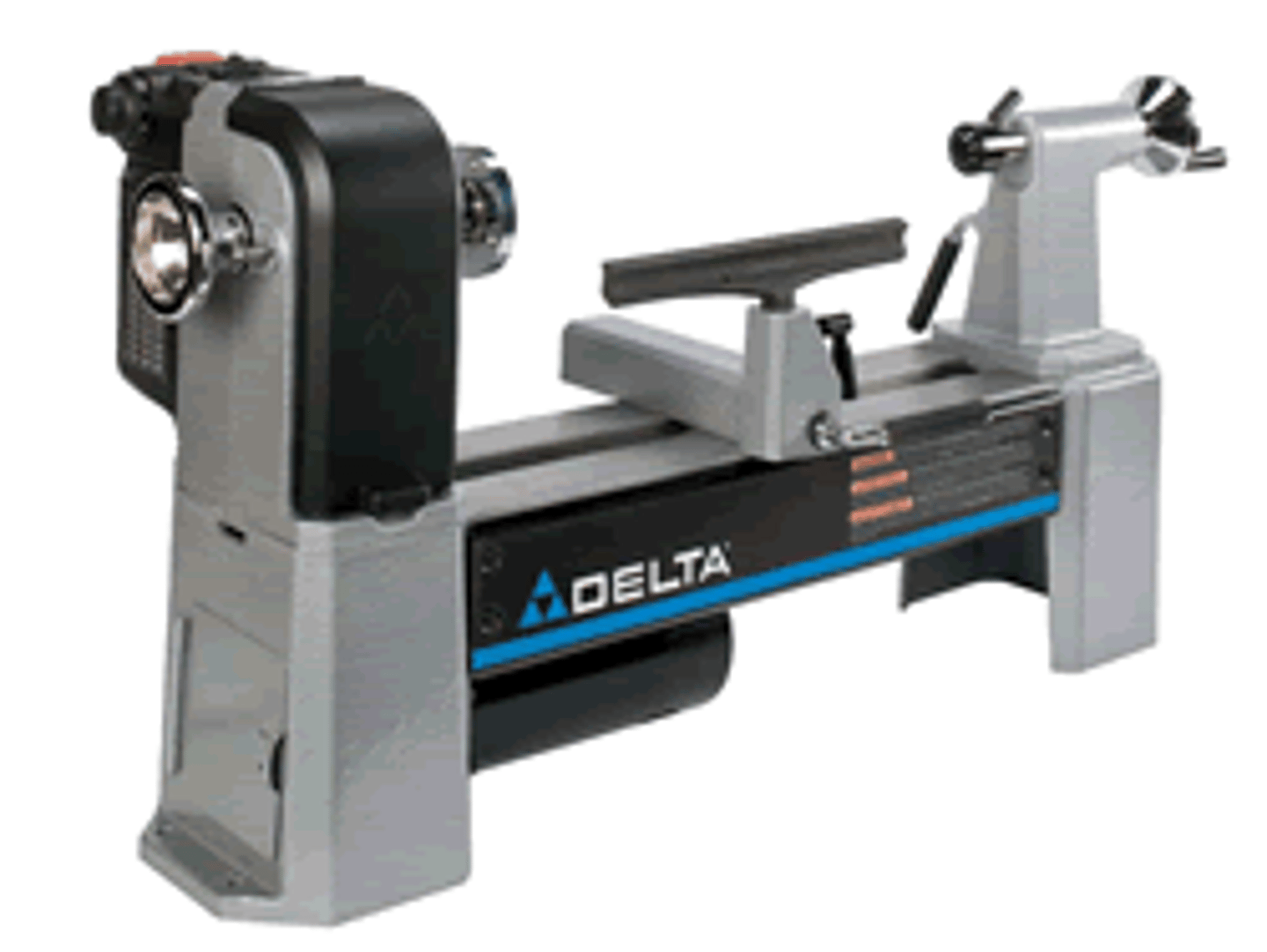
lathe
machine tool for shaping metal or wood
extruder
a tool that produces specific shapes when clay is forced through a hollow tube
bezel
the top part of a ring; it may simply be a flat table, or it may be designed to hold a gem or some other ornament

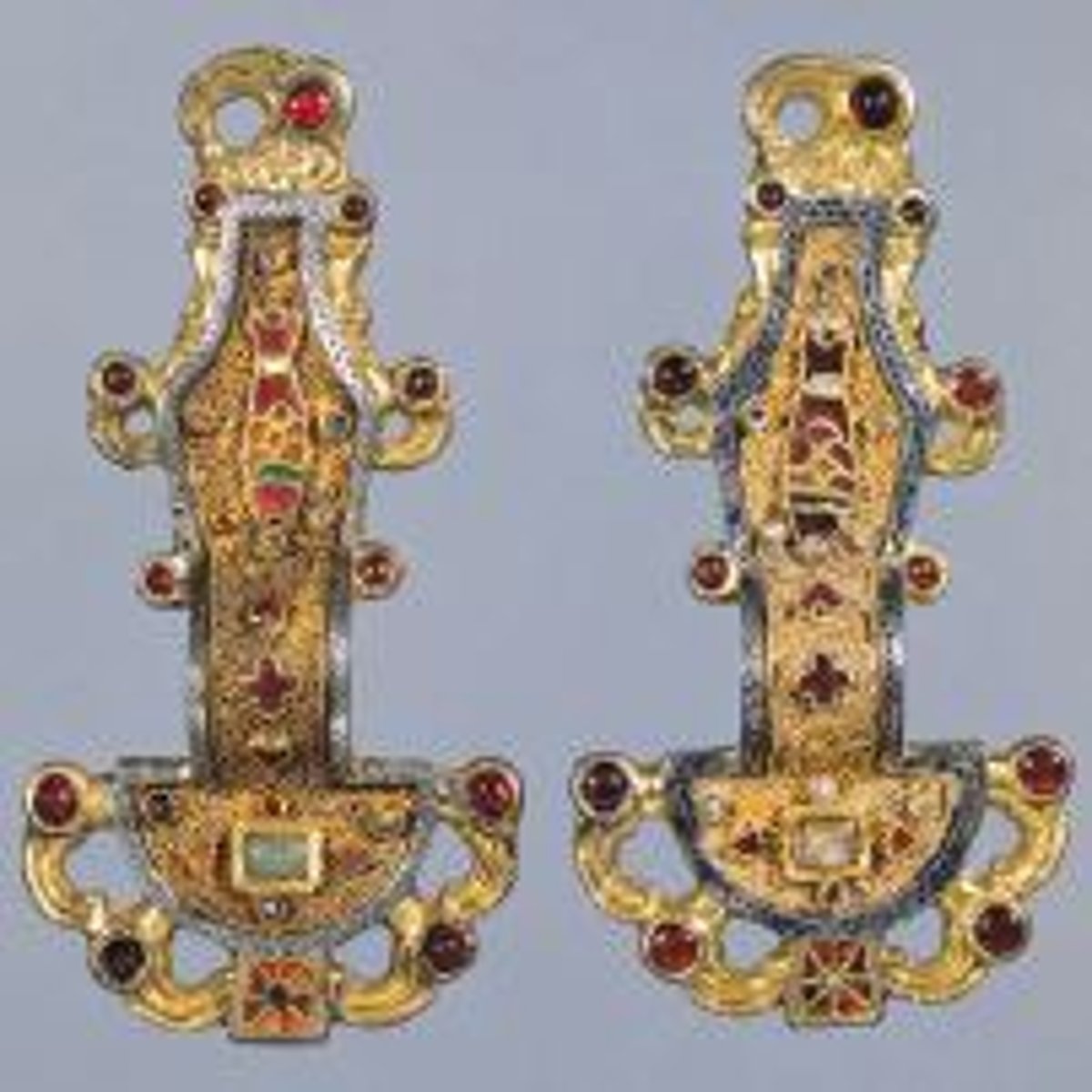
cloisonne
fine metal wire used to create small cellular units that are filled with color - piece is then fired resulting in hard enamel like surfaces
Encaustic
A painting technique in which pigment is mixed with wax and applied to the surface while hot.

engobe/underglaze
Colored slip or clay.
mega pixel
1 million pixels
graphite pencil
Available in a variety of hard and soft qualities on an 18 point scale, the softest, 8B through the hardest, 8H
batch files
Files grouped based on the date, or by the individual they were processed by.
microprocessors
CPUs located on small chips

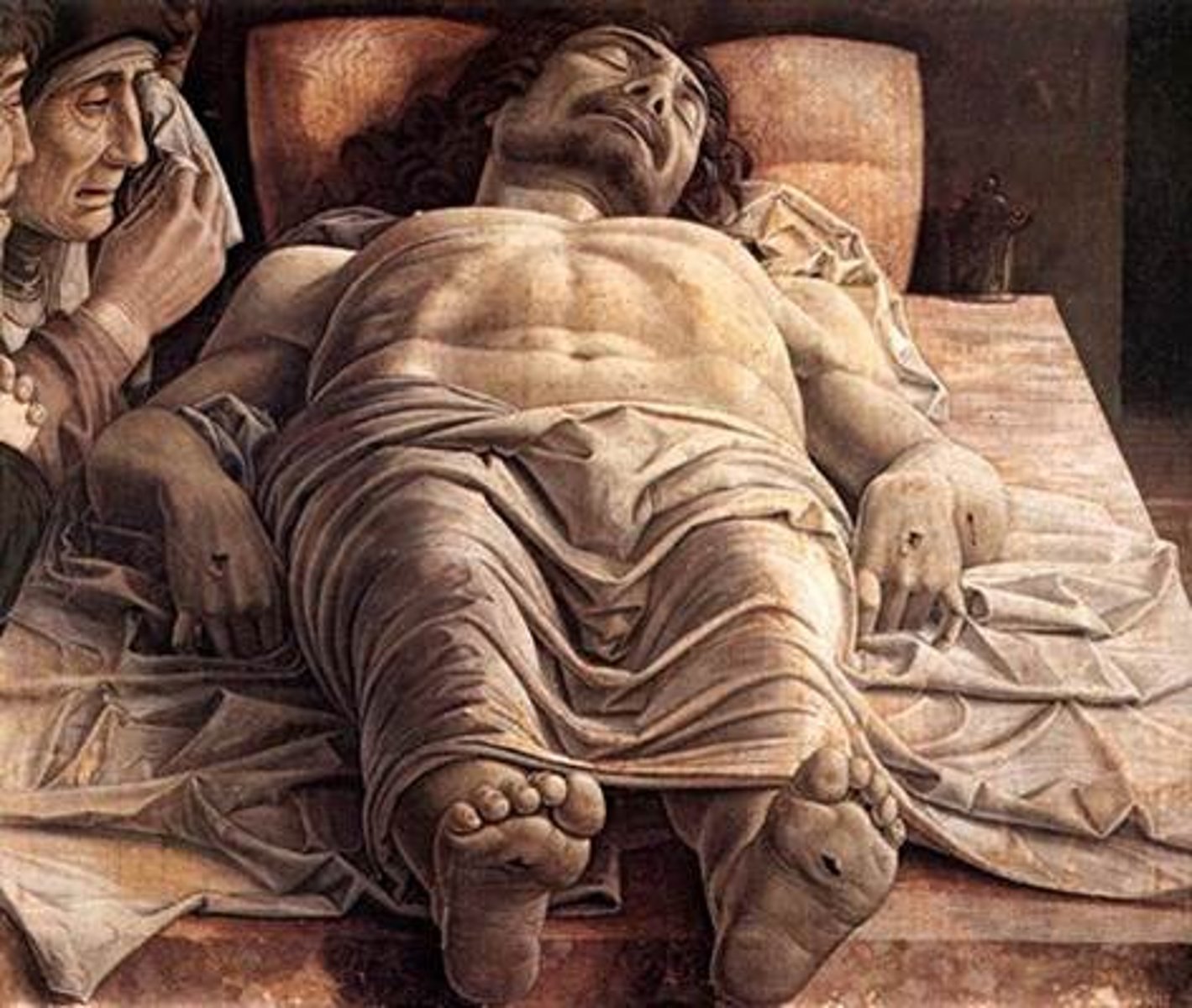
Foreshortening
the use of distortion to create the illusion of an object extending into space
Juxtaposition
postmodern design principle that conveys a sense of the irrational and the illogical (Surrealists used this a lot)

Shapes will appear flat
a likely outcome when bold, heavy outlines around shapes are maintained in a composition
In Western art, a traditional way to enhance a viewer's perception of space and distance in a landscape image is to
make background colors cooler and lighter in value.
If an art critic describes a work as notable for its sense of equilibrium, the critic is most likely referring to the artist's use of
balance
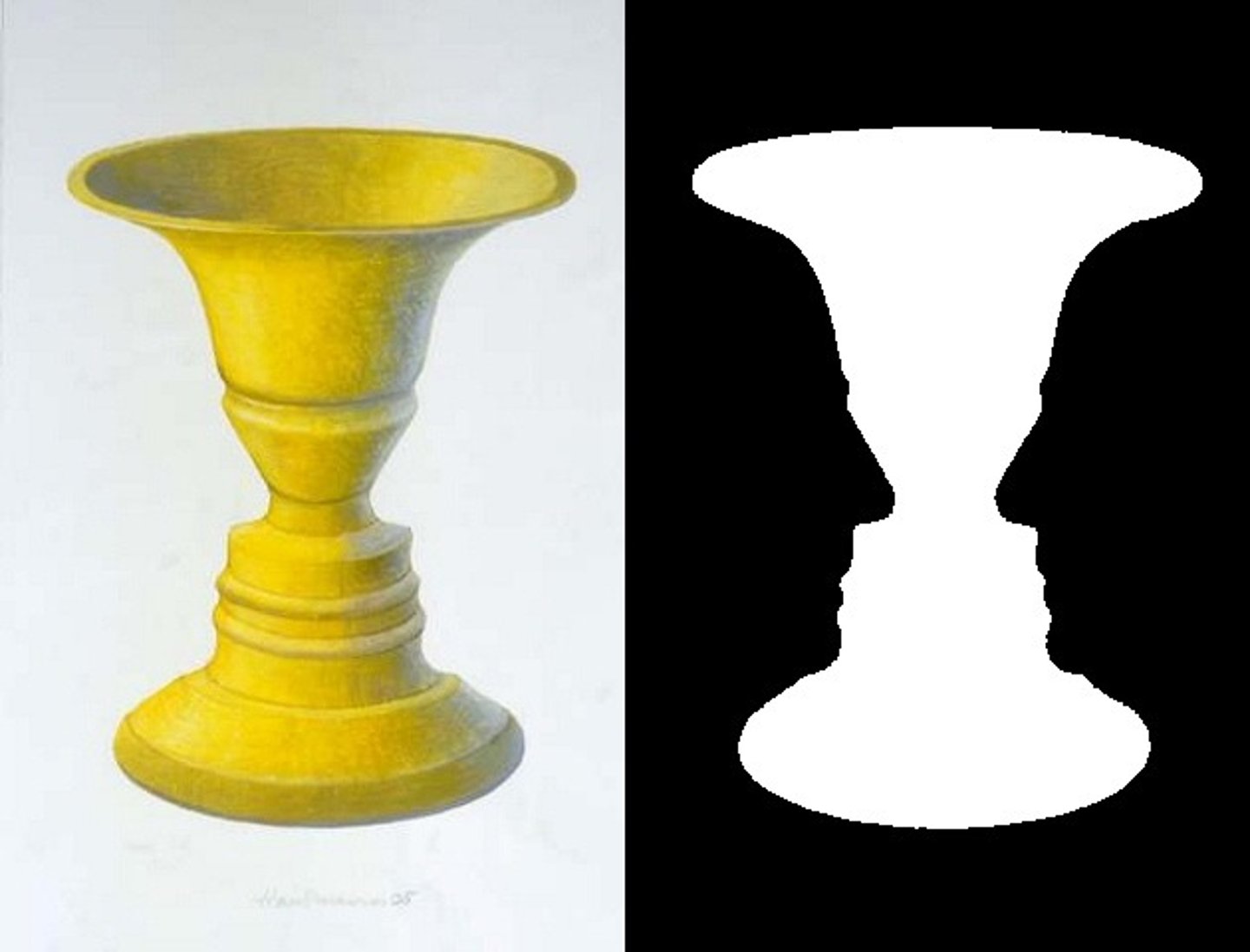
The relationship between positive shapes and negative shapes generally corresponds to the relationship between
figure and ground
the most reasonable action to take for an artist whose work requires the use of a specific hazardous product
Reading the product's label and proceeding according to the label directions
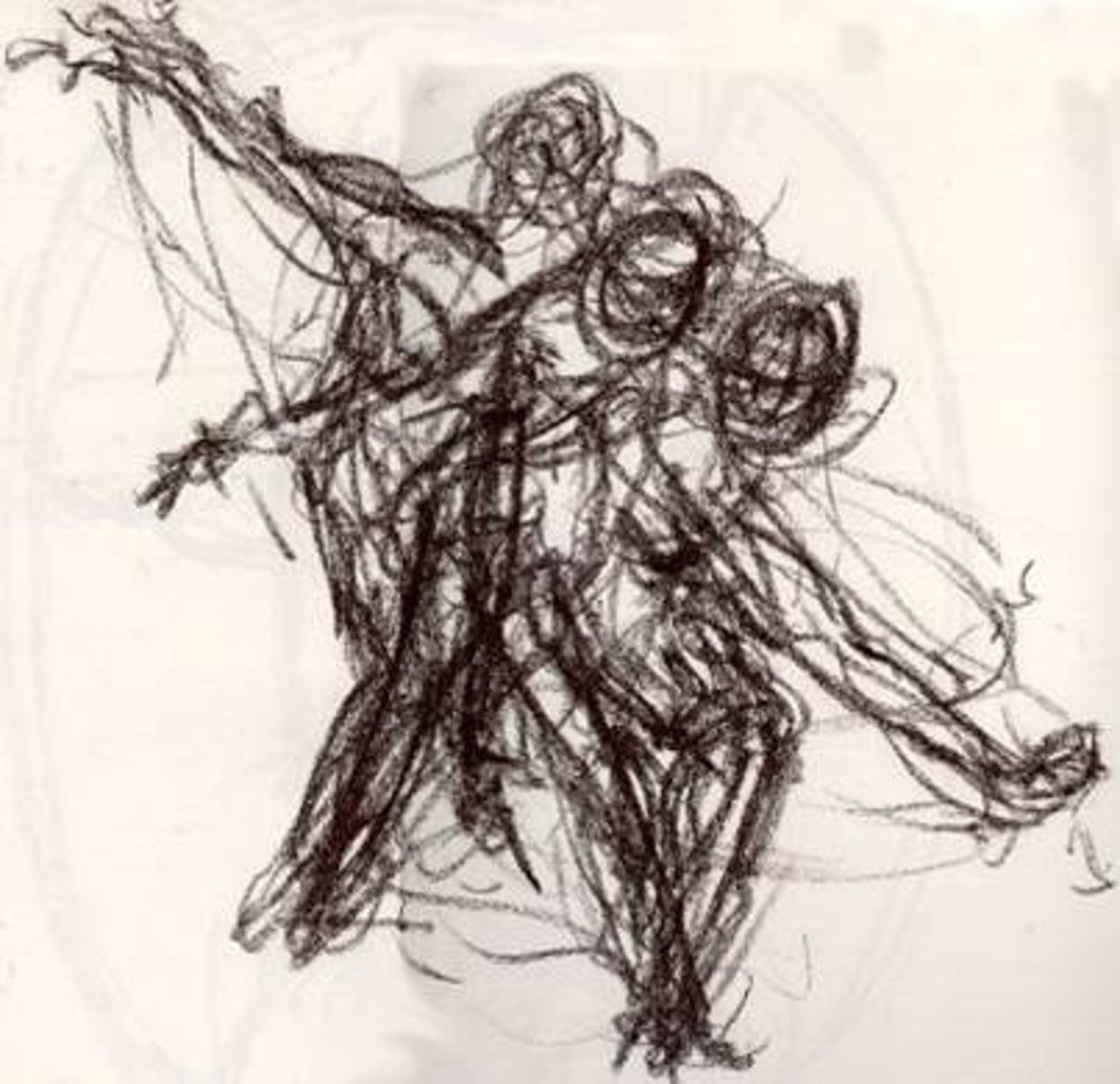
Gesture drawings are generally characterized by an emphasis on
movement
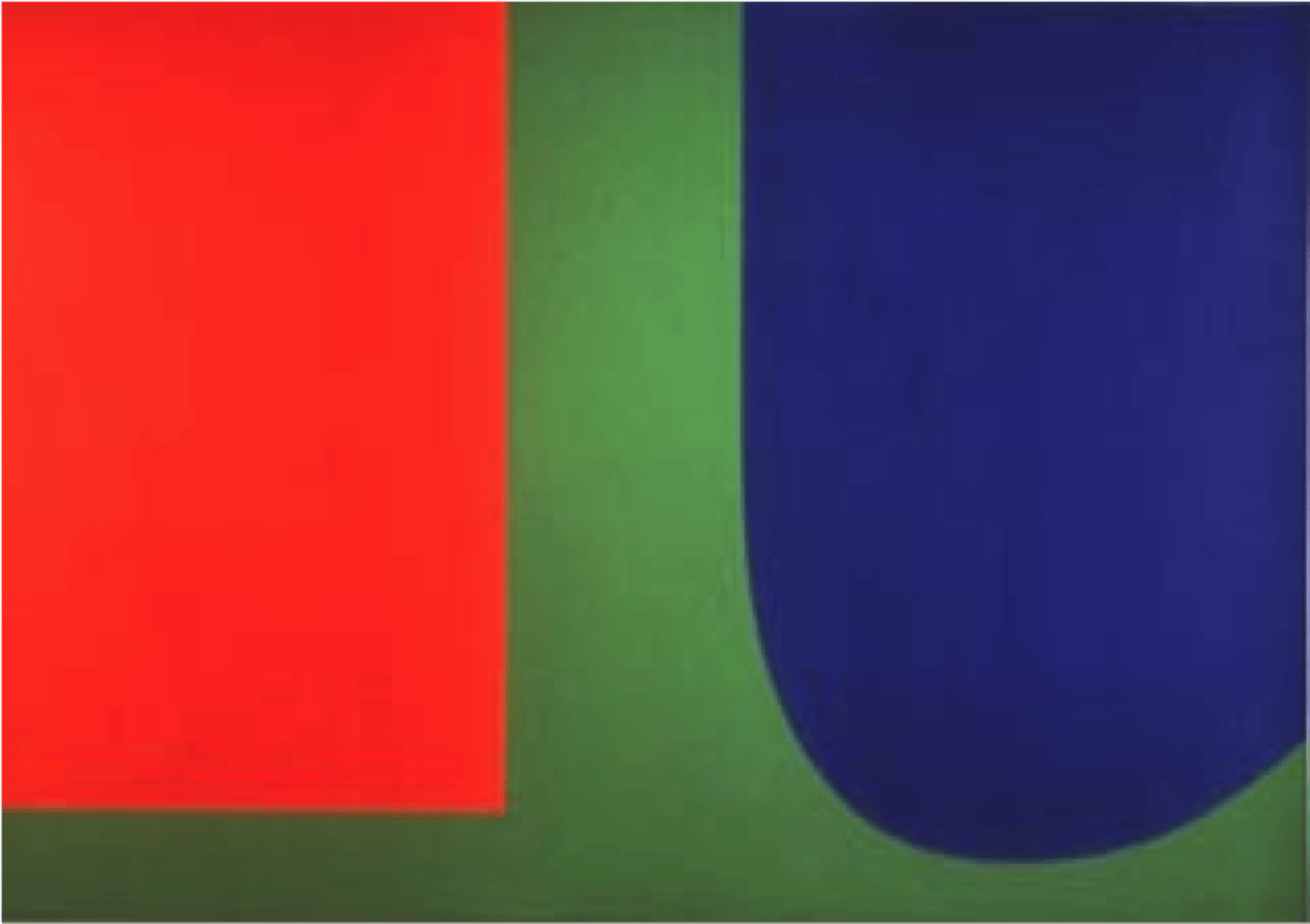
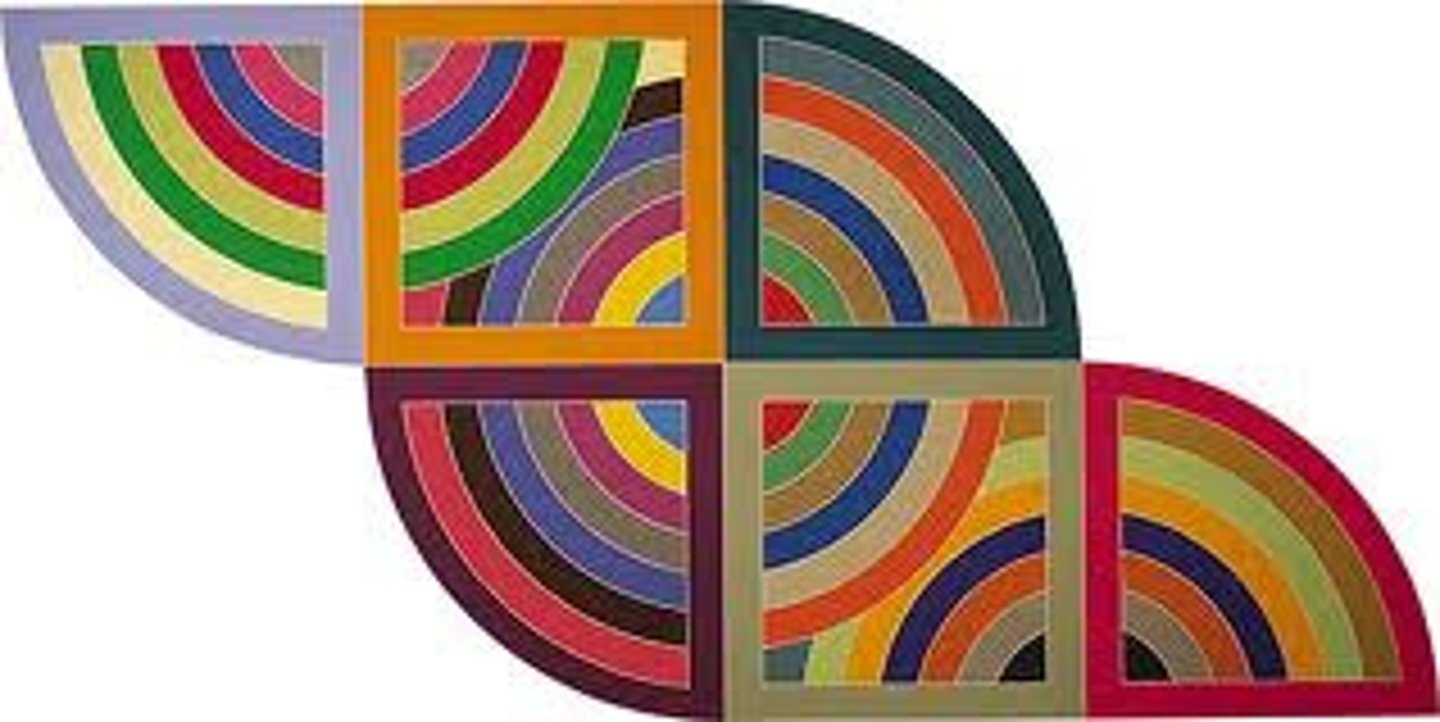
A hard-edge painting is most likely to be characterized by
an even, solid paint application
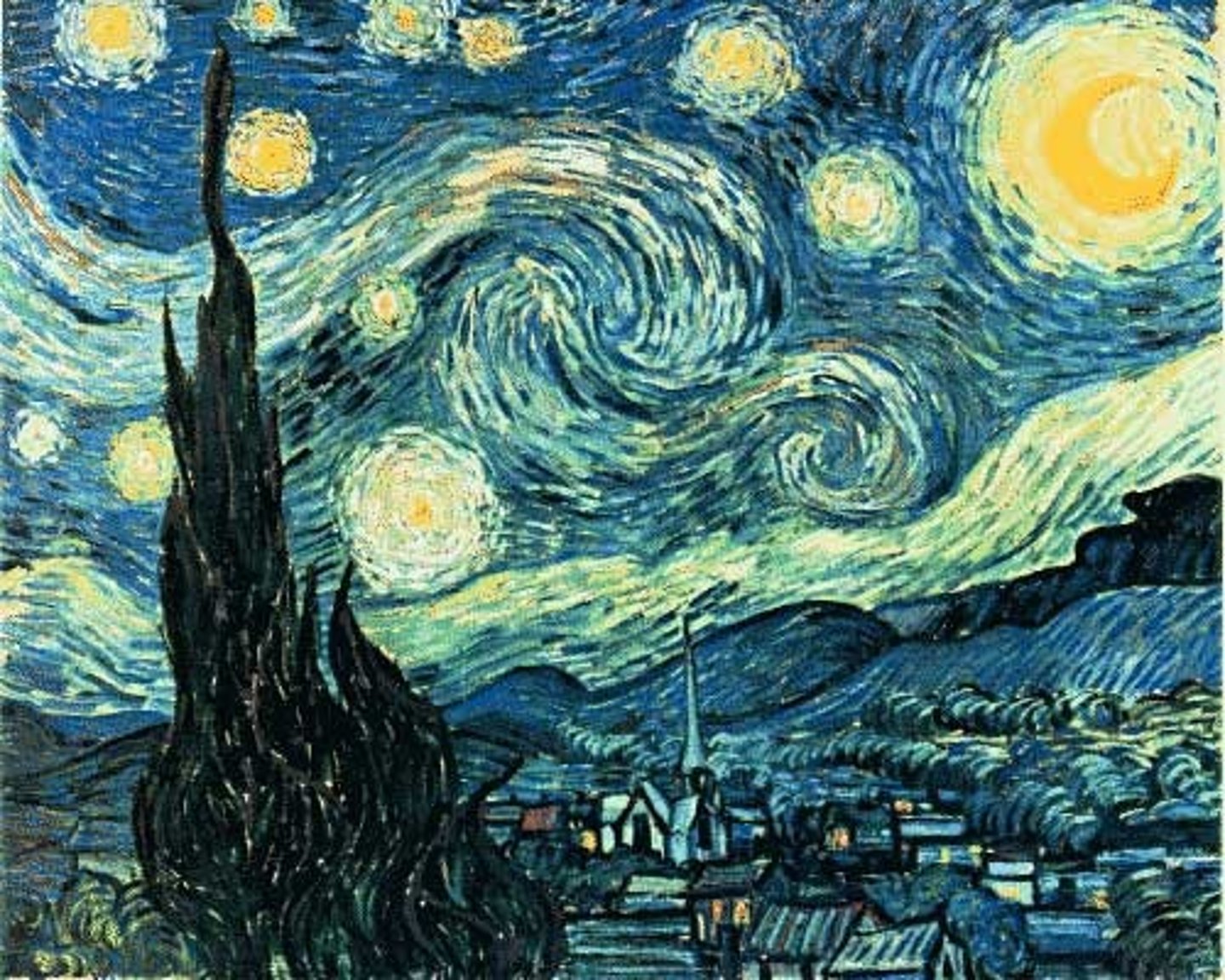
Impasto
thick applications of paint
In printmaking, an artist will often make a proof print to
check whether the image for a print needs more work
an accurate statement about a JPEG (or .jpg) compressed digital image
A JPEG format compresses file size by selectively discarding data
White balance
digital camera setting that can be used to keep colors accurate under a variety of light conditions
Greenware
pottery that has not been bisque fired
In weaving, the vertical and horizontal threads in a loom are called the
Warp and Weft
Kouroi
Archaic Greek statues whose poses — rigidly frontal with clenched fists — recall the stance of ancient Egyptian statues
The pointillist paintings of Georges Seurat are most notable for containing what characteristics
An expressionistic use of broad brushstrokes and tactile surface texture
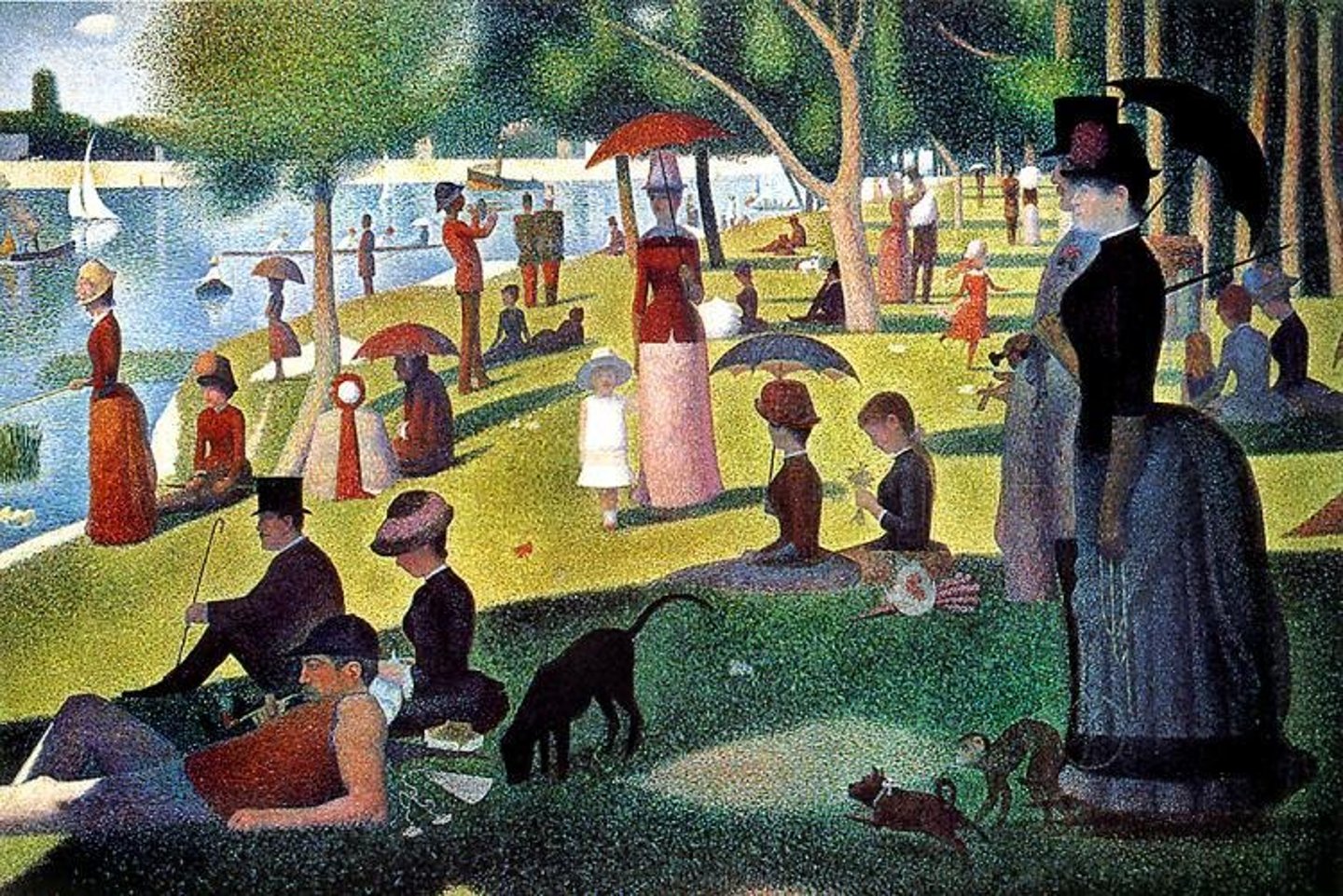
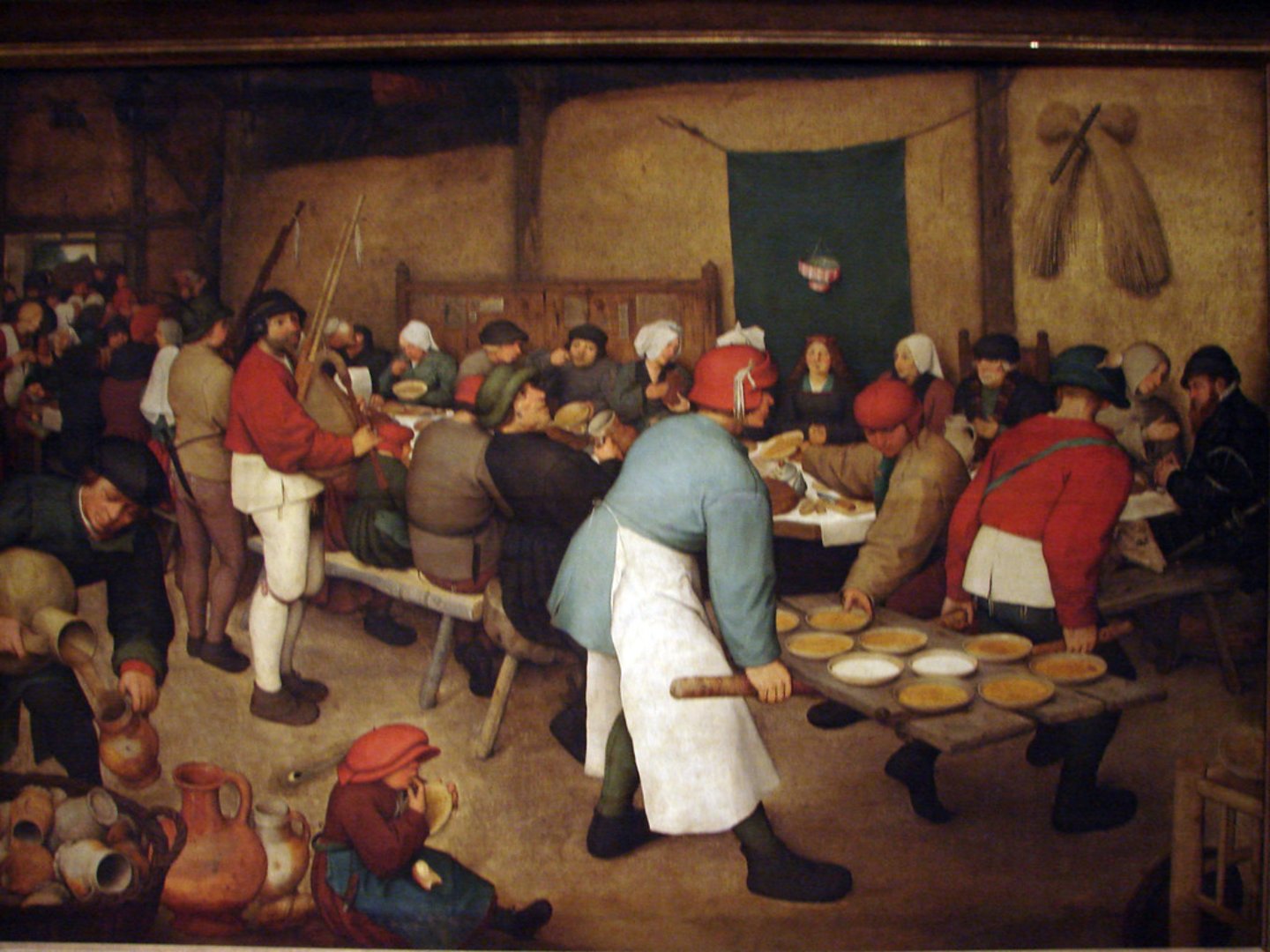
genre painting
Art that focuses on the painting of everyday subjects and individuals
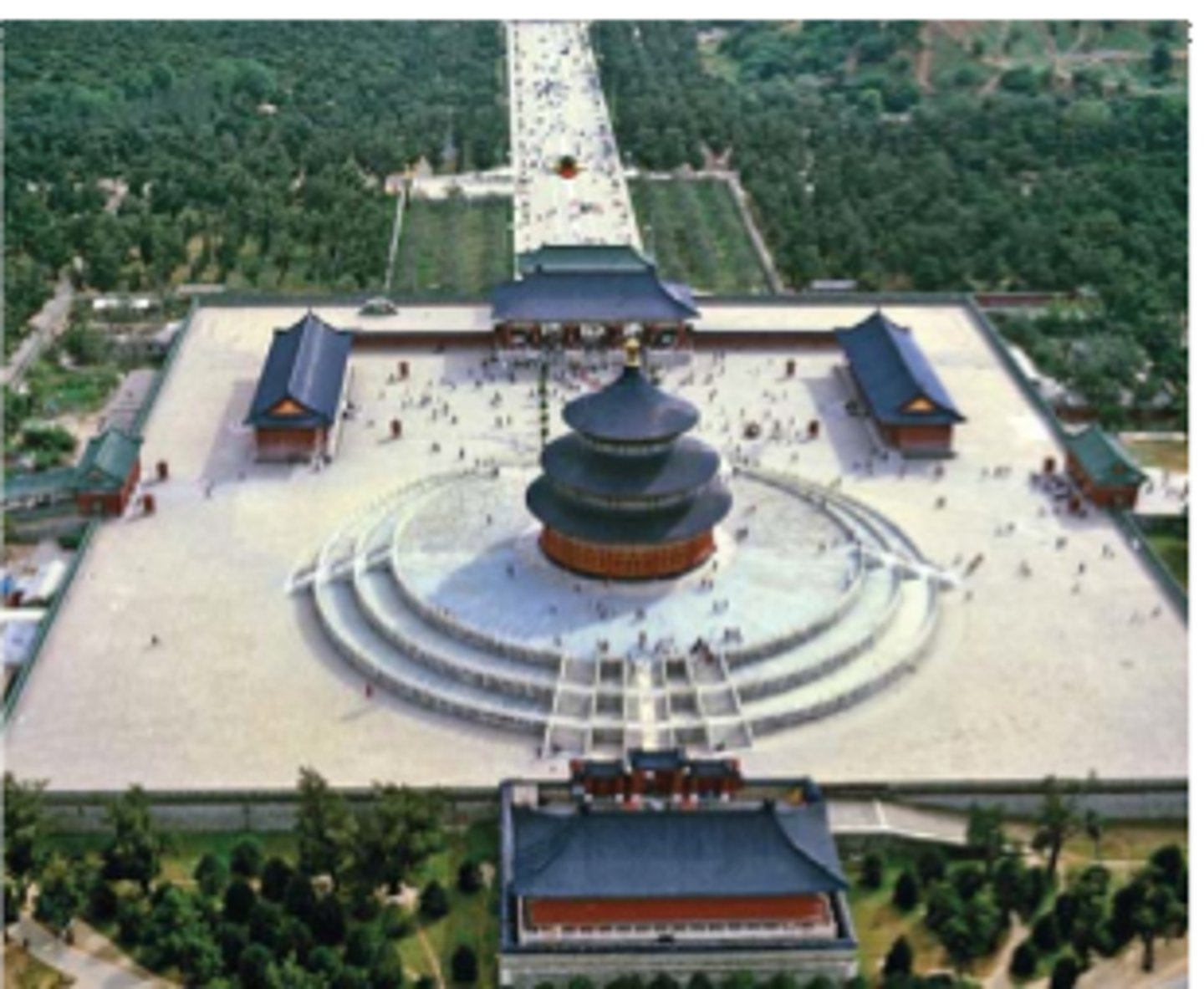
The layout and design of the Temple of Heaven in Beijing, China, are intended mainly as a symbolic expression of the
connection between imperial and cosmic orders
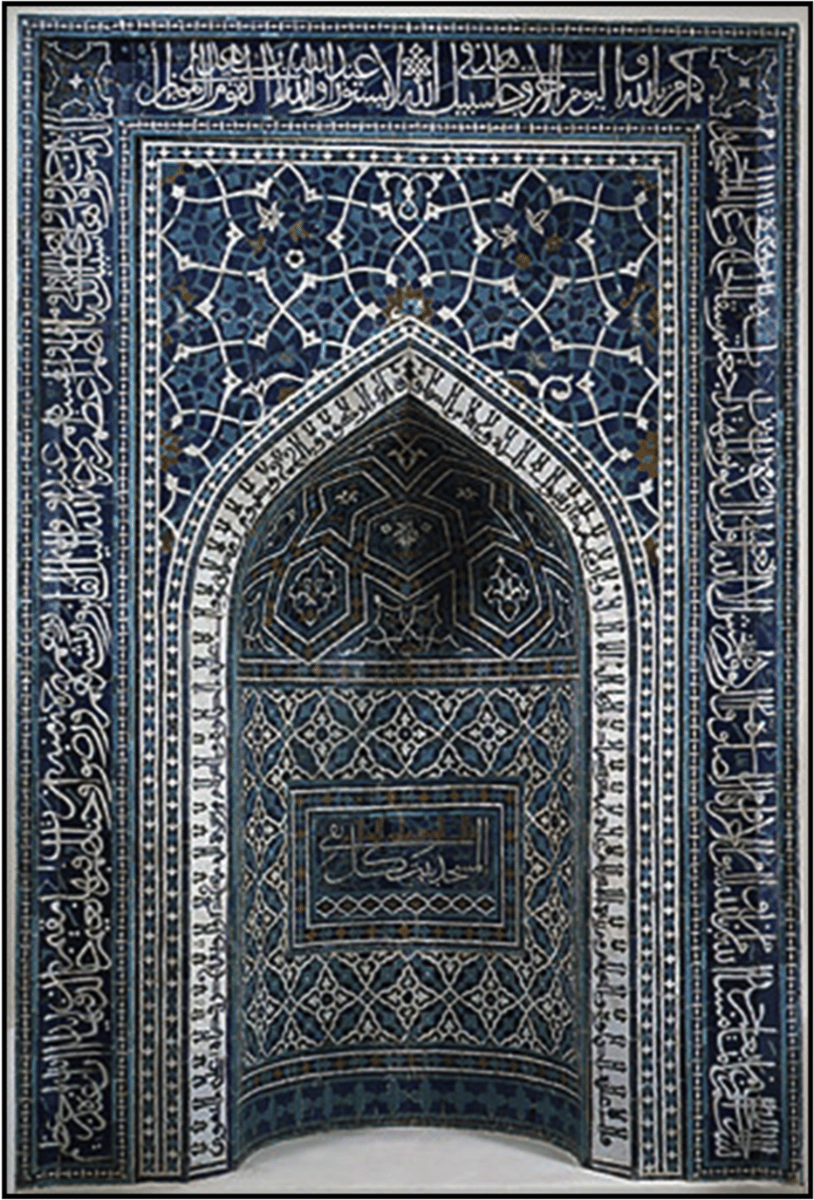
arabesque
a typical decorative motif of Islamic architectural mosaics
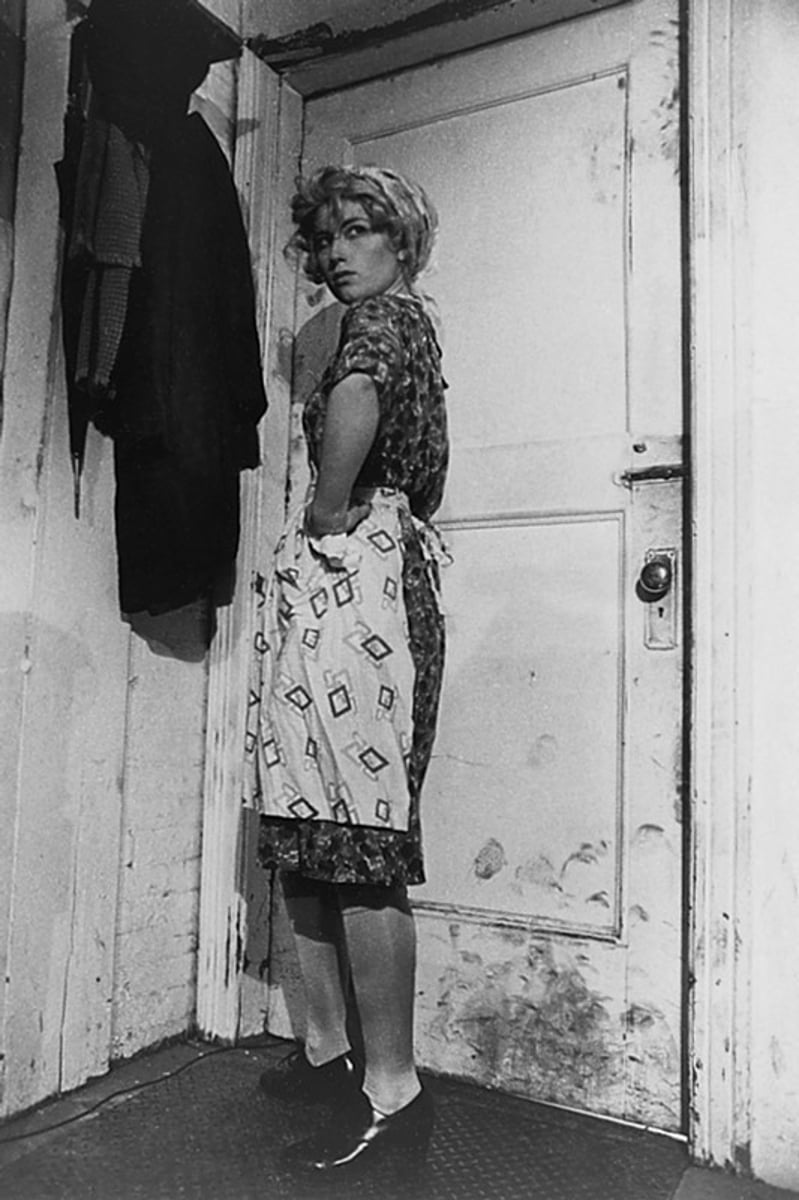
The contemporary artist Cindy Sherman is best known for her work in which media
Photography
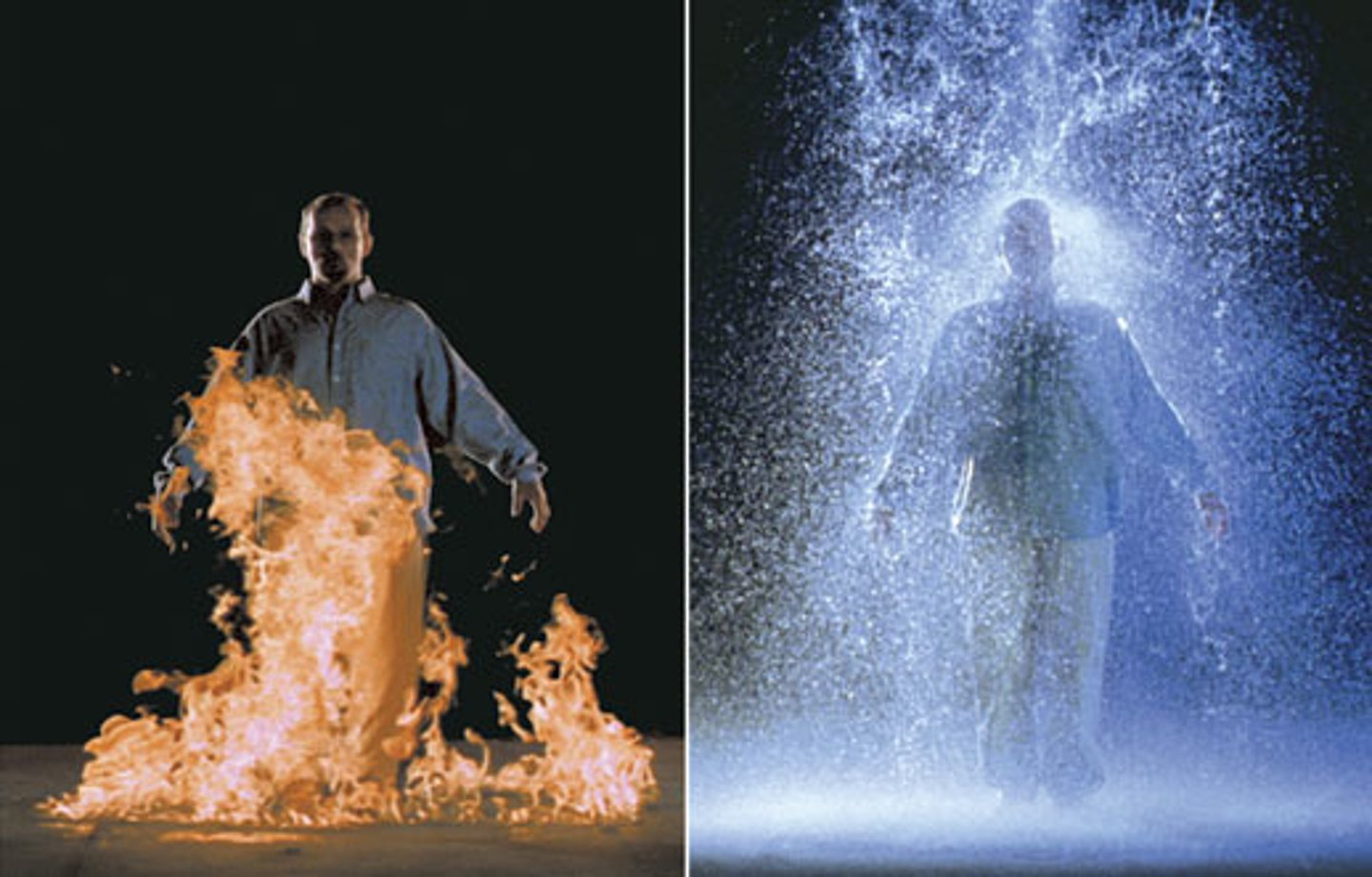
Bill Viola
a contemporary installation artist who uses image projection and videos
The intention of making traditional, saleable art objects was abandoned by
Conceptual artists
humanism
The Renaissance concept that an artist should be a scholar as well as a craftsman
After scientifically studying the sky, Leonardo da Vinci systematically developed which technique to create depth in landscape painting
Aerial perspective
In England, the Arts and Crafts movement grew out of the concern that
machine-made objects were replacing handmade objects
institutionalism
The aesthetic philosophy that claims that the value of a work of art is determined by museums and galleries
stylization
an artist's application of an exterior order or design to a visual image
Eugène Delacroix
sought to evoke viewers' emotions through the representation of exotic places, political freedom, and violent struggle
tense and watchful
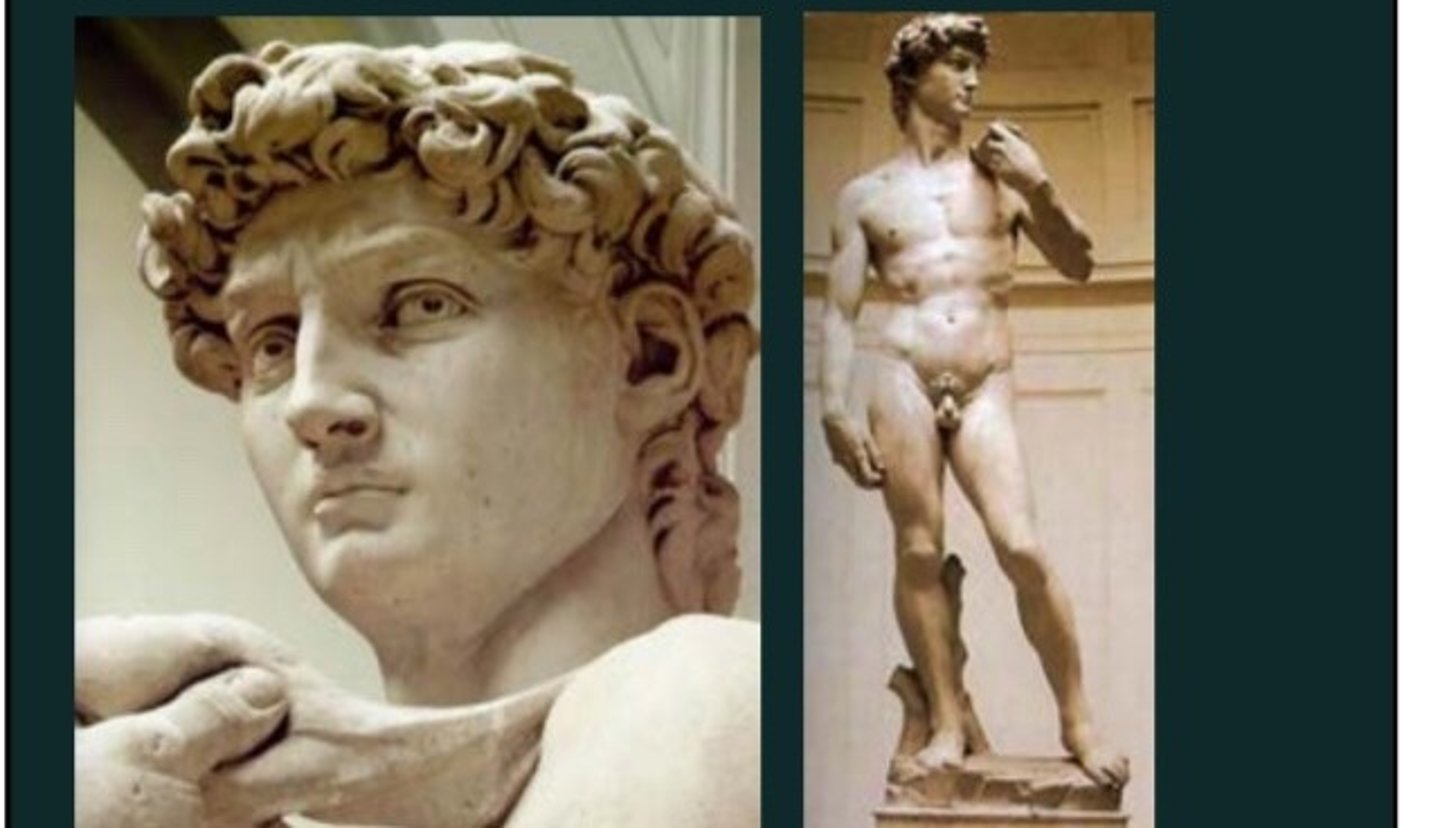
In Michelangelo's sculpture, David's expression is best characterized as
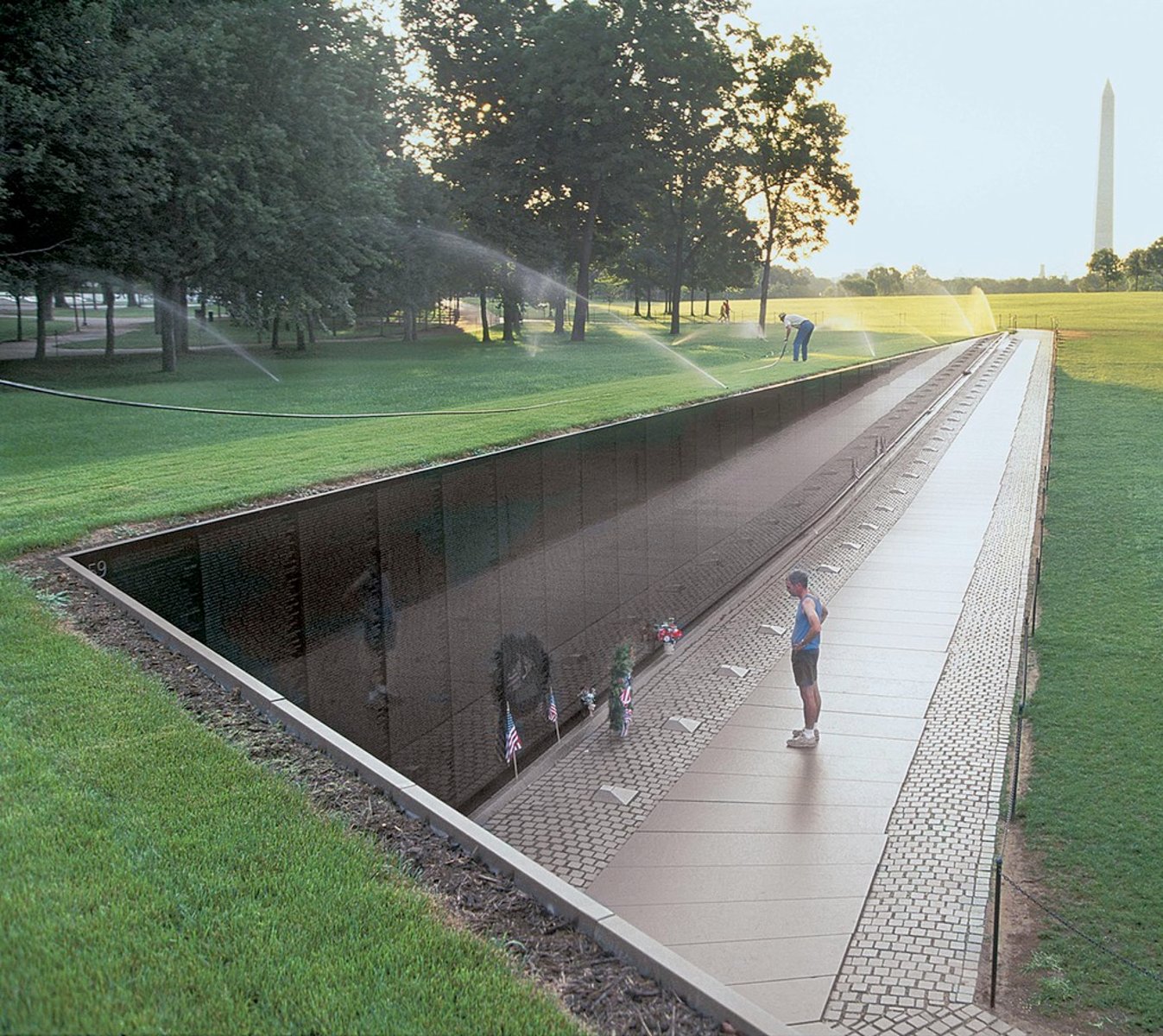
"I want to work with the land and not dominate it. I had an impulse to cut open the earth . . . an initial violence that in time would heal. The grass would grow back, but the cut would remain." Which of artist and monument does this quotation refers
Maya Lin, Vietnam Veterans Memorial, Washington, D.C.
triad
refers to any three equally spaced colors on the color wheel
The most common triads are
primary colors (red, blue, yellow) and the secondary colors (purple, green, orange)
Foreshortening
the representation of any object on a two-dimensional surface in such a way that the object appears to advance or recede. This is accomplished by representing a perspectival distortion of the form
Using cooler and lighter colors in the background is an aspect of
aerial perspective, a means of depicting the atmospheric haziness seen at distances which is caused by moisture, smoke, or other vapors in the air. This phenomenon makes colors appear lighter and cooler
equilibrium
a three-dimensional work or the imagery in a two-dimensional work conveys a sense of stability. Whether the term is used literally or metaphorically, that sense relies on the artist's use of balance
The figure or figures in a work of art are also referred to as
Positive Space
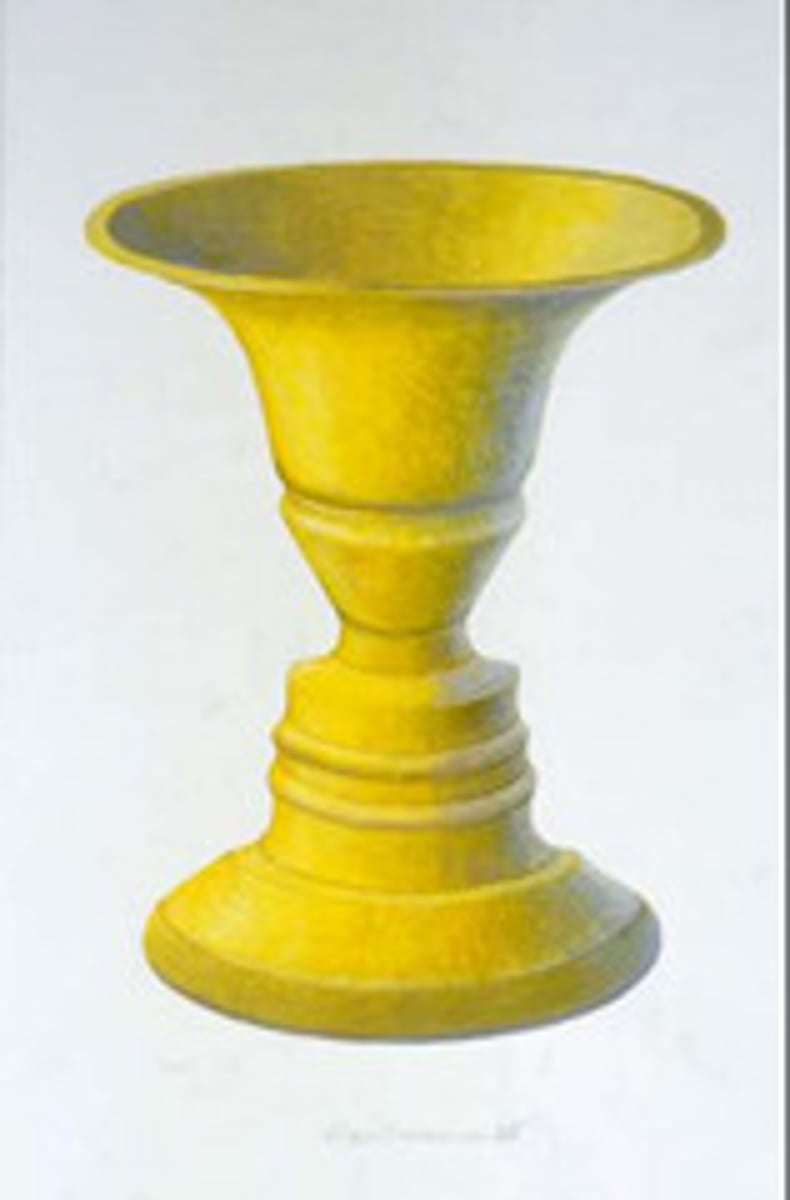
the background of a figure or figures is referred to as
negative space
there are times when a working artist may have to use a toxic material for a specific purpose. In such cases, the most reasonable course of action is
for the artist to read all directions and cautions carefully and take the necessary precautions
Gesture drawing refers to
quick, expressive representation, usually of figures, which is intended to convey the essential movement of the figure. Action and movement are the essence of gesture drawing
"Hard-edge" is a term used to refer to
paintings such as those of Frank Stella and Ellsworth Kelly in which each area of paint is sharply defined and applied in a smooth way, without visible brushstrokes or other signs of gesture
Proof prints are used for
evaluation during the development of a print. A proof print is used to see whether the image for the print needs revision or more work before the edition is printed. It also shows the artist whether the plate, block, or screen needs work so that the image will print as the artist intends
A JPEG (or .jpg) compression of a digital file is
a process through which a file can be made smaller and, therefore, easier to store and transfer. The compression is executed by selectively removing data from the image file. It can be used for black-and-white as well as color files. JPEG compression does not sharpen detail oralter proportions.
White balance refers to
the way the camera compensates for variations in light to keep colors constant. Different lighting conditions — for example, daylight, incandescent light, fluorescent light — tend to push the colors in a photograph toward a particular hue, so it is important to be able to adjust the camera to keep unwanted tints out of the photo.
Bisque firing refers to
preliminary firing that is done to harden the piece prior to glazing and glaze firing. Greenware is a term referring to any pottery that has not been bisque fired.
"Kouroi" is the term used for
Archaic Greek statues of standing male youths. Made primarily from marble, but sometimes from limestone, wood, bronze, or terracotta, these life-size Greek statues imitate Egyptian prototypes in that each is posed stiffly, facing directly forward, with clenched fists and an advancing foot
"Genre painting" is an art historical term that specifically refers to
painted depictions of everyday life that show ordinary people doing ordinary things. In this manner, genre painting differs from history paintings, which are paintings devoted to specific narratives frequently based on historical or religious texts or subject matter
the Temple of Heaven is
A Daoist temple complex constructed between 1406 and 1420, is laid out in a grid of interlocking circles and squares intended to symbolize the connection between Heaven and Earth. Traditionally, this relationship was mediated by the emperor, called the Son of Heaven, who prayed at the Hall of Prayer for Good Harvests, located in the center of the complex, during important biannual ceremonies
An arabesque is an
intricate design of repeated lines, often in the form of plants whose leafy vines interlace. In Islamic motifs, these designs represent an infinite pattern that extends beyond the material world, symbolizing the limitless nature of creation and conveying a sense of spirituality.
Cindy Sherman is best known for
her series of conceptual portraits, such as Untitled Film Stills (1977-1980), Centerfolds/Horizontals (1981), and History Portraits (1989-1990). The medium in which she creates these works is photography, Although she has experimented at times with videography
Bill Viola is
an internationally recognized contemporary video artist, whose installations frequently incorporate the projection of images and videos.
The Conceptual Art movement
expanded the fundamental definition of what qualifies as art. Conceptual artists, as a rule, reject traditional notions of what constitutes a work of art. Concepts and ideas are valued over standard visual art conventions. A major component of this artistic viewpoint is the lack of concern with the creation of physical objects that can be sold in the art marketplace. Conceptual art need not be limited by its marketability since, as artist Sol LeWitt said, "Ideas alone can be works of art."
The Renaissance witnessed the rise of
the philosophical movement of humanism, in which the study of subjects devoted to human interests and secular concerns took on new prominence. During this period artists sought to redefine themselves not as mere craftsmen, but rather as broadly educated humanists, whose work required extensive knowledge of secular subjects including poetry, history, and mathematics.
Leonardo da Vinci intensely studied the natural world. His scientific observation of
atmospheric conditions resulted in his investigation of the optical phenomenon of atmospheric perspective. He noticed that distant objects take on a lighter, bluish cast as one looks closer to the horizon. Consequently, he systematically developed a painting technique, which he called in his notebooks "the perspective of disappearance" or "aerial perspective." The effect can be plainly seen in the background of his Mona Lisa.
The Arts and Crafts movement was in many ways a reaction against
the industrial production of consumer goods. The movement's leaders, John Ruskin and William Morris, both held highly romanticized views of the Middle Ages and of medieval craftspeople and believed machine production degraded both workers and consumers. During this period, those associated with the movement formed guilds and craft societies that promoted handmade goods with the aim of providing dignity and pride for both artisan and consumer.
Institutionalism, also known as
the institutional theory of art, is an aesthetic philosophy that stipulates that an object can only be considered art within the framework of the art world, defined primarily — but not exclusively — by museums and galleries.
Stylization uses
established forms and conventions to create visual effects that conform to a particular style. Most characteristic of ornamentation, stylization techniques may include simplification of line, form, and the relationships of color and space.
Like many painters of the first half of the 19th century, Eugène Delacroix explored themes associated with the artistic movement of
Romanticism. During this period artists turned away from the Enlightenment values of reason and order and embraced the representation of subjects in which violent, terrifying, and unfamiliar themes figured prominently. One of the most prominent painters of the period, Delacroix painted works that evoked viewers' emotions by focusing on exotic places, political freedom, and violent struggle.
For his monumental statue of David, Michelangelo chose not to portray the biblical hero holding the head of the slain Goliath — as both Donatello and Verrocchio had done — but rather
depict him awaiting the fatal encounter. David stands with furrowed brow, veins bulging from his neck, his watchful gaze one of tense studied concentration as he prepares for Goliath's challenge
Maya Lin was only 21 years old and still an undergraduate when she won
a public competitionto design a memorial for the service members who lost their lives in the Vietnam War. The understated memorial she created is comprised of a wedge cut into the surface of the land, edged with two walls of reflective black granite. These walls, etched with the names of the nearly 60,000 fallen soldiers, appear to slowly descend into the earth, meeting at an obtuse angle nearly 10 feet below ground level. Symbolically, the cut-out wedge shape of the Vietnam Veterans Memorial represented to Lin "an initial violence that in time would heal."
Composition refers to
aspects of the physical form of the art object. In other words, as we analyze art we ask the question: What elements or qualities are used to build the form of the art work?
Composition in visual art is divided into two categories
the elements of art, and principles of design