Comprehensive Guide to Antibiotics, Antifungals, Antivirals, and Cancer Therapies
 Call Kai
 Learn
Learn Practice Test
 Spaced Repetition
 Match
Match Flashcards
 Knowt Play
1/55

There's no tags or description
Looks like no tags are added yet.
Name | Mastery | Learn | Test | Matching | Spaced | Call with Kai | Chat |
|---|
No analytics yet
Send a link to your students to track their progress
56 Terms
Empiric Therapy
An educated guess, a culture and sensitivity BEFORE starting.
Definitive Therapy
Treatment is based on KNOWN organism.
Prophylactic Therapy
Pre-op, sometimes pre-dental procedures.
Host Factors
Age, Allergy, Kidney and liver function, Pregnancy status, Genetics, Infection site, Immune system strength/comorbidities.
Superinfection
Destruction of protective normal flora by treatment; Secondary infection due to already weakened immune system.
Superbugs
Drug-resistant bacteria, some include: C-diff, MRSA, CRE.
Beta-Lactam Antibiotics
Beta-lactamase inhibitors are combo drugs added to prevent the enzyme's activity.
Penicillins
Includes amoxicillin; 4 types: Natural PCN, PCNase resistant, Aminopenicillins, Extended Spectrum.
Indications for Penicillins
Lots of uses including STAPH, STREP, ENTEROCOCCUS; extended spectrum treats many HAI's.
Mechanism of Action for Penicillins
Interferes with cell wall formation.
Adverse Drug Reactions for Penicillins
GI upset, yeast infection; 1-4% have cross reactivity with cephalosporins.
Drug-Drug Interactions for Penicillins
May decrease effectiveness of birth control pills; May increase action of warfarin.
Cephalosporins
Common prefix: cef- or ceph; same MA as penicillin; broad spectrum.
Adverse Drug Reactions for Cephalosporins
Diarrhea.
Glycopeptides
Example: vancomycin; bactericidal, kills the bacteria.
Mechanism of Action for Glycopeptides
Binds to cell wall causing immediate death.
Considerations for Glycopeptides
Red Man Syndrome; infuse slowly over 60 minutes or more.
Adverse Drug Reactions for Glycopeptides
Ototoxicity, nephrotoxicity, renal failure.
Tetracyclines
Example: tetracycline; broad spectrum; bacteriostatic.
Adverse Drug Reactions for Tetracyclines
Discoloration of permanent teeth, inhibits tooth and skeletal formation of fetus.
Contraindications for Tetracyclines
Allergy, pregnant women, children under 8 years old.
Macrolides
Example: azithromycin; bacteriostatic or bactericidal in high doses.
Adverse Drug Reactions for Macrolides
GI upset, transient hearing loss and vertigo, hepatotoxicity.
Aminoglycosides
Example: gentamicin; bactericidal and broad spectrum.
Adverse Drug Reactions for Aminoglycosides
Nephrotoxicity, ototoxicity, tinnitus, vertigo.
Quinolones
Example: ciprofloxacin; alter bacterial DNA; bactericidal.
Adverse Drug Reactions for Quinolones
Black box warning: ruptured tendons and tendinitis.
Sulfonamides
Example: sulfamethoxazole/trimethoprim; bacteriostatic, broad-spectrum.
Adverse Drug Reactions for Sulfonamides
Skin rash or Steven Johnson syndrome, photosensitivity.
Urinary Tract Antiseptics
Example: nitrofurantoin; broad spectrum, bactericidal or bacteriostatic.
Antimycobacterial drugs
Drugs used to treat TB
Risk factors for TB
Immunocompromised or in institutionalized living
TB testing methods
Skin test, chest-Xray or sputum culture
Latent TB infection
No symptoms (can't infect others)
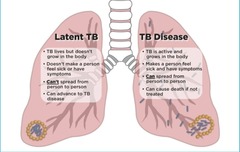
Active TB infection
Symptoms include night sweats, fevers, productive cough, weight loss
Isoniazid
Bactericidal drug that can be given alone for prophylaxis or in combination for treatment
Isoniazid adverse effects
Can be toxic to liver or cause hepatitis, peripheral neuropathy, visual disturbances
Rifampin
Broad spectrum antibiotic indicated for TB, Legionnaires disease, meningococcal meningitis
Rifampin mechanism of action
Inhibits RNA polymerase, suppresses protein synthesis
Rifampin adverse effects
GI effects, hepatotoxicity, orange/red discoloration of urine, sweat, saliva, and tears
Types of fungal infections
Systemic and integumentary infections
Miconazole
Topical antifungal for athlete's foot and vaginal yeast infections
Acyclovir
Antiviral drug indicated for herpes simplex virus, varicella, and herpes zoster infection
Acyclovir mechanism of action
Inhibits viral replication of DNA
Cancer risk factors
Environment, foods, lifestyle, drugs, occupational, reproductive history, age and sex, genetics
Cancer treatment approaches
Surgery, radiation, chemotherapy, stem cell, gene therapy, immunotherapy
Methotrexate
Antineoplastic that inhibits synthesis of DNA in S phase
Cisplatin
Alkylating drug that forms cross-links between DNA strands
Doxorubicin
Anthracycline cytotoxic antibiotic that distorts normal DNA structure
Tamoxifen
Selective estrogen receptor modulator that blocks estrogen from activating breast cancer cells
Monoclonal antibodies
Recognize and bind to a specific binding site, useful in diagnosing and treating diseases
Interferon Alfa-2A
Proteins that are antiviral, antitumor, and immunomodulating
Venous access ports advantages
Quick access to bloodstream, comfort, decreases risk of leaking
Antiretroviral drug therapy goal
Suppress viral replication and decrease viral load
Zidovudine
NRTI that prevents reverse transcriptase to prevent viral DNA synthesis
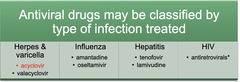
Antiretroviral drugs adverse effects
Variable among individuals, including hepatic disease, osteoporosis, lipodystrophy