CHEM2070 Prelim 1 content
 Call Kai
 Learn
Learn Practice Test
 Spaced Repetition
 Match
Match Flashcards
 Knowt Play
1/123

There's no tags or description
Looks like no tags are added yet.
Name | Mastery | Learn | Test | Matching | Spaced | Call with Kai | Chat |
|---|
No analytics yet
Send a link to your students to track their progress
124 Terms
measurement
a comparison of a quantity to a standard unit, the number by itself is not enough; the unit gives meaning
SI units
the internationally accepted system for science based on standardized base units
derived units
the units formed by combining SI base units through mathematical relationships such as multiplication or division

taking measurements
not all measurements are equal, depend on precision and accuracy
what are significant figures?
Significant figures are the digits in a measurement known with certainty, plus one estimated digit. Indicate the precision of a measurement
what is accuracy?
accuracy is how close a measured value is to the true or accepted value

what is precision?
how close repeated measurements are to each other

what is the mole?
mole (mol) is the SI unit for amount of substance. 1 mole = 6.022 × 10²³ particles (AKA Avogadro’s number)
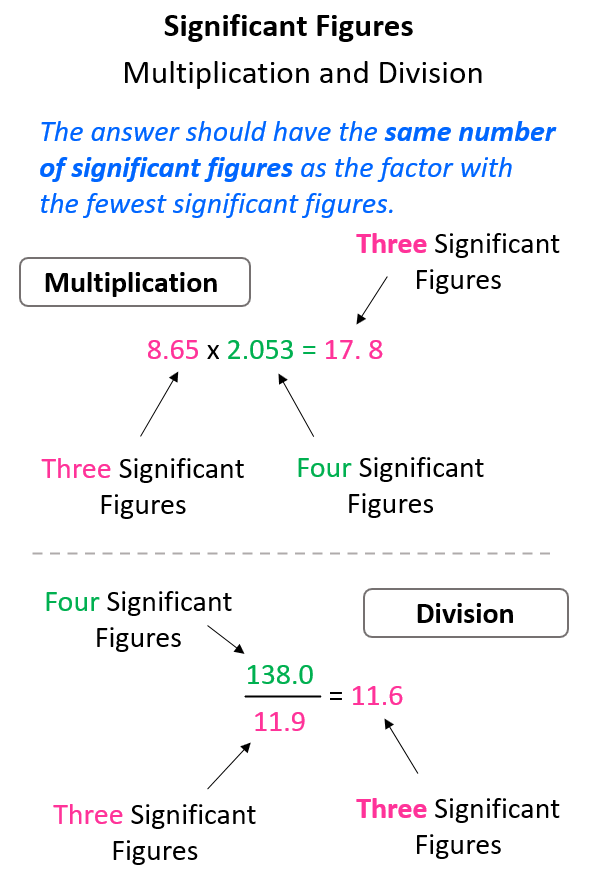
Addition and subtraction sig fig rules
round the answer to the same decimal place as the least precise measurement

multiplication and division sig fig rules
round the answer to the same number of significant figures as the measurement with the fewest significant figures
dimensional analysis
a method for converting one unit into another—treats units like algebraic quantities (units should cancel)
conversion factors
A ratio = 1, changes the unit without changing the quantity, if it’s known exactly it has infinite sig figs
factor-label method
start with the quantity you know, multiply by conversion factors so units cancel, only keep the target unit in final answer
converting between different quantities
requires using physical relationships (density, specific heat, etc *measured so limited sig figs)
using multiple units (dimensional analysis)
A rate contains more than one unit (mph), so each unit may need its own conversion factor
empirical observations of matter
see matter in many phases (solids, liquids, gas), see that matter can separate or combine
solids
definite shape and volume

liquids
definite volume, takes shape of container
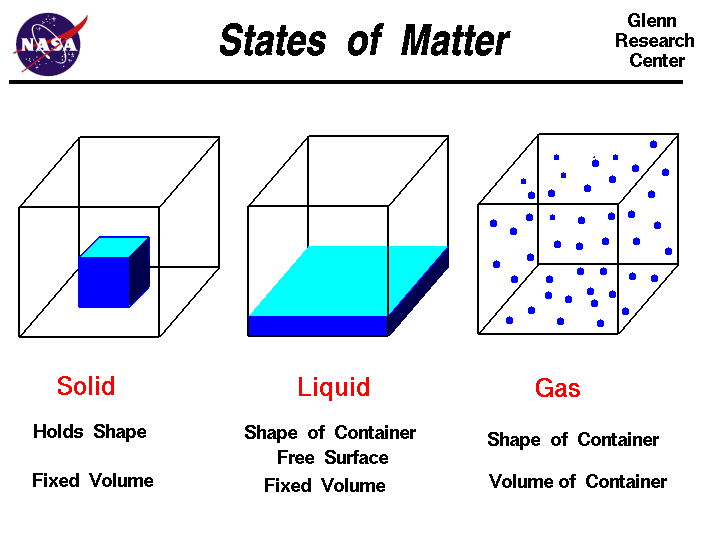
gases
no definite shape or volume

categorizing matter
use chemical and physical properties
physical properties
what is it like? (state of matter, color, density, physical changes)
physical changes
changes to a physical property
chemical changes
changes to a chemical property
chemical properties
how can we transform it (flammability, electrochemical reactivity, interaction with other substances)
flammability
can we set it on fire?
electrochemical reactivity
can we electrolyze it (use electrical energy to cause a chemical reaction, usually by breaking a compound into simpler substances)
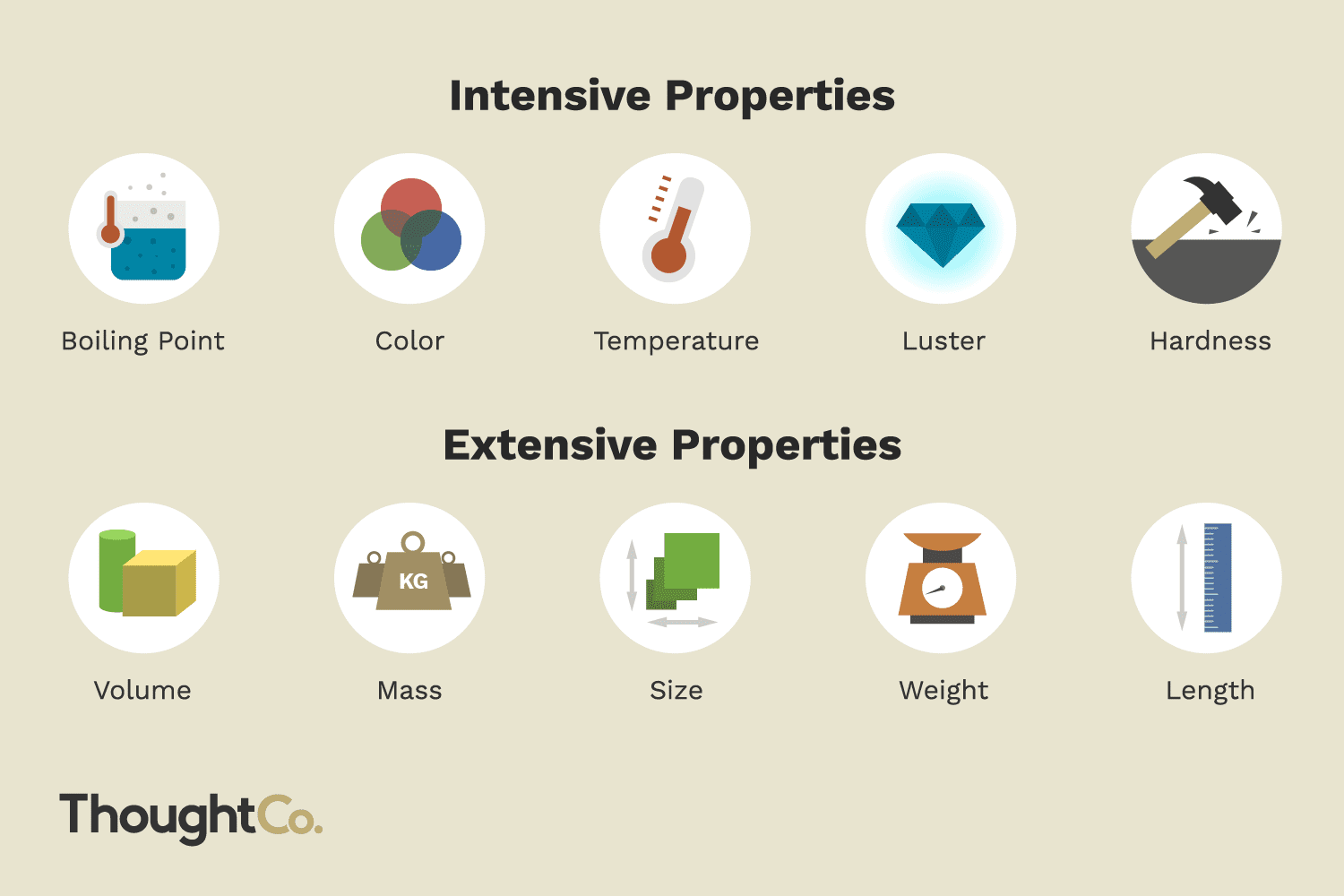
intensive properties
do not depend on the amount of matter (density, color, boiling point, temperature, reactivity)
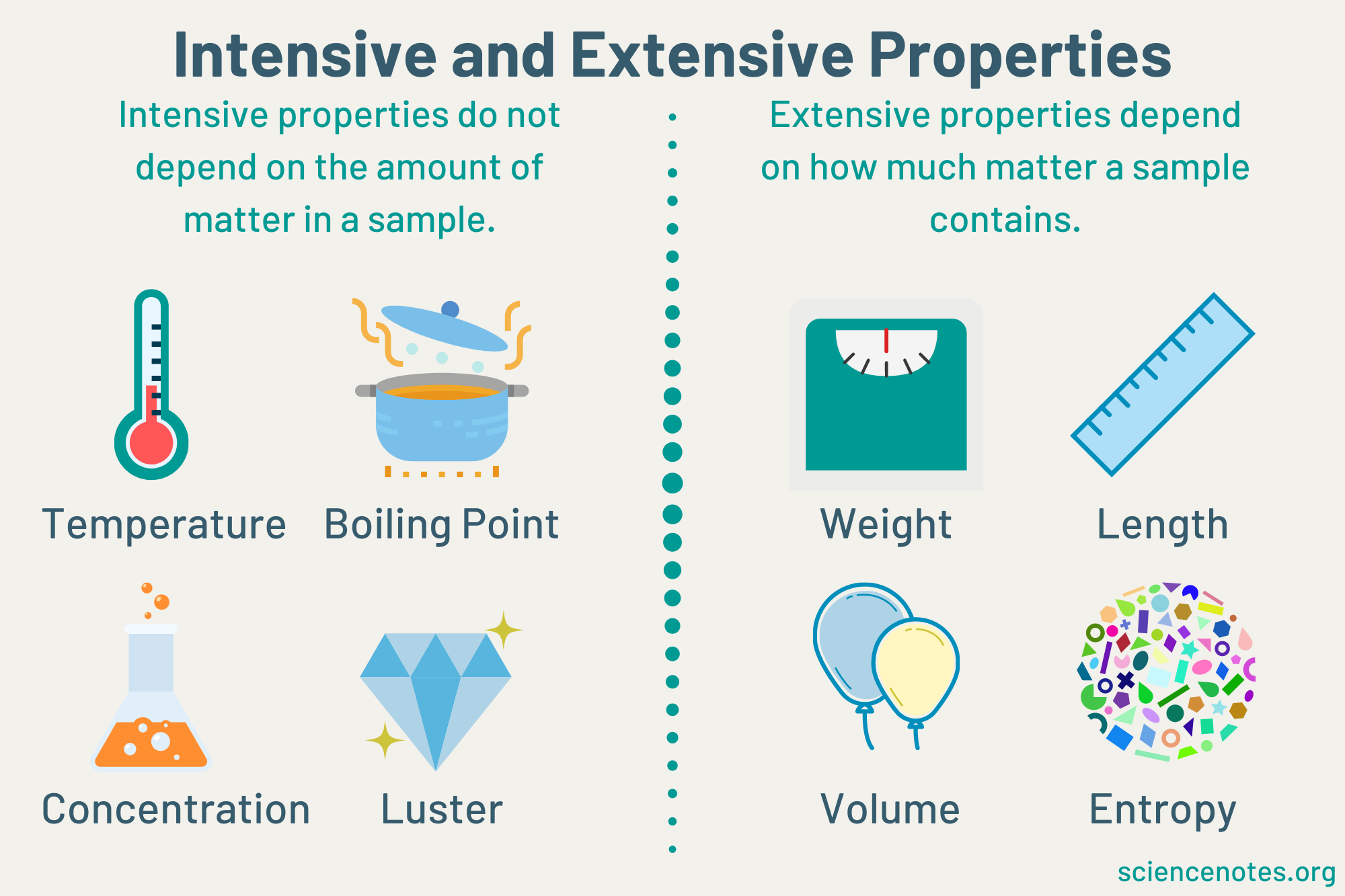
extensive properties
depend on the amount of matter (mass, volume, energy released upon combustion)
the atomic perspective
A central concept in the central science—the state of matter depends on the arrangement and motion of extremely tiny particles (what drives transformation in matter is the particles’ energy)
elements
a pure substance made of only one type of atom that cannot be broken down into simpler substances by chemical means
what is the island of stability
a predicted region of the periodic table containing superheavy nuclei that may be relatively more stable and have longer half-lives than nearby superheavy elements
what happens when elements combine
elements can combine in specific ratios to form compounds, creating substance with properties different from the original elements
classifying substances
identifying substances based on their composition and determining whether it is an element, compound, or mixture
compound
a pure substance made of two or more different elements chemically bonded together in a fixed ratio

pure substance
matter with a constant, uniform composition and consistent properties. can be an element or a compound

mixture
a combination of two or more substances that are physically combined, not chemically bonded. the substances retain their individual properties and can generally be separated by physical methods
homogenous mixture
A mixture with a uniform composition throughout. its components are evenly distributed (ex: salt water)

heterogenous mixture
a mixture with a non-uniform composition in which different parts can have different properties or compositions (ex: oil and water)
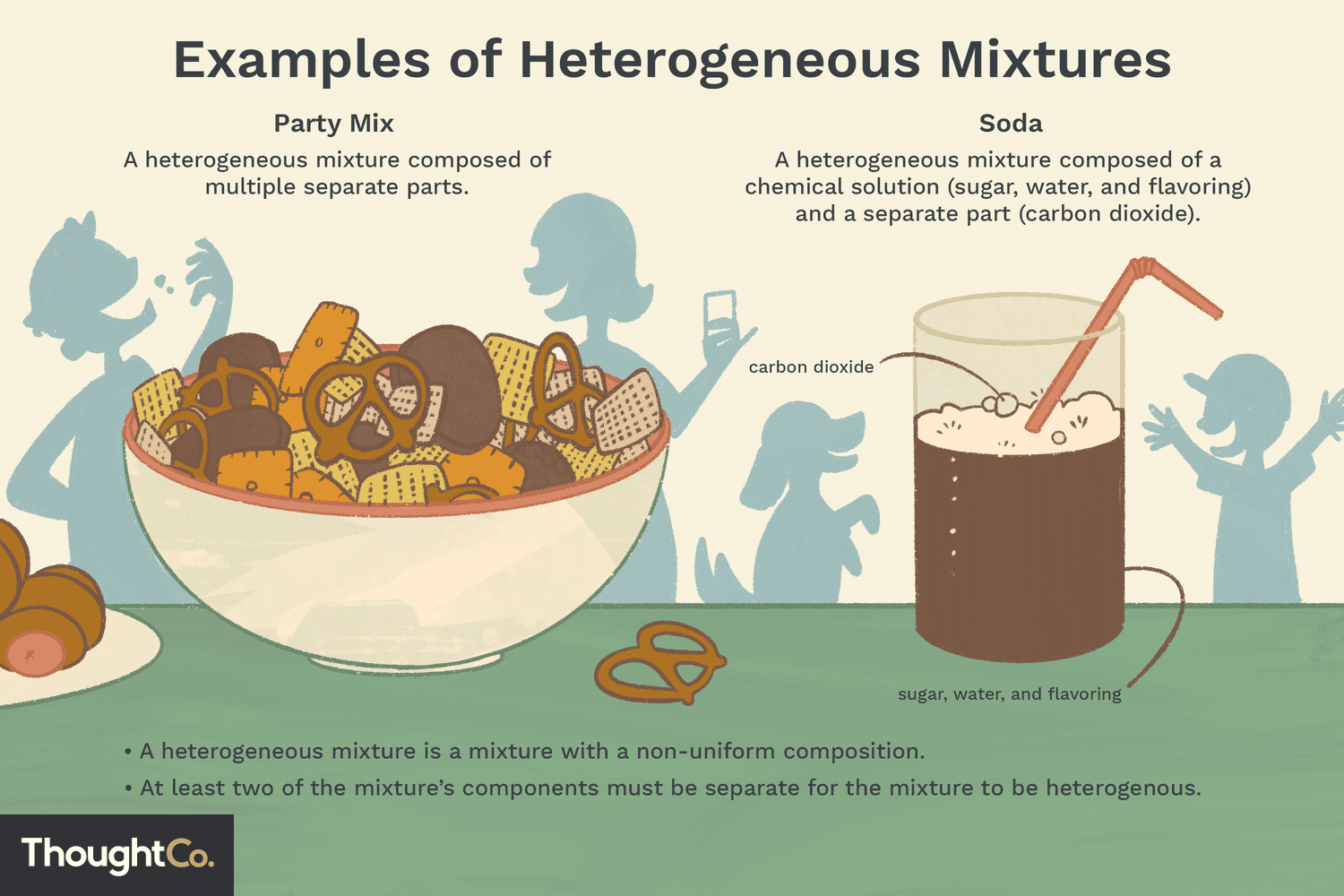
kinetic energy
the energy an object or a particle has because of its motion
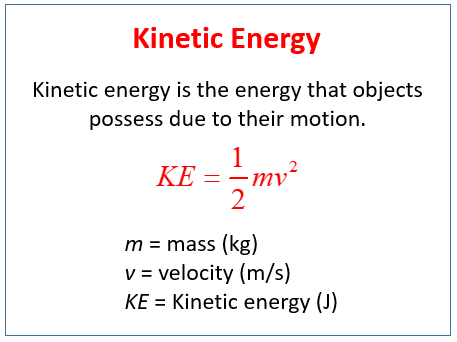
temperature
a measure of the average kinetic energy of the particles in a substance. higher temperature means particles have greater average kinetic energy

potential energy
stored energy that an object or system has because of its position, arrangement, or interactions.

how can energy be transferred?
energy can be transferred between a system and its surroundings primarily through work or heat
what is work as a way of transferring energy
the transfer of energy that occurs when a force causes an object to move. W = Fd (F=force, d=distance moved in direction of the force)

what is heat as a way of transferring energy?
Heat (q) is the transfer of thermal energy between objects or systems due to a temperature difference. energy flows from the hotter object to the colder object
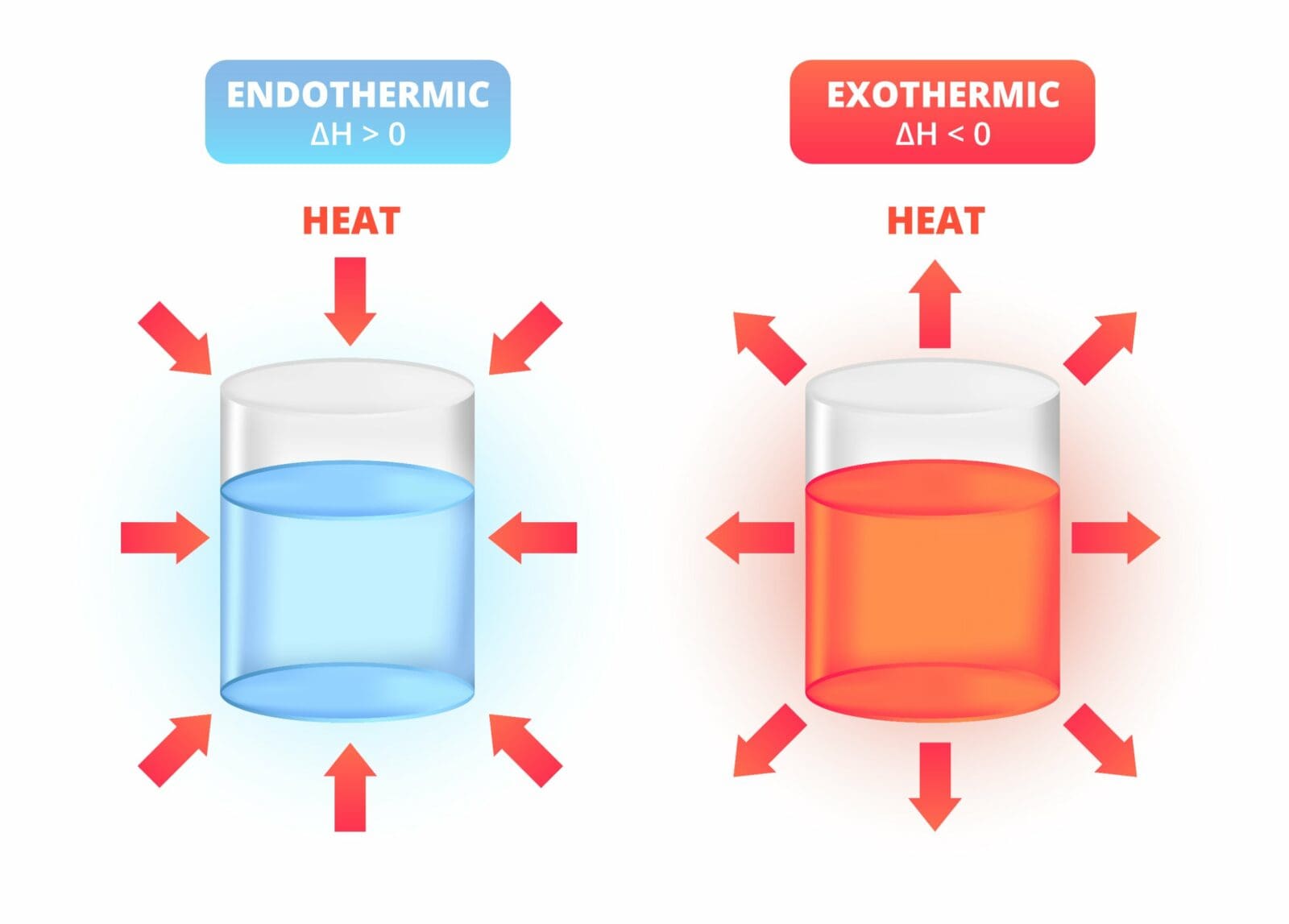
atom
the smallest unit of an element that retains the chemical properties of that element
basic structure of an atom
an atom has a small, dense nucleus containing protons and neutrons, surrounding by a fuzzy cloud of electrons

proton
a positively charged (+1) subatomic particle found in the nucleus. its mass is approximately 1 amu
neutron
a neutral subatomic particle found in the nucleus. its mass is approximately 1 amu (about the same as a proton)
electron
a negatively charged (-1) subatomic particle found in the electron cloud. its mass is approximately 5.5 × 10⁻⁴amu (much smaller than proton or neutron)
Rutherford gold foil experiment
Fired alpha particles at a thin sheet of gold foil—most passed straight through, but a small number were strongly deflected. concluded that atoms are mostly empty space with a small, dense, positively charged nucleus

nucleus of an atom
The tight, compact center of an atom containing protons and neutrons. contains almost all of an atom’s mass

atomic symbol
a shorthand notation that identifies an element and can show its atomic number and mass number

atomic number
the number of protons in an atom’s nucleus. it identifies the element.

mass number (total weight)
total number of protons + neutrons in an atom
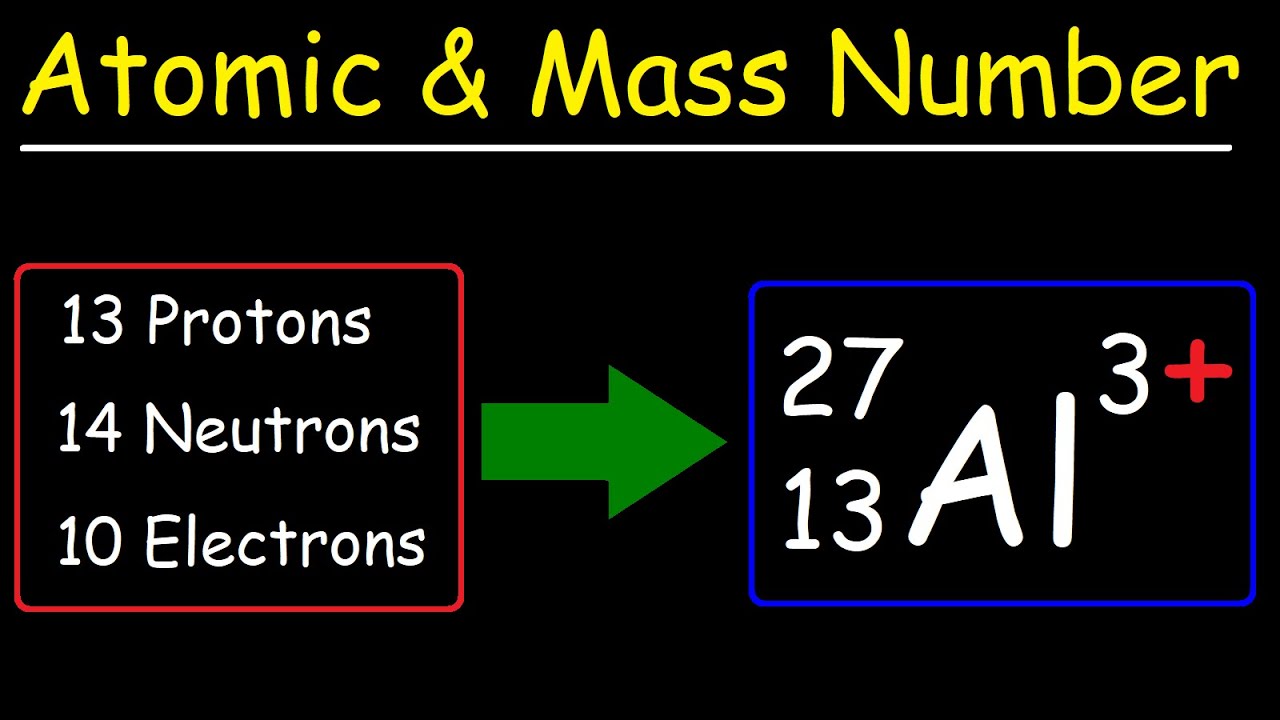
atomic mass (atomic weight)
the weighted average mass of all naturally occurring isotopes of an element, measured in atomic mass units (amu)

isotope
atoms of the same element that have the same number of protons but different numbers of neutrons

difference between mass number and atomic mass
mass number = protons + neutrons in one specific atom/isotope. atomic mass = weighted average of the masses of all naturally occurring isotopes of the element
periodic table
table that organizes elements by increasing atomic number and groups elements with similar chemical properties together
groups of the periodic table
the vertical columns of the periodic table. elements in the same group generally have similar chemical properties and similar number of valence electrons
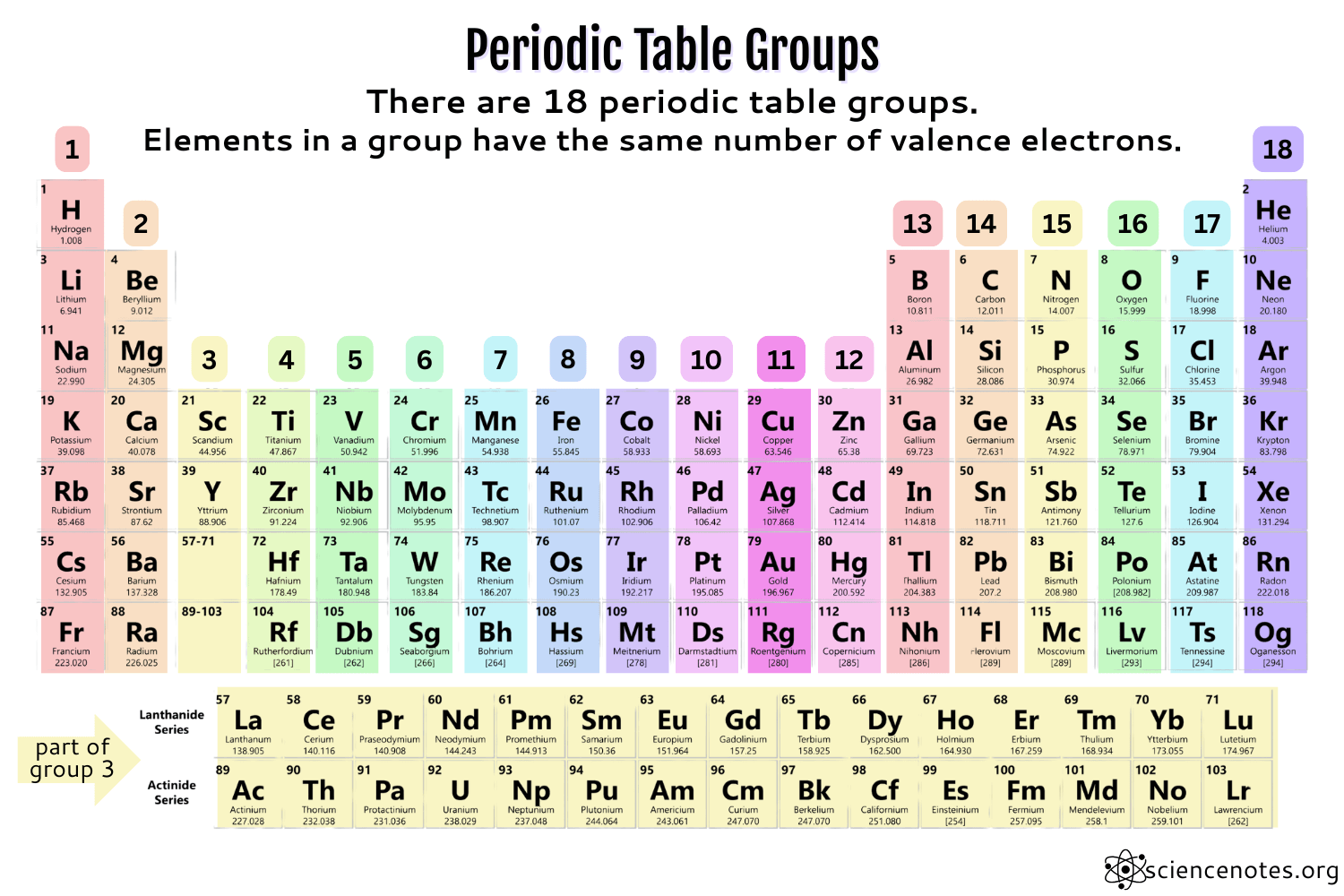
periods on the periodic table
the horizontal rows of the periodic table. elements of the same period have the same number of occupied electron shells/energy levels

what determines the identity of an element
number of protons in its nucleus (changing the number of protons changes the element)
group 1 - Alkali metals
(Li, Na, K, Rb, Cs, Fr) very reactive metals, have 1 valence electron, commonly form +1 ions, and become more reactive down the group. Generally soft and have relatively low melting points
group 2 - Alkaline Earth Metals
(Be, Mg, Ca, Sr, Ba, Ra) reactive metals, have 2 valence electrons, commonly form +2 ions, and generally become more reactive down the group
group 16 - chalcogens
(O, S, Se, Te, Po, Lv) have 6 valence electrons and tend to gain or share electrons to achieve full valence shell. oxygen and sulfur are particularly common nonmetals (but group includes metalloids too)
group 17 - halogens
(F, Cl, Br, I, At, Ts) Highly reactive nonmetals, have 7 valence electrons and commonly gain 1 electron to form -1 ions. reactivity generally decreases down the group
group 18 - noble gases
(He, Ne, Ar, Kr, Xe, Rn, Og) very unreactive gases (full valence electron shells) colorless and exist as individual atoms rather than molecules under ordinary conditions
metals
generally shiny, malleable, ductile, and good conductors of head and electricity. tend to lose electrons and form cations (positive ions). located primarily on the left and center of the periodic table

nonmetals
generally poor conductors, and many are brittle has solids. tend to gain or share electrons. located primarily on the upper right of the periodic table (plus hydrogen)

metalloids
have properties between those of metals and nonmetals. Many are semiconductors. found along the stair step line separating metals and nonmetals (common metalloids: B, Si, Ge, As, Sb, Te)

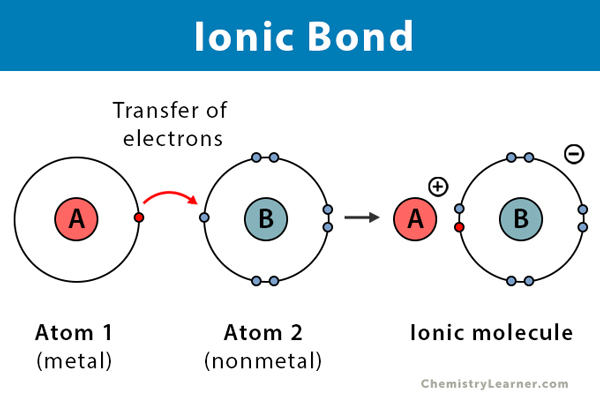
ionic compounds
substances made of positive and negative ions held together by electrostatic attraction. typically form when a metal transfers electrons to a nonmetal (ex: NaCl)
molecules
two or more atoms covalently bonded together and acting as a discrete unit (ex: H2O)
covalent bond
a chemical bond formed when two atoms share electrons. usually occur between nonmetal atoms

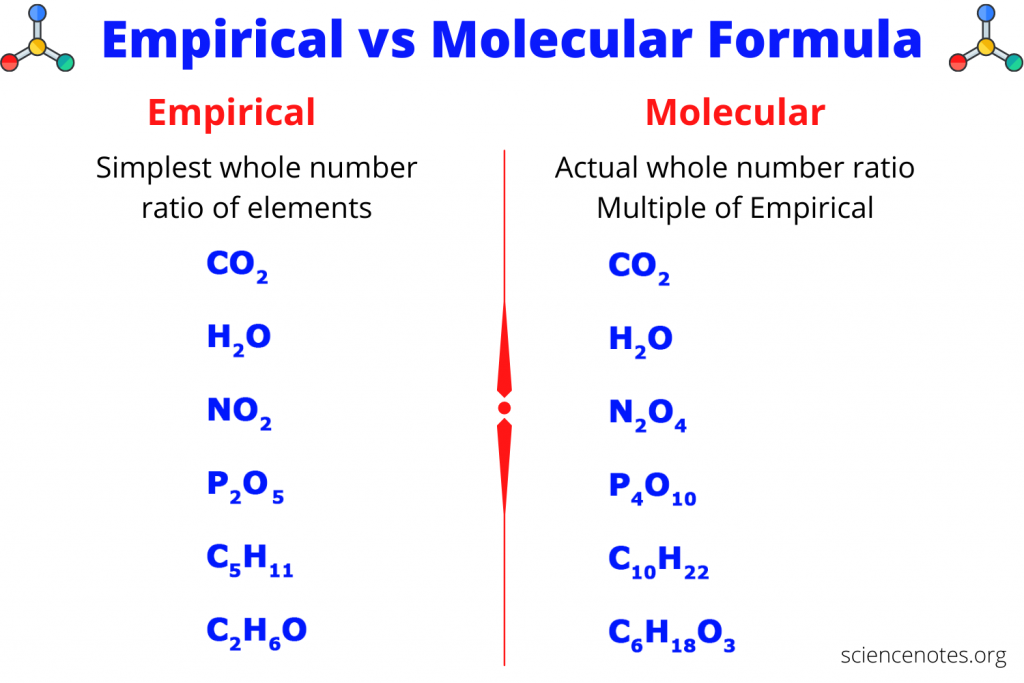
molecular formula
shows the actual number of each type of atom in one molecule (ex: C6H12O6 has 6 carbon, 12 hydrogen, 6 oxygen atoms)

empirical formula
shows the simplest whole-number ratio of atoms in a compound (molecular formula C6H12O6 has the empirical formula CH2O)
difference between molecular formula and an empirical formula
molecular formula gives the actual number of atoms in a molecule, empirical formula gives the simplest whole number ratio of those atoms

what are the different ways to represent molecules
Molecules can be represented using structural formulas, perspective drawings, ball-and-stick models, and space-filling models. Each representation emphasizes different information about the molecule.
what is a structural formula
A drawing that shows which atoms are connected and how they are bonded. Lines represent covalent bonds.

what is a perspective drawing of a molecule
a drawing that represents the three-dimensional arrangement of atoms using different types of bonds to show atoms projecting toward or away from the viewer.

ball and stick model
A 3D model in which balls represent atoms and sticks represent bonds. It emphasizes the molecule's shape and bond angles.

space filling model
A model in which atoms are represented by overlapping spheres sized according to their relative atomic sizes. It shows the molecule's overall shape and how much space the atoms occupy.

ionic compound
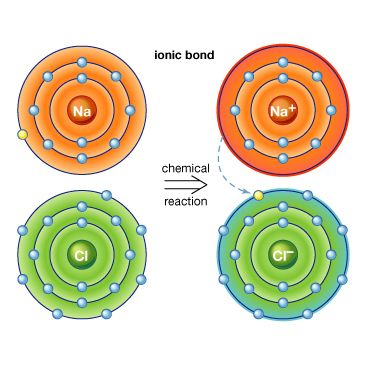
a compound made of cations and anions held together by electrostatic attraction (usually between metals and nonmetals)
ion
an atom or group of atoms that has a net electrical charge because it has gained or lost electrons
cation
positively charged ion formed when an atom loses electrons
anion
a negatively charged ion formed when an atom gains electrons
single atom ions (monatomic ions)
ions consisting of one atom that has gained or lost electrons (like those in group 1, group 2, group 16, and group 17)
polyatomic ions
ions made of two or more covalently bonded atoms that carry an overall charge
how are ionic compounds named
cation is named first, followed by anion (ex: sodium chloride)
fixed charge cation
metal ion forms one predictable charge (groups 1 and 2 are common examples)
variable charge cation
a metal that can form more than one possible charge (commonly transition metals) charge is indicated using a roman numeral in the compound’s name (ex: FeCl2 → iron (II) chloride
how are monatomic anions named in ionic compounds
change the ending of the element’s name to -ide
what are molecular (covalent) compounds
generally made of nonmetal + nonmetal atoms connected by covalent bonds
how is the first element in a molecular compound named
use the full name of the element (use a numerical prefix if there is more than one atom of that element)
how is the second element in a molecular compound named
use a numerical prefix to indicate the number of atoms and change the element’s ending to -ide
what prefixes are used when naming molecular compounds
mono-,di-,tri-,tetra-,penta-,hexa-,hepta-,octa-,nona-,deca-
acids
substances that produce H+ ions (or H3O+ in water) when dissolved in water
binary acids
an acid containing hydrogen and one other element, with no oxygen (ex: HCl (aq) → hydrochloric acid
oxyacid
name depends on the ending of the polyatomic ion (-ate→-ic acid, -ite→ -ous acid)
alkanes
organic compounds containing only carbon and hydrogen with single bonds between carbon atoms. saturated hydrocarbons (simplest organic molecules)

parent chain of an alkane
the longest continuous chain of carbon atoms in the molecule—its length determines the base name

suffix for alkane
-ane (ex: methane, ethane, propane)