IUPAC OAT
 Call Kai
 Learn
Learn Practice Test
 Spaced Repetition
 Match
Match Flashcards
 Knowt Play
1/60

There's no tags or description
Looks like no tags are added yet.
Name | Mastery | Learn | Test | Matching | Spaced | Call with Kai | Chat |
|---|
No analytics yet
Send a link to your students to track their progress
61 Terms
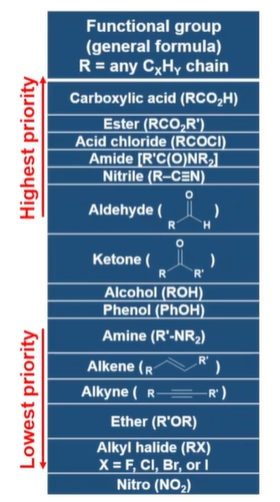
Highest Priority to Lowest priority ICUPAC groups
Names for the hydrocarbon chains 1-4
Methane
Ethane
Propane
Butane
Names for the hydrocarbon chains 5-8
Pentane
Hexane
Heptane
Octane
Names for the hydrocarbon chains 9 + 10
Nonane
Decane
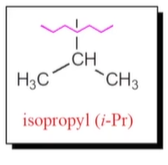
Isopropyl
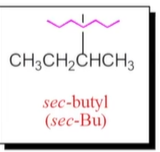
Sec-Butyl
Start with a B! S is hyphenated.
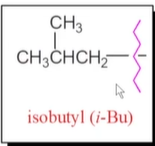
Isobutyl
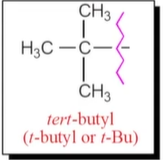
Tert-butyl
Start with a B! Not a t since it is hyphenated.
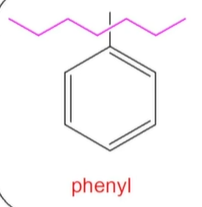
Phenyl
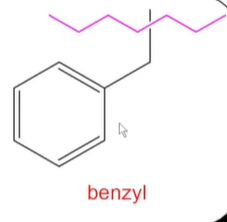
Benzyl
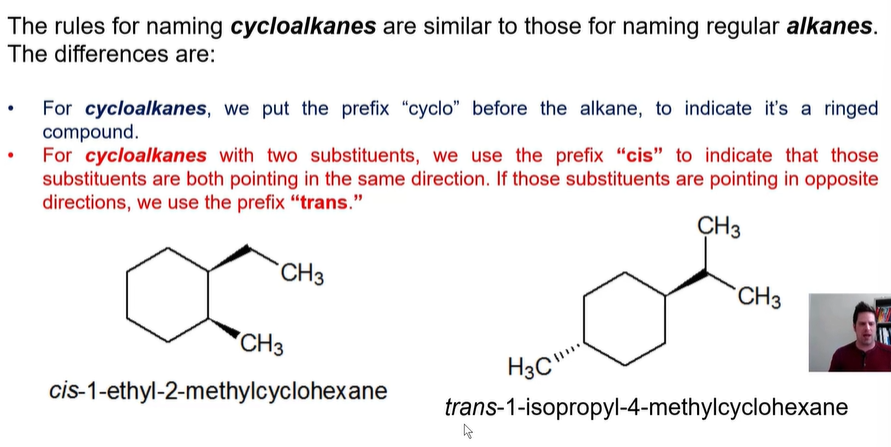
Special rules for cycloalkenes with only 2 substituents
Cis + Trans
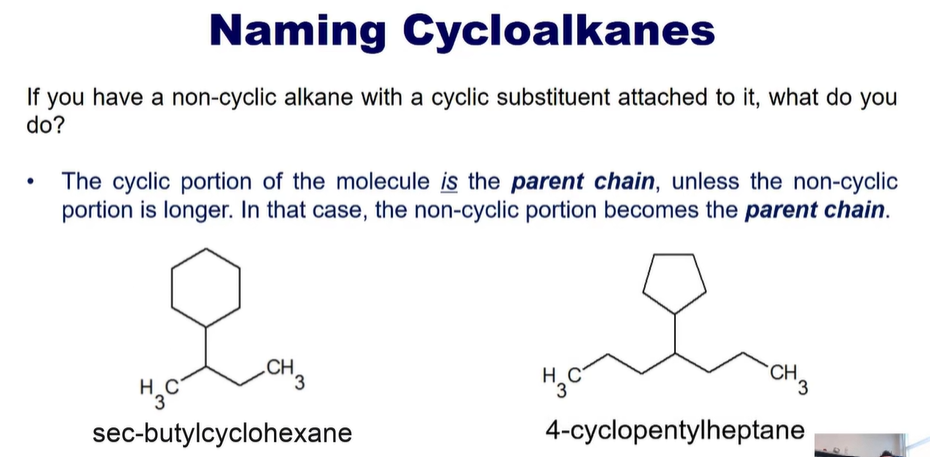
What to do with a noncyclic alkane with a cyclic substituent. What is the parent chain?
Alkyl Halide Naming conventions: Fluorine
Fluoro
-yl fluoride
Alkyl Halide Naming conventions: Chlorine
Chloro
-yl chloride
Alkyl Halide Naming conventions: Bromine
Bromo
-yl bromide
Alkyl Halide Naming conventions: Iodine
Iodo
yl iodide
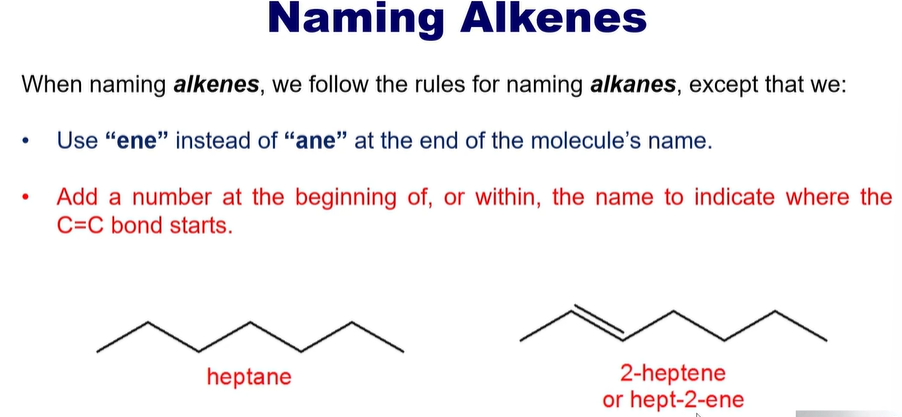
Alekenes
ene
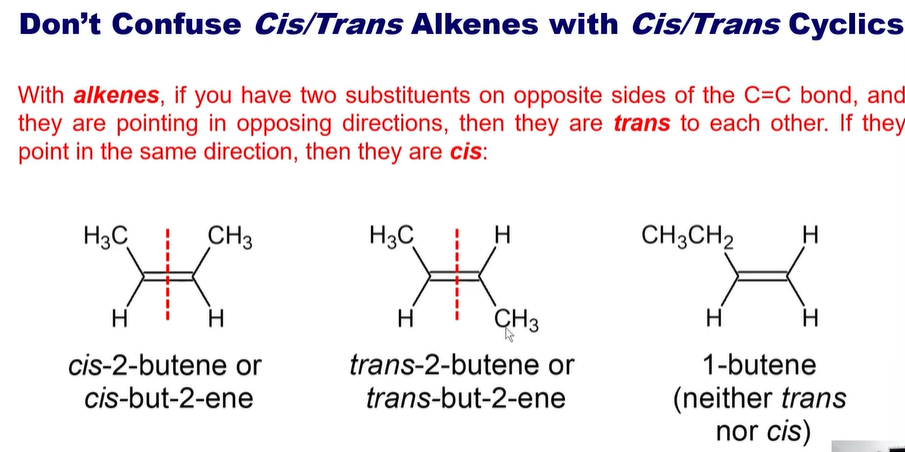
YOU HAVE TO DO CIS OR TRANS
Cis vs trans alkenes
CIS VS TRANS EXCEPTIONS → EZ naming system
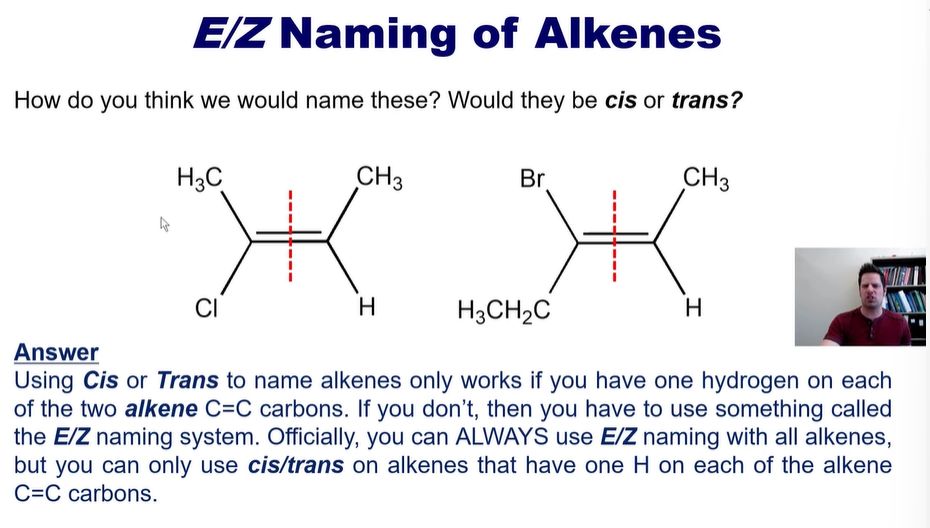
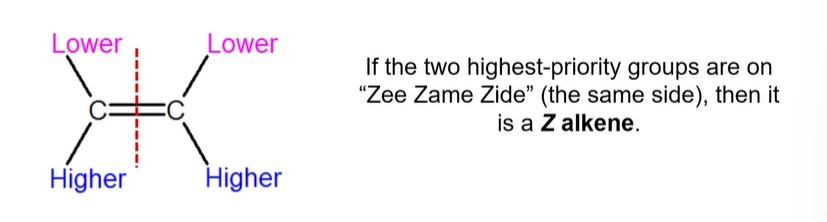
EZ —> Z
Higher priority groups are on the same side → Zame Zide Zamn
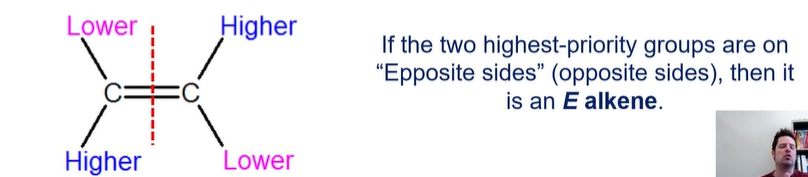
EZ —> E
—> Highest priority trans
Epposite sides
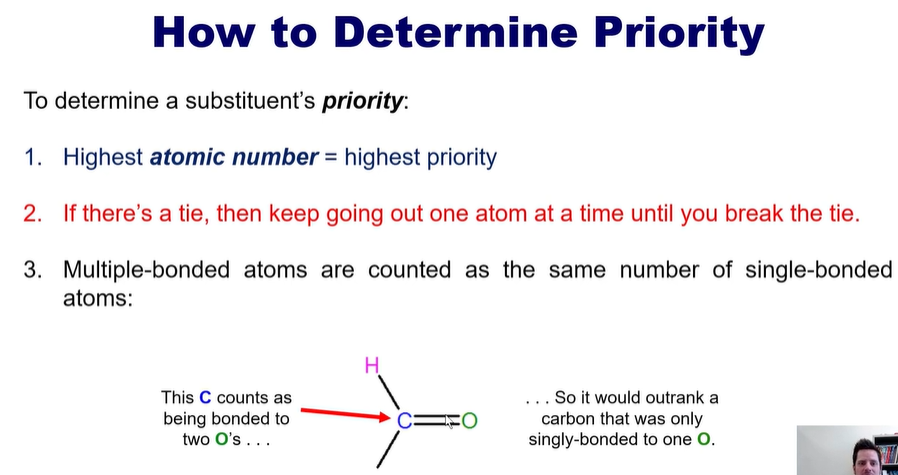
How to determine priority of a substituent.
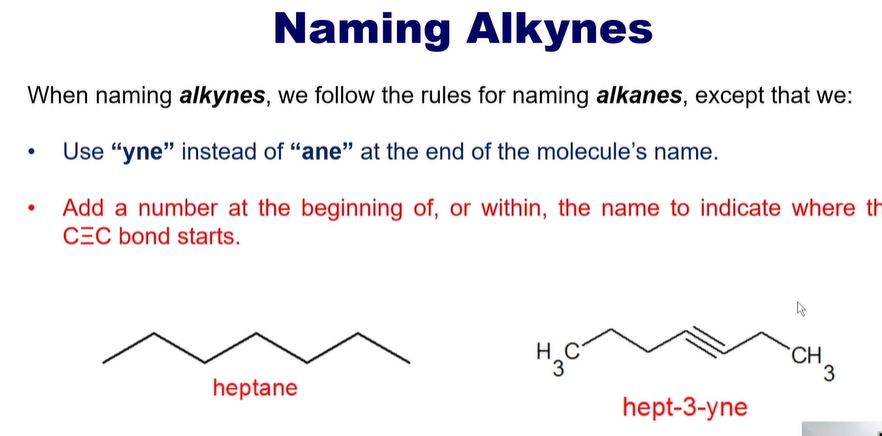
Naming Alkynes
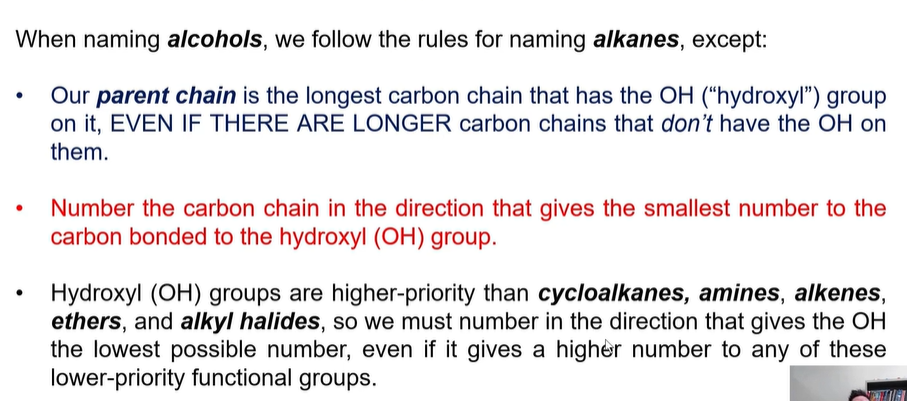
Alcohol
OH
THE PARENT CHAIN IS THE ONE WITH THE THE OH IN IT. (even if there is longer chains).
OH groups are higher priority than cycloalkanes, amines, alkenes, ether, and alkyl halides.
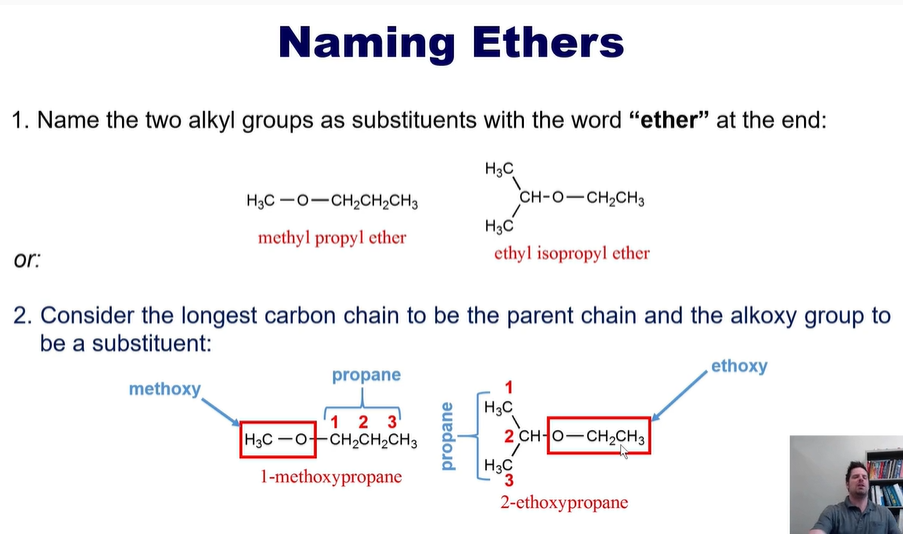
Ethers
-O-
Naming two alkyl groups as substituents with the word ETHER at the end.
Longest carbon chain is the parent chain, alkoxy group is the substituent.
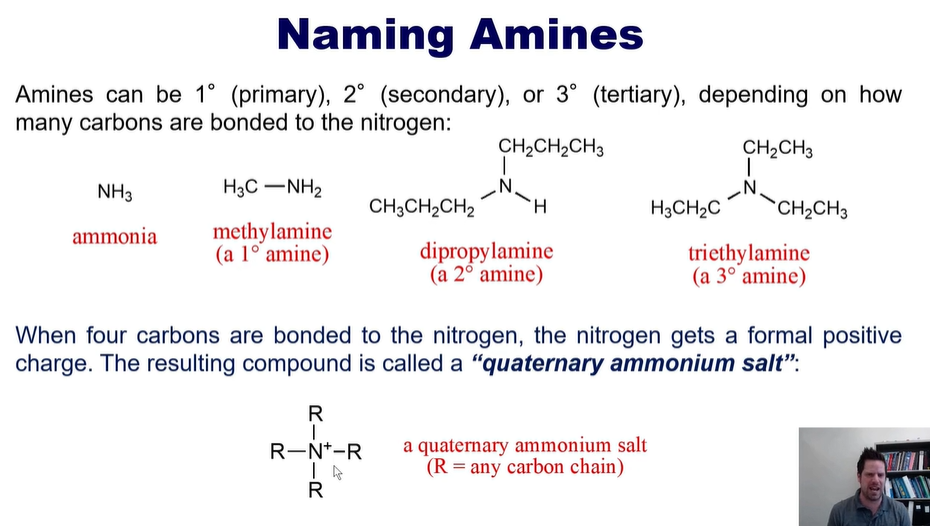
Amine
-NH2
Primary Amines + What occurs when they are directly in the middle.
RNH2
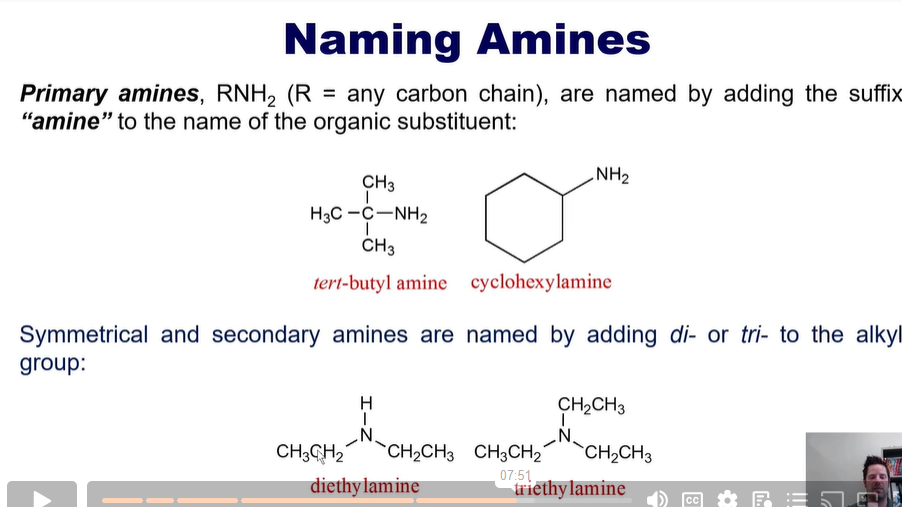
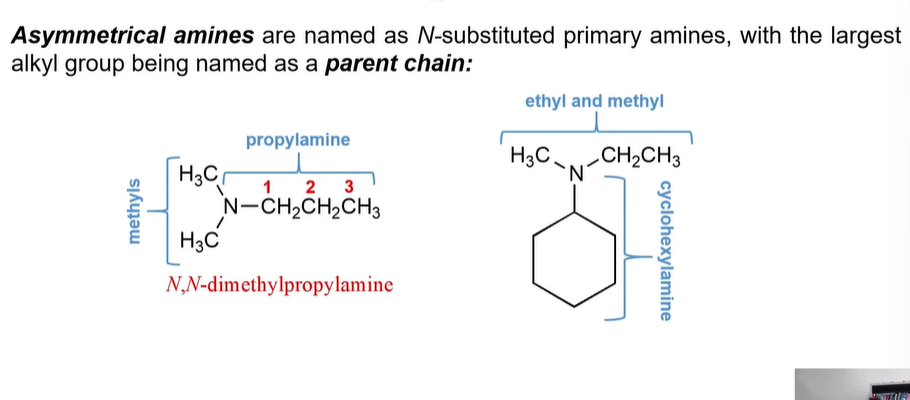
Asymetrical Amines
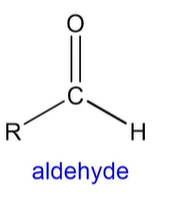
Aldehyde
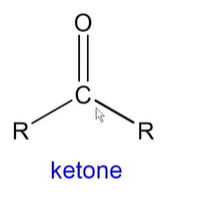
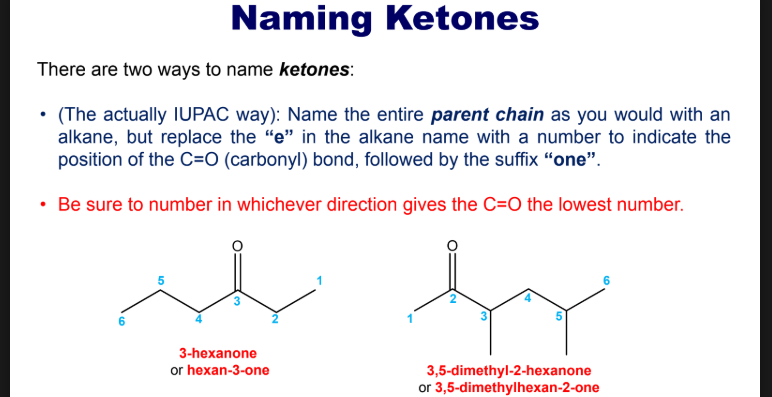
Ketone
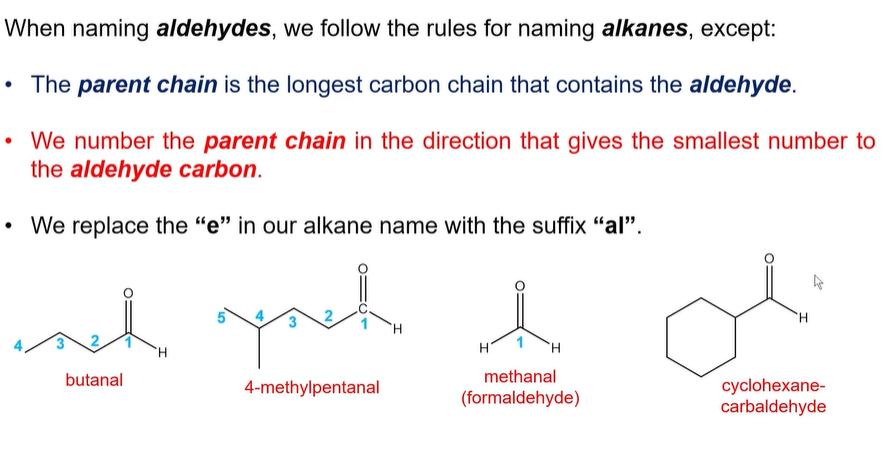
Aldehyde Rules → End suffix
Ketone Rules → End suffix
IUPAC + NONIUPAC
Non iupac
Ketone at the end of the sentence + two chains.
Ethyl Propyl Ketone
Name each chain on either side of the C=O carbonyl and follow it with Ketone
IUPAC
Methyl Phenyl Ketone
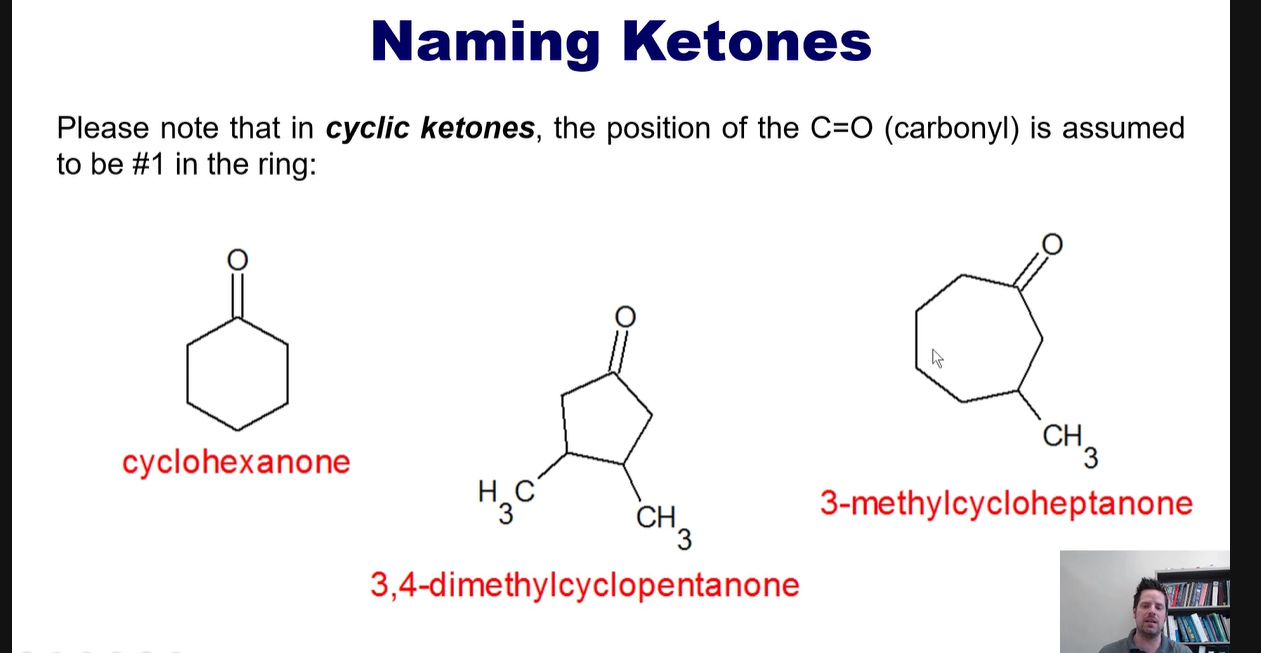
Cyclic Ketones
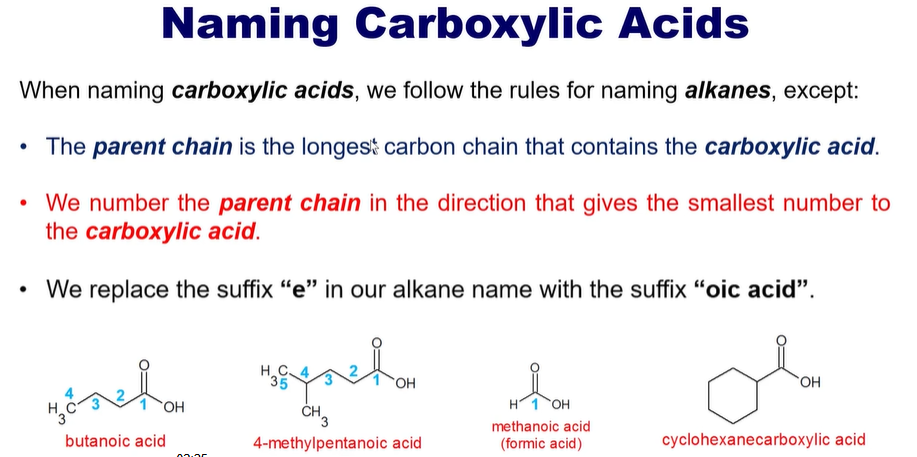
Naming Carboxylic Acids
Parent chain will always be the longest carbon chain that has the carboxylic acid.
It will also give the smallest number to the carboxylic acid.
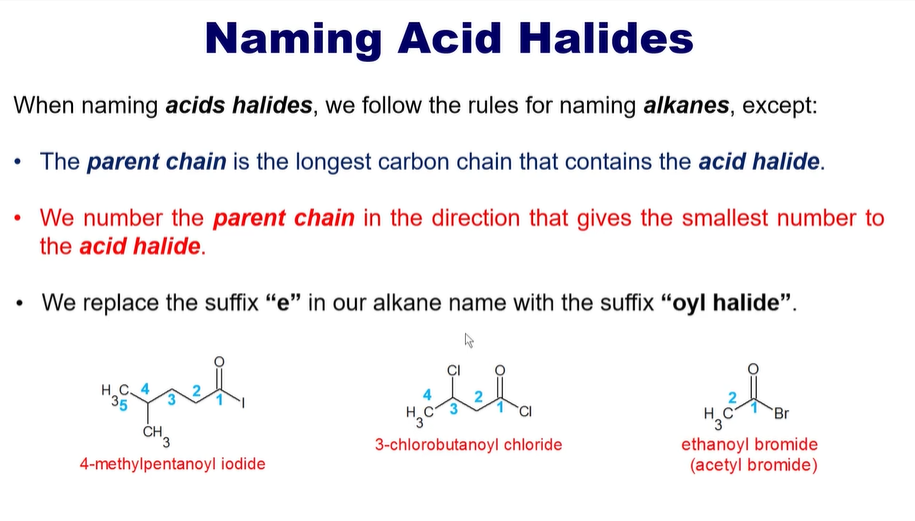
Acid Halides I, Cl, Br, etc
Parent Chain is the longest carbon chain that contains the acid halide.
It will also give the smallest number to the carboxylic acid.
The e in the suffix will be oyl halide.
like oyl iodide
oyl chloride
oyl bromids
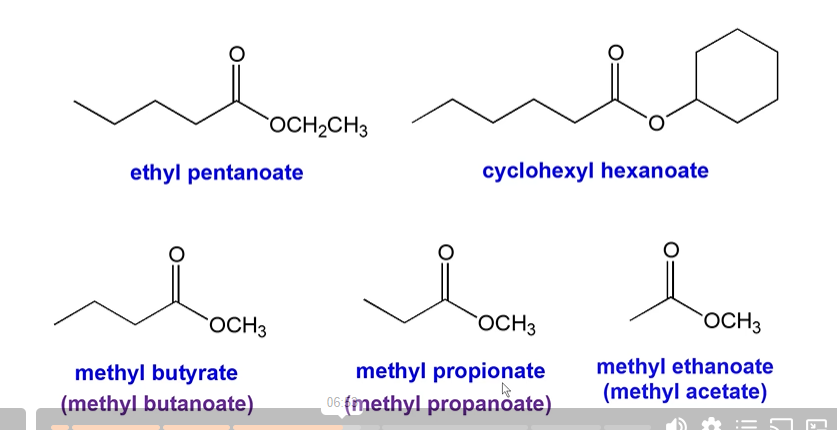
Esters
The parent chain starts at the C=O carbon and is counted moving away from the ester oxygen. THEN the parent chain suffix E is replaced with OATE.
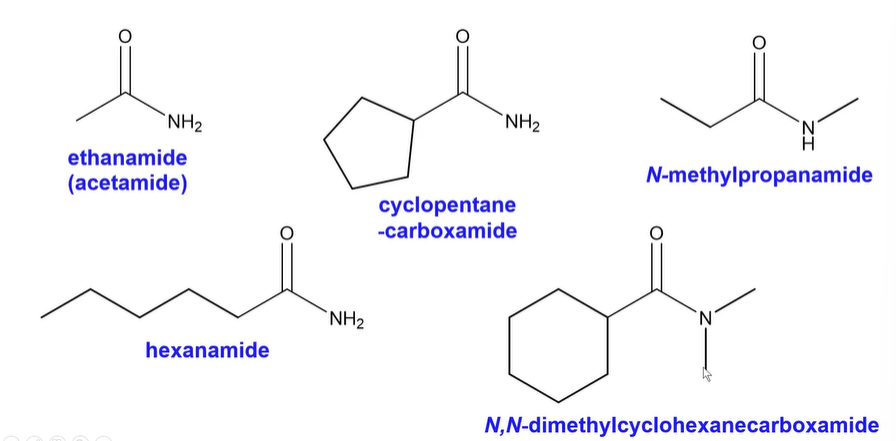
Amide
Any alkyl groups attatched to nitrogen become N-methyl, N-ethyl, N-propyl, etc
The parent chain starts at the C=O carbon and is counted moving away from the amide nitrogen.
e is replaced with AMIDE.
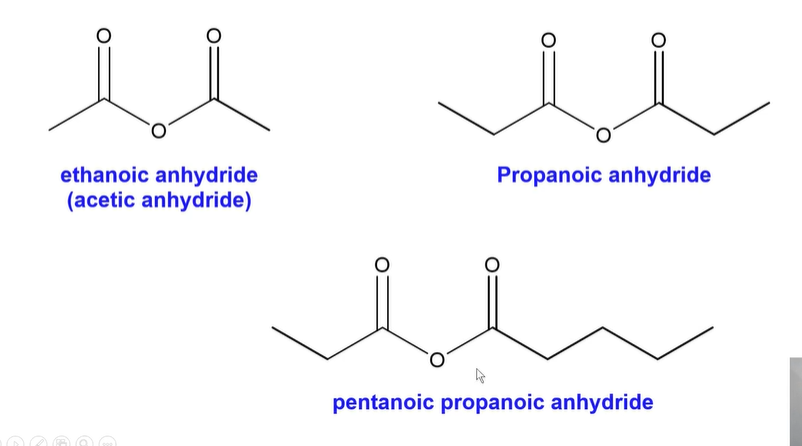
Acid Anhydrides
Determine length on either side of the bridging oxygen.
Then list both lengths alphabetically, replacing their ending “e” with “oic”
Then write anhydride at the end of the name.
“acid”
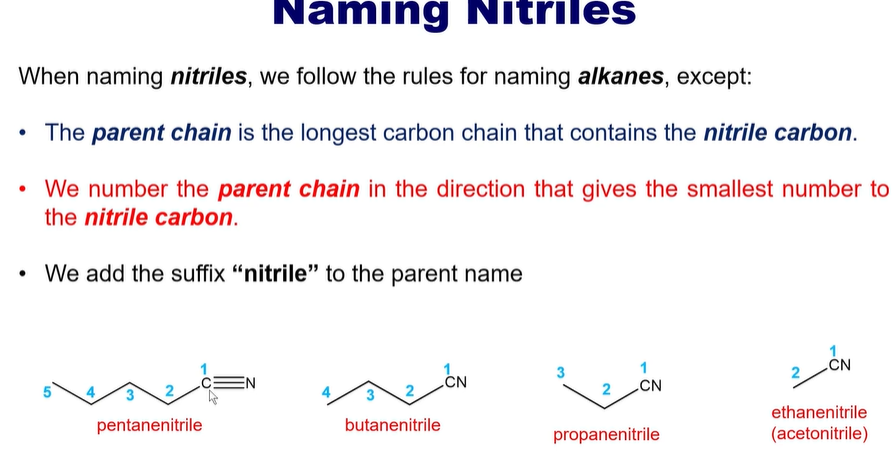
Nitriles
Follow rules for naming Alkenes except
Parent chain is the longest carbon chain that contains a nitrile carbon.
The parent chain is in the direction that gives the smallest number to the nitrile carbon.
Then add the suffix nitrile.
Bromobenzene
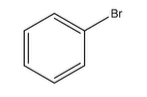
Chlorobenzene
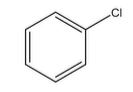
Nitrobenzene
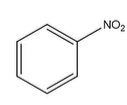
Ethyl Benzene
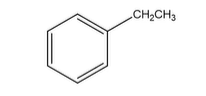
Toluene
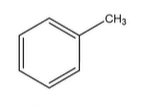
Phenol
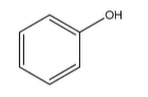
Aniline
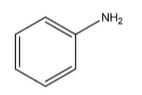
Benezenesulfonic Acid
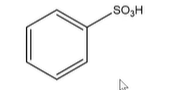
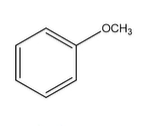
Anisole
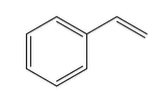
Styerene
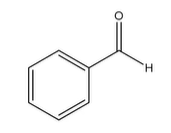
Benzaldehyde
Parent chain is the longest carbon chain that contains a high priority functional group.
The parent chain is in the direction that gives the smallest number to the highest priority functional group is #1.
Then add the suffix nitrile.
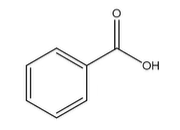
Benzoic Acid
Benzonitrile
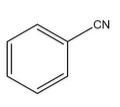
Substituted Benzene naming
Take the highest priority functional group.
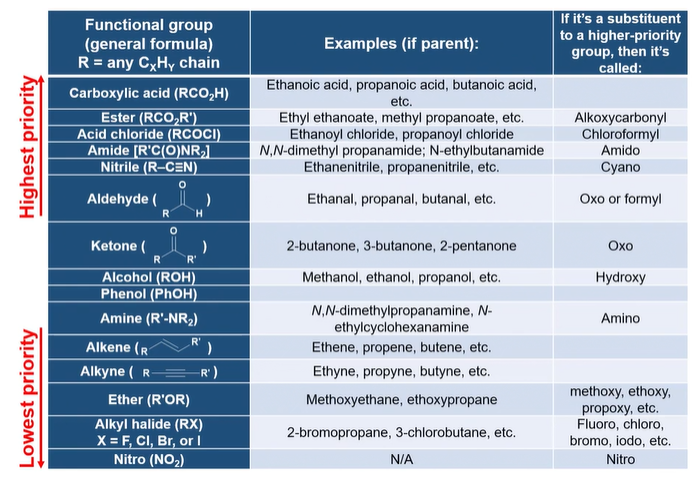
Polyfunctional compounds.
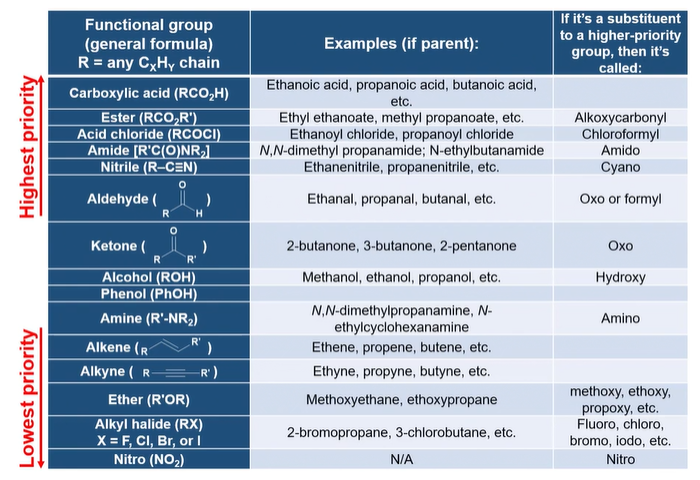
Spiroalkanes (base form)
IUPAC names for spiro alkanes have the format spiro[a.b]parent name.
• Count the total number of carbons across the entire molecule.
• Count the number of carbons to the left, and to the right. These numbers are a and b in your IUPAC name, listed from lowest to highest.
• Write your final IUPAC name as spiro[a.b]parent name.
![<p>IUPAC names for spiro alkanes have the format <strong>spiro[a.b]paren</strong>t <strong>name</strong>.</p><p></p><p>• Count the <strong>total number </strong>of <strong>carbons </strong>across the entire molecule.</p><p>• Count the number of <strong>carbons to the left</strong>, and to the <strong>right.</strong> These numbers are a and b in your IUPAC name, listed from <strong>lowest </strong>to <strong>highest</strong>.</p><p>• Write your final IUPAC name as <strong>spiro[a.b]parent name.</strong></p>](https://assets.knowt.com/user-attachments/28e6dd0d-3f05-48f5-a323-ce0f9240bb34.png)
BicylcoAlkanes
Bicyclic alkanes are carbon/hydrogen molecules that have two or more rings fused together across multi-carbon “bridges”. These bridging carbons are called bridgehead carbons.
Count the total number of carbons across the entire molecule.
Count carbons to the left, and to the right, and above your bridgehead carbons. These numbers are a, b, and c in your IUPAC name, listed from HIGHEST to lowest (the opposite of spiro alkanes).
Write your final IUPAC name as bicyclo[a.b.c]parent name.
![<p><strong>Bicyclic alkanes </strong>are carbon/hydrogen molecules that have two or more rings fused together across multi-carbon “bridges”. These bridging carbons are called <strong>bridgehead carbons</strong>.</p><p></p><ul><li><p>Count the total number of carbons across the entire molecule. </p></li><li><p>Count carbons to the <strong>left</strong>, and to the <strong>right</strong>, and <strong>above </strong>your bridgehead carbons. These numbers are <strong>a, b, and c in your IUPAC name, </strong>listed from <strong>HIGHEST </strong>to <strong>lowest </strong>(the opposite of spiro alkanes).</p></li><li><p>Write your final IUPAC name as <strong>bicyclo[a.b.c]parent name.</strong></p></li></ul><p></p>](https://assets.knowt.com/user-attachments/b9440f9b-6fa3-474d-8c3f-a694d49f398c.png)