CHURCHS
 Call Kai
 Learn
Learn Practice Test
 Spaced Repetition
 Match
Match Flashcards
 Knowt Play
1/32

There's no tags or description
Looks like no tags are added yet.
Name | Mastery | Learn | Test | Matching | Spaced | Call with Kai | Chat |
|---|
No analytics yet
Send a link to your students to track their progress
33 Terms
La Loma Funeral Chapel
chosen as the burial ground for the residents of Binondo in accordance with the decree of 1857 that cemeteries should be located on elevated grounds.
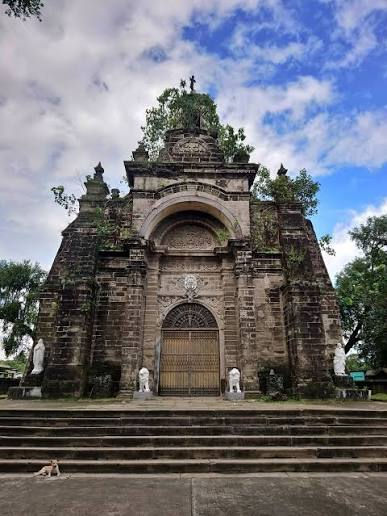
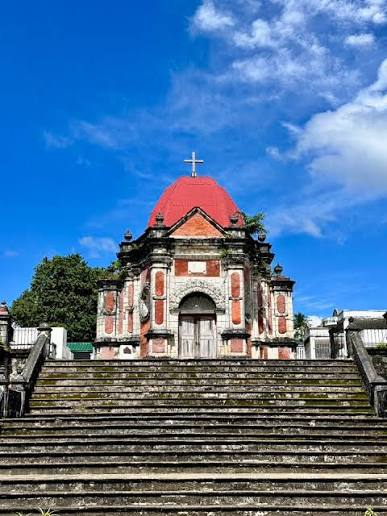
San Joaquin Funeral Chapel
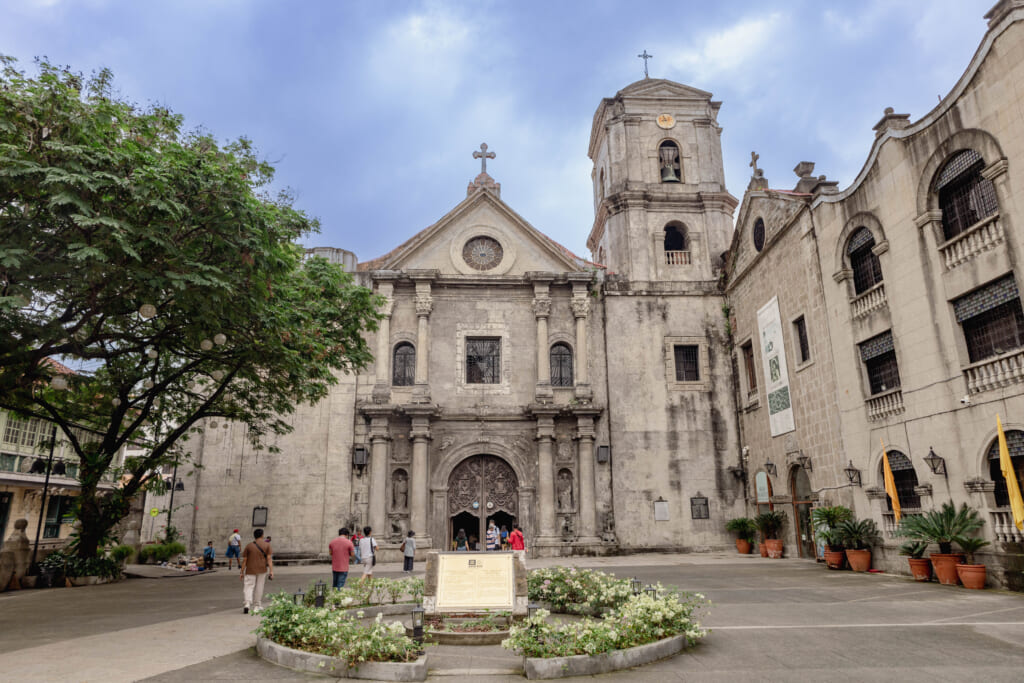
San Agustin Church
Built in 1570; Luzon's first post-Cebu religious structure and a key monument of Spanish colonization.
Santa Maria Church, Santa Maria, Ilocos Sur
Hilltop church reached via a grand stairway, with a walled cemetery opposite. Its 16th-century townsmen traded pottery and weaving with Chinese and Japanese merchants.

Paoay Church
Completed in 1710, it features a distinctive baroque architecture and is recognized as a UNESCO World Heritage Site.</span>

Miagao Church, Miagao, Iloilo
A UNESCO World Heritage Site known for its distinct architectural style, featuring a baroque facade and intricate carvings that reflect local culture.

San Sebastian Church
Neo-Gothic church built by Augustinian Recollects; pioneer in pre-fabricated construction featuring lancet openings, buttresses, and pinnacles.

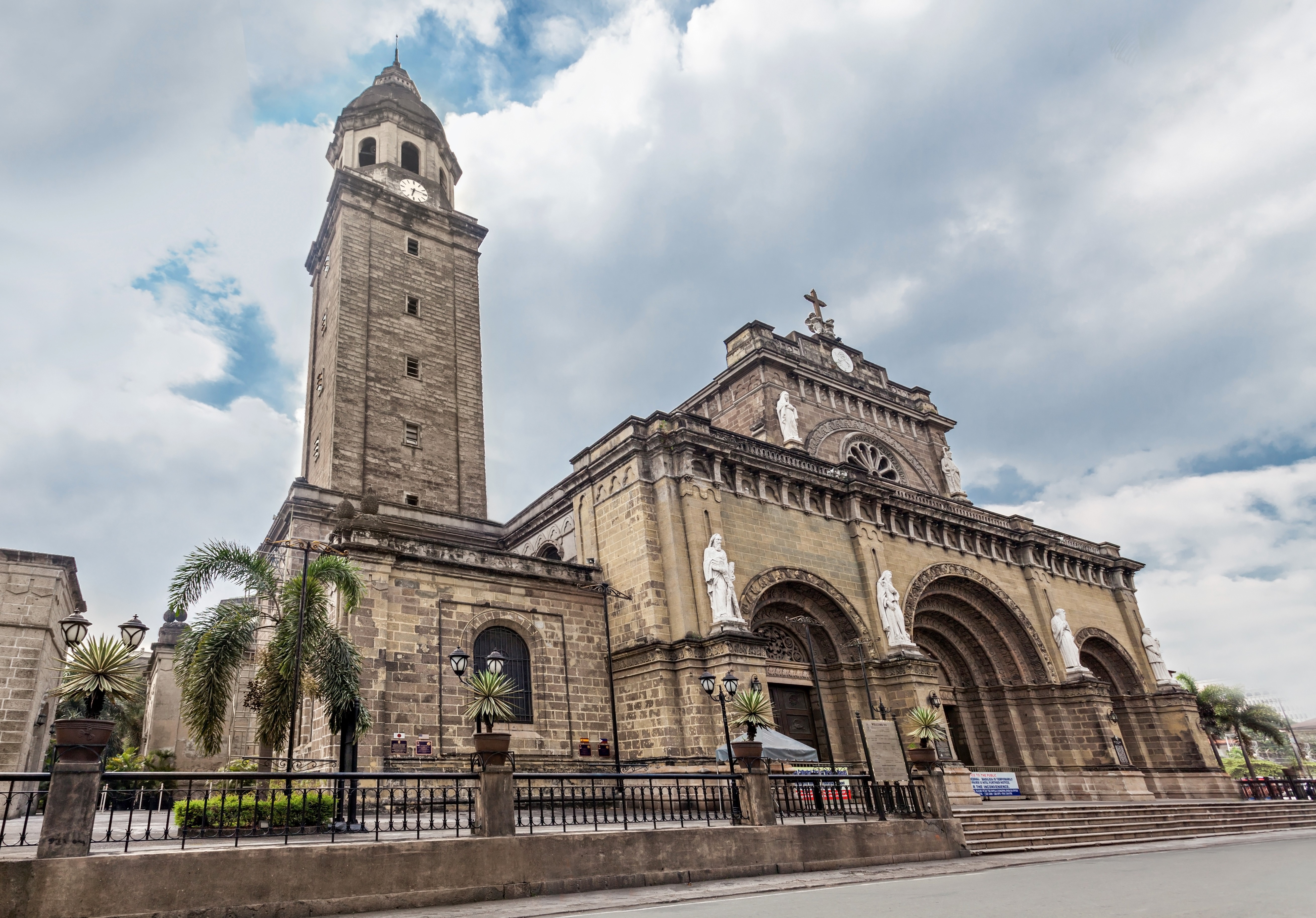
Manila Cathedral, Intramuros, Manila
One of seven Intramuros churches; first built in 1581, raised to a cathedral by Fr. Domingo Salazar, and repeatedly rebuilt after disasters.
LOURDES CHURCH
Built in 1891 for Capuchin friars; houses the 1892 Our Lady of Lourdes statue by Manuel Flores.

RECOLETOS CHURCH
famous for its four-story bell tower and magnificent interior built several times from 1619 (last built in 1782)

SAN FRANCISCO CHURCH
church of the Franciscan Order (second to arrive in the country) first built in 1578,location of the present Mapua Institute of Technology Manila campus

SANTO DOMINGO CHURCH
Intramuros Dominican church rebuilt in Neo-Gothic style (1864–1868) by Felix Rojas, featuring a facade inspired by York Cathedral.

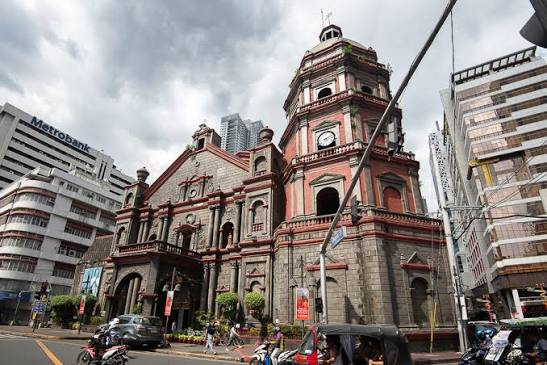
BINONDO CHURCH
The oldest stone church in Manila, built in 1596, known for its rich history and beautiful architecture, serving the Filipino-Chinese community.
BASILICA MINORE OF SAN MARTIN DE TOURS
Located in Taal, Batangas, it is the largest basilica in the Philippines, known for its grand Baroque architecture and historical significance.

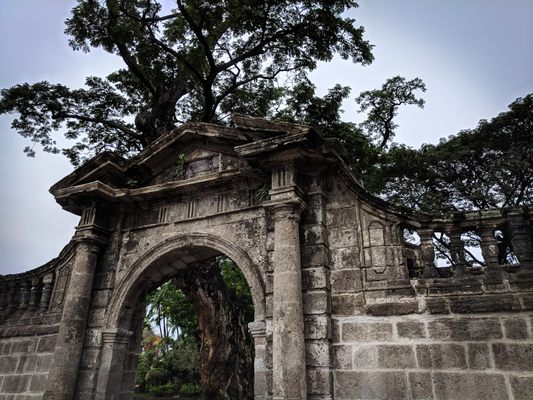
PACO PARK CEMETERY
First Extramural Cemetery
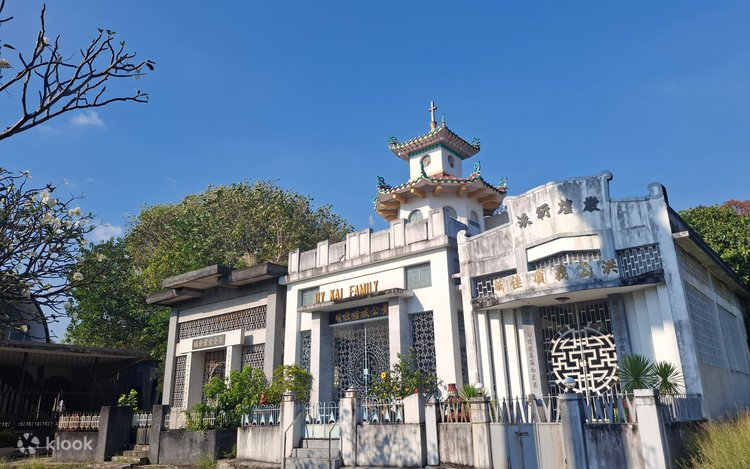
CHINESE CEMETERY
Multi-religious site (Christian, Buddhist, Taoist) enlarged in 1863 by Lim Ong in La Loma for Catholic and non-Catholic Chinese.
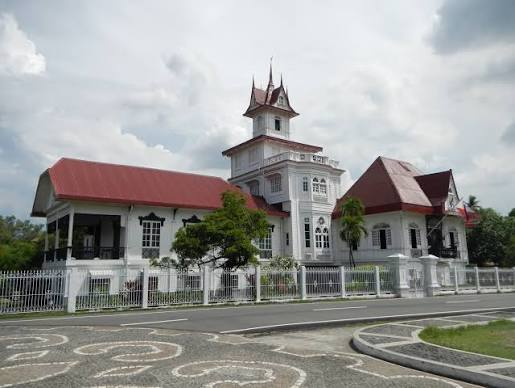
AGUINALDO SHRINE, KAWIT, CAVITE
first built in 1845 from wood & thatch materials main section of the house is a pyramid-like structure capped by a spire tower at the top.
CRISOLOGO ST. VIGAN, ILOCOS SUR
A historic street known for well-preserved Spanish colonial houses, showcasing Vigan's architectural heritage.

RIZAL SHRINE, CALAMBA
A replica of Jose Rizal's ancestral home, rebuilt after the original was destroyed during WWII.

CALLE ROSARIO
Old name of Quintin Paredes Street; Manila's historic commercial district lined with Chinese shops
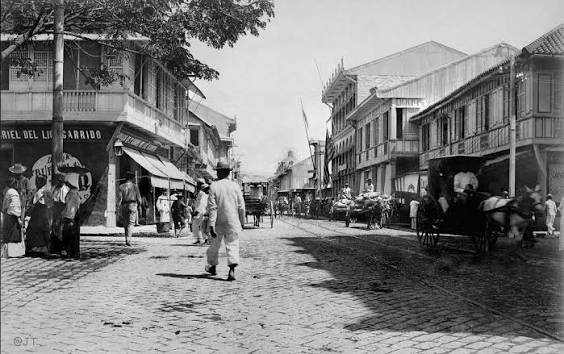
CALLE ESCOLTA
one of the oldest streets in Manila, Escolta was created in 1594
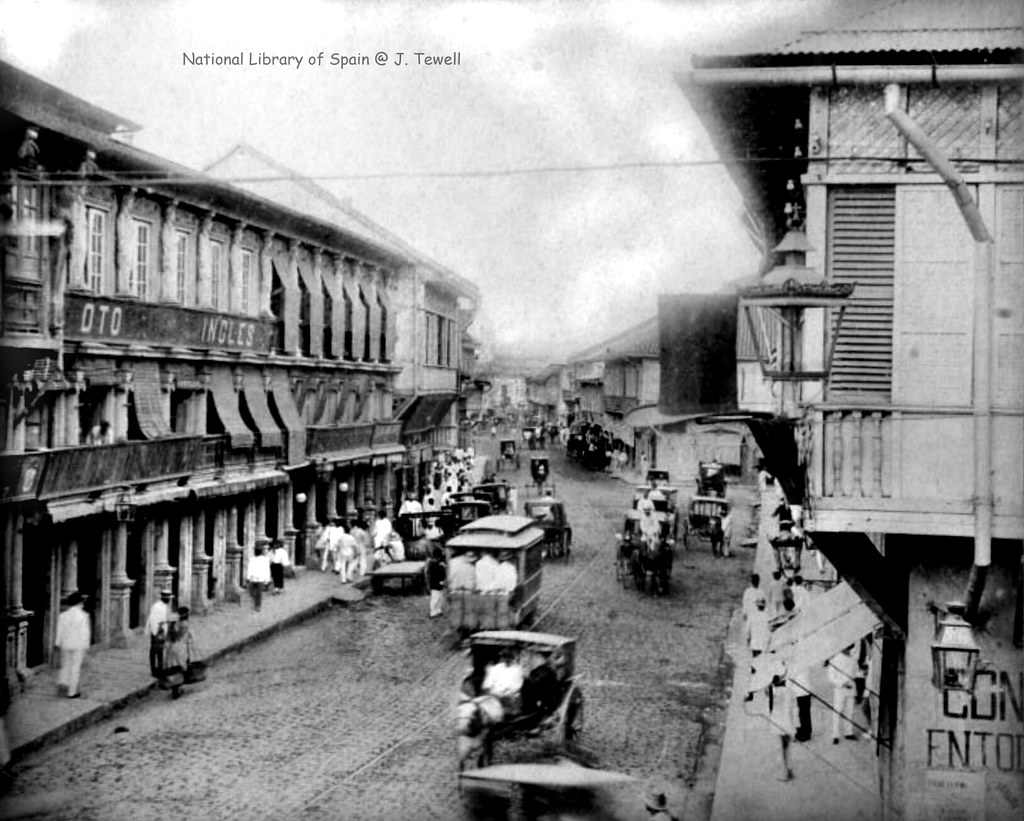
TUTUBAN RAILWAY STATION
Built for the Ferrocarril de Manila-Dagupan line, forming much of today's North Main Line.

HOTEL DE ORIENTE
defunct hotel located in Binondo, Manila.
had 83 rooms & believed to be the 1st hotel in the Philippines
1892 - Jose Rizal stayed in this hotel.

LA INSULAR CIGAR & CIGARETTE
three-storey Neo-Mudejar structure located along on the right of Binondo church, at Plaza Calderon de la Barca

AYUNTAMIENTO
built to house Manila's city council and government

PALACIO DEL GOBERNADOR
served as the longest main residence of the governor generals

MALACAÑANG PALACE
official residence of the president of the Philippines

ATENEO MUNICIPAL DE MANILA
one of Old Manila's most prestigious schools, came from Athenaeum, temple of Athena

COLEGIO DE NUESTRA SEÑORA DEL SANTÍSIMO ROSARIO
Oldest existing university in Asia, changed to COLEGIO de SANTO TOMAS in honor of St. Thomas Aquinas
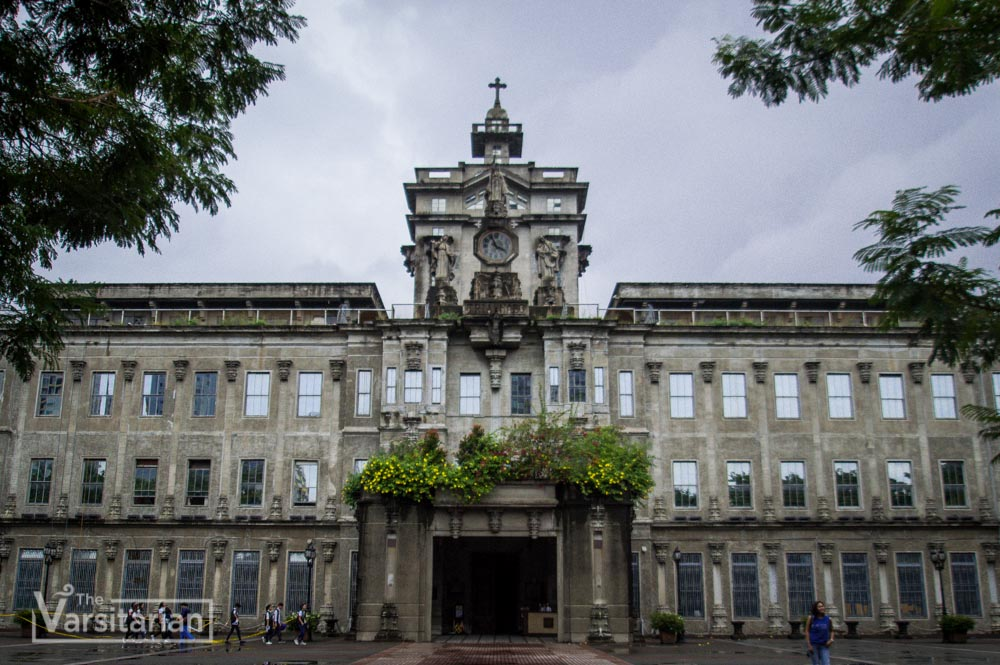
COLEGIO DE SAN JUAN DE LETRAN
One of Manila's oldest educational institutions, a school for orphaned boys using solicited funds
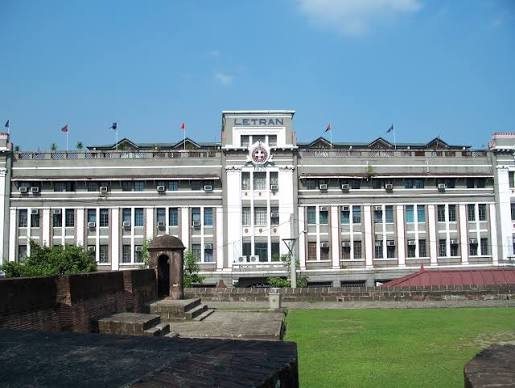
COLEGIO DE SANTA POTENCIANA
first school for girls in Manila
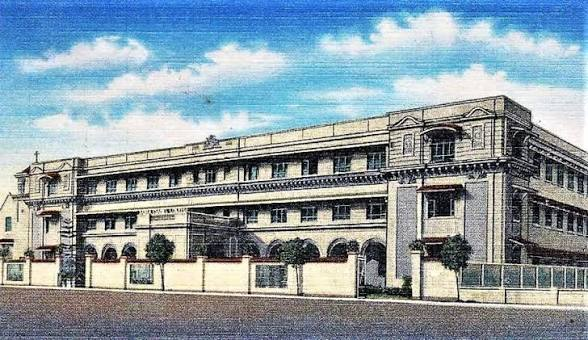
CATHEDRAL OF SAN JUAN EVANGELISTA
ALSO Known today as the Naga Cathedral, It is the "mother of all churches in Bicol" and largest church in Southern Luzon. has Spanish Royal Coat of arms engraved on its door symbolizing that its construction was funded by Spanish Royal Funds.

NUESTRA SEÑORA DE LA CANDELARIA
Romanesque Revivalist, church has a cruciform plan with a central nave and side aisles separated by two rows of columns made of stone and landrillo (bricks).