Parasites and Prions - Basic Science Core
 Call Kai
 Learn
Learn Practice Test
 Spaced Repetition
 Match
Match Flashcards
 Knowt Play
1/31

Earn XP
Description and Tags
Medical Microbiology
Name | Mastery | Learn | Test | Matching | Spaced | Call with Kai | Chat |
|---|
No analytics yet
Send a link to your students to track their progress
32 Terms
Three Types of Parasites
1) Protozoa
2) Helminths (worms)
3) Ectoparasites
Protozoa
single-celled organisms that can multiply inside the host
Helminths
multi-cellular organisms often visible to the naked eye in their adult stage
Ectoparasites
basically insects that live on the skin’s surface, feeding on blood, body fluids or tissue (dead skin cells)
Types of Protozoa (4)
1) Giardia
2) Plasmodium
3) Toxoplasma gondii
4) Cryposporidiosis
Giardia
A Protazoa
Causes GIARDIASIS
Lives in the intestines of infected people and animals and comes out of the body in the feces
It can survive for weeks to months outside the body (e.g., soil).
Short-term symptoms include:
Diarrhea, stomach cramps, gas and nausea (2 to 5 times a day)
Smelly, greasy feces that float
Dehydration (loss of fluids
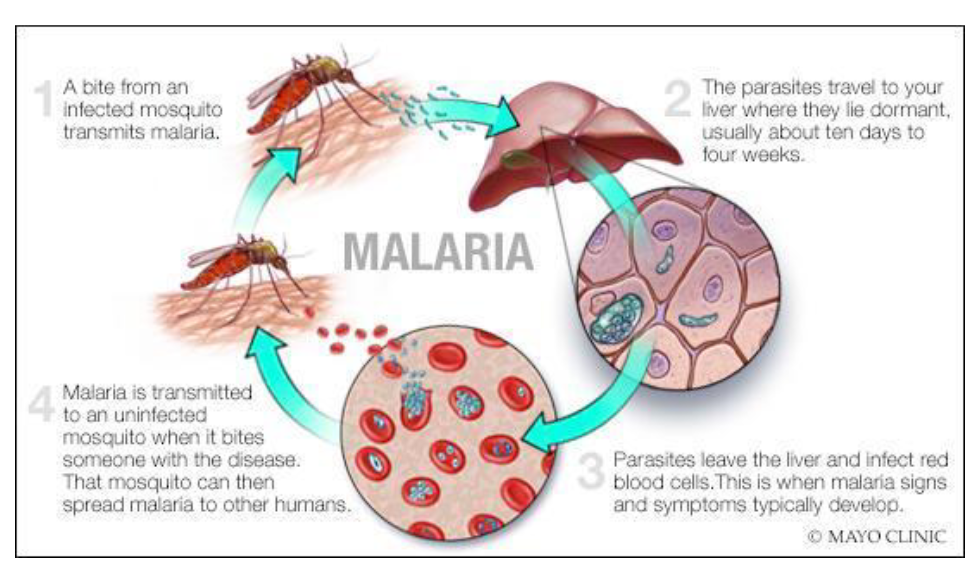
Malaria
A Protazoa
Caused by Plasmodium parasites Plasmodium falciparum and Plasmodium vivax
Transmitted to humans through bites of infected female Anopheles mosquitos
Early symptoms resemble the flu (fever, chills, headache, fatigue) and cause jaundice, seizures, come and severe anemia
Treatment involves anti-malarial medications, but prevention with insect repellant and antimalarial medication is best
Toxoplasmosis
A Protazoa
Caused by Toxoplasma gondii Contracted eating undercooked meat, drinking contaminated water or exposure to cat feces
Most healthy individuals experience no symptoms, but flu-like symptoms are possible
PREGNATE WOMEN CAN HAVE A MISSCARAGE!
Cryposporidiosis
1) Contaminated by taco bell lettuce
2) Watery diarrhea, dehydration, stomach cramps, nausea, fever
A Protazoa
Types of Helminths (3)
1) Nematodes (Roundworm)
2) Trematodes (Flukes)
3 Cestodes (Tapeworms)
Nematodes
Roundworms
have a cylindrical body and generally infect the intestines
Helminths, Transmitted by the bottom/top route
Blood in diaharia, abdominal Pain, weight loss
Trematodes
Flukes
Have a flat body and leaf-shaped head with a sucker that helps them attach to tissue and infect the bile ducts, liver and blood
Helminths, Transmitted by the bottom/top route
Blood in diaharia, abdominal Pain, weight loss
Cestodes
Tapeworms
Are long, segmented flatworms that infect the intestines
Helminths, Transmitted by the bottom/top route
Blood in diaharia, abdominal Pain, weight loss
Medications For Helminths (2)
1) Albendazole
2) Mebendazole
Types of Ectoparasites (3)
1) Pediculosis (lice)
2) Scabies
3) Bed Bugs
Pediculosis Types (3)
Lice
Three Types
1) Pediculosis capitis (head louse 🡪 hair and scalp [B])
2) Pediculosis corporis (body louse 🡪 trunk [C])
3) Pediculosis pubis (crab louse 🡪 pubic hair [A])
Pediculosis capitis
Headlice
Direct contact with head of an infested person is generally considered the primary mode of transmission
HEAD LICE CANNOT FLY OR JUMP
Lifespan approx. 1 month; female lays 7-10 eggs (nits)/day, cementing them firmly to the base of a host hair; eggs hatch in 7-8 days ……then it’s time to feed!
Treatment →
Topical pediculicide
Mechanical removal of lice by wet combing
Mechanical removal of nits from hair (good lighting and a special nit comb are a must
Shave Hair
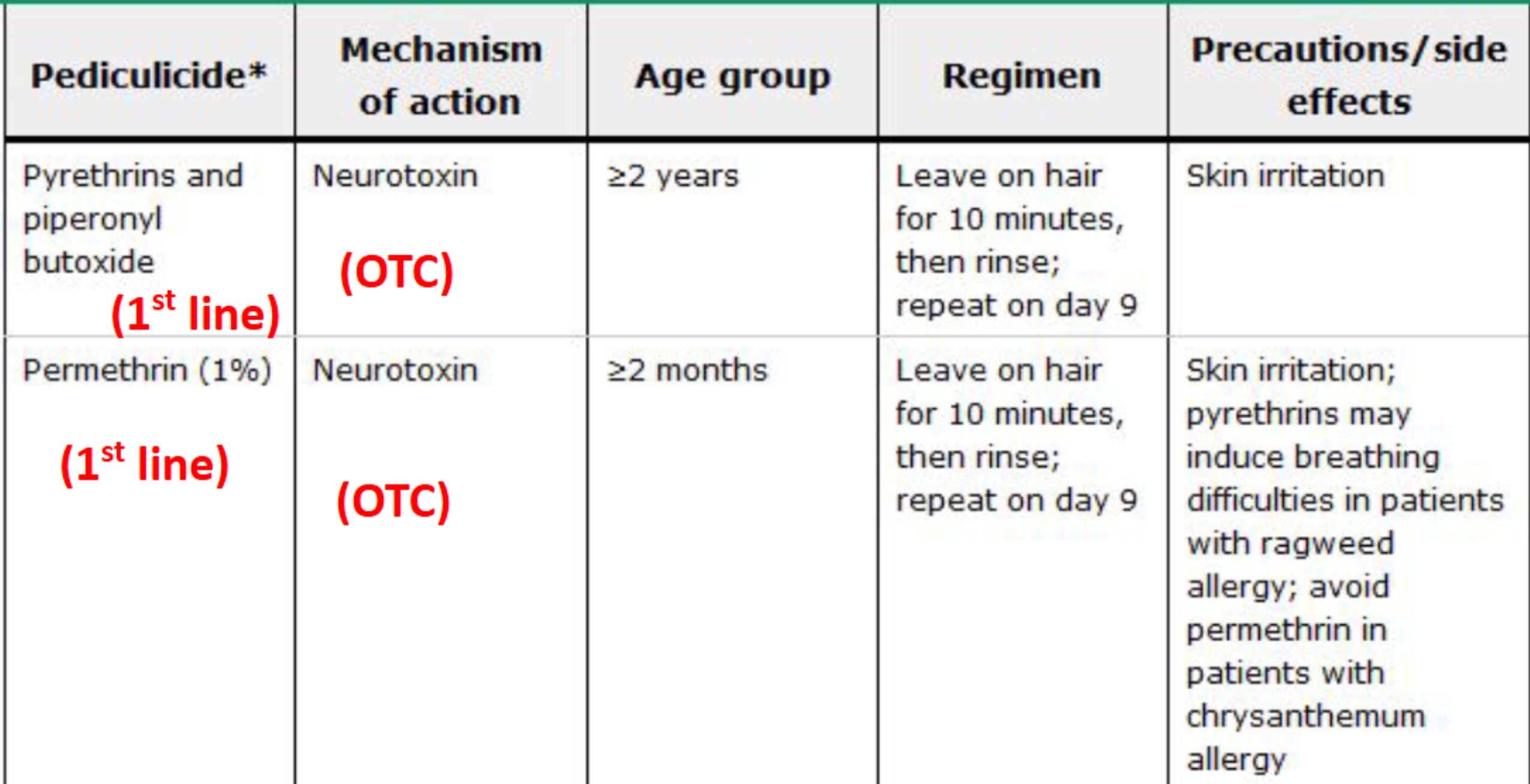
Permethrin & Pyrethrin (piperonyl butoxide)
Neuro Toxin Treatments for head lice and public lice
Permethrin 1% is for lice
Permethrin 5% is for Scabies
Pediculosis corporis
Lice on the body
Direct contact with head of an infested person is generally considered the primary mode of transmission
Kill them by washing and bathing alot or medication
symptoms are primarily itching
Treatment
Topical pediculicide
Pediculosis pubis
Otherwise known as crabs, this is pubic lice
Direct contact with either a person with it or a towel used by someone with it is the primary mode of transmission
Treatment →
Topical pediculicide
How to primarily treat the Pediculosis Types with medication
Topical Pediculicide
For Head Lice & Pubic Lice 1% Permethrin
Sarcoptes scabiei
This is another word for scabies
Scabies can affect anyone and can be common in
areas of poor sanitation, poverty and overcrowding
Females burrow into the epidermis and lay eggs
which mature in 10-14 days
Transmission of scabies is usually from person to
person by direct contact.
The essential lesion is a small, erythematous,
nondescript papule, often excoriated and tipped with
hemorrhagic crusts
Sarcoptes scabiei Treatment
Treatment 🡪 Topical scabicides
5% (not 1% as for head lice) permethrin cream
(Elimite)
Oral ivermectin
Bed Bugs
1) Bed bugs are small, reddish-brown, wingless insects that
feed on the blood of humans and animals.
2) Bed bugs prefer to hide in cracks and crevices near where
people sleep, such as in mattresses, box springs, bed
frames, and furniture.
3) Very good at hitch hiking
4) Bed bugs feed on blood, usually at night while people are
sleeping
5) Treatment is get pest control

Prions
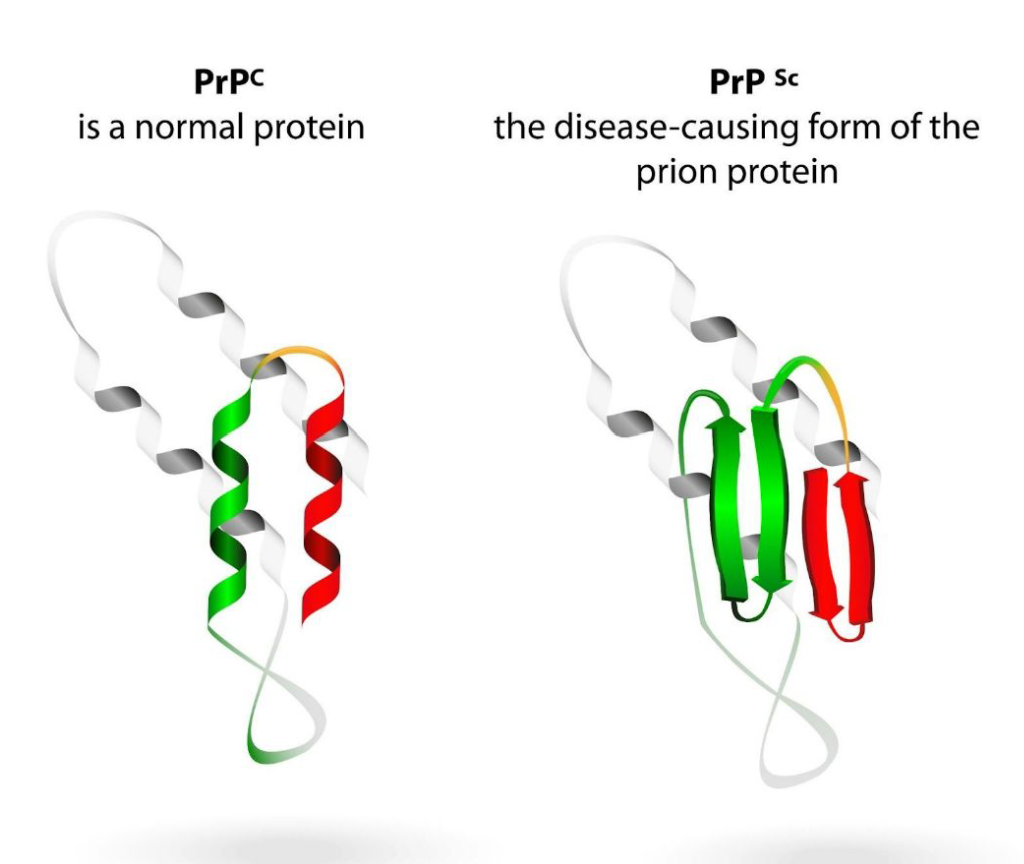
misfolded versions of a normal cellular protein called PrPC (Prion Protein Cellular).
Misfolding leads to the formation of an abnormal, infectious form called PrPSc (Prion Protein Scrapie).
All prion diseases affect the nervous system and are always fatal
Types of Prion Diseases (6)
1) Creutzfeldt-Jakob disease (CJD)
2) Variant Creutzfeldt-Jakob disease (vCJD)
3) Kuru
4) Scrapie
5) Bovine spongiform encephalopathy (BSE)
6) Chronic wasting disease (CWD): Affects deer, elk, and moose
1) Creutzfeldt-Jakob disease (CJD)
The most common human prion disease, with sporadic, inherited, and acquired forms
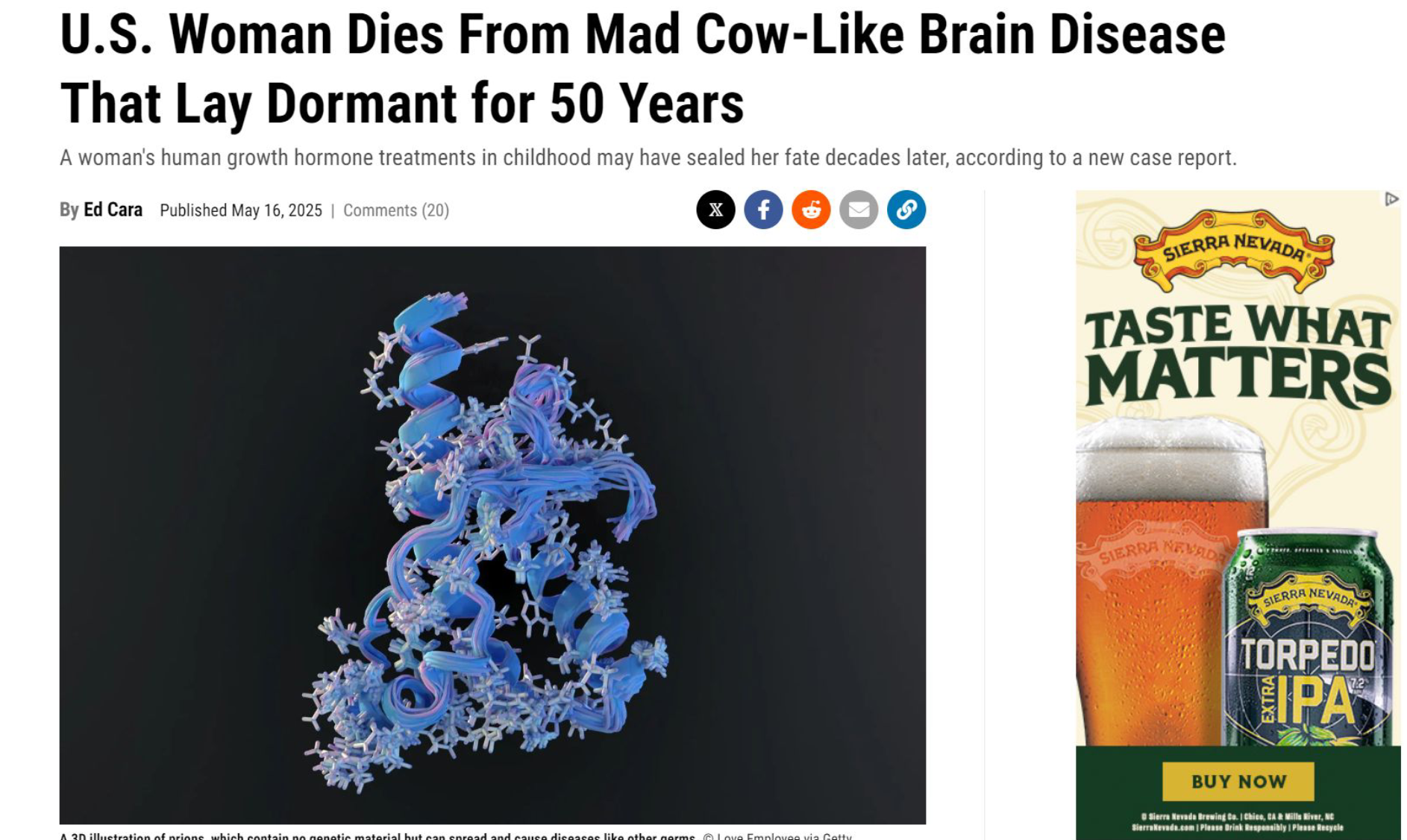
Kids who received hGH from cadaver pituitaries developed CJD
Variant Creutzfeldt-Jakob disease (vCJD)
A form of CJD linked to the consumption of prion-contaminated beef from cattle with bovine spongiform encephalopathy (BSE)
Kuru
A prion disease primarily found in Papua New Guinea, transmitted
through ritualistic cannibalism
Scrapie
A prion disease affecting sheep and goats
Bovine spongiform encephalopathy (BSE)
Also known as "mad cow disease," it affects cattle
Chronic wasting disease (CWD)
Affects deer, elk, and moose