[104] Exam 2 Tabulation

0.0(0)
Studied by 0 people
call kaiCall Kai
learnLearn
examPractice Test
spaced repetitionSpaced Repetition
heart puzzleMatch
flashcardsFlashcards
GameKnowt Play
Card Sorting

1/112

encourage image

There's no tags or description

Looks like no tags are added yet.

Last updated 2:55 PM on 4/12/26
Name
Mastery
Learn
Test
Matching
Spaced
Call with Kai

No analytics yet

Send a link to your students to track their progress

113 Terms

1
New cards

Andrographis paniculata (Burm. f.) Wall. ex Nees (Acanthaceae)

Common Name: Serpentina/Sinta

Parts Used: Aerial parts, roots, dried leaves, fresh leaves, whole plant

Use/s: Hepatoprotection, respiratory infections, anti-inflammatory, anthelmintic

Major Metabolites: Andrographolide (diterpenoid), flavonoids, polyphenols
<p><strong>Common Name</strong>: Serpentina/Sinta</p><p><strong>Parts Used</strong>: Aerial parts, roots, dried leaves, fresh leaves, whole plant</p><p><strong>Use/s</strong>: Hepatoprotection, respiratory infections, anti-inflammatory, anthelmintic</p><p><strong>Major Metabolites</strong>: <strong><u>Andrographolide (diterpenoid)</u></strong>, flavonoids, polyphenols</p>
2
New cards

Agaricus subrufescens Peck (Agaricaceae)

Common Name: Almond mushroom

Parts Used: Whole mushroom

Use/s: Anti-cancer, Anti-tumor, anti-angiogenic, anti-metastatic, anti-genotoxicity, antimicrobial

Major Metabolites: Agaritine, steroids (blazein); glucans
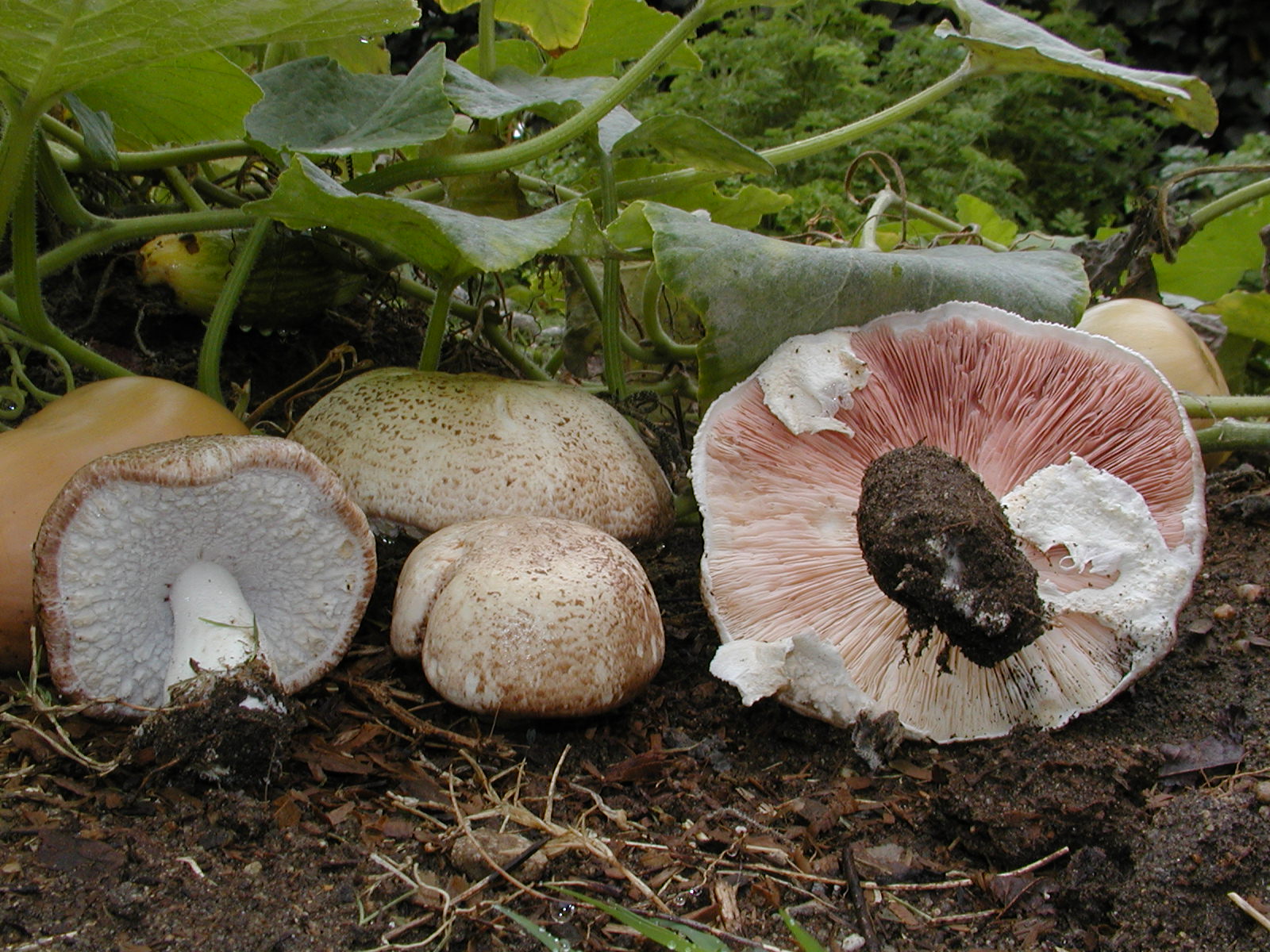
<p><strong>Common Name</strong>: Almond mushroom</p><p><strong>Parts Used</strong>: Whole mushroom</p><p><strong>Use/s</strong>: Anti-cancer, Anti-tumor, anti-angiogenic, anti-metastatic, anti-genotoxicity, antimicrobial</p><p><strong>Major Metabolites</strong>: <strong><u>Agaritine</u></strong>, steroids (blazein); glucans</p>
3
New cards

Amanita muscaria (L.) Lam. (Amanitaceae)

Common Name: Fly agaric, muscaria

Parts Used: Whole mushroom

Use/s: Religious rituals, insecticide

Major Metabolites: Muscarine (alkaloid), muscimol
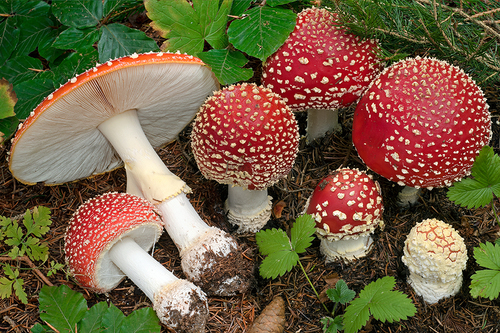
<p><strong>Common Name</strong>: <span style="background-color: transparent;">Fly agaric, muscaria</span></p><p><strong>Parts Used</strong>: <span style="background-color: transparent;">Whole mushroom</span></p><p><strong>Use/s</strong>: Religious rituals, insecticide</p><p><strong>Major Metabolites</strong>: <strong><u>Muscarine (alkaloid)</u></strong>, muscimol</p>
4
New cards

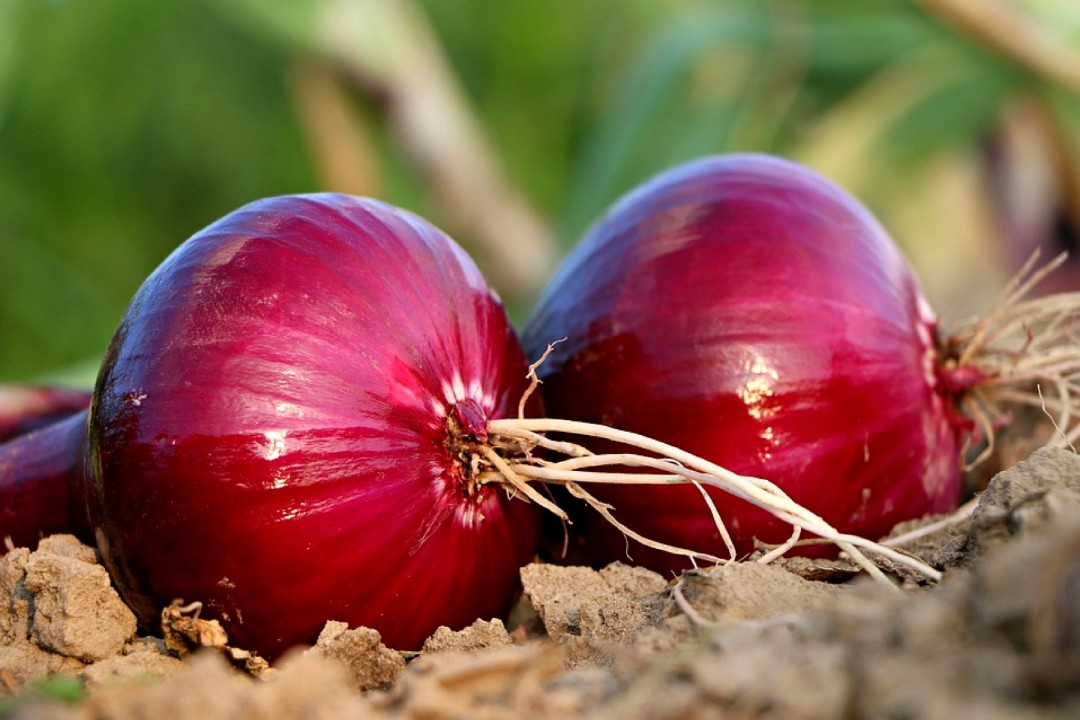
Allium cepa L. (Amaryllidaceae)

Common Name: Onions, sibuyas

Parts Used: Bulb, roots

Use/s: Colds, coughs, fever; antimicrobial, anti-oxidant, etc.

Major Metabolites: Organosulfur compounds, flavonoids, saponins, fructans

<p><strong>Common Name</strong>: Onions, sibuyas</p><p><strong>Parts Used</strong>: <span style="background-color: transparent;">Bulb, roots</span></p><p><strong>Use/s</strong>: Colds, coughs, fever; antimicrobial, anti-oxidant, etc.</p><p><strong>Major Metabolites</strong>: <strong><u>Organosulfur compounds</u></strong>, flavonoids, saponins, fructans</p>
5
New cards

Allium sativum L. (Amaryllidaceae)

Common Name: Garlic, bawang

Parts Used: Bulb

DOH Use/s: Hypertension, cholesterol-lowering, toothaches

Other Use/s: Fevers and respiratory disorders, anti-bacterial, anti-fungal, etc.

Major Metabolites: Organosulfur compounds, flavonoids, saponins, fructans
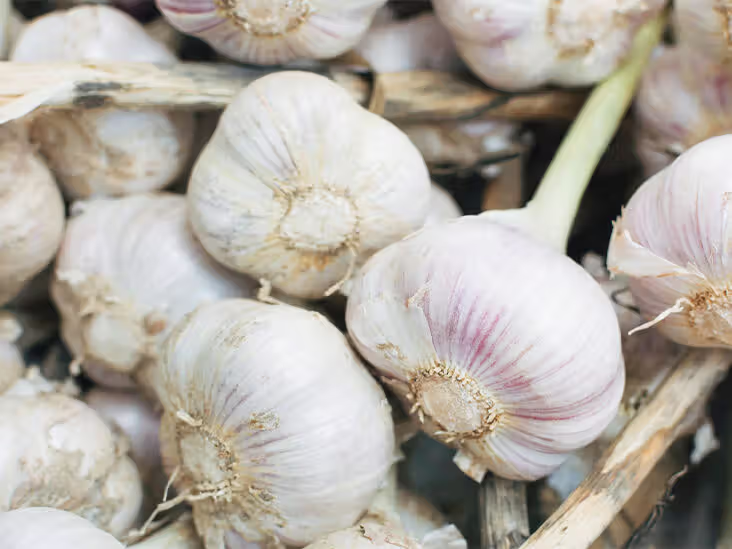
<p><strong>Common Name</strong>: Garlic, bawang</p><p><strong>Parts Used</strong>: Bulb</p><p><strong>DOH Use/s</strong>: Hypertension, cholesterol-lowering, toothaches</p><p><strong>Other Use/s</strong>: Fevers and respiratory disorders, anti-bacterial, anti-fungal, etc.</p><p><strong>Major Metabolites</strong>: <strong><u>Organosulfur compounds</u></strong>, flavonoids, saponins, fructans</p>
6
New cards

Anacardium occidentale L. (Anacardiaceae)

Common Name: Cashew tree / kasoy

Parts Used: Seed, Fruit, Leaves

Use/s: Diabetes, infections, skin conditions, diarrhea

Major Metabolites: Flavonoids, polyphenolics, tannins, alkaloids, etc.; anacardic acid
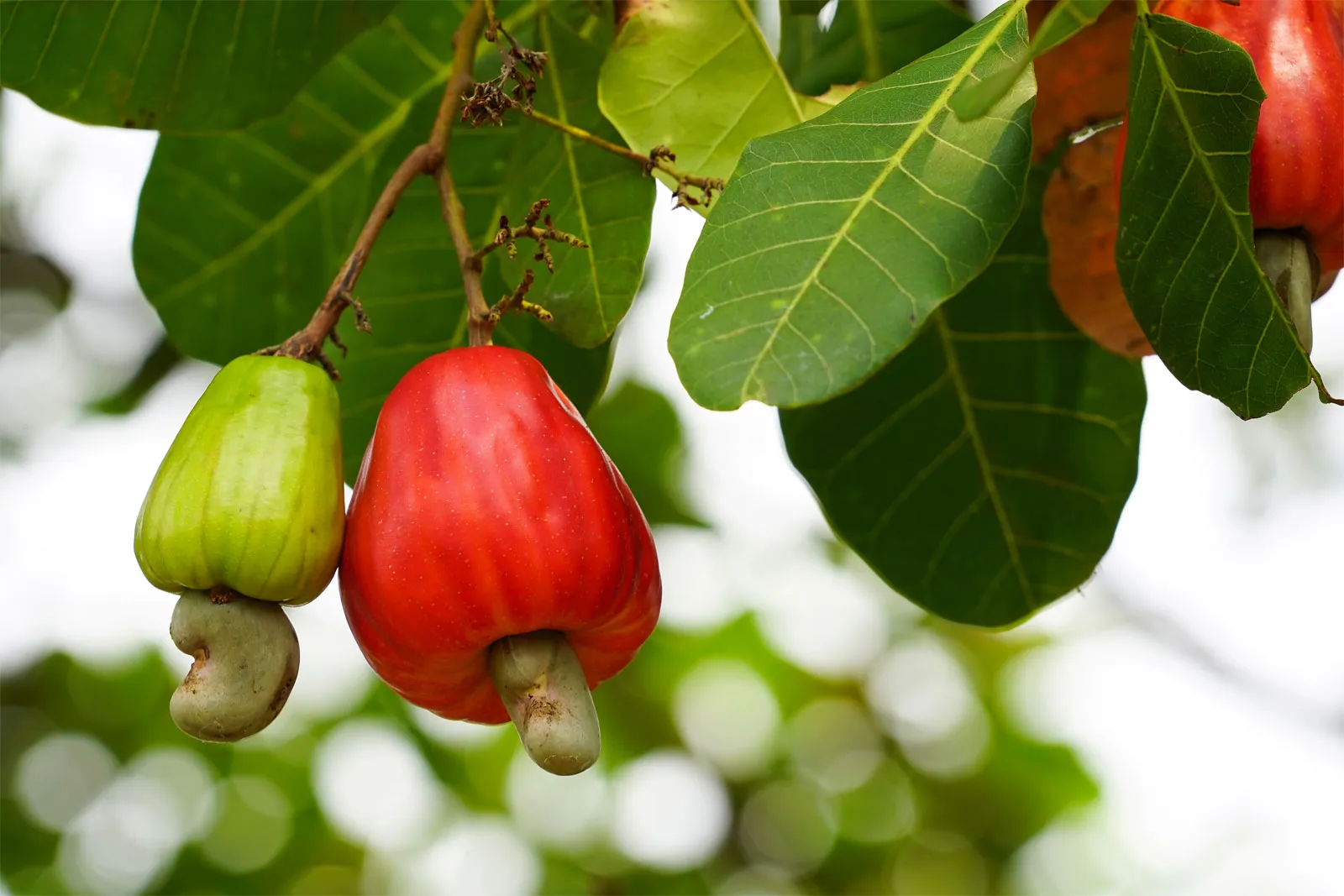
<p><strong>Common Name</strong>: <span style="background-color: transparent;">Cashew tree / kasoy</span></p><p><strong>Parts Used</strong>: <span style="background-color: transparent;">Seed, Fruit, Leaves</span></p><p><strong>Use/s</strong>: Diabetes, infections, skin conditions, diarrhea</p><p><strong>Major Metabolites</strong>: Flavonoids, polyphenolics, tannins, alkaloids, etc.; anacardic acid</p>
7
New cards

Mangifera indica L. (Anacardiaceae)

Common Name: Mango

Parts Used: Peel, pulp, seeds, leaves

Use/s: Anticancer, antidiabetic, anti-oxidant, GIT issues

Major Metabolites: Tannins, phenolic acids, flavonoids; mangiferin (xanthones; polyphenol)
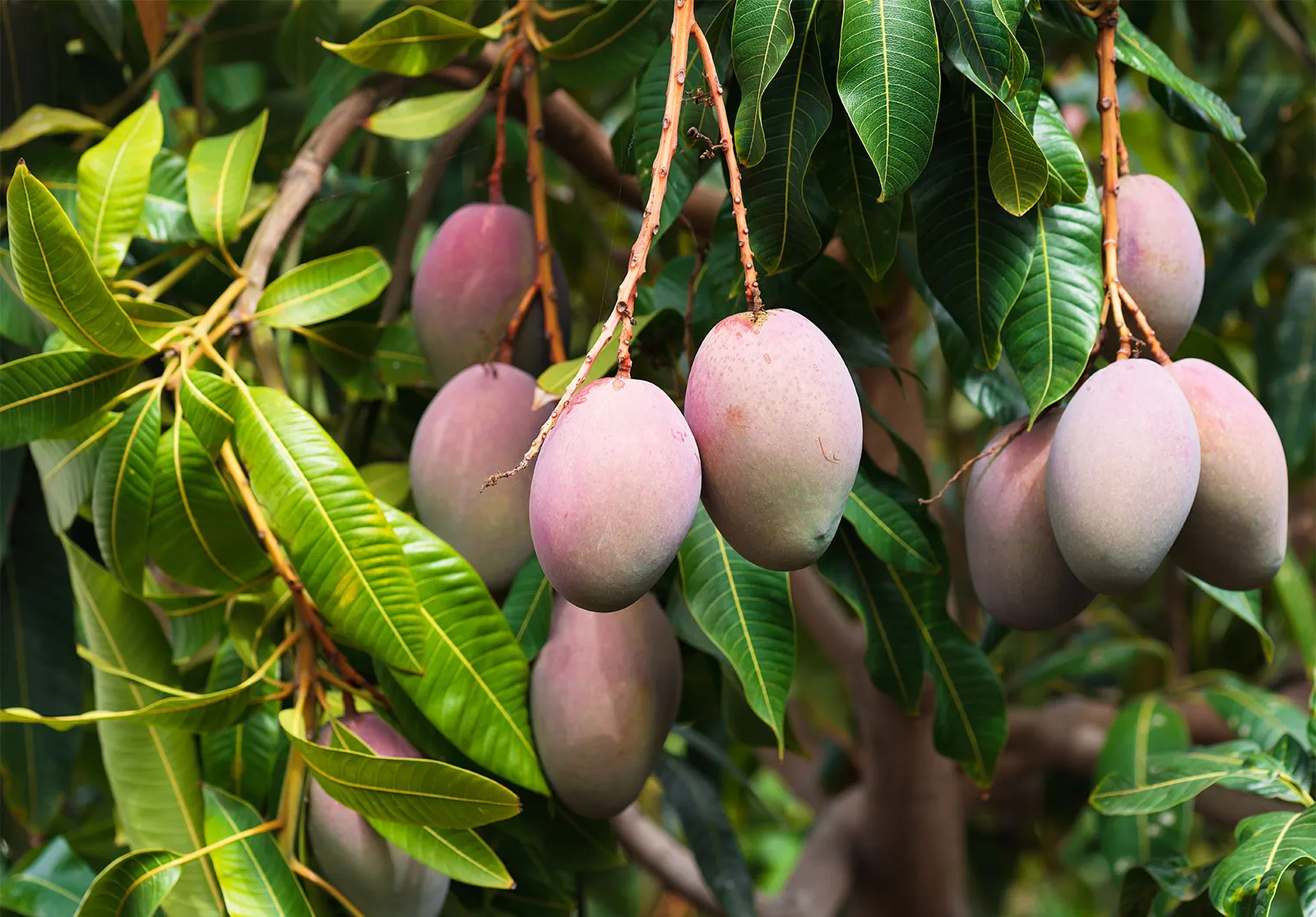
<p><strong>Common Name</strong>: <span style="background-color: transparent;">Mango</span></p><p><strong>Parts Used</strong>: <span style="background-color: transparent;">Peel, pulp, seeds, leaves</span></p><p><strong>Use/s</strong>: Anticancer, antidiabetic, anti-oxidant, GIT issues</p><p><strong>Major Metabolites</strong>: Tannins, phenolic acids, flavonoids; mangiferin (xanthones; polyphenol)</p>
8
New cards

Annona muricata L. (Annonaceae)

Common Name: Soursop, guyabano

Parts Used: Fruits, seeds, leaves, stem bark, roots

Use/s: Skin and respiratory diseases, fever, bacterial infections, diabetes, hypertension, cancer

Major Metabolites: Alkaloids, flavonoids, tannis; annomuricins and annonacin (acetogenins)
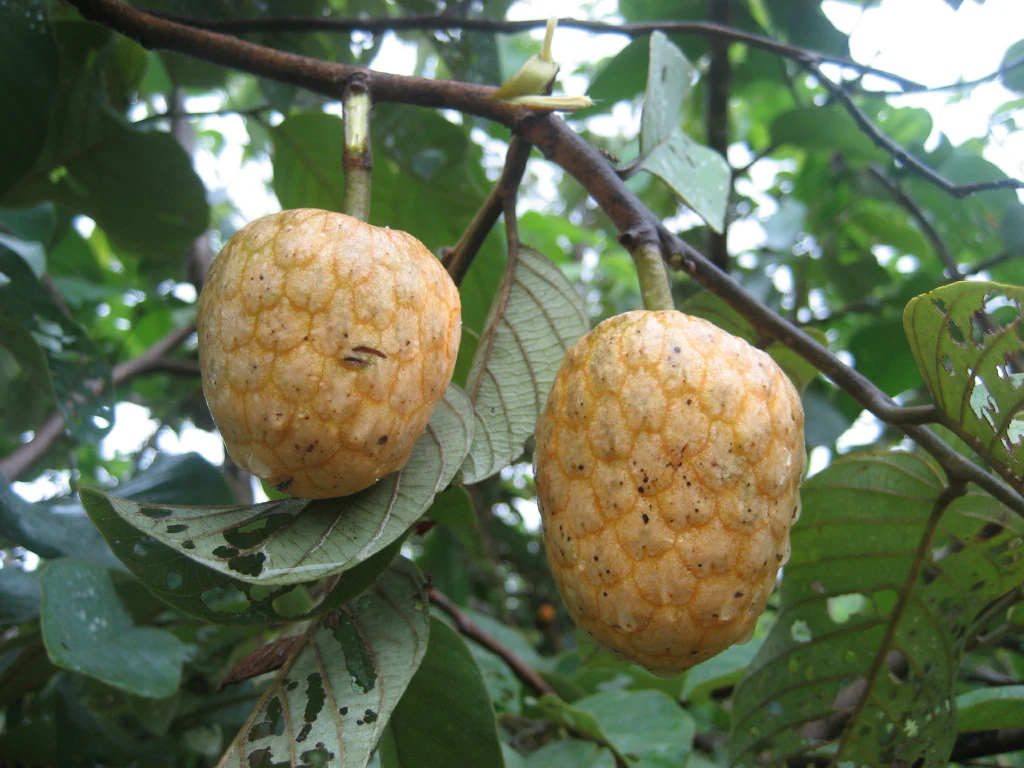
<p><strong>Common Name</strong>: Soursop, guyabano</p><p><strong>Parts Used</strong>: <span style="background-color: transparent;">Fruits, seeds, leaves, stem bark, roots</span></p><p><strong>Use/s</strong>: Skin and respiratory diseases, fever, bacterial infections, diabetes, hypertension, cancer</p><p><strong>Major Metabolites</strong>: Alkaloids, flavonoids, tannis; annomuricins and annonacin (acetogenins)</p>
9
New cards

Annona squamosa L. (Annonaceae)

Common Name: Sugar apple, sweetsop, custard apple

Parts Used: Fruit (pulp, peel, pericarp), seeds, leaves, bark, roots, stems, and twigs

Use/s: Boils, epilepsy, fever, diarrhea, haemorrhage, and tumours, venereal diseases, etc.

Major Metabolites: (Isoquinoline) alkaloids, diterpenes, phenolics, terpenoids, etc.; squamocin, bullatacin (acetogenins)
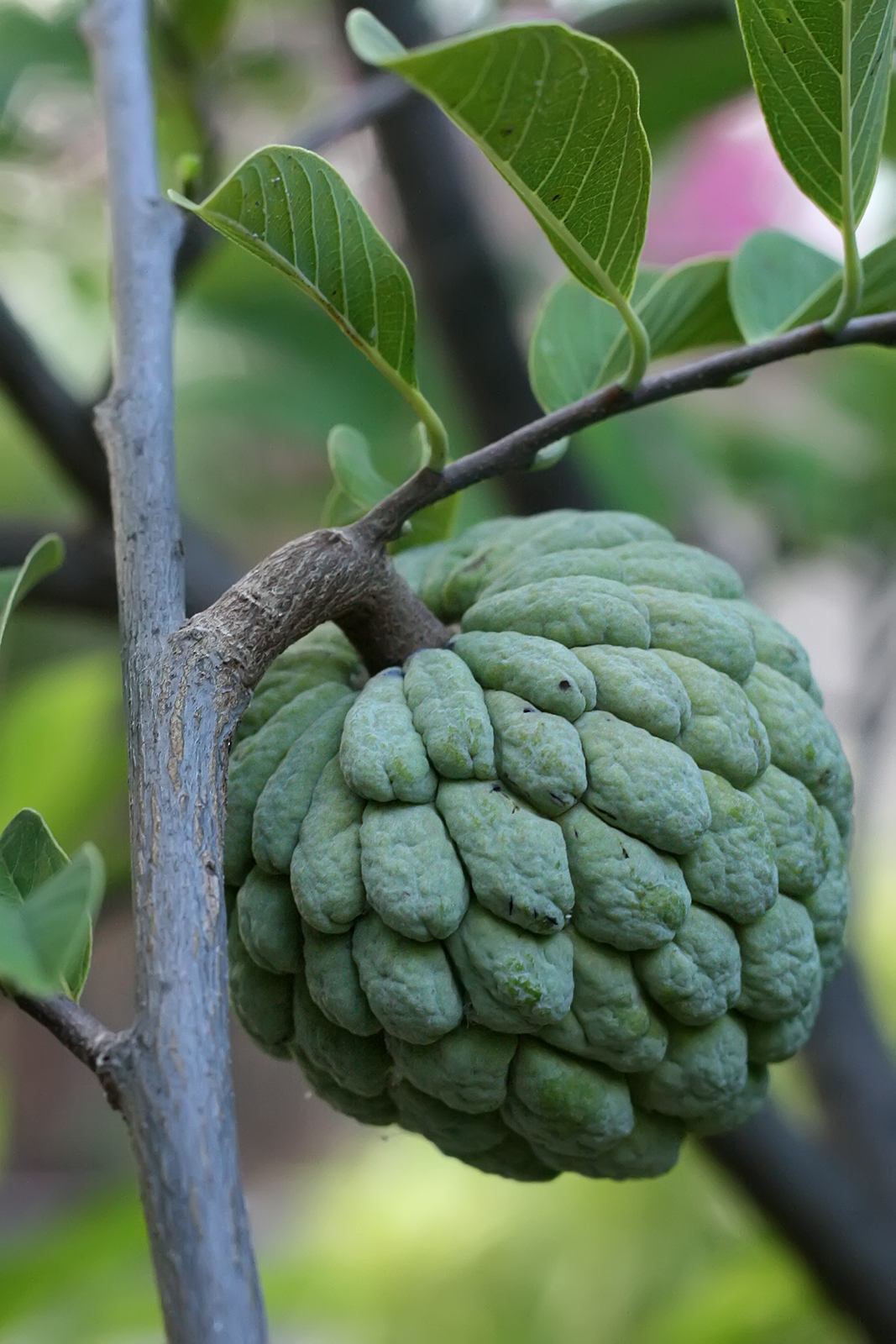
<p><strong>Common Name</strong>: Sugar apple, sweetsop, custard apple</p><p><strong>Parts Used</strong>: <span style="background-color: transparent; font-family: &quot;Helvetica Neue&quot;, sans-serif;">Fruit (pulp, peel, pericarp), seeds, leaves, bark, roots, stems, and twigs</span></p><p><strong>Use/s</strong>: Boils, epilepsy, fever, diarrhea, haemorrhage, and tumours, venereal diseases, etc.</p><p><strong>Major Metabolites</strong>: <strong>(Isoquinoline) alkaloids</strong>, diterpenes, phenolics, terpenoids, etc.; squamocin, bullatacin (acetogenins)</p>
10
New cards

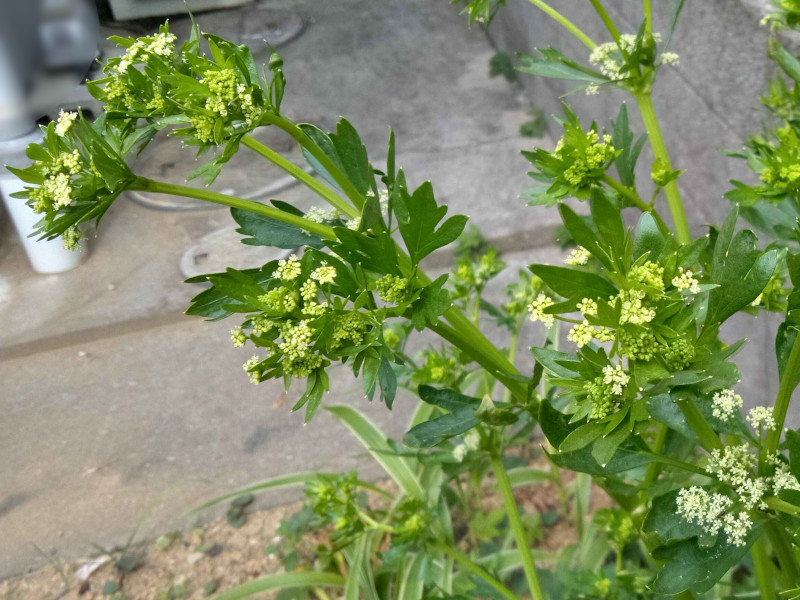
Apium graveolens L. (Apiaceae)

Common Name: Celery

Parts Used: Seeds, leaves, stems, roots, tubers

Traditional Use/s: Cardiovascular diseases, stomach pain, jaundice, rheumatoid arthritis, gout

Medicinal Use: Antibacterial, antifungal, anti-inflammatory, antioxidant, diuretic, urinary antiseptic

Major Metabolites: Fatty acids, alkaloids, steroids, glycosides, vitamins A and C; apigenin

<p><strong>Common Name</strong>: Celery</p><p><strong>Parts Used</strong>: <span style="background-color: transparent; font-family: &quot;Helvetica Neue&quot;, sans-serif;">Seeds, leaves, stems, roots, tubers</span></p><p><strong>Traditional Use/s</strong>: Cardiovascular diseases, stomach pain, jaundice, rheumatoid arthritis, gout</p><p><strong>Medicinal Use</strong>: <span style="background-color: transparent; font-family: &quot;Helvetica Neue&quot;, sans-serif;">Antibacterial, antifungal, anti-inflammatory, antioxidant, diuretic, urinary antiseptic</span></p><p><strong>Major Metabolites</strong>: Fatty acids, alkaloids, steroids, glycosides, vitamins A and C; apigenin</p>
11
New cards

Centella asiatica L. Urb. (Apiaceae)

Common Name: Spadeleaf, Asiatic Pennywort, Gotu Kola

Parts Used: Leaves, flowers, and stalks.

Use/s: Skin diseases (psoriasis and eczema), antioxidant, wound healing, mental enhancement, renal difficulties

Major Metabolites: Pentacyclic tetraterpenoids, triterpenoid glycoside; asiaticoside, madecassoside (triterpenoid saponins)
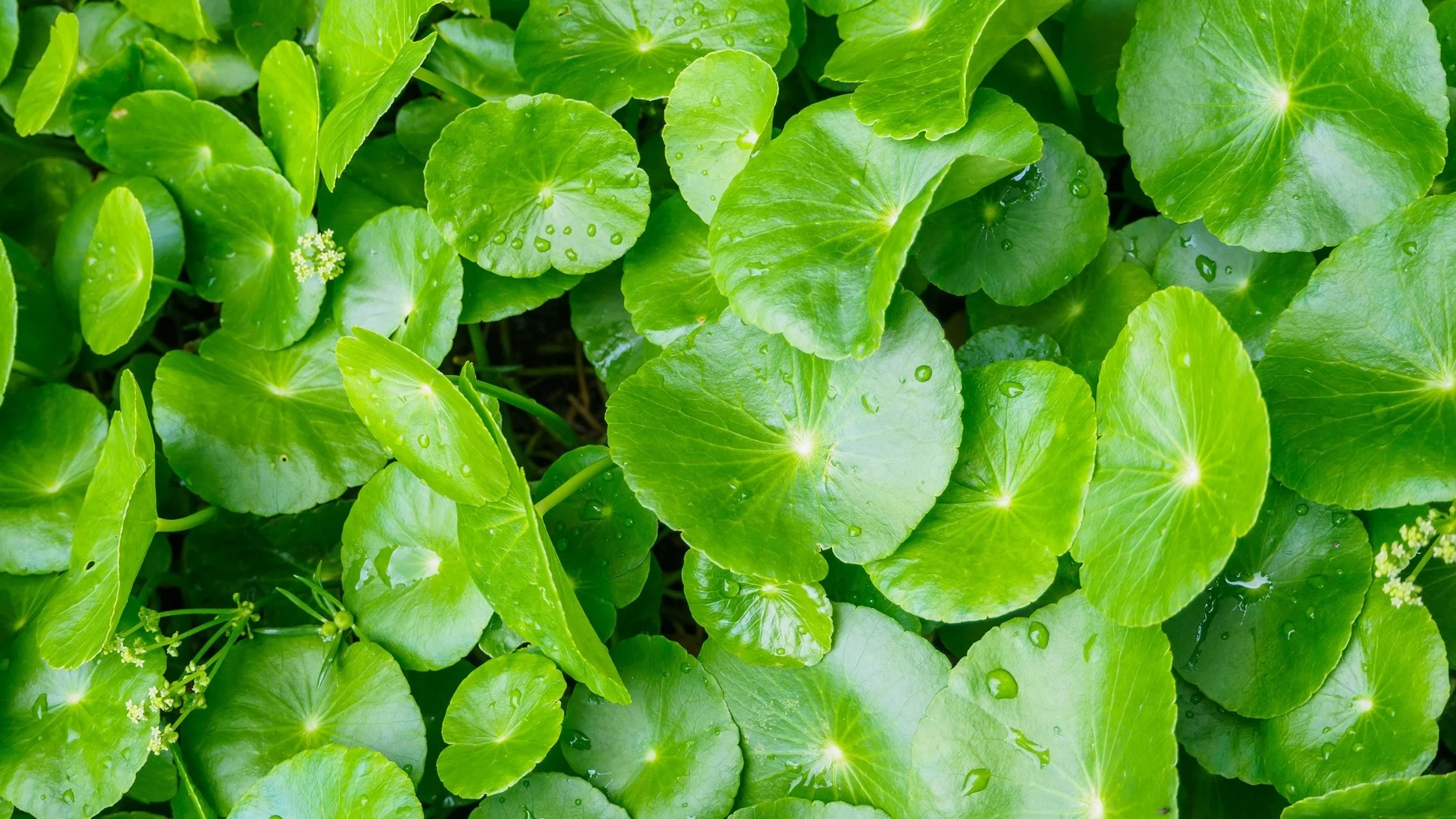
<p><strong>Common Name</strong>: <span style="background-color: transparent; font-family: &quot;Helvetica Neue&quot;, sans-serif;">Spadeleaf, Asiatic Pennywort, Gotu Kola</span></p><p><strong>Parts Used</strong>: <span style="background-color: transparent; font-family: &quot;Helvetica Neue&quot;, sans-serif;">Leaves, flowers, and stalks.</span></p><p><strong>Use/s</strong>: Skin diseases (psoriasis and eczema), antioxidant, wound healing, mental enhancement, renal difficulties</p><p><strong>Major Metabolites</strong>: <strong><u>Pentacyclic tetraterpenoids</u></strong><u>,</u><strong> <u>triterpenoid glycoside</u></strong>; asiaticoside, madecassoside (triterpenoid saponins)</p>
12
New cards

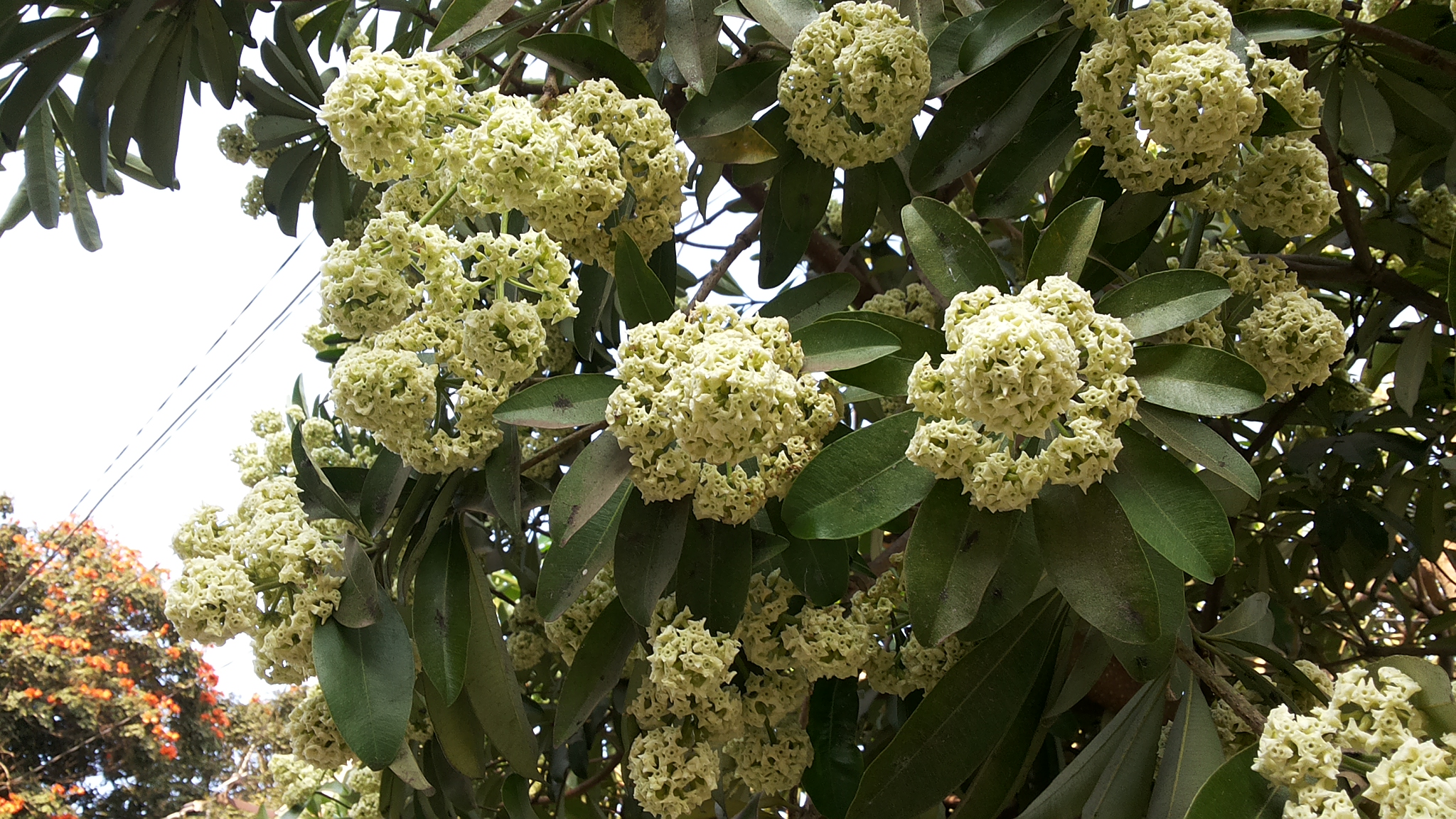
Alstonia scholaris (L.) R. Br. (Apocynaceae)

Common Name: Devil's tree

Parts Used: Latex, bark, and leaf

Use/s: Inflammation, chronic skin problems, galactagouge, anti-cancer, anti-hypertension, anti-inflammatory, analgesic, antidiabetic, nephro/neuroprotective

Major Metabolites: Triterpenes, flavonoids, phenolics; alstonine, scholaricine (indole alkaloids)
<p><strong>Common Name</strong>: <span style="background-color: transparent; font-family: &quot;Helvetica Neue&quot;, sans-serif;">Devil's tree</span></p><p><strong>Parts Used</strong>: Latex, bark, and leaf</p><p><strong>Use/s</strong>: Inflammation, chronic skin problems, galactagouge, anti-cancer, anti-hypertension, anti-inflammatory, analgesic, antidiabetic, nephro/neuroprotective</p><p><strong>Major Metabolites</strong>: Triterpenes, flavonoids, phenolics; <strong><u>alstonine</u></strong>, <strong><u>scholaricine (indole alkaloids)</u></strong></p>
13
New cards

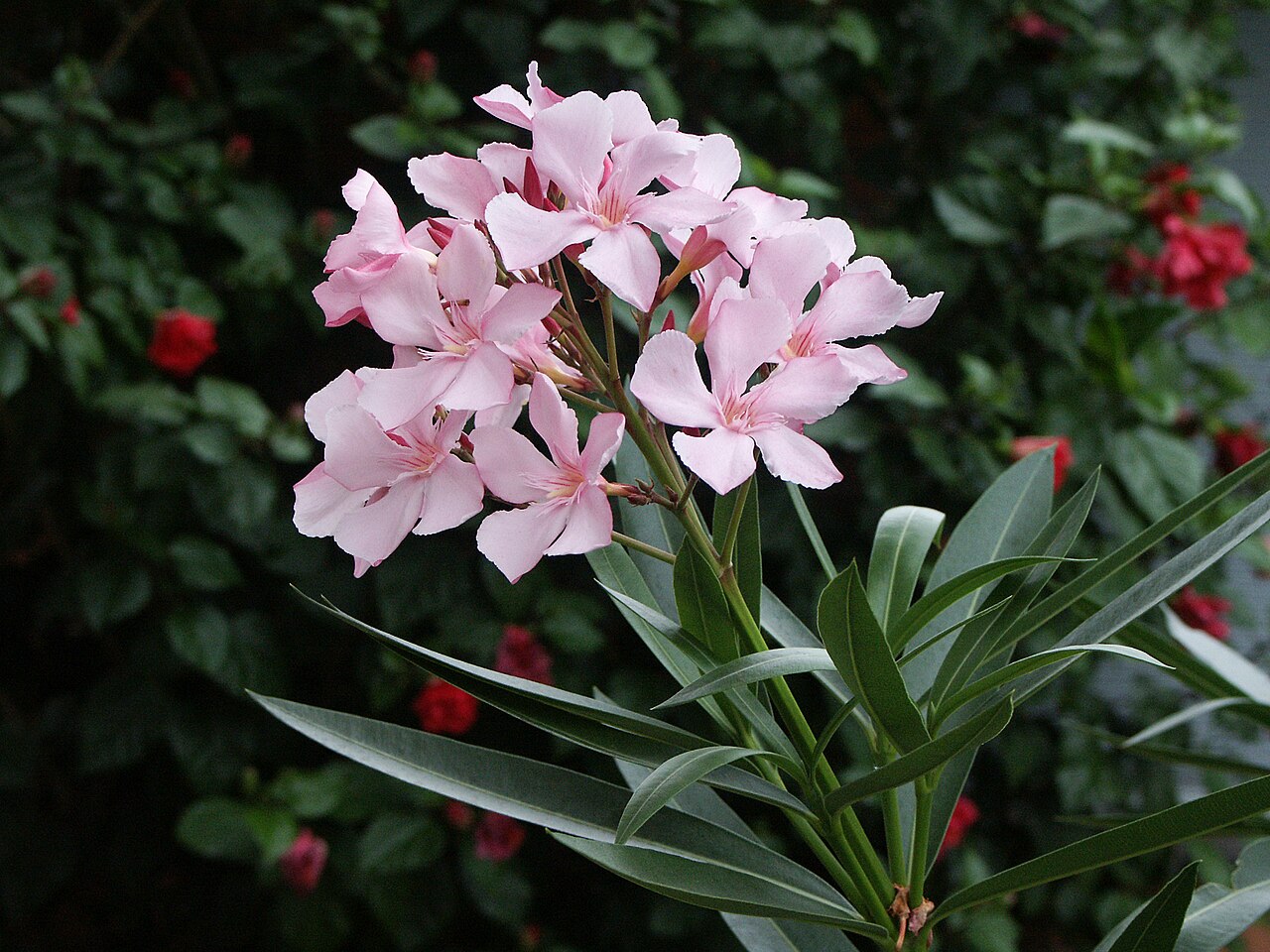
Nerium oleander L. (Apocynaceae)

Common Name: Adelfa, oleander, rose laurel, rosebay

Parts Used: Leaves and flowers

Use/s: Alopecia and leprosy, epilepsy, hemorrhoids, venereal diseases, antioxidant, anticancer, antimicrobial, antiparasitic, etc.

Major Metabolites: Oleandrin (cardiac glycosides); cardenolides, pregnanes, pregnane glycosides, triterpenoids, steroidal alkaloids
<p><strong>Common Name</strong>: <span style="background-color: transparent; font-family: &quot;Helvetica Neue&quot;, sans-serif;">Adelfa, oleander, rose laurel, rosebay</span></p><p><strong>Parts Used</strong>: <span style="background-color: transparent; font-family: &quot;Helvetica Neue&quot;, sans-serif;">Leaves and flowers</span></p><p><strong>Use/s</strong>: Alopecia and leprosy, epilepsy, hemorrhoids, venereal diseases, antioxidant, anticancer, antimicrobial, antiparasitic, etc.</p><p><strong>Major Metabolites</strong>: <strong><u>Oleandrin (cardiac glycosides)</u></strong>; cardenolides, pregnanes, pregnane glycosides, triterpenoids, steroidal alkaloids</p>
14
New cards

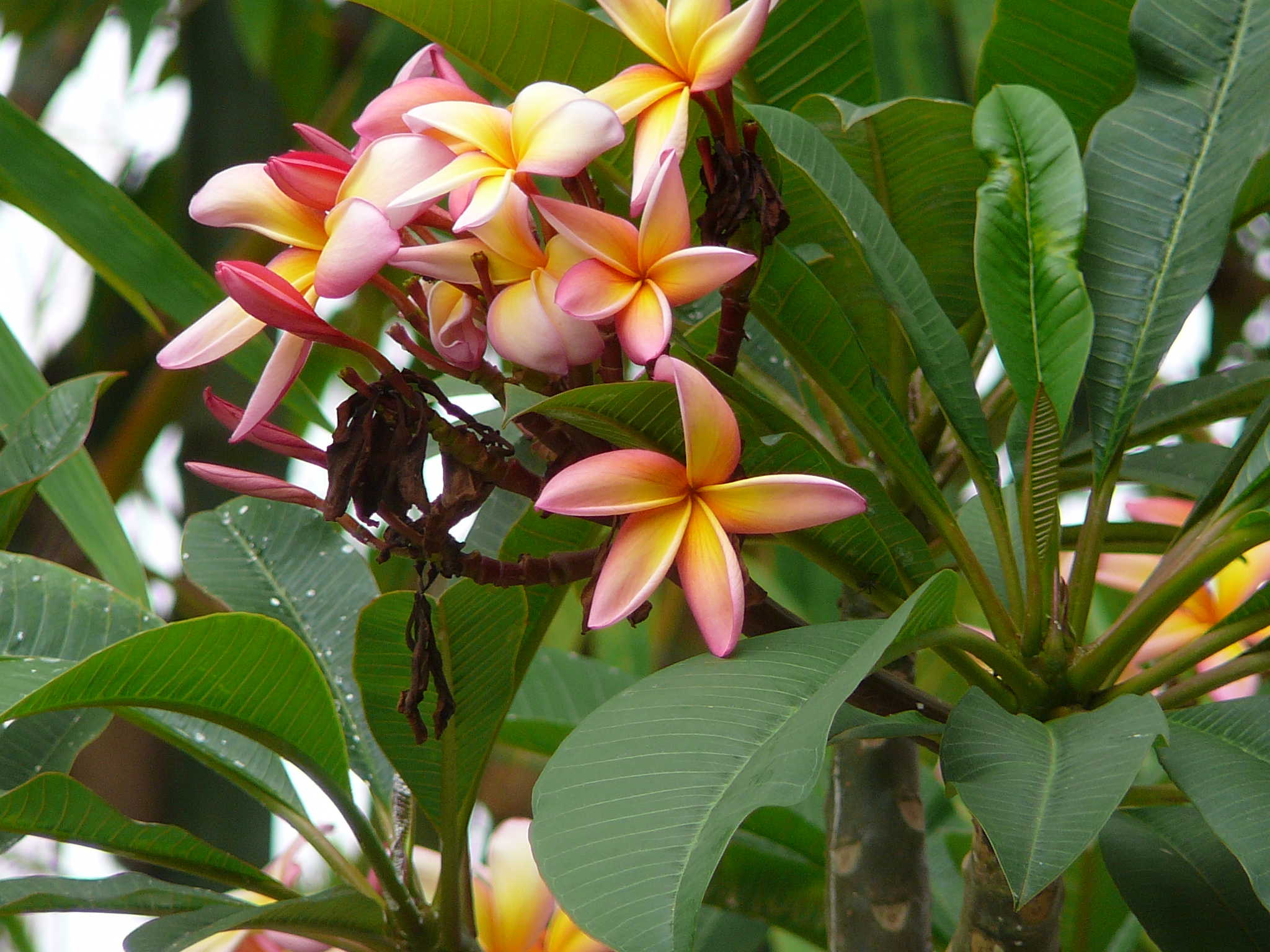
Plumeria rubra L. (Apocynaceae)

Common Name: Kalachuchi

Parts Used: Bark, latex, leaves

Use/s: Rituals; antibacterial, antioxidant, antimutagenic, antimycotic, antipyretic/antinociceptive, anticancer, anxiolytic, antiulcer, antidiabetic

Major Metabolites: Steroids, flavonoids, alkaloids, phenolic compounds, terpenoids
<p><strong>Common Name</strong>: Kalachuchi</p><p><strong>Parts Used</strong>: Bark, latex, leaves</p><p><strong>Use/s</strong>: Rituals; antibacterial, antioxidant, antimutagenic, antimycotic, antipyretic/antinociceptive, anticancer, anxiolytic, antiulcer, antidiabetic</p><p><strong>Major Metabolites</strong>: Steroids, flavonoids, alkaloids, phenolic compounds, terpenoids</p>
15
New cards

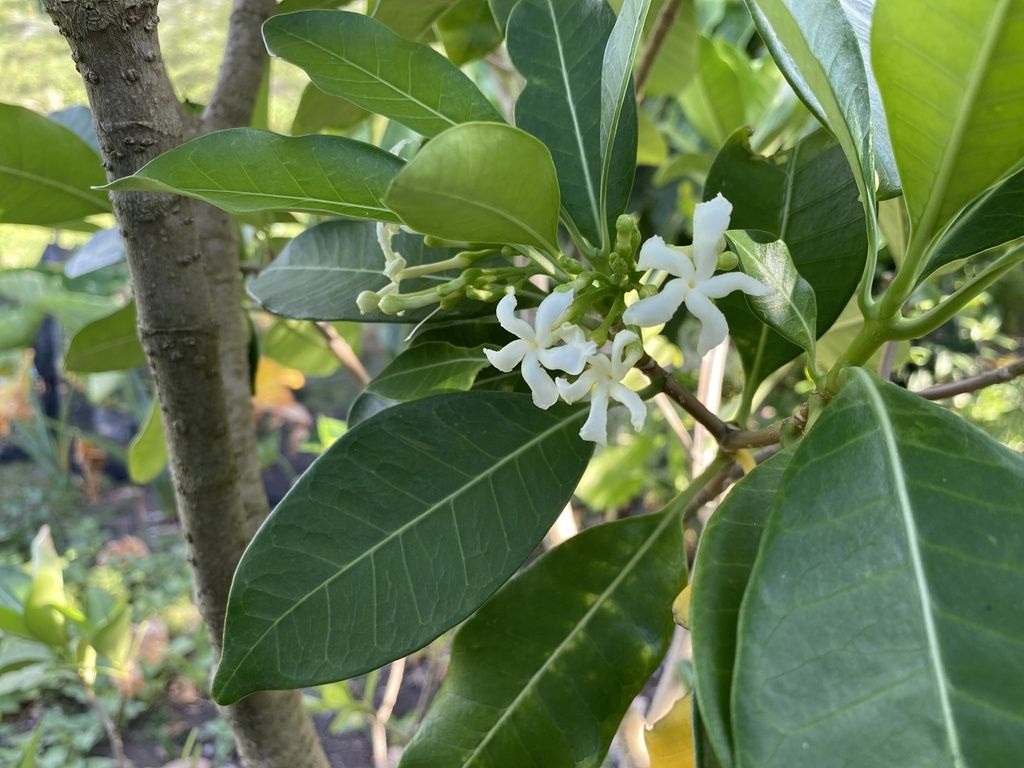
Tabernaemontana pandacaqui Poir (Apocynaceae)

Common Name: Pandakaki

Parts Used: Leaves, root, stem, and bark

Use/s: Stomach and intestinal affections; induce menstruation, hasten parturition, reduce swellings

Major Metabolites: (Indole) alkaloids, terpenoids, phenols, tannins
<p><strong>Common Name</strong>: <span style="background-color: transparent; font-family: &quot;Helvetica Neue&quot;, sans-serif;">Pandakaki</span></p><p><strong>Parts Used</strong>: <span style="background-color: transparent; font-family: &quot;Helvetica Neue&quot;, sans-serif;">Leaves, root, stem, and bark</span></p><p><strong>Use/s</strong>: Stomach and intestinal affections; induce menstruation, hasten parturition, reduce swellings</p><p><strong>Major Metabolites</strong>: <strong><u>(Indole) alkaloids</u></strong>, terpenoids, phenols, tannins</p>
16
New cards

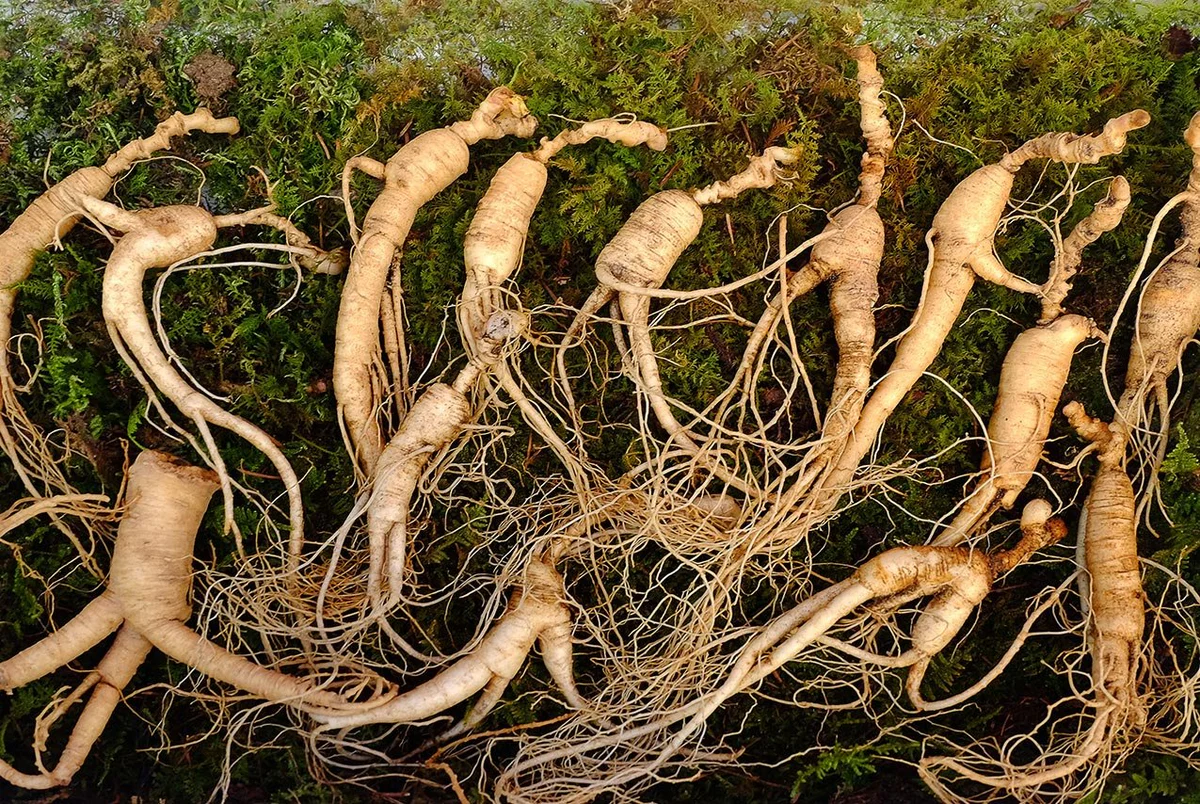
Panax ginseng C.A. Meyer (Araliaceae)

Common Name: Asian Ginseng

Parts Used: Roots

Use/s: Adaptogen, calming (as tonic), immune-modulating, anti-fatigue, cognitive enhancement

Major Metabolites: Ginsenosides (triterpenoid saponins)
<p><strong>Common Name</strong>: <span style="background-color: transparent; font-family: &quot;Helvetica Neue&quot;, sans-serif;">Asian Ginseng</span></p><p><strong>Parts Used</strong>: <span style="background-color: transparent; font-family: &quot;Helvetica Neue&quot;, sans-serif;">Roots</span></p><p><strong>Use/s</strong>: <u>Adaptogen</u>, calming (as tonic), immune-modulating, anti-fatigue, cognitive enhancement</p><p><strong>Major Metabolites</strong>: <strong><u>Ginsenosides (triterpenoid saponins)</u></strong></p>
17
New cards

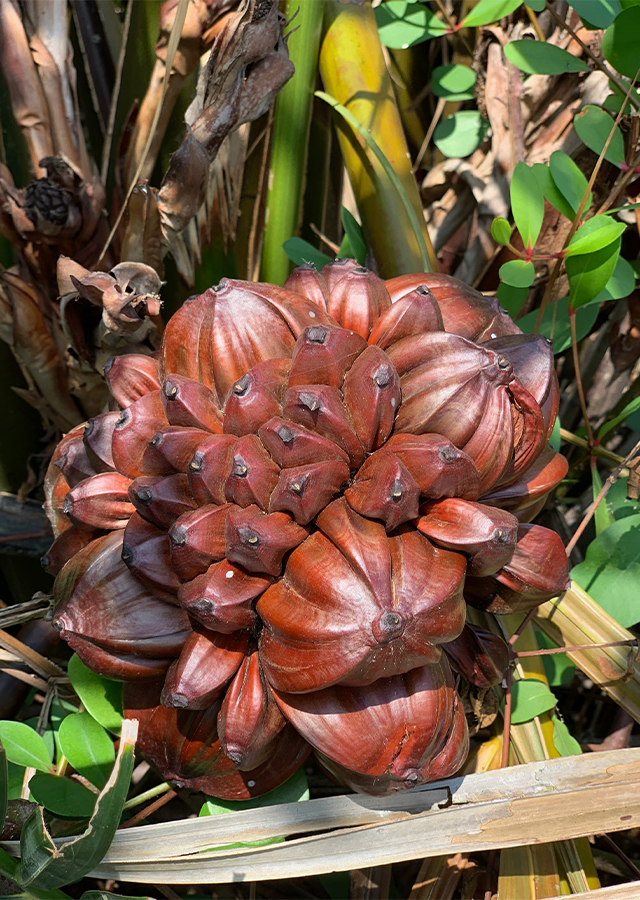
Nypa fruticans Wurmb. (Arecaceae)

Common Name: Nipa

Parts Used: Roots, leaves, stems, wood, sap, fruit 

Use/s: Asthma, fever, toothaches; antioxidant, antibacterial, anti-inflammatory, antidiabetic, analgesic, anticancer

Major Metabolites: Alkaloids, flavonoids, polyphenols, tannins, saponins, steroids
<p><strong>Common Name</strong>: <span style="background-color: transparent; font-family: &quot;Helvetica Neue&quot;, sans-serif;">Nipa</span></p><p><strong>Parts Used</strong>: <span style="background-color: transparent; font-family: &quot;Helvetica Neue&quot;, sans-serif;">Roots, leaves, stems, wood, sap, fruit&nbsp;</span></p><p><strong>Use/s</strong>: Asthma, fever, toothaches; antioxidant, antibacterial, anti-inflammatory, antidiabetic, analgesic, anticancer</p><p><strong>Major Metabolites</strong>: Alkaloids, flavonoids, polyphenols, tannins, saponins, steroids</p>
18
New cards

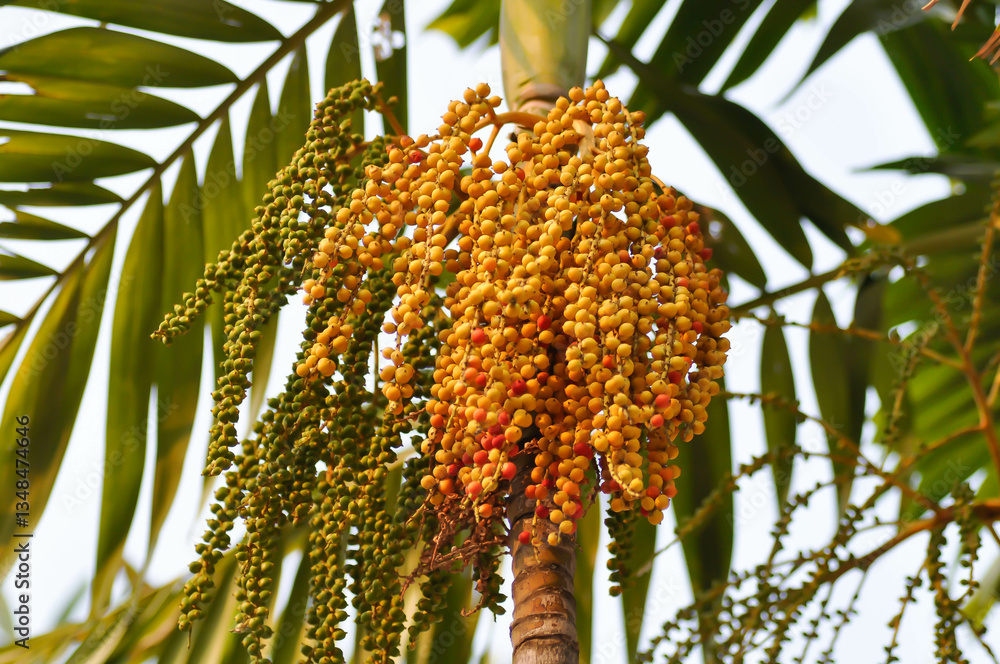
Areca catechu L. (Arecaceae)

Common Name: Betel Nut Palm, Bunga, Areca nut

Parts Used: Dried ripe nut

Traditional Use/s: Stimulant, laxative/purgative

Medicinal Use/s: Antiparasitic, antioxidant, analgesic, anti-inflammatory, antibacterial, antifungal, lipid & blood glucose management

Major Metabolites: Arecaine, arecoline, arecaidine (alkaloids); triterpenoids, tannins, flavonoids
<p><strong>Common Name</strong>: <span style="background-color: transparent; font-family: &quot;Helvetica Neue&quot;, sans-serif;">Betel Nut Palm, Bunga, Areca nut</span></p><p><strong>Parts Used</strong>: <span style="background-color: transparent; font-family: &quot;Helvetica Neue&quot;, sans-serif;">Dried ripe nut</span></p><p><strong>Traditional Use/s</strong>: Stimulant, laxative/purgative</p><p><strong>Medicinal Use/s</strong>: Antiparasitic, antioxidant, analgesic, anti-inflammatory, antibacterial, antifungal, lipid &amp; blood glucose management</p><p><strong>Major Metabolites</strong>: <u>Arecaine, arecoline, arecaidine </u><strong><u>(alkaloids)</u></strong>; triterpenoids, tannins, flavonoids</p>
19
New cards

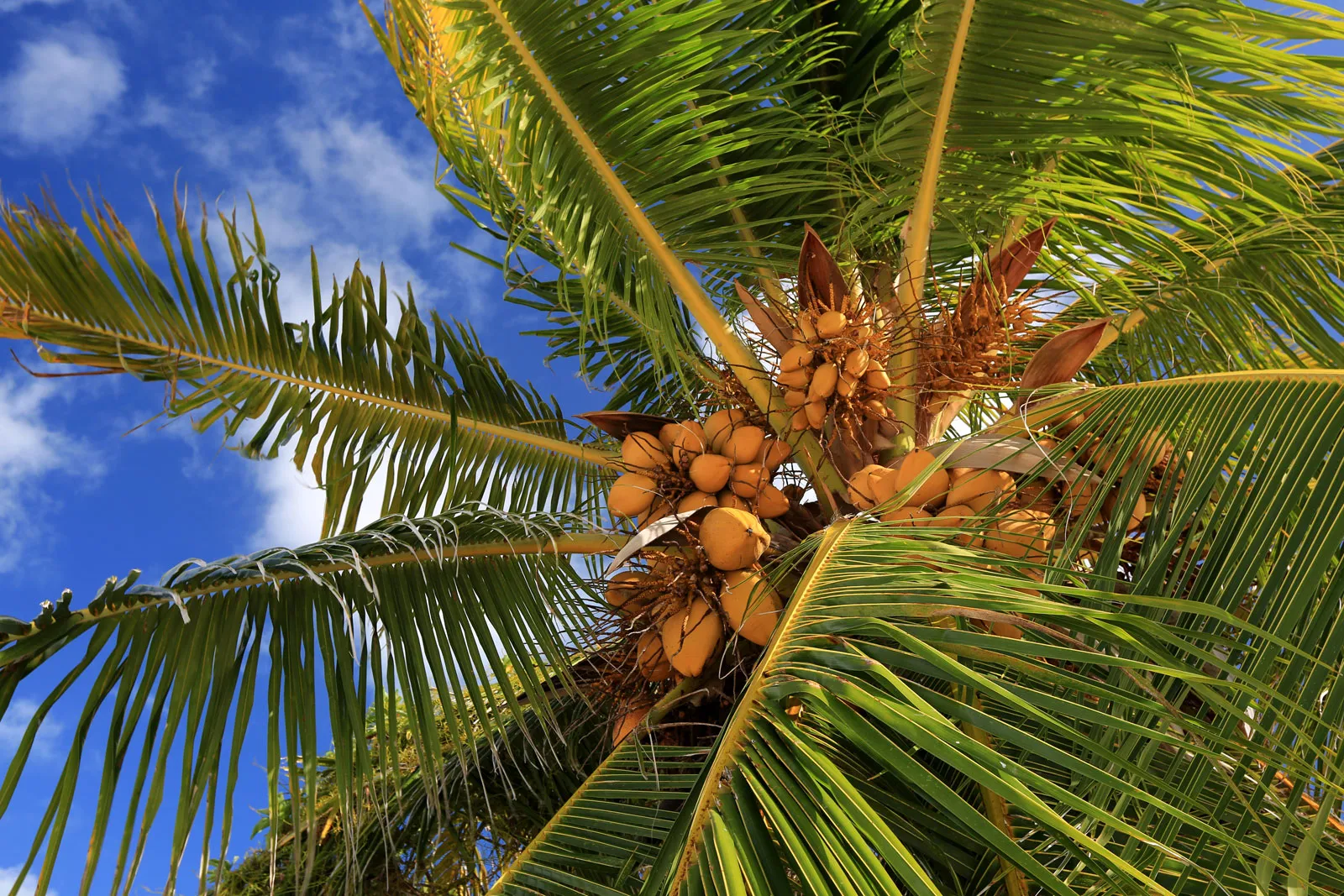
Cocos nucifera L. (Arecaceae)

Common Name: Coconut, Coconut Palm

Parts Used: Husk, pulp, flower, water, roots

Traditional Use/s: For diarrhea, amenorrhea, venereal diseases, etc.; oil for hair loss and wound healing

Medicinal Use/s: anthelminthic, anti-inflammatory, antinociceptive, antioxidant, antifungal, antimicrobial, antitumor, etc.

Major Metabolites: Alkaloids, tannins, flavonoids, triterpenes, steroids, alkaloids, triterpenes; lauric acid (fatty acids)
<p><strong>Common Name</strong>: <span style="background-color: transparent; font-family: &quot;Helvetica Neue&quot;, sans-serif;">Coconut, Coconut Palm</span></p><p><strong>Parts Used</strong>: <span style="background-color: transparent; font-family: &quot;Helvetica Neue&quot;, sans-serif;">Husk, pulp, flower, water, roots</span></p><p><strong>Traditional Use/s</strong>: For diarrhea, amenorrhea, venereal diseases, etc.; oil for hair loss and wound healing</p><p><strong>Medicinal Use/s</strong>: anthelminthic, anti-inflammatory, antinociceptive, antioxidant, antifungal, antimicrobial, antitumor, etc.</p><p><strong>Major Metabolites</strong>: Alkaloids, tannins, flavonoids, triterpenes, steroids, alkaloids, triterpenes; lauric acid (fatty acids)</p>
20
New cards

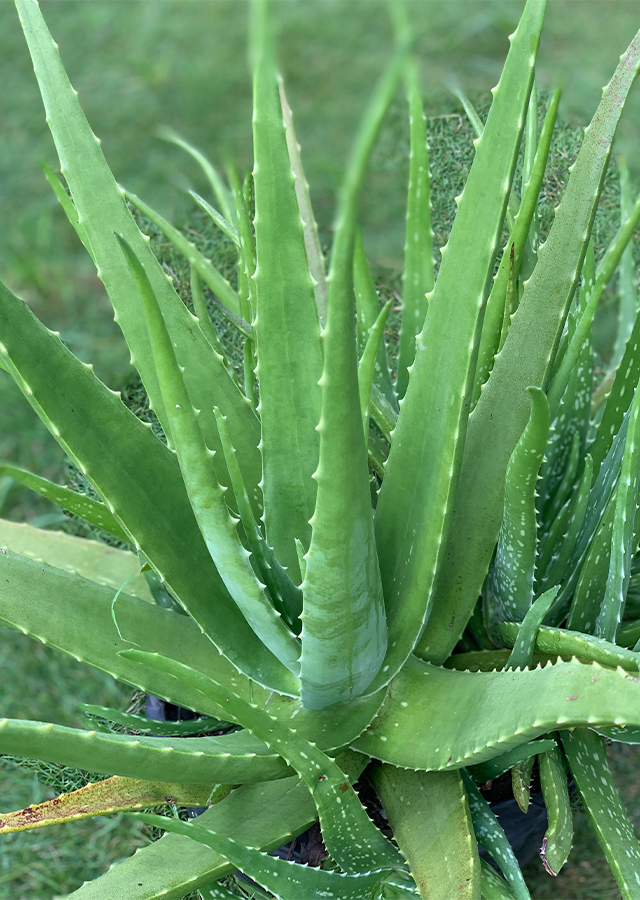
Aloe vera (L.) Burm.f. (Asphodelaceae); formerly, Aloe barbadensis Miller (Asphodelaceae)

Common Name: Aloe vera, sabila

Parts Used: Mucilaginous gel

Use/s: Emollient, moisturizer, alopecia, laxative; anticancer, antioxidant, antidiabetic, bone protection, cardioprotective, etc.

Major Metabolites: Aloin and emodin (anthraquinone glycosides), acemannan; aloesin (chromone), aromatic polyketides

<p><strong>Common Name</strong>: Aloe vera, sabila</p><p><strong>Parts Used</strong>: Mucilaginous gel</p><p><strong>Use/s</strong>: Emollient, moisturizer, alopecia, <u>laxative</u>; anticancer, antioxidant, antidiabetic, bone protection, cardioprotective, etc.</p><p><strong>Major Metabolites</strong>: <strong><u>Aloin</u></strong> and <strong><u>emodin (anthraquinone glycosides)</u></strong>, acemannan; aloesin (chromone), aromatic polyketides</p>
21
New cards

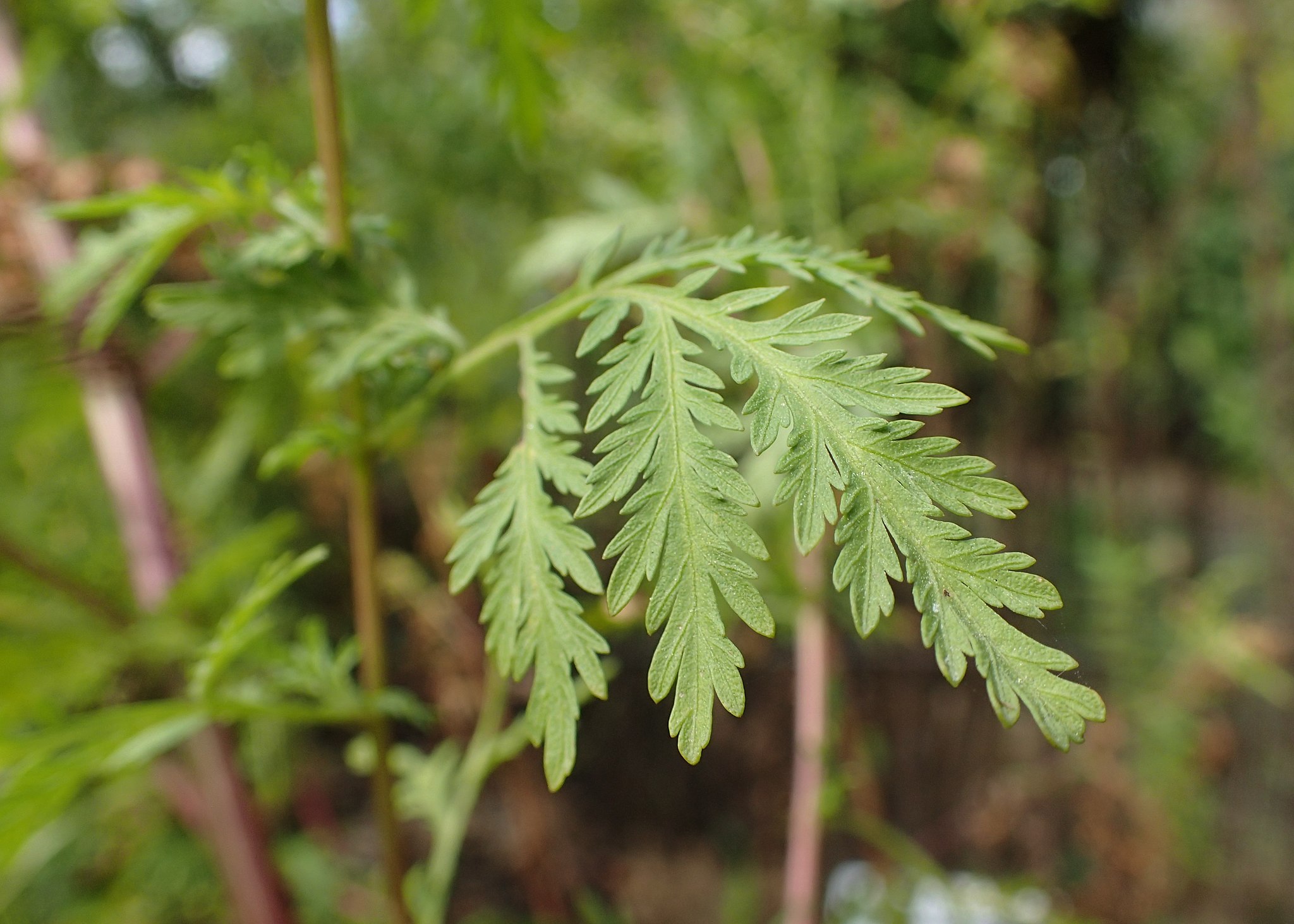
Artemisia vulgaris L. (Asteraceae)

Common Name: Mugwort

Parts Used: Aerial parts

Use/s: Gastrointestinal discomfort, gynecological problems, menopausal symptoms, sleepwalking, seizures, etc.

Major Metabolites: Coumarin glycosides, flavonoids, sesquiterpenoid lactones; eucalyptol, camphor (essential oil; monotorpenes and sesquiterpenes)
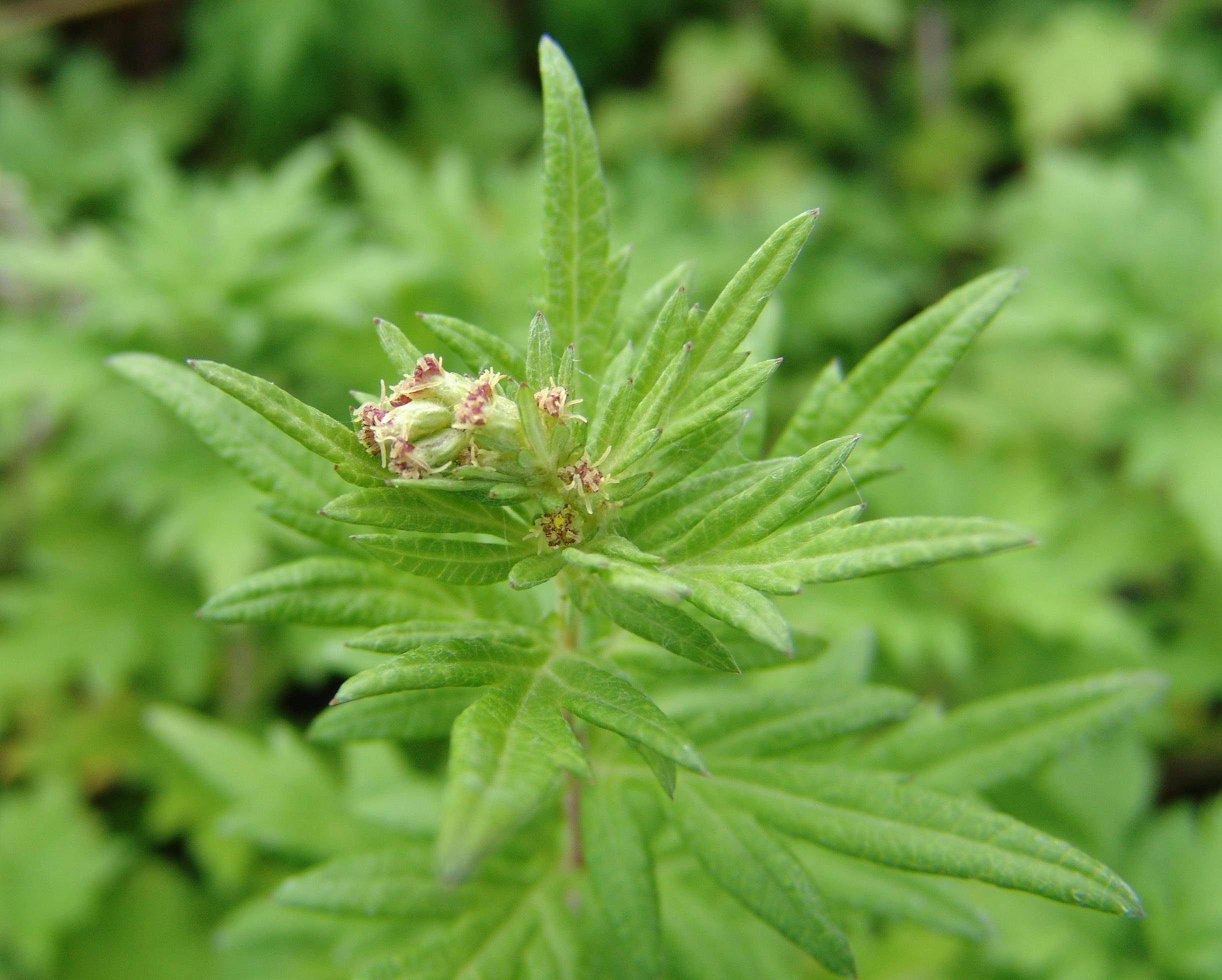
<p><strong>Common Name</strong>: Mugwort</p><p><strong>Parts Used</strong>: Aerial parts</p><p><strong>Use/s</strong>: Gastrointestinal discomfort, gynecological problems, menopausal symptoms, sleepwalking, seizures, etc.</p><p><strong>Major Metabolites</strong>: Coumarin glycosides, flavonoids, sesquiterpenoid lactones; <strong><u>eucalyptol</u></strong>, <strong><u>camphor</u></strong> <strong><u>(essential oil; monotorpenes and sesquiterpenes)</u></strong></p>
22
New cards

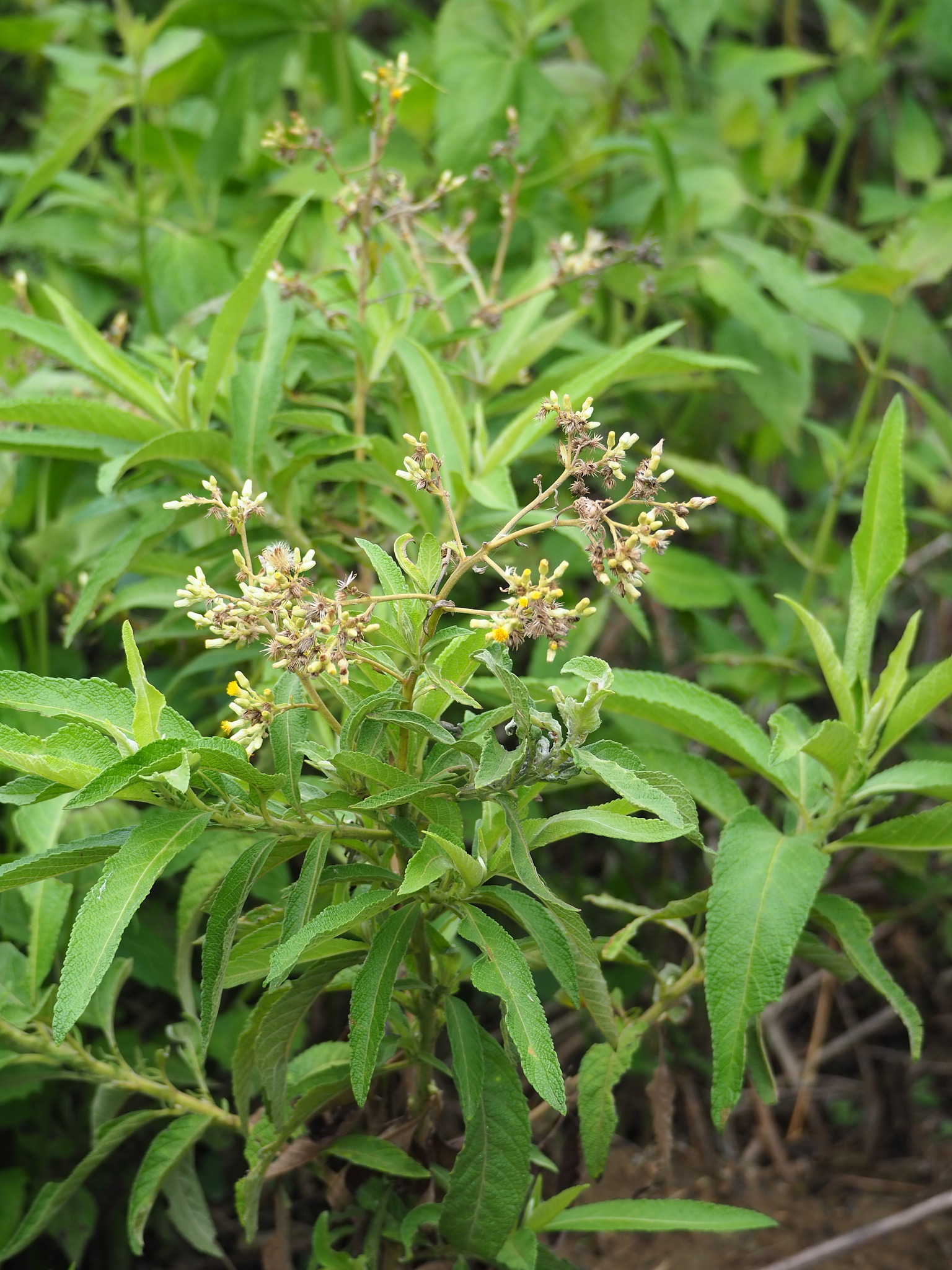
Blumea balsamifera (L) DC. (Asteraceae)

Common Name: Sambong, Ngai camphor

Parts Used: Leaves, stems, roots

DOH Use/s: Treatment of urinary stones; diuretic

Other Use/s: Antibacterial, antifungal, anticancer, antioxidant, antimicrobial, anti-inflammatory, anti-spasm, etc.

Major Metabolites:

<p><strong>Common Name</strong>: Sambong, Ngai camphor</p><p><strong>Parts Used</strong>: Leaves, stems, roots</p><p><strong>DOH Use/s</strong>: Treatment of urinary stones; diuretic</p><p><strong>Other Use/s</strong>: Antibacterial, antifungal, anticancer, antioxidant, antimicrobial, anti-inflammatory, anti-spasm, etc.</p><p><strong>Major Metabolites</strong>:</p>
23
New cards

Echinacea purpurea (L.) Moench (Asteraceae)

Common Name: Purple Coneflower

Parts Used: Roots and herbs (aerial parts)

Use/s: Toothaches, bowel pain, snake bites, skin disorders; depression, PTSD, addiction

Major Metabolites: Alkamides, polysaccharides, caffeic acid derivatives
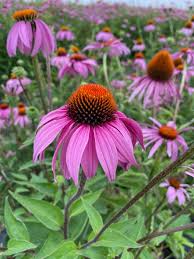
<p><strong>Common Name</strong>: <span style="background-color: transparent; font-family: &quot;Helvetica Neue&quot;, sans-serif;">Purple Coneflower</span></p><p><strong>Parts Used</strong>: <span style="background-color: transparent; font-family: &quot;Helvetica Neue&quot;, sans-serif;">Roots and herbs (aerial parts)</span></p><p><strong>Use/s</strong>: Toothaches, bowel pain, snake bites, skin disorders; depression, PTSD, addiction</p><p><strong>Major Metabolites</strong>: Alkamides, polysaccharides, caffeic acid derivatives</p>
24
New cards

Silybum marianum (L.) Gaertner (Asteraceae)

Common Name: Milk thistle

Parts Used: Achenes, leaves, and roots

Use/s: Liver disorders, gallbladder disorders, digestive system issues

Major Metabolites: Silymarin (flavonoids), fixed oils, sterols
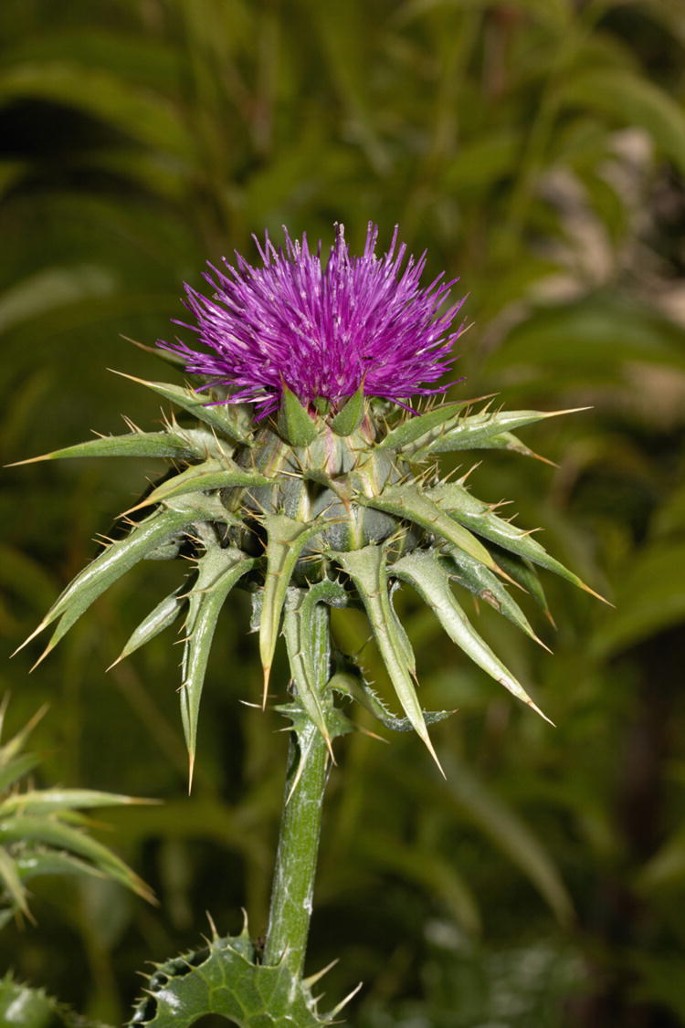
<p><strong>Common Name</strong>: Milk thistle</p><p><strong>Parts Used</strong>: <span style="background-color: transparent; font-family: &quot;Helvetica Neue&quot;, sans-serif;"><span>Achenes, leaves, and roots</span></span></p><p><strong>Use/s</strong>: Liver disorders, gallbladder disorders, digestive system issues</p><p><strong>Major Metabolites</strong>: <strong><u>Silymarin (flavonoids)</u></strong>, fixed oils, sterols</p>
25
New cards

Bacillus licheniformis (Bacillaceae)

Common Name: Bacillus licheniformis

Parts Used: Whole organism; endospore

Use/s: Antimicrobial and antifungal; source of probiotics

Major Metabolites: Bacitracin, lichenysin (non-ribosomal peptides); bacteriocins
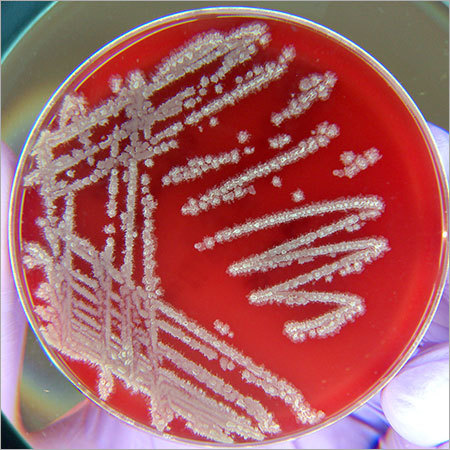
<p><strong>Common Name</strong>: <span style="background-color: transparent; font-family: &quot;Helvetica Neue&quot;, sans-serif;"><em><span>Bacillus licheniformis</span></em></span></p><p><strong>Parts Used</strong>: Whole organism; endospore</p><p><strong>Use/s</strong>: Antimicrobial and antifungal; source of probiotics</p><p><strong>Major Metabolites</strong>: Bacitracin, lichenysin (non-ribosomal peptides); <strong><u>bacteriocins</u></strong></p>
26
New cards

Ananas comosus (L.) Merr. (Bromeliaceae)

Common Name: Pineapple

Parts Used: Fruit, stem, leaves, peduncle, crown, shoots, and roots

Use/s: Diuretic, sore throat, sea sickness, induce abortion; antimicrobial, antibacterial, anticancer

Major Metabolites: Flavonoids, phenolic compounds, terpenoids, alkaloids; bromelain (enzyme)
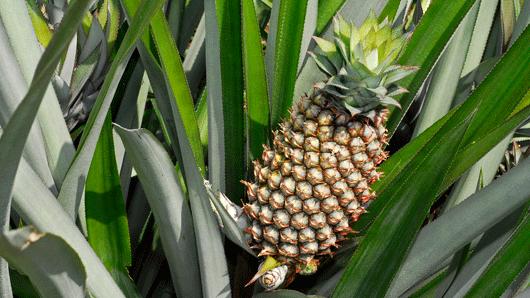
<p><strong>Common Name</strong>: <span style="background-color: transparent; font-family: &quot;Helvetica Neue&quot;, sans-serif;"><span>Pineapple</span></span></p><p><strong>Parts Used</strong>: F<span style="background-color: transparent; font-family: &quot;Helvetica Neue&quot;, sans-serif;"><span>ruit, stem, leaves, peduncle, crown, shoots, and roots</span></span></p><p><strong>Use/s</strong>: Diuretic, sore throat, sea sickness, induce abortion; antimicrobial, antibacterial, anticancer</p><p><strong>Major Metabolites</strong>: Flavonoids, phenolic compounds, terpenoids, alkaloids; bromelain (enzyme)</p>
27
New cards

Carica papaya L. (Caricaceae)

Common Name: Papaya

Parts Used: Leaves fruit, seeds roots, bark, and latex

Use/s: Digestive disorders, constipation, dengue, fever; anticancer, hypolipidemic, hypoglycemic

Major Metabolites: Carpaine (alkaloids); flavonoids, tannins, saponins, terpenoids, steroids, phenols, cardiac glycosides, anthraquinones
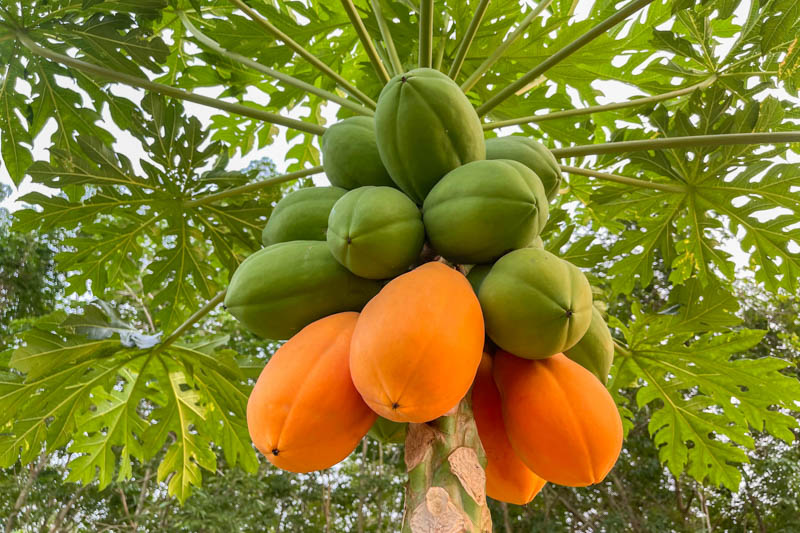
<p><strong>Common Name</strong>: Papaya</p><p><strong>Parts Used</strong>: <span style="background-color: transparent; font-family: &quot;Helvetica Neue&quot;, sans-serif;"><span>Leaves fruit, seeds roots, bark, and latex</span></span></p><p><strong>Use/s</strong>: Digestive disorders, constipation, dengue, fever; anticancer, hypolipidemic, hypoglycemic</p><p><strong>Major Metabolites</strong>: <strong><u>Carpaine (alkaloids)</u></strong>; flavonoids, tannins, saponins, terpenoids, steroids, phenols, cardiac glycosides, anthraquinones</p>
28
New cards

Claviceps purpurea (Fr.) Tul. (Clavicipitaceae)

Common Name: Ergot; Ergot of rye

Parts Used: Sclerotia

Use/s: Induces labor and stops postpartum hemorrhage; migraine treatment, Parkinson’s disease, antitumor

Major Metabolites: Ergotamine, ergometrine (alkaloids)
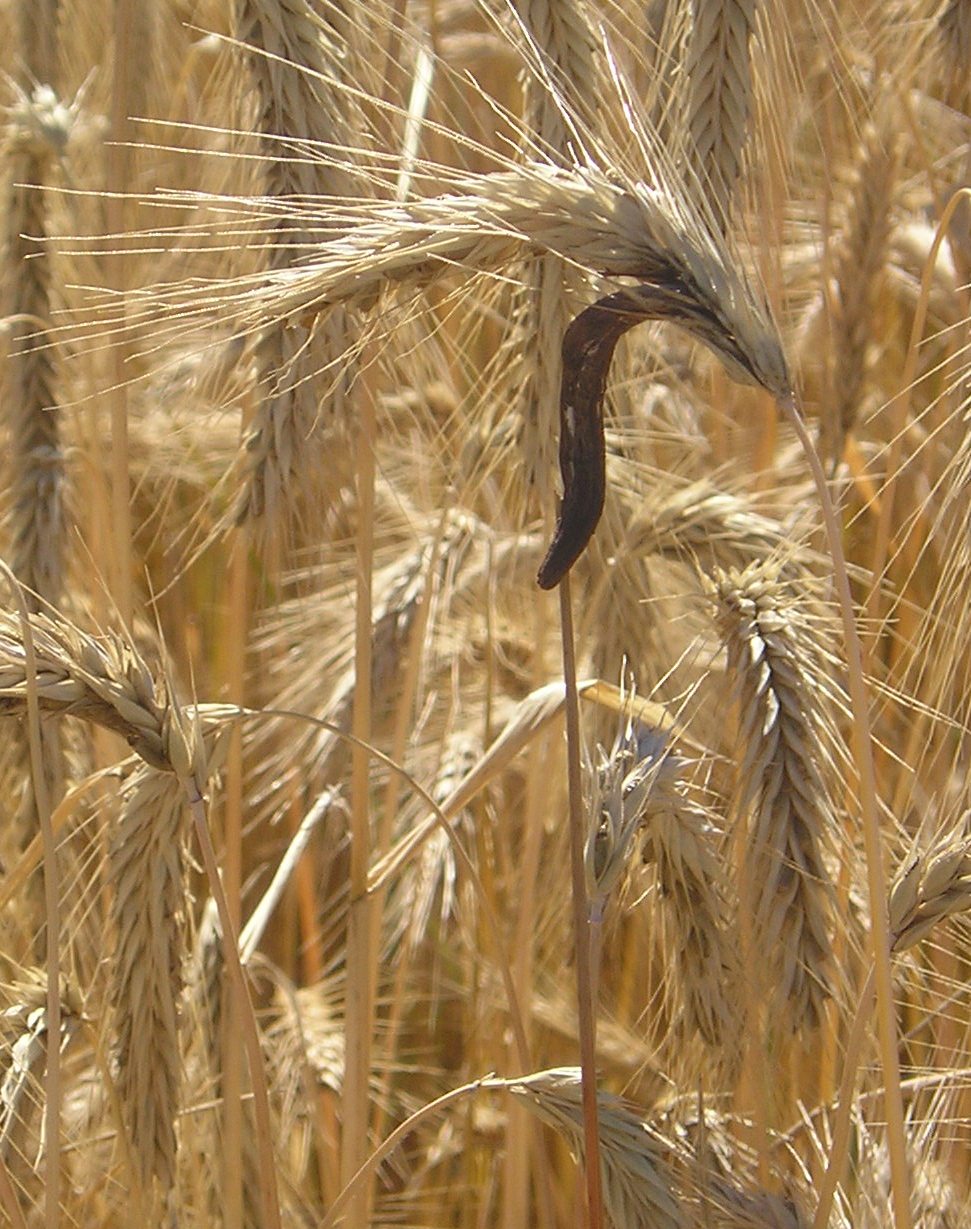
<p><strong>Common Name</strong>: <span style="background-color: transparent; font-family: &quot;Helvetica Neue&quot;, sans-serif;"><span>Ergot; Ergot of rye</span></span></p><p><strong>Parts Used</strong>: <span style="background-color: transparent; font-family: &quot;Helvetica Neue&quot;, sans-serif;"><span>Sclerotia</span></span></p><p><strong>Use/s</strong>: Induces labor and stops postpartum hemorrhage; migraine treatment, Parkinson’s disease, antitumor</p><p><strong>Major Metabolites</strong>: Ergotamine, ergometrine <strong><u>(alkaloids)</u></strong></p>
29
New cards

Garcinia mangostana L. (Clusiaceae)

Common Name: Mangosteen

Parts Used: Roots, fruit rind, edible pulp, bark

Use/s: Diarrhea and dysentery, improves gums and teeth; antioxidant, antimicrobial, antiviral, anti-inflammatory

Major Metabolites: Anthocyanins, benzophenone, condensed tannins; mangostin and gartanin (xanthones)
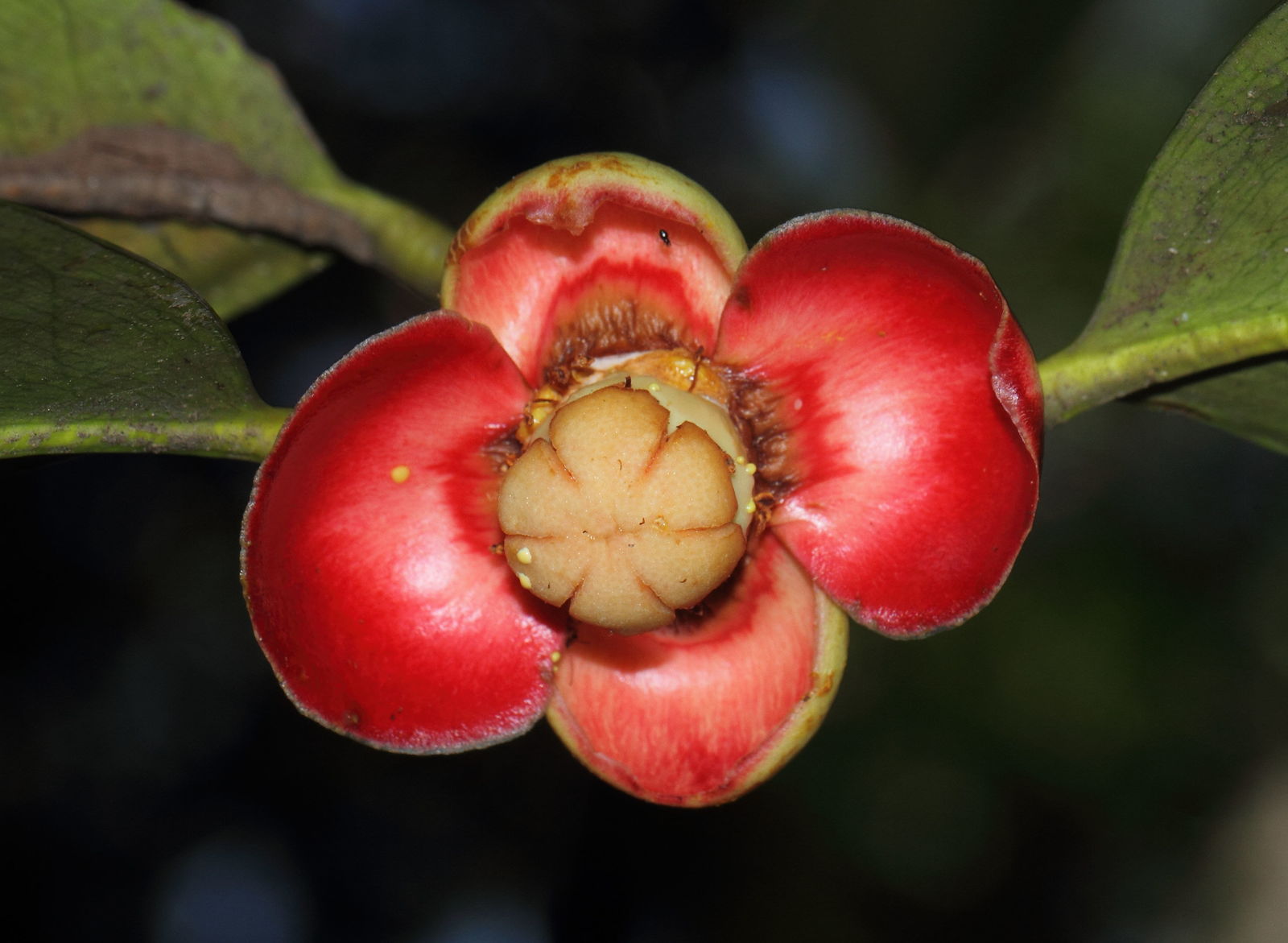
<p><strong>Common Name</strong>: Mangosteen</p><p><strong>Parts Used</strong>: <span style="background-color: transparent; font-family: &quot;Helvetica Neue&quot;, sans-serif;">Roots, fruit rind, edible pulp, bark</span></p><p><strong>Use/s</strong>: Diarrhea and dysentery, improves gums and teeth; antioxidant, antimicrobial, antiviral, anti-inflammatory</p><p><strong>Major Metabolites</strong>: Anthocyanins, benzophenone, condensed tannins; mangostin and gartanin (xanthones)</p>
30
New cards

Combretum indicum (L.) DeFilipps (Combretaceae)

Common Name: Niyog-niyogan

Parts Used: Fruits, seeds, roots, leaf

DOH Use/s: Treatment of ascariasis (intestinal parasite removal)

Other Use/s: Anthelminthic; kidney stones, rheumatism, diarrhea, fever, flatulence

Major Metabolites: Kaempferol, rutin (flavonoids), tannins; flavonoids, phenols, lipids & fixed oils, sterols
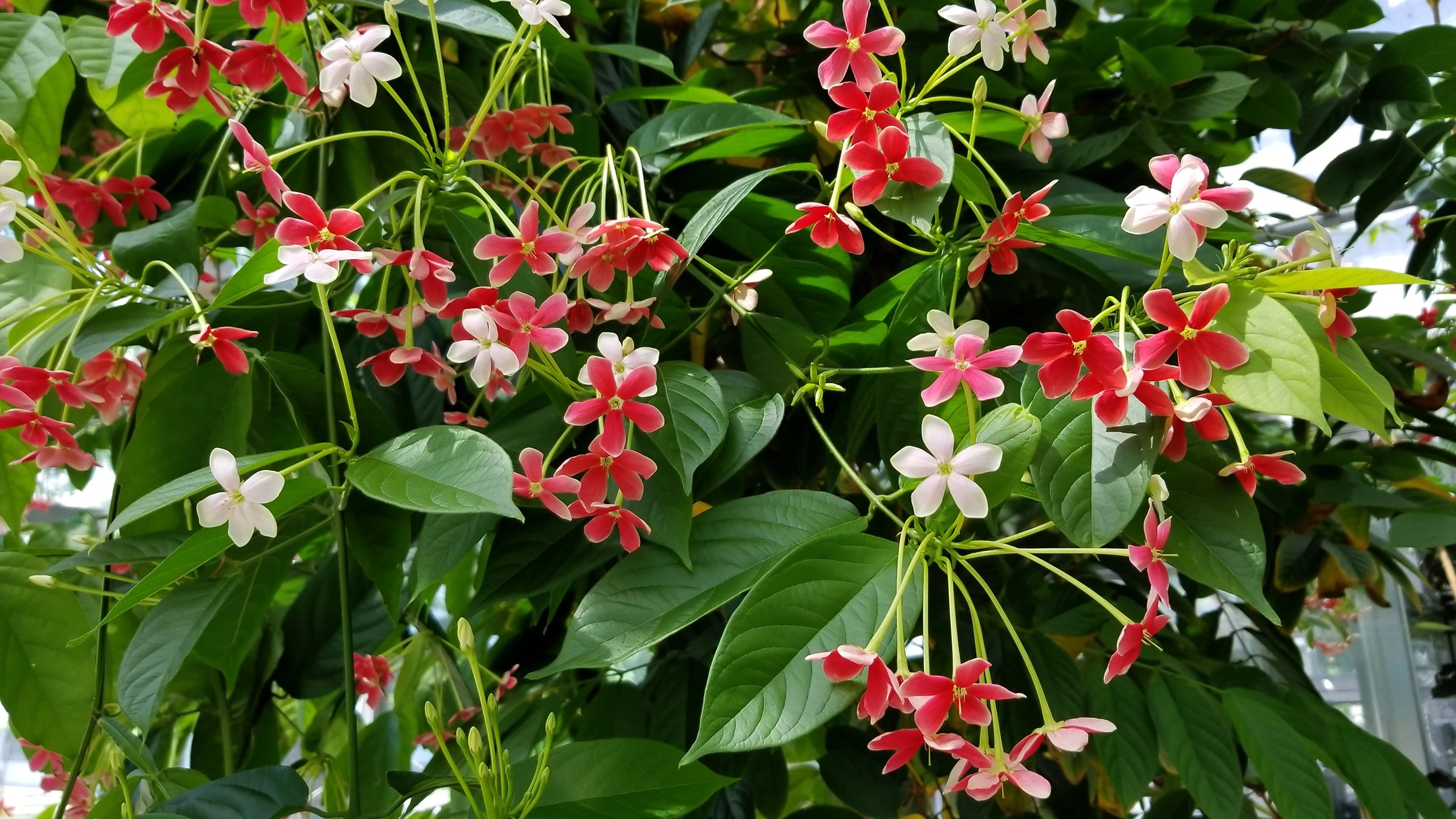
<p><strong>Common Name</strong>: <span style="background-color: transparent; font-family: &quot;Helvetica Neue&quot;, sans-serif;">Niyog-niyogan</span></p><p><strong>Parts Used</strong>: <span style="background-color: transparent; font-family: &quot;Helvetica Neue&quot;, sans-serif;">Fruits, seeds, roots, leaf</span></p><p><strong>DOH Use/s</strong>: Treatment of ascariasis (intestinal parasite removal)</p><p><strong>Other Use/s</strong>: <strong><u>Anthelminthic</u></strong>; kidney stones, rheumatism, diarrhea, fever, flatulence</p><p><strong>Major Metabolites</strong>: <strong><u>Kaempferol</u></strong>, <strong><u>rutin (flavonoids)</u></strong>, tannins; flavonoids, phenols, lipids &amp; fixed oils, sterols</p>
31
New cards

Terminalia catappa L. (Combretaceae)

Common Name: Indian almond, wild almond, sea almond, tropical almond

Parts Used: Leaves, bark, nuts, kernels, whole tree

Use/s: Wound healing, antibacterial, mouth care; analgesic, anti-inflammatory, antimicrobial, antioxidant, antidiabetic, hepatoprotective

Major Metabolites: Hydrolyzable tannins, kaempferol (flavonoids); polyphenols, phytosterols, saponins, phenolic acids
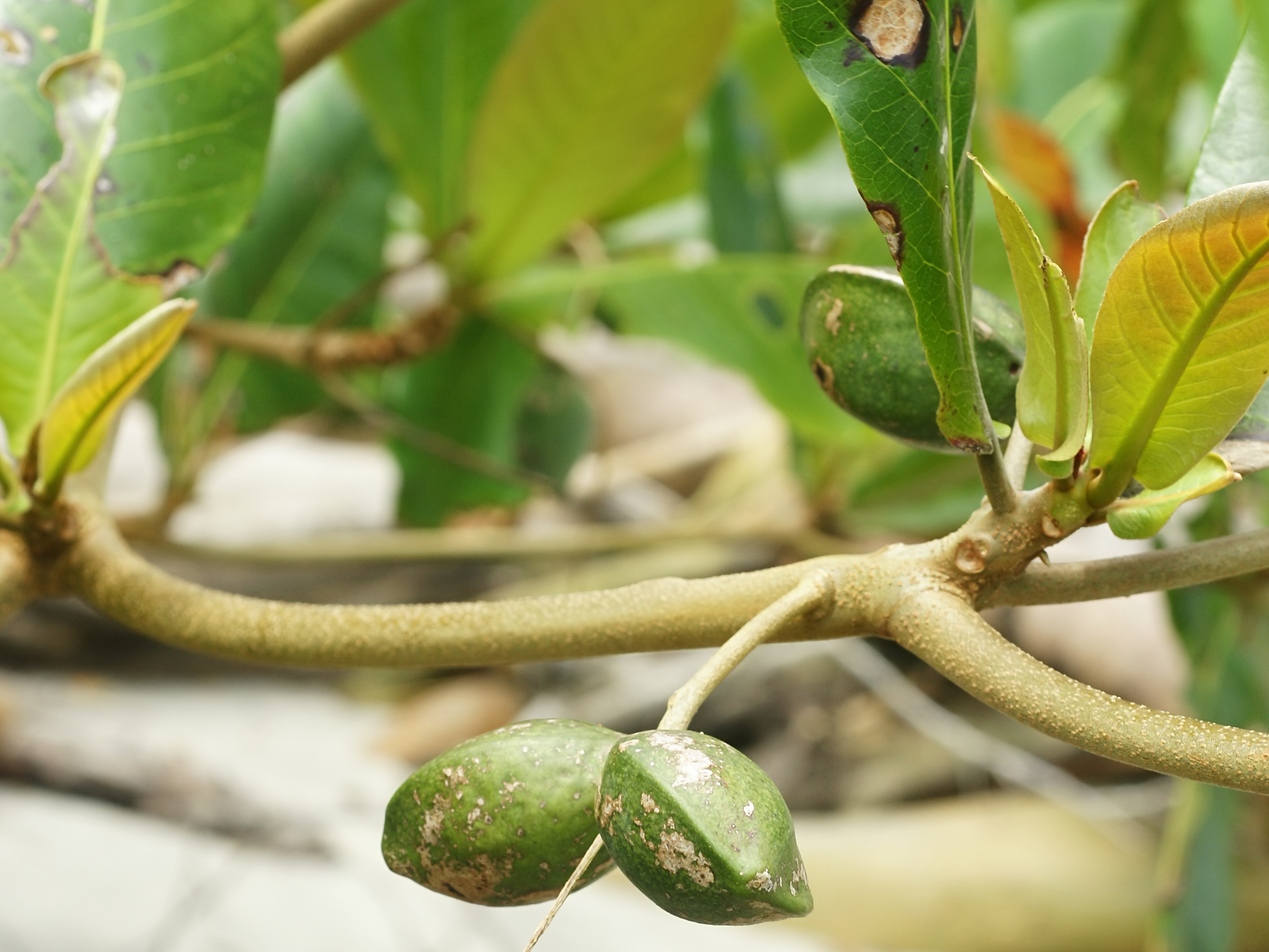
<p><strong>Common Name</strong>: Indian almond, wild almond, sea almond, tropical almond</p><p><strong>Parts Used</strong>: Leaves, bark, nuts, kernels, whole tree</p><p><strong>Use/s</strong>: Wound healing, antibacterial, mouth care; analgesic, anti-inflammatory, antimicrobial, antioxidant, antidiabetic, hepatoprotective</p><p><strong>Major Metabolites</strong>: <strong><u>Hydrolyzable tannins</u></strong>, <strong><u>kaempferol (flavonoids)</u></strong>; polyphenols, phytosterols, saponins, phenolic acids</p>
32
New cards

Kalanchoe pinnata (Lam.) Pers. (Crassulaceae)

Common Name: Katakataka, miracle plant

Parts Used: Leaves and roots

Use/s: Kidney stone remedy, wound healing, respiratory relief; antimicrobial, wound healing, anti-inflammatory, anti-diabetic, hepatoprotective, anticancer

Major Metabolites: Bufadienolides, cardenolides (cardiac glycosides); flavonoids, phenolic compounds, tannins, alkaloids, steroids
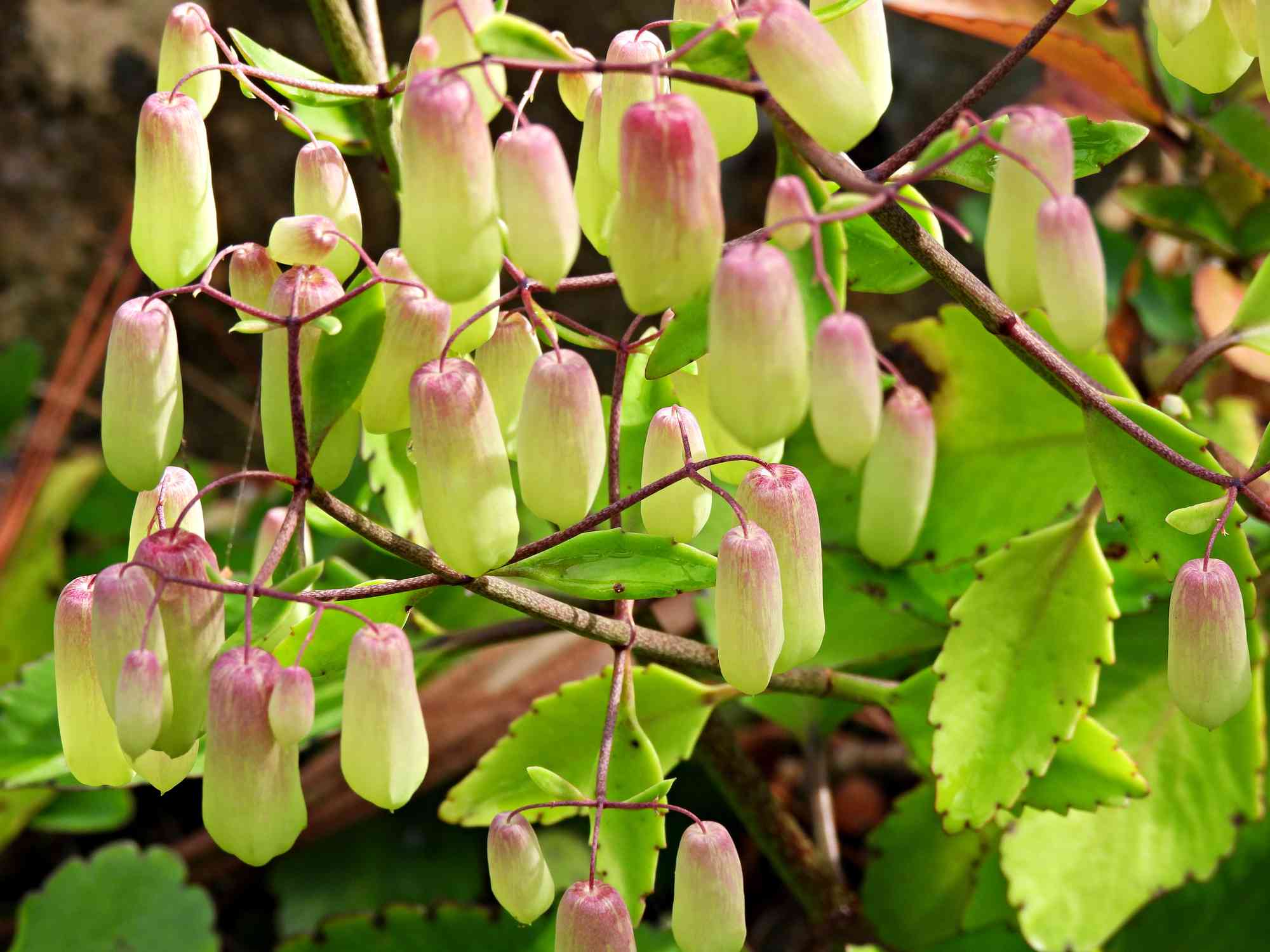
<p><strong>Common Name</strong>: Katakataka, miracle plant</p><p><strong>Parts Used</strong>: Leaves and roots</p><p><strong>Use/s</strong>: Kidney stone remedy, wound healing, respiratory relief; antimicrobial, wound healing, anti-inflammatory, anti-diabetic, hepatoprotective, anticancer</p><p><strong>Major Metabolites</strong>: <strong><u>Bufadienolides</u></strong>, <strong><u>cardenolides (cardiac glycosides)</u></strong>; flavonoids, phenolic compounds, tannins, alkaloids, steroids</p>
33
New cards

Conus geographus L. (Conidae) 

Common Name: Geography cone snail

Parts Used: Venom

Use/s: Source of the drug Prialt (treats severe chronic pain)

Major Metabolites: ω-, μ-, and α-conotoxins
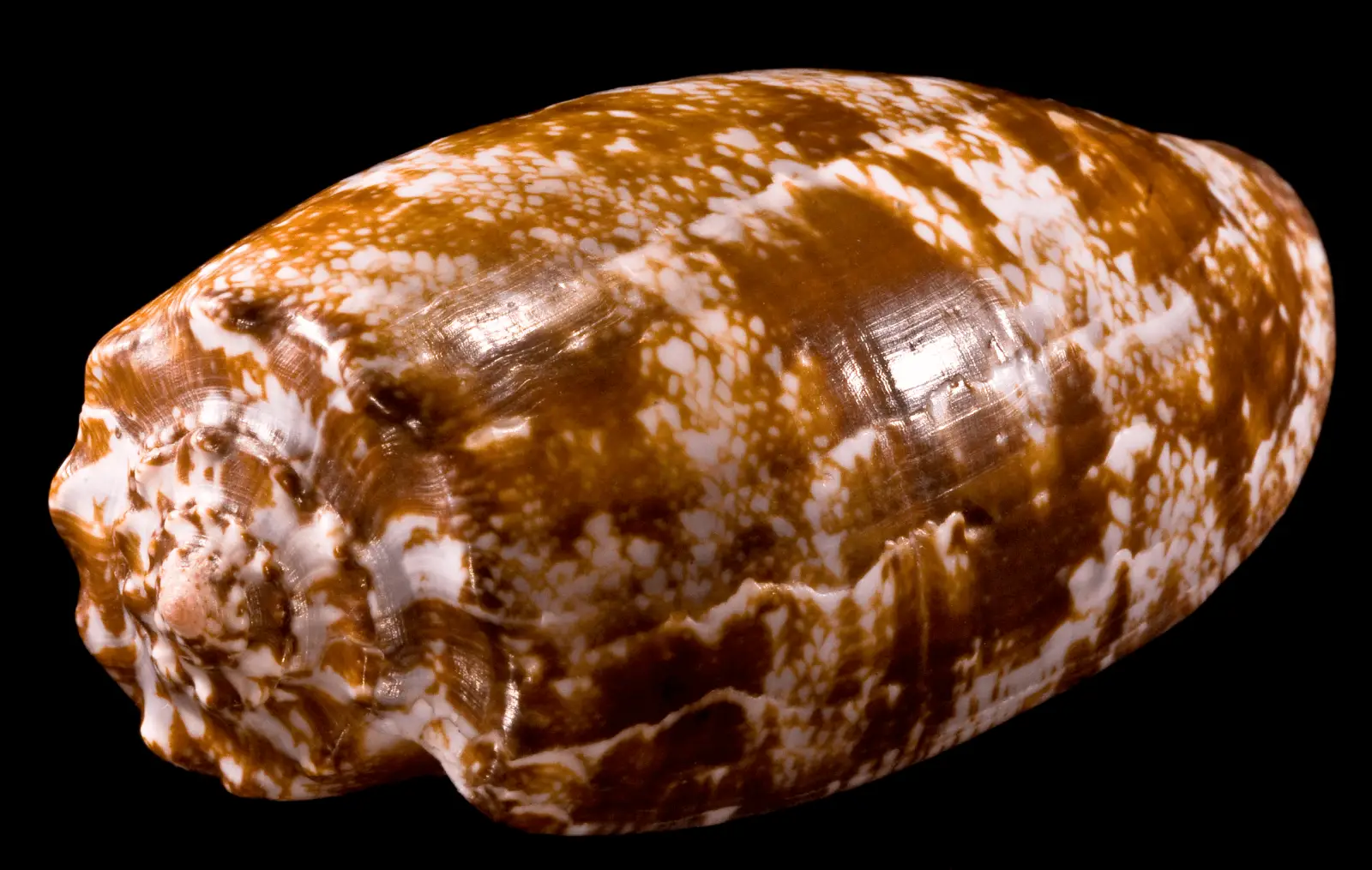
<p><strong>Common Name</strong>: <span style="background-color: transparent; font-family: &quot;Helvetica Neue&quot;, sans-serif;">Geography cone snail</span></p><p><strong>Parts Used</strong>: Venom</p><p><strong>Use/s</strong>: Source of the drug Prialt (treats severe chronic pain)</p><p><strong>Major Metabolites</strong>: <span style="background-color: transparent; font-family: &quot;Helvetica Neue&quot;, sans-serif;">ω-, μ-, and α-conotoxins</span></p>
34
New cards

Chamaecostus cuspidatus (Nees & Mart.) C. Specht & D.W. Stev. (Costaceae)

Common Name: Insulin Plant, fiery costus

Parts Used: Leaves

Use/s: Antidiabetic, antioxidant, anti-inflammatory; stimulant, carminative, diuretic, digestive aid

Major Metabolites: Terpenoids, steroids, flavonoids
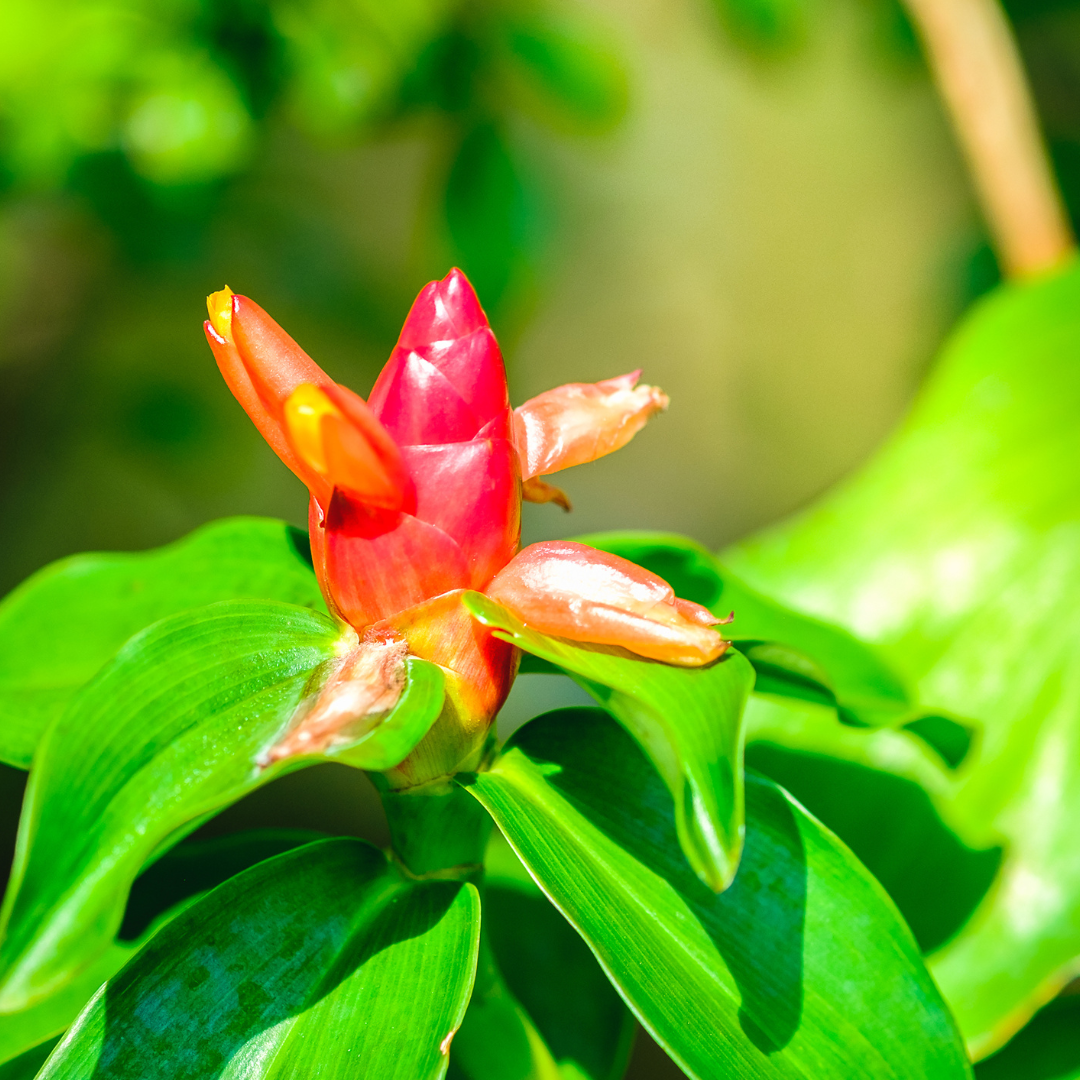
<p><strong>Common Name</strong>: <span style="background-color: transparent; font-family: &quot;Helvetica Neue&quot;, sans-serif;">Insulin	Plant, fiery costus</span></p><p><strong>Parts Used</strong>: Leaves</p><p><strong>Use/s</strong>: Antidiabetic, antioxidant, anti-inflammatory; stimulant, carminative, diuretic, digestive aid</p><p><strong>Major Metabolites</strong>: Terpenoids, steroids, flavonoids</p>
35
New cards

Momordica charantia L. (Cucurbitaceae)

Common Name: Ampalaya, bitter melon, bitter gourd

Parts Used: Leaves and fruit

DOH Use/s: Adjunct for non-insulin dependent diabetes mellitus

Other Use/s: Antidiabetic, antioxidant, anti-inflammatory, antimicrobial, anticancer; emetic for newborns

Major Metabolites: Momordicin (alkaloids), charantin (steroidal saponins); phenolic compounds, triterpenoid glycoside, flavonoids
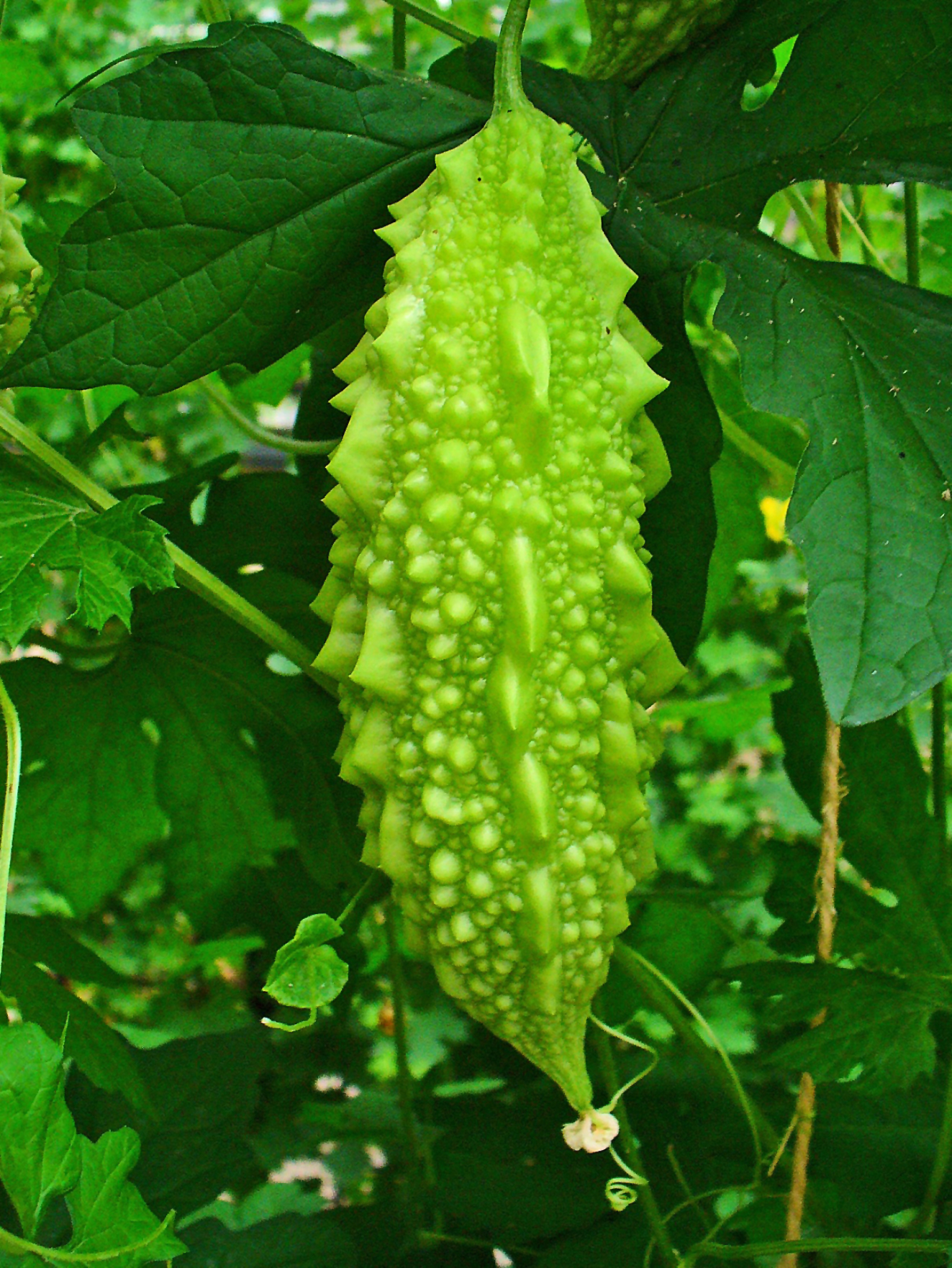
<p><strong>Common Name</strong>: Ampalaya, bitter melon, bitter gourd</p><p><strong>Parts Used</strong>: <span style="background-color: transparent; font-family: &quot;Helvetica Neue&quot;, sans-serif;">Leaves and fruit</span></p><p><strong>DOH Use/s</strong>: <span style="background-color: transparent; font-family: &quot;Helvetica Neue&quot;, sans-serif;">Adjunct for non-insulin dependent diabetes mellitus</span></p><p><strong>Other Use/s</strong>: Antidiabetic, antioxidant, anti-inflammatory, antimicrobial, anticancer; emetic for newborns </p><p><strong>Major Metabolites</strong>: <strong><u>Momordicin (alkaloids)</u></strong>, <strong><u>charantin (steroidal saponins)</u></strong>; phenolic compounds, triterpenoid glycoside, flavonoids</p>
36
New cards

Dioscorea alata L. (Dioscoreaceae)

Common Name: Ube, purple yam

Parts Used: Tuber

Use/s: Irritability, hot flashes, insomnia, and depression; inflammatory and metabolic diseases

Major Metabolites: Diosgenin, dioscin (steroidal saponins); polyphenols, flavonoids, anthocyanins
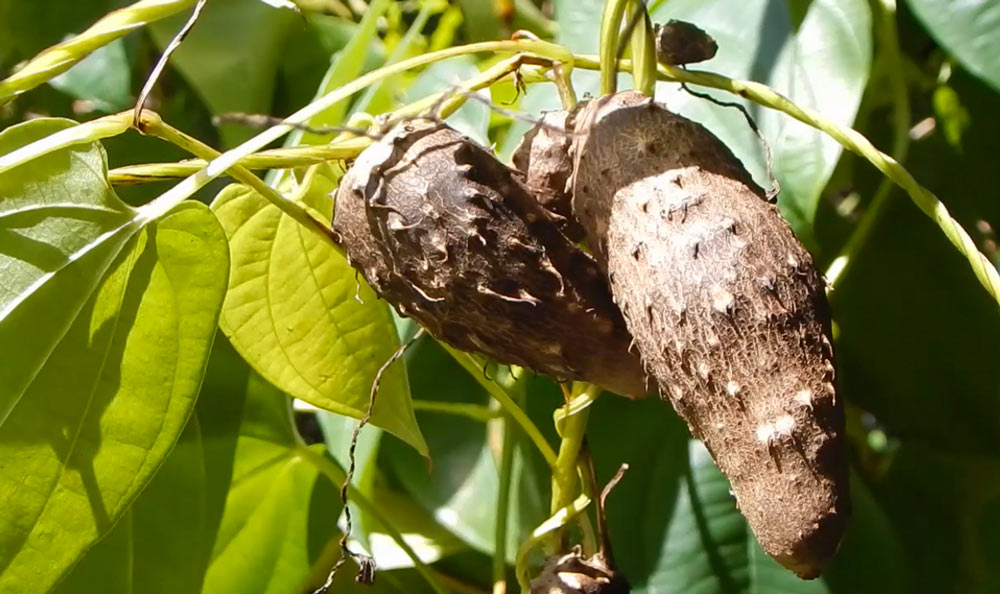
<p><strong>Common Name</strong>: Ube, purple yam</p><p><strong>Parts Used</strong>: Tuber</p><p><strong>Use/s</strong>: Irritability, hot flashes, insomnia, and depression; inflammatory and metabolic diseases</p><p><strong>Major Metabolites</strong>: <strong><u>Diosgenin, dioscin (steroidal saponins)</u></strong>; polyphenols, flavonoids, anthocyanins</p>
37
New cards

Ehretia microphylla Lam. (Ehretiaceae)

Common Name: Tsaang-gubat

Parts Used: Leaf

DOH Use/s: Antispasmodic for diarrheal diseases

Other Use/s: Analgesic, antidiarrhea (and general GI discomfort), antispasmodic; prevents tooth decay

Major Metabolites: α-amyrin and β-amyrin (triterpenes); flavonoids, phenolics
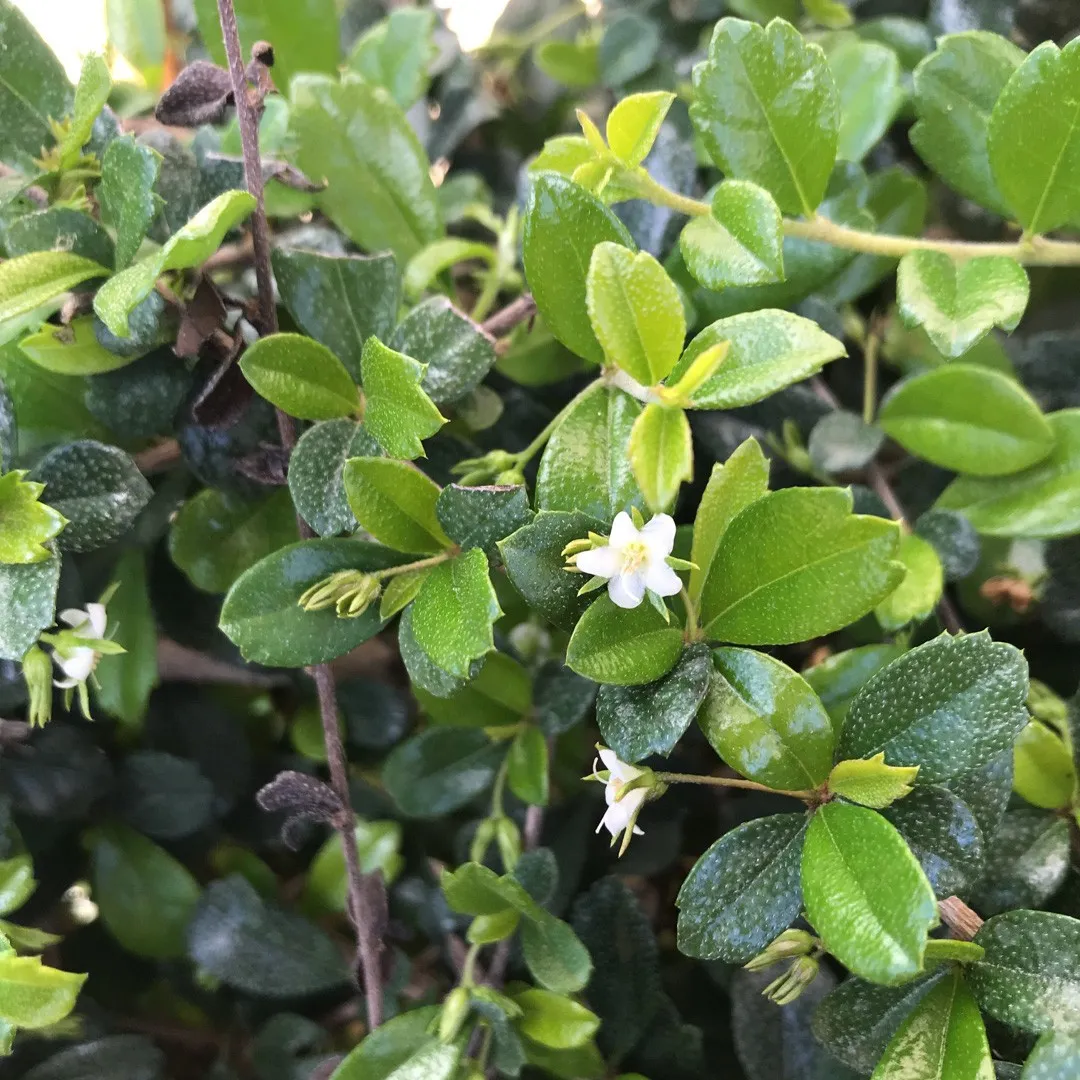
<p><strong>Common Name</strong>: <span style="background-color: transparent; font-family: &quot;Helvetica Neue&quot;, sans-serif;">Tsaang-gubat</span></p><p><strong>Parts Used</strong>: Leaf</p><p><strong>DOH Use/s</strong>: Antispasmodic for diarrheal diseases</p><p><strong>Other Use/s</strong>: Analgesic, antidiarrhea (and general GI discomfort), antispasmodic; prevents tooth decay</p><p><strong>Major Metabolites</strong>: <span><strong><u>α</u></strong></span><strong><u>-amyrin</u></strong> and <strong><u>β-amyrin (triterpenes)</u></strong>; flavonoids, phenolics</p>
38
New cards

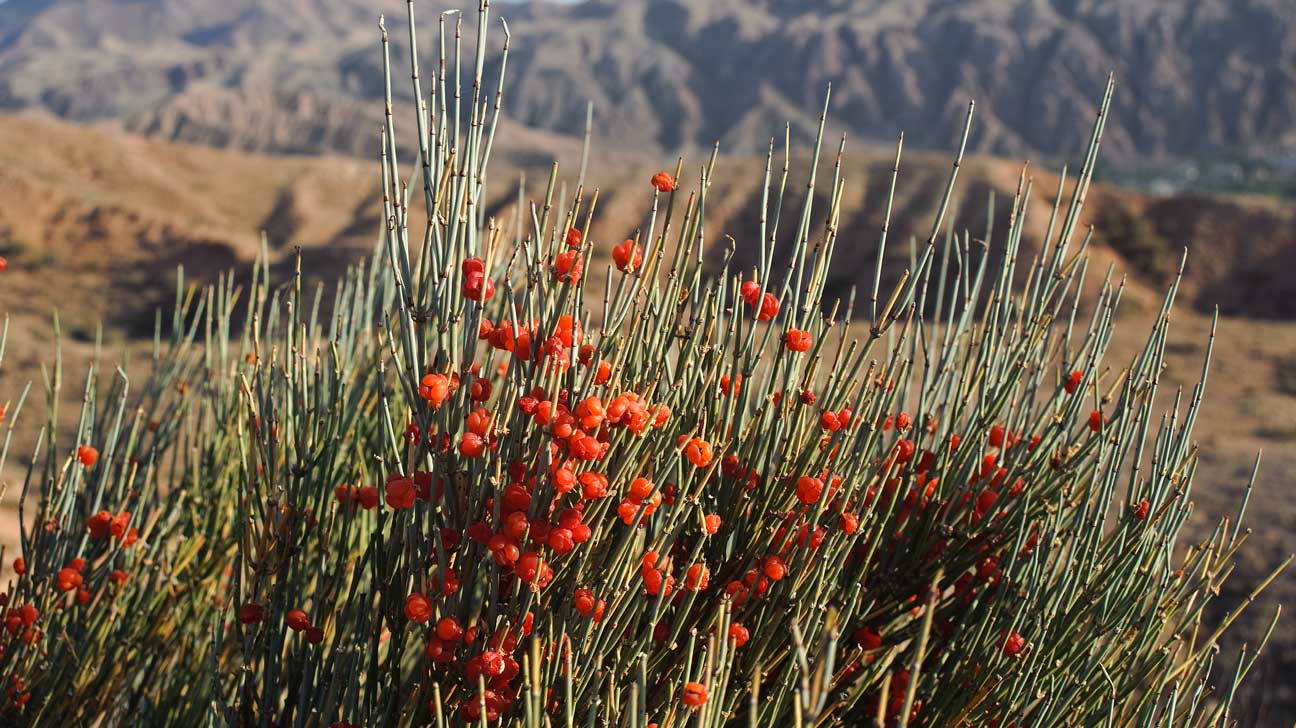
Ephedra sinica Stapf. (Ephedraceae)

Common Name: Ma-huang

Parts Used: Stem or aerial parts, roots (rare)

Use/s: Nasal decongestant, bronchodilator (respiratory complaints)

Major Metabolites: Ephedrine (alkaloids); condensed tannins, flavonoids, phenolic acids
<p><strong>Common Name</strong>: <span style="background-color: transparent; font-family: &quot;Helvetica Neue&quot;, sans-serif;">Ma-huang</span></p><p><strong>Parts Used</strong>: <span style="background-color: transparent; font-family: &quot;Helvetica Neue&quot;, sans-serif;">Stem or aerial parts, roots (rare)</span></p><p><strong>Use/s</strong>: <span style="background-color: transparent; font-family: &quot;Helvetica Neue&quot;, sans-serif;">Nasal decongestant, bronchodilator (respiratory complaints)</span></p><p><strong>Major Metabolites</strong>: <strong><u>Ephedrine (alkaloids)</u></strong>; condensed tannins, flavonoids, phenolic acids</p>
39
New cards

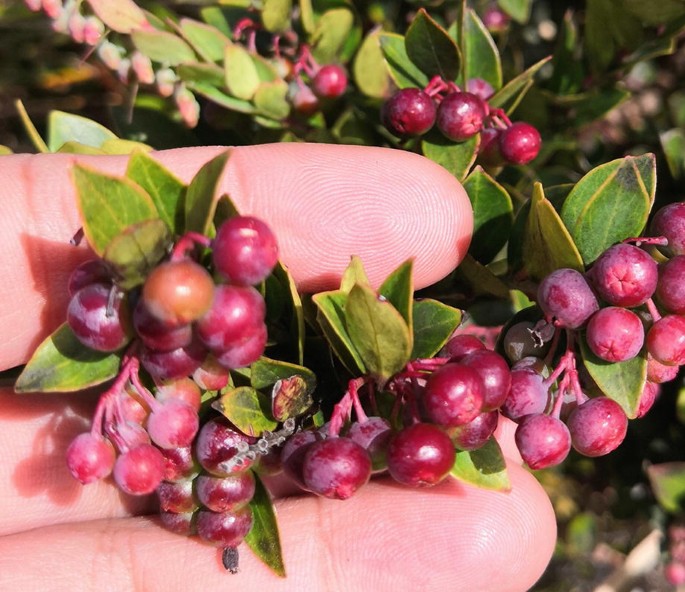
Vaccinium myrtoides (Blume) Miq. (Ericaceae)

Common Name: Philippine native blueberry, Ayusip

Parts Used: Fruits, stems, and leaves

Use/s: Relieves fever and inflammation, antidiabetic; antioxidant, immunomodulatory, hepatoprotective

Major Metabolites: Anthocyanins, quercetin (flavonoids); polyphenols, tannins
<p><strong>Common Name</strong>: <span style="background-color: transparent; font-family: &quot;Helvetica Neue&quot;, sans-serif;">Philippine native blueberry, Ayusip</span></p><p><strong>Parts Used</strong>: <span style="background-color: transparent; font-family: &quot;Helvetica Neue&quot;, sans-serif;">Fruits, stems, and leaves</span></p><p><strong>Use/s</strong>: Relieves fever and inflammation, antidiabetic; antioxidant, immunomodulatory, hepatoprotective</p><p><strong>Major Metabolites</strong>: <strong><u>Anthocyanins</u></strong>, <strong><u>quercetin (flavonoids)</u></strong>; polyphenols, tannins</p>
40
New cards

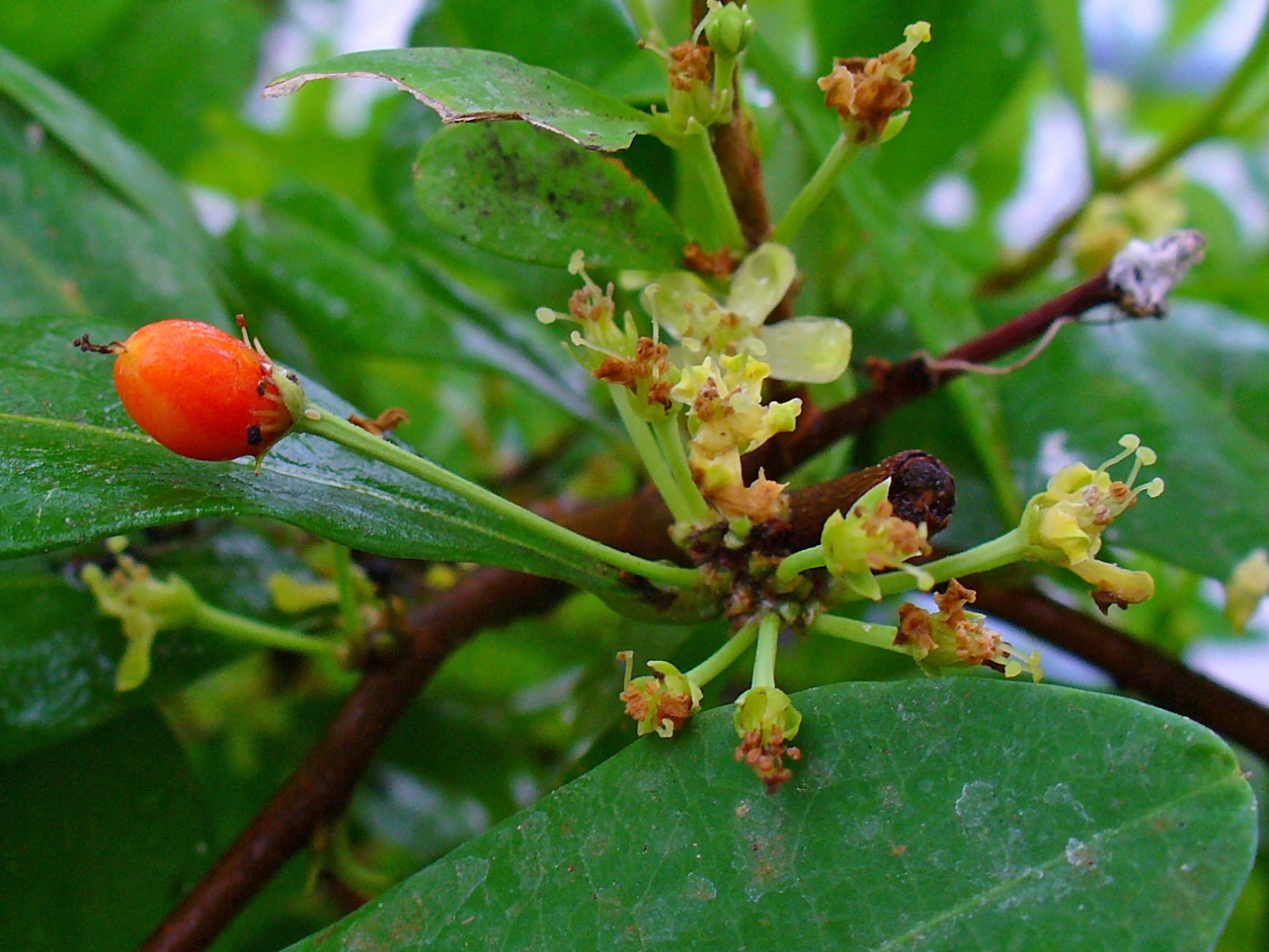
Erythroxylum coca Lam. (Erythroxylaceae)

Common Name: Coca plant

Parts Used: Leaves

Use/s: CNS stimulant and local anaesthetic; GI problems, respiratory ailments, altitude sickness

Major Metabolites: Cocaine (alkaloid); tannins, phenols
<p><strong>Common Name</strong>: <span style="background-color: transparent; font-family: &quot;Helvetica Neue&quot;, sans-serif;">Coca plant</span></p><p><strong>Parts Used</strong>: Leaves</p><p><strong>Use/s</strong>: <span style="background-color: transparent; font-family: &quot;Helvetica Neue&quot;, sans-serif;">CNS stimulant and local anaesthetic; GI problems, respiratory ailments, altitude sickness</span></p><p><strong>Major Metabolites</strong>: <strong><u>Cocaine (alkaloid)</u></strong>; tannins, phenols</p>
41
New cards

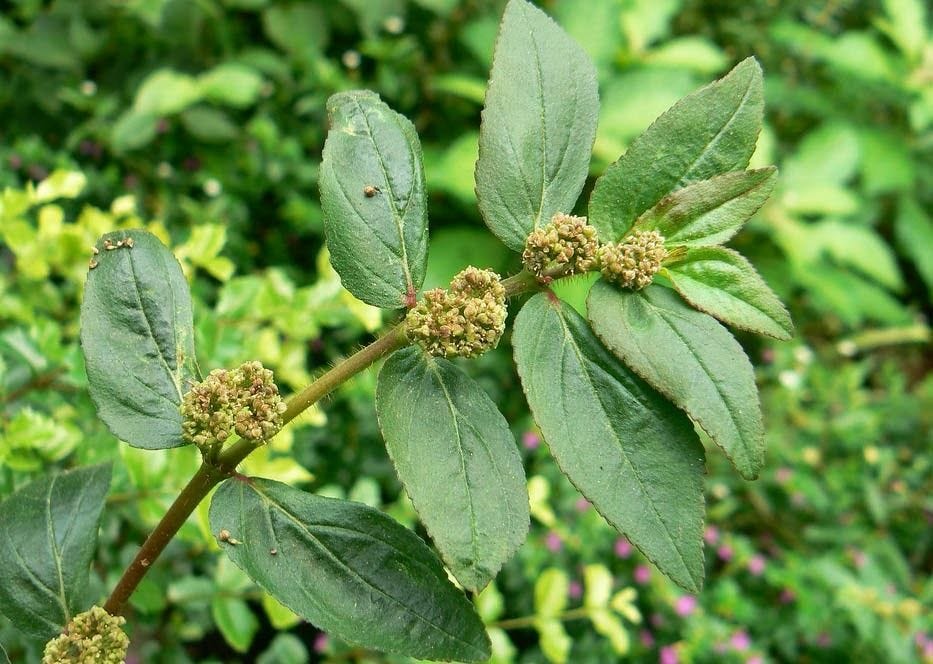
Euphorbia hirta Linn. (Euphorbiaceae)

Common Name: Tawa-tawa, Gatas-gatas

Parts Used: Whole plant

Use/s: Analgesic, antibacterial, anti-inflammatory, antipyretic, antimalarial, antioxidant; dengue, asthma, snake bites

Major Metabolites: Quercetin, quercitrin (flavonoids); hydrolyzable tannins, phenolic acids, terpenoids
<p><strong>Common Name</strong>: <span style="background-color: transparent; font-family: &quot;Helvetica Neue&quot;, sans-serif;">Tawa-tawa, Gatas-gatas</span></p><p><strong>Parts Used</strong>: Whole plant</p><p><strong>Use/s</strong>: Analgesic, antibacterial, anti-inflammatory, antipyretic, antimalarial, antioxidant; dengue, asthma, snake bites</p><p><strong>Major Metabolites</strong>: <strong><u>Quercetin</u></strong>, <strong><u>quercitrin (flavonoids)</u></strong>; hydrolyzable tannins, phenolic acids, terpenoids</p>
42
New cards

Jatropha curcas L. (Euphorbiaceae)

Common Name: Physic nut, Barbados nut

Parts Used: Leaves, bark, latex, seed, roots

Use/s: Anti-inflammatory, antioxidant, antimicrobial, anticancer, antidiabetic; malaria, wounds

Major Metabolites: Flavonoids, tannins, glycosides, diterpenes; phorbol esters
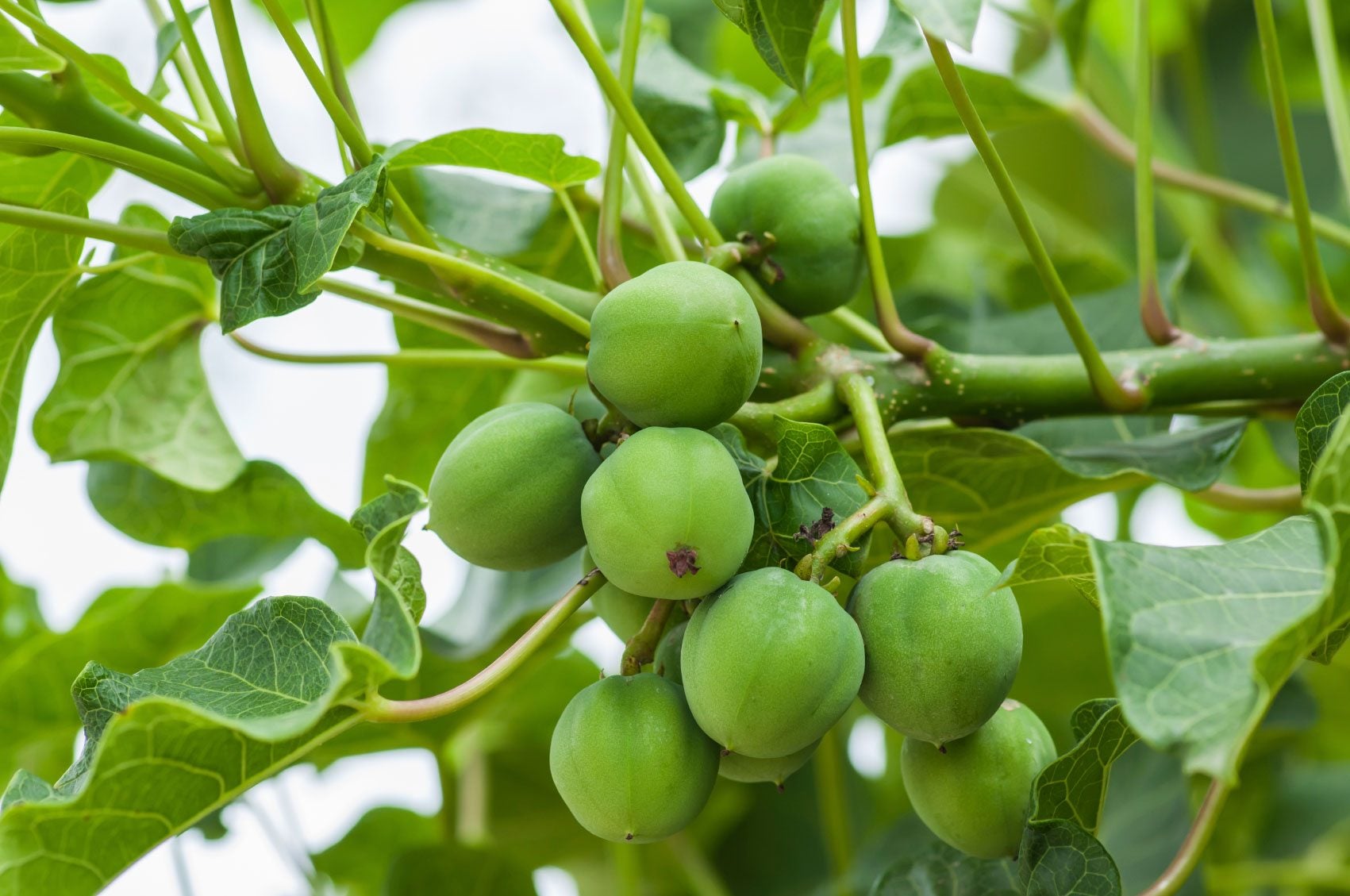
<p><strong>Common Name</strong>: Physic nut, Barbados nut</p><p><strong>Parts Used</strong>: <span style="background-color: transparent; font-family: &quot;Helvetica Neue&quot;, sans-serif;">Leaves, bark, latex, seed, roots</span></p><p><strong>Use/s</strong>: Anti-inflammatory, antioxidant, antimicrobial, anticancer, antidiabetic; malaria, wounds</p><p><strong>Major Metabolites</strong>: Flavonoids, tannins, glycosides, diterpenes; <strong><u>phorbol esters</u></strong></p>
43
New cards

Arachis hypogaea L. (Fabaceae)

Common Name: Peanut, mani

Parts Used: Seed/kernel

Pharmaceutical Use/s: Vehicle, emollient

Use/s: Antioxidant, source of vitamin E; oil (confectionary preparations)

Major Metabolites: Fixed oils, stilbenes, isoflavonoid, phenolic acids
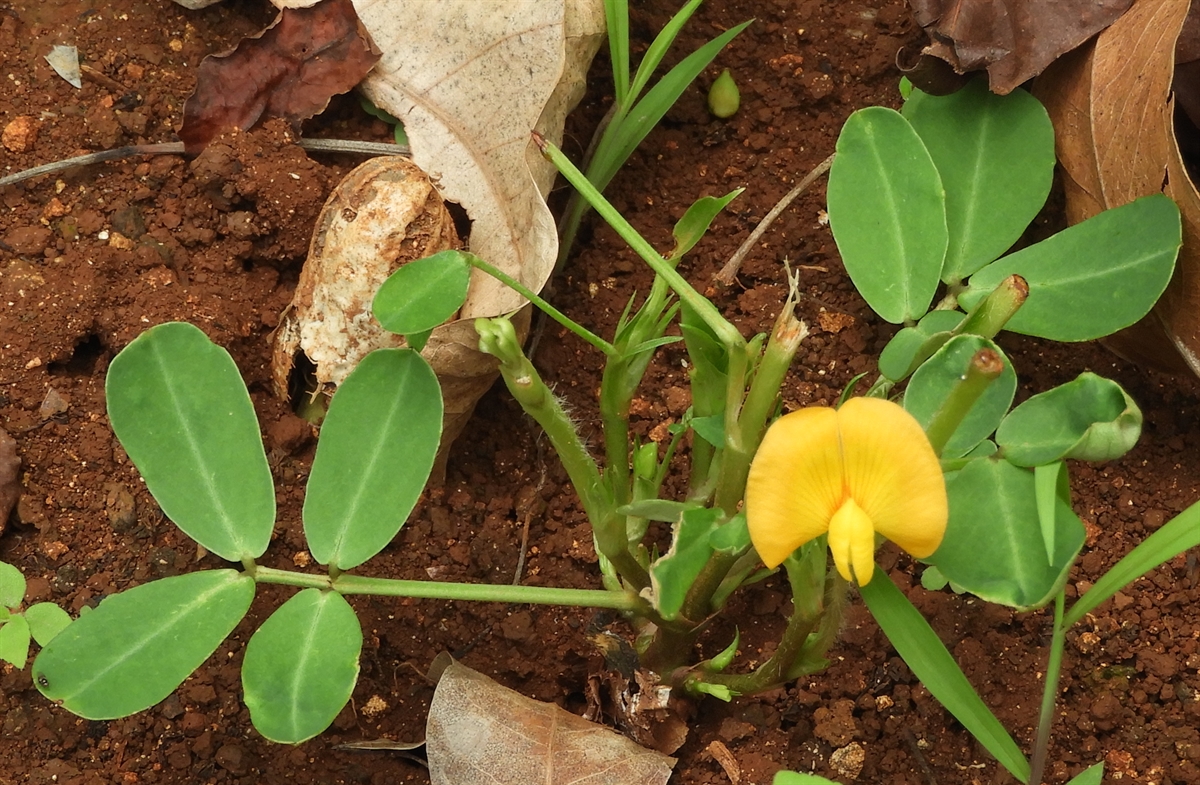
<p><strong>Common Name</strong>: <span style="background-color: transparent; font-family: &quot;Helvetica Neue&quot;, sans-serif;">Peanut, mani</span></p><p><strong>Parts Used</strong>: <span style="background-color: transparent; font-family: &quot;Helvetica Neue&quot;, sans-serif;">Seed/kernel</span></p><p><span style="background-color: transparent; font-family: &quot;Helvetica Neue&quot;, sans-serif;"><strong>Pharmaceutical Use/s</strong>: <strong><u>Vehicle</u></strong>, emollient</span></p><p><strong>Use/s</strong>: <span style="background-color: transparent; font-family: &quot;Helvetica Neue&quot;, sans-serif;">Antioxidant, source of vitamin E; oil (confectionary preparations)</span></p><p><strong>Major Metabolites</strong>: Fixed oils, stilbenes, isoflavonoid, phenolic acids</p>
44
New cards

Caesalpinia sappan L. (Fabaceae)

Common Name: Brazil or Sappan wood

Parts Used: Heartwood, bark, leaf

Use/s: Extraction of red eye; antioxidant, antibacterial, anti-inflammatory, hypoglycemic, vasorelaxant (anemia, blood circulation), analgesic

Major Metabolites: Flavonoids, anthraquinones, phenolic acids; Brazilin, sappanchalcones, homoisoflavonoids
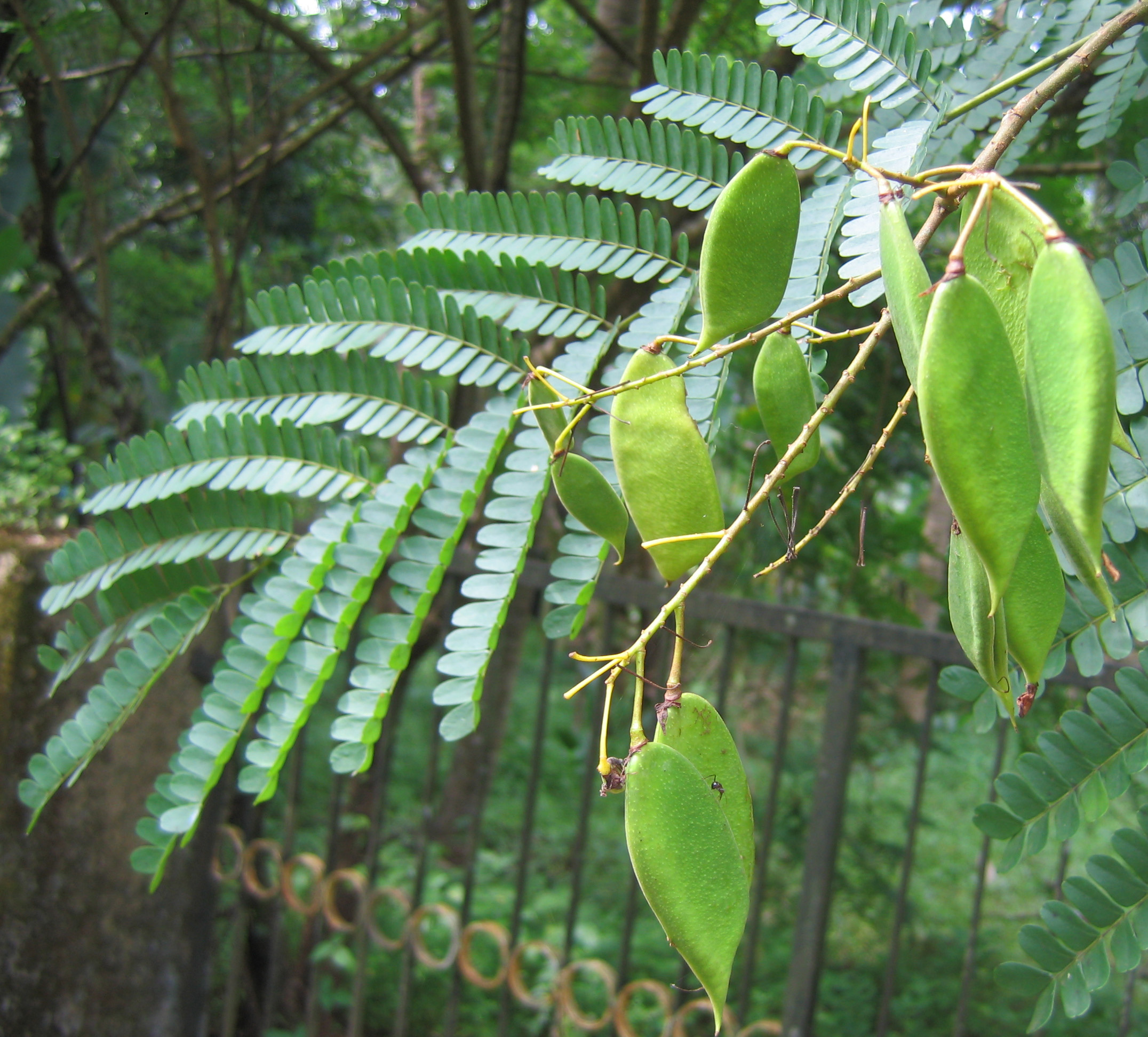
<p><strong>Common Name</strong>: <span style="background-color: transparent; font-family: &quot;Helvetica Neue&quot;, sans-serif;">Brazil or Sappan wood</span></p><p><strong>Parts Used</strong>: <span style="background-color: transparent; font-family: &quot;Helvetica Neue&quot;, sans-serif;">Heartwood, bark, leaf</span></p><p><strong>Use/s</strong>: Extraction of red eye; antioxidant, antibacterial, anti-inflammatory, hypoglycemic, vasorelaxant (anemia, blood circulation), analgesic</p><p><strong>Major Metabolites</strong>: Flavonoids, anthraquinones, phenolic acids; Brazilin, sappanchalcones, homoisoflavonoids</p>
45
New cards

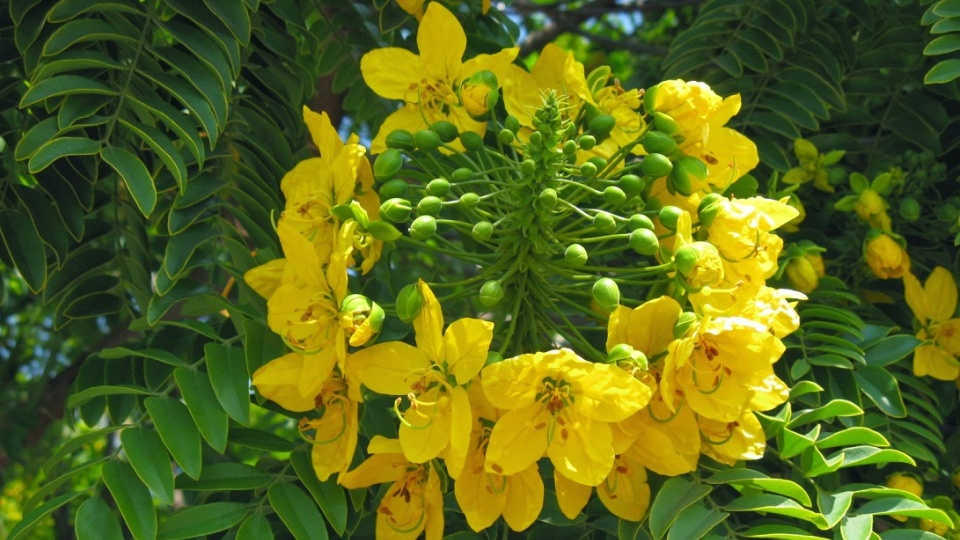
Cassia fistula L. (Fabaceae)

Common Name: Lombayong (Bis.), golden shower (Eng.)

Parts Used: Leaves, bark, roots, flowers, and fruits

Use/s: Hepatoprotective, anti-inflammatory, antibacterial, antitussive, antifungal, wound healing; asthma, ringworm, laxative

Major Metabolites: Senosides (anthraquinone glycosides); flavonoids, tannins
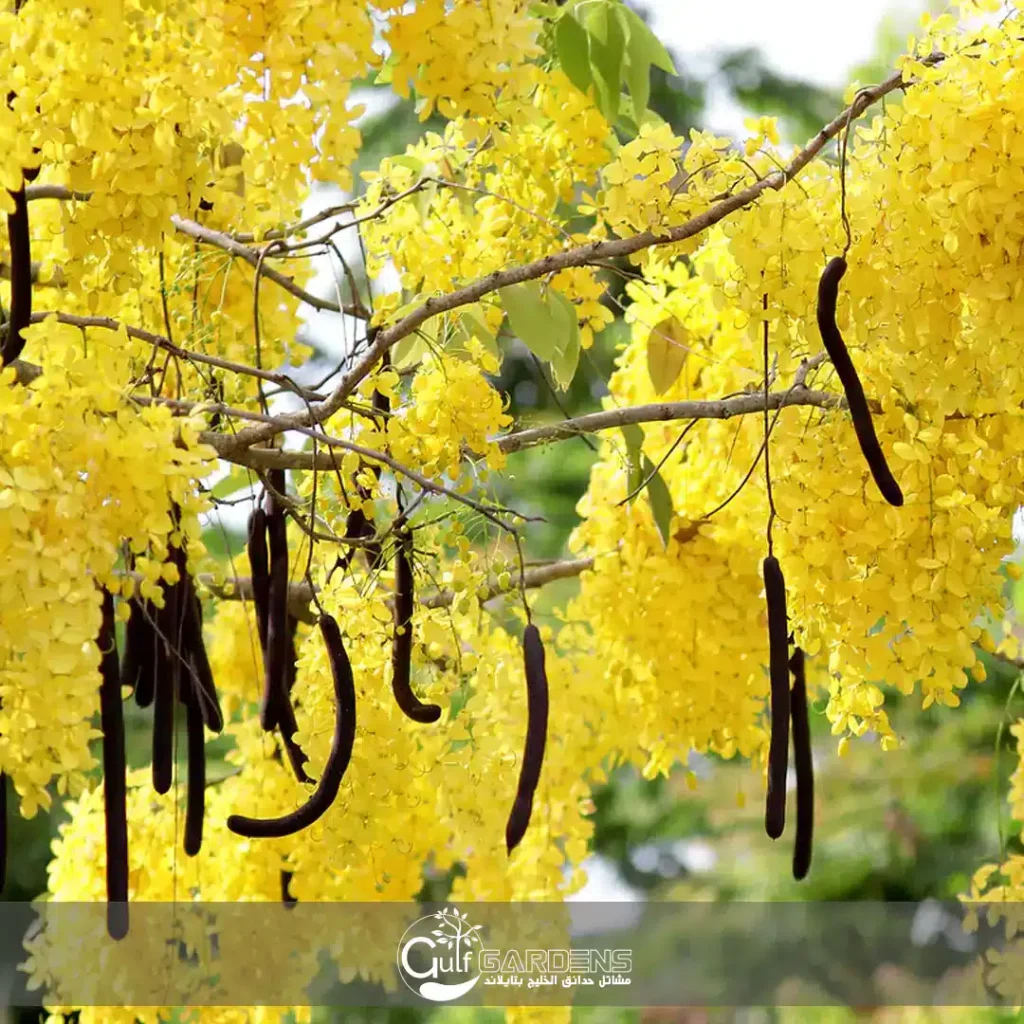
<p><strong>Common Name</strong>: <span style="background-color: transparent; font-family: &quot;Helvetica Neue&quot;, sans-serif;">Lombayong (Bis.), golden shower (Eng.)</span></p><p><strong>Parts Used</strong>: <span style="background-color: transparent; font-family: &quot;Helvetica Neue&quot;, sans-serif;">Leaves, bark, roots, flowers, and fruits</span></p><p><strong>Use/s</strong>: Hepatoprotective, anti-inflammatory, antibacterial, antitussive, antifungal, wound healing; asthma, ringworm, laxative</p><p><strong>Major Metabolites</strong>: <strong><u>Senosides (anthraquinone glycosides)</u></strong>; flavonoids, tannins</p>
46
New cards

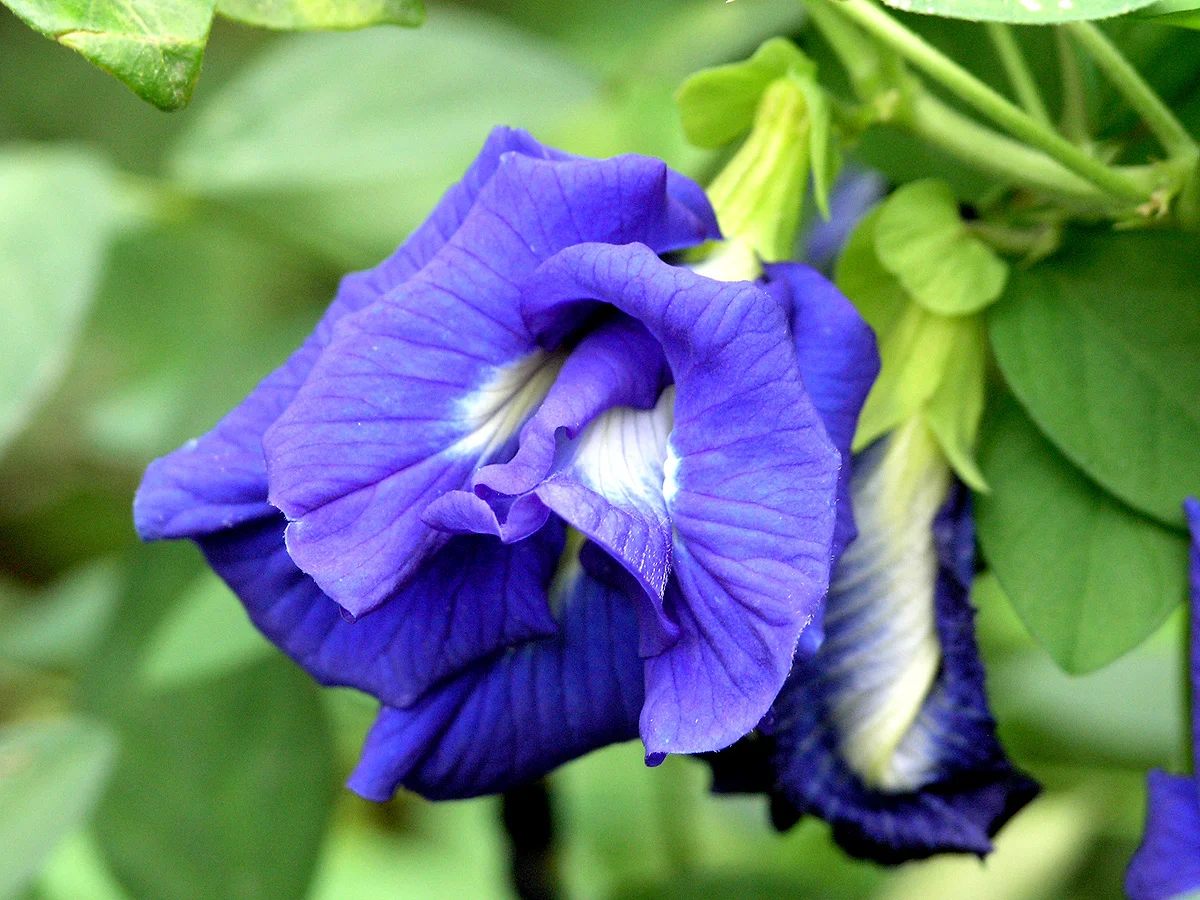
Clitoria ternatea L. (Fabaceae)

Common Name: Butterfly pea

Parts Used: Flowers, leaves, stems, roots, seeds

Use/s: Memory enhancer, urinary/GI/skin disorders, snake bites; antioxidant, antidiabetic, anti-inflammatory, analgesic, antimicrobial, CNS, anticancer

Major Metabolites: Ternatin (anthocyanins); flavonoids, phenols, glycosides
<p><strong>Common Name</strong>: Butterfly pea</p><p><strong>Parts Used</strong>: <span style="background-color: transparent; font-family: &quot;Helvetica Neue&quot;, sans-serif;">Flowers, leaves, stems, roots, seeds</span></p><p><strong>Use/s</strong>: Memory enhancer, urinary/GI/skin disorders, snake bites; antioxidant, antidiabetic, anti-inflammatory, analgesic, antimicrobial, CNS, anticancer</p><p><strong>Major Metabolites</strong>: <strong><u>Ternatin (anthocyanins)</u></strong>; flavonoids, phenols, glycosides</p>
47
New cards

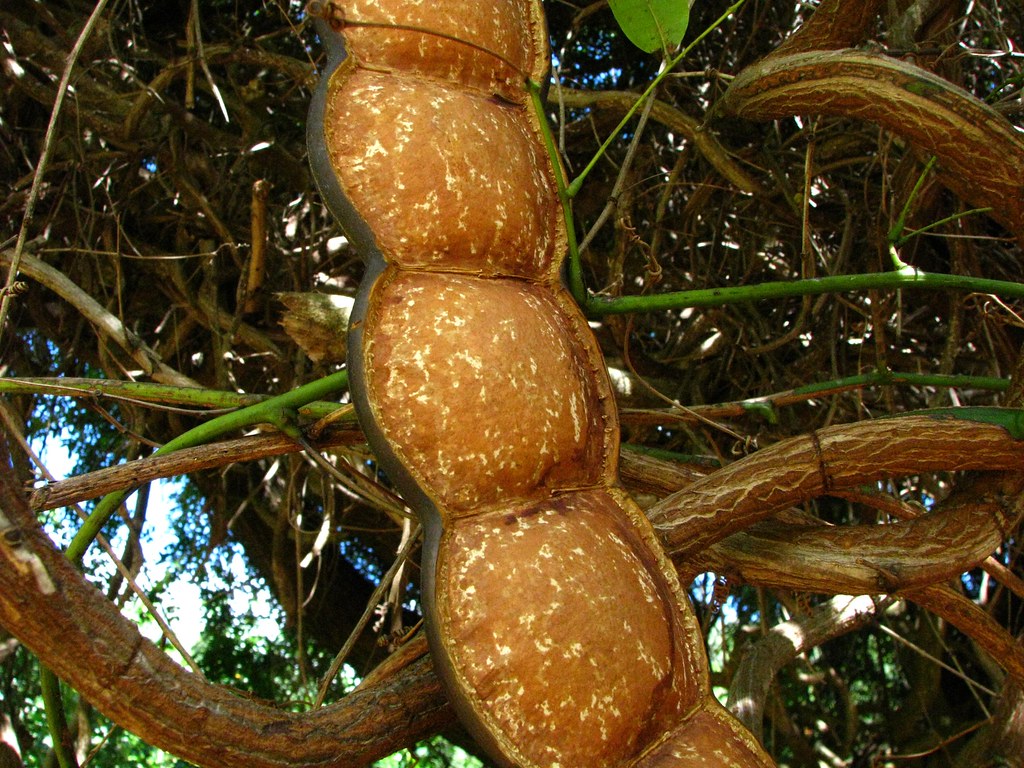
Entada phaseoloides (L.) Merr. (Fabaceae)

Common Name: Gugo, St. Thomas bean

Parts Used: Bark, seeds

Use/s: Herbal shampoo, abdominal pain, granular swelling; antioxidant, anti-stress

Major Metabolites: Triterpenoid saponins; flavonoids, tannins, glycosides
<p><strong>Common Name</strong>: <span style="background-color: transparent; font-family: &quot;Helvetica Neue&quot;, sans-serif;">Gugo, St. Thomas bean</span></p><p><strong>Parts Used</strong>: <span style="background-color: transparent; font-family: &quot;Helvetica Neue&quot;, sans-serif;">Bark, seeds</span></p><p><strong>Use/s</strong>: Herbal shampoo, abdominal pain, granular swelling<span style="background-color: transparent; font-family: &quot;Helvetica Neue&quot;, sans-serif;">; antioxidant, anti-stress</span></p><p><strong>Major Metabolites</strong>: <strong><u>Triterpenoid saponins</u></strong>; flavonoids, tannins, glycosides</p>
48
New cards

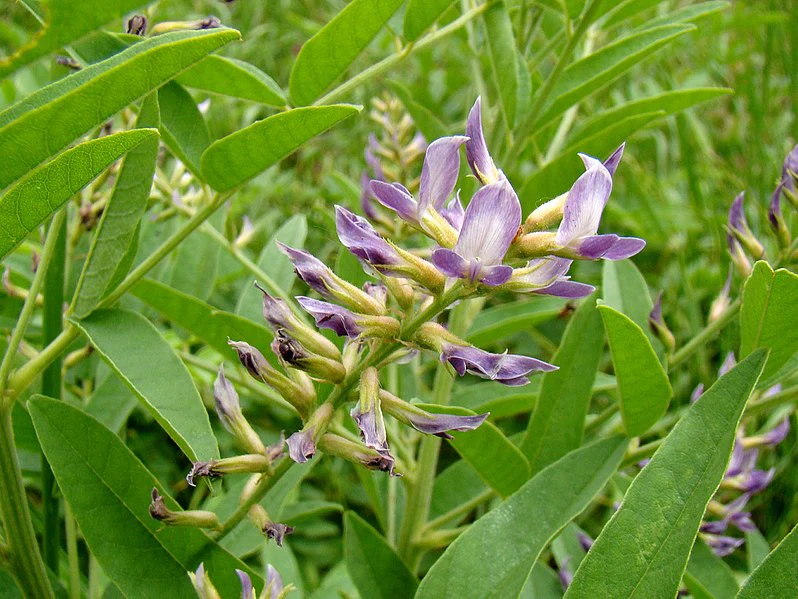
Glycyrrhiza glabra L. (Fabaceae)

Common Name: Licorice

Parts Used: Dried roots and stolon

Use/s: Expectorant, soothing, antispasmodic, anti-inflammatory, mild laxative; lung diseases, peptic ulcers

Major Metabolites: Glycyrrhizin (triterpenoid glycosides); flavonoids, coumarins
<p><strong>Common Name</strong>: Licorice</p><p><strong>Parts Used</strong>: <span style="background-color: transparent; font-family: &quot;Helvetica Neue&quot;, sans-serif;">Dried roots and stolon</span></p><p><strong>Use/s</strong>: Expectorant, soothing, antispasmodic, anti-inflammatory, mild laxative; lung diseases, peptic ulcers</p><p><strong>Major Metabolites</strong>: <strong><u>Glycyrrhizin (triterpenoid glycosides)</u></strong>; flavonoids, coumarins</p>
49
New cards

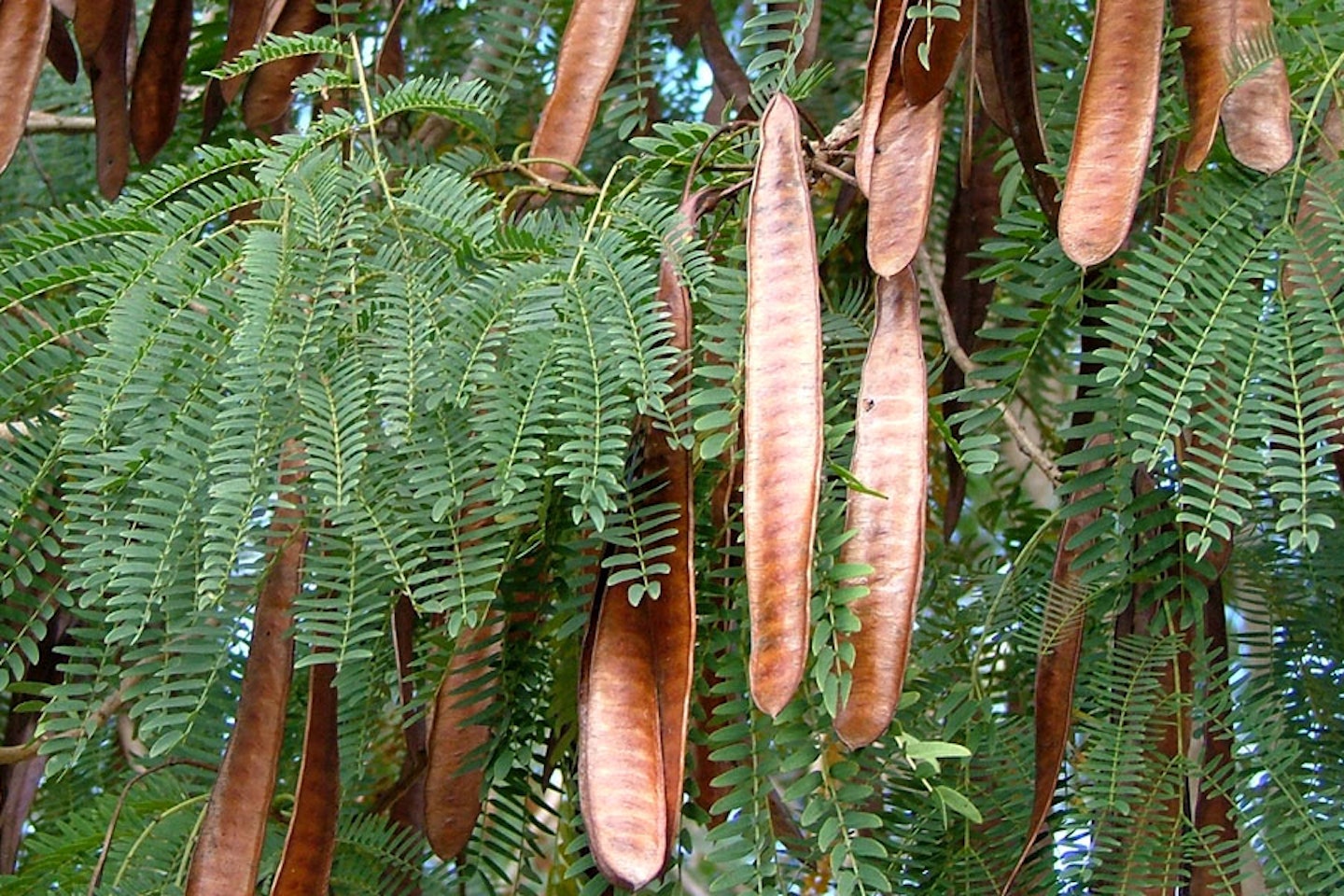
Leucaena leucocephala (Lam.) de Wit (Fabaceae)

Common Name: White Lead tree, Ipil-ipil

Parts Used: Leaves and seeds

Use/s: Anthelminthic, antibacterial, antidiabetic, antimicrobial, diuretic, antihistaminic, hypocholesterolemic; ascariasis, trichinosis

Major Metabolites: Mimosine (toxic alkaloid); condensed tannins, flavonoids
<p><strong>Common Name</strong>: <span style="background-color: transparent; font-family: &quot;Helvetica Neue&quot;, sans-serif;">White Lead tree, Ipil-ipil</span></p><p><strong>Parts Used</strong>: <span style="background-color: transparent; font-family: &quot;Helvetica Neue&quot;, sans-serif;">Leaves and seeds</span></p><p><strong>Use/s</strong>: <strong><u>Anthelminthic</u></strong>, antibacterial, antidiabetic, antimicrobial, diuretic, antihistaminic, hypocholesterolemic; ascariasis, trichinosis</p><p><strong>Major Metabolites</strong>: <strong><u>Mimosine (toxic alkaloid)</u></strong>; condensed tannins, flavonoids</p>
50
New cards

Glycine soja Siebold et Zuccarini (Fabaceae)

Common Name: Wild soybean

Parts Used: Seeds, aerial parts

Use/s: Anti-inflammatory; antioxidant, anti-aging, antihyperlipidemic, anti-obesity properties, source of lecithin

Major Metabolites: Isoflavonoids, triterpenoids, glycerides
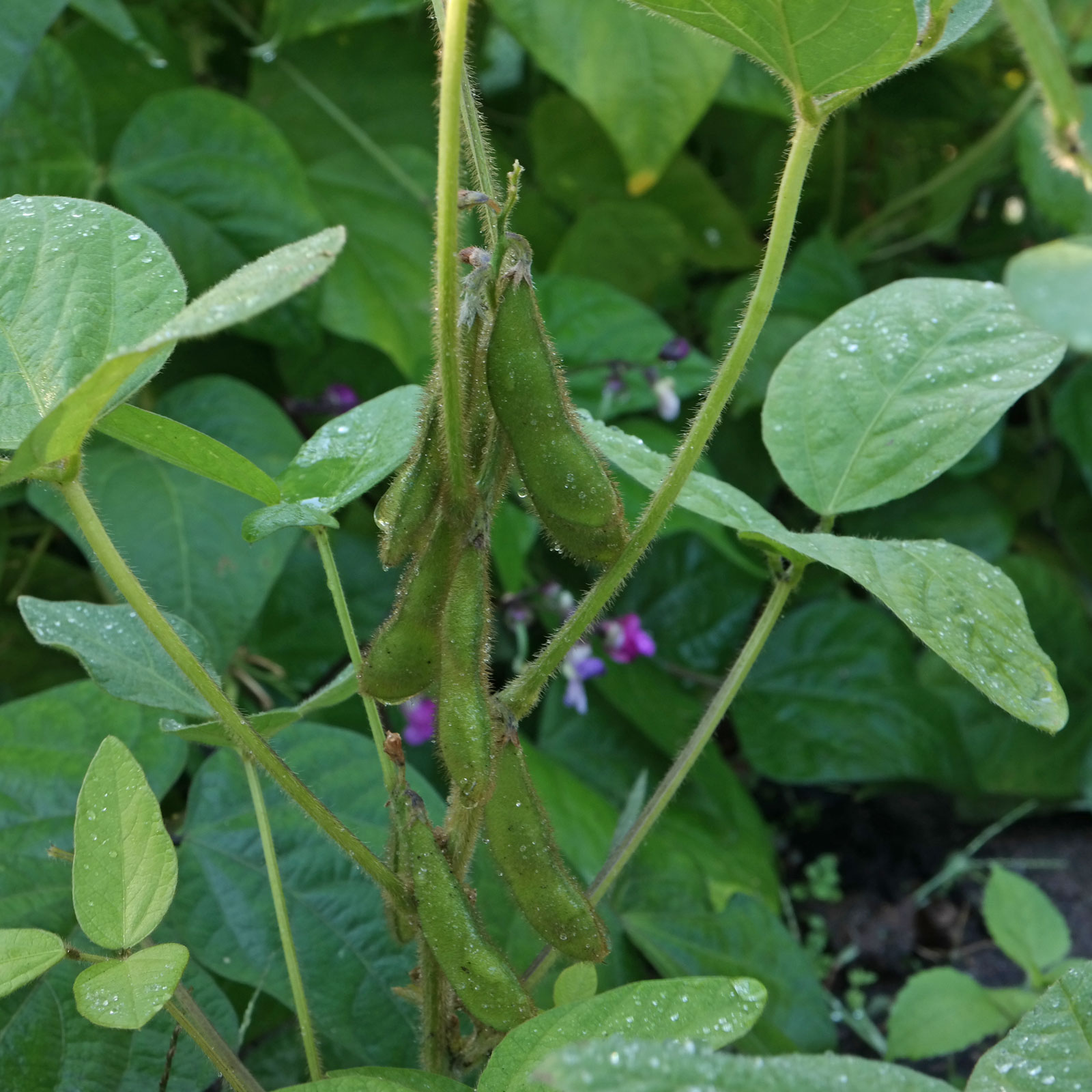
<p><strong>Common Name</strong>: Wild soybean</p><p><strong>Parts Used</strong>: Seeds, aerial parts</p><p><strong>Use/s</strong>: Anti-inflammatory; antioxidant, anti-aging, antihyperlipidemic, anti-obesity properties, source of lecithin</p><p><strong>Major Metabolites</strong>: <strong><u>Isoflavonoids</u></strong>, triterpenoids, glycerides</p>
51
New cards

Mimosa pudica Linn. (Fabaceae)

Common Name: Makahiya

Parts Used: Roots and leaves

Use/s: Gastrointestinal, gynecological, skin/blood, systemic diseases; antimicrobial, analgesic, anti-inflammatory, anticonvulsant, antidiarrheal

Major Metabolites: Mimosine (toxic alkaloid); terpenoids, flavonoids, glycosides, phenols, tannins, saponins
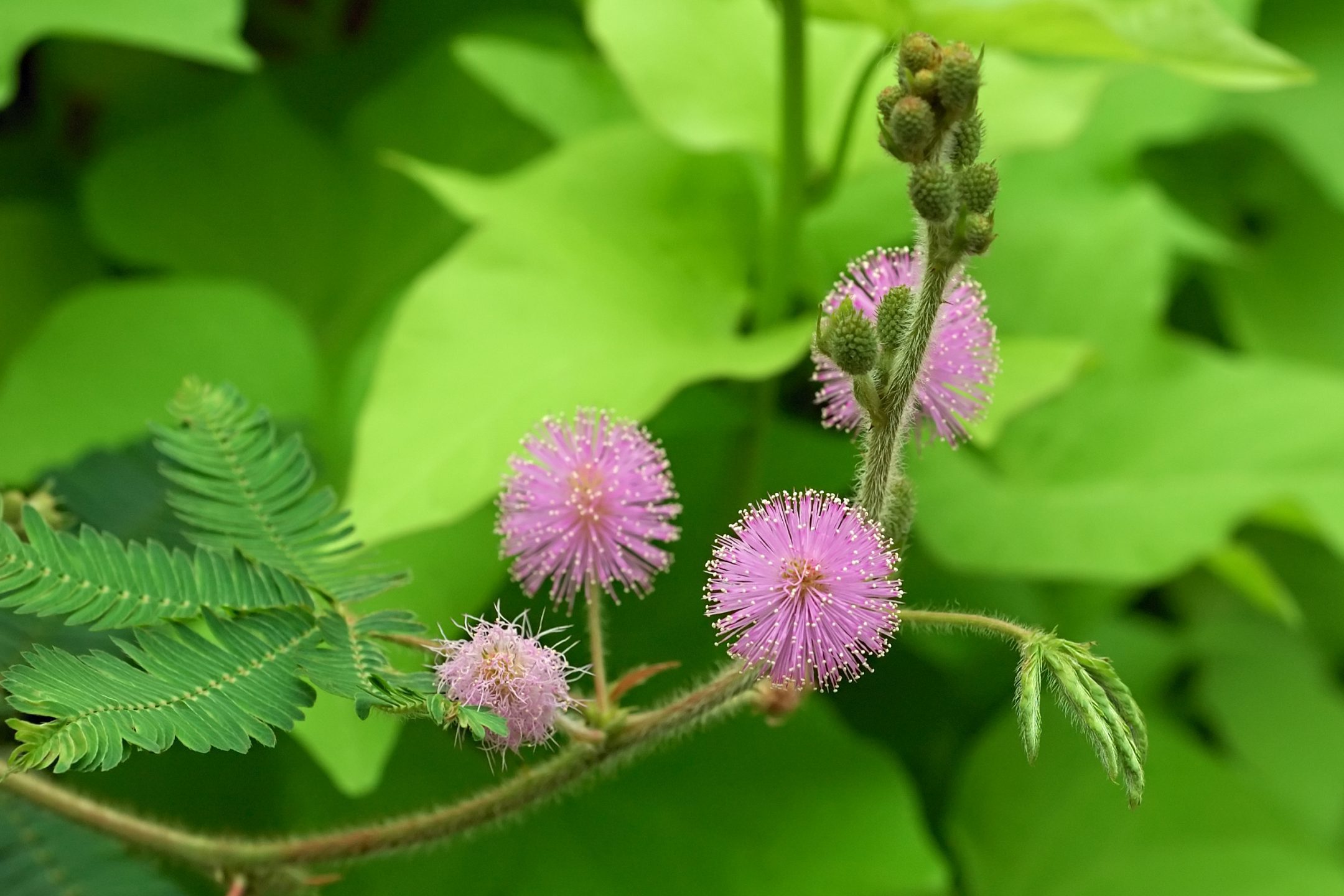
<p><strong>Common Name</strong>: <span style="background-color: transparent; font-family: &quot;Helvetica Neue&quot;, sans-serif;">Makahiya</span></p><p><strong>Parts Used</strong>: R<span style="background-color: transparent; font-family: &quot;Helvetica Neue&quot;, sans-serif;">oots and leaves</span></p><p><strong>Use/s</strong>: Gastrointestinal, gynecological, skin/blood, systemic diseases; antimicrobial, analgesic, anti-inflammatory, anticonvulsant, antidiarrheal</p><p><strong>Major Metabolites</strong>: <strong><u>Mimosine (toxic alkaloid)</u></strong>; terpenoids, flavonoids, glycosides, phenols, tannins, saponins</p>
52
New cards

Senna alata (L.) Roxb. (Fabaceae)

Common Name: Akapulko, ringworm bush

Parts Used: Flower, root, leaves, seed, and bark

DOH Use/s: Antifungal, antiscabies

Other Use/s: Laxative, diuretic, parturition (childbirth recovery), abortifacient, snake bites; skin diseases, laxative/stimulant cathartic

Major Metabolites: Sennoside A & B (anthraquinone glycosides); tannins, flavanoids, fatty acids, steroids, terpenoids
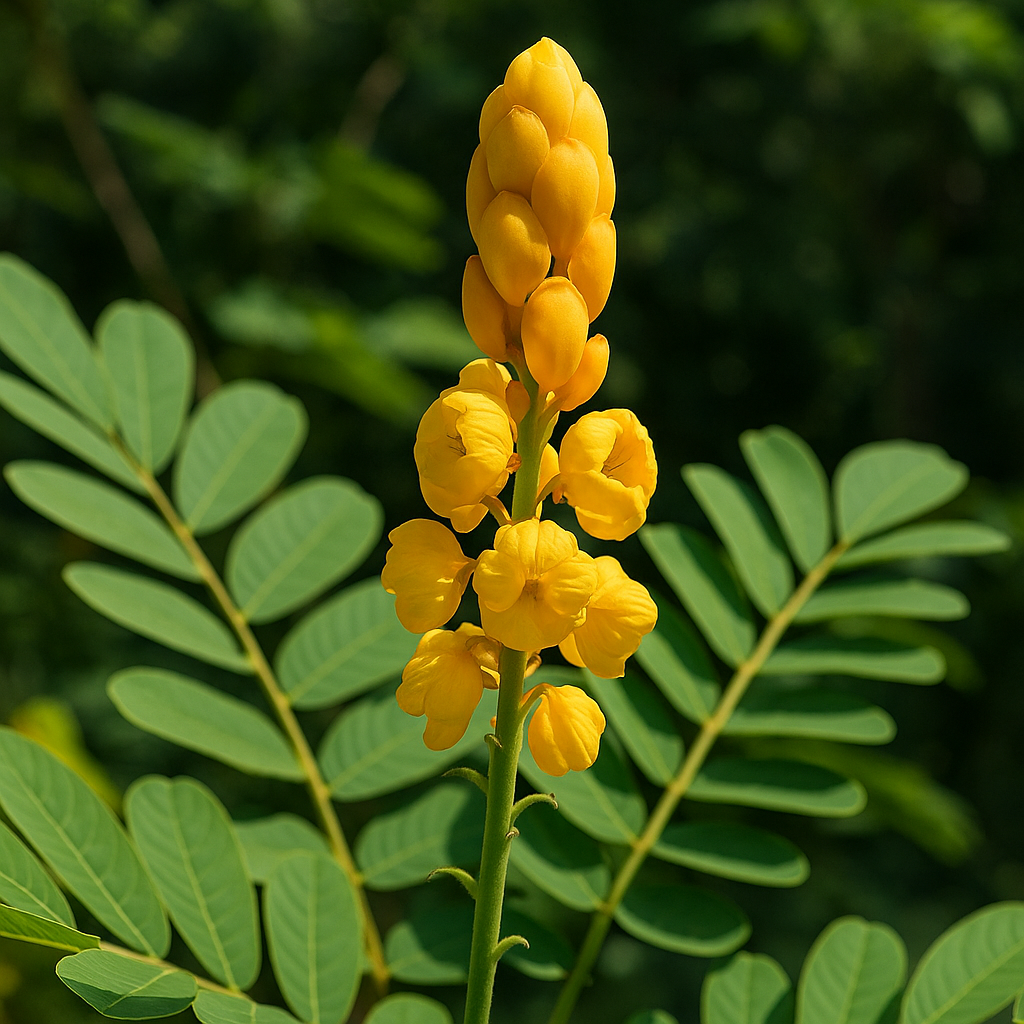
<p><strong>Common Name</strong>: Akapulko, ringworm bush</p><p><strong>Parts Used</strong>: F<span style="background-color: transparent; font-family: &quot;Helvetica Neue&quot;, sans-serif;">lower, root, leaves, seed, and bark</span></p><p><strong>DOH Use/s</strong>: <span style="background-color: transparent; font-family: &quot;Helvetica Neue&quot;, sans-serif;">Antifungal, antiscabies</span></p><p><span style="background-color: transparent; font-family: &quot;Helvetica Neue&quot;, sans-serif;"><strong>Other Use/s</strong>: </span>Laxative, diuretic, parturition (childbirth recovery), abortifacient, snake bites; skin diseases, laxative/stimulant cathartic</p><p><strong>Major Metabolites</strong>: <strong><u>Sennoside A &amp; B (anthraquinone glycosides)</u></strong>; <span style="background-color: transparent; font-family: &quot;Helvetica Neue&quot;, sans-serif;">tannins, flavanoids, fatty acids, steroids, terpenoids</span></p>
53
New cards

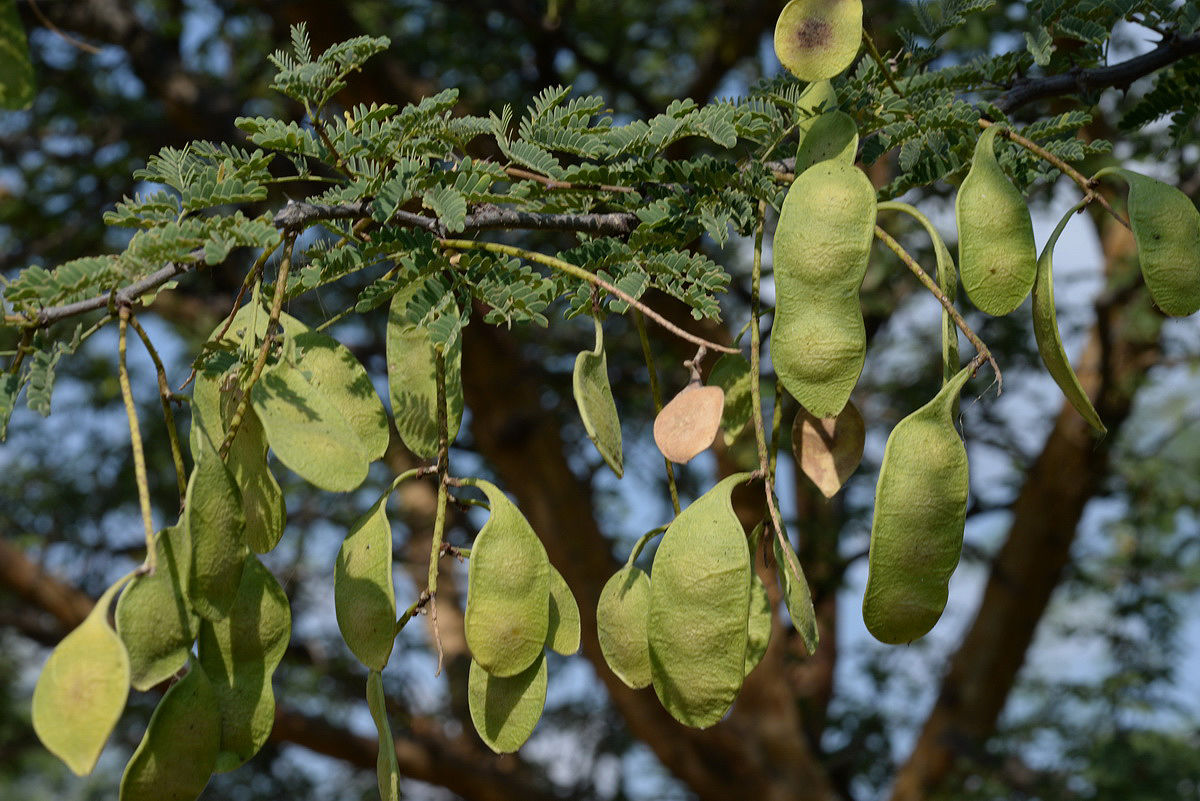
Tamarindus indica L. (Fabaceae)

Common Name: Tamarind, sampalok

Parts Used: Root, stem, fruit, leaf, flowers

Use/s: Antidiabetic, antimicrobial, antivenomous, antioxidant, antimalarial, hepatoprotective, anti-asthmatic

Major Metabolites: Polyphenols, terpenoids, organic acids, fatty acids, tannins
<p><strong>Common Name</strong>: Tamarind, sampalok</p><p><strong>Parts Used</strong>: Root, stem, fruit, leaf, flowers</p><p><strong>Use/s</strong>: Antidiabetic, antimicrobial, antivenomous, antioxidant, antimalarial, hepatoprotective, anti-asthmatic</p><p><strong>Major Metabolites</strong>: Polyphenols, terpenoids, organic acids, fatty acids, tannins</p>
54
New cards

Gliciridria sepium (Jacq.) Kunth ex Walp. (Fabaceae)

Common Name: Madre de Cacao, kakawate

Parts Used: Leaves, flowers, roots

Use/s: Dermatological issues; larvicidal, antimicrobial, antibacterial, anti-inflammatory, inhibitory, mosquito repellent, wound dressing, fumigant, antifungal

Major Metabolites: Flavanols, polyphenolic compounds, essential oils, terpenoids, coumarins
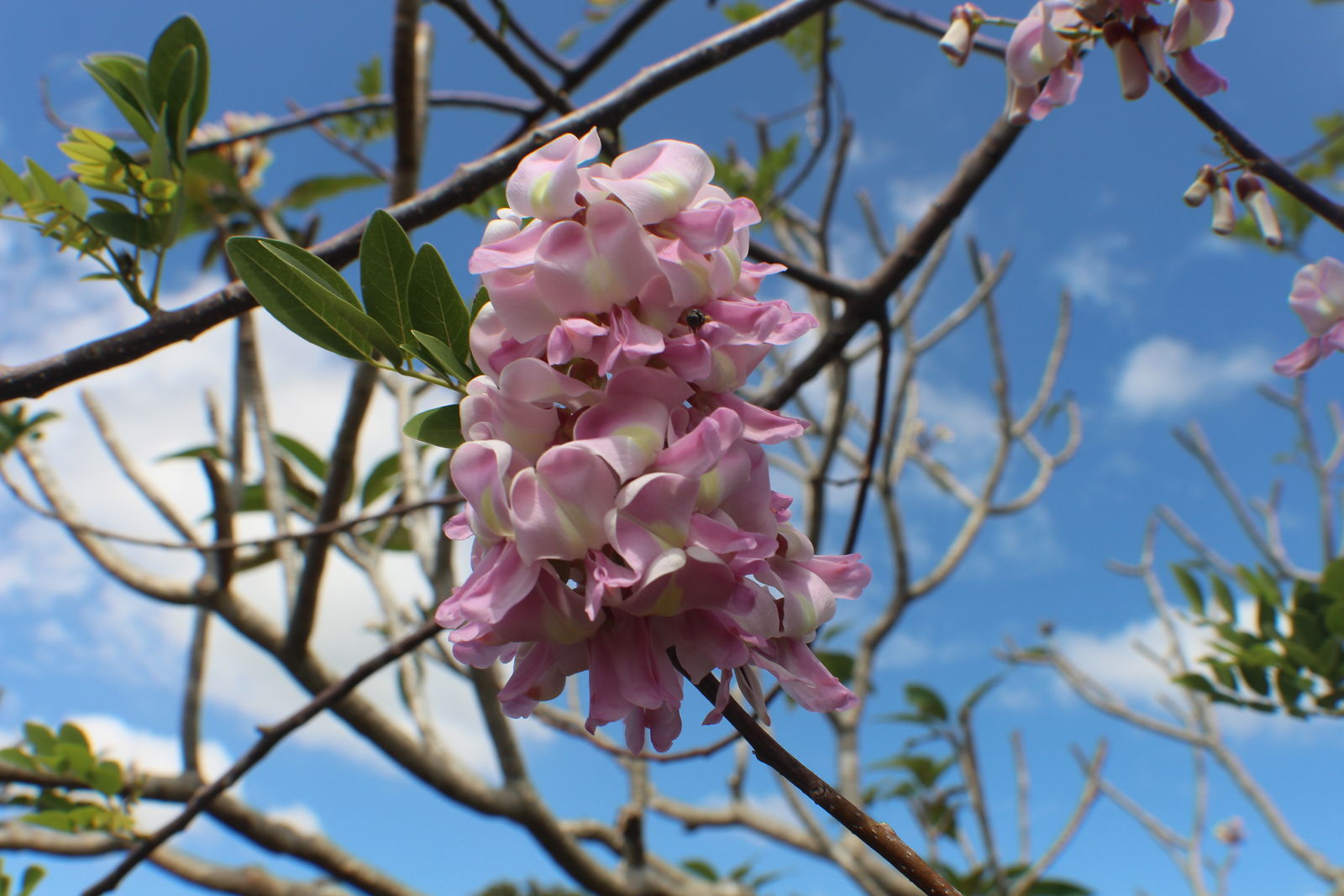
<p><strong>Common Name</strong>: <span style="background-color: transparent; font-family: &quot;Helvetica Neue&quot;, sans-serif;">Madre de Cacao, kakawate</span></p><p><strong>Parts Used</strong>: <span style="background-color: transparent; font-family: &quot;Helvetica Neue&quot;, sans-serif;">Leaves, flowers, roots</span></p><p><strong>Use/s</strong>: <strong><u>Dermatological issues</u></strong>; larvicidal, antimicrobial, antibacterial, anti-inflammatory, inhibitory, mosquito repellent, wound dressing, fumigant, antifungal</p><p><strong>Major Metabolites</strong>: Flavanols, polyphenolic compounds, essential oils, terpenoids, coumarins</p>
55
New cards

Ginkgo biloba L. (Ginkgoaceae)

Common Name: Ginkgo, maidenhair tree

Parts Used: Leaves, kernels/nuts

Use/s: Improves short-term memory; antioxidant, anti-inflammatory; improves circulation; respiratory diseases, cognitive enhancement

Major Metabolites: Ginkgolides A/B/C (terpene lactones); flavonoids, ginkgolic acids
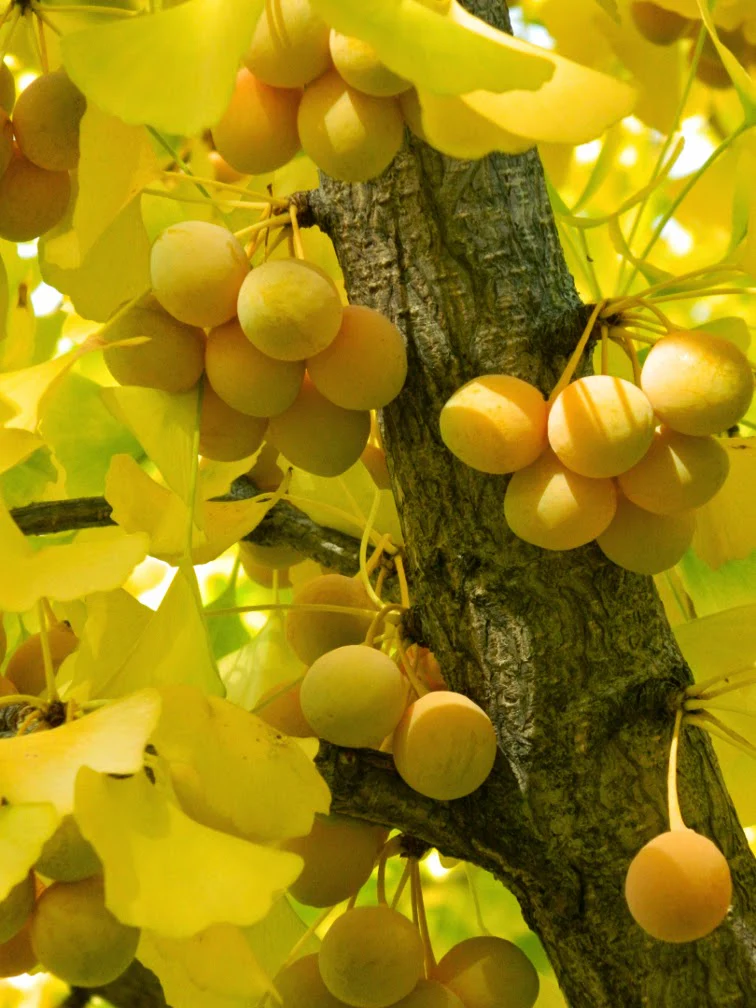
<p><strong>Common Name</strong>: <span style="background-color: transparent; font-family: &quot;Helvetica Neue&quot;, sans-serif;">Ginkgo, maidenhair tree</span></p><p><strong>Parts Used</strong>: <span style="background-color: transparent; font-family: &quot;Helvetica Neue&quot;, sans-serif;">Leaves, kernels/nuts</span></p><p><strong>Use/s</strong>: <span style="background-color: transparent; font-family: &quot;Helvetica Neue&quot;, sans-serif;"><strong><u>Improves short-term memory</u></strong>; antioxidant, anti-inflammatory; improves circulation; respiratory diseases, cognitive enhancement</span></p><p><strong>Major Metabolites</strong>: <strong><u>Ginkgolides A/B/C (terpene lactones)</u></strong>; flavonoids, ginkgolic acids</p>
56
New cards

Psilocybe cubensis (Earle) Singer (Hymenogastraceae)

Common Name: Magic mushroom

Parts Used: Fruiting body (dried)

Use/s: Resistant psychiatric disorders: depression, anxiety, PTSD, addiction; antiviral, anti-inflammatory, antioxidant, antifungal, antibacterial; rituals

Major Metabolites: Psilocybin, psilocin (indole alkaloids)
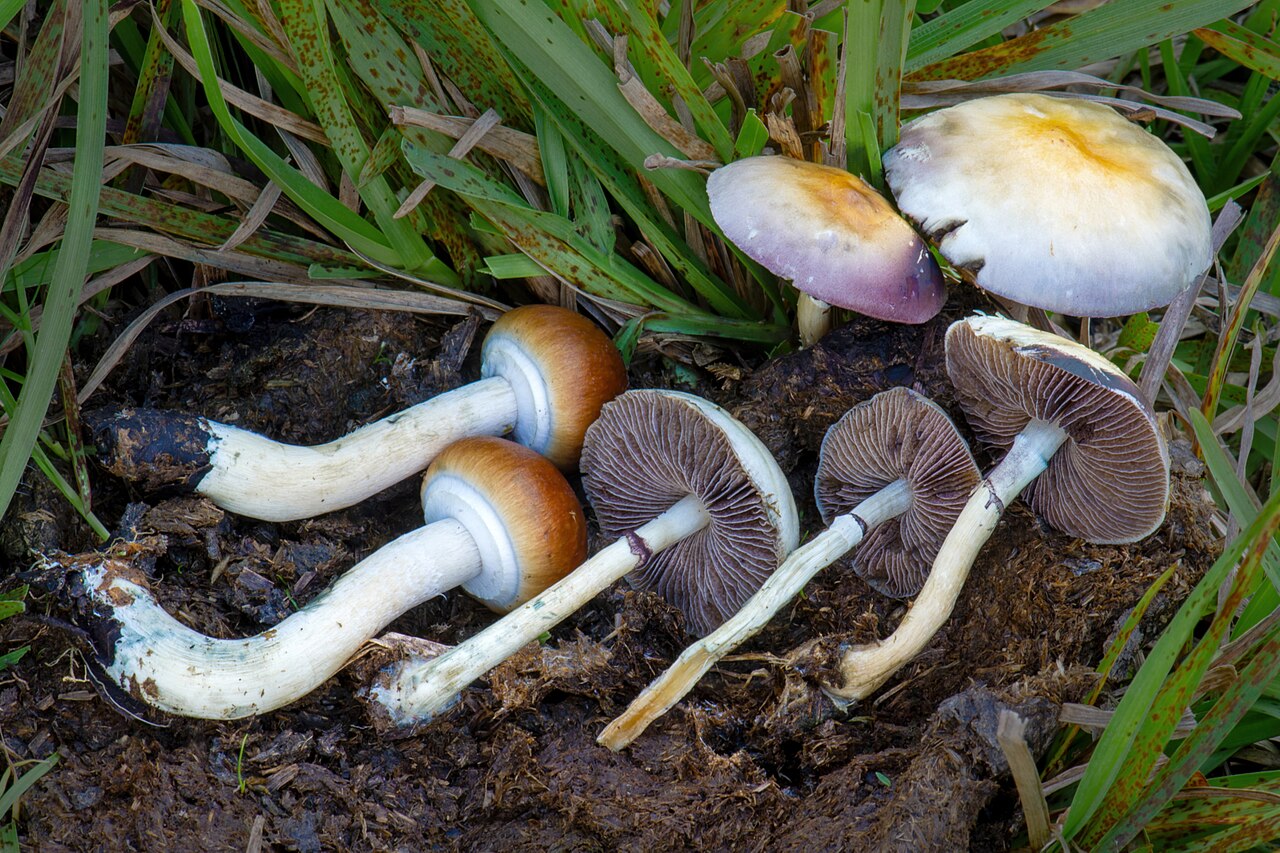
<p><strong>Common Name</strong>: <span style="background-color: transparent; font-family: &quot;Helvetica Neue&quot;, sans-serif;">Magic mushroom</span></p><p><strong>Parts Used</strong>: <span style="background-color: transparent; font-family: &quot;Helvetica Neue&quot;, sans-serif;">Fruiting body (dried)</span></p><p><strong>Use/s</strong>: <strong><u>Resistant psychiatric disorders</u></strong>: depression, anxiety, PTSD, addiction; antiviral, anti-inflammatory, antioxidant, antifungal, antibacterial; rituals</p><p><strong>Major Metabolites</strong>: <strong><u>Psilocybin, psilocin (indole alkaloids)</u></strong></p>
57
New cards

Hypericum perforatum L. (Hypericaceae)

Common Name: St. John’s wort

Parts Used: Stem, petals, and flowers

Use/s: Antidepressant

Major Metabolites: Hypericin (anthraquinone), hyperforin (prenylated phloroglucinols), flavonoids
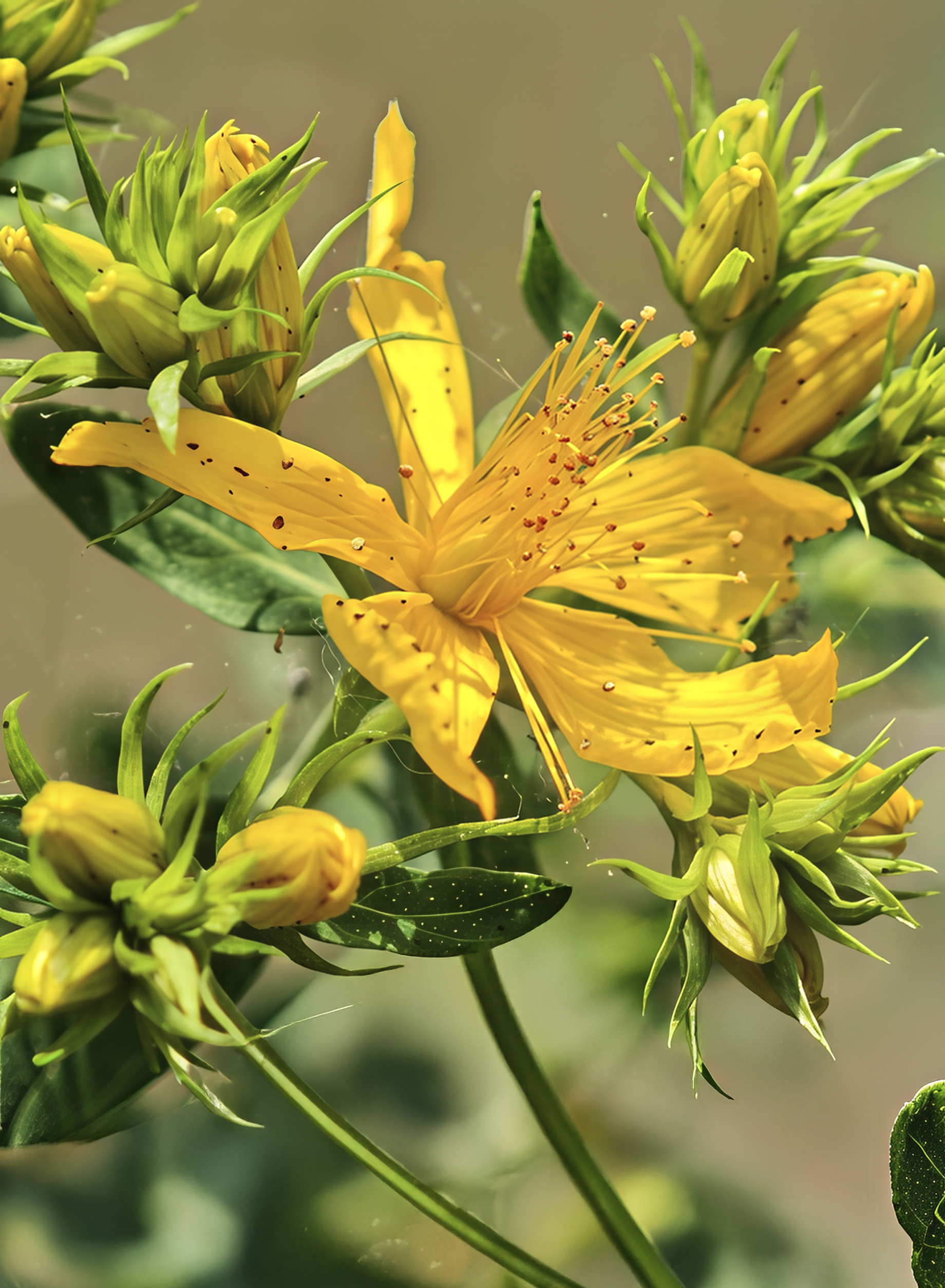
<p><strong>Common Name</strong>: <span style="background-color: transparent; font-family: &quot;Helvetica Neue&quot;, sans-serif;">St. John’s wort</span></p><p><strong>Parts Used</strong>: <span style="background-color: transparent; font-family: &quot;Helvetica Neue&quot;, sans-serif;">Stem, petals, and flowers</span></p><p><strong>Use/s</strong>: Antidepressant</p><p><strong>Major Metabolites</strong>: <strong><u>Hypericin (anthraquinone)</u></strong>, <strong><u>hyperforin (prenylated phloroglucinols)</u></strong>, flavonoids</p>
58
New cards

Karenia brevis (Davis) G. Hansen & Moestrup (Kareniaceae)

Common Name: Red tide, Florida Red tide

Parts Used: N/A

Use/s: N/A

Major Metabolites: Brevetoxin/Brevitoxin (polyether toxins)
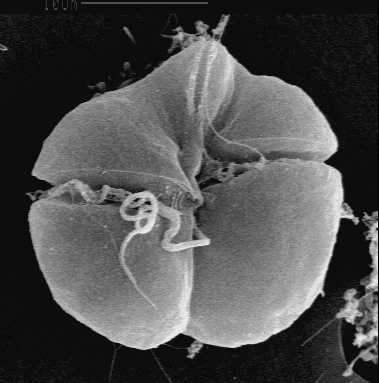
<p><strong>Common Name</strong>: <span style="background-color: transparent; font-family: &quot;Helvetica Neue&quot;, sans-serif;">Red tide, Florida Red tide</span></p><p><strong>Parts Used</strong>: N/A</p><p><strong>Use/s</strong>: N/A</p><p><strong>Major Metabolites</strong>: <span style="background-color: transparent; font-family: &quot;Helvetica Neue&quot;, sans-serif;">Brevetoxin/Brevitoxin (polyether toxins)</span></p>
59
New cards

Mentha X villosa Huds. (Lamiaceae)

Clinopodium douglasii (Benth.) Kuntze (Lamiaceae)

Common Name: Yerba buena, mint

Parts Used: Leaves

Use/s: Anti-asthmatic (with oregano), antinociceptive, antiseptic, anticancer, diuretic, antispasmodic, antiemintic; indigestion, flatulence, stress, nausea, fainting

Major Metabolites: Carvone, limonene (terpenes), luteolin derivatives (flavonoids), phenolic acids
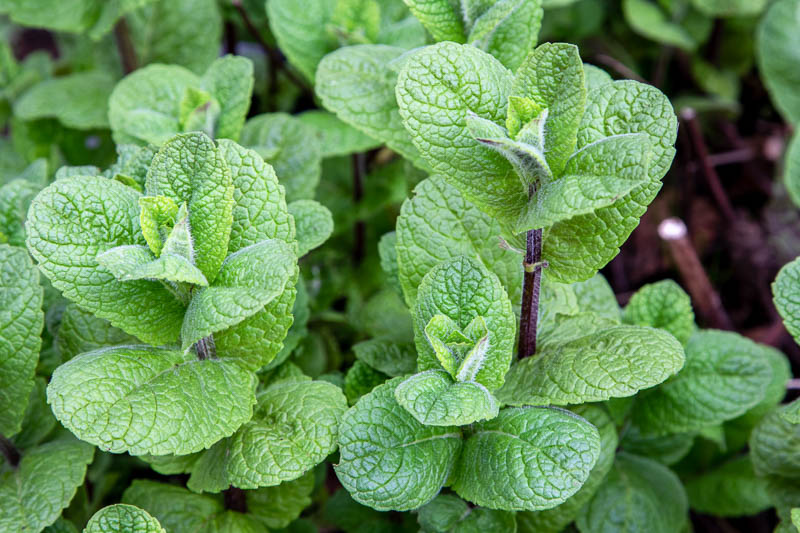
<p><strong>Common Name</strong>: Yerba buena, mint</p><p><strong>Parts Used</strong>: Leaves</p><p><strong>Use/s</strong>: Anti-asthmatic (with oregano), antinociceptive, antiseptic, anticancer, diuretic, antispasmodic, antiemintic; indigestion, flatulence, stress, nausea, fainting</p><p><strong>Major Metabolites</strong>: <strong><u>Carvone, limonene (terpenes)</u></strong>, <strong><u>luteolin derivatives (flavonoids)</u></strong>, phenolic acids</p>
60
New cards

Mentha cordifolia Opiz ex Fresen (Lamiaceae)

Common Name: Yerba buena, spearmint

Parts Used: Leaves

Use/s: Pain relief following post-excision biopsy, post-dental extraction, post-episiotomy, and post-circumcision; analgesic, antinociceptive, antiseptic, anticancer, diuretic, antispasmodic, antiemetic

Major Metabolites: Piperitenone oxide, 3-oxygenated monoterpenes, menthalactone (terpenoids), phenolic compounds
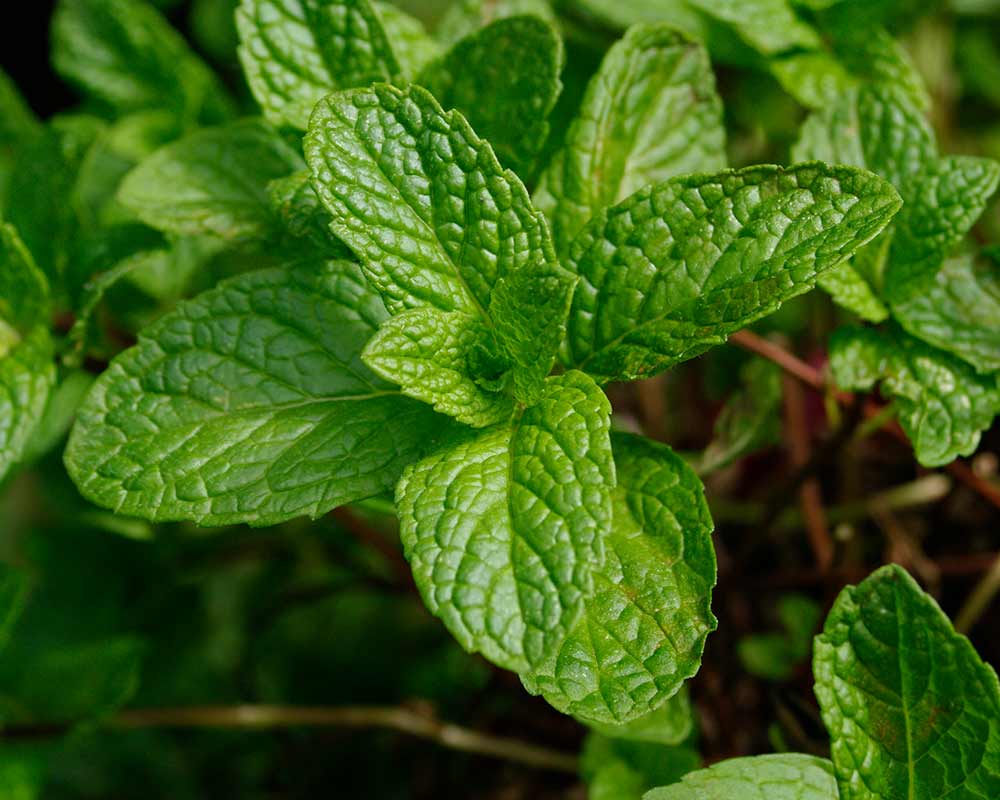
<p><strong>Common Name</strong>: Yerba buena, spearmint</p><p><strong>Parts Used</strong>: Leaves</p><p><strong>Use/s</strong>: <span style="background-color: transparent; font-family: &quot;Helvetica Neue&quot;, sans-serif;">Pain relief following post-excision biopsy, post-dental extraction, post-episiotomy, and post-circumcision; analgesic, antinociceptive, antiseptic, anticancer, diuretic, antispasmodic, antiemetic</span></p><p><strong>Major Metabolites</strong>: Piperitenone oxide,  3-oxygenated monoterpenes, menthalactone <strong><u>(terpenoids)</u></strong>, phenolic compounds</p>
61
New cards

Orthosiphon aristatus (Blume) Miq. (Lamiaceae)

Common Name: Cat’s whiskers, Balbas-pusa, Java tea

Parts Used: Leaves

Use/s: Kidney disorders (dysuria, kidney stones, renal inflammation), controlling high blood pressure, rheumatic fever, gout, arthritis, diabetes

Major Metabolites: Sinensetin (flavonoids), rosmarinic acid (phenolics; caffeic acid derivative)
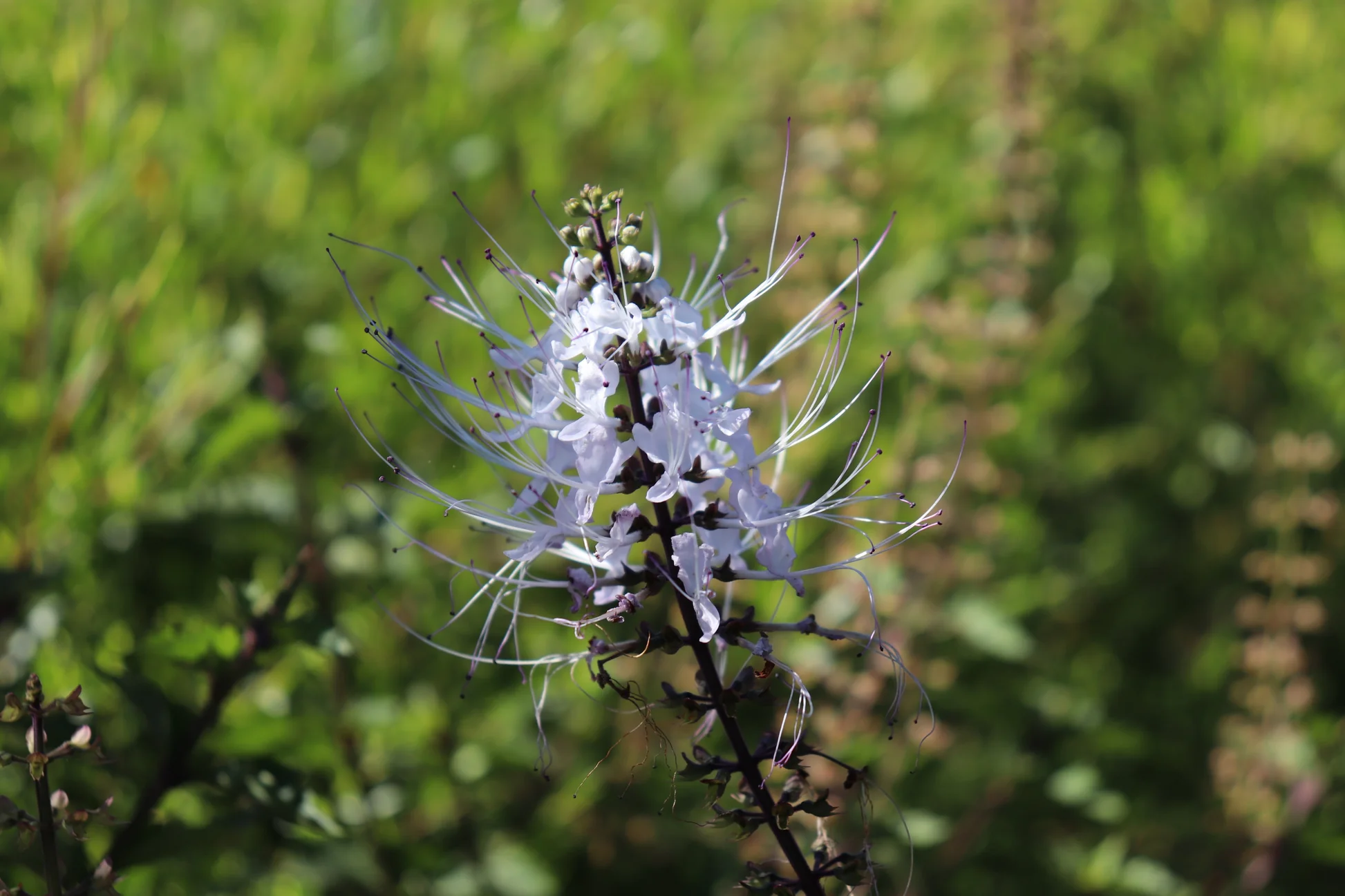
<p><strong>Common Name</strong>: <span style="background-color: transparent; font-family: &quot;Helvetica Neue&quot;, sans-serif;">Cat’s whiskers, Balbas-pusa, Java tea</span></p><p><strong>Parts Used</strong>: <span style="background-color: transparent; font-family: &quot;Helvetica Neue&quot;, sans-serif;">Leaves</span></p><p><strong>Use/s</strong>: <span style="background-color: transparent; font-family: &quot;Helvetica Neue&quot;, sans-serif;">Kidney disorders (dysuria, kidney stones, renal inflammation), controlling high blood pressure, rheumatic fever, gout, arthritis, diabetes</span></p><p><strong>Major Metabolites</strong>: Sinensetin (flavonoids), <span style="background-color: transparent; font-family: &quot;Helvetica Neue&quot;, sans-serif;">rosmarinic acid (phenolics; caffeic acid derivative)</span></p>
62
New cards

Coleus scutellarioides (L.) Benth. (Lamiaceae)

Common Name: Mayana

Parts Used: Leaves, seeds, bark

Use/s: Anthelmintic, antioxidant, antimicrobial, anti-malarial, potential histamine H4 receptor inhibitor; asthma, angina, bronchitis, epilepsy, insomnia, skin and digestive problems

Major Metabolites: Campesterol (sterols), α-amyrin, β-amyrin (triterpenes), volatile oils
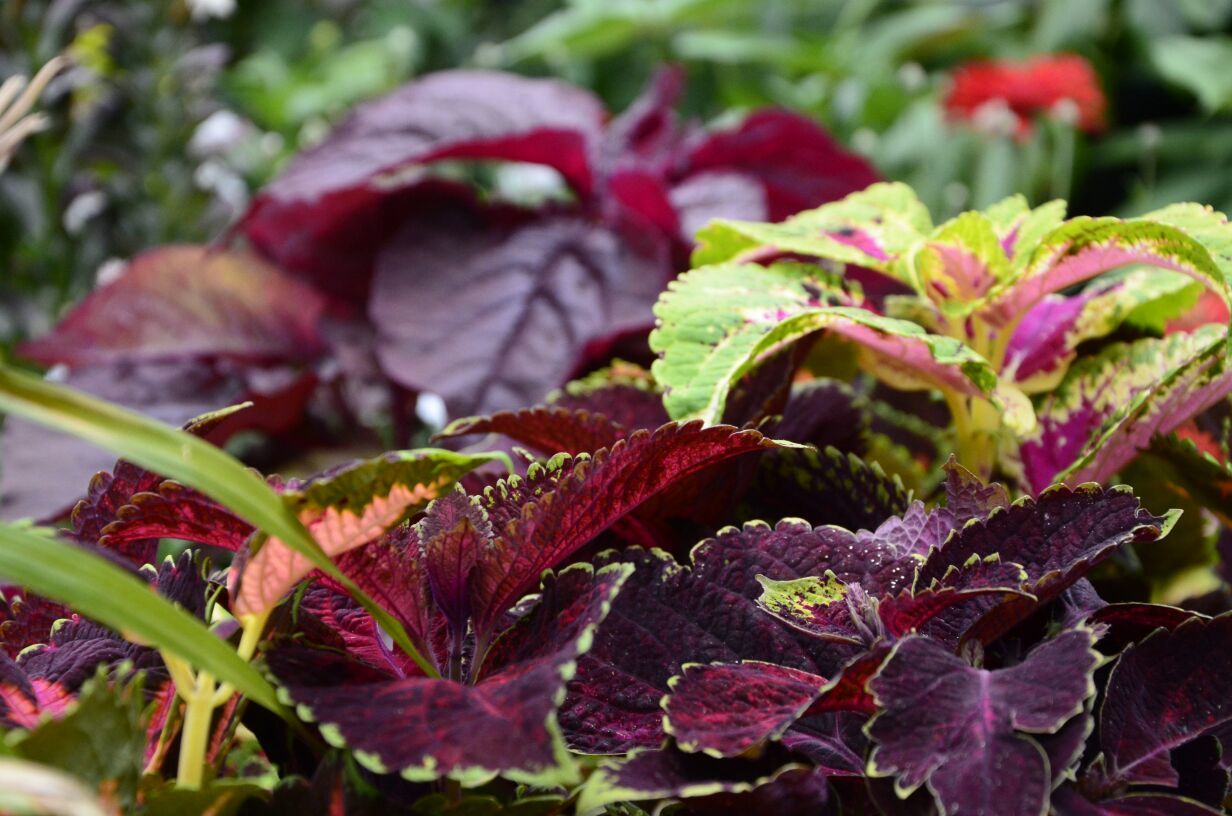
<p><strong>Common Name</strong>: Mayana</p><p><strong>Parts Used</strong>: <span style="background-color: transparent; font-family: &quot;Helvetica Neue&quot;, sans-serif;">Leaves, seeds, bark</span></p><p><strong>Use/s</strong>: Anthelmintic, antioxidant, antimicrobial, anti-malarial, potential histamine H4 receptor inhibitor; asthma, angina, bronchitis, epilepsy, insomnia, skin and digestive problems</p><p><strong>Major Metabolites</strong>: <strong><u>Campesterol (sterols)</u></strong>, <strong><u>α-amyrin, β-amyrin (triterpenes)</u></strong>, volatile oils</p>
63
New cards

Coleus amboinicus (Lour.) (Lamiaceae)

Common Name: Oregano; Indian Borage, Country borage, Spanish thyme, Mexican mint, French thyme, Indian mint

Parts Used: Leaves; stem, roots, flowers (studied)

Use/s: Expectorant, bronchodilator, anti-inflammatory, carminative, analgesic; fever, headache, inflammation, digestive and skin issues

Major Metabolites: Volatile oils, phenolic acids, flavonoids, triterpenoids, tannins, saponins
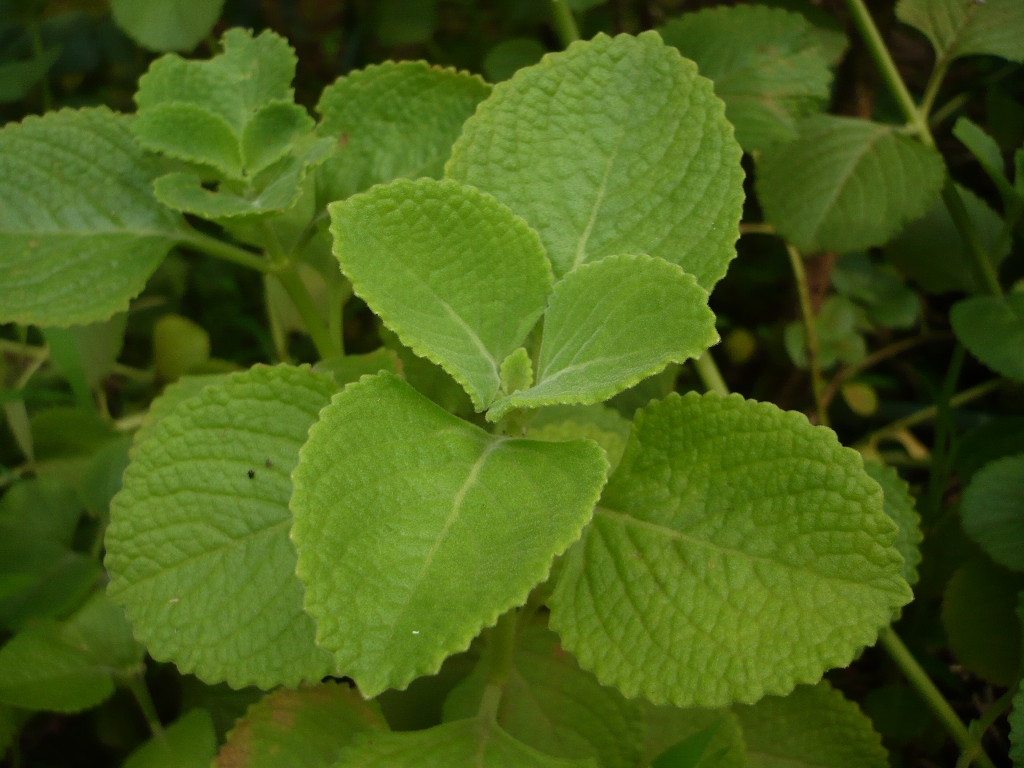
<p><strong>Common Name</strong>: <span style="background-color: transparent; font-family: &quot;Helvetica Neue&quot;, sans-serif;"><strong><u>Oregano</u></strong>; Indian Borage, Country borage, Spanish thyme, Mexican mint, French thyme, Indian mint</span></p><p><strong>Parts Used</strong>: Leaves; stem, roots, flowers (studied)</p><p><strong>Use/s</strong>: Expectorant, bronchodilator, anti-inflammatory, carminative, analgesic; fever, headache, inflammation, digestive and skin issues</p><p><strong>Major Metabolites</strong>: Volatile oils, phenolic acids, flavonoids, triterpenoids, tannins, saponins</p>
64
New cards

Premna odorata Blanco (Lamiaceae)

Common Name: Abgaw kahoy (Bis.), alagaw (Tag.), fragrant premna (Eng.)

Parts Used: Leaves, shoots, fruits, and flowering tops

Use/s: Fever, colds, coughs, bronchitis; sudorific, pectoral, carminative, antimicrobial, antiviral, cardiotonic, anticoagulant, hepatoprotective

Major Metabolites: Terpenes (β-Phellandrene), iridoid glycosides, flavonoids, hydrolyzable tannins, steroids
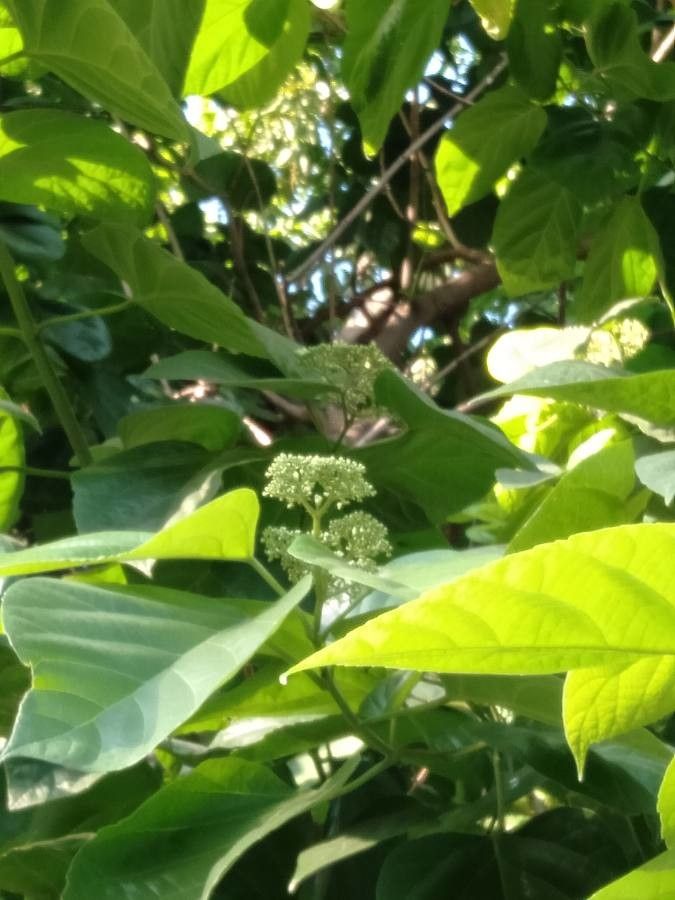
<p><strong>Common Name</strong>: Abgaw kahoy (Bis.), alagaw (Tag.), fragrant premna (Eng.)</p><p><strong>Parts Used</strong>: <span style="background-color: transparent; font-family: &quot;Helvetica Neue&quot;, sans-serif;">Leaves, shoots, fruits, and flowering tops</span></p><p><strong>Use/s</strong>: Fever, colds, coughs, bronchitis; sudorific, pectoral, carminative, antimicrobial, antiviral, cardiotonic, anticoagulant, hepatoprotective</p><p><strong>Major Metabolites</strong>: <span style="background-color: transparent;">Terpenes (β-Phellandrene), iridoid glycosides, flavonoids, hydrolyzable tannins, steroids</span></p>
65
New cards

Vitex negundo L. (Lamiaceae)

Common Name: Lagundi

Parts Used: Dried leaf and flowering top

DOH Use/s: Cough

Other Use/s: Cough, fever, respiratory diseases; anti-inflammatory

Major Metabolites: Luteolin, apigenin (flavonoids), agnuside/negundoside (iridoids), β-caryophyllene (sesquiterpenes), ursolic acid, oleanolic acid (triterpenes); phenylpropanoids/benzenoids
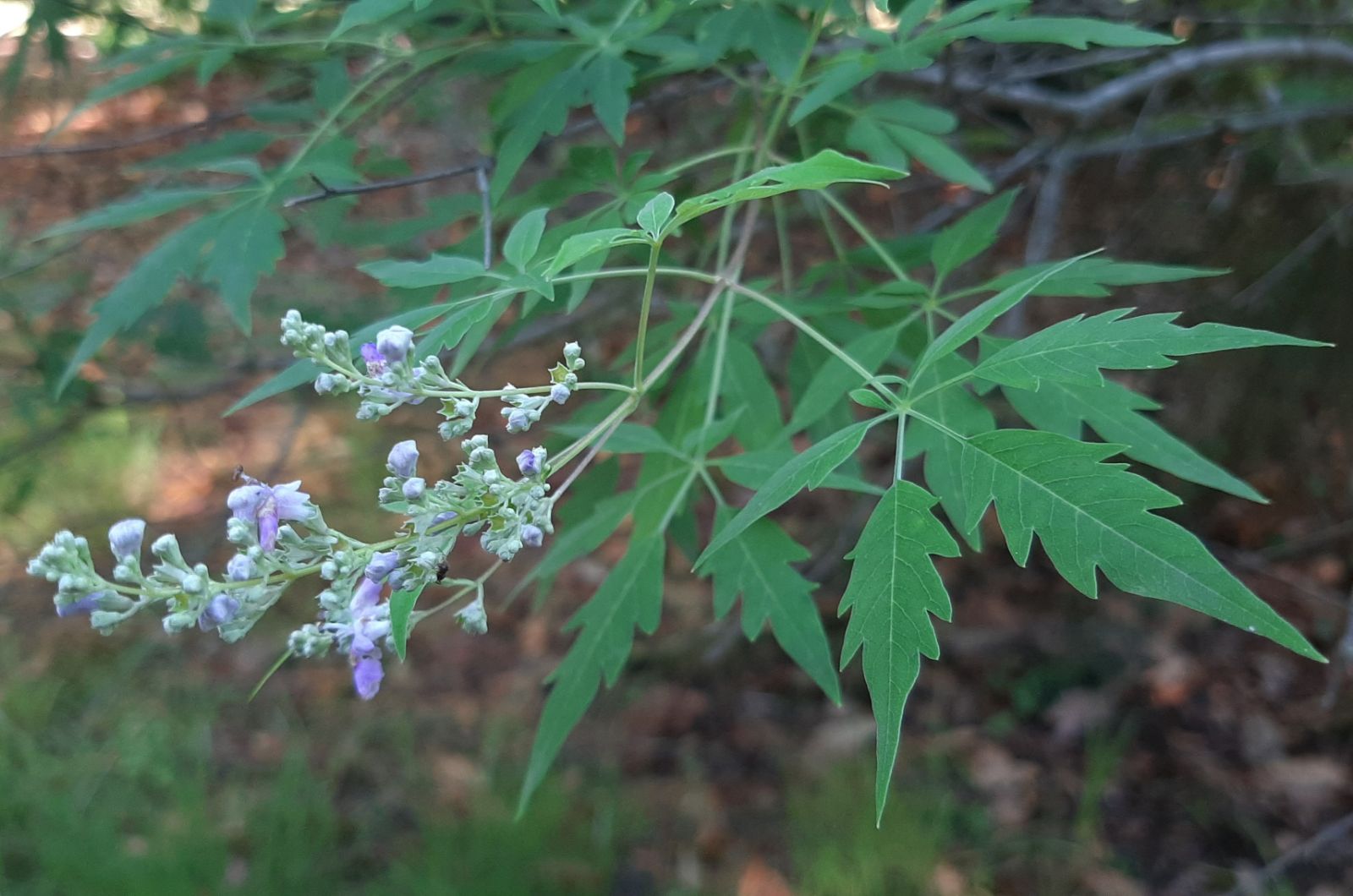
<p><strong>Common Name</strong>: Lagundi</p><p><strong>Parts Used</strong>: <span style="background-color: transparent; font-family: &quot;Helvetica Neue&quot;, sans-serif;">Dried leaf and flowering top</span></p><p><strong>DOH Use/s</strong>: Cough</p><p><strong>Other Use/s</strong>: Cough, fever, respiratory diseases; anti-inflammatory</p><p><strong>Major Metabolites</strong>: Luteolin, apigenin <strong><u>(flavonoids)</u></strong>, agnuside/negundoside <strong><u>(iridoids)</u></strong>, β-caryophyllene <strong><u>(sesquiterpenes)</u></strong>, ursolic acid, oleanolic acid <strong><u>(triterpenes)</u></strong>; phenylpropanoids/benzenoids</p>
66
New cards

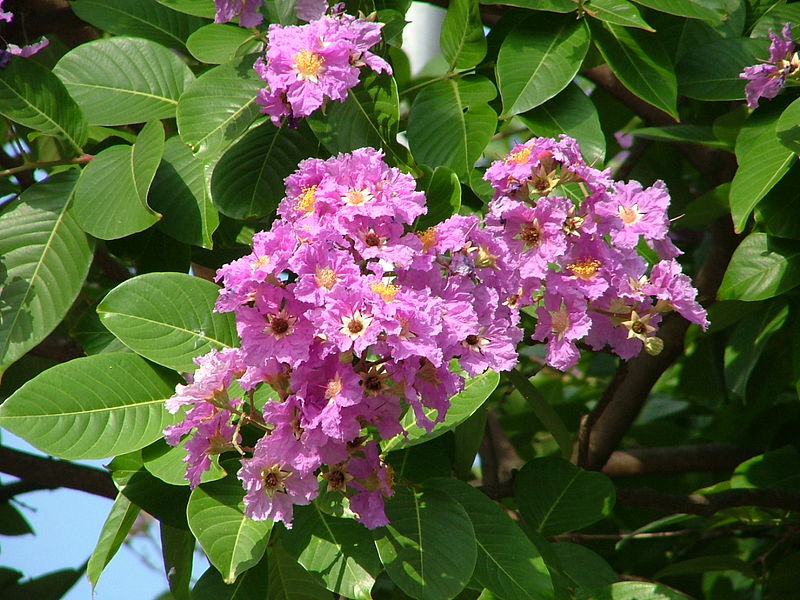
Lagerstroemia speciosa (L.) Pers. (Lythraceae)

Common Name: Crepe Myrtle (English); banaba (Tagalog)

Parts Used: Leaves

Use/s: Anti-diabetic, anti-obesity, anti-cancer, antioxidant, antibacterial, anti-inflammatory, analgesic, anti-hepatic steatosis, anti-ulcerative colitis, anti-cariogenic, and anti-HIV

Major Metabolites: Lagerstroemin (ellagitannins), corosolic acid (triterpenes), quercetin-type flavonoids, phenolic acids
<p><strong>Common Name</strong>: <span style="background-color: transparent; font-family: &quot;Helvetica Neue&quot;, sans-serif;">Crepe Myrtle (English); banaba (Tagalog)</span></p><p><strong>Parts Used</strong>: Leaves</p><p><strong>Use/s</strong>: <strong><u>Anti-diabetic</u></strong>, <strong><u>anti-obesity</u></strong>, anti-cancer, antioxidant, antibacterial, anti-inflammatory, analgesic, anti-hepatic steatosis, anti-ulcerative colitis, anti-cariogenic, and anti-HIV</p><p><strong>Major Metabolites</strong>: <strong><u>Lagerstroemin (ellagitannins)</u></strong>, <strong><u>corosolic acid (triterpenes)</u></strong>, quercetin-type flavonoids, phenolic acids</p>
67
New cards

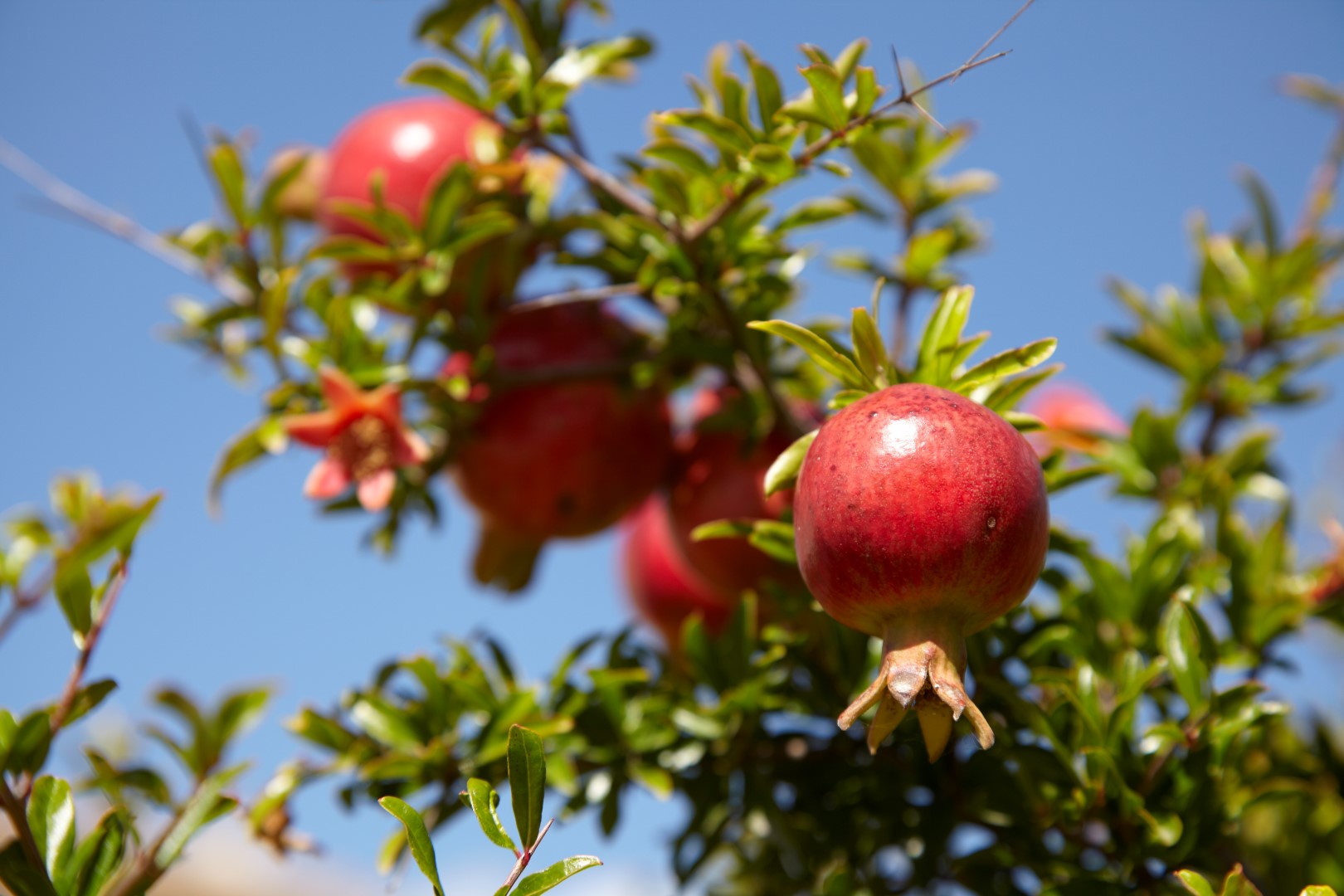
Punica granatum L. (Lythraceae)

Common Name: Pomegranate

Parts Used: Fruit (arils and peel), bark, leaves, roots

Use/s: Antioxidant, antimicrobial, anti-inflammatory, and cardioprotective, astringent; diarrhea, ulcers, infections

Major Metabolites: Punicalagin (polyphenols), ellagitannins; anthocyanins, quercetin-type flavonoids (flavonoids), hydrolyzable tannins
<p><strong>Common Name</strong>: <span style="background-color: transparent; font-family: &quot;Helvetica Neue&quot;, sans-serif;">Pomegranate</span></p><p><strong>Parts Used</strong>: <span style="background-color: transparent; font-family: &quot;Helvetica Neue&quot;, sans-serif;">Fruit (arils and peel), bark, leaves, roots</span></p><p><strong>Use/s</strong>: Antioxidant, antimicrobial, anti-inflammatory, and cardioprotective, astringent; diarrhea, ulcers, infections</p><p><strong>Major Metabolites</strong>: <strong><u>P</u></strong><span style="background-color: transparent; font-family: &quot;Helvetica Neue&quot;, sans-serif;"><strong><u>unicalagin (polyphenols)</u></strong>, ellagitannins; anthocyanins, quercetin-type flavonoids (flavonoids), hydrolyzable tannins</span></p>
68
New cards

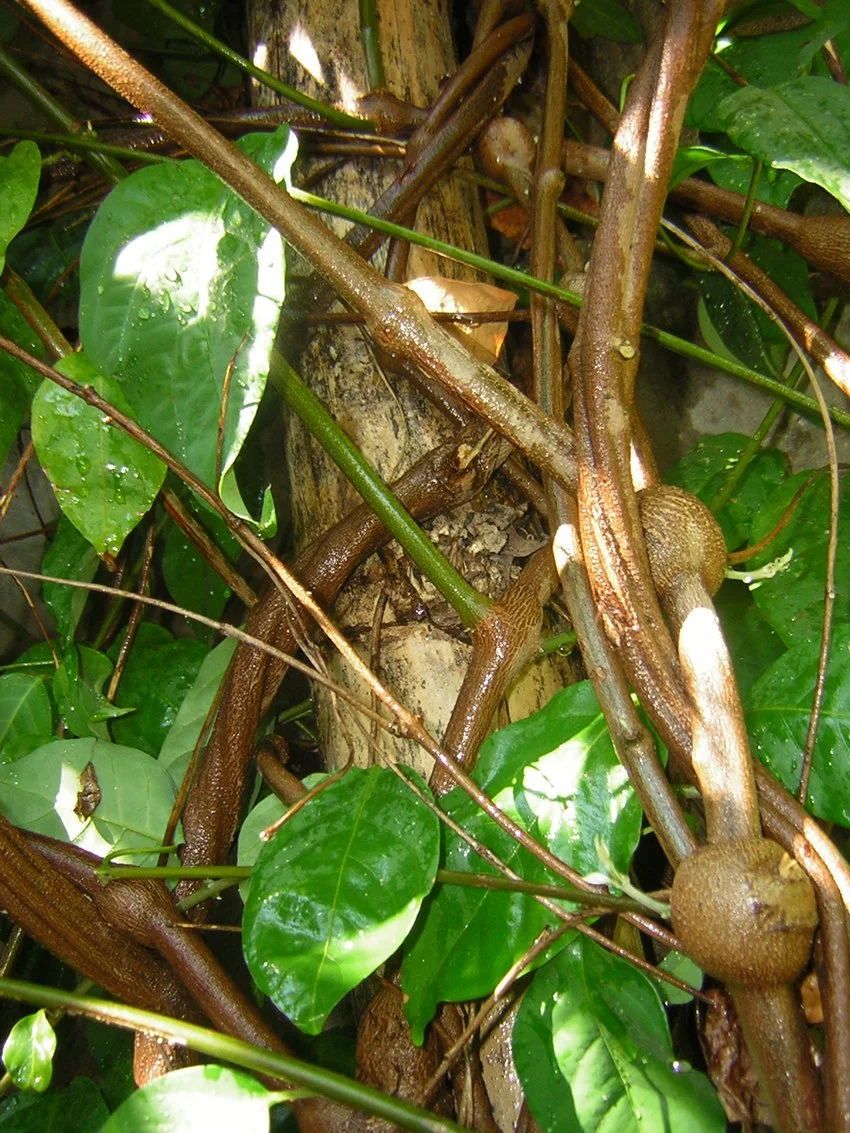
Banisteriopsis caapi Spruce ex Griseb. C.V. Morton. (Malpighiaceae)

Common Name: Ayahuasca or Yajé

Parts Used: Leaves, bark

Use/s: Psychedelic (used in decoctions and infusions to induce psychoactive effects); religious ceremonies of indigenous tribes

Major Metabolites: Harmine, harmaline, tetrahydroharmine (alkaloids)
<p><strong>Common Name</strong>: <span style="background-color: transparent; font-family: &quot;Helvetica Neue&quot;, sans-serif;">Ayahuasca or Yajé</span></p><p><strong>Parts Used</strong>: <span style="background-color: transparent; font-family: &quot;Helvetica Neue&quot;, sans-serif;">Leaves, bark</span></p><p><strong>Use/s</strong>: Psychedelic (used in decoctions and infusions to induce psychoactive effects); religious ceremonies of indigenous tribes</p><p><strong>Major Metabolites</strong>: Harmine, harmaline, tetrahydroharmine <strong><u>(alkaloids)</u></strong></p>
69
New cards

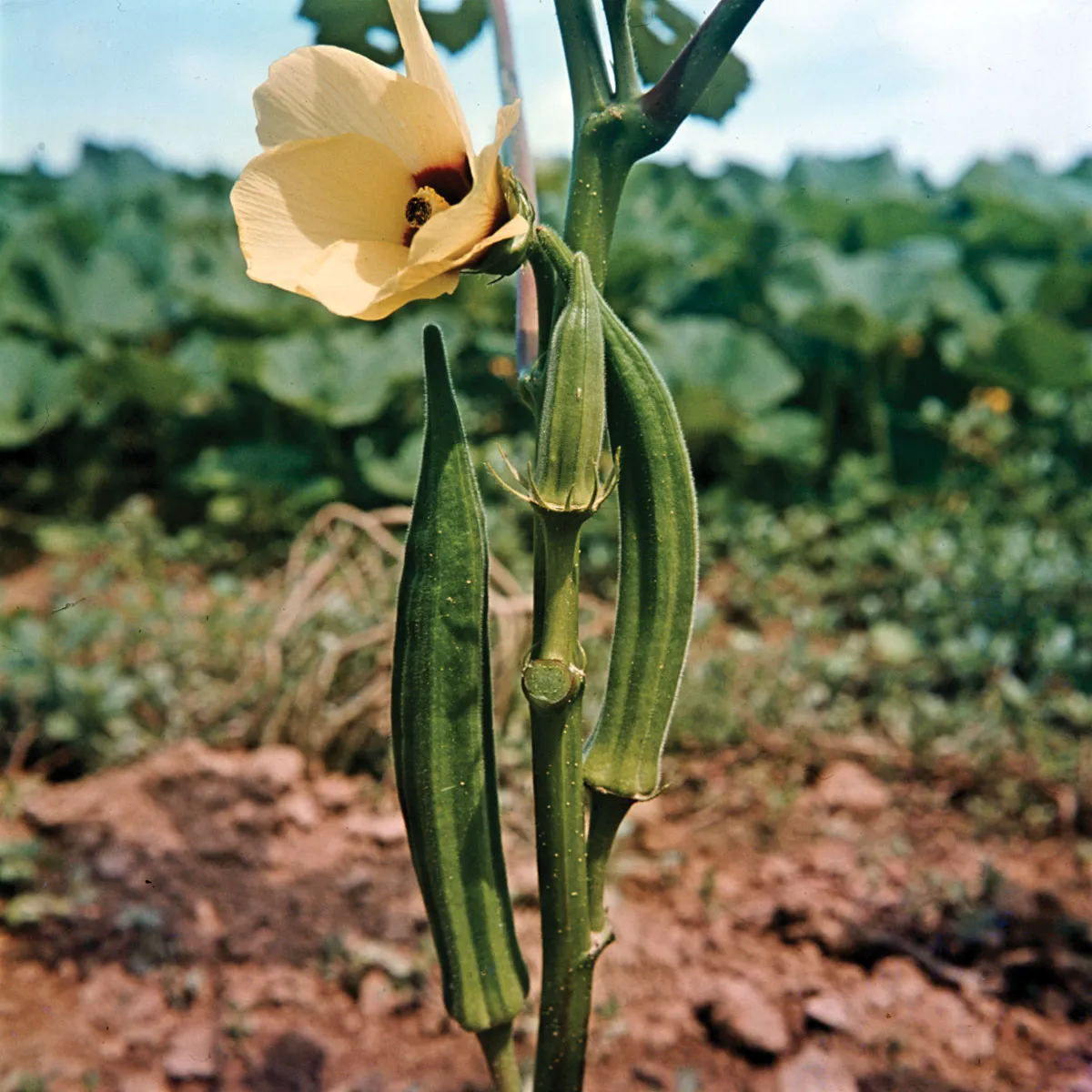
Abelmoschus esculentus (L.) Moench (Malvaceae)

Common Name: Okra, Lady’s fingers

Parts Used: Immature fruit pods, leaves

Use/s: Diuretic, dental disease, gastric irritations; demulcent, antioxidant, anti-inflammatory, anti-cancer

Other Use/s: Improves texture in dishes, supports digestive health

Major Metabolites: Quercetin and kaempferol derivatives (flavonoids), phenolic compounds, phytosterols, terpenoids, tannins, mucilage and pectin (polysaccharides)
<p><strong>Common Name</strong>: <span style="background-color: transparent; font-family: &quot;Helvetica Neue&quot;, sans-serif;">Okra, Lady’s fingers</span></p><p><strong>Parts Used</strong>: <span style="background-color: transparent; font-family: &quot;Helvetica Neue&quot;, sans-serif;">Immature fruit pods, leaves</span></p><p><strong>Use/s</strong>: Diuretic, dental disease, gastric irritations; demulcent, antioxidant, anti-inflammatory, anti-cancer</p><p><strong>Other Use/s</strong>: Improves texture in dishes, supports digestive health</p><p><strong>Major Metabolites</strong>: Quercetin and kaempferol derivatives (flavonoids), phenolic compounds, phytosterols, terpenoids, tannins, mucilage and pectin (polysaccharides)</p>
70
New cards

Hibiscus rosa-sinensis L. (Malvaceae)

Common Name: Gumamela, China rose

Parts Used: Flowers, stems, roots, leaves

Use/s: Fever, inflammation, bacterial infections, contraceptive agent; antitumor, antioxidant, antifungal, antimicrobial, analgesic, antipyretic, anti-asthmatic, anti-inflammatory

Major Metabolites: Flavonoids, phenolic compounds, glycosides/glucosides, saponins, phytosterols, terpenoids
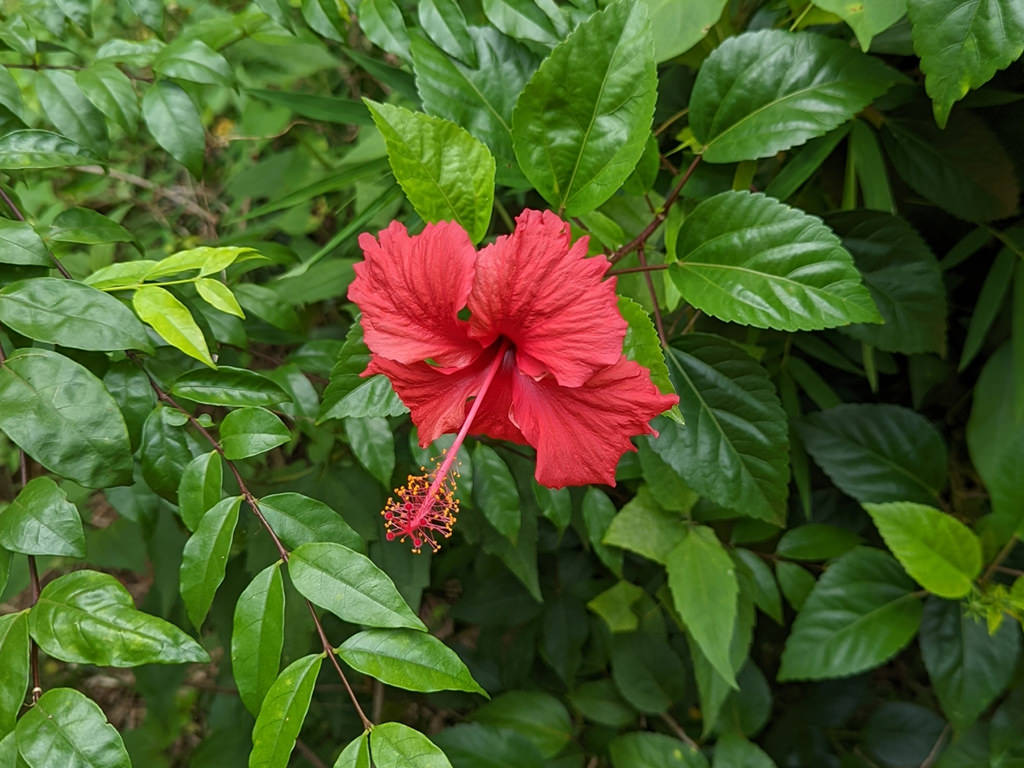
<p><strong>Common Name</strong>: Gumamela, China rose</p><p><strong>Parts Used</strong>: <span style="background-color: transparent; font-family: &quot;Helvetica Neue&quot;, sans-serif;">Flowers, stems, roots, leaves</span></p><p><strong>Use/s</strong>: Fever, inflammation, bacterial infections, contraceptive agent; antitumor, antioxidant, antifungal, antimicrobial, analgesic, antipyretic, anti-asthmatic, anti-inflammatory</p><p><strong>Major Metabolites</strong>: Flavonoids, phenolic compounds, glycosides/glucosides, saponins, phytosterols, terpenoids</p>
71
New cards

Theobroma cacao L. (Malvaceae)

Common Name: Cacao, cocoa

Parts Used: Seeds (cacao beans), seed fat (cocoa butter)

Use/s: Stimulant, antioxidant, cardiovascular health; support digestion and well-being

Major Metabolites: Theobromine, caffeine (alkaloids); catechins, epicatechins (flavonoids), proanthocyanidins (tannins)
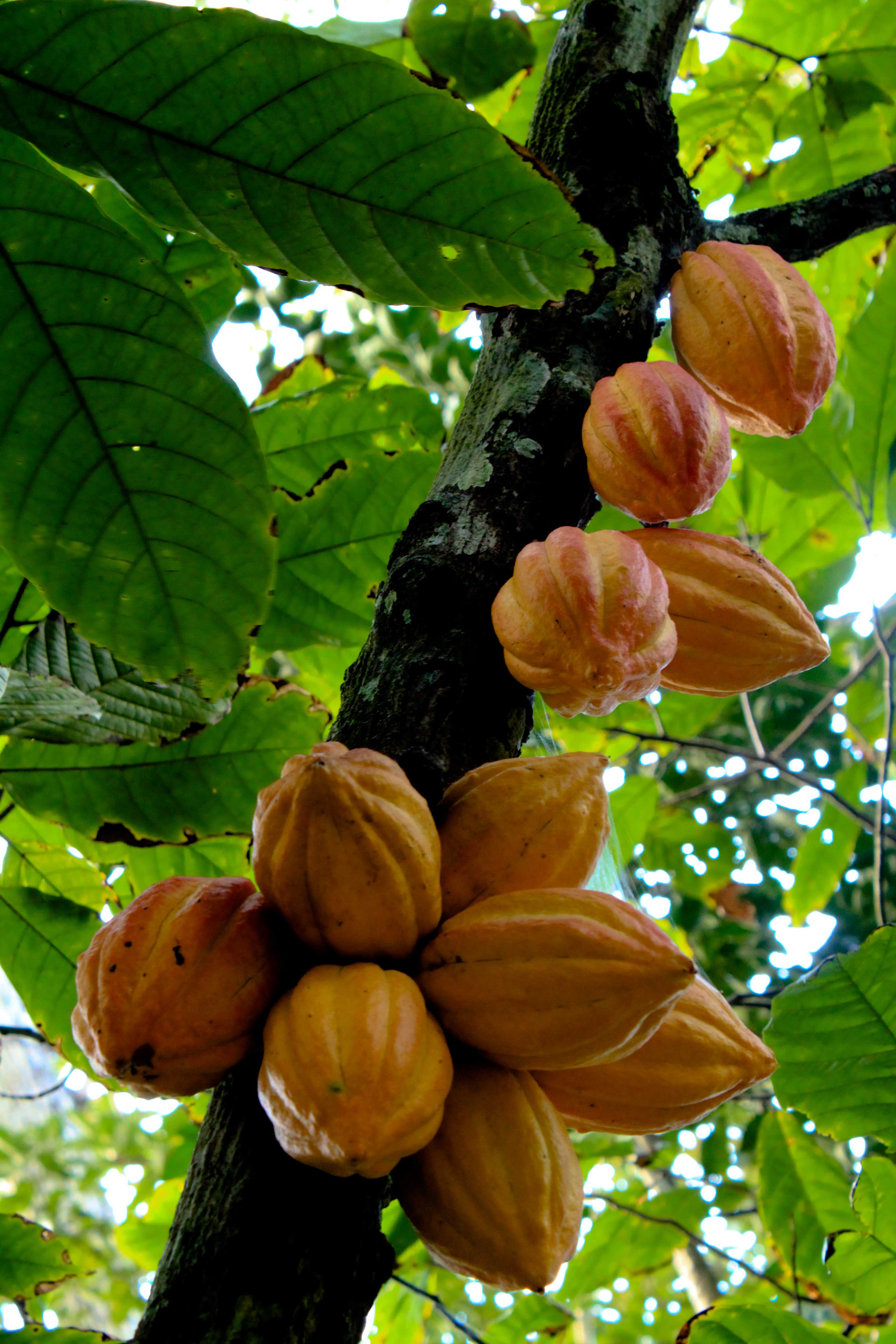
<p><strong>Common Name</strong>: Cacao, cocoa</p><p><strong>Parts Used</strong>: <span style="background-color: transparent; font-family: &quot;Helvetica Neue&quot;, sans-serif;">Seeds (cacao beans), seed fat (cocoa butter)</span></p><p><strong>Use/s</strong>: Stimulant, antioxidant, cardiovascular health; support digestion and well-being</p><p><strong>Major Metabolites</strong>: <strong><u>Theobromine, caffeine (alkaloids)</u></strong>; catechins, epicatechins (flavonoids), proanthocyanidins (tannins)</p>
72
New cards

Lytta vesicatoria L. (Meloidae)

Common Name: Spanish Fly

Parts Used: Whole body

Use/s: Burns, scalds, inflammations of the skin and mucous membranes, UTIs

Major Metabolites: Cantharidin (terpenoids)
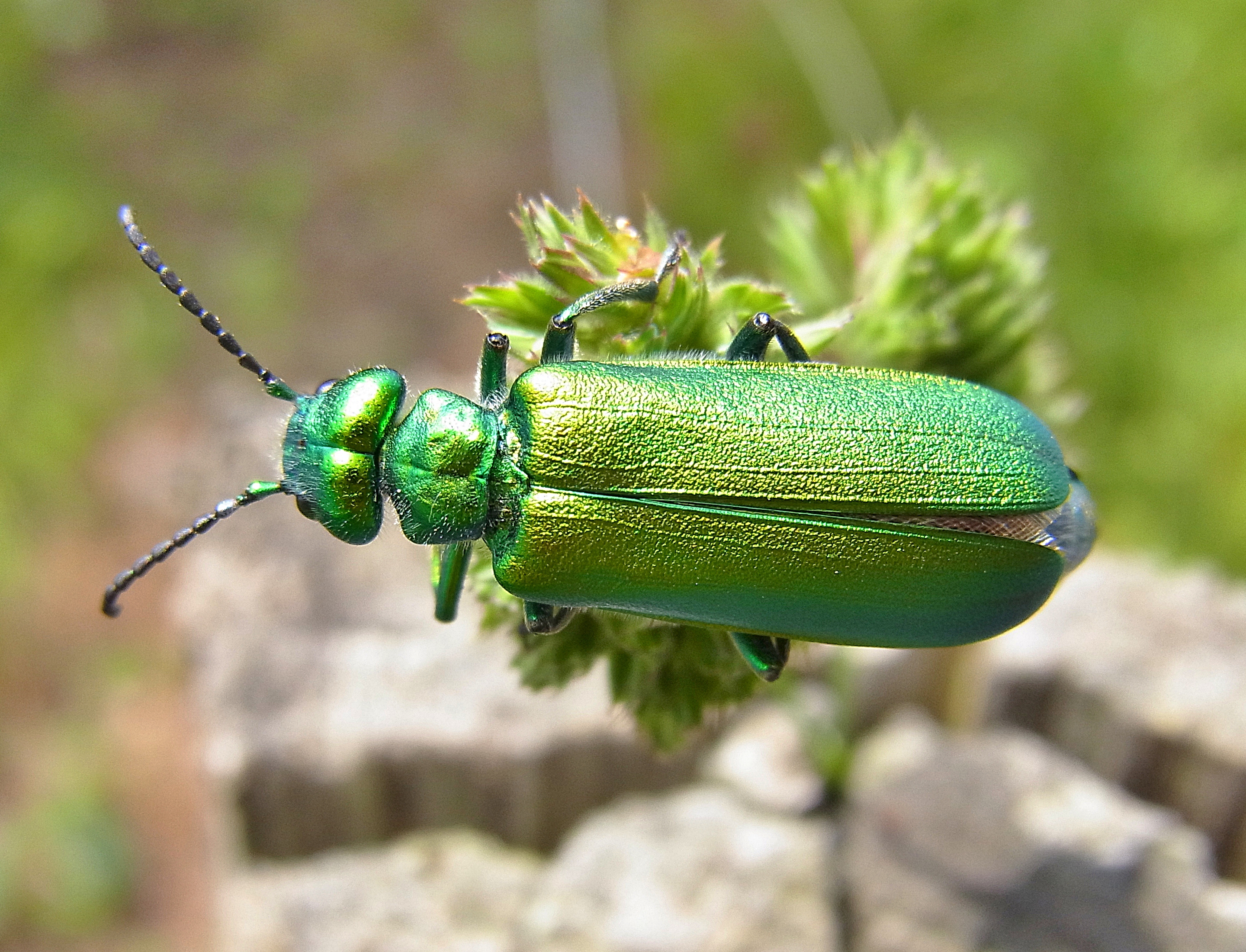
<p><strong>Common Name</strong>: Spanish Fly</p><p><strong>Parts Used</strong>: Whole body</p><p><strong>Use/s</strong>: Burns, scalds, inflammations of the skin and mucous membranes, UTIs</p><p><strong>Major Metabolites</strong>: C<span style="background-color: transparent; font-family: &quot;Helvetica Neue&quot;, sans-serif;">antharidin (terpenoids)</span></p>
73
New cards

Tinospora crispa L. (Menispermaceae)

Common Name: Makabuhay, Heart-leaved moonseed

Parts Used: Stems (primarily), leaves

Use/s: Fever, diabetes, digestive disorders; anti-inflammatory, antimalarial, immune-boosting

Major Metabolites: Alkaloids, diterpenoids, glycosides, flavonoids, phenolic compounds
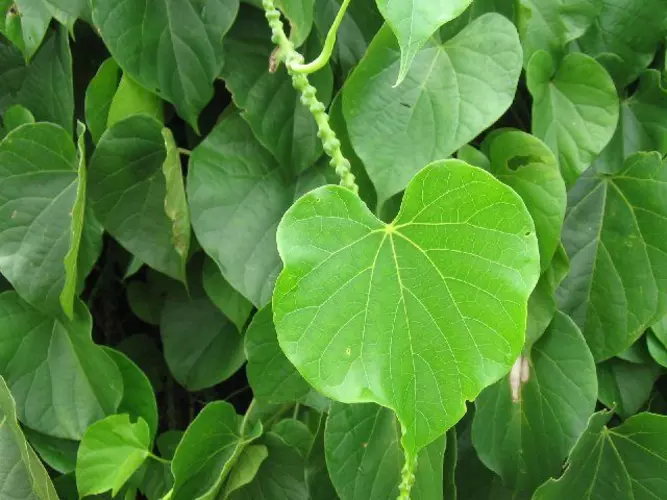
<p><strong>Common Name</strong>: <span style="background-color: transparent; font-family: &quot;Helvetica Neue&quot;, sans-serif;">Makabuhay, Heart-leaved moonseed</span></p><p><strong>Parts Used</strong>: <span style="background-color: transparent; font-family: &quot;Helvetica Neue&quot;, sans-serif;">Stems (primarily), leaves</span></p><p><strong>Use/s</strong>: Fever, diabetes, digestive disorders; anti-inflammatory, antimalarial, immune-boosting</p><p><strong>Major Metabolites</strong>: <span style="background-color: transparent; font-family: &quot;Helvetica Neue&quot;, sans-serif;">Alkaloids, diterpenoids, glycosides, flavonoids, phenolic compounds</span></p>
74
New cards

Chondrodendron tomentosum Ruiz & Pav. (Menispermaceae)

Common Name: Uva de montana (Mountain grape), curare vine

Parts Used: Fruit, pericarp, bark and roots

Use/s: Arrow poison, sustenance; antioxidant, anti-inflammatory, anticancer, surgical skeletal muscle relaxant

Major Metabolites: Cyanidin-3-glucosides (flavonoids, anthocyanins), ascorbic acid (phenols), D-tubocurarine (alkaloids)
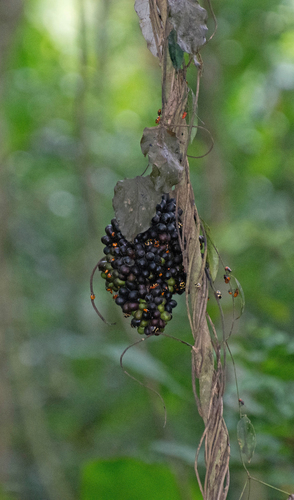
<p><strong>Common Name</strong>: <span style="background-color: transparent; font-family: &quot;Helvetica Neue&quot;, sans-serif;">Uva de montana (Mountain grape), curare vine</span></p><p><strong>Parts Used</strong>: <span style="background-color: transparent; font-family: &quot;Helvetica Neue&quot;, sans-serif;">Fruit, pericarp, bark and roots</span></p><p><strong>Use/s</strong>: <strong><u>Arrow poison</u></strong>, sustenance; antioxidant, anti-inflammatory, anticancer, surgical skeletal muscle relaxant</p><p><strong>Major Metabolites</strong>: Cyanidin-3-glucosides (flavonoids, anthocyanins), ascorbic acid (phenols), D-tubocurarine (alkaloids)</p>
75
New cards

Moringa oleifera Lam. (Moringaceae)

Common Name: Malunggay

Parts Used: Leaves, root, bark, flowers, seeds, stalks

Use/s: Galactagouge; antimicrobial, antifungal, anti-inflammatory, antioxidant, anticancer, fertility, wound-healing

Major Metabolites: Sinapic acid, gallic acid, ferulic acid (phenolic compounds), D-mannose (carbohydrate)
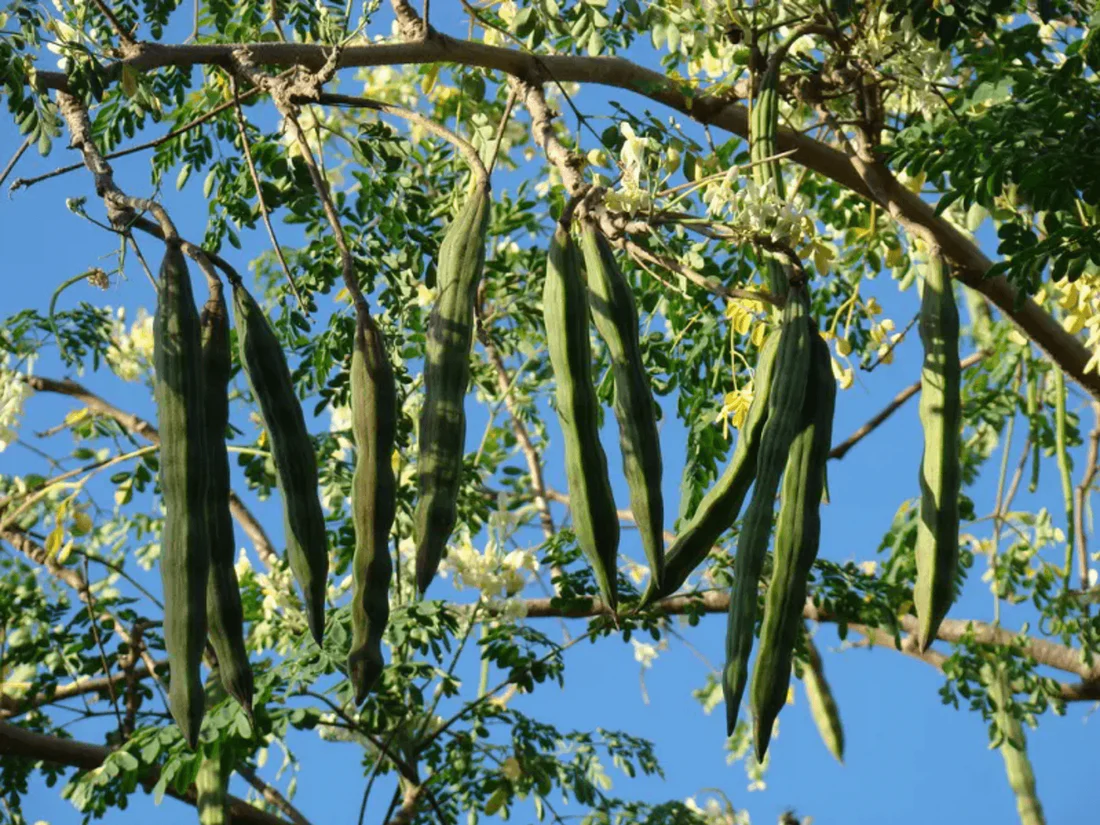
<p><strong>Common Name</strong>: Malunggay</p><p><strong>Parts Used</strong>: <span style="background-color: transparent; font-family: &quot;Helvetica Neue&quot;, sans-serif;">Leaves, root, bark, flowers, seeds, stalks</span></p><p><strong>Use/s</strong>: Galactagouge; antimicrobial, antifungal, anti-inflammatory, antioxidant, anticancer, fertility, wound-healing</p><p><strong>Major Metabolites</strong>: Sinapic acid, gallic acid, ferulic acid (phenolic compounds), D-mannose (carbohydrate)</p>
76
New cards

Psidium guajava L. (Myrtaceae)

Common Name: Guava (Eng.), bayabas (Ilk., Tag.)

Parts Used: Leaves, bark, fruit, flowers, roots

DOH Use/s: General antiseptic; tooth decay and gum infection

Other Use/s: Wound healing, antidiabetic, antihypertensive, anticancer; gastrointestinal infections, malaria, respiratory, oral, dermal infections

Major Metabolites: Flavonoids, triterpenods, sesquiterpenes, glycosides, phenolics/polyphenols, saponins, alkaloids, meroterpenoids
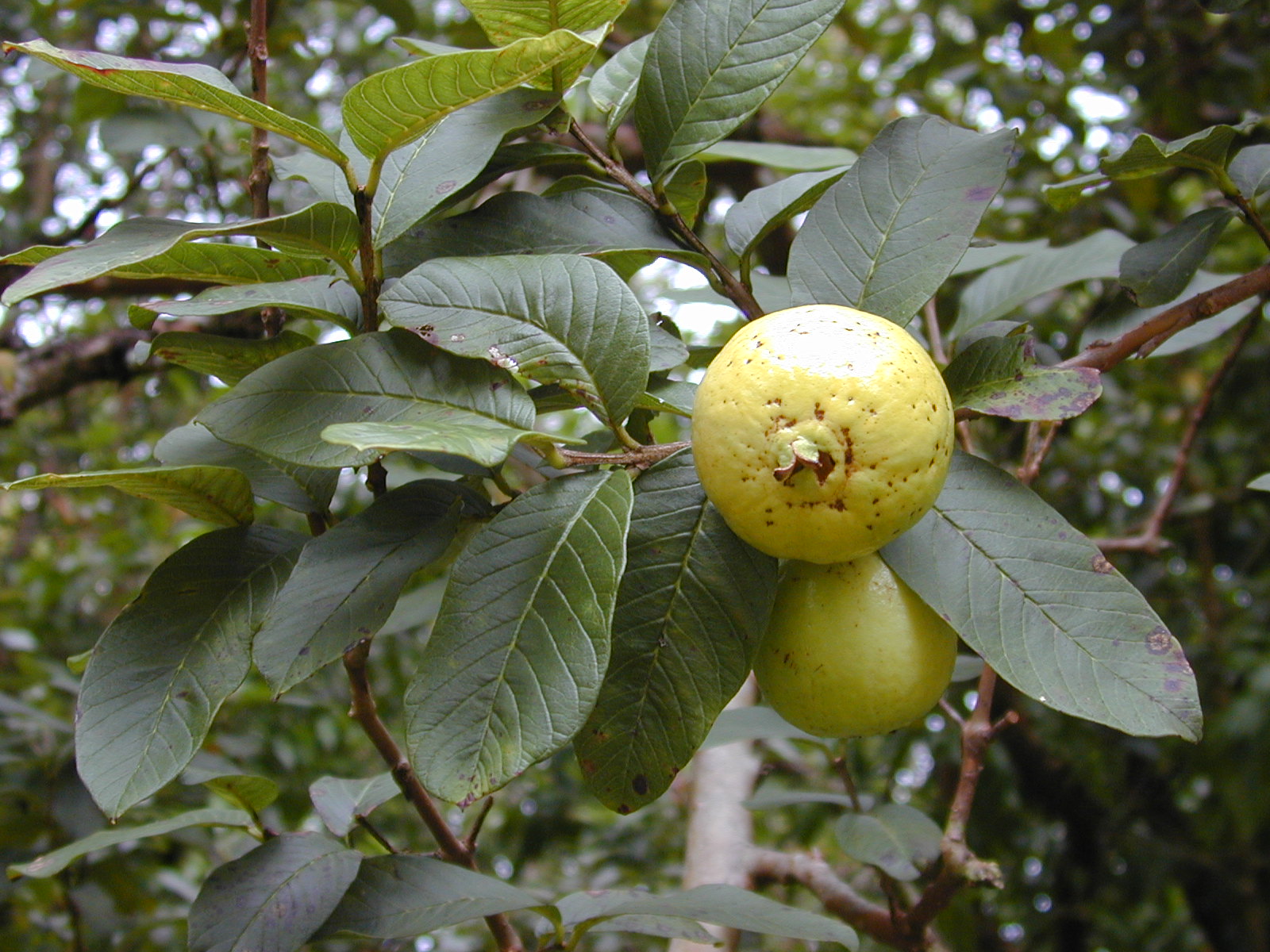
<p><strong>Common Name</strong>: Guava (Eng.), bayabas (Ilk., Tag.)</p><p><strong>Parts Used</strong>: <span style="font-family: &quot;Helvetica Neue&quot;, sans-serif;">Leaves, bark, fruit, flowers, roots</span></p><p><strong>DOH Use/s</strong>: <span style="background-color: transparent; font-family: &quot;Helvetica Neue&quot;, sans-serif;">General antiseptic; tooth decay and gum infection</span></p><p><strong>Other Use/s</strong>: Wound healing, antidiabetic, antihypertensive, anticancer; gastrointestinal infections, malaria, respiratory, oral, dermal infections</p><p><strong>Major Metabolites</strong>: Flavonoids, triterpenods, sesquiterpenes, glycosides, phenolics/polyphenols, saponins, alkaloids, meroterpenoids</p>
77
New cards

Syzygium cumini (L.) Skeels (Myrtaceae)

Common Name: Jambolan, black plum, duhat

Parts Used: Leaves, stem bark, flowers, roots, fruits

Use/s: Cough, diabetes, dysentery, inflammation, ringworm

Major Metabolites: Anthocyanins, flavonoids, phenolic compounds, glycosides, alkaloids
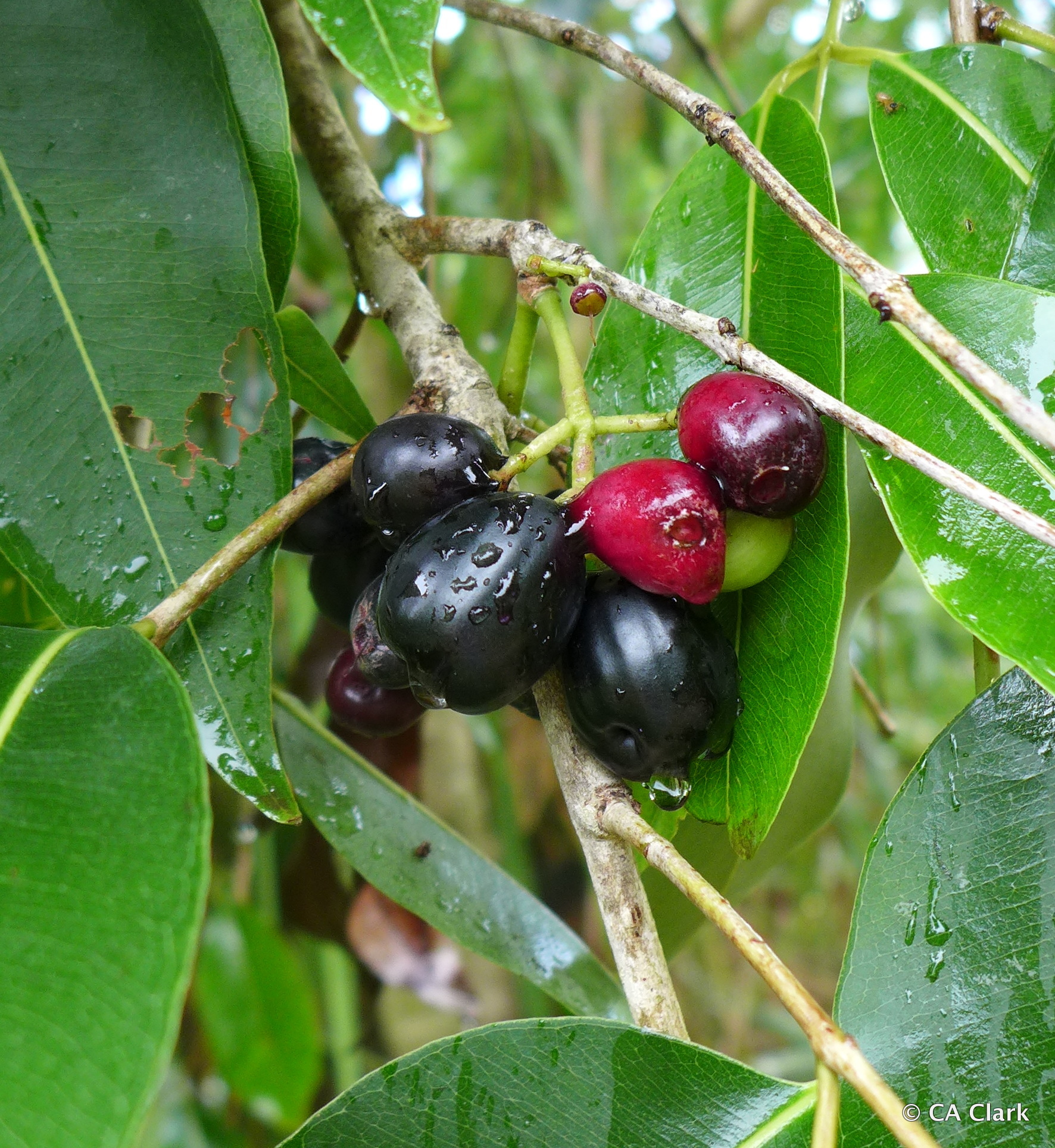
<p><strong>Common Name</strong>: <span style="background-color: transparent; font-family: &quot;Helvetica Neue&quot;, sans-serif;">Jambolan, black plum, duhat</span></p><p><strong>Parts Used</strong>: <span style="background-color: transparent; font-family: &quot;Helvetica Neue&quot;, sans-serif;">Leaves, stem bark, flowers, roots, fruits</span></p><p><strong>Use/s</strong>: Cough, diabetes, dysentery, inflammation, ringworm</p><p><strong>Major Metabolites</strong>: Anthocyanins, flavonoids, phenolic compounds, glycosides, alkaloids</p>
78
New cards

Jasminum sambac (L.) Aiton (Oleaceae)

Common Name: Arabian Jasmine (English); Sampaguita (Tagalog)

Parts Used: Flowers, leaves, roots

Use/s: Breast cancer; anti-lactation, spasmolytic, anti-inflammatory, antimicrobial, antiulcer, antioxidant, cytoprotective, chemopreventive, wound healing

Major Metabolites: Iridoidal glycosides, aromatic glycosides, triterpenes, sterols, flavonoids, long-chain aliphatic compounds, volatile compounds
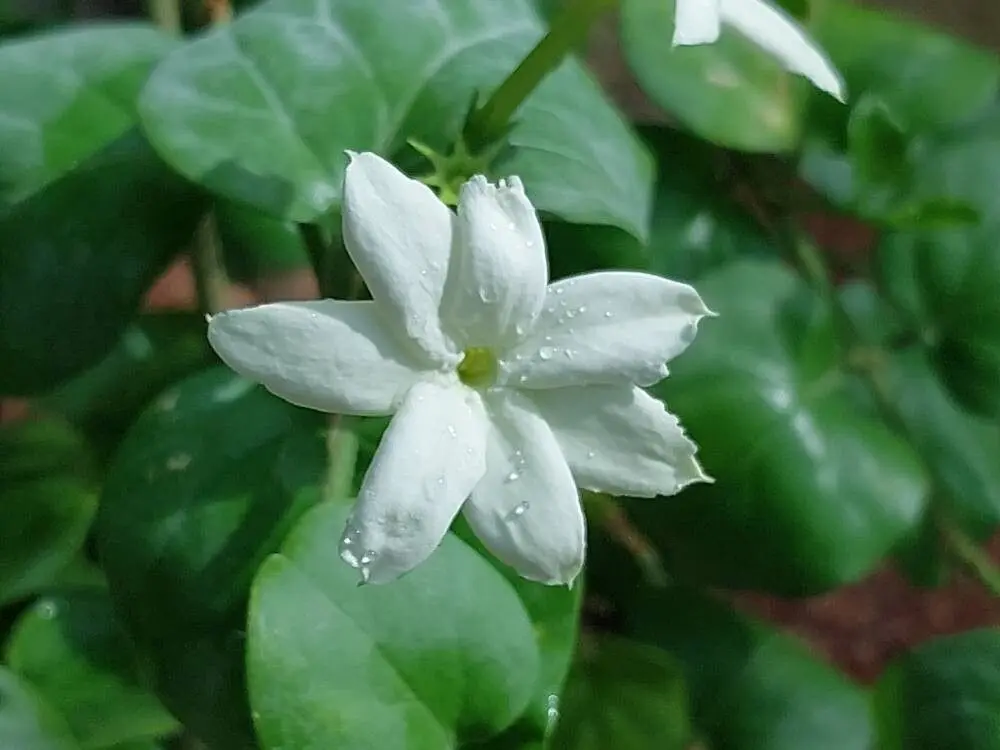
<p><strong>Common Name</strong>: <span style="background-color: transparent; font-family: &quot;Helvetica Neue&quot;, sans-serif;">Arabian Jasmine (English); Sampaguita (Tagalog)</span></p><p><strong>Parts Used</strong>: <span style="background-color: transparent; font-family: &quot;Helvetica Neue&quot;, sans-serif;">Flowers, leaves, roots</span></p><p><strong>Use/s</strong>: Breast cancer; anti-lactation, spasmolytic, anti-inflammatory, antimicrobial, antiulcer, antioxidant, cytoprotective, chemopreventive, wound healing</p><p><strong>Major Metabolites</strong>: <span style="background-color: transparent; font-family: &quot;Helvetica Neue&quot;, sans-serif;">Iridoidal glycosides, aromatic glycosides, triterpenes, sterols, flavonoids, long-chain aliphatic compounds, volatile compounds</span></p>
79
New cards

Olea europaea L. (Oleaceae)

Common Name: Olive

Parts Used: Fruit oil, leaves

Use/s: Hypoglycemic, cholesterol and uric acid lowering; cardioprotective, antioxidant, anti-inflammatory

Major Metabolites: Oleuropein, hydroxytyrosol (phenolic secoiridoids), phenolic compounds, fatty acids
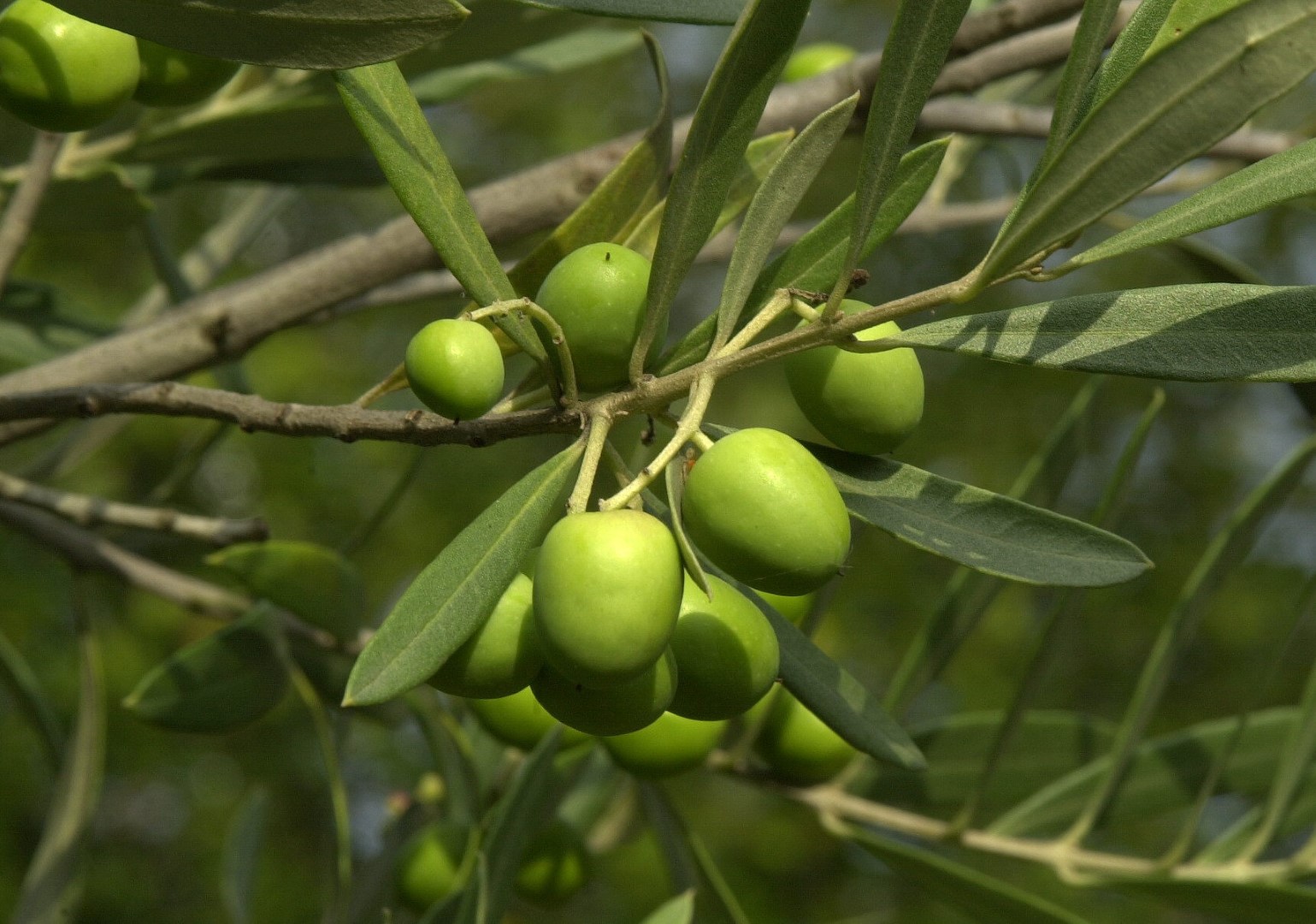
<p><strong>Common Name</strong>: <span style="background-color: transparent; font-family: &quot;Helvetica Neue&quot;, sans-serif;">Olive</span></p><p><strong>Parts Used</strong>: <span style="background-color: transparent; font-family: &quot;Helvetica Neue&quot;, sans-serif;">Fruit oil, leaves</span></p><p><strong>Use/s</strong>: Hypoglycemic, cholesterol and uric acid lowering; cardioprotective, antioxidant, anti-inflammatory</p><p><strong>Major Metabolites</strong>: Oleuropein, hydroxytyrosol (phenolic secoiridoids), phenolic compounds, fatty acids</p>
80
New cards

Averrhoa bilimbi L. (Oxalidaceae)

Common Name: Bilimbi/Kamias

Parts Used: Leaves, fruit

Use/s: Diabetes mellitus, hypertension, antimicrobial; antidiabetic, thrombolytic, antioxidant, hepatoprotective, anthelminthic, hypolipidemic

Major Metabolites: Flavonoids, phenolic compounds, tannins, (cardiac) glycosides, triterpenes; saponins, alkaloids, carbohydrates
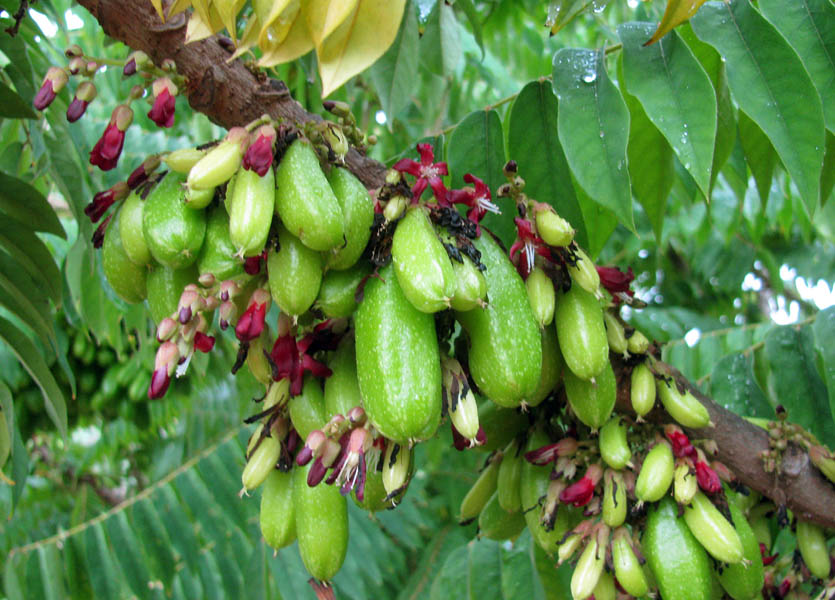
<p><strong>Common Name</strong>: <span style="background-color: transparent; font-family: &quot;Helvetica Neue&quot;, sans-serif;">Bilimbi/Kamias</span></p><p><strong>Parts Used</strong>: <span style="background-color: transparent; font-family: &quot;Helvetica Neue&quot;, sans-serif;">Leaves, fruit</span></p><p><strong>Use/s</strong>: Diabetes mellitus, hypertension, antimicrobial; antidiabetic, thrombolytic, antioxidant, hepatoprotective, anthelminthic, hypolipidemic</p><p><strong>Major Metabolites</strong>: Flavonoids, phenolic compounds, tannins, (cardiac) glycosides, triterpenes; saponins, alkaloids, carbohydrates</p>
81
New cards

Pandanus amaryllifolius Roxb. (Pandanaceae)

Common Name: Pandan

Parts Used: Leaves

Use/s: Headaches, fever, arthritis, inflammation; antioxidant, analgesic, antidiabetic, antimicrobial; food flavoring

Major Metabolites: Heterocyclic aromatic compounds, terpenes, flavonoids, tannins, alkaloids, sterols
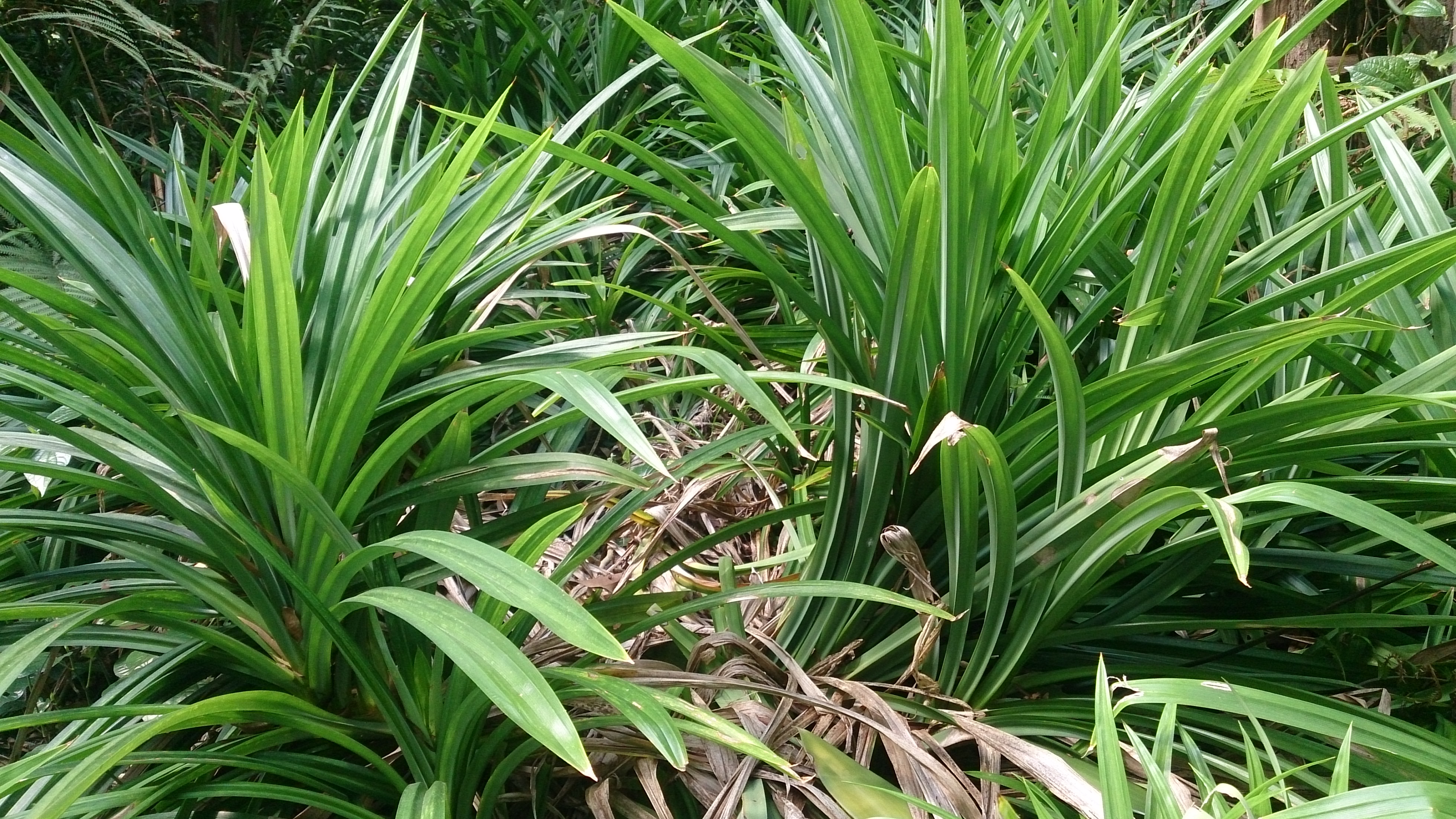
<p><strong>Common Name</strong>: Pandan</p><p><strong>Parts Used</strong>: Leaves</p><p><strong>Use/s</strong>: Headaches, fever, arthritis, inflammation; antioxidant, analgesic, antidiabetic, antimicrobial; food flavoring</p><p><strong>Major Metabolites</strong>: Heterocyclic aromatic compounds, terpenes, flavonoids, tannins, alkaloids, sterols</p>
82
New cards

Phyllantus niruri L. (Phyllanthaceae)

Common Name: Stonebreaker

Parts Used: Whole plant (leaves, fruit, seeds, stem, roots)

Use/s: Kidney stones; antioxidant, antibacterial, antiviral, antifungal, anticancer, antidiabetic, anti-inflammatory, anti-aggregant

Major Metabolites: Rutin, quercetin (flavonoids), ellagic acid (phenolic compounds), β-sitosterol (sterols)

<p><strong>Common Name</strong>: <span style="background-color: transparent; font-family: &quot;Helvetica Neue&quot;, sans-serif;">Stonebreaker </span></p><p><strong>Parts Used</strong>: <span style="background-color: transparent; font-family: &quot;Helvetica Neue&quot;, sans-serif;">Whole plant (leaves, fruit, seeds, stem, roots)</span></p><p><strong>Use/s</strong>: <strong><u>Kidney stones</u></strong>; antioxidant, antibacterial, antiviral, antifungal, anticancer, antidiabetic, anti-inflammatory, anti-aggregant</p><p><strong>Major Metabolites</strong>: Rutin, quercetin (flavonoids), ellagic acid (phenolic compounds), β-sitosterol (sterols)</p>
83
New cards

Piper nigrum (L.) (Piperaceae)

Common Name: Black pepper, Paminta

Parts Used: Roots, leaves, fruits (seeds)

Use/s: Stimulant, expectorant, indigestion, nasal congestion, sinusitis, epilepsy, skin inflammations, toothache, cholera; antiseptic, antibacterial, antiemetic

Major Metabolites: Piperine (alkaloids), flavonoids, tannins, terpenes/essential oils

<p><strong>Common Name</strong>: <span style="background-color: transparent; font-family: &quot;Helvetica Neue&quot;, sans-serif;">Black pepper, Paminta</span></p><p><strong>Parts Used</strong>: <span style="background-color: transparent; font-family: &quot;Helvetica Neue&quot;, sans-serif;">Roots, leaves, fruits (seeds)</span></p><p><strong>Use/s</strong>: Stimulant, expectorant, indigestion, nasal congestion, sinusitis, epilepsy, skin inflammations, toothache, cholera; <span style="background-color: transparent; font-family: &quot;Helvetica Neue&quot;, sans-serif;">antiseptic, antibacterial, antiemetic</span></p><p><strong>Major Metabolites</strong>: <strong><u>Piperine (alkaloids)</u></strong>, flavonoids, tannins, terpenes/essential oils</p>
84
New cards

Peperomia pellucida (L.) Kunth (Piperaceae)

Common Name: Ulasimang bato, pansit-pansitan, pepper-elder

Parts Used: Whole plant (leaves, stems, and roots)

DOH Use/s: Uric acid reduction, arthritis, gout (decoction)

Other Use/s: Arthritis, urinary tract infections, skin allergies, abdominal pain, diarrhea

Major Metabolites: Sesquiterpenes, flavonoids, alkaloids, tannins; apiols, pellucidin A

<p><strong>Common Name</strong>: Ulasimang bato, pansit-pansitan, pepper-elder</p><p><strong>Parts Used</strong>: <span style="background-color: transparent; font-family: &quot;Helvetica Neue&quot;, sans-serif;">Whole plant (leaves, stems, and roots)</span></p><p><strong>DOH Use/s</strong>: <span style="background-color: transparent; font-family: &quot;Helvetica Neue&quot;, sans-serif;">Uric acid reduction, arthritis, gout (decoction)</span></p><p><strong>Other Use/s</strong>: Arthritis, urinary tract infections, skin allergies, abdominal pain, diarrhea</p><p><strong>Major Metabolites</strong>: Sesquiterpenes, flavonoids, alkaloids, tannins; apiols, pellucidin A</p>
85
New cards

Piper betle L. (Piperaceae)

Common Name: Betle, Betle pepper

Parts Used: Leaves

Use/s: Stimulant, aphrodisiac, digestive/carminative, breath freshener; antiproliferative, anticancer, neuropharmacological, analgesic, antioxidant, antiulcer, hepatoprotective

Major Metabolites: Hydroxychavicol, chavicol (phenols), caryophyllene oxide terpenes, 1,8-cineole eucalyptole (terpenes)

<p><strong>Common Name</strong>: <span style="background-color: transparent; font-family: &quot;Helvetica Neue&quot;, sans-serif;">Betle, Betle pepper</span></p><p><strong>Parts Used</strong>: Leaves</p><p><strong>Use/s</strong>: Stimulant, aphrodisiac, digestive/carminative, breath freshener; antiproliferative, anticancer, neuropharmacological, analgesic, antioxidant, antiulcer, hepatoprotective</p><p><strong>Major Metabolites</strong>: Hydroxychavicol, chavicol <strong><u>(phenols)</u></strong>, caryophyllene oxide terpenes, 1,8-cineole eucalyptole <strong><u>(terpenes)</u></strong></p>
86
New cards

Piper methysticum Forster f. (Piperaceae)

Common Name: Kava kava

Parts Used: Peeled rhizome

Use/s: Anxiety, stress, insomnia, pain from urinary tract infections and gonorrhoea, diuretic, mild sedative; sacred and formal ceremonies, lucid dreaming, rheumatism, bronchitis

Toxicity: Hepatotoxicity (chronic dosage)

Major Metabolites: Kavalactones/kavapyrones; kavain, dihydrokavain, methysticin, dihydromethysticin, yangonin, desmethoxyyangonin

<p><strong>Common Name</strong>: <span style="background-color: transparent; font-family: &quot;Helvetica Neue&quot;, sans-serif;">Kava kava</span></p><p><strong>Parts Used</strong>: <span style="background-color: transparent; font-family: &quot;Helvetica Neue&quot;, sans-serif;">Peeled rhizome</span></p><p><strong>Use/s</strong>: Anxiety, stress, insomnia, pain from urinary tract infections and gonorrhoea, diuretic, mild sedative; sacred and formal ceremonies, lucid dreaming, rheumatism, bronchitis</p><p><strong>Toxicity</strong>: Hepatotoxicity (chronic dosage)</p><p><strong>Major Metabolites</strong>: <span style="background-color: transparent; font-family: &quot;Helvetica Neue&quot;, sans-serif;"><strong><u>Kavalactones/kavapyrones</u></strong>; kavain, dihydrokavain, methysticin, dihydromethysticin, yangonin, desmethoxyyangonin</span></p>
87
New cards

Cymbopogon citratus (DC) Stapf. (Poaceae)

Common Name: Lemongrass, tanglad

Parts Used: Leaves, roots

Use/s: Carminative, diaphoretic, analgesic, diuretic; food preparations, aromatics, vomit control (cholera), pains, ringworm, toothaches, headaches, insecticide

Major Metabolites: Geraniol, citral, citronellal (monoterpenes)

<p><strong>Common Name</strong>: Lemongrass, tanglad</p><p><strong>Parts Used</strong>: <span style="background-color: transparent; font-family: &quot;Helvetica Neue&quot;, sans-serif;">Leaves, roots</span></p><p><strong>Use/s</strong>: Carminative, diaphoretic, analgesic, diuretic; food preparations, aromatics, vomit control (cholera), pains, ringworm, toothaches, headaches, insecticide</p><p><strong>Major Metabolites</strong>: <strong><u>Geraniol</u></strong>, <strong><u>citral</u></strong>, <strong><u>citronellal (monoterpenes)</u></strong></p>
88
New cards

Imperata cylindrica (L.) P. Beauv. (Poaceae)

Common Name: Cogongrass

Parts Used: Rhizome

Use/s: Fever, polydipsia, vomiting blood, jaundice; anti-inflammatory, antioxidant, antitumor, antibacterial, immunomodulatory

Major Metabolites: Saponins, flavonoids, glycosides, phenols, coumarins

<p><strong>Common Name</strong>: <span style="background-color: transparent; font-family: &quot;Helvetica Neue&quot;, sans-serif;">Cogongrass</span></p><p><strong>Parts Used</strong>: Rhizome</p><p><strong>Use/s</strong>: Fever, polydipsia, vomiting blood, jaundice; anti-inflammatory, antioxidant, antitumor, antibacterial, immunomodulatory</p><p><strong>Major Metabolites</strong>: Saponins, flavonoids, glycosides, phenols, coumarins</p>
89
New cards

Zea mays L. (Poaceae)

Common Name: Corn, mais, maize

Parts Used: Hairs and cobs

Use/s: Diuretic, antidiabetic, anti-tumor necrosis, antibacterial, anti-inflammatory

Major Metabolites: Maysin (flavonoids); phenols, tannins, saponins, alkaloids, phlobatannins, cardiac glycosides

<p><strong>Common Name</strong>: Corn, mais, maize</p><p><strong>Parts Used</strong>: <span style="background-color: transparent; font-family: &quot;Helvetica Neue&quot;, sans-serif;">Hairs and cobs</span></p><p><strong>Use/s</strong>: <span style="background-color: transparent; font-family: &quot;Helvetica Neue&quot;, sans-serif;">Diuretic, antidiabetic, anti-tumor necrosis, antibacterial, anti-inflammatory</span></p><p><strong>Major Metabolites</strong>: <strong><u>Maysin (flavonoids)</u></strong>; <span style="background-color: transparent; font-family: &quot;Helvetica Neue&quot;, sans-serif;">phenols, tannins, saponins, alkaloids, phlobatannins, cardiac glycosides</span></p>
90
New cards

Amycolatopsis rifamycinica (Pseudonocardiaceae)

Common Name: N/A

Parts Used: N/A

Use/s: Antibiotic production (for tuberculosis, some tumor cell lines, and leprosy)

Major Metabolites: Rifamycin – Ansamycin (glycopeptides and polyketides)

<p><strong>Common Name</strong>: N/A</p><p><strong>Parts Used</strong>: N/A</p><p><strong>Use/s</strong>: Antibiotic production (for tuberculosis, some tumor cell lines, and leprosy)</p><p><strong>Major Metabolites</strong>: <span style="background-color: transparent; font-family: &quot;Helvetica Neue&quot;, sans-serif;">Rifamycin – Ansamycin (glycopeptides and polyketides)</span></p>
91
New cards

Chondria armata (Kützing) Okamura (Rhodomelaceae)

Common Name: Red algae, red seaweed

Parts Used: Whole thallus

Use/s: Anthelmintic

Major Metabolites: Domoic acid, triterpene polyethers

<p><strong>Common Name</strong>: <span style="background-color: transparent; font-family: &quot;Helvetica Neue&quot;, sans-serif;">Red algae, red seaweed</span></p><p><strong>Parts Used</strong>: <span style="background-color: transparent; font-family: &quot;Helvetica Neue&quot;, sans-serif;">Whole thallus</span></p><p><strong>Use/s</strong>: Anthelmintic</p><p><strong>Major Metabolites</strong>: <span style="background-color: transparent; font-family: &quot;Helvetica Neue&quot;, sans-serif;">Domoic acid, triterpene polyethers</span></p>
92
New cards

Rubus rosifolius Sm. (Rosaceae)

Common Name: Sagmit

Parts Used: Fruits, leaves, roots

Use/s: Expectorant, gargle for angina

Toxicity: Genotoxicity

Major Metabolites: Phenolic compounds, terpenoids (triterpenoids), flavonoids

<p><strong>Common Name</strong>: Sagmit</p><p><strong>Parts Used</strong>: <span style="background-color: transparent; font-family: &quot;Helvetica Neue&quot;, sans-serif;">Fruits, leaves, roots</span></p><p><strong>Use/s</strong>: E<span style="background-color: transparent; font-family: &quot;Helvetica Neue&quot;, sans-serif;">xpectorant, gargle for angina</span></p><p><strong>Toxicity</strong>: Genotoxicity</p><p><strong>Major Metabolites</strong>: <span style="font-family: &quot;Helvetica Neue&quot;, sans-serif;">Phenolic compounds, terpenoids (triterpenoids), flavonoids</span></p>
93
New cards

Coffea arabica L. (Rubiaceae)

Common Name: Arabic Coffee

Parts Used: Seeds (beans), leaves, husk/ fruit pericarp

Use/s: Boost energy and relieve fatigue, fever, and coughs

Major Metabolites: Caffeine, theophylline (alkaloids); chlorogenic acids, crocetin and corosolic acid (triterpenes), flavonoids

<p><strong>Common Name</strong>: Arabic Coffee</p><p><strong>Parts Used</strong>: <span style="background-color: transparent; font-family: &quot;Helvetica Neue&quot;, sans-serif;">Seeds (beans), leaves, husk/ fruit pericarp</span></p><p><strong>Use/s</strong>: Boost energy and relieve fatigue, fever, and coughs</p><p><strong>Major Metabolites</strong>: <span style="background-color: transparent; font-family: &quot;Helvetica Neue&quot;, sans-serif;"><strong><u>Caffeine</u></strong>, <strong><u>theophylline (alkaloids)</u></strong>; chlorogenic acids, crocetin and corosolic acid (triterpenes), flavonoids</span></p>
94
New cards

Morinda citrifolia L. (Rubiaceae)

Common Name: Indian mulberry, Noni, Awl tree

Parts Used: Fruit, leaf, stem, bark, root, and sometimes flowers

Use/s: Infections, pain, skin diseases, fever; antibacterial, antitumor, anthelminthic, analgesic, anti-inflammatory, immunostimulant

Major Metabolites: Morindone, morindion (anthraquinone glycosides), rutin (flavonoids), americanin (lignans)

<p><strong>Common Name</strong>: <span style="background-color: transparent; font-family: &quot;Helvetica Neue&quot;, sans-serif;">Indian mulberry,&nbsp;Noni,&nbsp;Awl tree</span></p><p><strong>Parts Used</strong>: <span style="background-color: transparent; font-family: &quot;Helvetica Neue&quot;, sans-serif;">Fruit, leaf, stem, bark, root, and sometimes flowers</span></p><p><strong>Use/s</strong>: <span style="background-color: transparent; font-family: &quot;Helvetica Neue&quot;, sans-serif;">Infections, pain,<strong> </strong>skin diseases, fever; antibacterial, antitumor, anthelminthic, analgesic, anti-inflammatory, immunostimulant</span></p><p><strong>Major Metabolites</strong>: <strong><u>Morindone, morindion (anthraquinone glycosides)</u></strong>, rutin (flavonoids), americanin (lignans)</p>
95
New cards

Pausinystalia johimbe (K. Schum.) Pierre ex Beille (Rubiaceae)

Common Name: Yohimbe

Parts Used: Stem bark

Use/s: Male sexual disorders (erectile dysfunction), aphrodisiac, blood pressure, chest pain, fevers; stimulant, hallucinogenic, hypotensive

Major Metabolites: Yohimbine (alkaloid)

<p><strong>Common Name</strong>: <span style="background-color: transparent; font-family: &quot;Helvetica Neue&quot;, sans-serif;">Yohimbe</span></p><p><strong>Parts Used</strong>: Stem bark</p><p><strong>Use/s</strong>: Male sexual disorders (erectile dysfunction), aphrodisiac, blood pressure, chest pain, fevers; stimulant, hallucinogenic, hypotensive</p><p><strong>Major Metabolites</strong>: Yohimbine (alkaloid)</p>
96
New cards

Citrus maxima (Burm.) Merr. (Rutaceae)

Common Name: Pomelo

Parts Used: Fruit (pulp, rind, and peel), leaves, flowers, and seeds

Use/s: Anti-diabetic, antioxidant, and anti-Alzheimer; gastric conditions, epilepsy, cholera, dyspepsia

Major Metabolites: Hesperidin, naringenin (flavonoids), limonin (triterpenes), limonene (monoterpenes), coumarins

<p><strong>Common Name</strong>: Pomelo</p><p><strong>Parts Used</strong>: <span style="background-color: transparent;">Fruit (pulp, rind, and peel), leaves, flowers, and seeds</span></p><p><strong>Use/s</strong>: Anti-diabetic, antioxidant, and anti-Alzheimer; gastric conditions, epilepsy, cholera, dyspepsia</p><p><strong>Major Metabolites</strong>: <strong><u>Hesperidin, naringenin (flavonoids)</u></strong>, <strong><u>limonin (triterpenes)</u></strong>, <strong><u>limonene (monoterpenes)</u></strong>, coumarins</p>
97
New cards

Citrus x microcarpa Bunge (Rutaceae)

Common Name: Calamansi

Parts Used: Fruit (juice, peel, pulp, and seeds)

Pharmaceutical Use/s: Used as penetration enhancer for topical creams or lotions

Other Use/s: Nail fungus, headaches, stimulate appetite, deodorize, hypoglycemic, anticancer; cough, sore throat, flatulence

Major Metabolites: Limonene (monoterpene); flavonoids, terpenoids (essential oils), coumarins

<p><strong>Common Name</strong>: Calamansi</p><p><strong>Parts Used</strong>: <span style="background-color: transparent;">Fruit (juice, peel, pulp, and seeds)</span></p><p><strong>Pharmaceutical Use/s</strong>: Used as penetration enhancer for topical creams or lotions</p><p><strong>Other Use/s</strong>: Nail fungus, headaches, stimulate appetite, deodorize, hypoglycemic, anticancer; cough, sore throat, flatulence</p><p><strong>Major Metabolites</strong>: <strong><u>Limonene (monoterpene)</u></strong>; flavonoids, terpenoids (essential oils), coumarins</p>
98
New cards

Citrus hystrix DC. (Rutaceae)

Common Name: Makrut lime, Kabuyaw

Parts Used: Leaves, fruit peel

Use/s: Anti-inflammatory; fever, flu, abdominal pain, indigestion, skin/scalp conditions

Major Metabolites: Citronellal, citronellol, limonene (monoterpenes)

<p><strong>Common Name</strong>: <span style="background-color: transparent;">Makrut lime, Kabuyaw</span></p><p><strong>Parts Used</strong>: <span style="background-color: transparent;">Leaves, fruit peel</span></p><p><strong>Use/s</strong>: Anti-inflammatory; fever, flu, abdominal pain, indigestion, skin/scalp conditions</p><p><strong>Major Metabolites</strong>: C<span style="background-color: transparent;">itronellal, citronellol, limonene (monoterpenes)</span></p>
99
New cards

Sargassum aquifolium (Turner) C.Agardh (Sargassaceae)

Common Name: Brown seaweed, Kulapu

Parts Used: Seaweed

Use/s: Hyperglycaemia, enhance insulin secretion, improve insulin sensitivity, anti-inflammatory; metabolic diseases

Major Metabolites: Phenols, flavonoids, terpenoids; fucoidan

<p><strong>Common Name</strong>: <span style="font-family: &quot;Helvetica Neue&quot;, sans-serif;">Brown seaweed,&nbsp;Kulapu</span></p><p><strong>Parts Used</strong>: Seaweed</p><p><strong>Use/s</strong>: Hyperglycaemia, enhance insulin secretion, improve insulin sensitivity, anti-inflammatory; metabolic diseases</p><p><strong>Major Metabolites</strong>: Phenols, flavonoids, terpenoids; fucoidan</p>
100
New cards

Capsicum frutescens L. (Solanaceae)

Common Name: Bird’s eye chili, Siling labuyo

Parts Used: Fruit

Use/s: Anticancer, anti-inflammatory, anti-diabetic, psoriasis, weight management, rhinitis, cardiovascular effects, pruritus

Major Metabolites: Capsaicin and dihydrocapsaicin (alkaloids), quercetin glycosides (flavonoids), capsanthin (carotenoids)

<p><strong>Common Name</strong>: <span style="background-color: transparent; font-family: &quot;Helvetica Neue&quot;, sans-serif;">Bird’s eye chili,&nbsp;Siling labuyo</span></p><p><strong>Parts Used</strong>: Fruit</p><p><strong>Use/s</strong>: <span style="background-color: transparent; font-family: &quot;Helvetica Neue&quot;, sans-serif;">Anticancer, anti-inflammatory, anti-diabetic, psoriasis,&nbsp;weight management, rhinitis, cardiovascular effects, pruritus</span></p><p><strong>Major Metabolites</strong>: <strong><u>Capsaicin and dihydrocapsaicin (alkaloids)</u></strong>, quercetin glycosides (flavonoids), capsanthin (carotenoids)</p>