Dynamic Earth: Chapter 1
 Call Kai
 Learn
Learn Practice Test
 Spaced Repetition
 Match
Match Flashcards
 Knowt Play
1/37

There's no tags or description
Looks like no tags are added yet.
Name | Mastery | Learn | Test | Matching | Spaced | Call with Kai | Chat |
|---|
No analytics yet
Send a link to your students to track their progress
38 Terms

Topography
Arrangement of land surfaces + landscape (Ex: mountains)

Earth’s layer organization
Layers are organized based on desnity (m/v=D) Crust, Mantle, Liquid Core, Solid Core

Continental Crust
Less dense, thicker, higher elevation

Oceanic Crust
Denser, thinner, smaller elevations (by comparison to land mountains)

Core Composition
Primarily Iron

Mantle + Crust Composition
Primarily oxygen, silicon, calcium, magnesium and aluminum
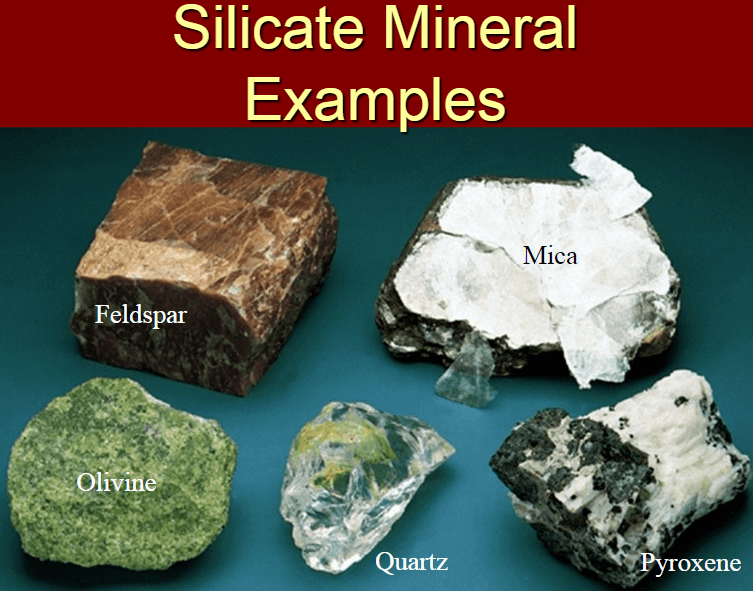
Minerals found in upper layers of the Earth
Silicate minerals (Ex: Quartz)

99% of Earth’s Mass
8 Elements (Sulfur, Nickel, Oxygen, Silicon, Iron, Magnesium, Calcium, and Aluminum)

90% of Earth’s Mass consists of
4 elements (Iron, oxygen, silicon, and magnesium)
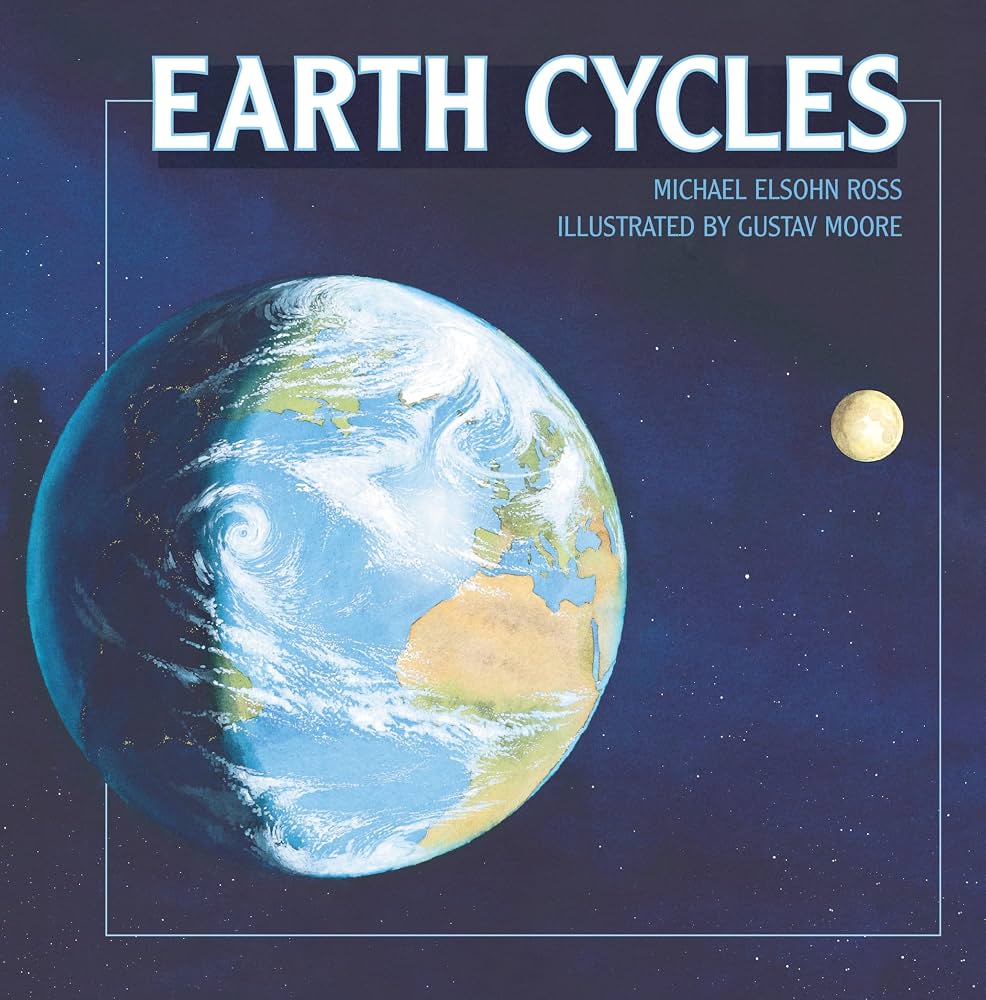
Dynamic Planet
A planet with constant changes both internally and externally (Volcanoes, hurricanes, earthquakes, glacial cycles, landscape changes, etc.)

Earth’s Patterns are influenced by internal and external energy sources
The Sun (external) and Earth’s inner heat engine (powered by trapped heat at Earth’s origin and internal radioactive decay)
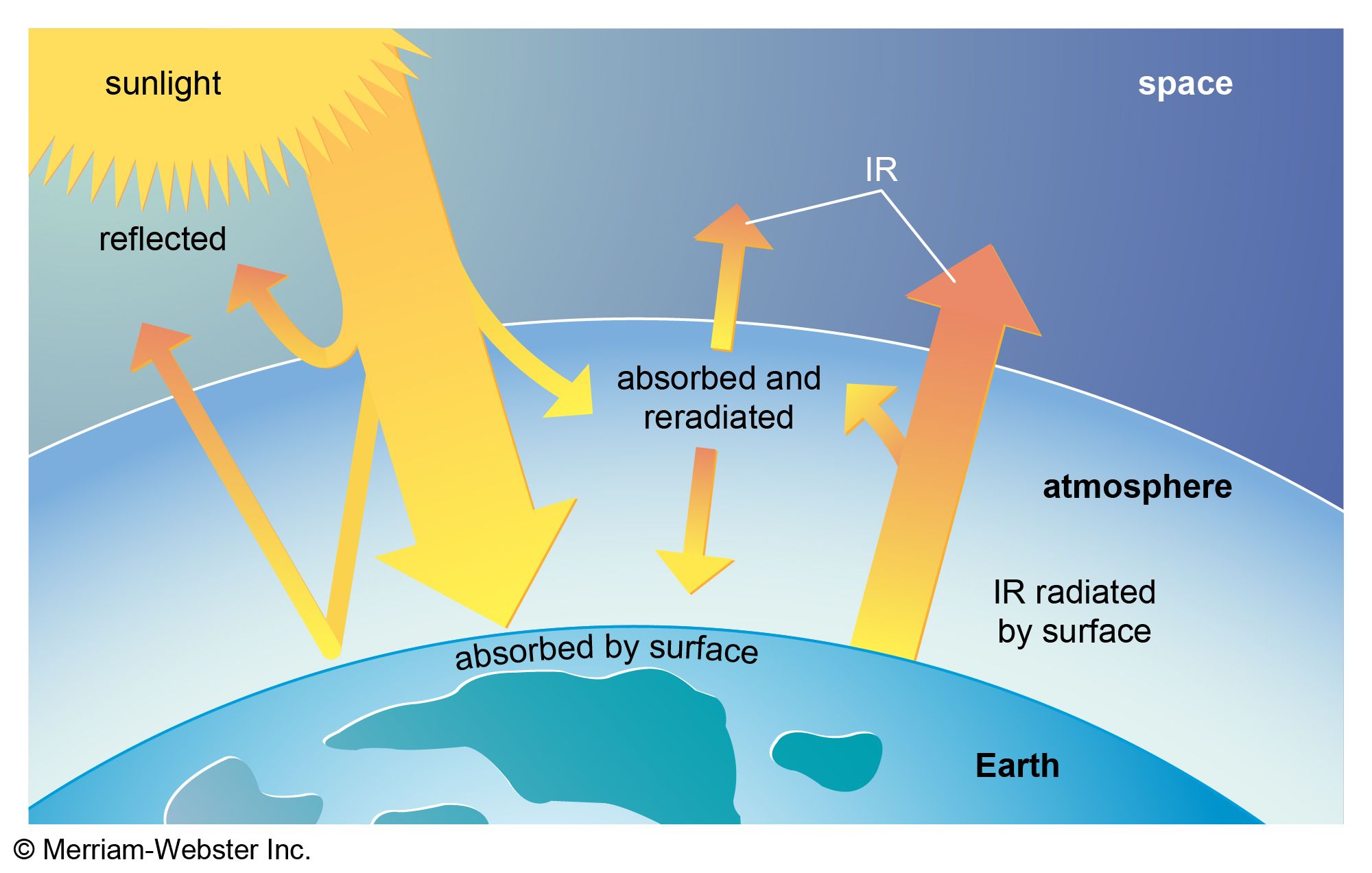
Solar Energy
Responsible for influencing our climate + weather patterns and in driving processes in the atmosphere, hydrosphere, and biosphere + development of landforms.
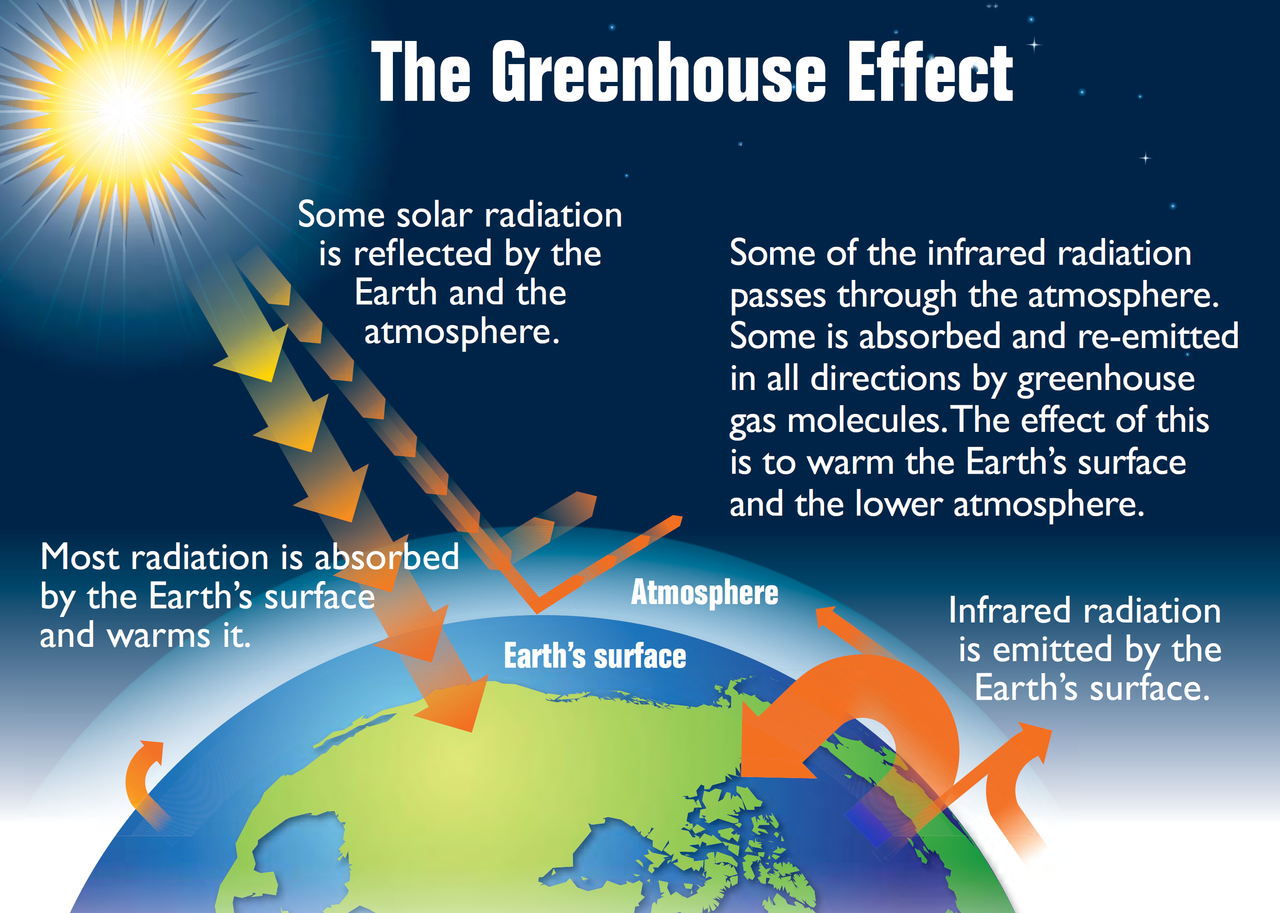
Release of Heat
Balances the input of the Sun’s energy and the Earth’s internal heat engine

Meteors
When mass + minerals from outer space enter and burn up in Earth’s Mesosphere

Internal Heat Generation
Remaining heat from Earth’s formation + natural decay of radioactive minerals (Ex: uranium)

Convection
Transfer of heat through the movement of heated liquids/gases

Subduction
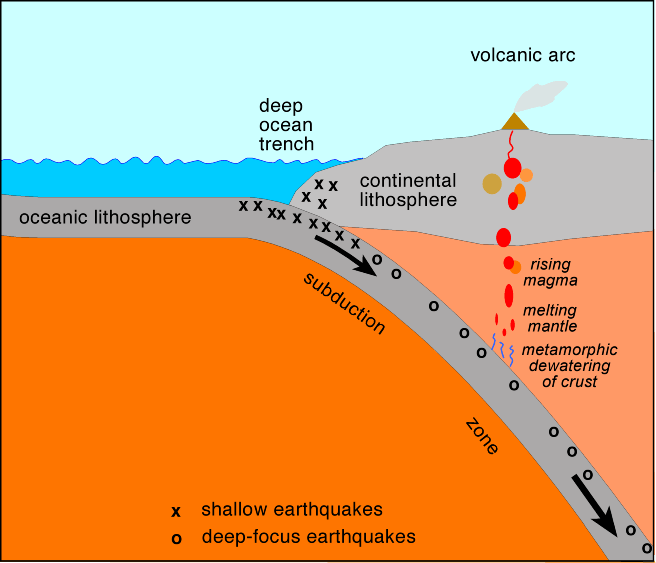
Sinking of cooler + denser rock into the Earth’s mantle under another piece of hotter, less dense rock

Convection of Earth’s Mantle
Plate tectonics + continental movement

Electrical Fields
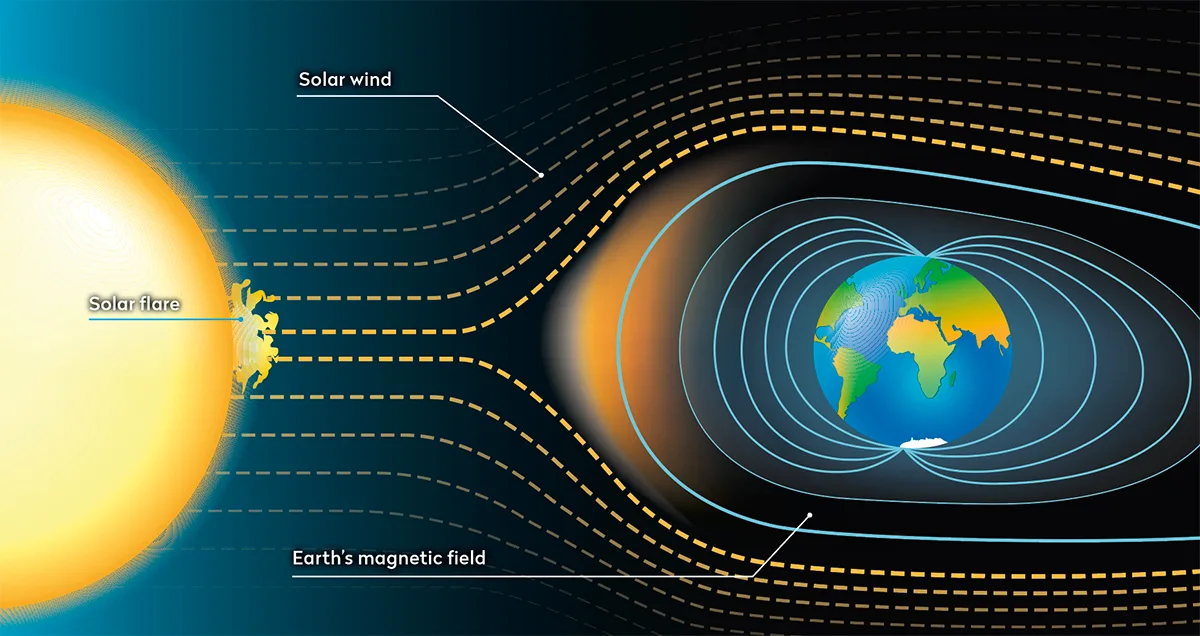
Convection of electrically conductive, molten iron core induces electrical fields
Purpose of Electrical Fields
As long as convection of molten core continues the electrical field will continue to deflect harmful charged particles from solar wind that originates from the sun
Undulations
Continuous rise/fall or smooth wave-like motion (movement of electrical fields)

Magnetic Disturbances
Ripples in the ionosphere can generate disturbances (particularly powerful geomagnetic storms - sun expels large amounts of charged particles that are funneled to the poles)

Solar Wind
Ionized gases blown towards Earth at 400km/s (varies in intensity based on the sun’s surface activity and rate of hydrogen-based nuclear fusion)

Hydrological Cycle
Movement of water on, above, and below Earth (powered by energy from the sun + gravity)

Internal + External energy systems are linked
Plate tectonics move - form mountains - affect the climate

Geodynamo
Interaction between inner + outer core that maintains and creates the magnetic field (occurs deep inside the planet)

Troposphere (0-12km)
Weather happens here (temp decreases w/ height)

Stratosphere (12-50km)
Ozone layer that protects us from harmful UV rays

Mesosphere (50-85km)
Coldest layer, meteors burn up here

Thermosphere (85-600km)
Very hot, auroras + satellites here

Exosphere (600-10,000km)
Outermost layer, merges into open space

Atmosphere
Composed of gases, held by gravity (creates breathable air) [weather & UV protection)

Hydrosphere
All water on Earth, their cycles and influences

Biosphere
Global zone containing all living organisms
Asthenosphere
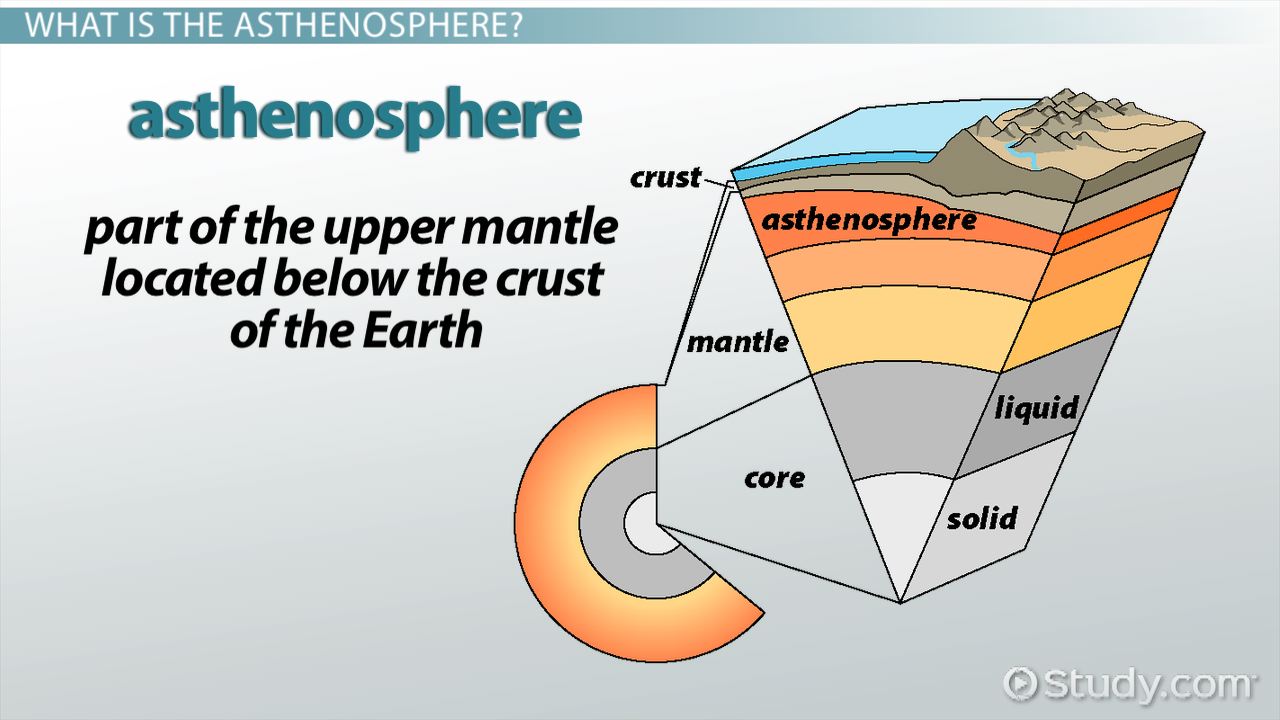
Weak, flexible, and semi-fluid layer of Earth’s upper mantle (right below the rigid lithosphere)

Lithosphere
Upper 100km, “rigid skin”, includes the crust & upper mantle
Subduction Zones
Region where the denser (cooler) plate sinks below the less dense (hotter) plate

Continental Collision
When the lithosphere disappears far beneath the mantle, it causes continental crust to collide forming things like mountains