chapter 17: Blood
 Call Kai
 Learn
Learn Practice Test
 Spaced Repetition
 Match
Match Flashcards
 Knowt Play
1/101

There's no tags or description
Looks like no tags are added yet.
Name | Mastery | Learn | Test | Matching | Spaced | Call with Kai | Chat |
|---|
No analytics yet
Send a link to your students to track their progress
102 Terms
Function of blood?
Transport, regulation, and protection
How is transport a function of blood?
Delivering oxygen to lungs and nutrients from DI tract to all body cells.
Transporting metabolic waste products from cells to elimination sites.
Transporting hormones form the endocrine organs to their target cells.
What are regulatory functions of blood?
Maintain body temperature through absorbing and distributing heat throughout the body and to the skin surface to encourage heat loss.
Maintain normal pH in body tissue. Blood proteins and other bloodborne solutes buffers blood pH to prevent excess or abrupt changes.
Maintain fluid volume in the circulatory system. Blood proteins prevent excessive fluid loss from the blood into the tissue spaces.
Protective functions of blood?
Prevent blood loss.
Prevent infections.
What is blood?
Specialized connective tissue that is a thick, homogenous liquid that has both cellular and liquid components.
What is living and nonliving in blood?
Living blood cells or formed elements and nonliving fluid matrix called plasma.
What does blood lack?
Collagen and elastic fibers of other connective tissues.
Amount of plasma in whole blood?
55 percent
Amount of Buffy coat in whole blood?
Less than one percent
What is the Buffy coat in whole blood made of?
Leukocytes and platelets
Amount of RBC in whole blood?
45 percent
What makes up formed elements?
Buffy coat, and RBCs
Only complete cell in formed elements?
Leukocytes.
RBCs have no nuclei or organelles and platelets are cell fragments.
Define hematocrit
Total volume of RBCs
Why is blood bright red and dark red?
Scarlet blood is oxygen rich while dark red is oxygen poor
What is the pH of blood?
Between 7.35 and 7.45
What’s the difference between females and male blood?
Females have lower RBCs than males
Increase in RBC?
More viscous and moves more slowly
how much does blood account for in body weight?
8 percent
What is the liters of blood average male and female have?
Males have 5-6L and females 4-5L
Importance of water in plasma
90 percent of volume.
Dissolving and suspending medium.
Absorbs heat.
Importance of electrolytes in plasma
Most abundant solutes by number.
Cations include sodium, potassium, calcium, and magnesium.
Anions include chloride, phosphate, sulfate, and bicarbonate.
Helps maintain plasma osmotic pressure and blood pH.
describe albumin in plasma
60 percent of plasma proteins.
Produced by liver.
Main contributor to osmotic pressure.
what is alpha and beta in plasma for?
Produced by liver.
Transport protein that bind to lipids , metal ions and fat soluble vitamins.
Gamma plasma proteins
Antibodies released by plasma cells during immune response
Fibrinogen in plasma
4 percent.
Produced by liver.
forms fibrin threads of blood clots
Nonprotein nitrogenous substances in plasma
By product of cellular metabolism like urea, uric acid, creatinine and ammonium salts
organic nutrients in plasma
Materials absorb from DI tract and transported to use throughout the body like glucose, amino acids, simple carbohydrates, fatty acids, glycerol, triglycerides, cholesterol, and vitamins.
Respiratory gases in plasma
Oxygen bound to hemoglobin inside RBCs.
Carbon dioxide transported dissolved as bicarbonate ion or bound to hemoglobin in RBCs.
Hormones in plasma
Steroids and thyroid hormones carried by plasma proteins
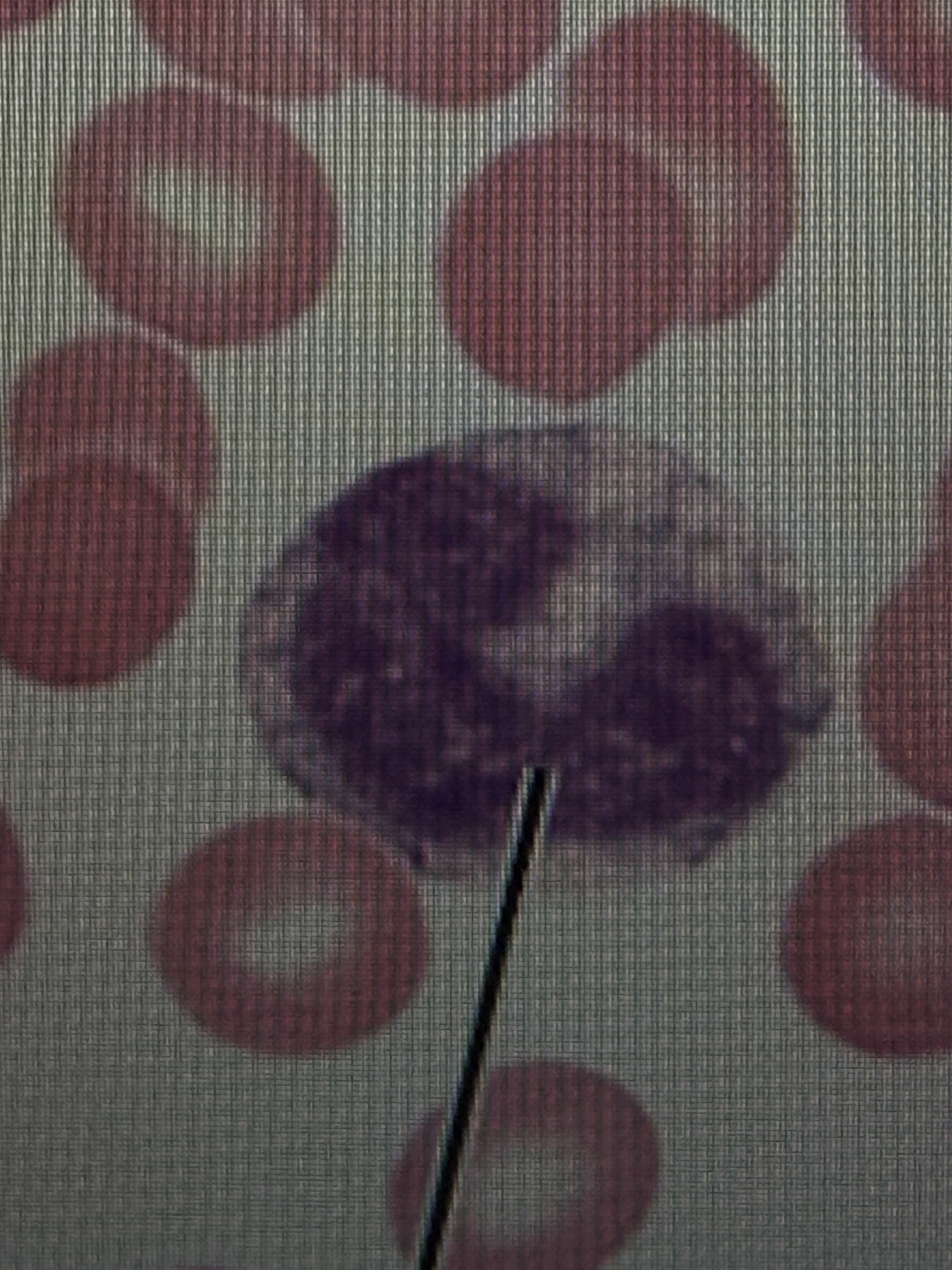
Monocyte
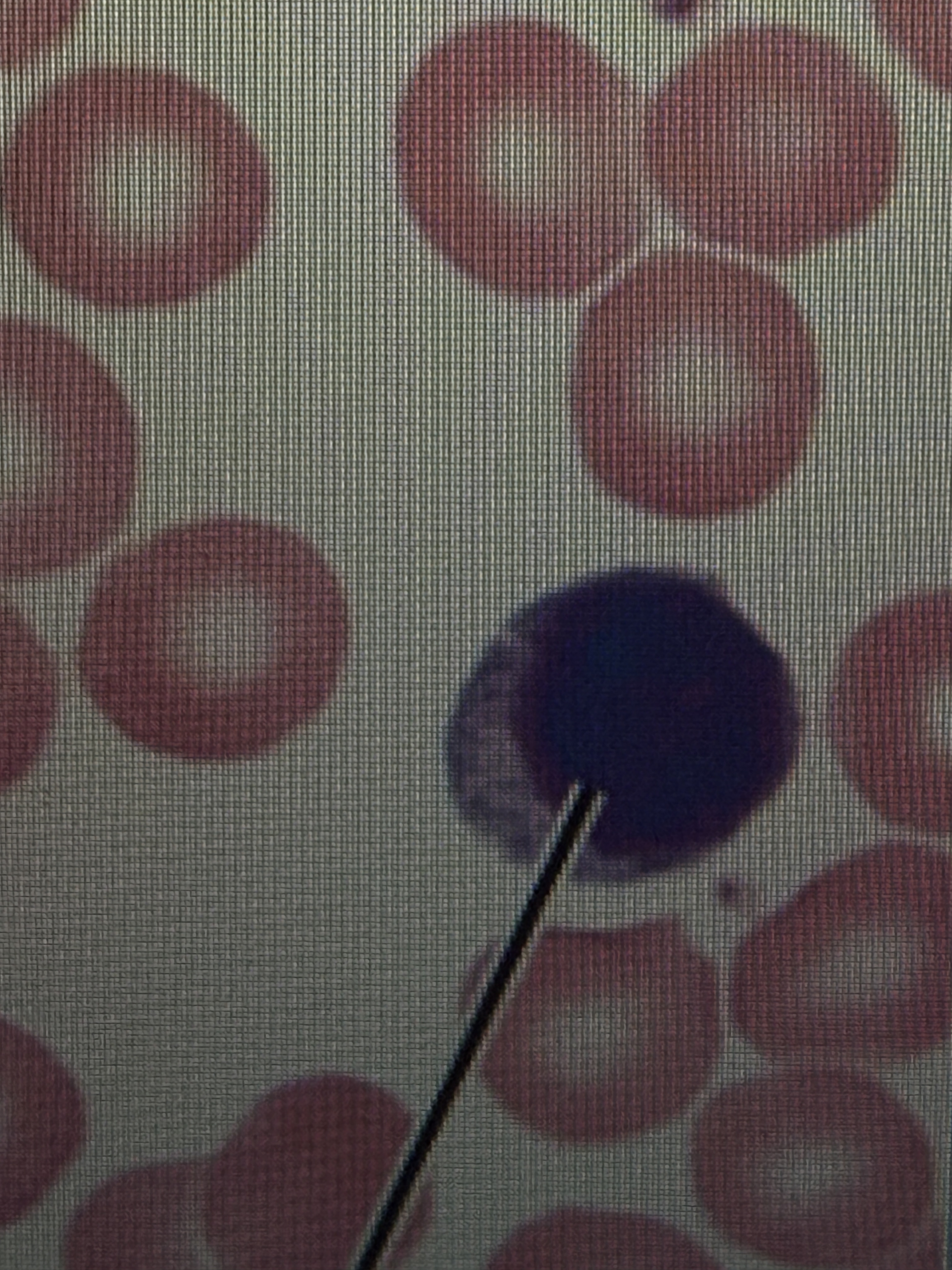
Lymphocyte
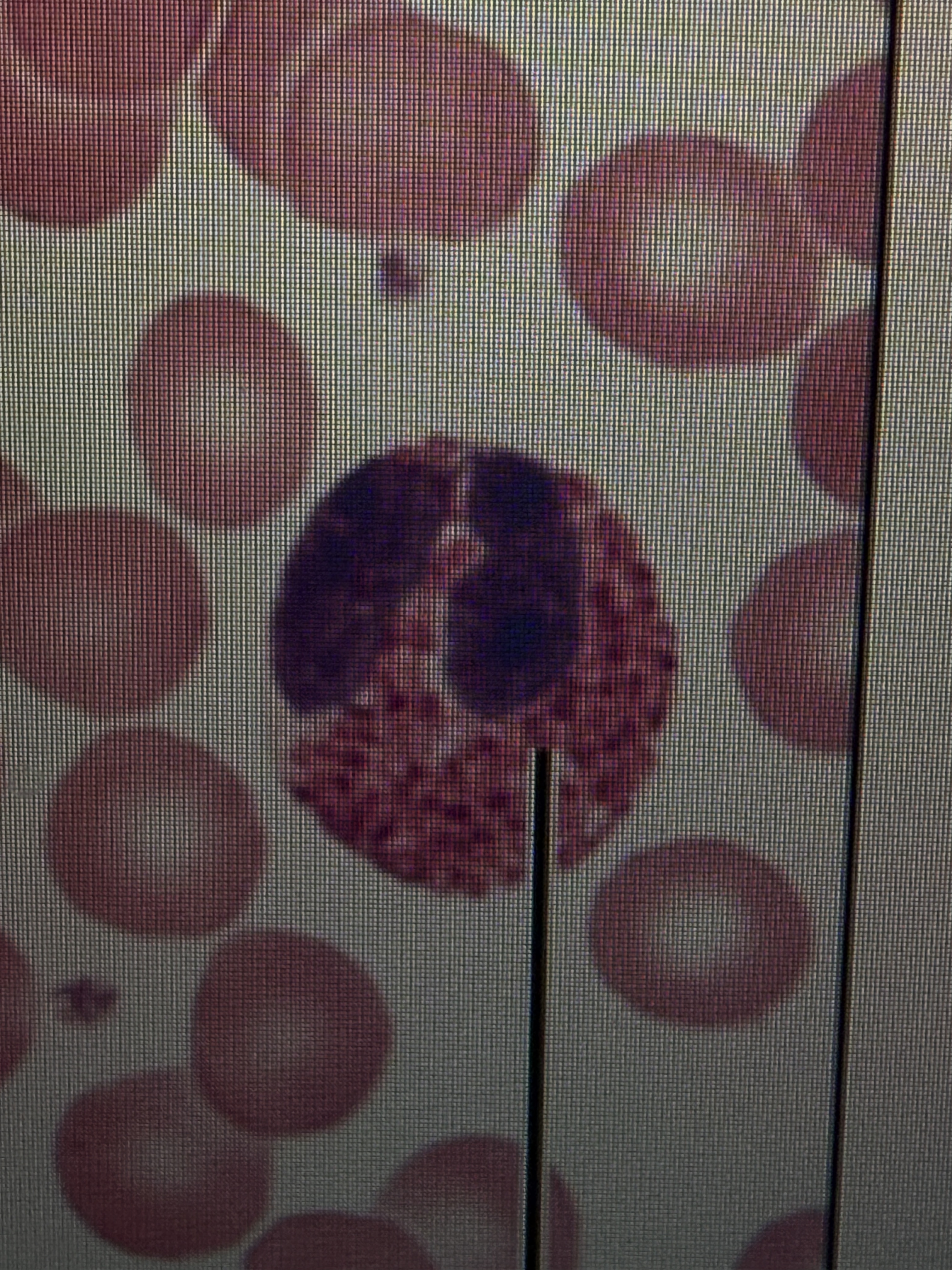
Eosinophil
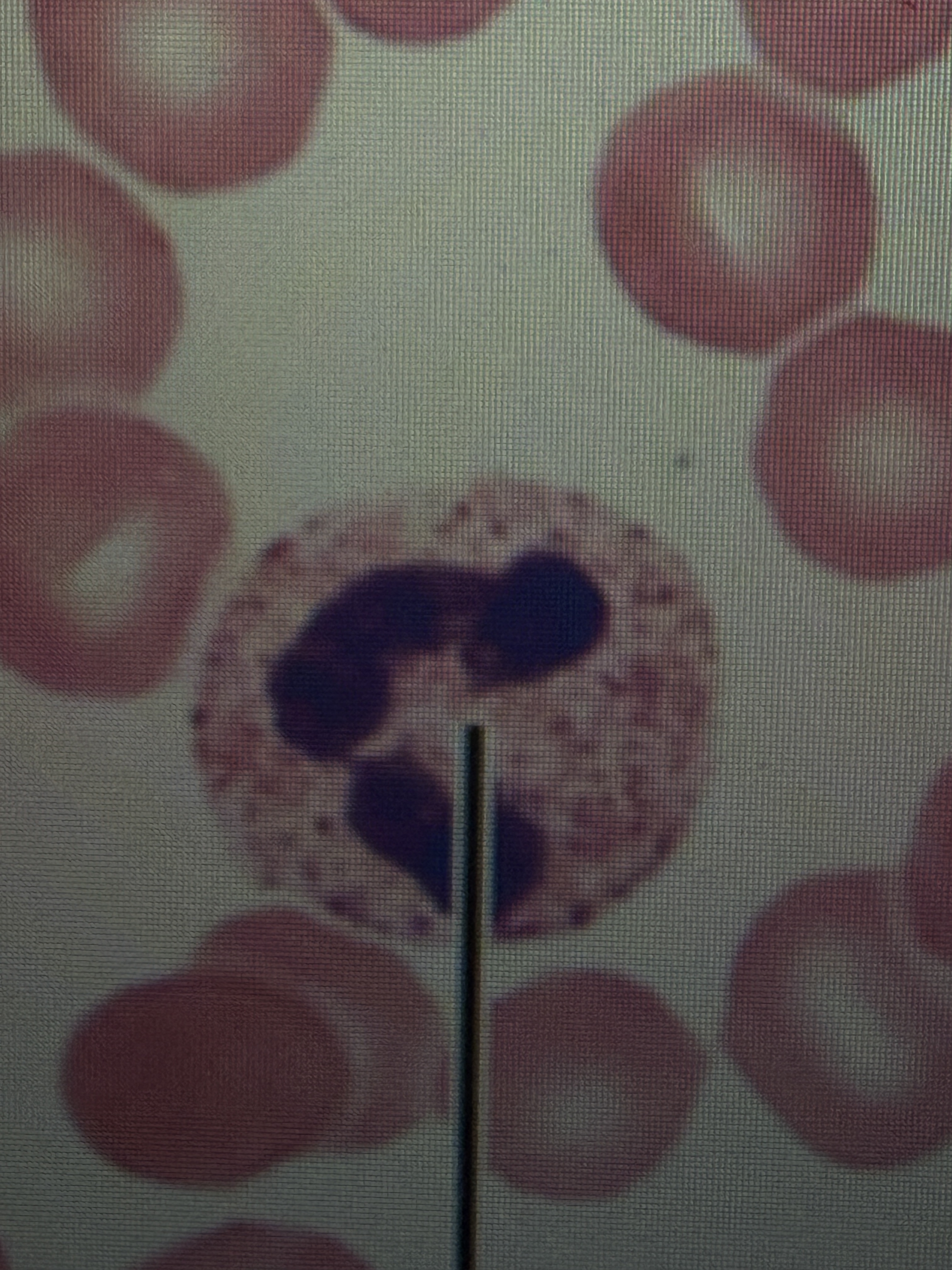
Neutrophil
3 structural characteristics that make RBCs ideal for transport gases
Size and shape. No point within cytoplasm is far from surface.
Discounting water content. 97 percent hemoglobin.
Lack mitochondria and ATP thus do not consume oxygen they carry.
Globin
Two alpha and two beta polypeptide chains that bind our heme groups to form a protein hemoglobin
Heme
Iron containing pigment in hemoglobin
Oxygen loading or oxyhemoglobin
Occurs in lungs.
Flows from lungs to tissue cells.
Deoxyhemoglobin
Oxygen detached form iron in body tissue.
Carbon dioxide loading or carbaminohemoglobin
CO2 combines with hemoglobin but binds to amino acids rather than heme group.
Occurs in tissues and moves to lungs to be eliminated.
Hematopoiesis
Blood cell formation
Hematopoietic stem cell or hemocytoblast
Precursor for formed elements in red bone marrow
Myeloid stem cell
Hematopoietic stem cell descendent that transform into a proerythroblast
Stages of erythropoiesis
Hemocytoblast (stem cell), proerythoblast, basophilic, polychromatic, orothochromatic, reticulocyte, erythrocyte
Tissue hypoxia
Oxygen deprivation
Erythropoietin (EPO)
Glycoprotein hormone that stimulates the formation of erythrocytes in red bone marrow
Produced heavily by kidneys and little by liver.
hypoxia inducible factor (HIF)
Accumulates to accelerate synthesis and release erythropoietin
What does hypoxia stimulate?
Decreased RBCs
Decrease hemoglobin
Decrease oxygen
Drop in blood oxygen triggers EPO formation from what ?
Reduced RBCs from bleeding or excessive RBC destruction
Insufficient hemoglobin per RBC (iron deficiency)
Reduced availability of oxygen from high altitudes or pneumonia
what does testosterone do for EPO in males?
enhance kidney production of EPO
Raw materials for EPO
Nutrients like amino acids, lipids and carbohydrates
Two B-complex vitamins like B12 and folic acid
Iron.
Where is iron when not in hemoglobin ?
Stored in liver, spleen, and bone marrow
Anemia
Blood oxygen carrying capacity is to low
How to increase iron intake from food?
Red meat, beans, and spinach.
Pernicious Anemia
Autoimmune disease in older adults. Immune system destroys cells in stomach mucosa.
B12 helps RBCs divide and not keep growing.
Renal anemia
Lack of EPO
Aplastic anemia
Destruction or inhibition of red bone marrow by drugs, chemicals, ionizing radiation, or viruses.
Most cases are unknown.
Hemolytic anemia
RBCs rupture or lyse, prematurely.
Due to hemoglobin abnormalities, transfusion of mismatched blood and bacterial or parasitic infections.
Thalassemias
Occur in Mediterranean ancestry.
One of the globin chains is absent or faulty. RBCs are thin and deficient.
Monthly blood transfusions are common.
Sickle cell anemia
Caused by hemoglobin S (HbS) results from a change in one of the 146 amino acids in a beta chain.
Beta chains stick together under low oxygen conditions forming stiff rods so hemoglobin S is spiky.
Polycythemia
Abnormal excess of RBCs.
Polycythemia Vera
Bone marrow cancer
Dizziness and high RBC up to 80 percent hematocrit.
Secondary polycythemia
Less oxygen is available or EPO production increases.
Due to high altitudes and pressure.
Diapedesis
White blood cells slip out of capillaries blood vessels.
Leuocytosis
White blood cell count over 11,000cells /ul.
Due to response to infection.
Granulocytes
Membrane bound cytoplasmic granules
Agranulocytes
Lack granules
what cells are granulocytes
Neutrophils
Eosinophils
Basophils
What cells are agranulocytes
Lymphocytes
Monocytes
Neutrophils function
Phagocytize bacteria
Eosinophil function
Kill parasitic worms
Role in allergy and asthma
Basophils function
Release histamine and other mediators of inflammation.
Contain heparin and anticoagulant
Lymphocytes function
Mount immune response by direct cell attack or via antibodies
Monocyte function
Phagocytosis
Develop into macrophages in tissues
Thrombopoietin
Hormone that regulates the formation of platelets
Stages of platelets
Hemocytoblast, megakaryoblast 1, 2, 3, 4 and then platelets
Events of blood clot
Vascular spasms, platelet plug formation, coagulation
Messengers that enhance vascular spams and platelet aggregation
Serotonin and thromboxane
potent aggregating agent that causes more platelet to stick and release?
Adenosine diphosphate
Von willebrand factor
Plasma protein that stabilizes bound platelets by forming a bridge between collagen and platelets.
Occurs when endothelium is damaged and connective tissue is exposed.
Fibrinolysis
Removes blood clot when healing has occurred
Plasmin (clot buster)
Fibrin digesting enzyme produced when plasma protein plasminogen is activated.
Heparin
Natural anticoagulant in basophils, mast cell granules and surface of endothelial cells that inhibits thrombin by enhancing antithrombin 111
Disseminated intramuscular coagulation (DIC)
Widespread clotting and severe bleeding.
Thrombus
Clot that persists in an unbroken vessel.
Embolus
Thrombus breaking away from vessel wall and floats freely in the blood.
Embolism
Thrombus obstruction in vessel
Thrombocytopenia
Platelet deficiency
Petechiae
Widespread hemorrhage with many small purplish spots
Impaired liver function can cause what?
Blood disorders as the liver cells requires vitamin K to produce certain clotting factors.
Antigens in AB blood type
A and B antigens
Antibodies in AB blood
None
Antigens in B blood
Anti B
Antibodies in B blood
Anti-A
Antigens in O blood
None
Antibodies in O blood
Anti-A and anti-B
Universal recipient
AB
Universal donor
O
RH - mother RH + baby
Healthy baby but mother may sensitize RH+ antigens
Mother will form RH - antibodies and needs to be treated with RhoGAM serum.
if untreated, mothers antibodies will cross over and destroy babies RBCs.
How to find blood type
If the antigen coagulates it is that blood type.
If no blood coagulates, it is type O.