Exam 2 - Pulmonary and GI
 Call Kai
 Learn
Learn Practice Test
 Spaced Repetition
 Match
Match Flashcards
 Knowt Play
1/169

There's no tags or description
Looks like no tags are added yet.
Name | Mastery | Learn | Test | Matching | Spaced | Call with Kai | Chat |
|---|
No analytics yet
Send a link to your students to track their progress
170 Terms
Pulmonary Pain Patterns
substernal or chest region over the involved lung fields that may include the anterior chest, side, or back.
Pulmonary
Disease classifications for Lungs
Respiratory
Disease classifications for breathing tract
Occupational Lung Diseases
a group of preventable conditions caused by breathing in dust, gases, fumes, chemicals, or other harmful substances at work
Pneumoconiosis
“the dust diseases,” inhalation of minerals, notably silica, coal dust, or asbestos.
Pulmonary Disease Risk Factors
40+, smoker, PMH of cancer, upper respiratory infection, MSK pain with breathing, Dyspnea
Ventilation
Air from outside into the body
Respiration
Oxygen uptake and carbon dioxide elimination
Normal
PaO2: 80-100
Tachycardia
PaO2: 60-80
Nausea
PaO2: 50-60
Confusion
PaO2: 35-50
Cardiac arrest
PaO2: 25-35
Pulmonary Disease Signs
Cough, Dyspnea, Chest pain, Cyanosis Clubbing
Persistent
Cough from Tumor, congestion, or hypersensitive airways
Productive
Cough from clear- viral infection, Yellow/green- bacterial infection
pH
Blood acidity
PCO2
How well blood is exchanging with blood in the lungs
HCO3
Amount of alkaline substance in the blood
PO2
Pressure of O2 dissolved in arterial blood
O2 Saturation
Oxyhemoglobin saturation
Respiratory acidosis
results from hypoventilation and increased CO2
Respiratory alkalosis
Loss of acid due to hyperventilation.
Total lung capacity
the sum of all four primary lung volumes
Tidal volume
moves in/out with each breath
Residual volume
amount left after forceful expiration
Obstructive
Limitation of airflow usually resulting from increase in resistance - Difficulty in getting air out
Restrictive
Reduced expansion of lung tissue- difficulty in getting air in
Asthma
Increased responsiveness of the tracheobronchial tree to stimuli- increased resistance in the airway- difficulty getting air out
Extrinsic asthma
allergic reaction. more common
Intrinsic asthma
exercise, emotional stress, anxiety
Asthma Pathophysiology
Hyperreactive smooth muscle cells constrict
Asthma signs
Recurrent episodes of coughing or wheezing, Dyspnea , Chest pain , Prolonged expiration , Signs of respiratory difficulty
Spirometry
Shows evidence in airflow obstruction
Asthma Treatment
Relaxing smooth muscles (β-2 agonists), Control inflammation
Exercise Induced Asthma
Bronchoconstriction due to exercise
Exercise Induced Asthma Signs
SOB with exertion, Out of shape, Tired more easily than their peers, Cough
Exercise Induced Asthma Treatment
Beta agonist 15 minutes before exercise and then prn
Acute Bronchitis
Inflammation of the trachea and bronchi, most commonly caused by viruses
Chronic Obstructive Pulmonary Disease
Caused by environmental factors; Caused by Chronic Bronchitis and Emphysema
COPD Signs
Dyspnea, Cough, Wheezing, Barrel chest, grunting, Cyanosis
COPD
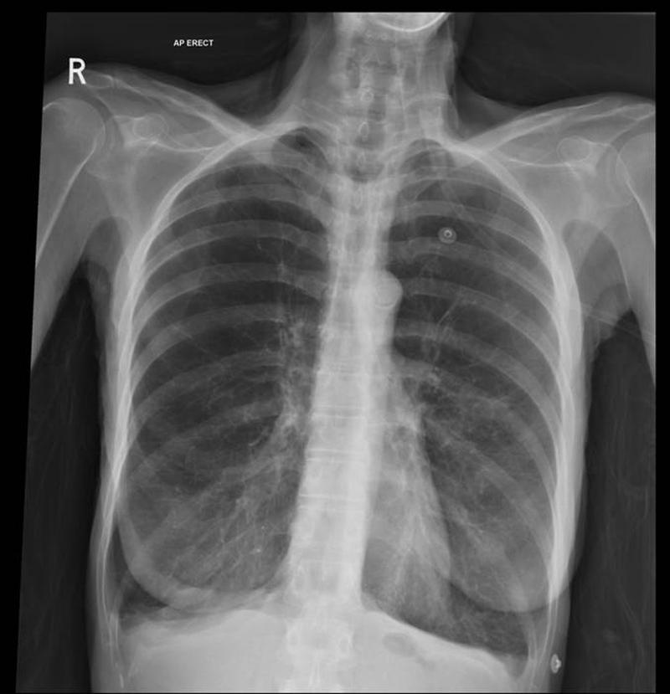
COPD

COPD Treatment
Stop smoking (nicotine patches, nicotine gum, Zyban)
Cystic Fibrosis
Inherited disease of exocrine glands; affects digestive, respiratory, sweat and reproductive tracts
Cystic Fibrosis Epidemiology
genetic disease in caucasians
Cystic Fibrosis Pathophysiology
Mucus plugs with lungs
Cystic Fibrosis Signs
meconium ileus at birth, respiratory disease
Cystic Fibrosis Diagnosis
Prenatal genetic testing, Sweat chloride test
Cystic Fibrosis Treatement
Oral pancreatic enzymes, Chest physical therapy, Aerosol treatments, CFTR modulators
Acute Respiratory Distress Syndrome
Acute onset of increased lung stiffness; Exudative fluid in the alveoli
ARDS Causes
Septic shock, burns, Inhalation injury, severe trauma
ARDS

ARDS Treatment
Mechanical ventilation, High-dose corticosteroids
Chronic Restrictive Diseases
Fibrosis of the interstitium, Gradual decrease in respiratory function
Pneumoconiosis
dust particles of asbestos, coal dust
Hypersensitivity alveolitis
Immune reaction due to repeatedly inhaling mold, bacteria, bird droppings, etc.
Sarcoidosis
Rare inflammatory disease where immune system overreacts and forms granulomas in organs
Idiopathic pulmonary fibrosis
Chronic, progressive disease that causes irreversible scarring and thickening of the tissue around the air sacs
Chronic Restrictive Disease Treatment
immunosuppressants, anti-inflammatories
Pneumonia
Inflammation of the lungs
Pneumonia Signs
Fever, chills, dyspnea, cough with rust or green sputum, chest pain, Cyanosis, rales or bronchial breath sounds
Pneumonia Tests
Sputum, CXR
Pneumonia

Pneumonia Treatment
Antibiotics, Antivirals
Pneumonia Prevention
Vaccine, most with risk in >65, infants, pregnant women
Tuberculosis
Caused by Mycobacterium tuberculosis
Tuberculosis Risk Factors
Elderly, poverty or crowded conditions, alcohol or drug abusers
Primary tuberculosis
obtained from Airborne droplets, coughing, sneezing, speaking
Secondary tuberculosis
Reactivation of a previously dormant lesion, Immunocompromised
Pott’s Disease
TB spreads to the spine
Miliary TB
TB droplets of bacteria travel through the bloodstream to multiple organs
Primary TB Signs
5% have signs, pneumoina signs
Secondary TB Signs
Reactivation of someone who was previously exposed, fatigue, malaise, anorexia, weight loss
Tuberculosis Tests
PPD (Purified Protein Derivative)- Detects if they have bacteria present
TB Treatment
(+) PPD and (-) CXR for 6-9 months
Lung Cancer Risk Factors
Cigarette smoking
Lung Cancer Signs
Silent, lesions often metastasize, chronic cough, hemoptysis
Lung Cancer Tests
Tissue diagnosis, CT, PET scan
Lung Cancer Treatment
Radiation, Chemotherapy, Immunotherpay
Pulmonary Embolus
Most from DVT, from sources of fat and air ______
Pulmonary Embolus Signs
Sudden onset of dyspnea, pleuritic chest pain, cough, hemoptysis
Pulmonary Embolus Treatment
Heparin Thrombolytic drugs
Atelectasis
Collapse of alveoli
Pneumothorax
Free air in pleural cavity
Tension Pneumothorax
Allows air in with inspiration, Does not allow air to escape with expiration
Pneumothorax Signs
chest pain, decreased breath sounds, x-ray
Costochondritis
Inflammation of the rib joints
Gastrointestinal Disease Signs
Nausea, Diarrhea, Constipation, Heartburn, Weight loss
Odynophagia
Pain during swallowing
Dysphagia
Difficulty swallowing; Can be result of symptom of disorders unrelated to GI issues like stroke, Alzheimer’s disease, or Parkinson’s disease
Constipation
Condition of prolonged retention of fecal content in GI tract resulting from decreased motility of colon or difficulty expelling stool
Diarrhea
Abnormal increase in stool frequency and liquidity
Fecal Incontinence
Inability to control evacuation of stool and associated with sense of urgency, diarrhea, and abdominal cramping
Arthralgia
Inflammatory GI conditions have arthritic component affecting joints
Hypothesized antigen crosse
Kher’s Sign
pain in left shoulder when pressure placed on upper abdomen
Danforth sign
pain in shoulder with inspiration
Vitamin B12
can cause weakness of lower extremities and numbness