Lecture 4- Basic mechanisms of Toxicants 2
 Call Kai
 Learn
Learn Practice Test
 Spaced Repetition
 Match
Match Flashcards
 Knowt Play
1/30

There's no tags or description
Looks like no tags are added yet.
Name | Mastery | Learn | Test | Matching | Spaced | Call with Kai | Chat |
|---|
No analytics yet
Send a link to your students to track their progress
31 Terms
what are chemicals that inhibit cellular respiration doing
inhibitors of proteins
or enzymes involved in oxygen consumption, fuel utilization, and ATP
production - cause energy depletion and cell death
example of chemicals that inhibit cellular respiration
cyanide inhibits cytochrome c oxidase to prevent cellular respiration
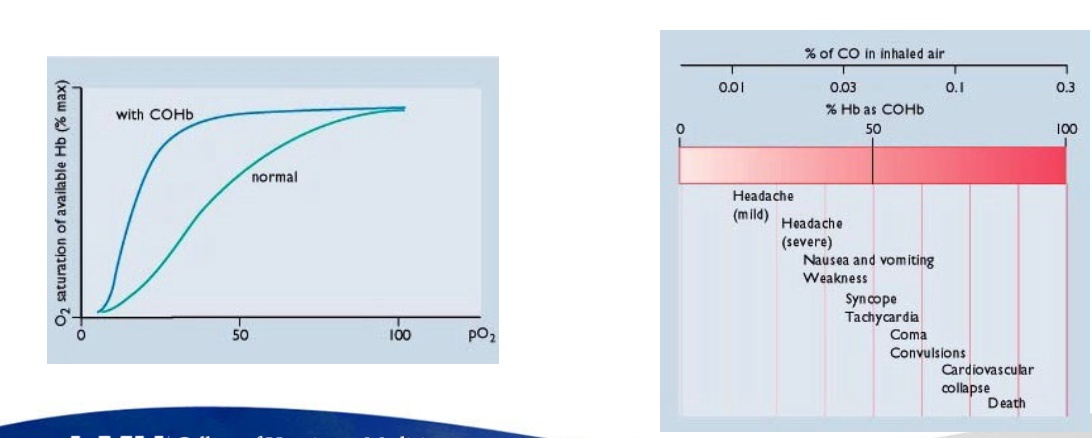
what does carbon monoxide do
displaces oxygen from hemoglobin causing hypoxia
examples of chemicals that inhibit the production of cellular building blocks
nucleotides, lipids, AA
what organs are particularly susceptible to toxin damage
liver and kidney
hepatic necrossi
acetaminophen poisoning
hepatic inflammation (hepatitis)
halothane can covalently bind to liver proteins to trigger an autoimmune reaction
(one reason it’s rarely used any longer in general anesthesia)
chronic liver damage (cirrhosis)
long term sub clinical toxicant causes cellular toxicity and inflammation
changes in glomerular fliration rate (GFR)
Largely due to drugs that alter blood flow :
NSAIDs (eg. aspirin) reduce prostaglandins which in turn reduces blood flow/GFR
ACE inhibitors (eg. ramipril) increase blood flow/GFR
allergic nephritis
allergic reaction to NSAIDs and antibiotics
chronic nephritis
long term NSAID and acetominophen use
chemicals that caue DNA adducts can lead to
DNA mutations which can activate cell death
pathways; if mutations activate oncogenes or inactivate tumor suppressors, it can lead to
uncontrolled cell proliferation and cancer (e.g. benzo[a]pyrene)
chemicals that cause oxidative stress
can oxidize DNA or proteins leading to DNA mutations or
protein dysfunction and all of the above. (e.g. benzene, CCl4)
chemicals causing the following:
DNA adducts
protein adducts
oxidative stress
can also cause
inflammation which can lead to further cellular dysfunction
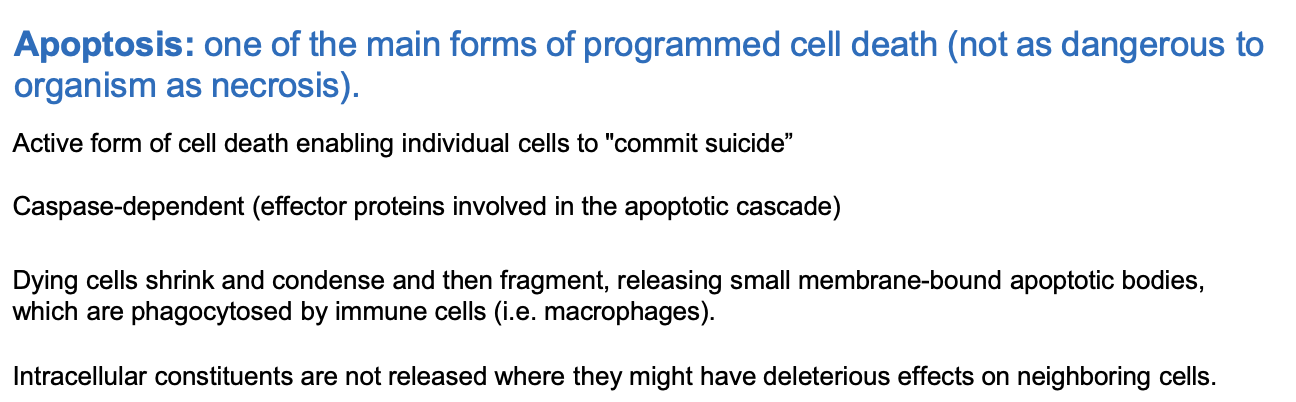
apoptosis
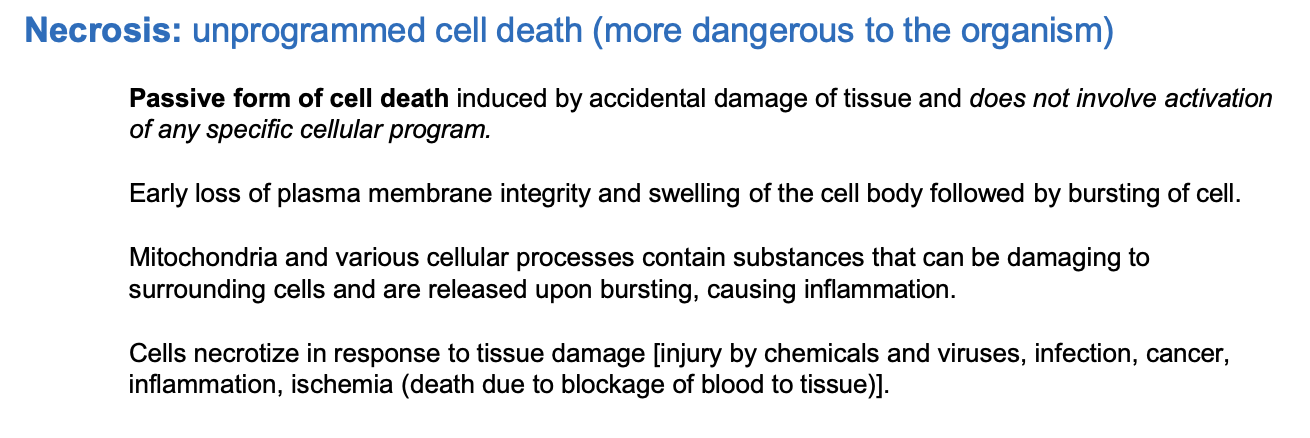
necrosis
mechanisms of necrosis
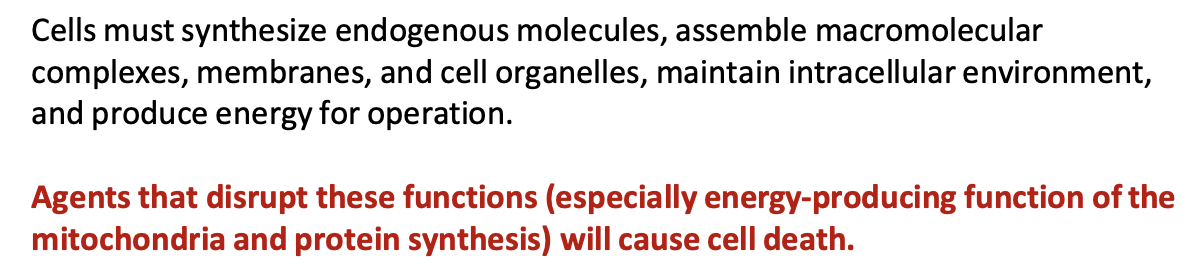
three primary metabolic disorders jepardizing cell survival
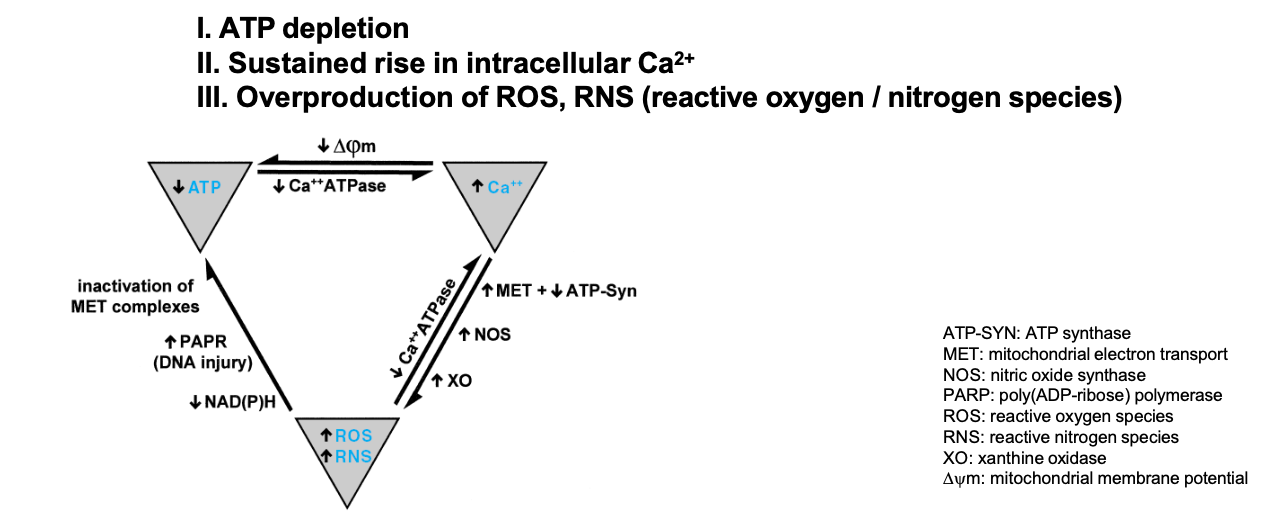
ATP depletion
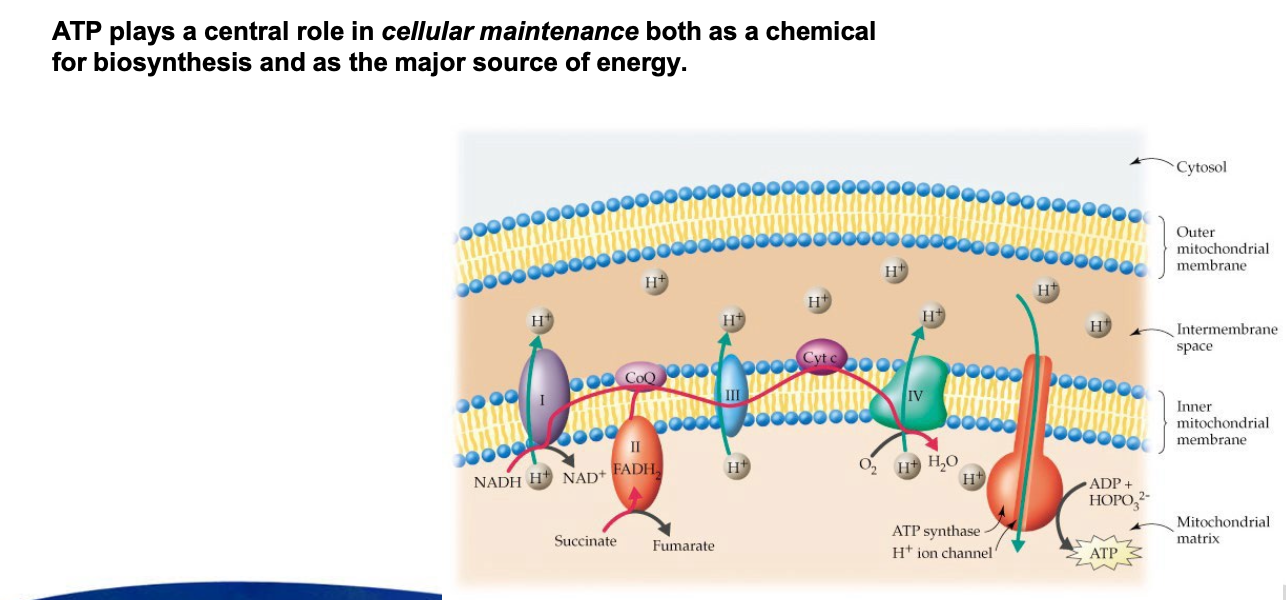
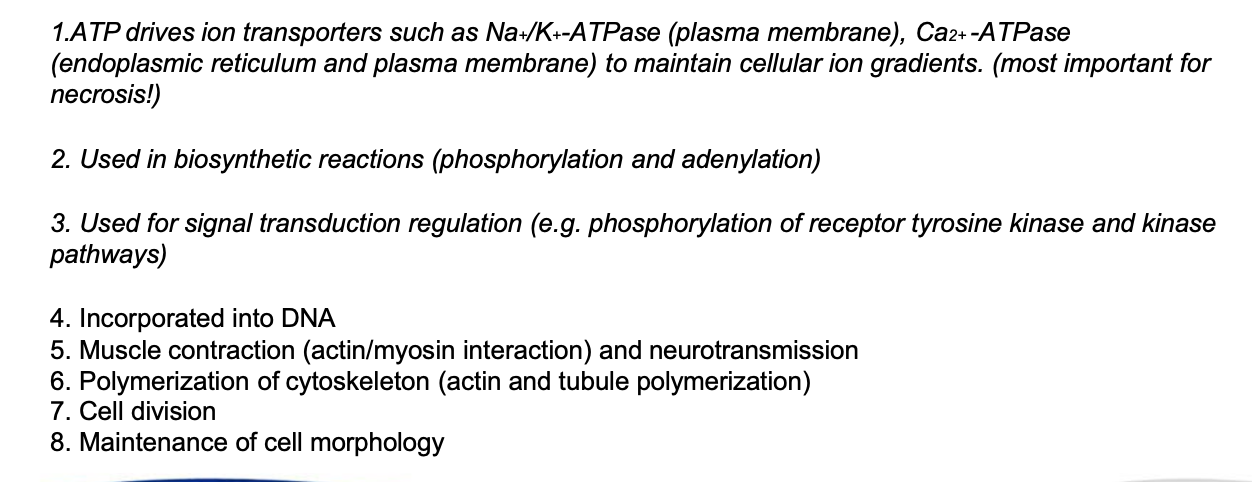
direct conseuqences of ATP depletion
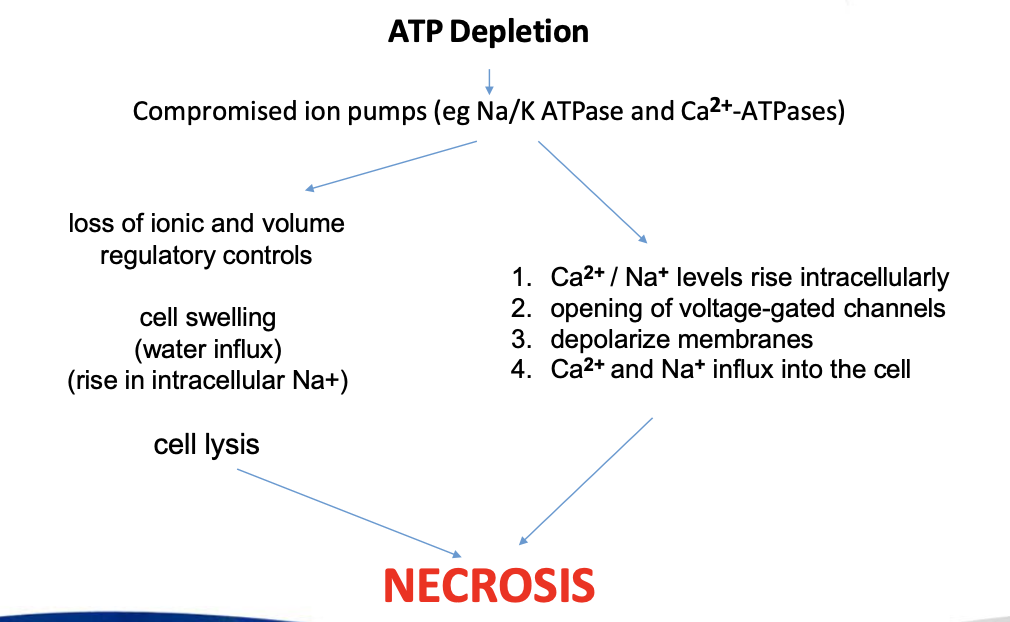
inhibitors of electron transport

inhibitors of oxygen delivery
1. Ischemic agents such as ergot alkaloids, cocaine
2. Carbon monoxide—displaces oxygen from hemoglobin
inhibtors of ADP phosphorylation
DDTm DIM, phytochemicals
chemicals causing mitochondrial DNA damage
antivirals
Ca is involved in (6)
1. signal transduction regulation (i.e. PKC activation by DAG and Ca2+) and exocytosis
2. muscle contraction (actin/myosin interaction)
3. cytoskeletal polymerization (i.e. Ca2+ inhibition of actin)
4. neurotransmission (via glutamate receptor Ca2+ channel and voltage-gated Ca2+
channels) and synaptic plasticity
5. enzyme induction (i.e. citrate and α-ketoglutarate dehydrogenases from the TCA cycle)
6. Transporters (Ca2+/ATPase, Na/Ca2+ exchanger, etc.)
intracellular Ca levels are ________ under normal conditions
highly regulated
The 10,000-fold difference between extracellular and cytosolic Ca2+ concentration is
maintained by:
impermeability of plasma membrane to Ca2+
transport mechanisms that remove Ca2+ from cytoplasm
Ca sources are from
outside cell or Ca2+ stores in ER or mitochondria (as calcium
phosphate).
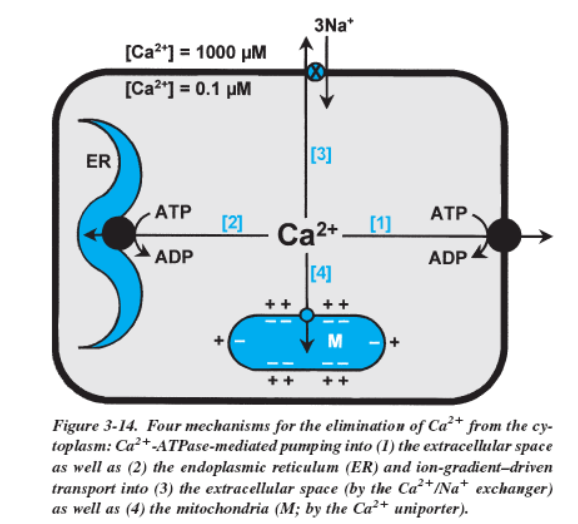
four mechanisms of calcium elimination
1. Extracellular Ca2+ ATPase
2. Endoplasmic reticulum Ca2+ ATPase
3. Extracellular Na+/ Ca2+ exchanger
4. Mitochondrial Ca2+ uniporter
excitoxicirty
consequence of increased intracellular Ca
what are the 4 parts of exictotoxicity
1. Depletion of energy reserves—decreased mitochondrial ATP production and
increased loss of ATP
2. Dysfunction of microfilaments—impaired cell motility, disruption in cell
morphology, impairment of cellular functions
3. Activation of hydrolytic enzymes—disintegration of membranes, proteins, DNA, etc.
4. Generation of ROS/RNS—disintegration of membranes, proteins, DNA, etc.