Unit 6.1: Chemical Methods of Microbial Control
 Call Kai
 Learn
Learn Practice Test
 Spaced Repetition
 Match
Match Flashcards
 Knowt Play
1/39

There's no tags or description
Looks like no tags are added yet.
Name | Mastery | Learn | Test | Matching | Spaced | Call with Kai | Chat |
|---|
No analytics yet
Send a link to your students to track their progress
40 Terms
What are the 8 major categories of chemical antiseptics & disinfectants?
Please Make Hot And Spicy Alligator Gumbo - Ouch
Phenols
Heavy Metals
Halogens
Alcohols
Surfactants
Alkylating agents
Gaseous alkylating agents
Oxidizing agents
What do Phenols and phenolics do to lipids in the plasma membranes and enzymes?
Phenols and phenolics disrupts the lipids in plasma membranes and denatures enzymes
What are the phenol derivatives?
The phenol derivatives are phenolics and bisphenols
Why were phenolics and bisphenols made?
Phenolics and bisphenols were made to reduce irritation and increase antimicrobial action
What are phenolics and bisphenols effective against?
Phenolics and bisphenols are more effective against gram positive bacteria and yeast
What can phenolics and bisphenols be used as and provide examples
Can be used as:
a disinfectant - Lysol
an antiseptic - toothpaste
What does high molecular weight metals do to proteins?
High molecular weight metals denature proteins
How is silver used?
Silver can be used as a disinfectant through water and an antiseptic through bandages
What is copper used to destroy?
Copper is used to destroy algae and fungi in paint
What is zinc used for?
Zinc is a common antiseptic ingredient in mouthwashes and anti-dandruff shampoos
What are halogens?
Halogens are a group of highly reactive non-metallic elements used as potent disinfectants and antiseptics
What do halogens do?
Halogens oxidize proteins and cell membranes
What are the two halogens?
The two halogens are Iodophors and Chlorine
What are Iodophors effective against?
Iodophors are effective against bacteria, endospores and viruses
What are Iodophors used as?
Iodophors are used as an antiseptic (betadine)
What is Chlorine effective against?
Chlorine is effective against most microorganisms
What is Chlorine used as?
Chlorine is used as a disinfectant (bleach)
What are some examples of how Alcohol is used in microbial control?
Isopropanol (rubbing alcohol
Ethanol (“drinking” alcohol)
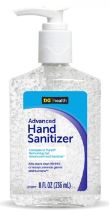
How does alcohol work against microbes?
Alcohol denatures proteins and disrupts membranes
What concentration does alcohol works at best?
Alcohol works at 70-90% concentration best
What is alcohol used as?
Alcohol is used as a disinfectant and antiseptic
What is alcohol effective against?
Alcohol is effective against bacteria, fungi and enveloped viruses
What can alcohol do regarding endospores?
Alcohol can induce endospore formation
What are some examples of Surfactants?
Some examples of surfactants include soaps and detergents
What do soaps do to microbes?
Soaps do not kill microbes, but rather aid in the mechanical removal of them through degerming
What are quaternary ammonium compounds (QUATs)
Quaternary ammonium compounds are positively charged detergents (cationic detergents)
What is an example of a Cationic detergent?
An example of a cationic detergent is cetylpyridinium chloride
What do detergents do to microbes?
Detergents disrupts the plasma membranes
What are QUATs / detergents more effective against?
QUATs / detergents are more effective against gram-positive bacteria, fungi, protozoa and enveloped viruses
What thrives in QUATs?
Gram-negative Pseudomonas thrive in QUATs
What does alkylating agents do to protein DNA?
Alkylating agents denature protein and damage DNA
What is Glutaraldehyde?
Glutaraldehyde is an alkylating agent and is commonly used as a solution to disinfect hospital instruments
What is Formaldehyde?
Formaldehyde is an alkylating agent that inactivates bacteria and viruses in vaccines and preserves biological specimens
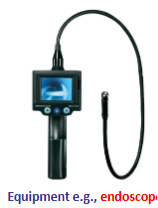
What equipment are alkylating agents used in?
Endoscope
What are the two gaseous alkylating agents?
Ethylene oxide and propylene oxide
What does Ethylene oxide and propylene oxide kill?
Ethylene oxide and propelyne oxide kills all microbes and endospores
What are gaseous alkylating agents used for?
They are used to disinfect/sterilize equipment at room temperature
What are oxidizing agents?
Oxidizing agents are highly reactive forms of oxygen that kill microbes by oxidizing their proteins and cell membranes
What is an example of an oxidizing agent?
Hydrogen Peroxide and Ozone
What is hydrogen peroxide and ozone used for?
Hydrogen peroxide disinfects hospital surfaces and ozone disinfects swimming pool water