L PD PEDS
 Call Kai
 Learn
Learn Practice Test
 Spaced Repetition
 Match
Match Flashcards
 Knowt Play
1/244

There's no tags or description
Looks like no tags are added yet.
Name | Mastery | Learn | Test | Matching | Spaced | Call with Kai | Chat |
|---|
No analytics yet
Send a link to your students to track their progress
245 Terms
infant crying patterns: boisterous hardy cry
reassuring
weak and listless cry, you suspect?
seriously ill infant
high-pitched cry, you suspect?
increased ICP,
painful injury,
strangulated hernia,
other serious conditions
child makes no eye contact or lacks animation*
neglect
psychosocial issue
child laying completely still, verbally responsive, noticeable winces with position change = ? and big sx?
acute abdomen (peritonitis)
best detected by rebound tenderness
a dyspneic pt who is sitting uprgiht and leaning forward with arms extended*
exacerbation of asthma
other cause of respiratory distress
child and parent have minimal/no social connection (eye contact, smile, animation), suspect*
neglect
where infants >6m vs. <6m are placed at office
>6 m / anxious toddlers = caregiver lap
<6 m or > 30m = exam table
order of exam for infants/toddlers*
easy part first (skin, heart, lungs)
→ invasive (HEENT, abdomen, genitalia)
examiner should always evaluate the _____ before touching the child*
developmental status
growth measurements in peds*
height (length)
weight
head circumference
ht, wt, hc plotted on standardized graphs, reassess if growth is crossing percentile lines
when do you start to measure BP in kids? _ WCC
3yr WCC
macrocephaly in an infant may indicate*
hydrocephalus
microcephaly in an infant may indicate*
neurological deficit
when is strabismus normal*
normal 0-4months in infant
should be evaluated is it persists >4mos
vision screening in newborn
red reflex, pupil constriction, blink
vision screening infant and toddler
photo screener
vision screening 3-6yrs
annually w picture/letter chart
unilateral foul smelling d/c from one nostril is suspicious for
FB
when kid has articulation issues and/or breastfeeing problems, evaluate the _____
frenulum
first tooth eruption occurs*
4-6months
→ gum swelling
peds populations that may have gynecomastia
neonates breastfeeding (d/t maternal estrogen stimulation)
males in early puberty
HTN in peds definition
BP >95 perceentile
Heart murmurs of childhood (list)
innocent (still's murmur)
benign venous hum
peripheral pulmonic stenosis
patent ductus arteriosus
ventricular septal defect
atrial septal defect
Innocent (still's murmur) definition, heard best and disappears when?
grade </2 systolic murmur, short
heard best when supine, disappears when standing
benign venous hum definition
where does it come from?
disappears when?
continuous murmur at supraclavicular area
-comes from normal venous flow leading to heart
-disappears when supine or when kid turns head to right side
peripheral pulmonic stenosis definition
heard where
radiates where?
what causes it?
disappears when?
systolic ejection murmur L/R USB,
radiates to back and axilla
from turbulent flow in proximal pulmonary arteries
-disappears 3-4months
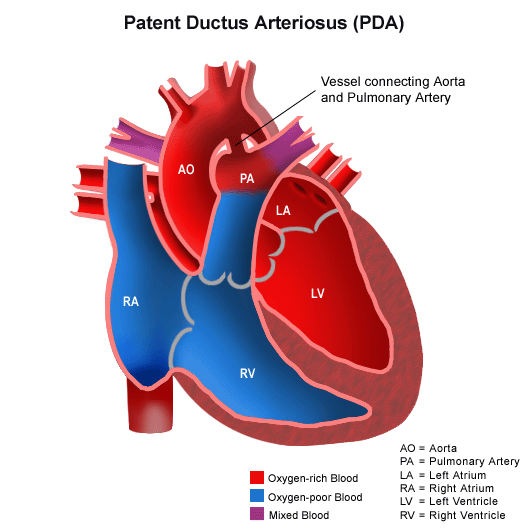
patent ductus arteriosis (PDA) definition
does position change this?
heard best where?
when do majority close?
continuous murmur,
no change w position
heard best at LUSB
90% close by 48hrs of life
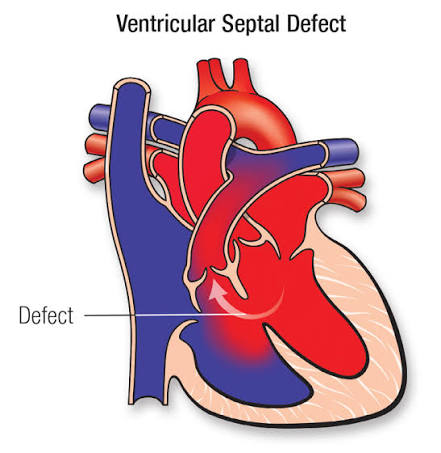
ventricular septal defect (VSD) definition
may _ spontaneously in 1st year
if large, what is a finding?
short systolic murmur
may close spontaneously in 1st yr
large VSD: holosystolic murmur at LLSB
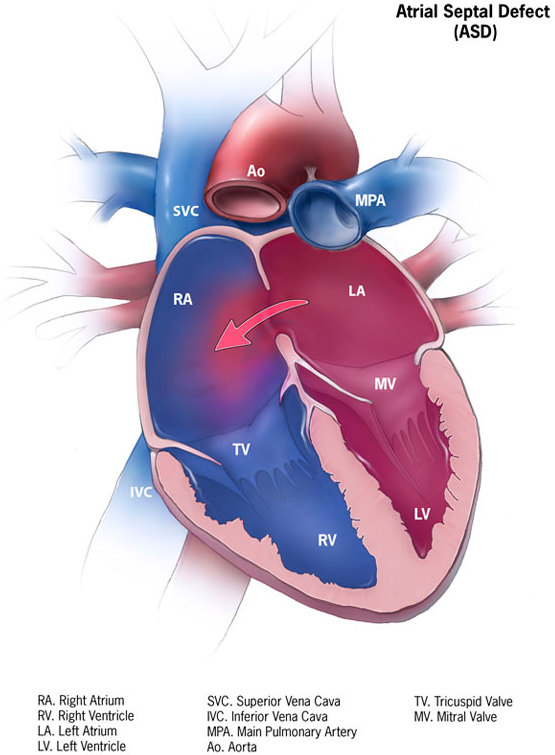
ASD and location
fixed, widely split S2, systolic murmur at LUSB
sacral dimple above the gluteal cleft
spina pifida or tethered cord
scoliometer >5-7derees
order spine XR w Cobb angle (gold standard)
scoliometer >20degrees
ortho referral
when to do hip examination for joint laxity/dislocation
from birth to 2-3 months after walking
large and small for gestational age
large: >90 percentile wt for gestational age
small: <10 percentile wt for gestational age
complications of large gestational age baby
hypoglycemia
birth injury
perinatal asphyxia
respiratory distress
polycythemia
congenital anomalies
central cyanosis in newborn
blue tongue, lips, etc. indicates hypoxemia
indications of respiratory distress newborn
Rapid RR,
nasal flaring,
grunting,
retractions,
accessory muscle use,
stridor
pallor in newborn → suspect?
anemia
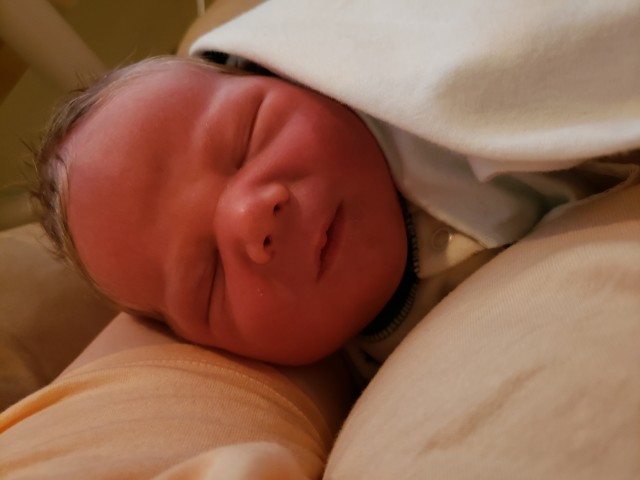
ruddy color in newborn = ?
polycythemia
yellow color in newborn
jaundice
when is jaundice abnormal in a newborn
first 24hrs
facial dysmorphology from genetic syndrome or fetal alcohol syndrome
unusual shape of nose or ears
wide spaced eyes
long philtrum
when is asymmetric eye movement normal
first month of life
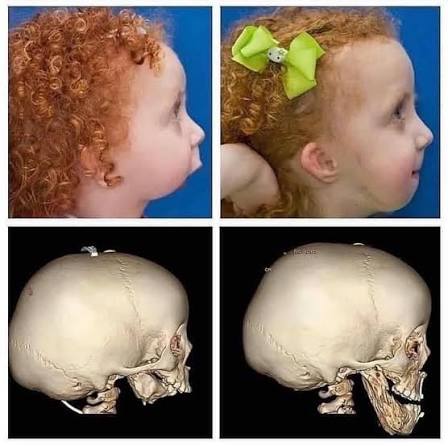
Peirre Robin Syndrome
recessed jaw
glossoptosis (falling backwards tongue)
cleft palate
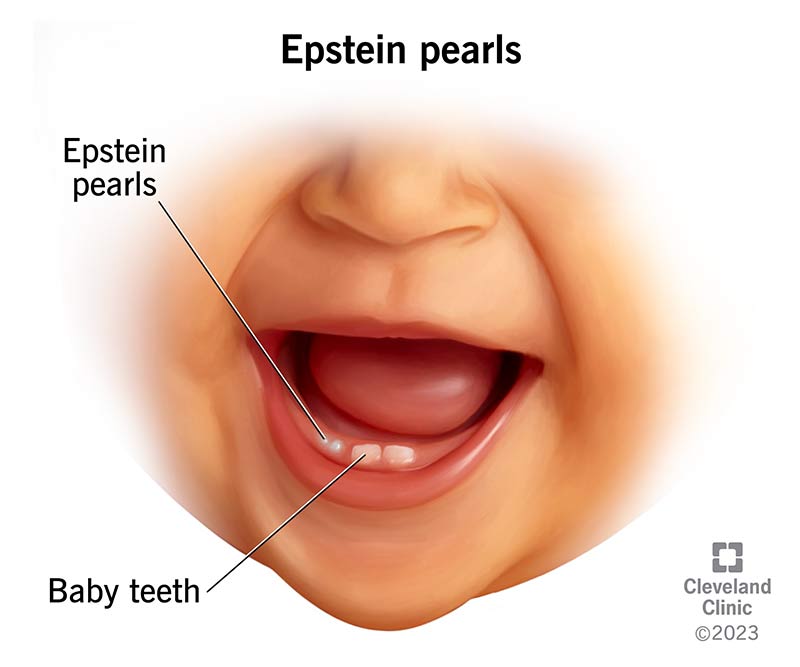
Epstein Pearls
benign inclusion cysts in midline btwn hard and soft palate
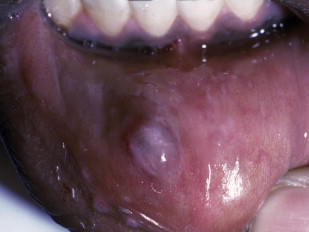
Mucous retention cysts
benign cysts on gums, inside lips or floor of mouth
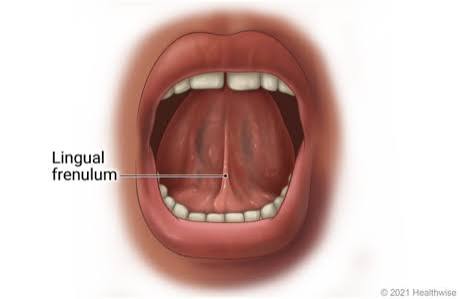
frenulum lingae
band of tissue from floor of mouth to tongue
finding associated w cleft palate
bifid uvula
dimpling
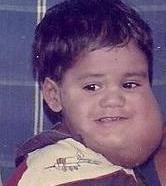
cystic hygromas
painless transilluminated cyst above clavicles
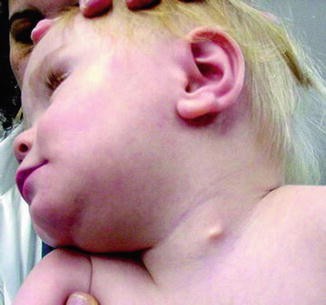
brachial cleft cyst
anterior margine of SCM
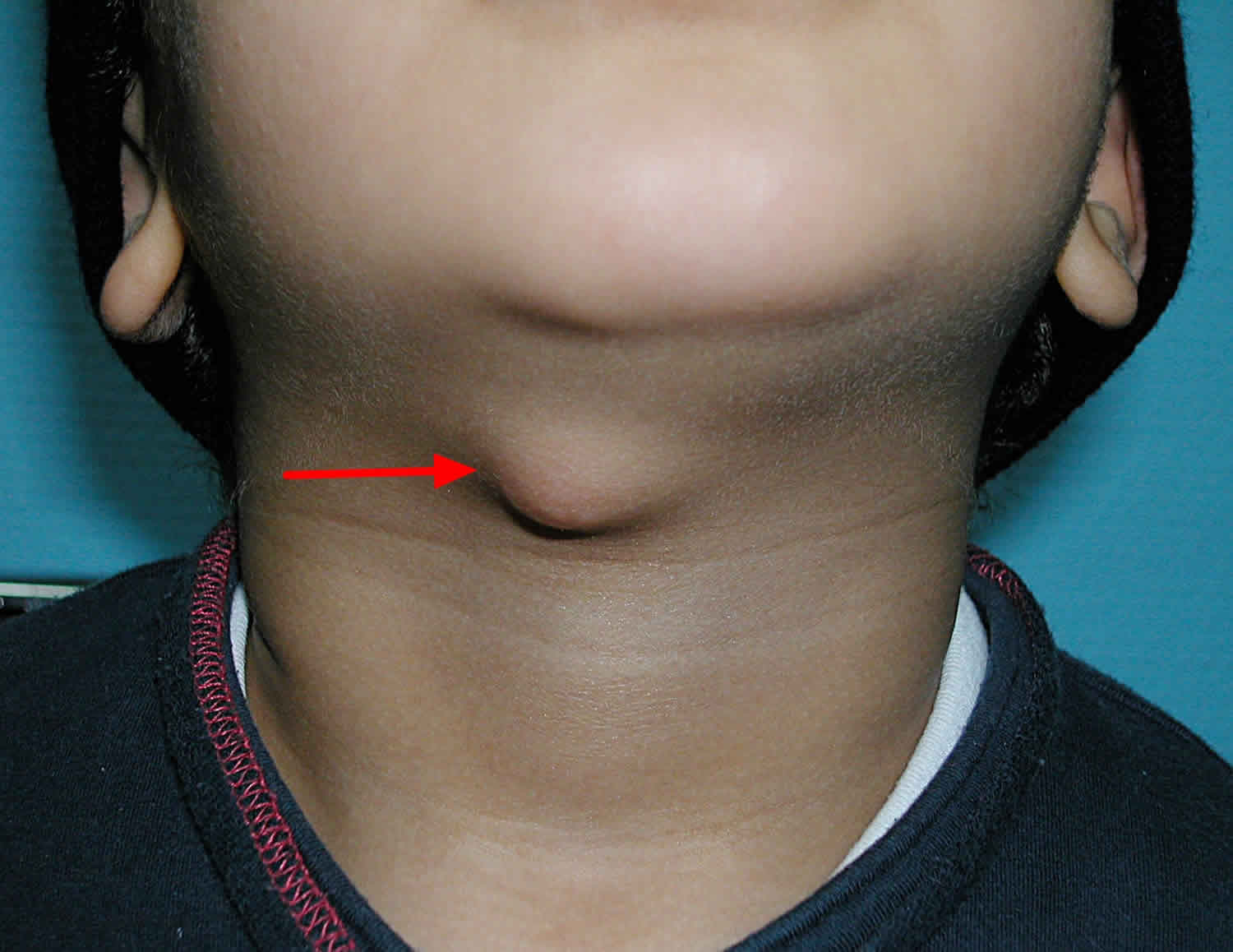
thyroglossal duct cyst or enlarged thyroid, when does it move?
midline
moves up when tongue is out/swallow
torticollis and cause
head tipped to one side
injury to SCM/muscular birth injury
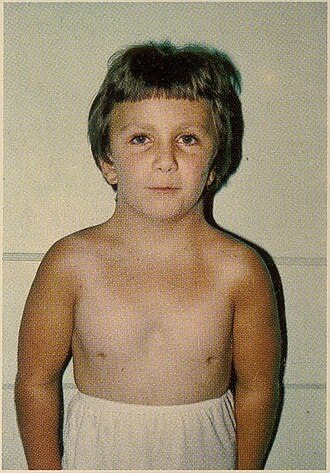
excess skin - webbing of neck
turner syndrome
excess skin - folds
Downs
sx clavicle fx from birth trauma
irritability
decreased mobility of arm after birth
asymmetric moro reflex
T/F in both males and females, breasts in infants may be hypertrophied and asymmetrical from maternal hormones
T
widely spaced/laterally displaced nipples
turner syndrome
supranumerary nipples (“third nipple”) are common where?
along the milk line
T/F rales can be normal a few hrs after birth and why
T
(d/t remnants of amniotic fluid in lungs)
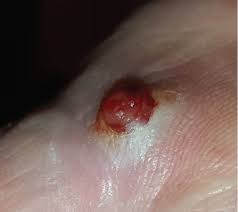
pyogenic granuloma
overgrowth of blood vessels →raised, bright red bump
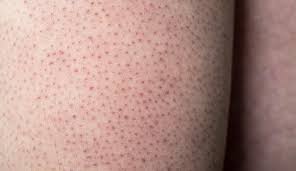
keratosis pilaris
excess keratin clogs hair follicles
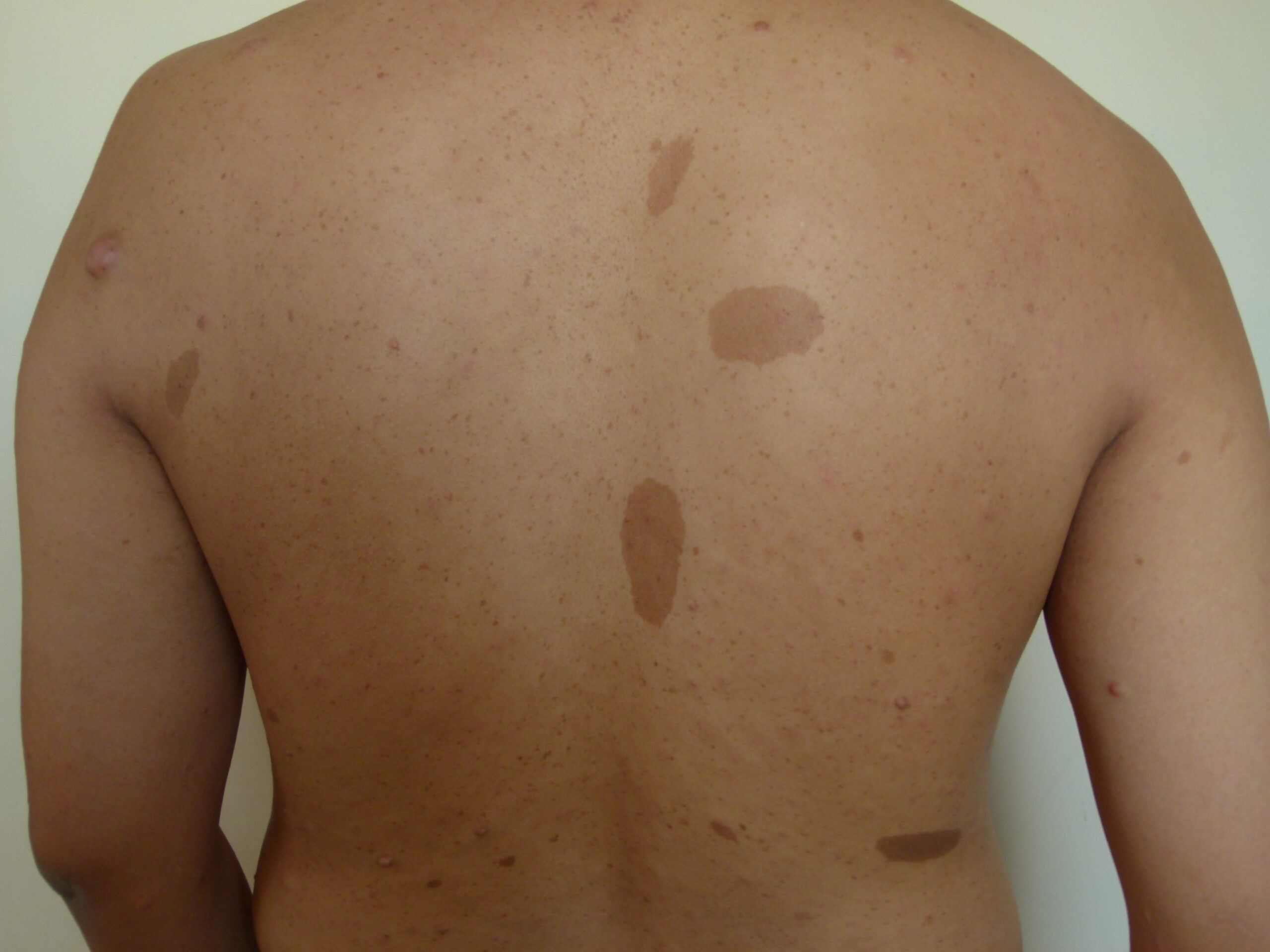
cafe au lait spots
flat, light-to-dark brown birthmarks
d/t overproduction of melanin
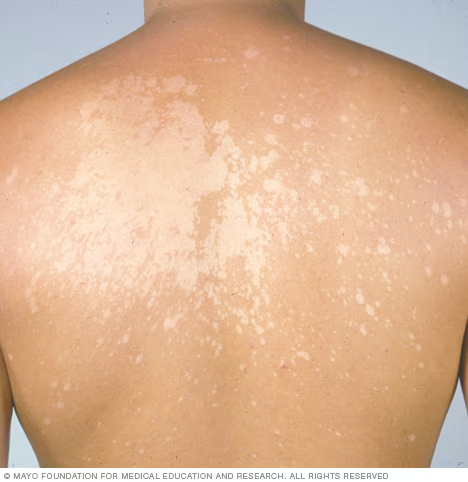
tinea versicolor
non-contagious fungal skin infection caused by an overgrowth of yeast
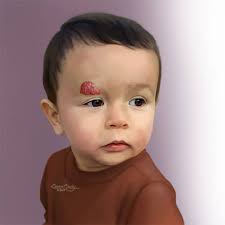
facial hemangioma
benign, non-cancerous clusters of extra blood vessels
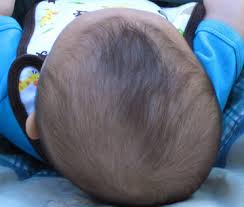
positional plagiocephaly
"flat head syndrome," occurs when an infant's soft skull develops a persistent flat spot from being in one position too long
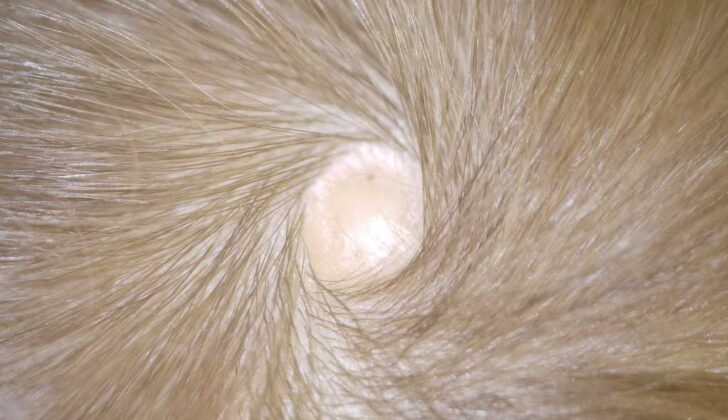
aplasia cutis
absence of a portion of skin
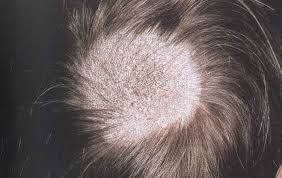
tinea capitus and sx
contagious fungal infection that affects the scalp and hair shafts
sx: itchy, scaly, and circular bald patches
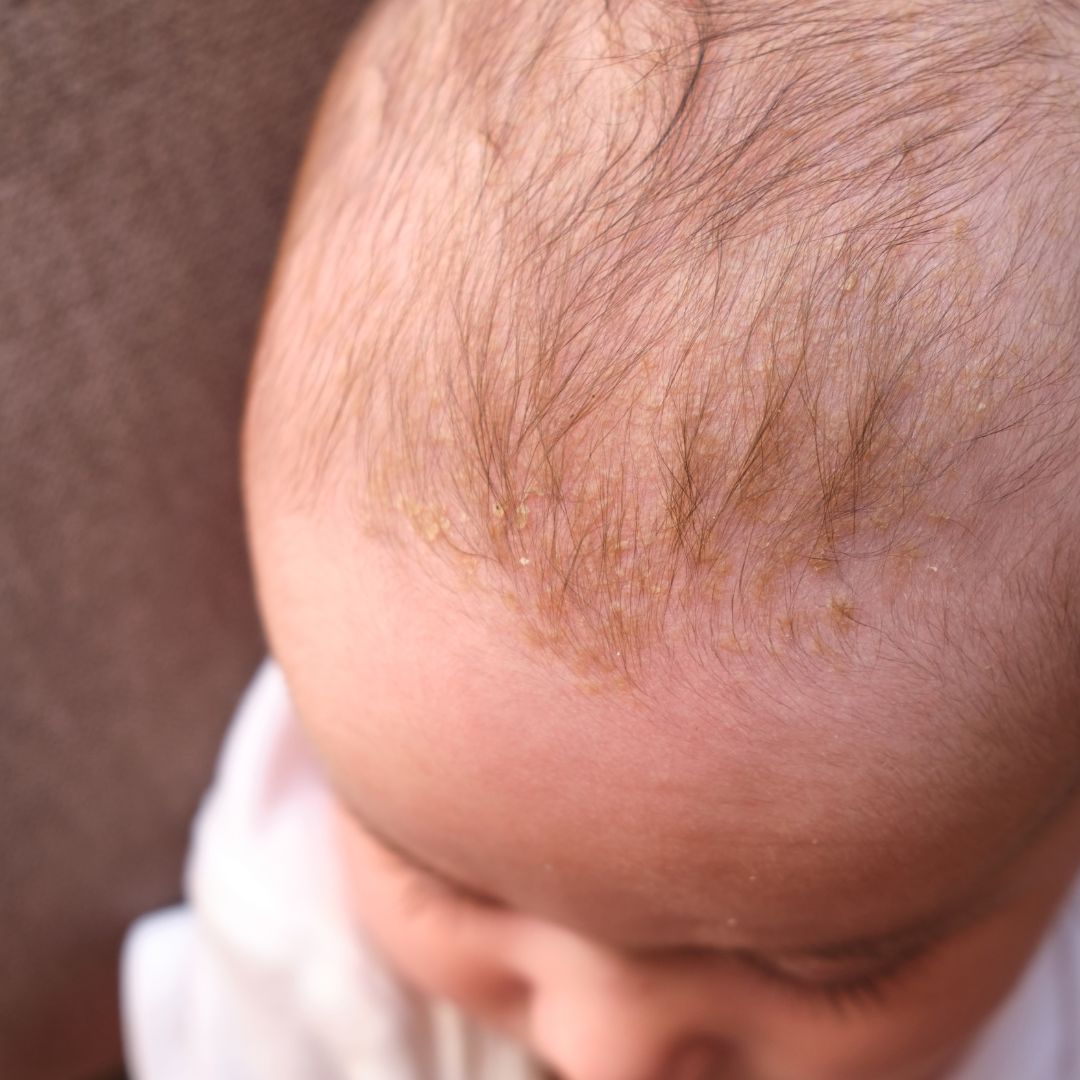
seborrheic dermatitis
non-contagious inflammatory skin condition
causes scaly, itchy patches and stubborn dandruff
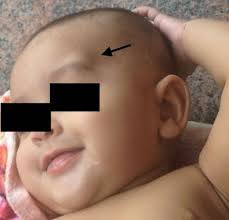
dermoid cyst
benign, fluid-filled sac
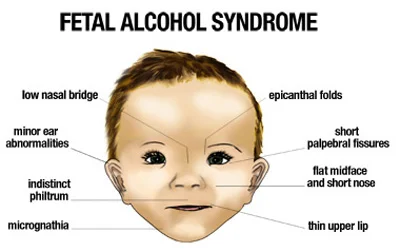
fetal alcohol syndrome
small eye opening
thin upper lip
smooth ridge between nose and upper lip
slower growth
poor coordination
infant w diminished pulses
coarctation of the aorta
Dextrocardia
prominent heart sounds on R chest (heart on R side)
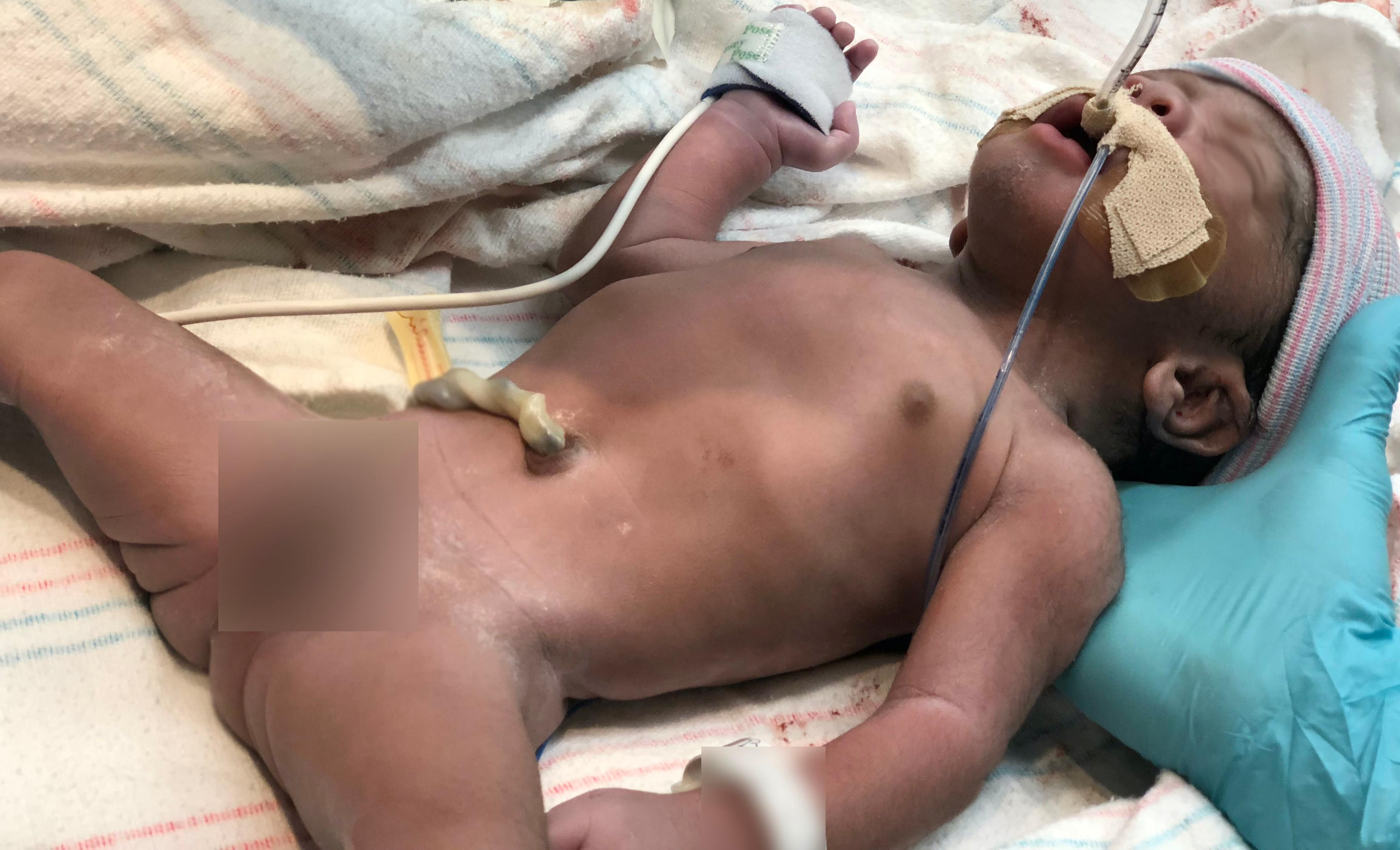
scaphoid abdomen in newbord
diaphragmatic hernia
(organs herniated into chest, so abdomen is empty)
abdominal wall defects in newborn
omphalocele (abdominal organs outside of body FROM belly button, has a sac covering)
gastrochisis (intestines out of body near belly button, no sac)
most abdominal masses in newborns are ___
kidney hydronephrosis
cystic renal disease
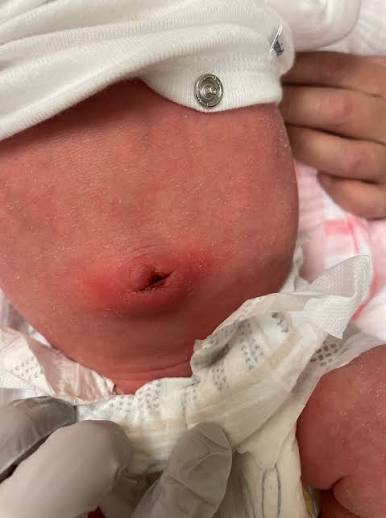
imphalitis
redness around umbilical stump or odorous discharge
how long does umbilical cord remnants last
2-3 wks before falling off
what may be the only finding in VACTERL Syndrome (collection of birth defects)
imperforate anus (rectum/anus missing or blocked)
(vertebral, anal atresia, cardiac, tracheo/esophageal, renal, and limb defects)
when is perforate anus (normal) assumed
only after meconium is passed
hypospadias and where can it be
abnormal development of urethral opening ventrally
can be on glans, penis shaft, scrotum or perineum
abnormal genitalia in phenotypical female
clitoromegaly,
fused labia,
palpable gonads
abnormal genitalia in phenotypical male
bifid scrotum,
micro-penis,
severe hypospadias,
cryptorchidism
Signs of neural tube defect on back of infant
soft tissue mass (lipoma or meningocele)
sacral dimple or asymmetrical gluteal cleft (dimple can be benign)
Hemangioma or skin discoloration over spine
Tuff of hair
Syndactyly
fused finger
polydactyly
extra digits
RF for developmental dysplasia of hips
female
family hx
breech position
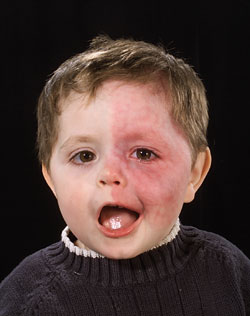
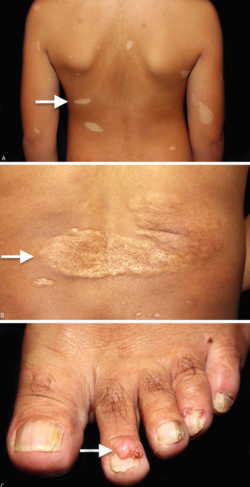
findings consistent w neuro condition newborn
hypopigmented spots: tuberos sclerosis
hemangioma trigeminal nerve region: sturge webber syndrome
petechia and hepatosplenomegaly: CMV infx
facial dysmorphic features
Moro reflex
drop head, arms extend
stepping reflex
a neonatal reflex in which an infant lifts first one leg and then the other in a coordinated pattern like walking
palmar and plantar grasp reflex
Elicited by the examiner placing his finger on the palmar surface of the infant's hand and the infant's hand grasps the finger. Attempts to remove the finger result in the infant tightening the grasp.
Asymmetric tonic neck reflex
turn baby's head to one side - "on gaurd"
Rooting reflex
touched on the cheek, to turn +open the mouth, and search for the nipple
contraindications to breastfeeding
galactosemia in infant
maternal meds
drug use in mother
mother w Ebola
mother w HIV (not being immunosuppressed)
mother has monkeypox
mother has HSV w lesion on breast
how much weight is normal to see a baby lose in first few days of life
up to 10% birth weight
2 month WCC anticipatory guidance
sleep on back
small amounts of spit up
when prone, lift head up
smiles responsively
watches ppl as they move
looks at toy for secs
what age is appropriate to start giving ibuprofen instead of tyelnol
>6months
4 month WCC anticipatory guidance
safety w rolling
start food btwn 4-6months
holds head unsupported
bats at swinging toys
brings hand → mouth
when prone, pushes up to elbow/forearm
chuckles
if hungry, opens mouth when sees breast/bottle
6 month WCC anticipatory guidance
lock areas w poisons, meds, cleaning products
outlet covers
gates for stairwells
don't use walkers
begin fluoride
rolls, leans on hands, blows raspberry, looks at self, reaches for stuff, closes lips when full
9 month WCC anticipatory guidance
avoid foods that can lead to choking
lower crib mattress to lowest level