IB Biology B1.1 Carbohydrates and Lipids PART 2 (lipids)
 Call Kai
 Learn
Learn Practice Test
 Spaced Repetition
 Match
Match Flashcards
 Knowt Play
1/28

There's no tags or description
Looks like no tags are added yet.
Name | Mastery | Learn | Test | Matching | Spaced | Call with Kai |
|---|
No analytics yet
Send a link to your students to track their progress
29 Terms
Lipids are substances that dissolve in ____ solvents.
NON POLAR
Lipids are hydro___ but are not actually ________ as much as more attracted to ______.
HYDROPHOBIC, repelled by water, non-polar substances
4 types of lipids and their properties (melting points)
Oils: melting point BELOW 20 celsius, solid at low temps
Fats: melting point BETWEEN 20-37 celsius, solid at room temp and liquid at body temp
Waxes: melting point ABOVE 37 celsius, liquid at high temps
Steroids: molecules with a characteristic 4 RING structure
What is a triglyceride? How are they linked?
a lipid made of one glycerol and three fatty acids. The fatty acids are linked by condensation reactions, producing 3 water molecules.
What is the bond between the glycerol and fatty acids called?
ESTER bond (opposite glysosidic)
Triglycerides are entirely____. And can be either _____ or _____
HYDROPHOBIC, oils or fats
What are phospholipids? Strucutre?
a lipid containing a phosphate group in its molecule. Contradicting triglycerides, only 2 FATTY ACIDS are linked to glycerol with a phosphate group instead of a third fatty acid.
Phospholipids are ______ and ______
partly hydrophilic partly hydrophobic
What are fatty acids? Strucutre?
building blocks of fat. chains of carbon atoms covalently bonded to hydrogen atoms called a hydrocarbon chain.
One end of the fatty acid molecule is _____ and the other is a _____
carboxyl group (-COOH) methyl group (-CH3)
What are some of the bonding patterns between the carbon and hydrogen atoms of fatty acids? (3)
The covalent bonding between CARBON atoms may be single or double
Carbon atoms linked by single bonds can ALSO bind to two hydrogen atoms
Carbon atoms linked by double bonds can ONLY bind to one hydrogen atom
What's a saturated fatty acid?
Fatty acid with SINGLE bonds between all of its carbon atoms (as much hydrogen as possible)
What's an unsaturated fatty acid?
Fatty acid with one or more double bonds (not as much hydrogen as possible)
What are monosaturated unsaturated acids? polysaturated?
Monosaturated - one double bond
Polysaturated - more than one double bond
What happens when there are more double bonds present?
MELTING POINT is lower when there are more double bonds because its more difficult to pack the fatty acids. (spaghetti)
What are the 2 types of unsaturated fatty acids?
CIS-fatty acids and TRANS-fatty acids
What are the characteristics of cis-fatty acids? (chart)
Location of hydrogens: hydrogen atoms on the same side
BENT
Packing: less good at packing in nice arrays
Melting point: lower
Room Temp state: usually liquid (oils)
NATURAL
What are the characteristics of trans-fatty acids? (chart 6)
Location of hydrogens: hydrogen atoms on opposite sides
STRAIGHT
Packing: pack together tightly
Melting point: higher
Room Temp state: solid
ARTIFICIALLY produced by hydrogenation
FDA has____
BANNED the use of industrial trans-fats in the US
Examples of different fatty acids prevalent for energy storage (plants and endotherms)
Sunflower oil: 2/3 of fatty acids are polysaturated and most of the rest are monosaturated
Butter: 2/3 of fatty acids are saturated and the rest are monosaturated.
Triglycerides are used for _____________________________ in plants and animals.
long term energy storage
How are triglycerides stored in animals?
Triglycerides are FATS and are stored in cells called adipose tissue. In humans, adipose tissue is immediately beneath skin and around some organs.
What are the 5 properties of triglyceride that make them SUITABLE for long term energy storage?
1. they are very chemically stable (energy is not lost)
2. they are immiscible with water (droplets in the cytoplasm which don't have an affect)
3. they release twice as much energy per gram in cell respiration as carbohydrates
4. they are poor conductors of heat so they can be used as thermal insulators
5. they are liquid at body temp, acting like a shock absorber
Which animals need thermal insulation the most?
Animals that maintain a body temperature higher than their environment (cold habitats). They often have a thick layer of SUBCUTANEOUS adipose tissue, in marine animals called blubber.
sometimes issues with overheating with land and cold water animals like sea lions
The part hydophilic and hydophobic property of phospholipids is also known as....
an AMPHIPATHIC property
Which parts of phospholipids are hydrophobic or hydrophillic?
Phosphate heads are hydrophilic
Hydrocarbon tails are hydrophobic
Because of the amphipathic property of phospholipids they are arragned how?
in DOUBLE LAYERS with the hydrophobic tails facing inwards and the hydrophilic heads facing outwards. STABLE structure and are basis of cell membranes.
What are the 3 features of steriods? What is a steriod?
1. Four fused rings of carbon atoms
2. Three cyclohexane rings and one cyclopentane ring
3. 17 carbon atoms total in rings
Steriods are a group of lipids with molecules similar to sterol
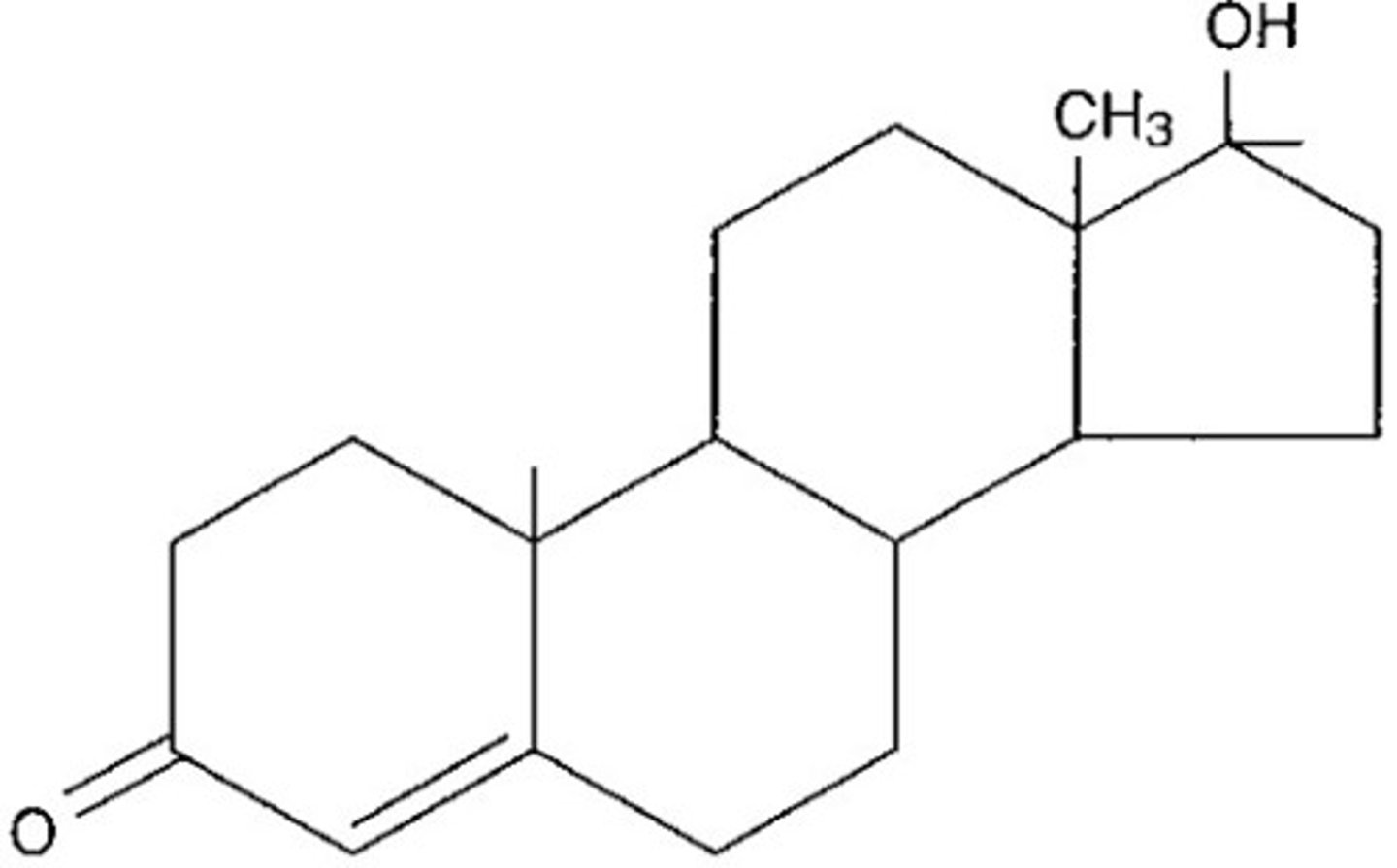
Steriods are mostly _____ and therefore _____. This allows them to ________ and enter or leave cells.
hydrocarbon, hydrophobic, pass through