chem ch.1 notes
 Call Kai
 Learn
Learn Practice Test
 Spaced Repetition
 Match
Match Flashcards
 Knowt Play
1/68

There's no tags or description
Looks like no tags are added yet.
Name | Mastery | Learn | Test | Matching | Spaced | Call with Kai | Chat |
|---|
No analytics yet
Send a link to your students to track their progress
69 Terms
chemistry
the study of mass’ comp, structure, properties, processes it experiences, and the energy that accompanies those processes. ( mouthful )
matter
anything occupying space and having mass
atom
smallest unit of an element that still retains the properties of the element
element
pure substance that is made of 1 type of atom and cannot be broken down chemically into simpler kinds of matter.
Compound
the chemical combo of 2 or more elements. can be broken down into simpler substances/types of matter.
what are the 3 types of research we discussed
basic, applied, and technological
what is basic research
carried out for the sake of learning/knowledge ( why/how does this stuff happen?)
what is applied research
carried out to solve a problem, NOT fuel curiosity
example of applied research
concern for atmospheric damage=developed refrigerants by researchers
whats technological research
involves the production and product usage that improves the quality of life
examples of technological research/products of it
computers, cars, biodegradable stuff, etc.
what are the 5 branches of chem we needed to know
organic, inorganic, physical, analytical, and biochemistry
what is organic chem
study of the most carbon containing compounds
what’s a real world application of organic chem
medicine development
what’s inorganic chem
the study of non-organic substances, many of which have organic fragments attached to metals.
application of inorganic chem?
developing solar power ig?
what’s physical chem
study of matter’s properties and changes in relation to energy
whats a real world application of physical chem
pharmaceutical development
what’s analytical chem
ID of a material’s components and composition
what is a real world application of analytical chem
reading nutrition labels on vitamins, detecting parasite on lettuce, idk
what’s biochem
the study of the process + substances occurring in living things.
what is a real world application of biochemistry
diagnosing at clinics ( running tests )
what do extensive properties do
depend on the amount of matter present
what are examples of extensive properties
volume, amount of energy, and mass
what do intensive properties do
do not depend on the amount of matter present
examples of intensive properties include..
melting point, boiling point, and density.
what is the key difference between extensive and intensive properties
extensive depends on mass, intensive does not!
how did we define physical change in notes
does not involve a change in ID of the substance
examples of physical change
grinding, melting, cutting, or boiling
what is a chemical change
one or more substances are converted into different substances
examples of chemical changes
burning charcoal and baking
what are the 4 changes in state
melting, freezing, vaporizing, and condensation
what change in state does melting do
solid to liquid
what change in state does freezing do
liquid to solid
what change in state does vaporization do
liquid to gas
what change in state does condensation do
gas to liquid
what are the 6 things we discussed on the periodic table
metals nonmetals metalloids alkali metals alkaline earth metals and noble gases
describe what the metals are on the periodic table
they are most abundant/numerous, good conductors, luster, malleability, and ductile, high tensile strength
what is luster
the way light interacts with a surface, or metallic-ness
what is malleability
able to be hammered or rolled into thin sheets
what is ductile
the ability to be stretched or bent without breaking
what is high tensile strength
maximum pulling a force can handle before it breaks ( high pulling tolerance )
what is a metalloid
a mix of the metals’ and nonmetals’ characteristics. semi-conductors.
what are nonmetals
dull with no luster, typically more brittle, and are poor conductors.
what are noble gases and why are they kind of important to chem
they have a very low reactivity of like 18 elements and also are important because they are used in lighting and even balloons
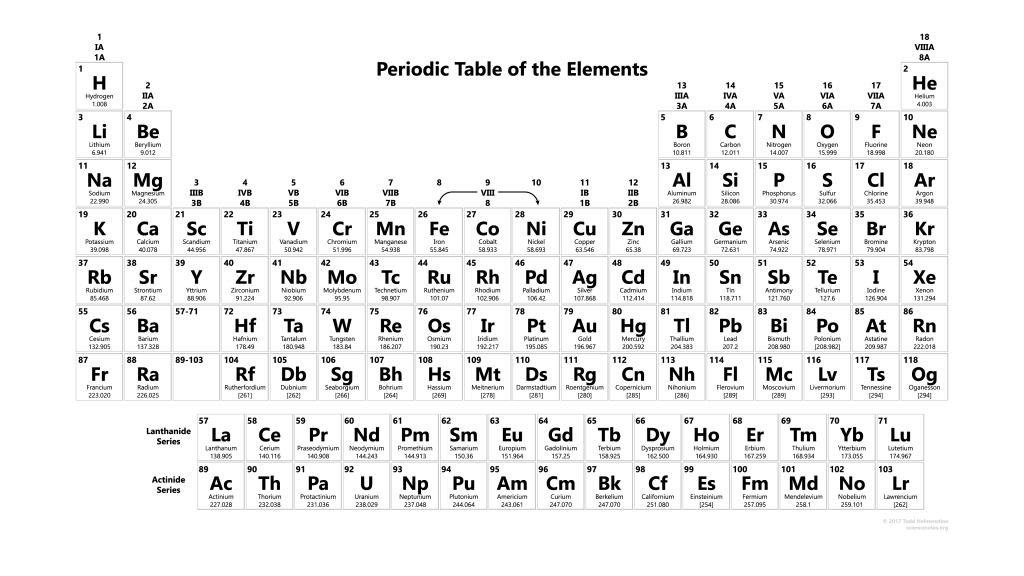
what side would you find the metals approximately
all on the left side besides hydrogen and it like goes until you reach the far right

where are we approx gonna find the nonmetals
the far right side it starts around like carbon and goes almost like stairs basically almost all the way down ( almost )
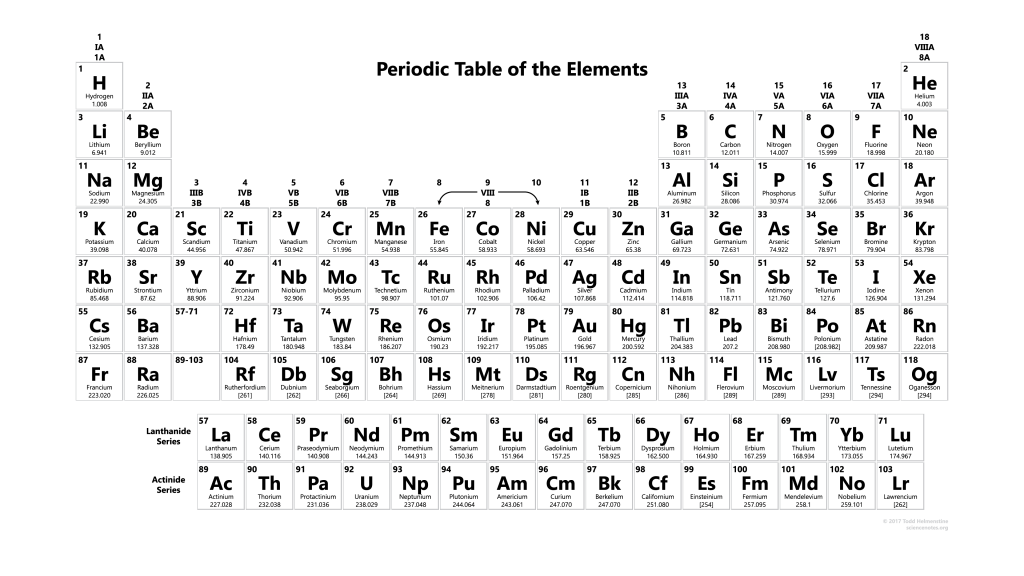
where would you find the noble gases
the vertical line on the very last group ( helium all the way down to Og )

where might you find the alkali metals
on the far left first vertical group besides hydrogen
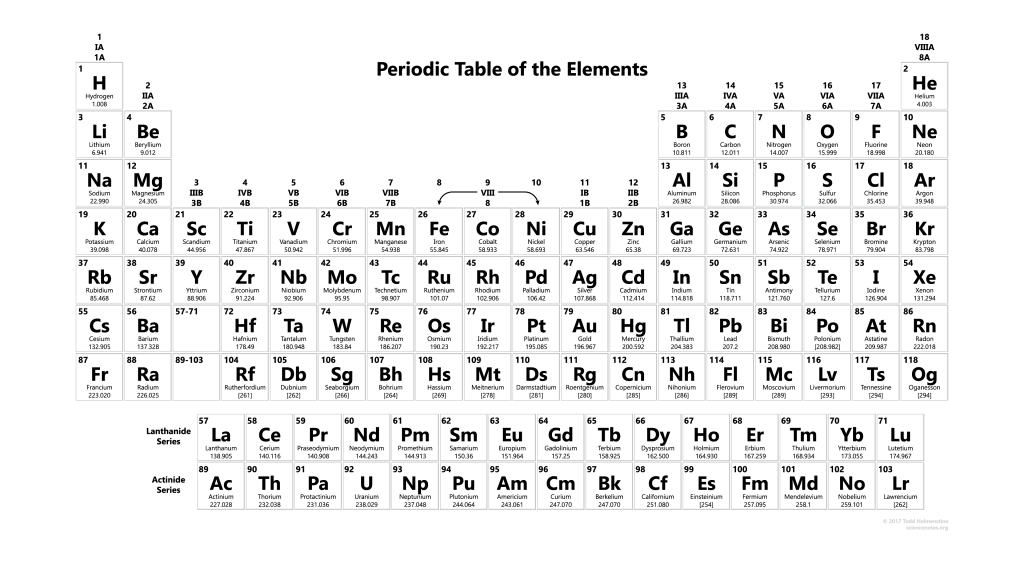
where are the alkaline earth metals
the second furthest group on the left all the way down
what are periods ( in context of this chemistry class )
horizontal rows of elements on periodic table
in periods, are the horizontal rows made up of similar elements? ( like are the elements in each row gonna be similar the whole way across )
no, the closer the two elements are horizontally the more similar they will be, but it’s a gradual change and differentiation across the line.
what are groups on periodic table
vertical columns
are the individual groups on the periodic table similar?
yeah, each group shares very similar chemical and physical properties
difference between groups and periods
periods are horizontal and less similar , groups are vertical and very similar
Where do energy changes occur
in all physical and chemical changes
what is endothermic
energy is absorbed
what is exothermic
energy is released.
what is the law of conservation of energy
energy cant be created nor destroyed only changing form
2Mg+02 → 2Mg0
where are my reactants
2Mg+02 → 2Mg0
where are my products
define a measurement
it tells you both the magnitude and uncertainty of the instrument
what is the estimated value
the last number of a measurement
If 1.5 is our certain value, where do we approximate our measurement to
hundredths
what does percent error do
compares accuracy of an individual or average value w/ accepted value
what is the percent error formula
( experimental value - accepted value ) / accepted value
accuracy vs precision
accuracy is the closeness to the correct or accepted value whereas precision is the closeness of the set of measurements
would you rather have accuracy or precision
accuracy
What are the significant figure rules
1. All nonzero digits are significant.
2. Zeros between nonzero digits are significant.
3. Zeros at the front of a number whose only function is
to place the decimal point are NOT significant.
4. Trailing zeros are significant ONLY if there is a
decimal point.
5. Zeros following a decimal point are significant.