2.6: New Kingdom Egypt & A Surprising Pharaoh
 Call Kai
 Learn
Learn Practice Test
 Spaced Repetition
 Match
Match Flashcards
 Knowt Play
1/13

Earn XP
Description and Tags
Meet the Era Associated with Elaborate Temples and Unexpected Pharaohs
Name | Mastery | Learn | Test | Matching | Spaced | Call with Kai | Chat |
|---|
No analytics yet
Send a link to your students to track their progress
14 Terms
Background of The New Kingdom period in ancient Egyptian history
-It emerged after a period when the Hyksos from Syria and Mesopotamia took over the Nile Delta and Lower Egypt. Their removal during the mid 16th century BCE marks the beginning of the New Kingdom era, the most famous period in Egyptian history.
-Activity heads south in New Kingdom Egypt: Thebes in upper Egypt became the new capital and this was an era when palaces, tombs, and temples were built all along the Nile.
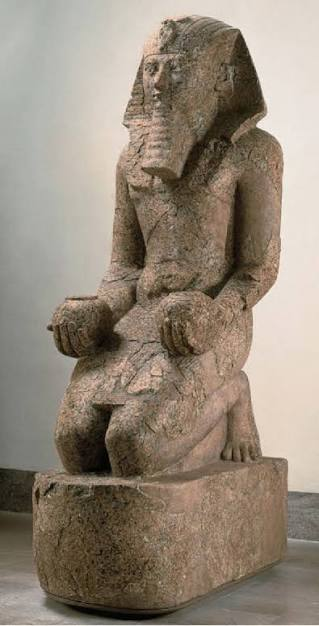
Hatshepsut, New Kingdom, 18th Dynasty
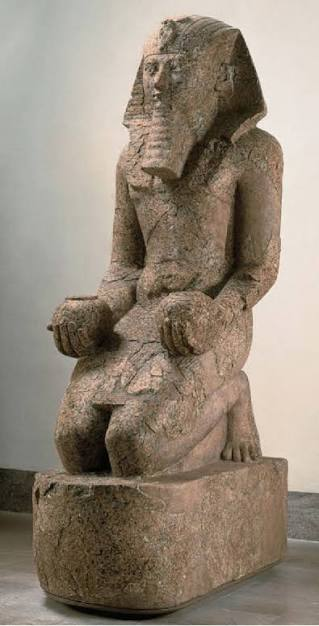
Details of the statues of Hatshepsut
-Still have generic formula look of Pharaoh, not too young nor too old, not out of shape, look during prime of life.
-Have tapered waistline, powerful muscular shoulder and arms which indicate fitness & strength of a ruler.
-Costume of sovereign(có chủ quyền) , headdress, false beard and the kilt-like skirt
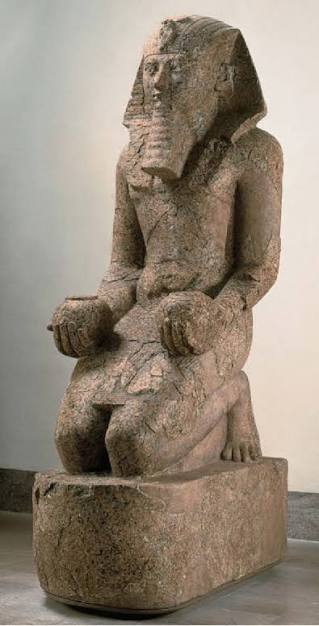
-The act of kneeling→ be offering to God, Amen-Re-the supreme of God
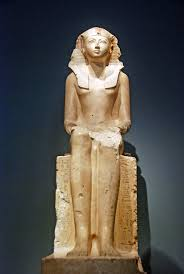
Other examples depeciting Hatshesput
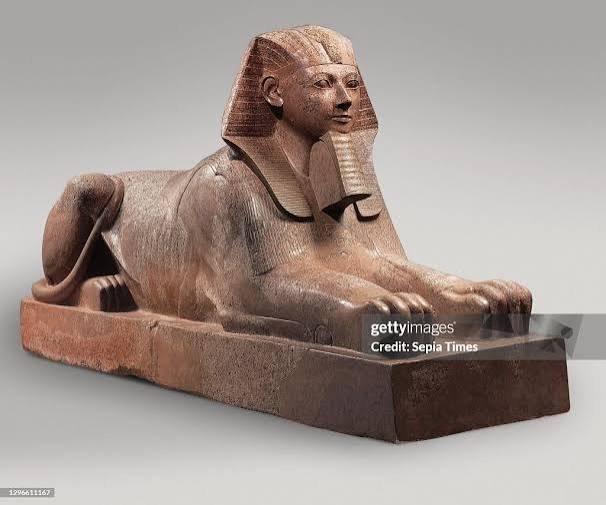
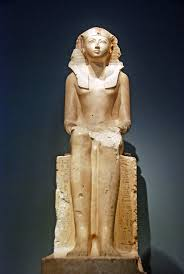
different in this sculpture of Hatshesput
-Body changing→ narrow shoulder, tapered waistline, fullness in the breast
→ Hatshesput is female,first known female pharaoh of Egpyt
Background of Hatshesput
The daughter of Thutmose I and Ahmose. She successfully ruled Egypt for over 20 years. Her remain portrait makes a statement of her influence in the history of art by depicting her with masculine traits such as "male body, wearing the traditional regalia of kilt, crown or head-cloth, and false beard" (Tyldesley 2026). In other words, it highlights that she was illustrated as a man instead of a female, which also implied that she wanted to become a true Pharaoh, a traditional king.
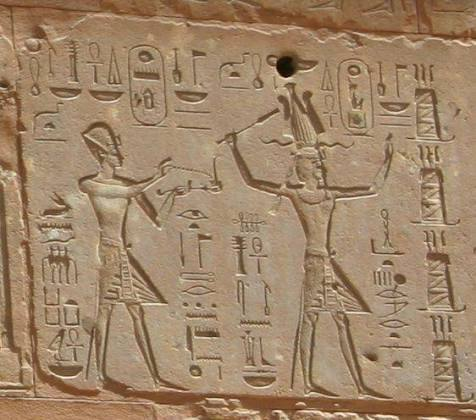
Thutmose III (left) and Queen Hatshepsut (right) on the red chapel.
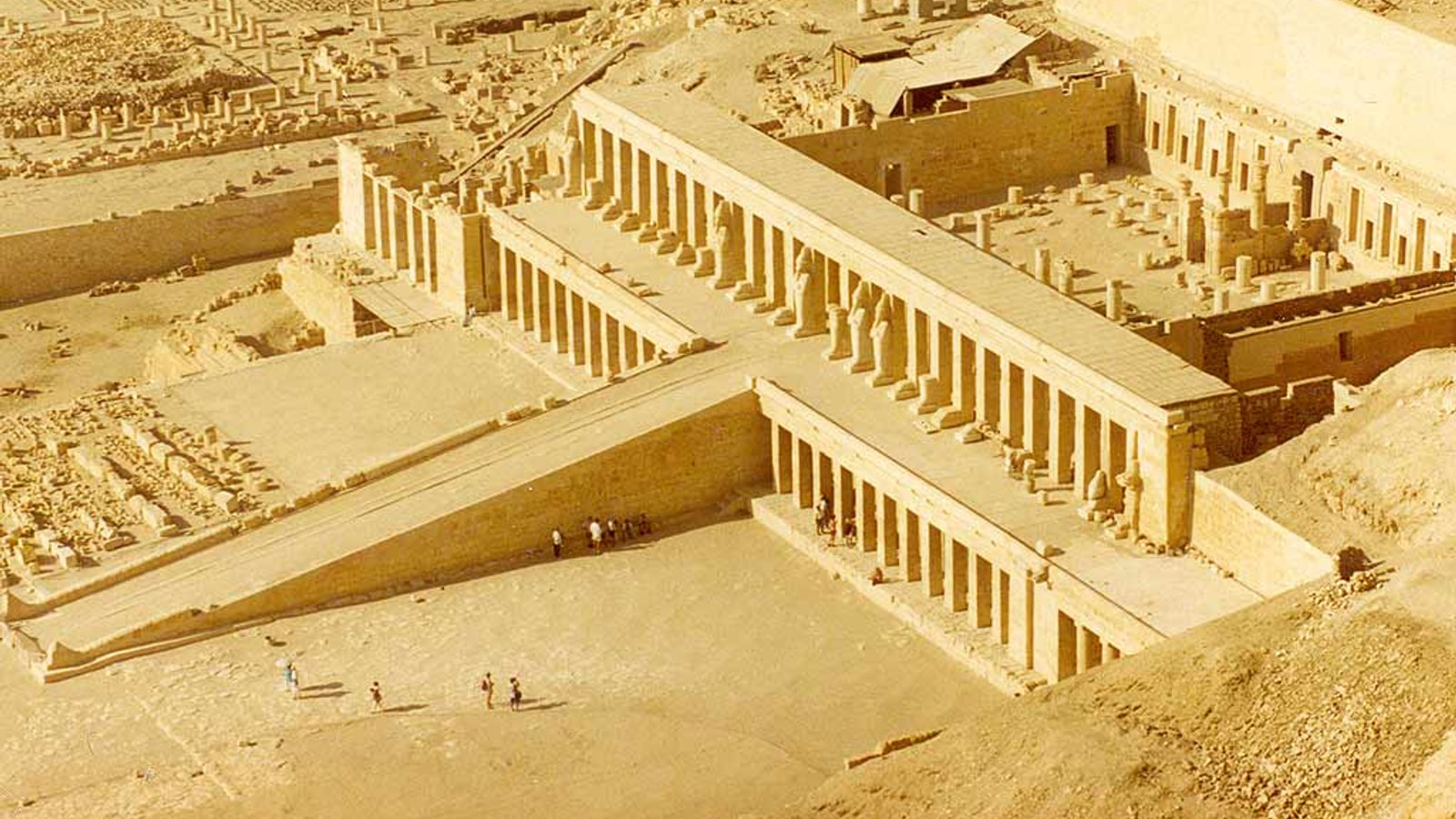
New Kingdom Mortuary Temple of Hatshepsut( đền thờ tang lễ)--Reverance and Power ( sự tôn kính và quyền uy). ca 1460 BCE
Details of the Mortuary Temple of Hatshepsut
-Meant for placing her remain in the tombs. But also is a place to worship, serving as a temple.
it was meant to be used in life and in death ( the ultimate goal).
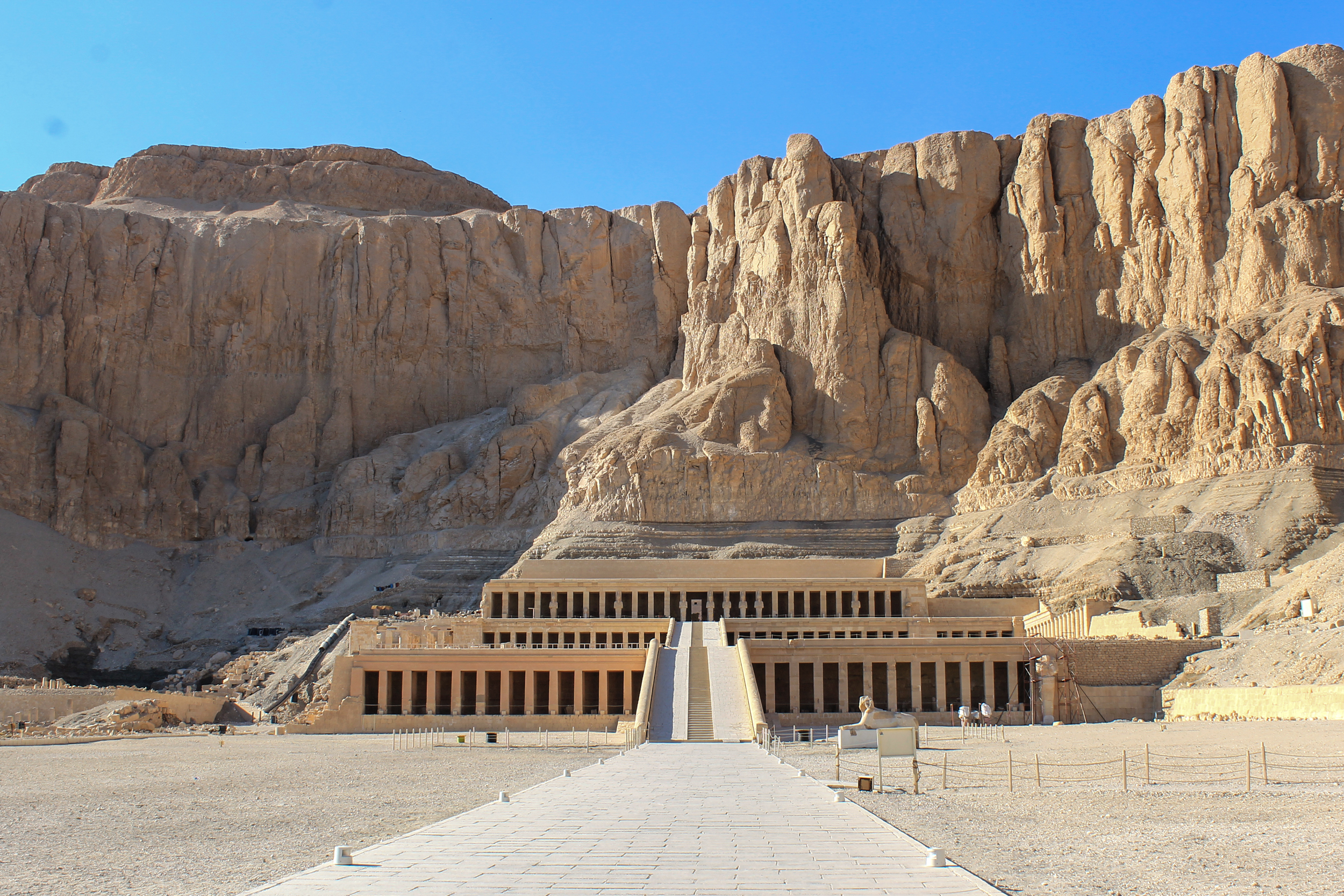
More details:
-Remarkable: it’s made up of a central access series of ramps that take you into the structure (công trình bao gồm một hệ thống đường dốc trung tâm dùng để đi lại.)
-It’s terraced: sort of upper, lower terrace, and middle terrace (sân thượng)
-Strong horizontal lines mimic the strong horizontal lines of the cliffs/ mountain themselves
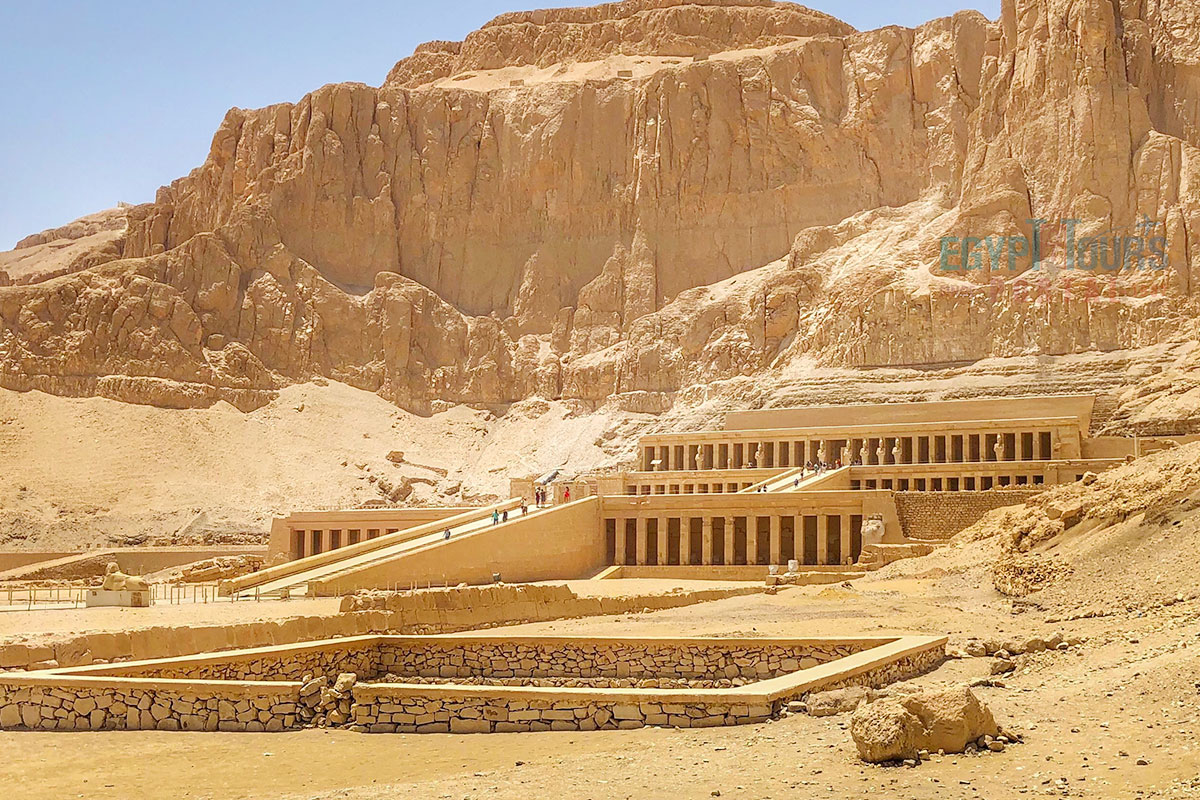
M O R E details (p2): about the rectangle in this mortuary temple
-Balance in verticality, series of columns or pillars that are forming a colonade along the face of each terrace ( sân thượng). The echos also repeats ( the verticality part) of the echos on the majestic cliffs.
→ connection to the location
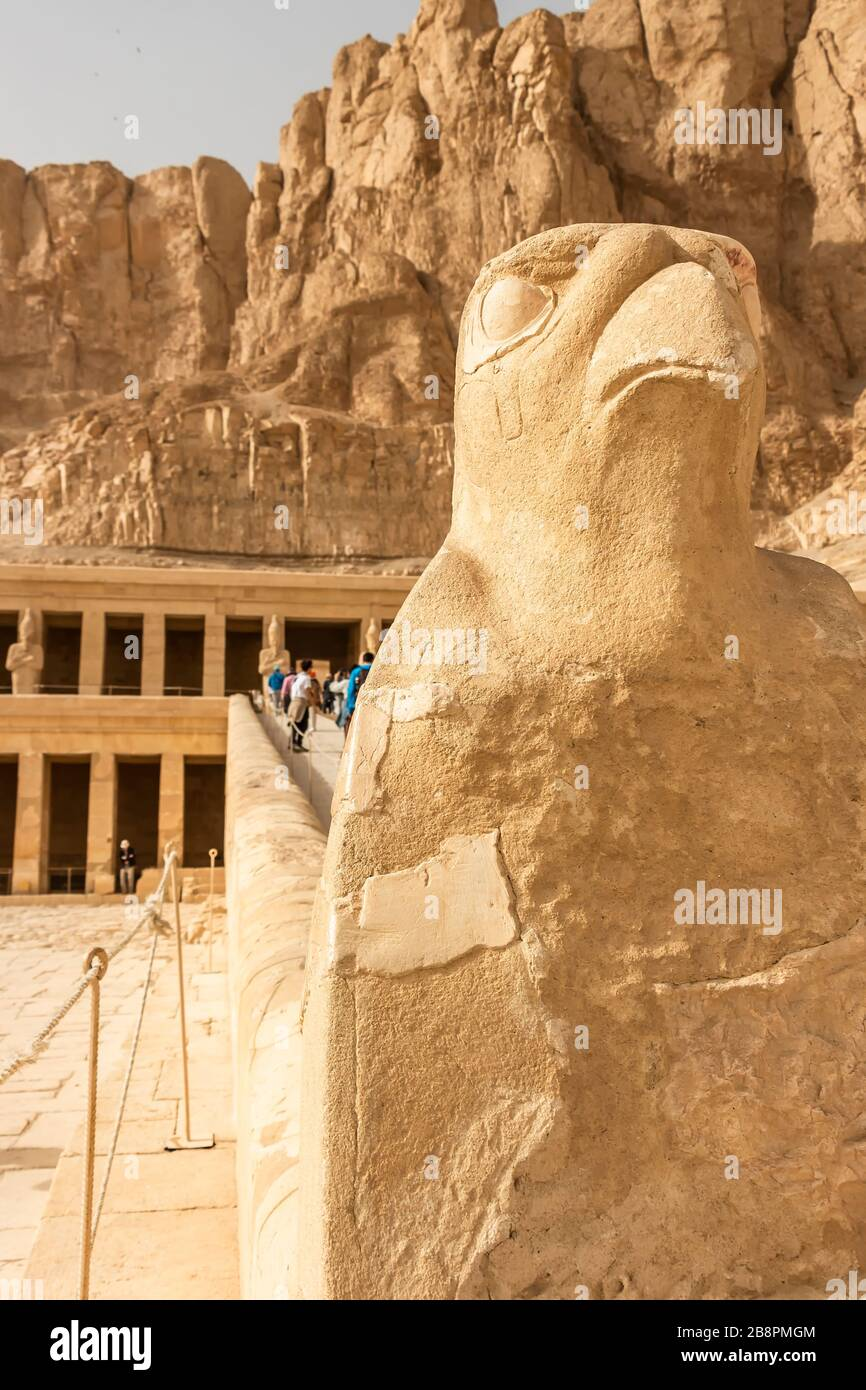
-The bird-Horus-Egyptian God associated as a guardian, protector of Pharaoh
Things to Consider:
Sometimes the cross-dressing Hatshepsut appeared like a male pharaoh with a royal headdress, kilt, and ceremonial beard. Do women who hold positions of power in today's world similarly have to bend to traditonally male wardrobes or symbols of authority?
In what ways is Hatshesut's mortuary temple similar or different than Middle Kingdom tombs?
-No
-It is different that it is not built that attach to the cliff, it is a place to worship as well, it is also really large and have terrace,.. also have a statue of Horus-guardian of pharaoh