Common Sense Digital Citizenship Curriculum Evaluation Study Guide
 Call Kai
 Learn
Learn Practice Test
 Spaced Repetition
 Match
Match Flashcards
1/22

Earn XP
Description and Tags
A set of vocabulary flashcards based on the evaluation and 2019 restructuring of the Common Sense Digital Citizenship Curriculum, including key researchers, pedagogical shifts, and core glossary terms.
Name | Mastery | Learn | Test | Matching | Spaced | Call with Kai | Chat |
|---|
No analytics yet
Send a link to your students to track their progress
23 Terms

Dr. Fiona Abades-Barclay and Professor Shakuntala Banaji
Researchers from the Department of Media and Communications at the London School of Economics (LSE) who conducted the evaluation of the Common Sense Digital Citizenship Curriculum.

DSIT Media Literacy Programme (MLP) Fund
The fund from the Department for Science, Innovation and Technology that supported the evaluation of the curriculum.

Core Topic Structure Change (2019)
The number of core topics was reduced from eight to six to address modern challenges such as media balance, hate speech, and news literacy.

Pedagogical Approach Shift
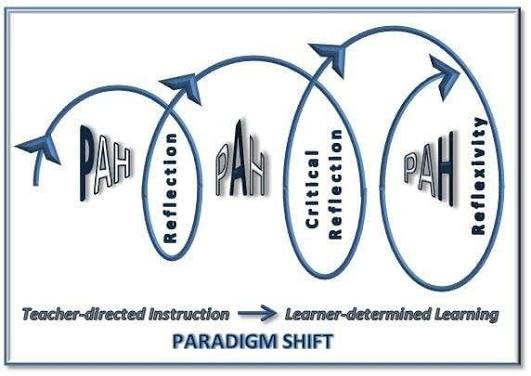
A transition from focusing on skills for being safe and responsible online to developing lifelong habits and "dispositions" to guide complex decision-making.
Grades 3–12 Lesson Distribution
A structure where the curriculum offers exactly one lesson for each of the six core topics per grade level.
Project Zero
A research initiative at the Harvard Graduate School of Education, involving Carrie James and Emily Weinstein, that collaborated on the pedagogical approach and dilemmas of youth technology use.
Lesson Delivery Format
Transitioned from downloadable PDFs to easy-to-use documents accessible via Google Drive, supplemented with slides, videos, and parent engagement materials.

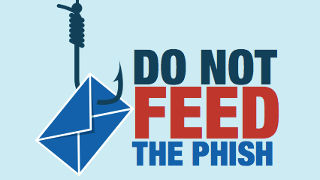
Don't Feed the Phish
A Grade 6 lesson on phishing that replaces the original lesson titled "Scams & Schemes."
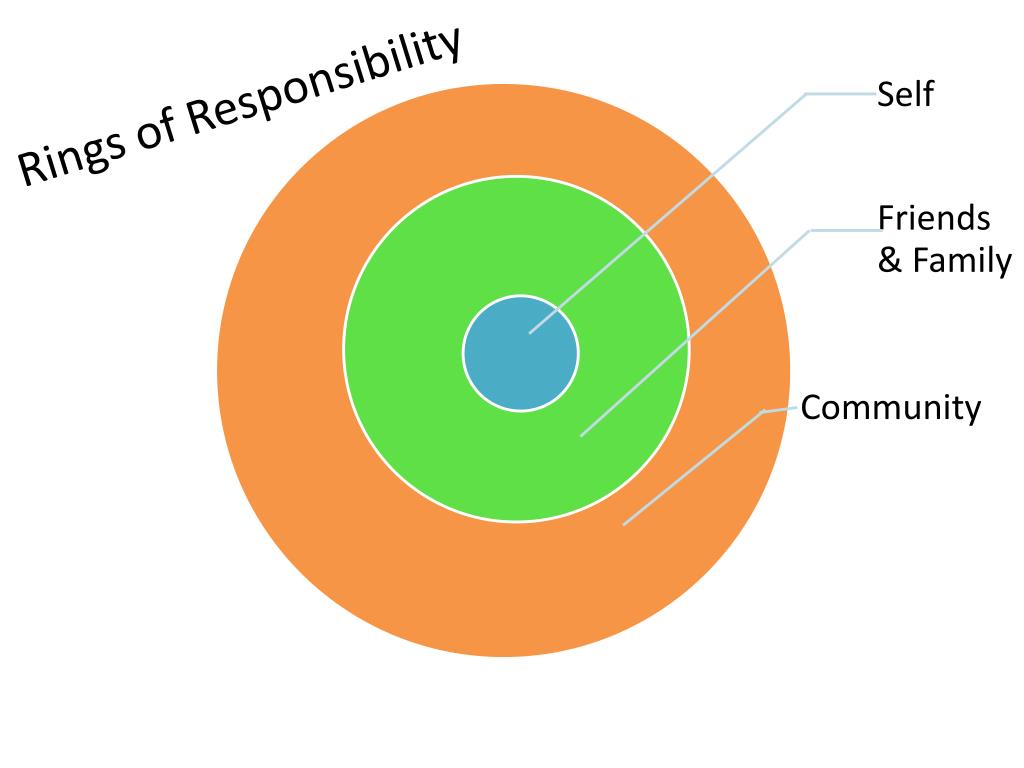
Your Rings of Responsibility
A Grade 3 lesson where digital citizens learn to take responsibility for three areas: themselves, their communities, and their world.
News & Media Literacy Topic Integration
A new core topic created by combining and adapting the original topics of "Information Literacy" and "Creative Credit & Copyright."
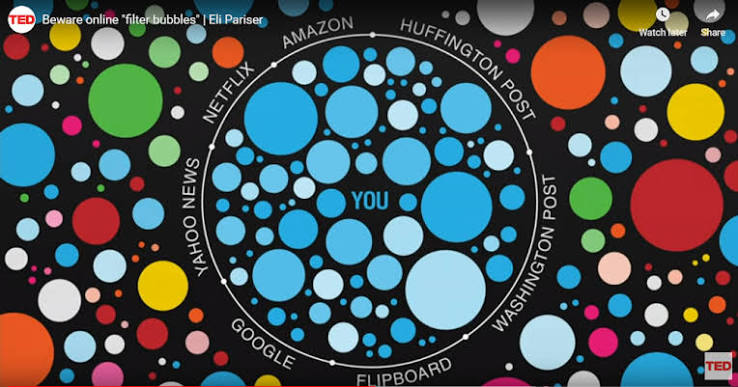
Filter Bubble Trouble
A Grade 12 lesson that explores how filter bubbles limit the range of information individuals are exposed to.

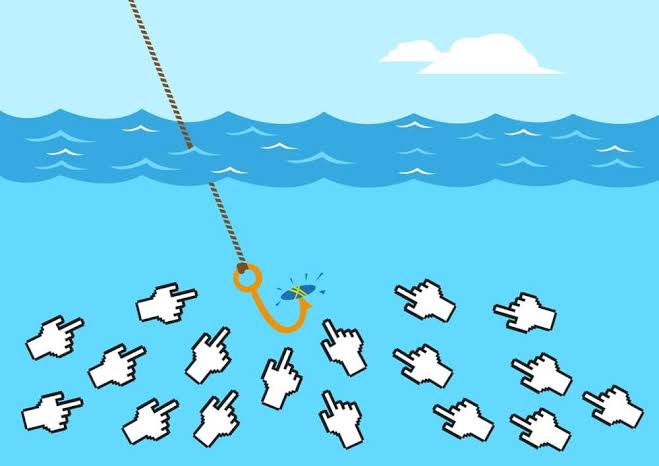
Clickbait
Content found in online articles or news designed to attract attention and encourage users to click on a link, which students are taught to avoid.
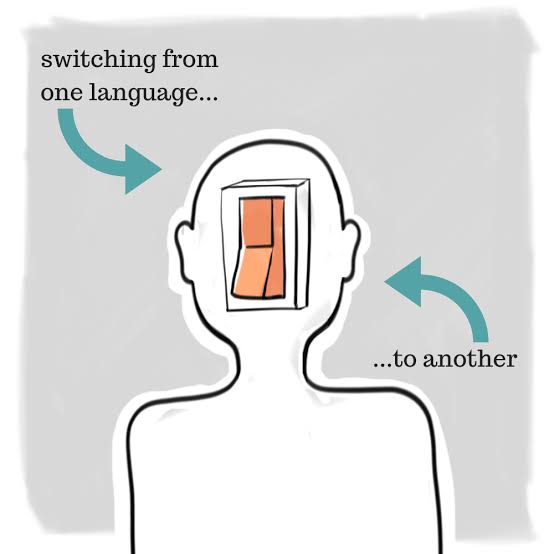
Code-switching
The practice of alternating between different ways of communicating to better enhance engagement with various online audiences.
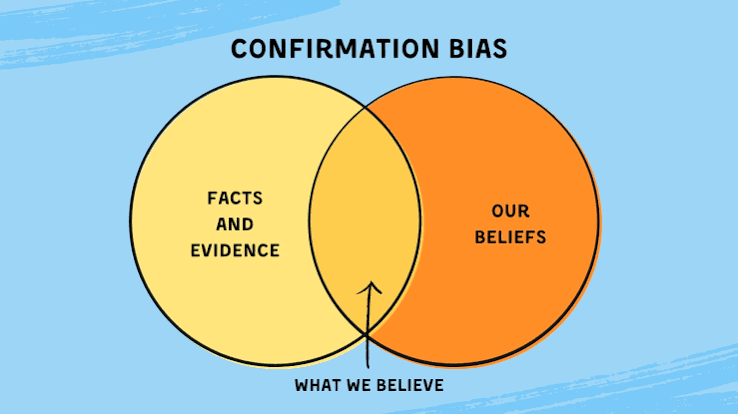
Confirmation Bias
The tendency to favor information that confirms one's existing beliefs; addressed in the Grade 10 News & Media Literacy curriculum.
Digital Citizenship
The safe, responsible, and respectful use of technology, focusing on developing lifelong habits and decision-making skills.

Digital Footprint
The trail of data left by a user's online activity that conveys their identity and impacts their reputation.

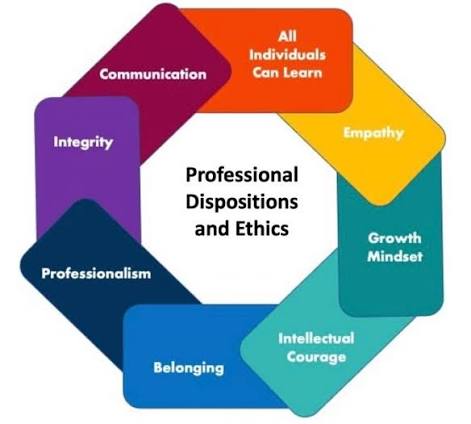
Dispositions
Lifelong habits of mind and character that guide a student's behavior and reflection regarding technology use.
Filter Bubble
An online environment that limits a user's exposure to diverse information, often caused by website algorithms.
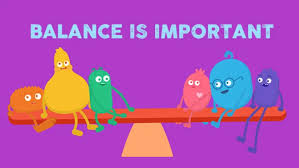
Media Balance
The state of finding a healthy and "happy" equilibrium between online and offline activities.
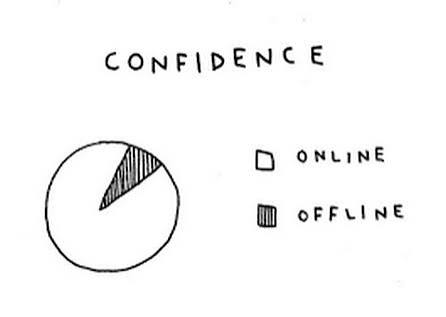
Online Disinhibition
A phenomenon where people feel less restrained and act differently online than they would in person, potentially leading to cyberbullying.
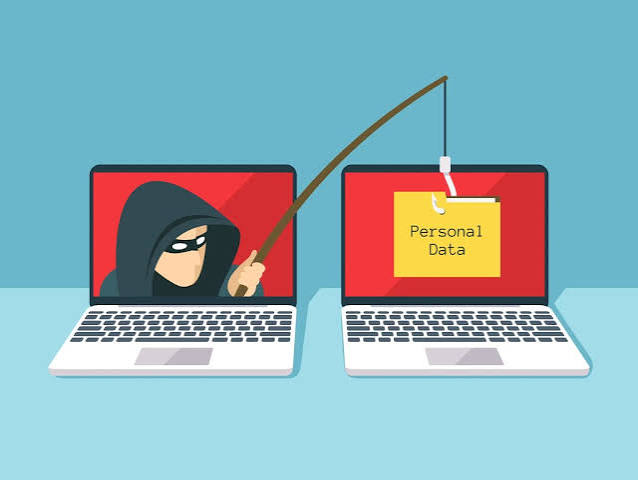
Phishing
A method of online identity theft or scamming that students must learn to identify and avoid.
Revision
An update to a learning objective, concept, or activity idea from an original lesson within the curriculum.
Upstander
A person who takes positive action when they witness cyberbullying or online meanness, rather than remaining a passive bystander.