Unit 7 Vocabulary: Electricity and Magnetism
 Call Kai
 Learn
Learn Practice Test
 Spaced Repetition
 Match
Match Flashcards
1/33

There's no tags or description
Looks like no tags are added yet.
Name | Mastery | Learn | Test | Matching | Spaced | Call with Kai | Chat |
|---|
No analytics yet
Send a link to your students to track their progress
34 Terms
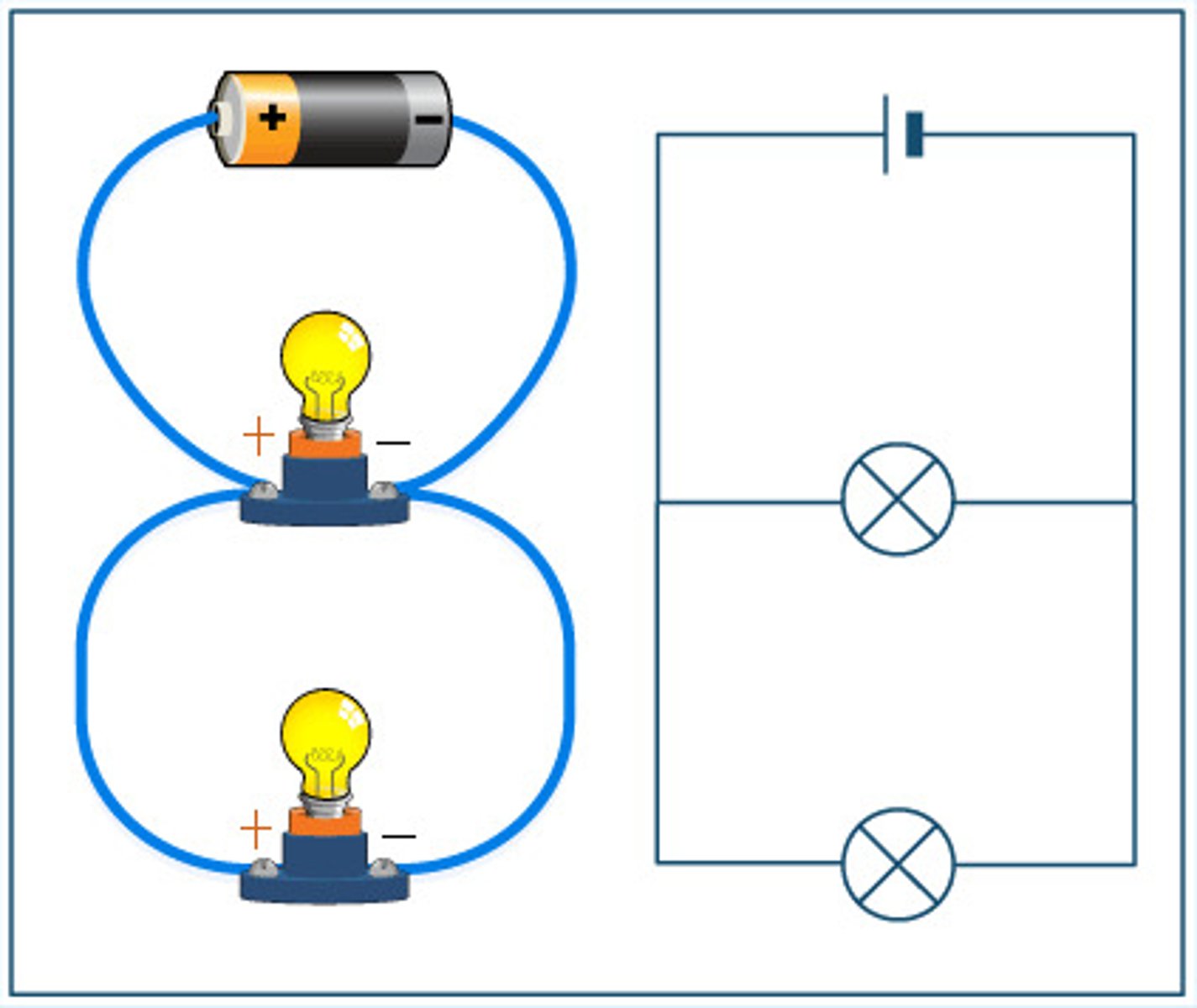
Parallel circuit
An electric circuit with two or more paths through which charge can flow
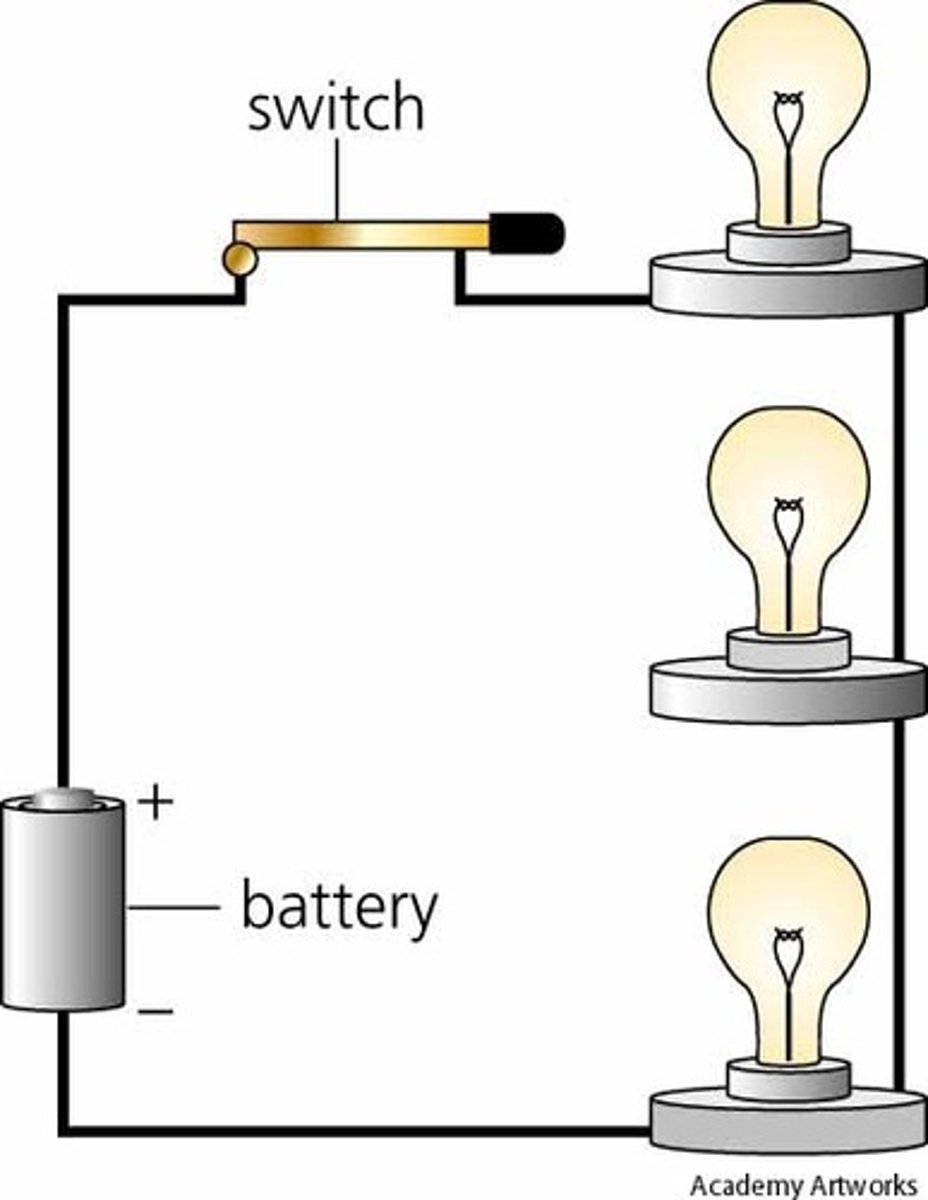
Series circuit
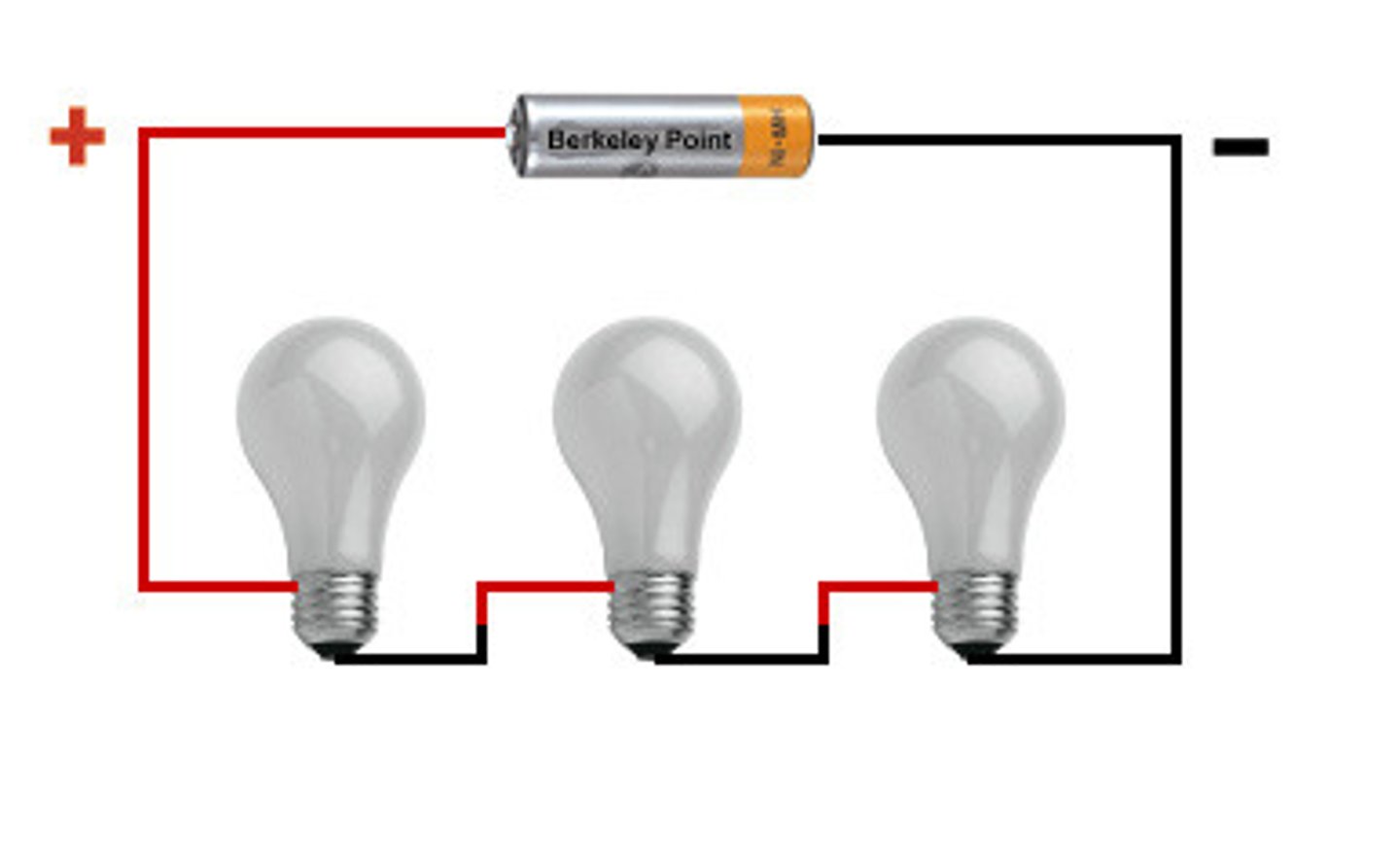
An electric circuit with only one path through which charge can flow
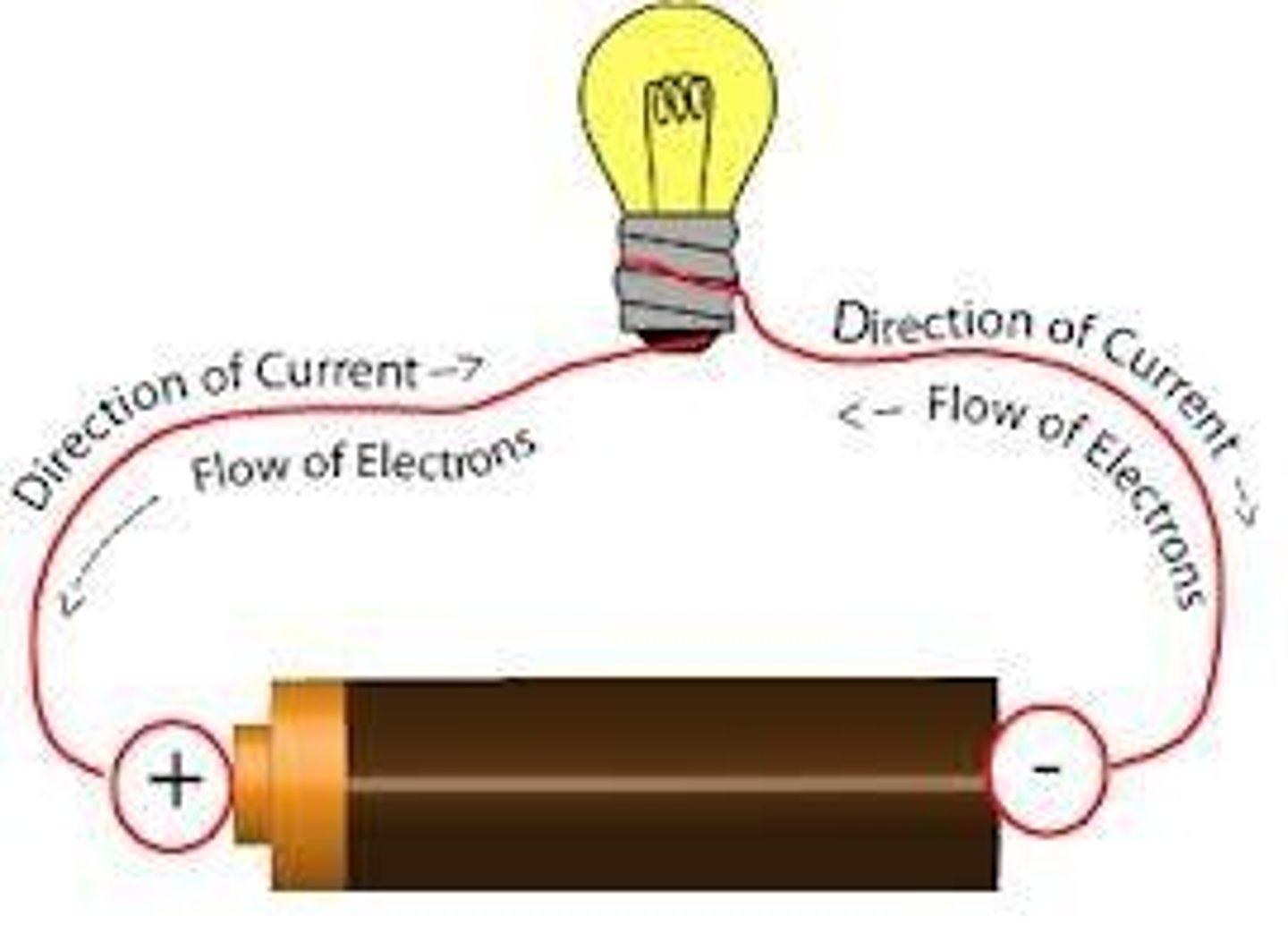
Electric current
The rate (how fast) at which electric charges pass a given point in a circuit. Measured using the unit "Ampere (A or Amp)". In an equation, the symbol for current is upper case "I".
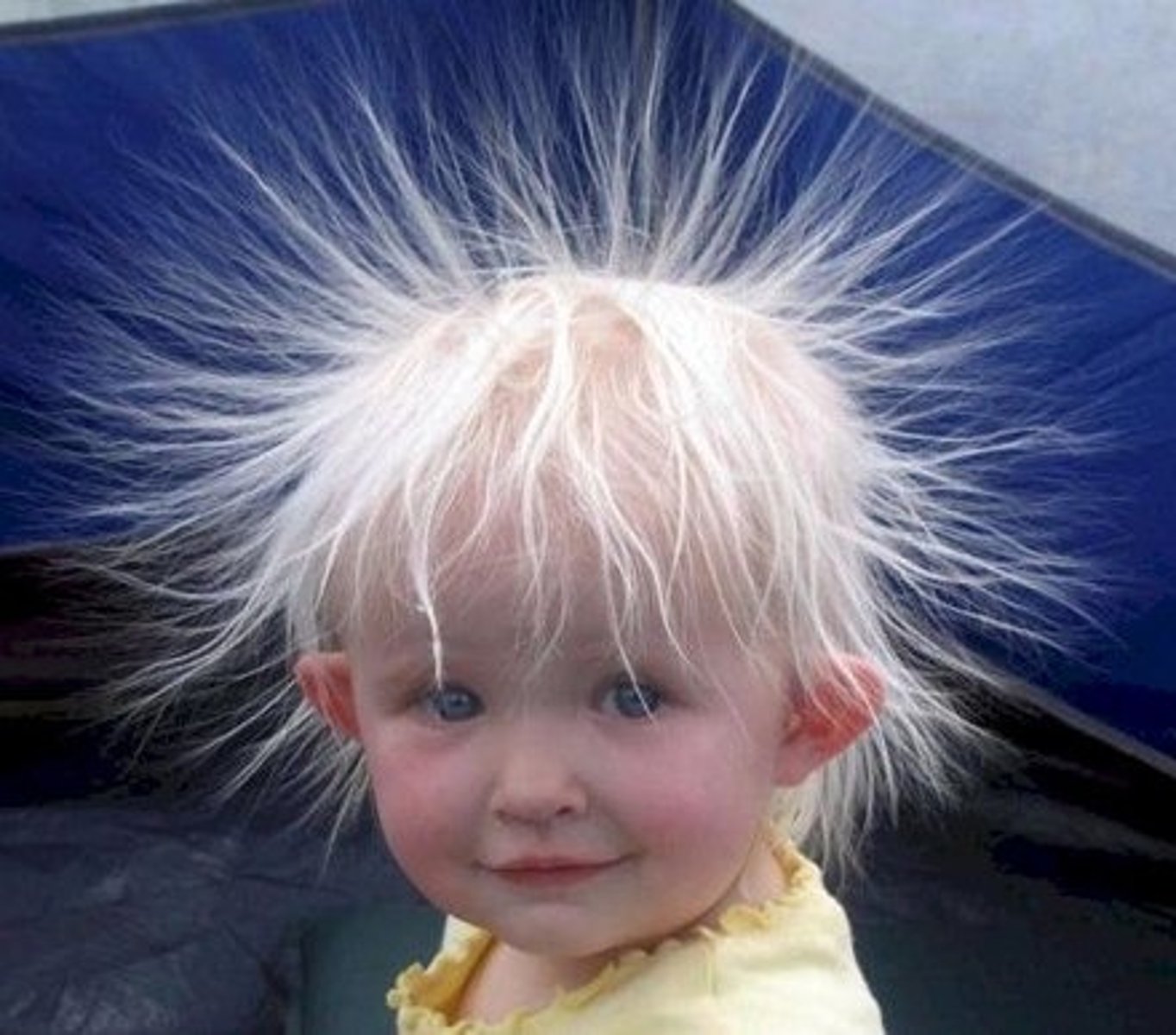
Static electricity
The buildup of electrical charges on an object
Insulator
A material that does not allow heat or electrons to move through it easily.

Conductor
A material that allows heat and electricity to pass through it.
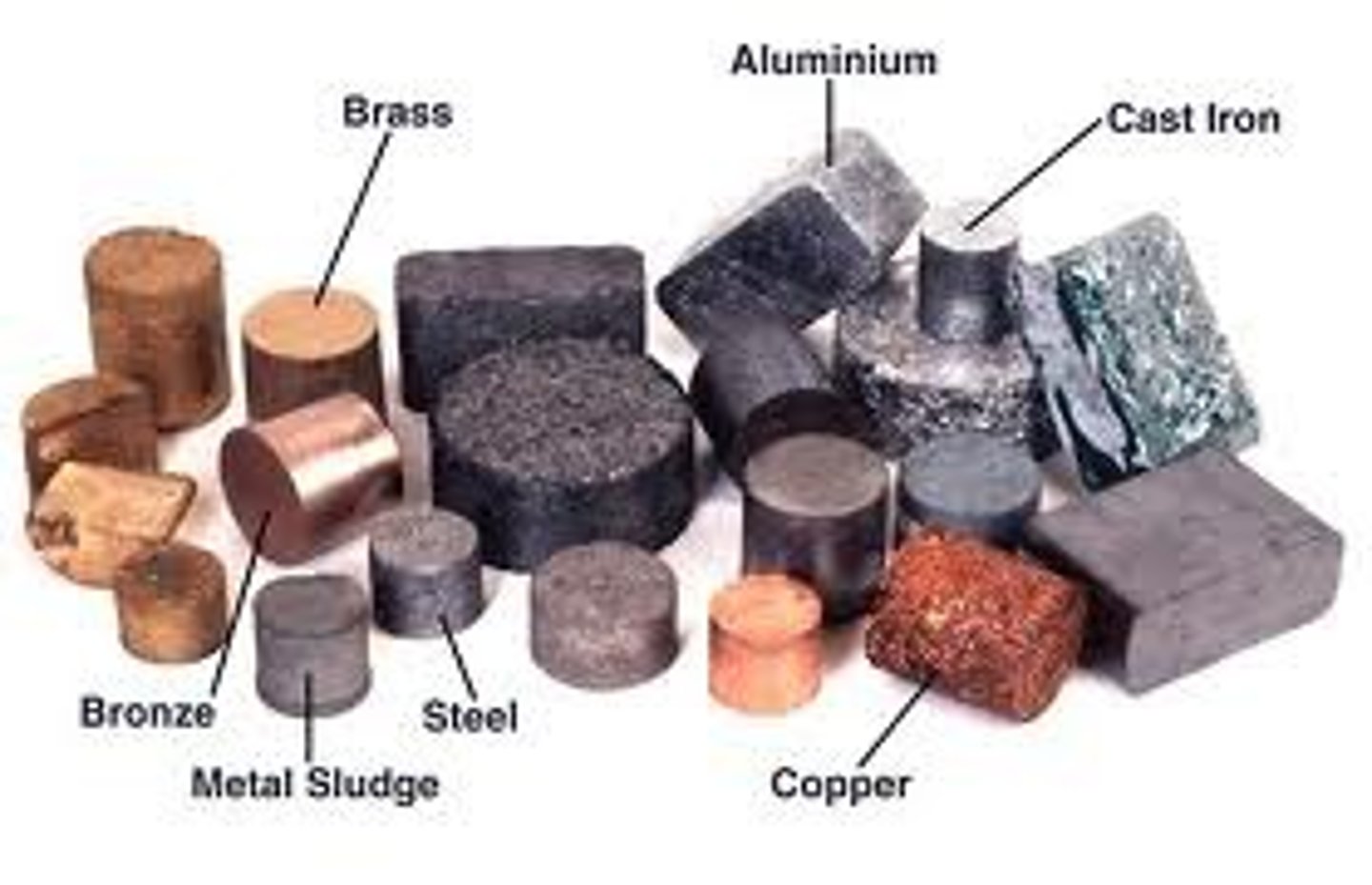
Load
Any device in a circuit that uses electricity to do work. Acts as a "resistance" to the path of the current. Example: Light bulbs, appliances
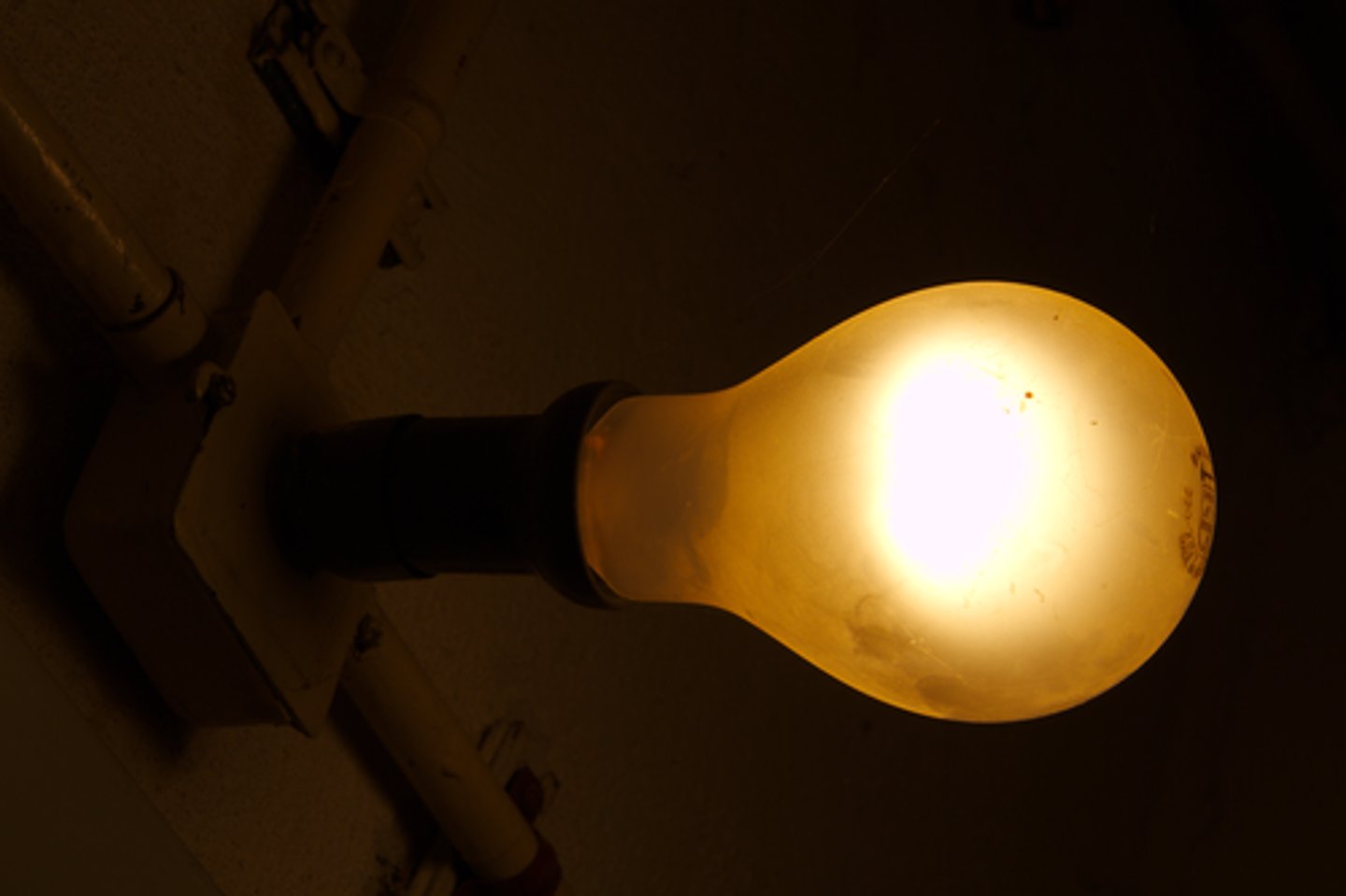
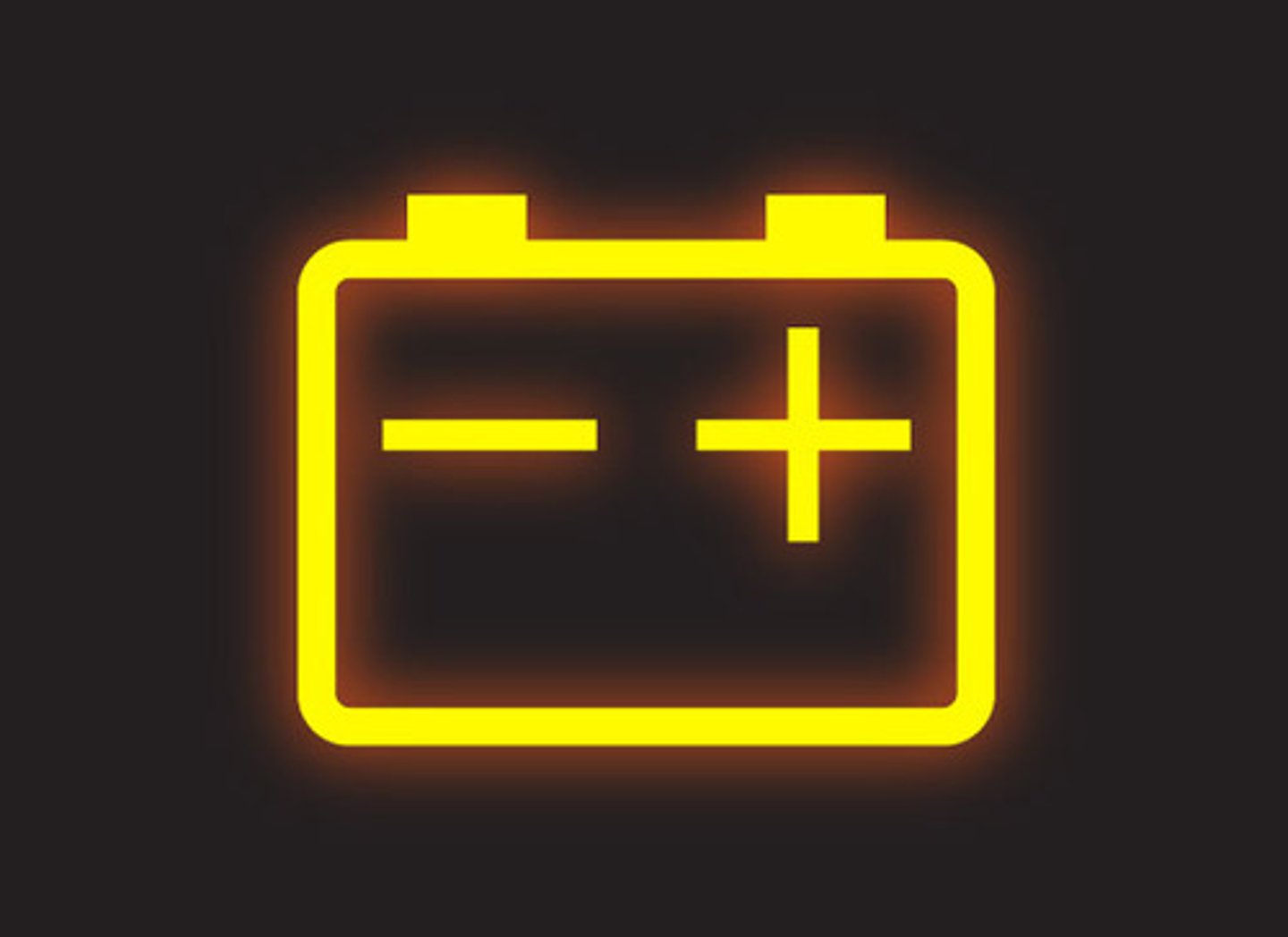
Battery
A device, made up of several electrical cells, that converts chemical energy to electrical energy
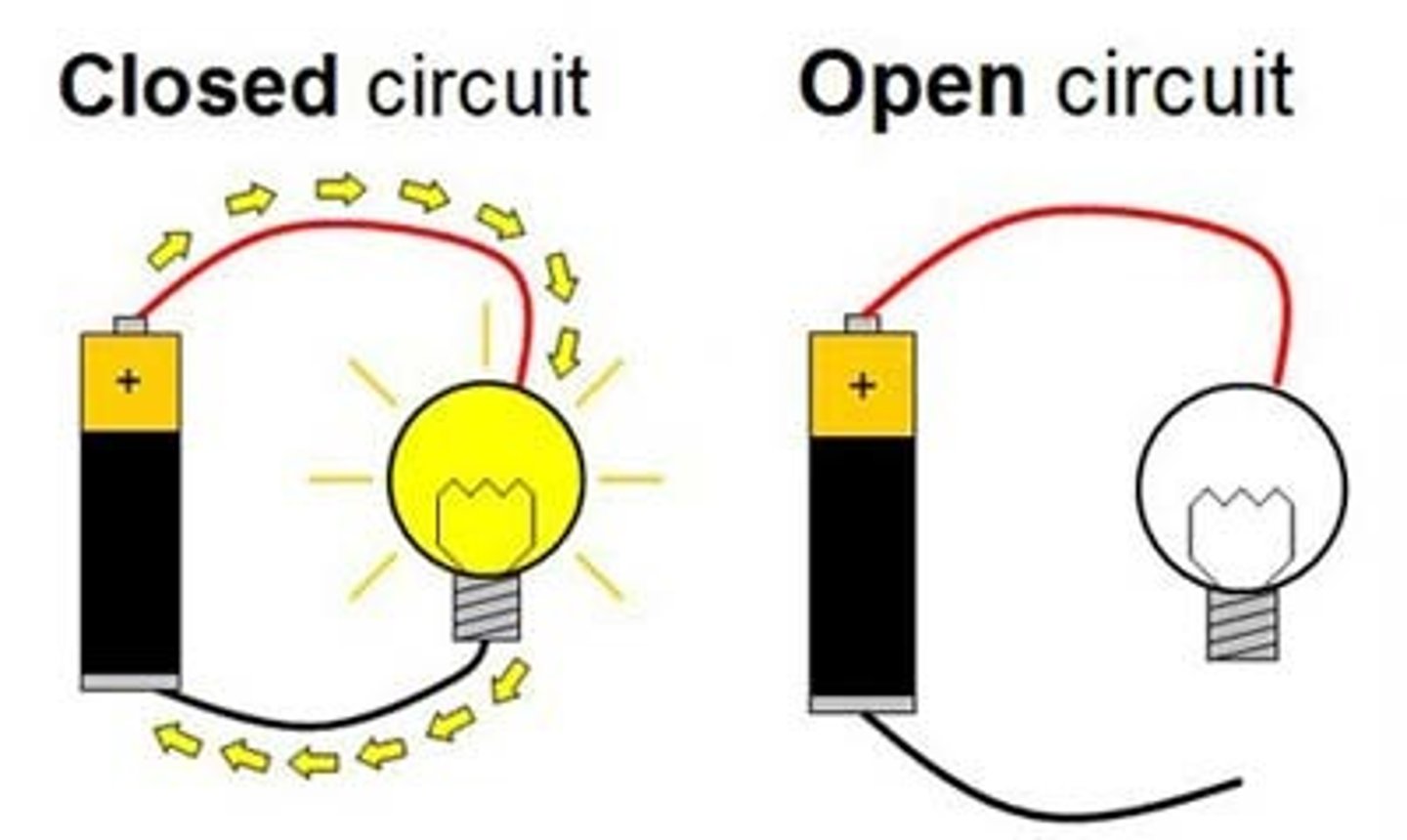
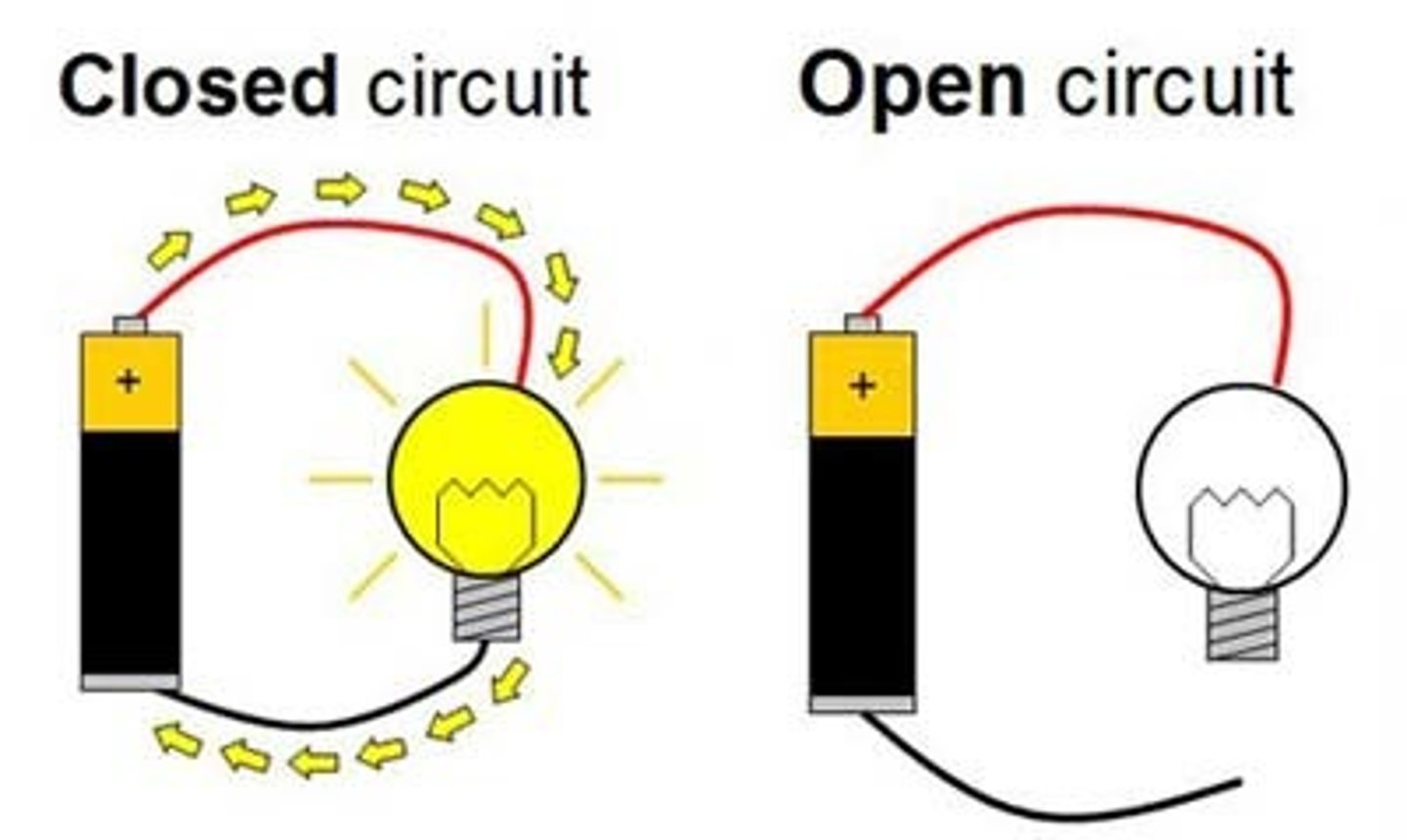
Open circuit
a circuit with a gap, it will not work
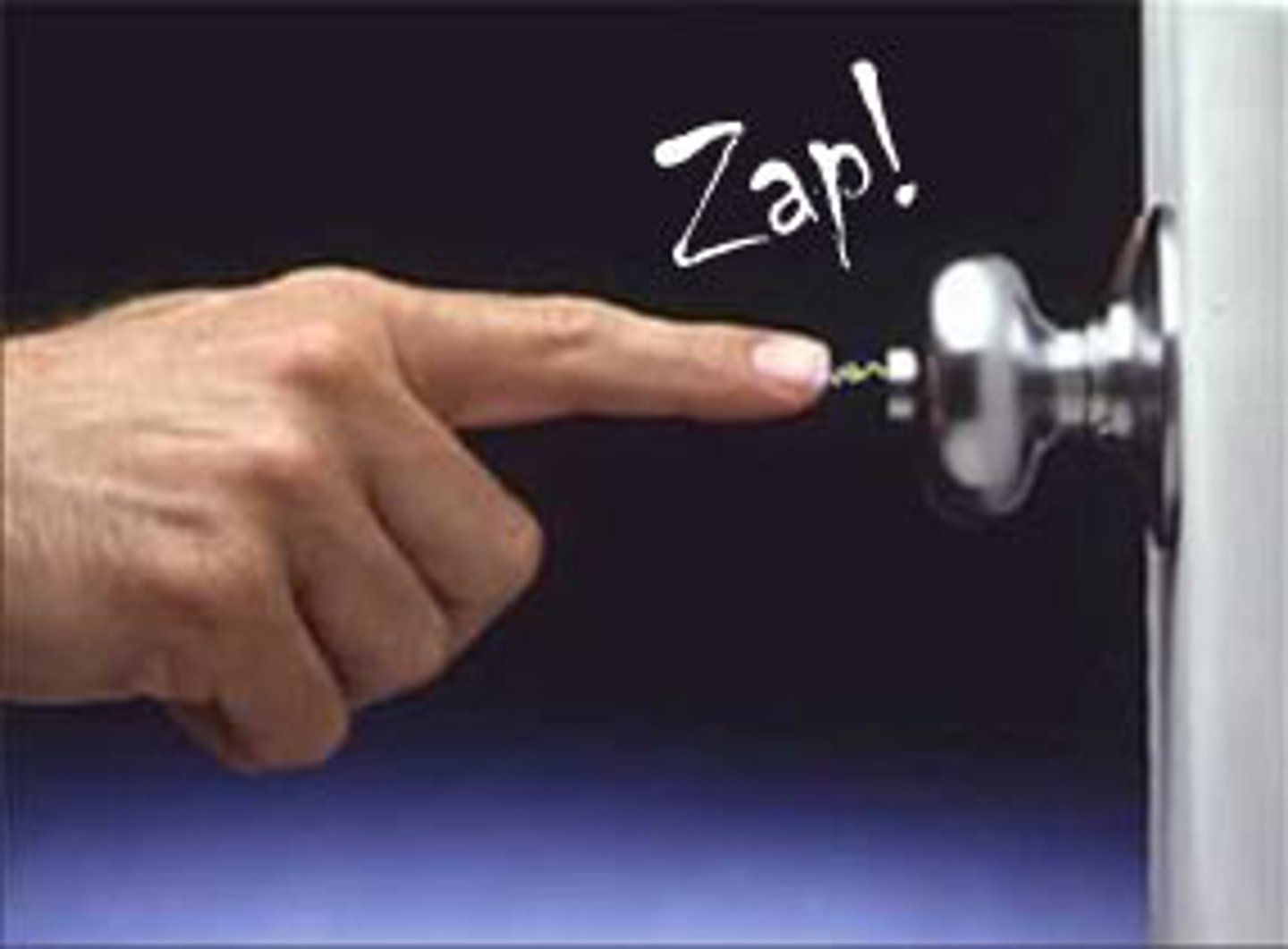
Electric (or Static) discharge
The loss of static electricity as electric charges transfer from one object to another
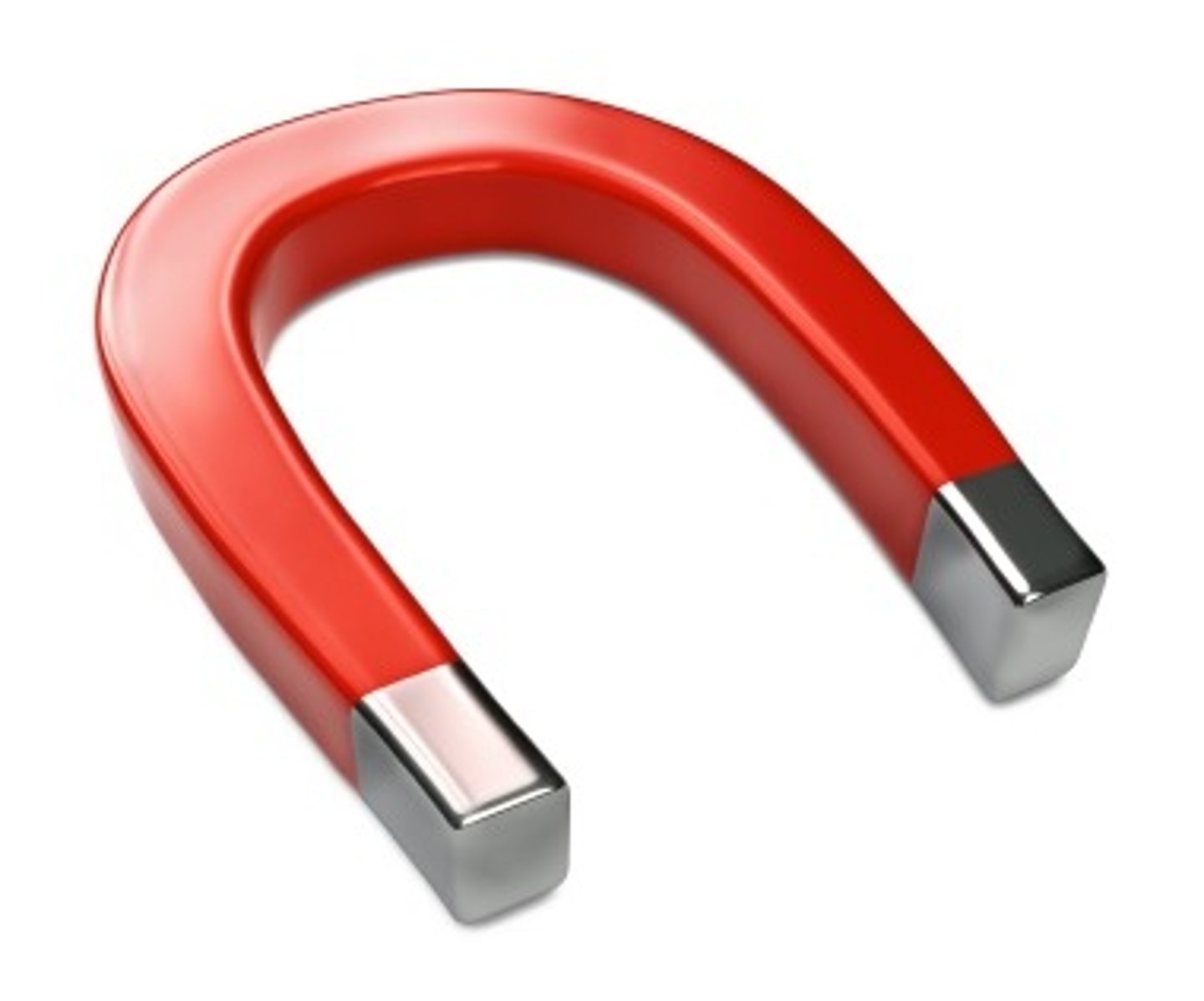
Magnet
any material that attracts iron and materials that contain iron
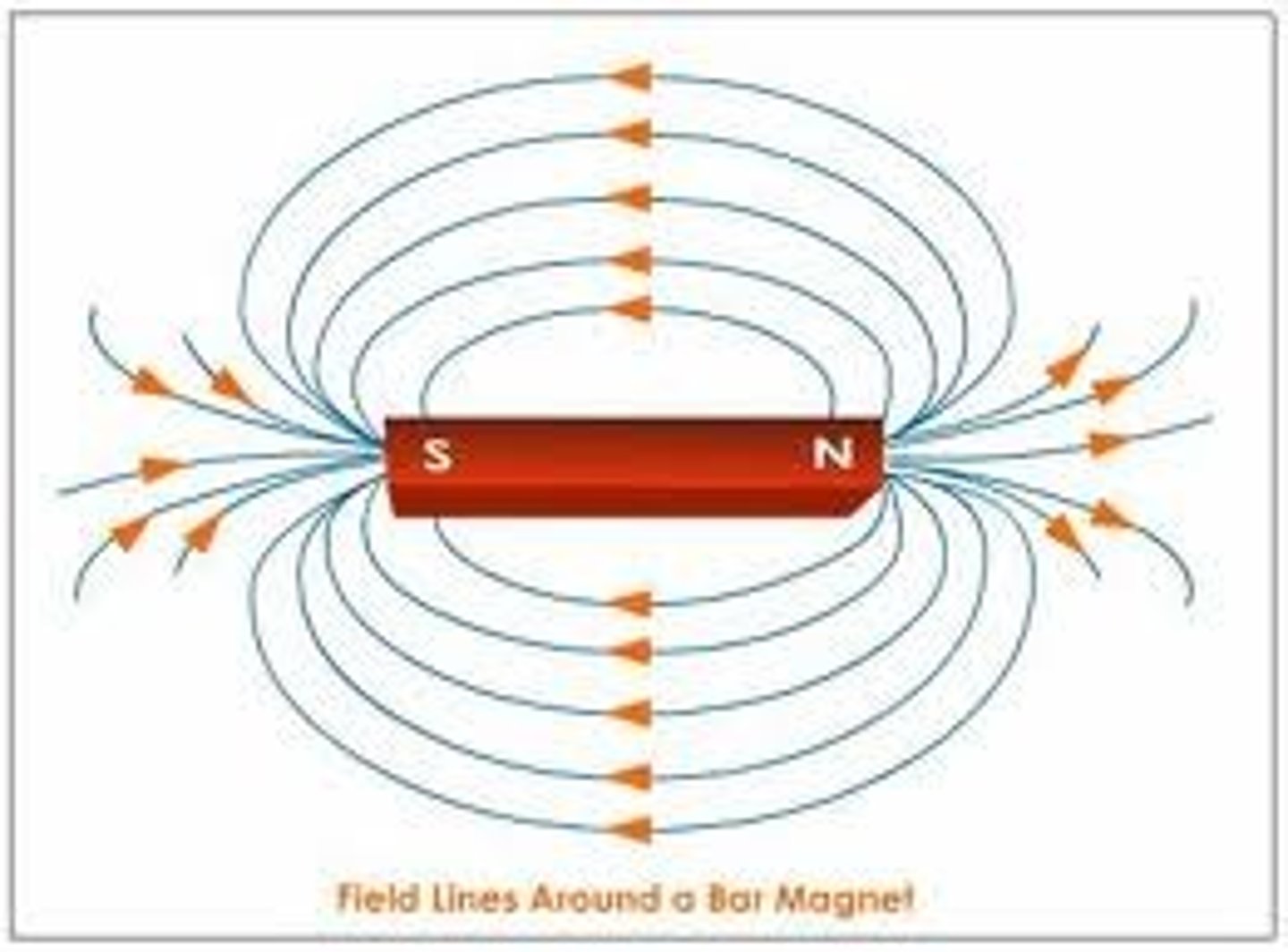
Magnetic field
The area of magnetic force around a magnet
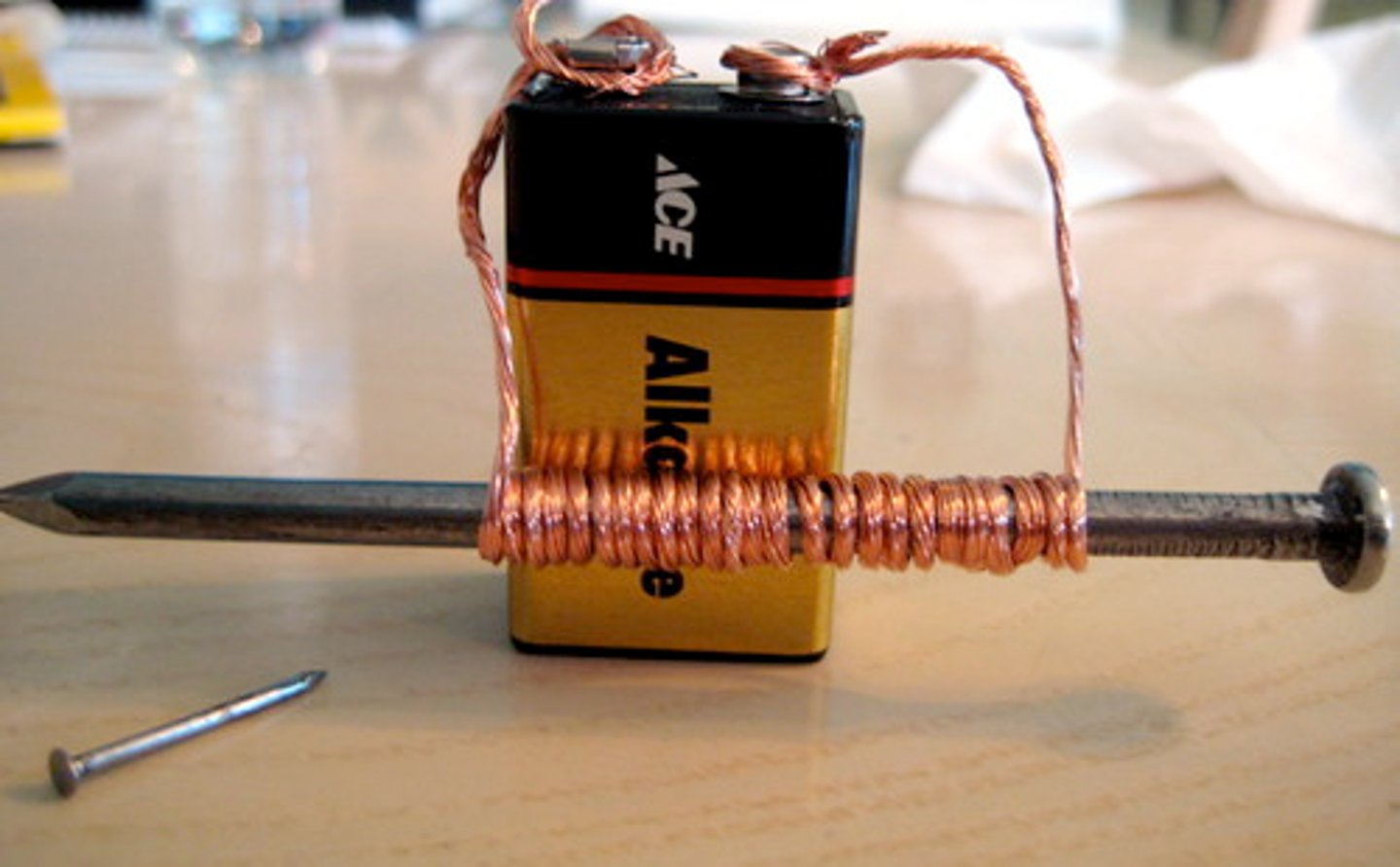
Electromagnet
A material made of iron that acts as a magnet when an electric current is passed through it.
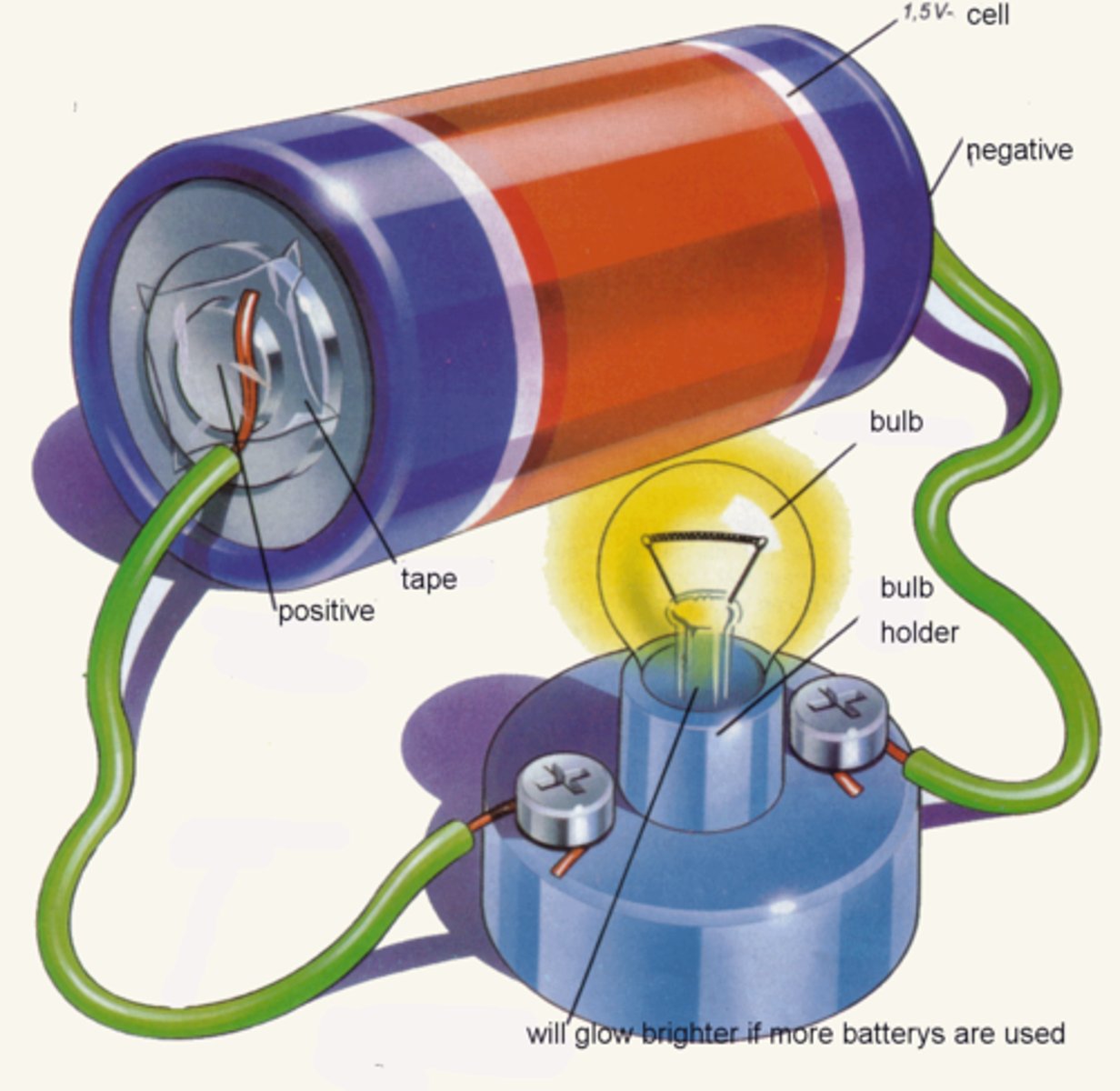
Cell (electrical)
A device that converts chemical energy into electrical energy
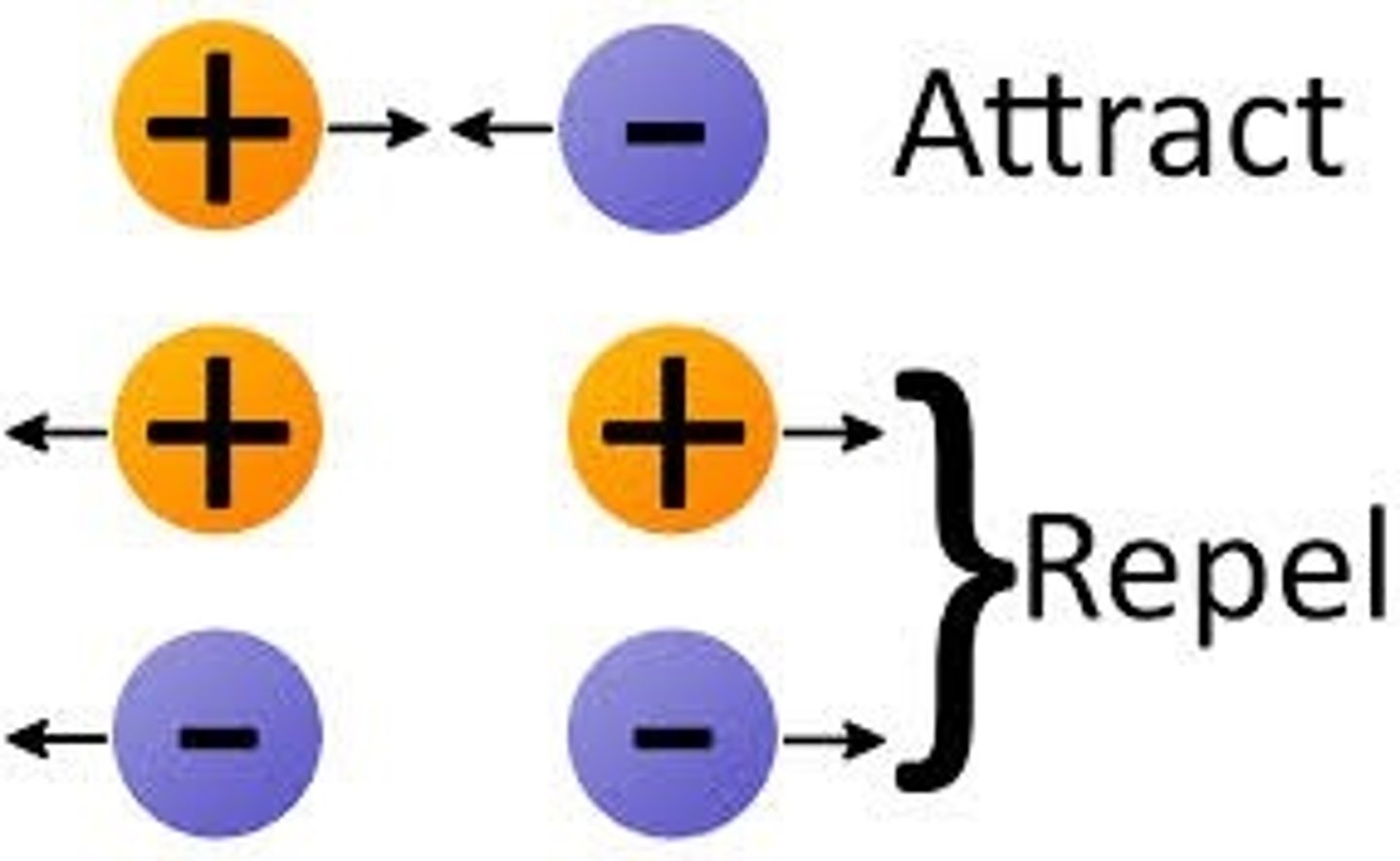
Law of Electric Charges
States that "like" charges repel, "opposite (unlike)" charges attract
Electric Force
The force between charged objects. Depends on the SIZE of the charges and the DISTANCE between the charges
Closed circuit
An electric circuit through which current can flow in an uninterrupted path.
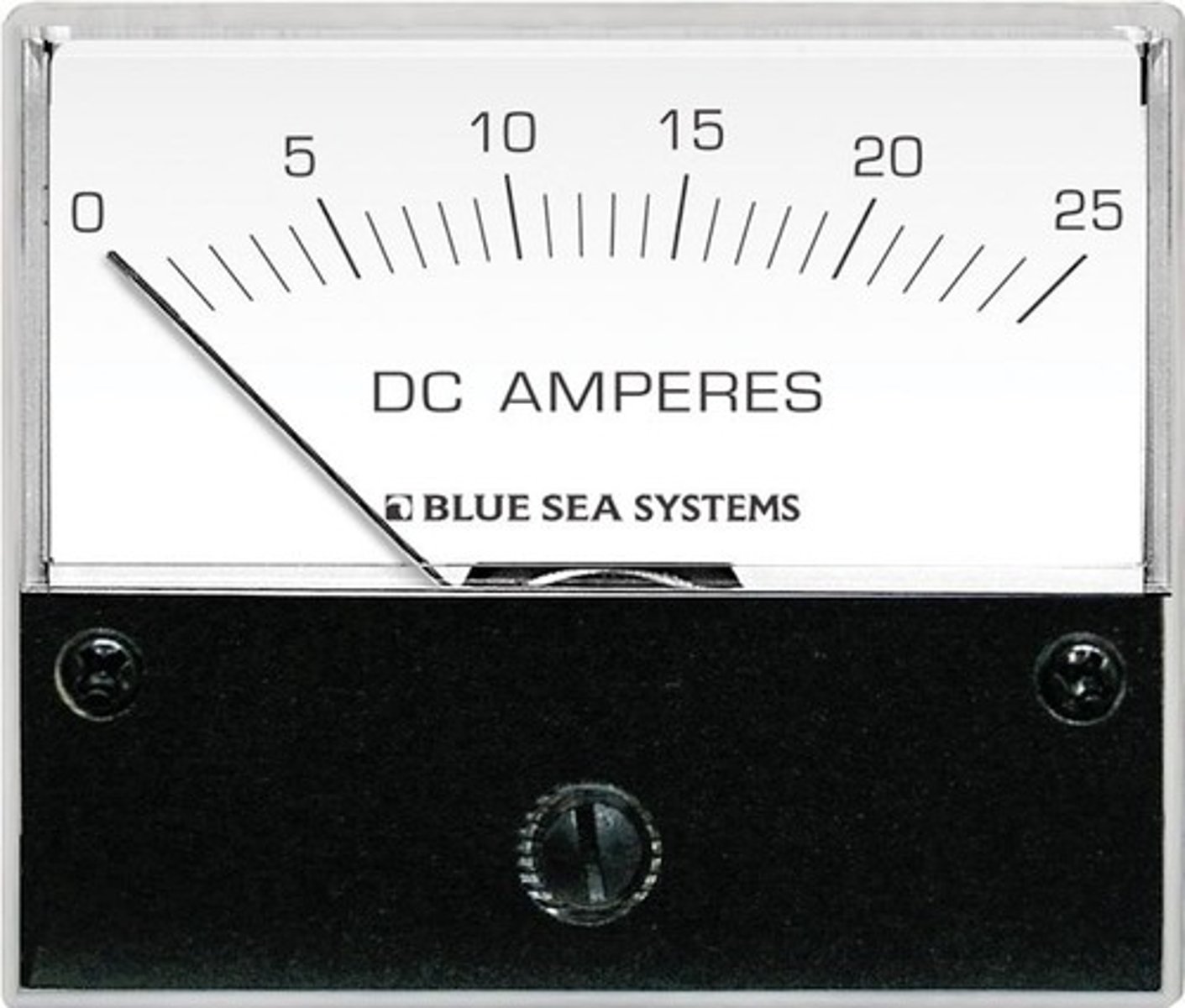
Ampere (A)
A unit to measure electric current
Resistance
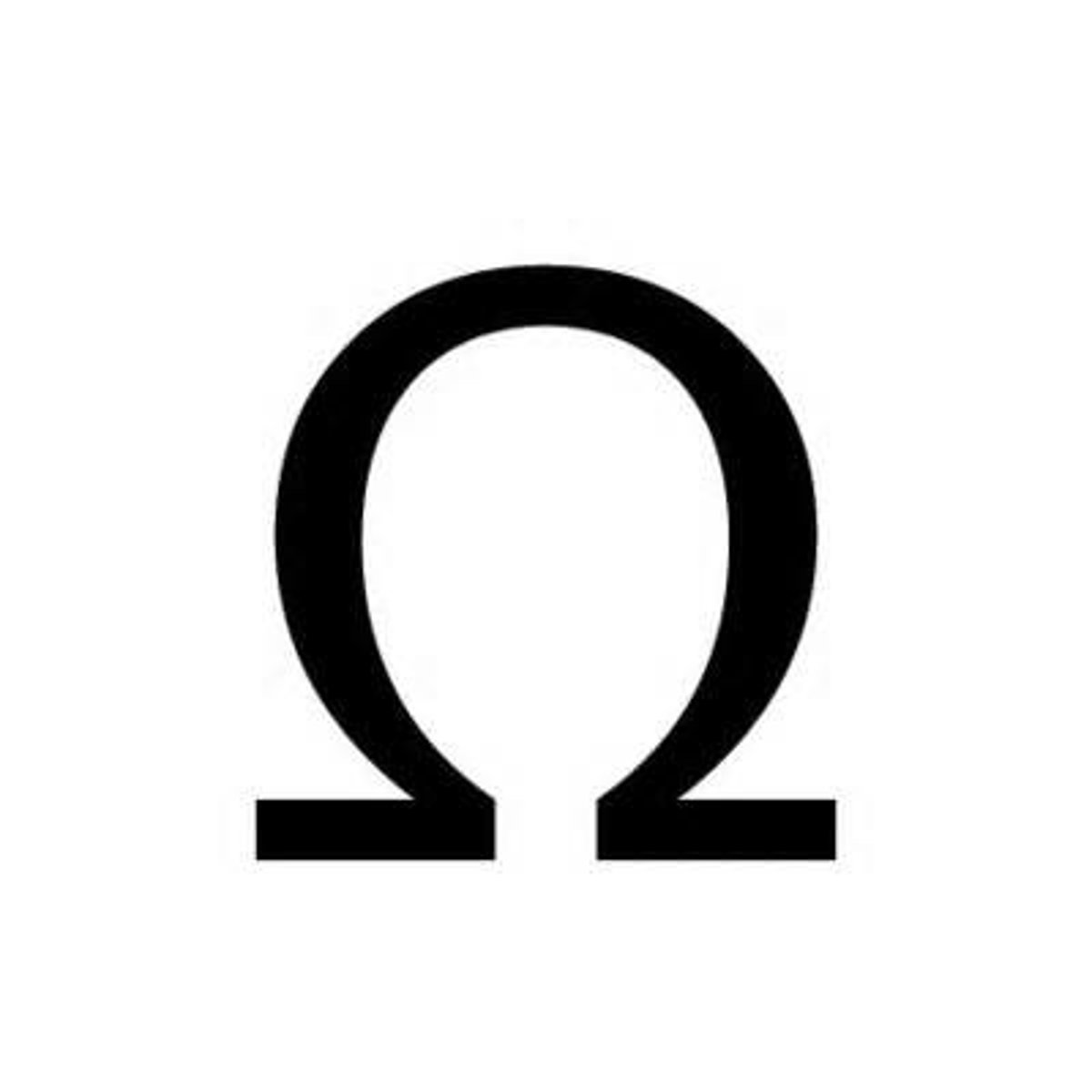
The opposition to the flow of electric charges. Measured using the unit "ohms", expressed as the Greek letter "omega". In an equation, the symbol for Resistance is "R"
Electrical circuit
A complete, closed path through which electric charges flow
Voltage
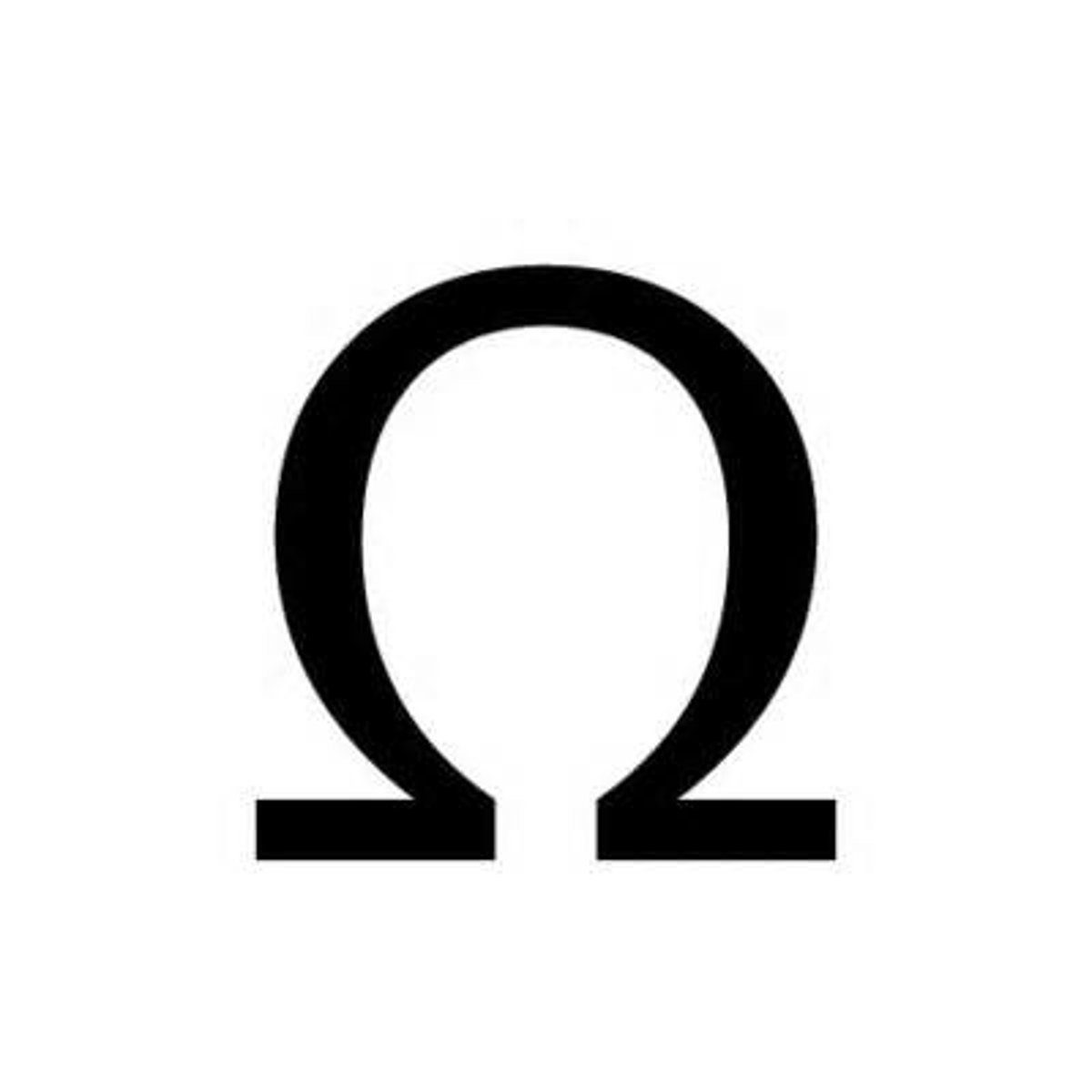
The amount of energy released when an electrical charge moves between two points in a circuit. Expressed in Volts (V)
Volts (V)
The unit used for Voltage
Ohms
The unit used for Resistance, expressed as the Greek letter omega
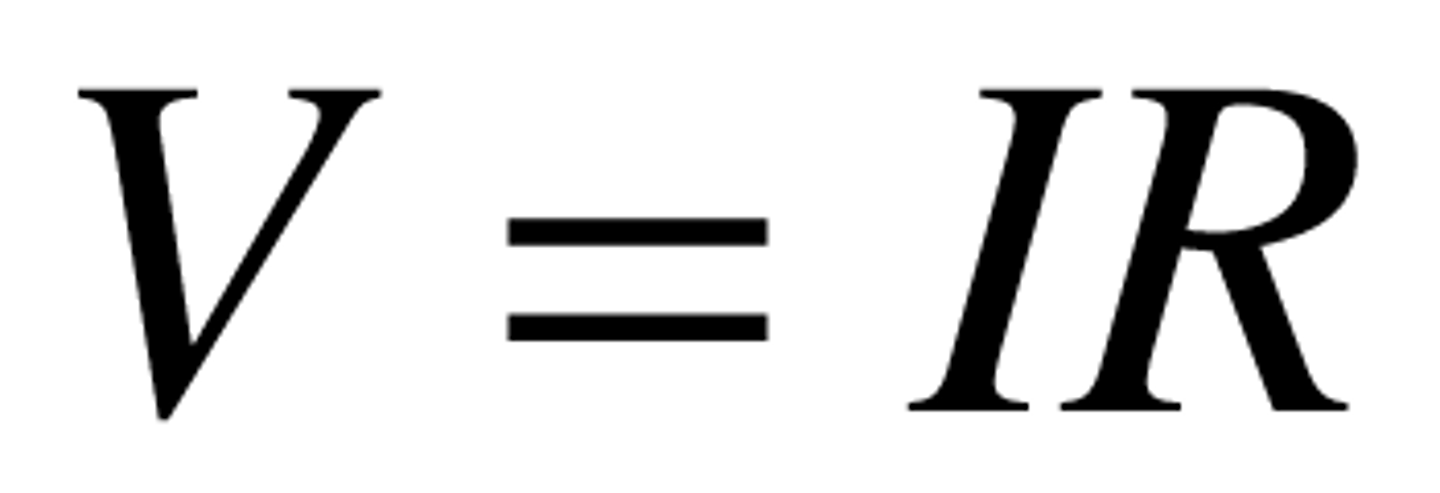
Ohm's Law
The current (I) in a circuit equals the voltage (V) divided by the resistance (R)
Electrical power
The rate (how fast) at which electrical energy is used to do work. The unit for power is Watts (W)
Electrical motor
A device that converts electrical energy to mechanical energy. Example: Washing machines, blenders
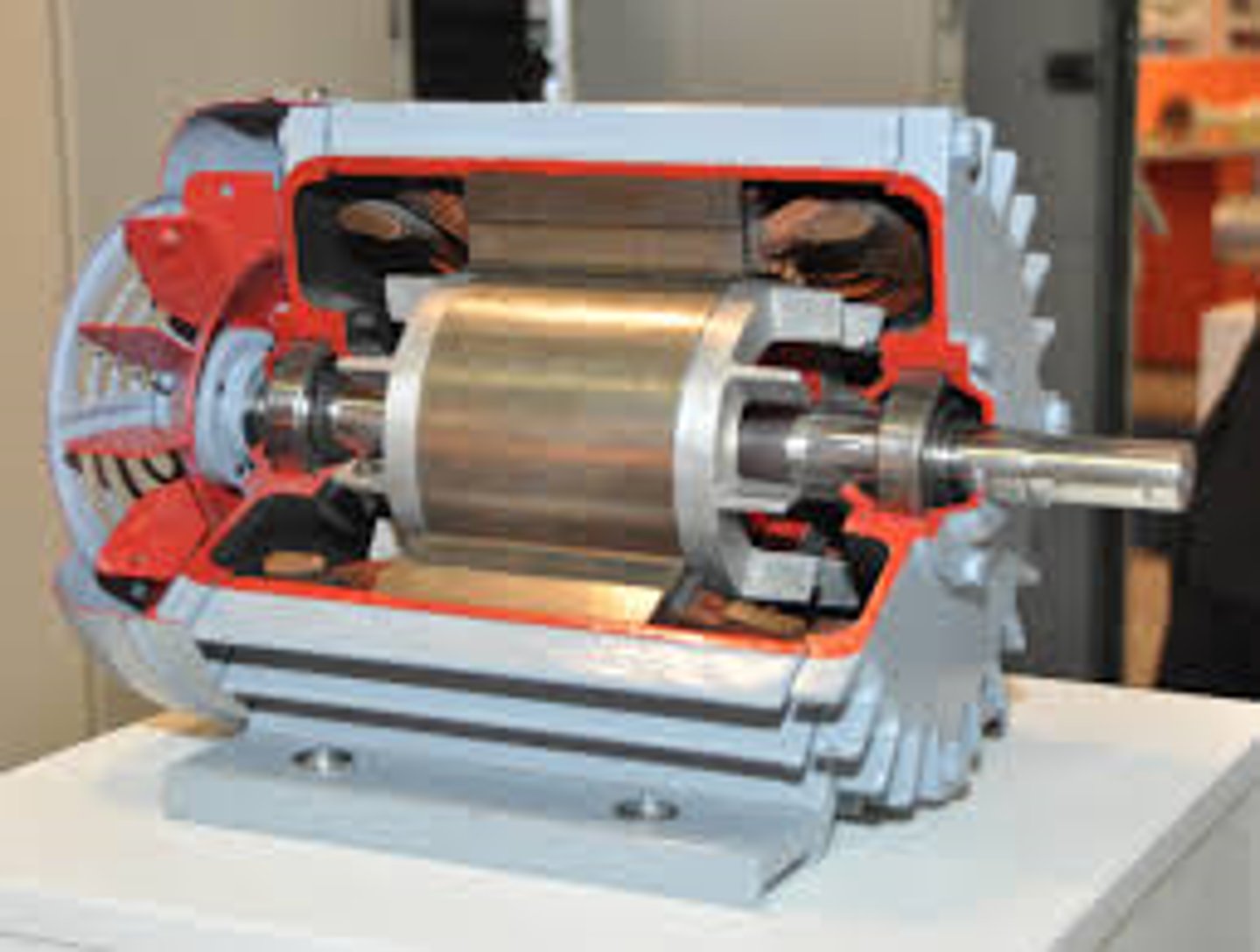
Electrical generator
A device that converts mechanical energy into electrical energy.
Transistors
Semiconductor devices made from silicon, and other semiconductor materials used in an amplifier or a switch.
Semiconductor
Material that is in between a conductor and an insulator in terms of transferring electric current. Example: silicon chips used in electronic devices.
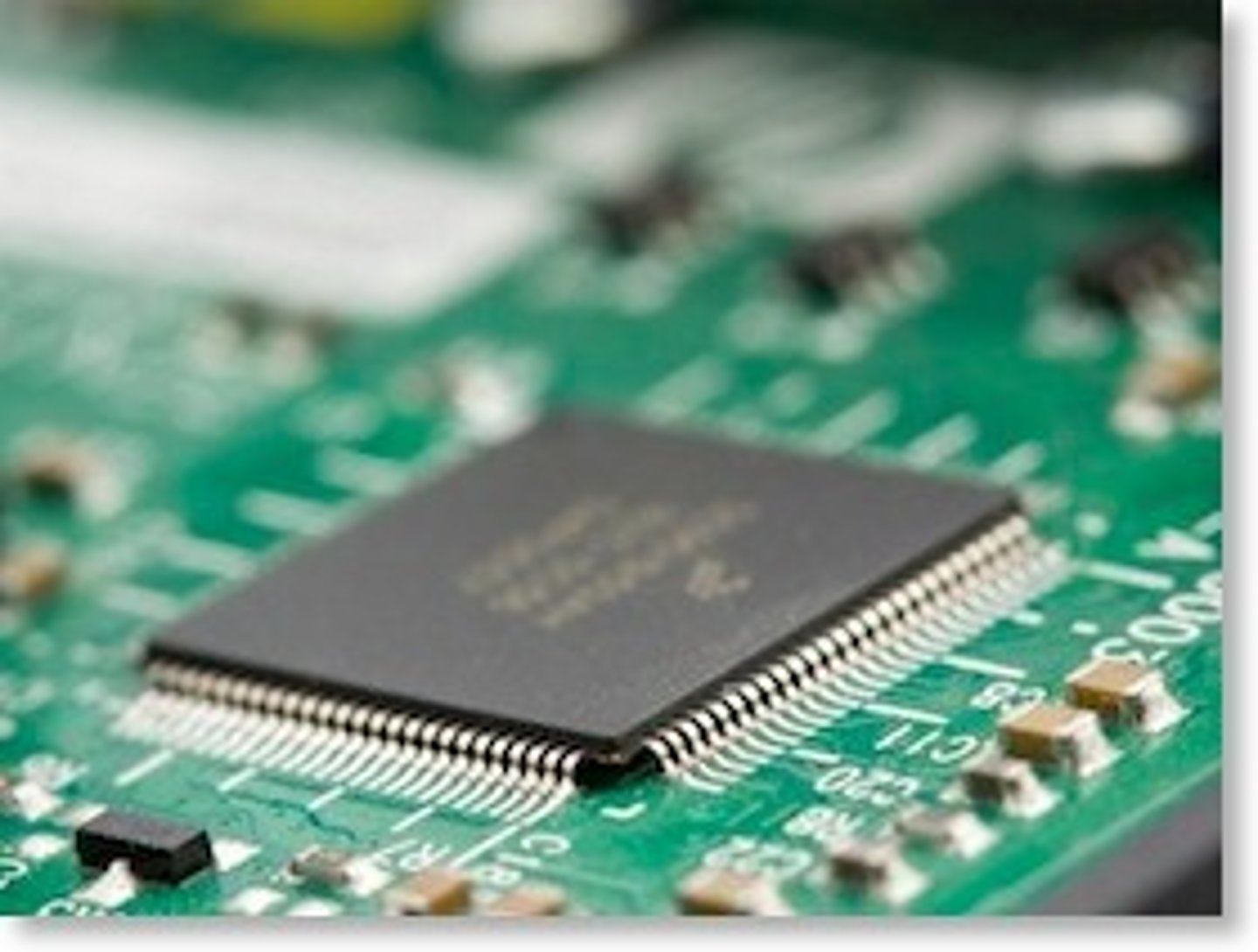
Diode
A device that permits current to flow through it in only one direction.
Magnetic force
The force of repulsion or attraction between the poles of magnets
Electromagnetism
The interaction between electricity and magnetism
Electronic circuit
A circuit which is used to transfer data or information. Example: TV remote, computer, cell phones
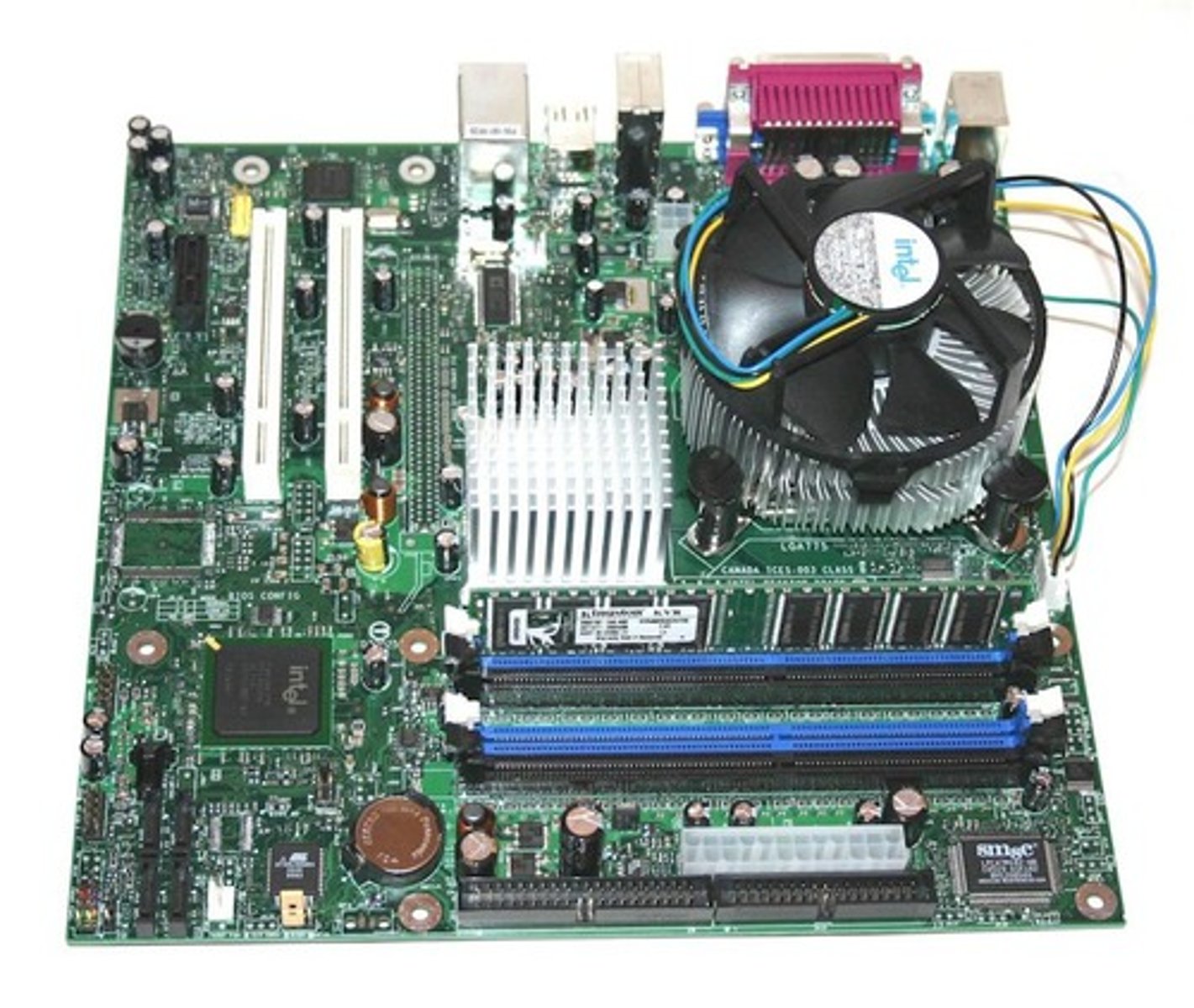
Electromagnetic induction
The process by which an electric current is produced by a changing magnetic field