Pain, Inflammation and Healing - Basic Science Core
 Call Kai
 Learn
Learn Practice Test
 Spaced Repetition
 Match
Match Flashcards
 Knowt Play
1/62

Earn XP
Description and Tags
Immuno Exam 1
Name | Mastery | Learn | Test | Matching | Spaced | Call with Kai | Chat |
|---|
No analytics yet
Send a link to your students to track their progress
63 Terms
Nociceptive Pain
When the nociceptors become irritated – this typically results from ongoing injury or Inflammation of somatic (e.g. – joint, muscle, skin) or visceral tissue (e.g. – GI tract); examples include:
Arthritis
Sports injuries (strains, sprains, tears, fractures)
Burns
Gastritis
Post-operative pain
Spinothalamic System Parts (2)
1) LATERAL SPINOTHALAMIC TRACT
2) ANTERIOR SPINOTHALAMIC TRACT
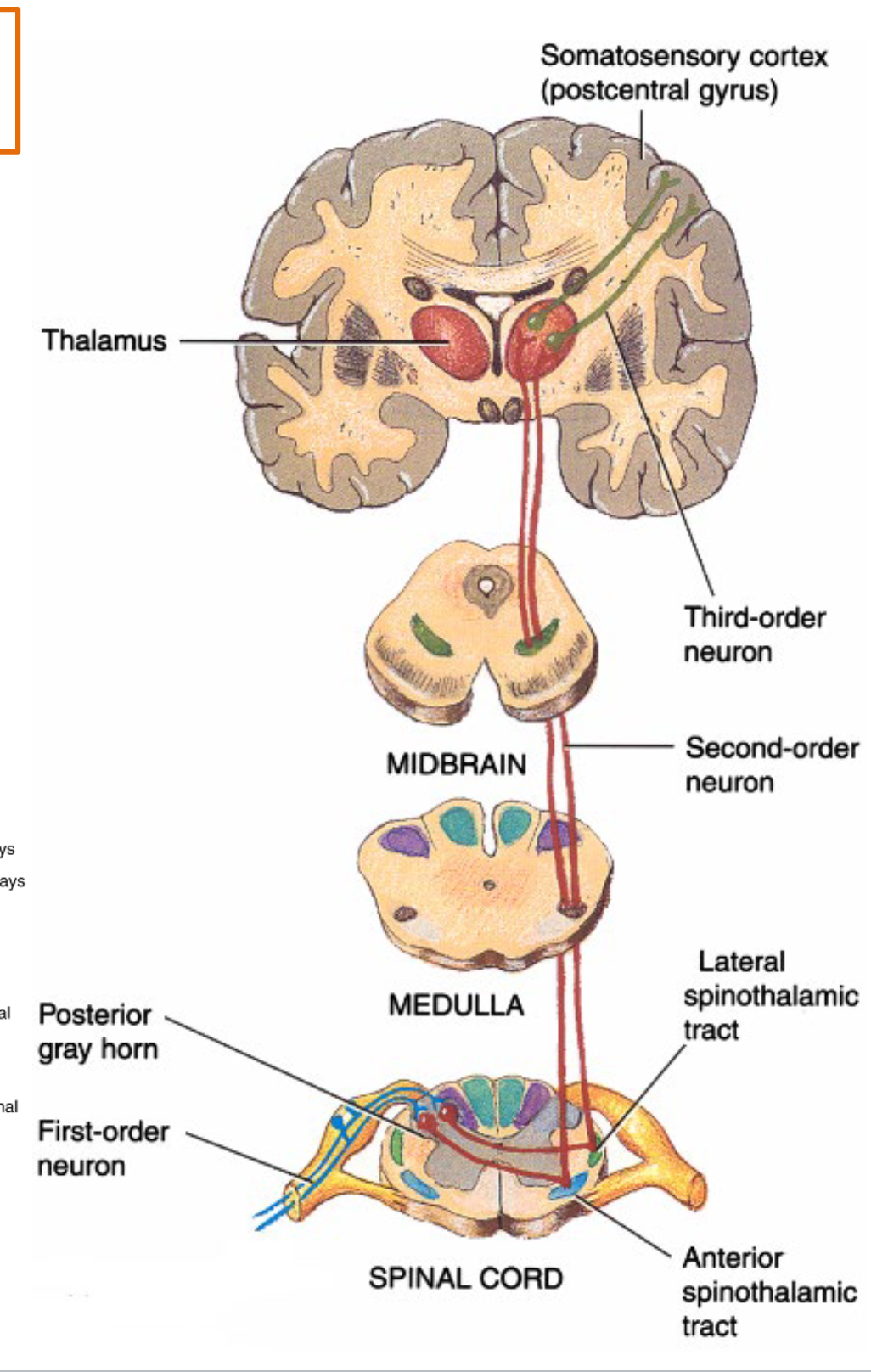
LATERAL Spinothalamic Tract
Conveys sensory impulses for pain & temperature
Sensory from the brain to the distal to move in response to pain
ANTERIOR Spinothalamic Tract
For light touch
Ascended from distal to the brain
Describe Nociceptive Pain
Sharp,
Aching
Stinging
Throbbing that is easily localized
Nociceptive pain is typically time-limited (with arthritis being the exception)
How to treat Nociceptive pain
Generally responds “well” to various drug therapies, namely opioid and non- opioid analgesics.
Neuropathic Pain
The peripheral or central nervous systems are malfunctioning
Cause by damage of the brain, spinal cord or peripheral nerves
Pain Symtoms
burning
tingling
numbness
shooting
stabbing
electric-like feelings
Allodynia
Hyperalgesia
Neuropathic pain is very “stubborn”, as it does not usually respond as well as nociceptive pain to opioid or non-opioid analgesics.
Hyperalgesia
An extreme, abnormal increase in sensitivity to pain.
It occurs when your body's pain receptors or nerves become overly sensitive, meaning a mild hurt feels much worse than it should
Allodynia
a medical condition where you feel pain from things that do not normally hurt, such as a light touch, a gentle breeze, or soft clothing. It is a sign of sensitive nerves, not a disease itself.
Neuropathic Pain Examples (3)
Diabetic neuropathy
Trigeminal neuralgia
Post-herpetic neuralgia
Analgesics
Medications that relieve pain
Types of Analgesics (3)
1) Non-Opioid Analgesics
2) Opioid Analgesics
3) Adjuvant Analgesics or Co-Analgesics
Non-Opioid Analgesics (4)
Aspirin (ASA; salicylates)
Non-steroidal anti-inflammatory drugs (NSAIDs)
Corticosteroids (Glucocorticoids, “Steroids”)
Acetaminophen (APAP; Tylenol)
_______
Biggest number of drugs.
Opioid Analgesics
“Opioids”
“Narcotics”
Adjuvant Analgesics or Co-Analgesics
Drugs that are usually given for reasons other than pain but that sometimes relieve pain
Pain Scales (3 Steps)
Developed by the World Health Organization (WHO) - Three Steps:
1) Mild Pain
1-3 / 10 Step 1
2) Mild to Moderate Pain
4-6 / 10 Step 2
3) Moderate to Severe Pain
7-10 / 10 Step 3
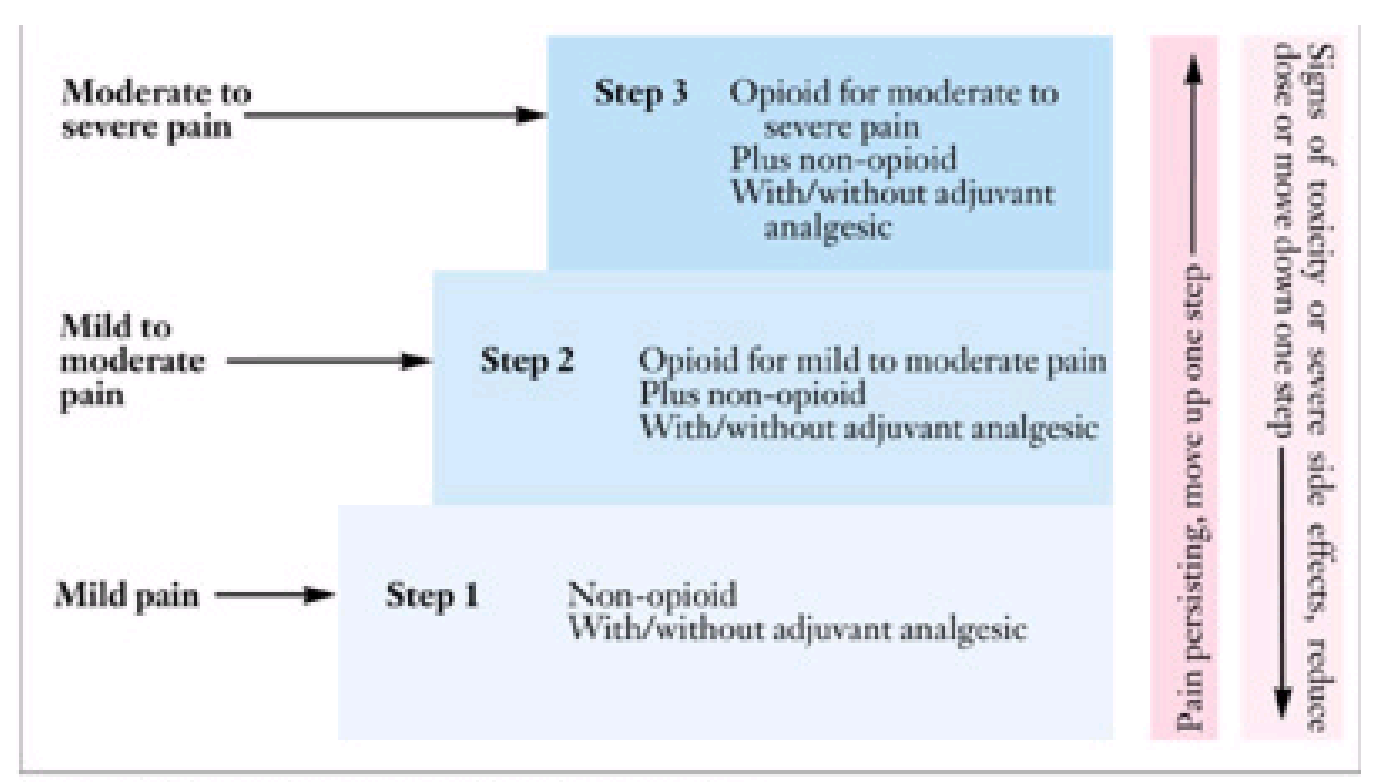
Mild Pain Treatment
Mild pain be treated with non-opioid medications such as aspirin,
acetaminophen or other NSAID
1 to 3
Moderate Pain Treatment
Moderate pain be treated with a “weaker” opioid (e.g., codeine, hydrocodone, oxycodone or propoxyphene) and a non-opioid
4 to 6
Severe Pain Treatment
Severe pain be treated with a “stronger” opioid (e.g., morphine or hydromorphone) and a non-opioid
7 to 10
Most of the time what is pain?
Inflammation
Is Acute inflammation positive?
Yes
- 1) inflammation provides a cellular environment to healing
- 2) healing and repair of tissue will not occur unless inflammation occurs first
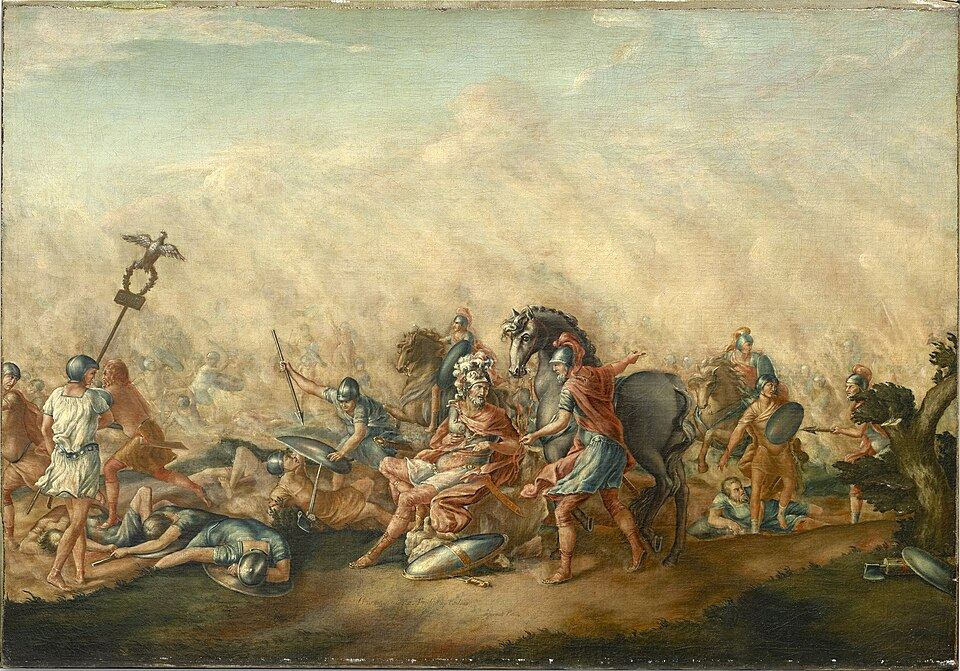
The five principal effects of acute inflammation:
1) Redness - caused by vessel dilation
2) Heat - caused by increased blood flow
3) Swelling - due to extravascular accumulation of fluid
4) Pain - due to chemical mediators & tissue distortion
5) Loss of function - movement of inflamed area is consciously inhibited by pain, plus severe swelling can immobilize tissue
Acute Inflammation Cascade: (7)
Tissue injured →
Vasodilation →
Increased capillary permeability →
Formation of exudate containing fluid, proteins & ions → Blood flow slows →
WBCs transmigrate across capillary wall to the site of injury →
WBCs engulf microbes, tissue debris, etc. →
WBCs kill and destroy microbes, tissue debris, etc.
What Controls the Acute Inflammation Cascade:
CHEMICAL MEDIATORS & MOLECULES
Types of Chemical Medicators (2)
Exogenous mediators -- come from the injurous agent
Endogenous mediators – come from us
Five Endogenous Mediators
1) Histamine
2) Arachidonic Acid Metabolites (e.g. – prostaglandins, leukotrienes)
3) Cytokines
4) Kinins
5) Serotonin
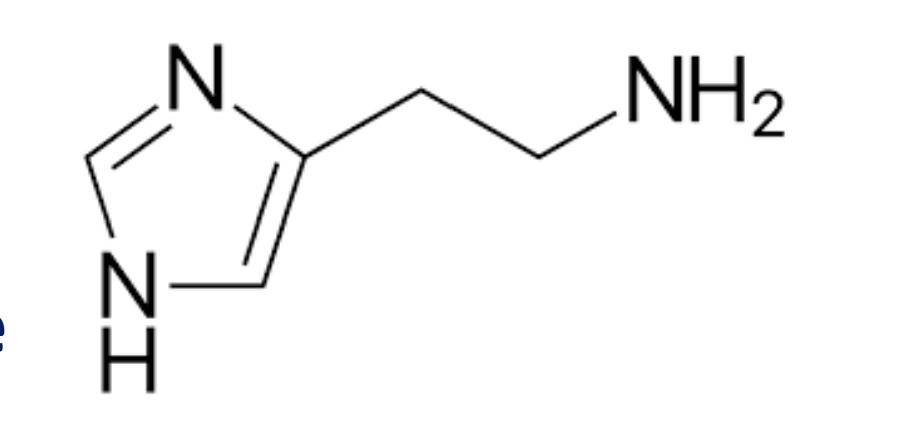
Histamine
Released by basophils and mast cells
Causes vasodilation, increasing the blood flow to the site of injury
Increases vascular permeability
Promotes production of mucus
Recruits WBCs to the injured area
_
Triggers the release of cytokines, further amplifying the inflammatory response
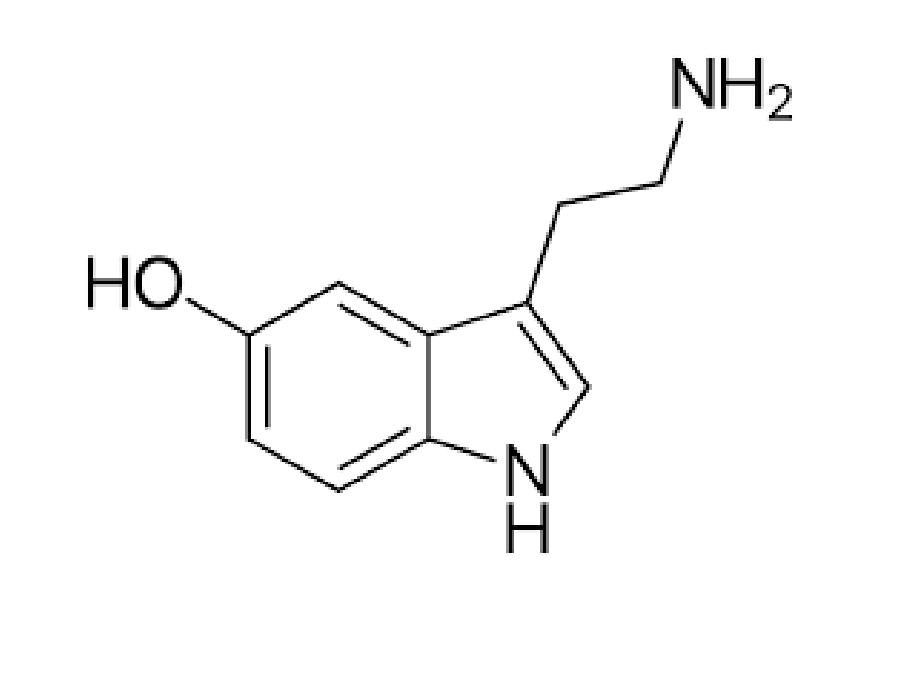
Serotonin
Released from platelets
_
Attracts neutrophils to sites of injury to initiate and exacerbate the inflammatory response
Can promote the production of cytokines
Cytokines
Released from various WBCs
_
Include several different types of chemicals:
Leukotrienes or interleukins (e.g., IL-17, IL-23)
Tumor necrosis factors (e.g., TNF-)
Chemokines
Signal and recruit other WBCs (major amplifiers of inflammation) –
allows WBCs to communicate with each other
“Balance” the inflammatory response – some cytokines promote
inflammation (pro-inflammatory), while others help to dampen it
down (anti-inflammatory)
Can promote vasodilation, but to a lesser extent than other chemical mediators
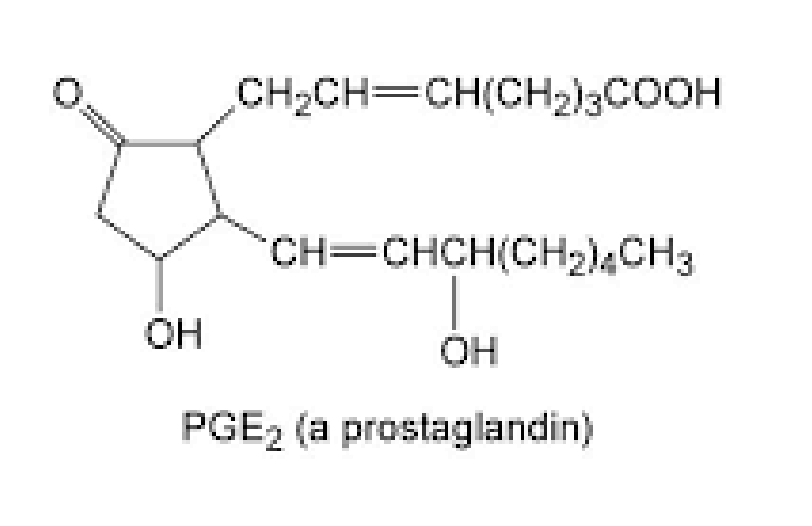
Prostaglandins
Released from injured cells
Cause significant amounts of vasodilation and capillary permeability
Significant contributor to sensation of pain
Attract neutrophils to site of injury
Can also cause fever
Kinins
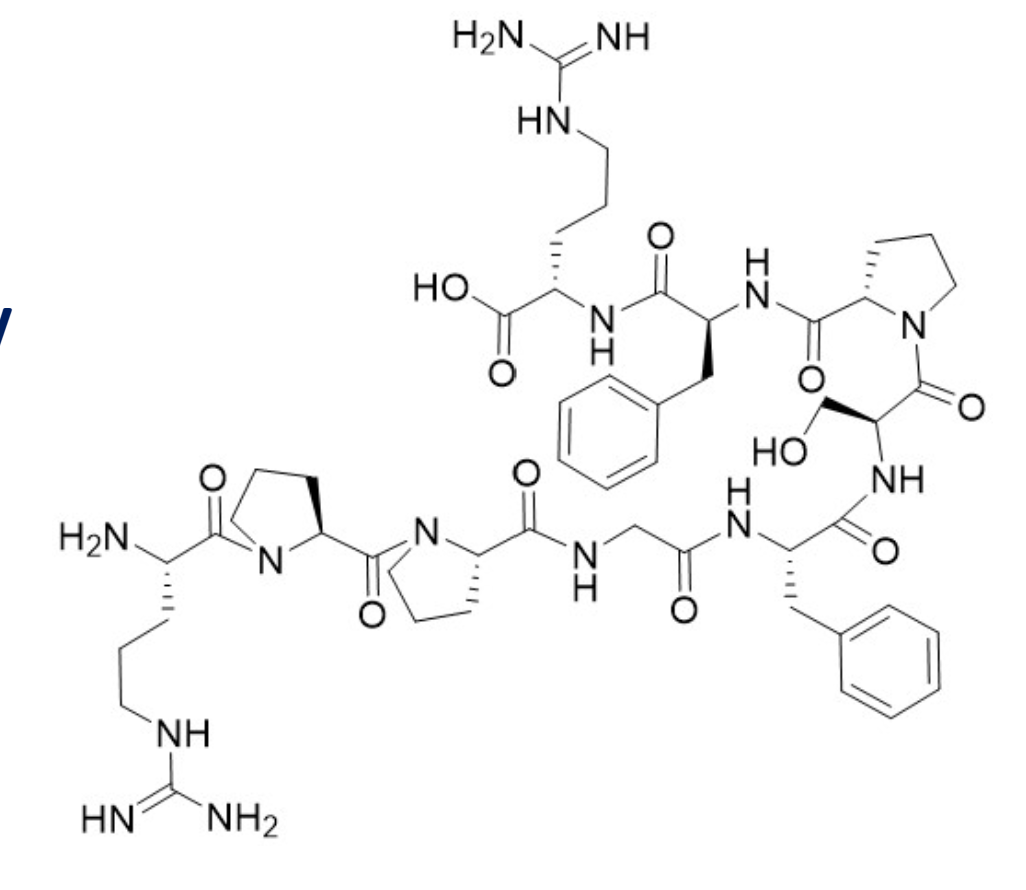
Released from injured cells
Major one is BRADYKININ
Promote vasodilation and capillary permeability
Stimulate the release of cytokines and prostaglandins
Promote migration of neutrophils to the site of injury
Significant contributor to sensation of pain
Outcomes of Acute Inflammation: (3)
Resolution
Tissue destruction and persistent acute inflammation
Progression to chronic inflammation
Primary Goals of Treating Inflammation (2)
1) The relief of pain, which is often the presenting symptom and the major continuing complaint of the patient
2) The slowing or arrest of tissue-damaging processes
Nonsteroidal anti-inflammatory drugs (NSAIDs) – How Do They Work?
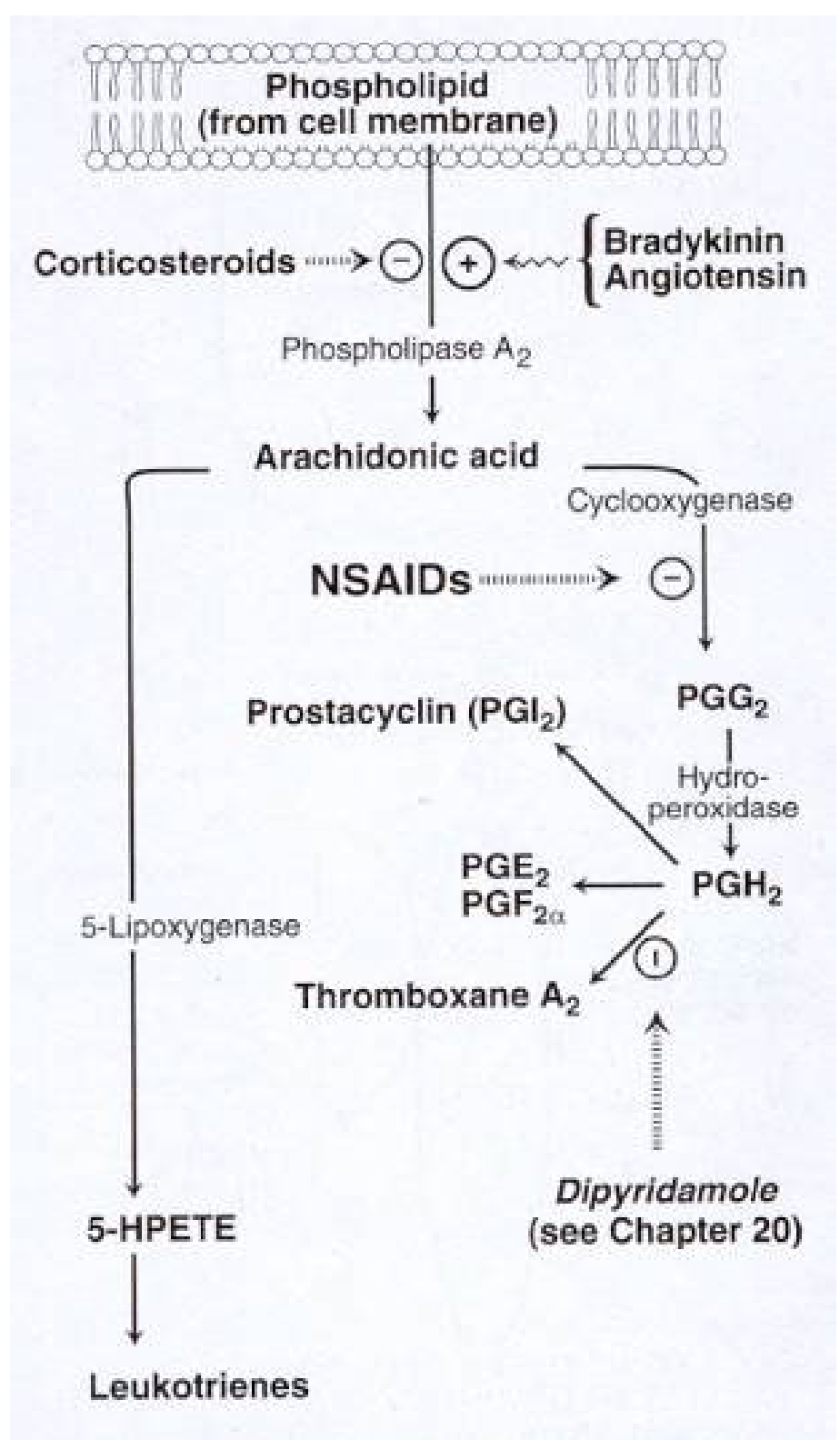
By interfering with the cyclooxygenase pathway
Stops both COX 1 & Cox 2
THUS prevents the amount of Prostaglandins made
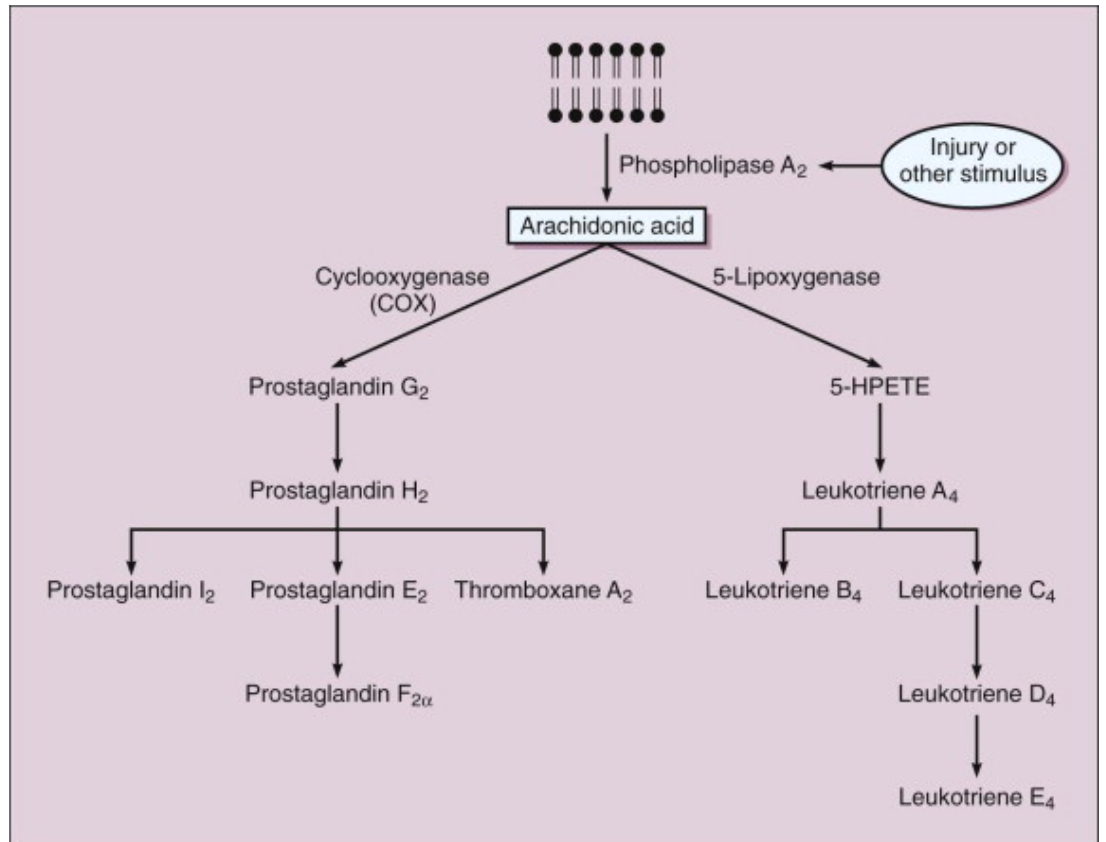
The Cyclooxygenase Pathway
The normal process begins with arachidonic
acid, a dietary unsaturated fatty acid obtained
from animal fats.
This acid is converted by the
enzyme cyclooxygenase (COX) to synthesize
different prostaglandins.
The prostaglandins go on to stimulate many other regulatory functions and reactionary responses in the body
Types of Cyclooxygenase (COX)
1) Cox-1
2) Cox-2
COX-1
is stimulated continuously by normal body physiology.
The COX-1 enzyme is constitutive (Concetraion is stable)
It is present in most tissues and converts arachidonic acid into prostaglandins.
These prostaglandins in turn stimulate normal body functions
COX-2
The COX-2 enzyme is induced (not normally present in cells but its expression can be increased dramatically.
COX-2 is involved in producing prostaglandins for an inflammatory response.
Which COX variant is the only one we want to target?
COX-2
Main Difference between COX-1 & COX-2?
So, in summary:
COX-1 is stimulated continually
COX-2 is stimulated only as a part of an immune system response.
Action of NSAIDs on Cyclooxygenase
Most NSAIDs are non-selective and work by temporarily blocking the attachment site for arachidonic acid on the BOTH FORMS of cyclooxygenase enzyme
ASPRIN → The only exception irreversibly acetylates cyclooxygenase (takes longer to wear of)
Non-Selective NSAIDs (4 Endings)
1) Ibuprofen
2) Naproxen
3) Ketoprofen
4) Diclofenac
5) Sulindac
6) Etodolac
7) Oxicam Derivatives Rx
-profen (2)
1) Ibuprofen
OTC & RX
2) Ketoprofen
Rx only
Naproxen
OTC & RX
Non-Selective NSAIDs
-ac (3)
Diclofenac
Sulindac
Etodolac
Oxicam Derivatives Rx
Piroxicam
Meloxicam
Non-Selective NSAIDs – both OTC & Rx
Corticosteroids
Corticosteroids are more potent and efficacious anti-inflammatories compared to NSAIDs
They inhibits the release of prostaglandins and leukotrienes via inhibition of phospholipase A2
Also have immunosuppressive effects
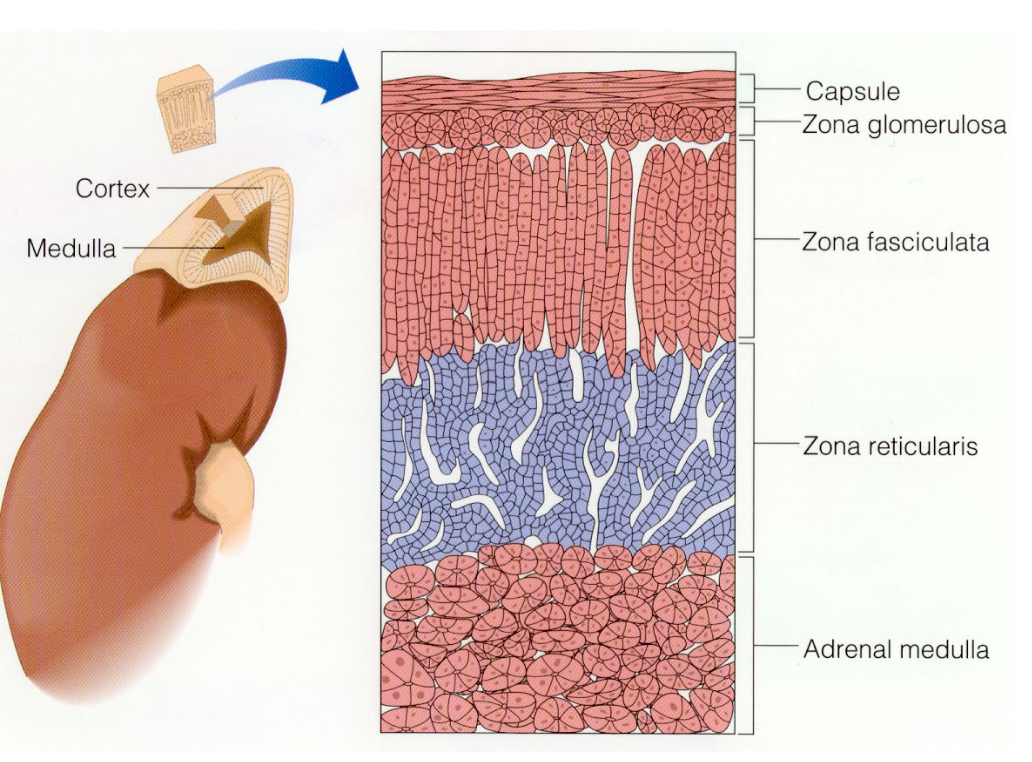
Example of a Corticosteroid we make in our body
CORTISOL
we can’t live without it
How to administer Corticosteroids? (6)
1) Oral (for rheumatoid arthritis, gout, lupus, inflammatory
bowel disease, to prevent organ transplant rejection, etc.)
2) Topical (for skin disorders, insect bites, etc.)
3) Ophthalamic (for eye inflammation)
4) Intranasal (for allergic rhinitis)
5) Inhalational (for asthma)
6) Injectable (into joint cavities for osteoarthritis, etc.)
Side Effects of Oral Corticosteroids
Due to higher doses & prolonged time
Sodium & water retention and subsequent hypertension
Fat deposition in face, neck, shoulders and abdomen
Thinning of the skin and easy brusability
Adrenocortical suppression / atrophy of the adrenal glands
Immunosuppression
Hyperglycemia
Decreased bone mineral density
Slowed / delayed linear growth in children
The two most common oral corticosteroids are:
1) PREDNISONE
2) PREDNISOLONE
Cushing’s Syndrome
A side effect of taking synthetic glucocorticoids (oral corticosteroid)

Intranasal Corticosteroids Name (2 Endings)
Budesonide
Ciclesonide
Flunisolide
Triamcinolone acetonide
Fluticasone propionate
Mometasone furoate
Beclomethasone dipropionate
Inhaled Corticosteroids
Budesonide (Pulmicort)
Ciclesonide (Alvesco)
Flunisolide (Aerospan)
Beclomethasone (QVAR)
Fluticasone (Flovent, Arnuity Ellipta)
Mometasone (Azmanex)
Acetaminophen (APAP)
Excellent analgesic/antipyretic (Fever & Pain)
Weak anti-inflammatory activity, as it does not affect COX-1 or COX-2 peripherally
Recent evidence suggests that acetaminophen inhibits central nervous system COX enzymes, and hence can relieve pain and fever (but again, NOT peripheral inflammation
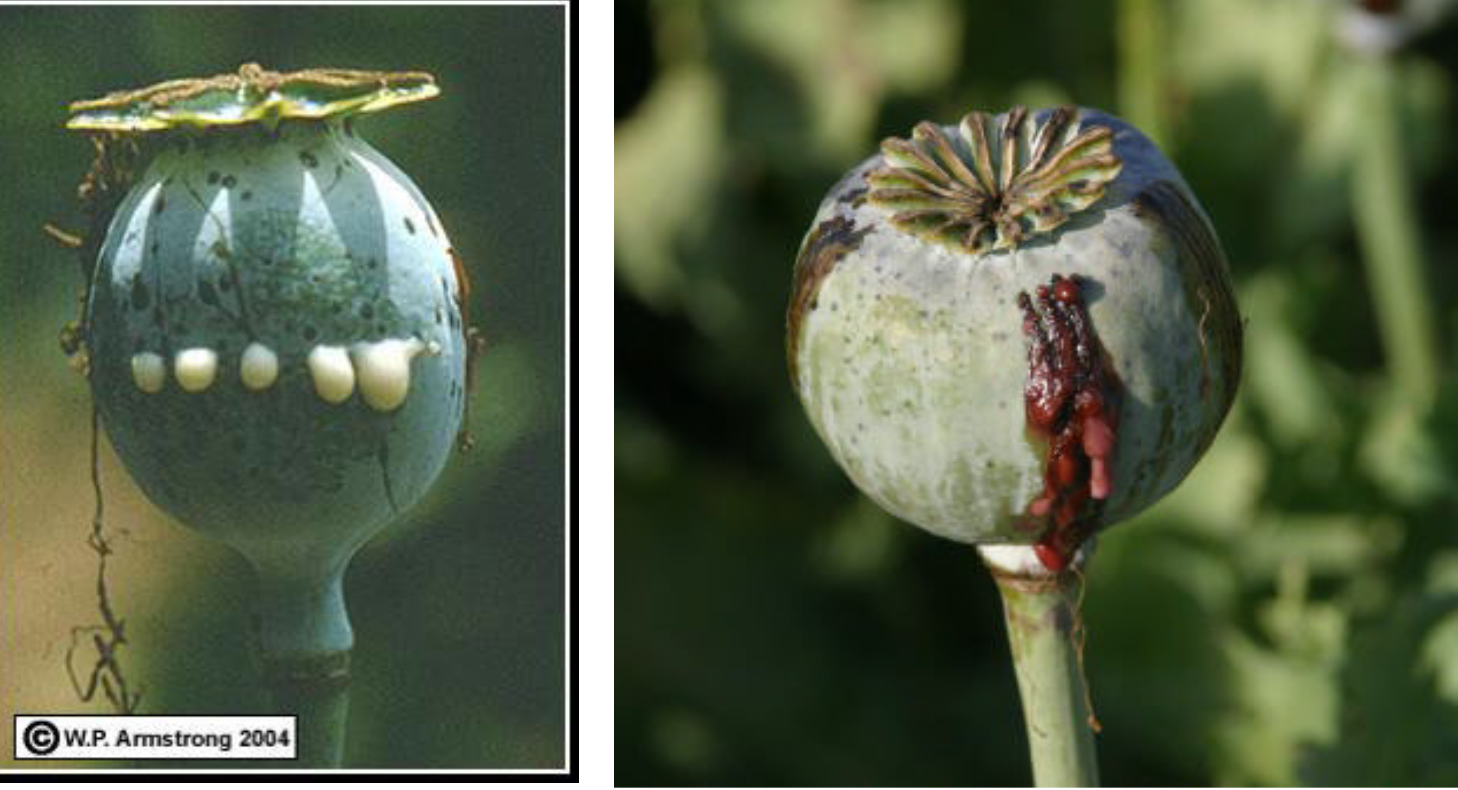
How to Get Morphine
Poppy Seed → OOze white gum
If you let it sit it becomes crude opium.
In Crude opium
morphine → is present in a concentration of about 10%
Three Main Opioid Receptors
Mu (μ)
Kappa (κ)
Delta (δ)
Which receptor is the benchmark see if an opioid is effect?
Mu (μ)
Endogenous opioids
The body generates internal opioids
1) endorphins
2) enkephalins
3) dynorphins
What do Opioids Do?
Opioids bind to opioid receptors in the CNS to inhibit or modify the transmission of pain signals from the periphery to the spinal cord and to the brain.
Thus Opioids do not help they body except limit the feeling of pain!
Examples of STRONG Opioids
1) Morphine
2) Hydromorphone
3) Fentanyl
4) Meperidine
5) Oxycodone
6) Methadone
Moderate Opioid Agonists (3)
Codeine
Hydrocodone
Dihydrocodeine
Opioid Cocktails
Use two drugs like opioids and ibuprofen
This is to lower the amount of opioid per dose
Less addictive but still VERY ADDICTIVE