Plastic/Reconstructive and Oral Maxillofacial Review
 Call Kai
 Learn
Learn Practice Test
 Spaced Repetition
 Match
Match Flashcards
 Knowt Play
1/83

There's no tags or description
Looks like no tags are added yet.
Name | Mastery | Learn | Test | Matching | Spaced | Call with Kai | Chat |
|---|
No analytics yet
Send a link to your students to track their progress
84 Terms
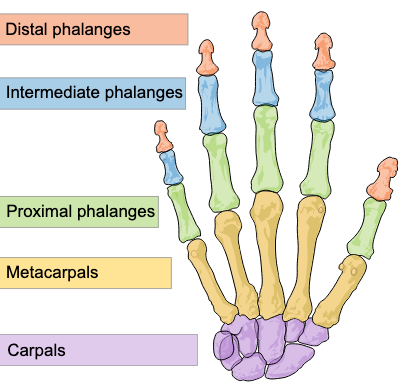
How many phalanges in one human hand?
14
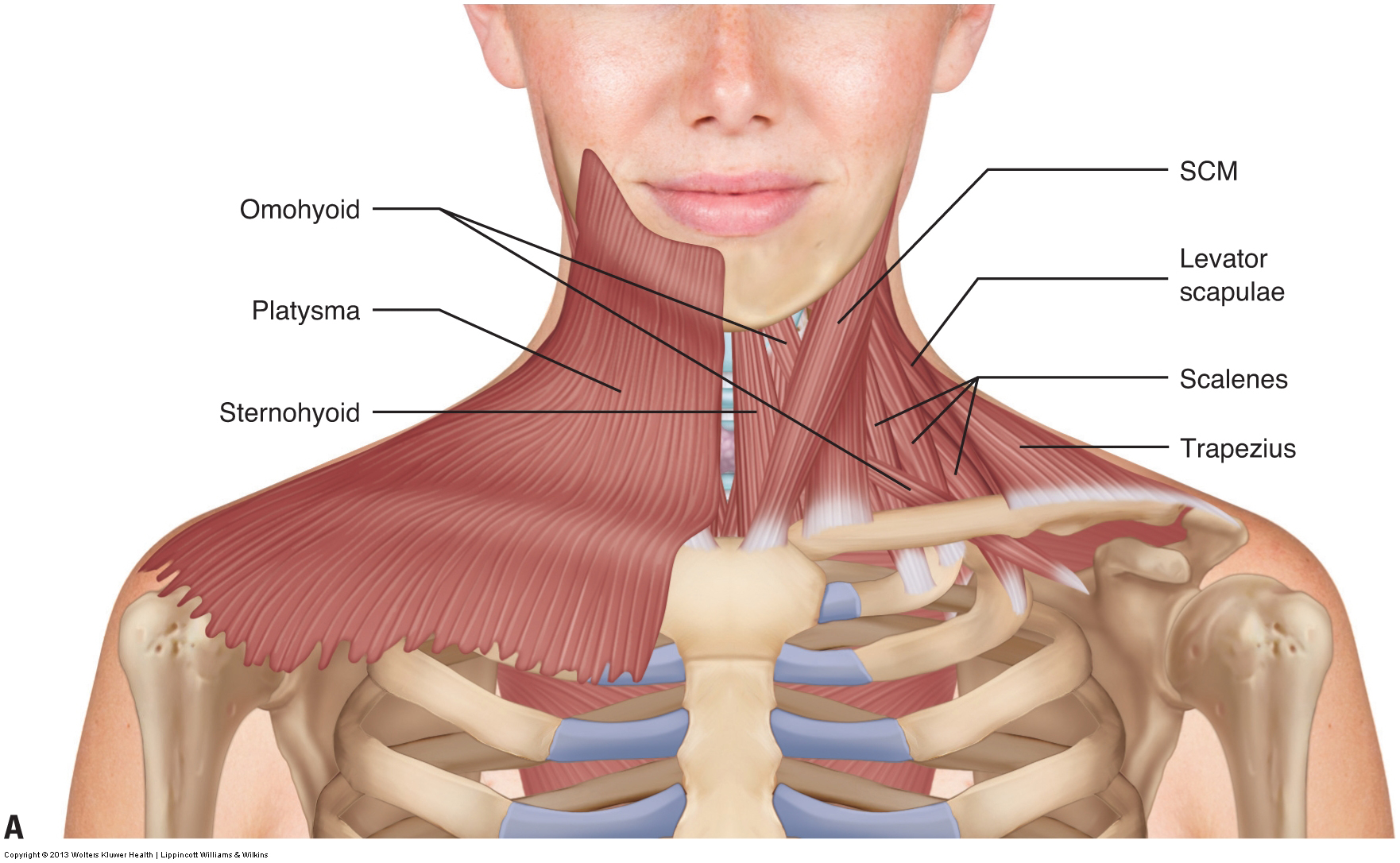
Name the thin, flat muscle that lies underneath the skin of the anterior and lateral neck
Platysma
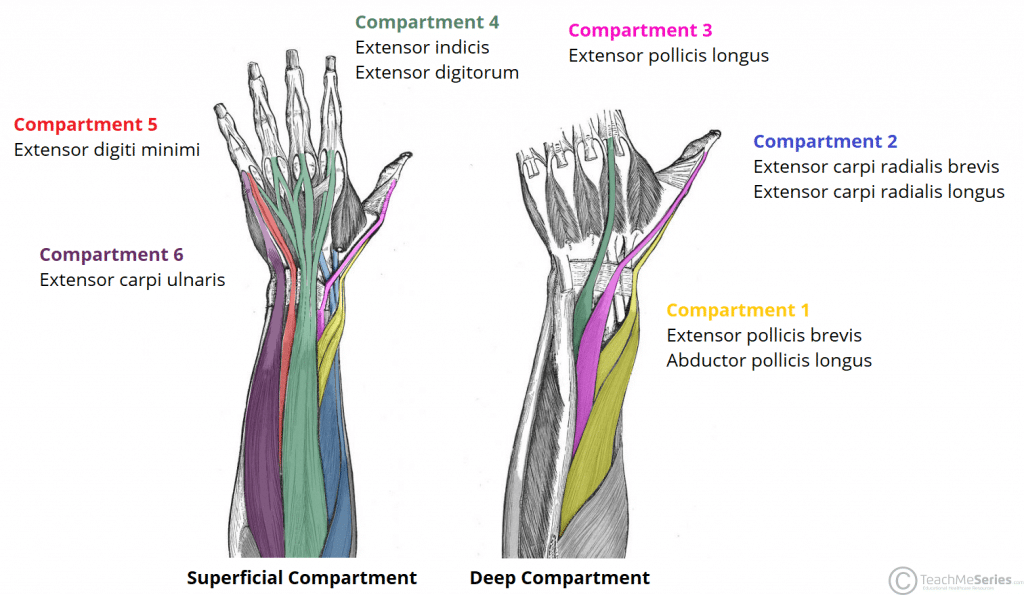
How many compartments are there in the hand?
6
How many muscles are responsible for movement of the hand, wrist, and fingers?
40
Which of the following is the responsibiltiy of the surgical technologist in the care of a free graft?
Keep the graft in a moist saline-soaked sponge while the surgeon prepares the recipient site?
Where is mineral oil used in a skin graft procedure?
Mineral oil is used as a lubricant on the donor site skin and the surgical blade before harvesting a split-thickness skin graft. It helps the cutting tool glide smoothly without skipping to ensure an even slice of skin
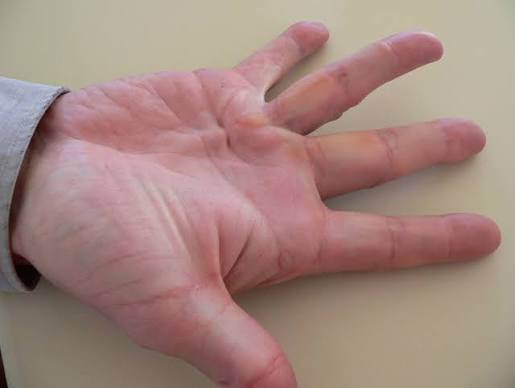
Define the pathology where you can see a painless thickening and contraction of tissue beneath the skin on the palm of the hand and fingers. It most commonly affects the ring and little fingers.
Dupuytren’s contracture
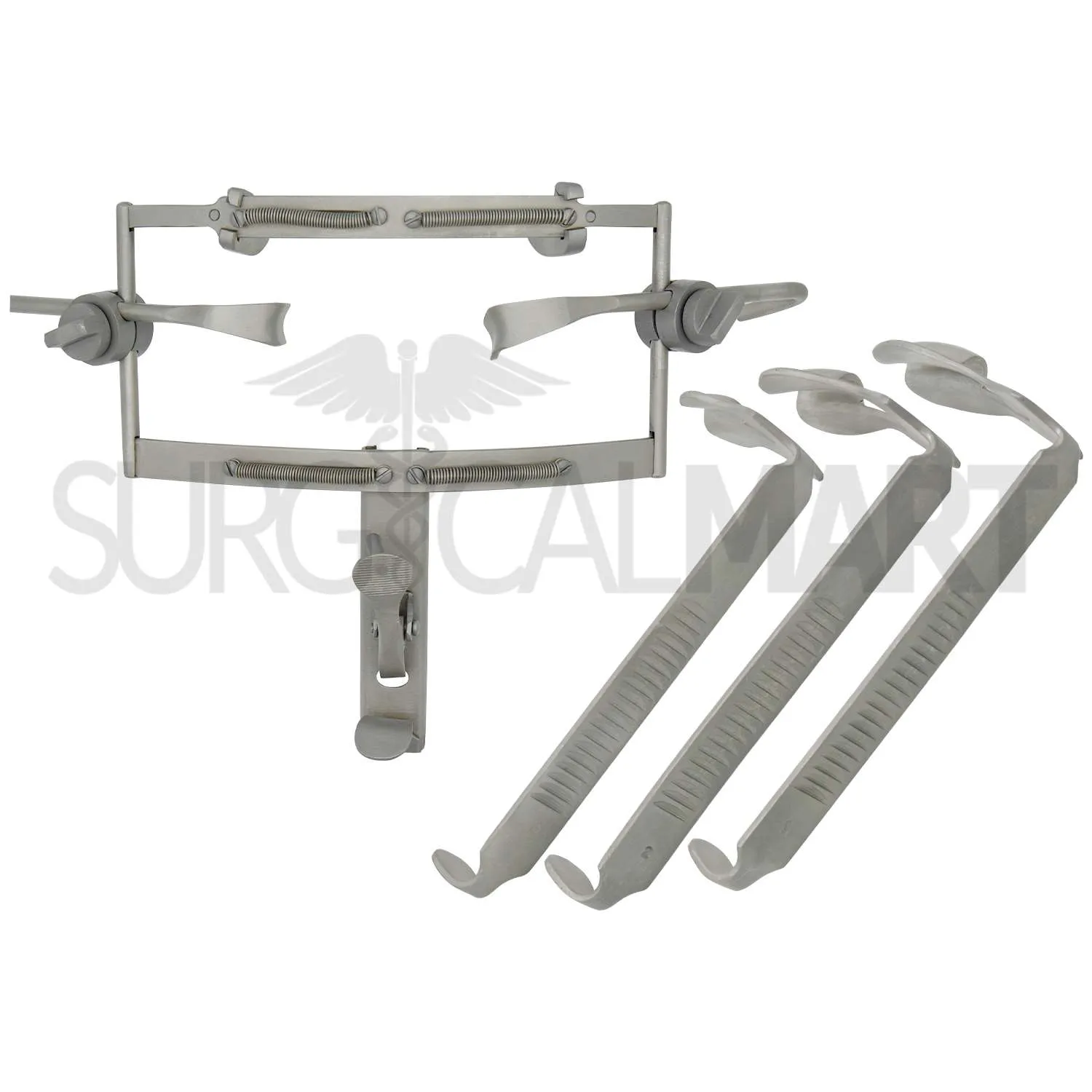
ID this instrument
Dingman mouth gag
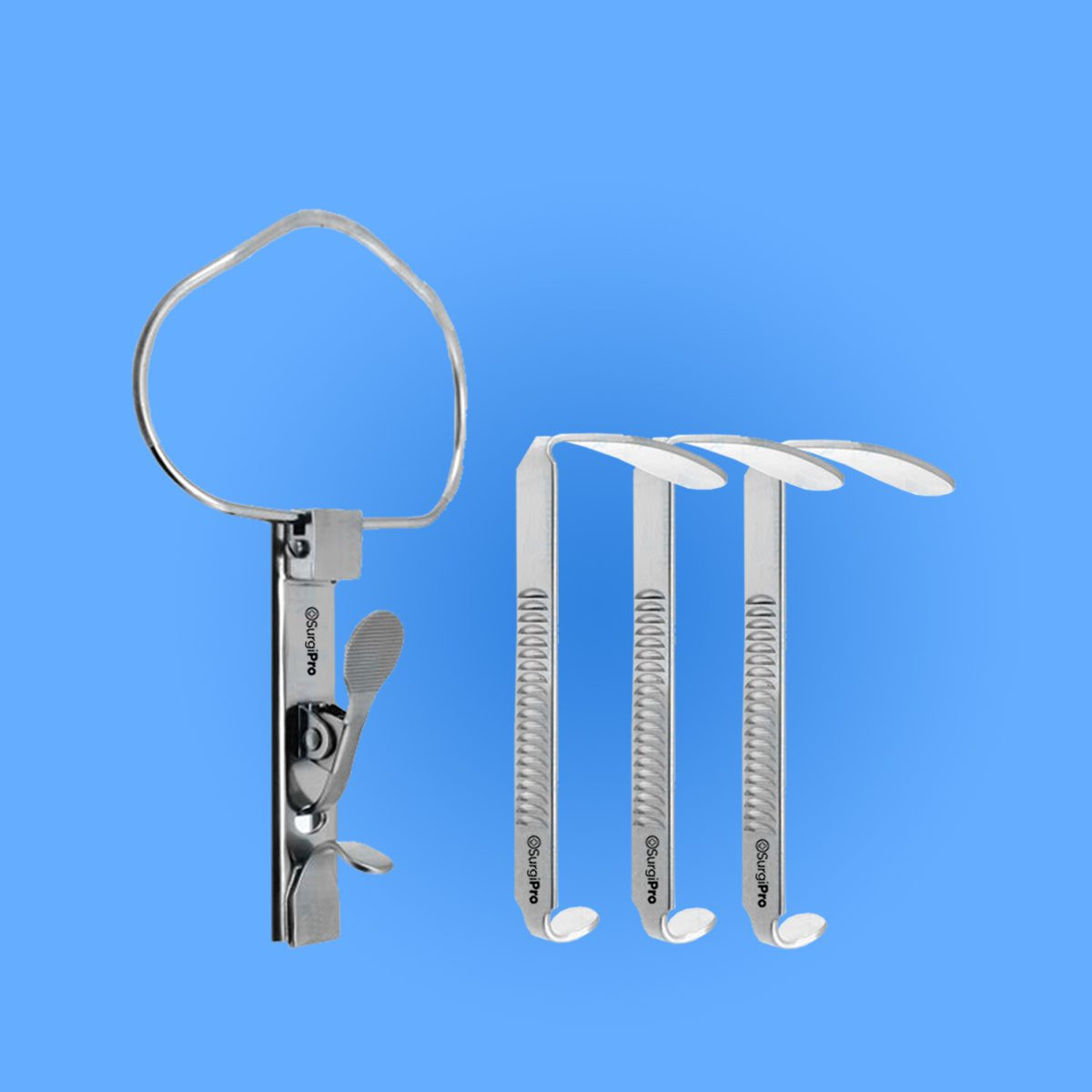
ID this instrument
Mcivor mouth gag
What injectable mixture is used in liposuction?
Tumescent solution, containing saline, lidocaine, and epinephrine.
*this mixture expands the target area (making it easier to pass the liposution cannulas through), provides intraoperative hemostasis, and provides local anesthetic
What is the common name of the umbilitcal template used during abdominoplasty?
Cookie cutter
Describe the differences between first, second, third, and fourth degree burns.
First:
epidermis only
red and dry
Second:
epidermis and part of dermis
red, swollen, wet, blisters
Third:
destroys epidermis and dermis entirely and extends to subcutaneous layer and structures
dry, pearly white, charred surface (eschar)
requires skin grafts to heal
no sensation/numb bc nerve endings have been destroyed
Fourth:
damage to bones, tendons, muscles, blood vessels, and nerves
charrring
electrical burns most common
diplo-
double, twin, twofold (think ca=diplopia = double vision)
ambi-
both (think ambidextrous)
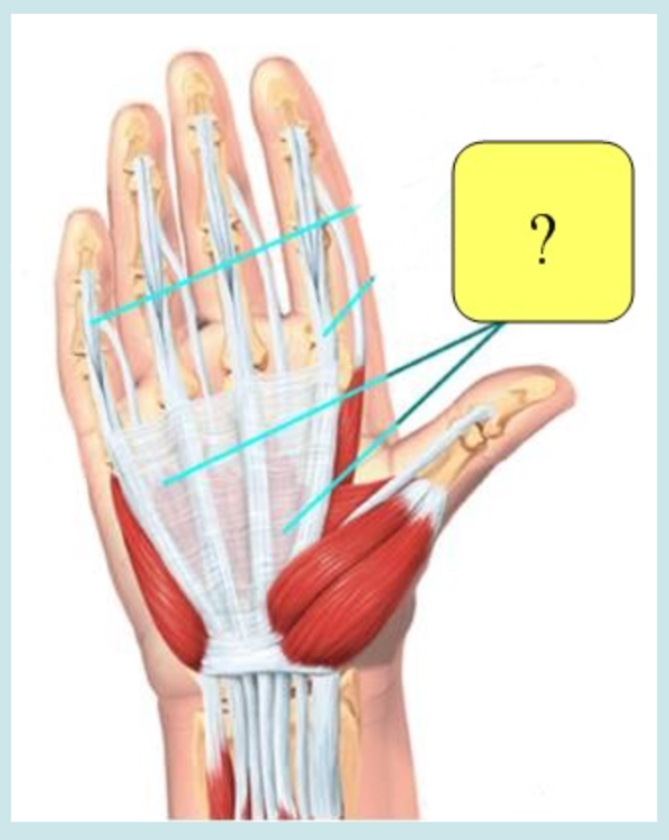
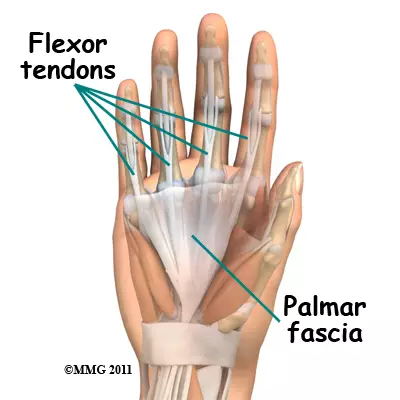
ID this structure of the hand
Palmar fascia
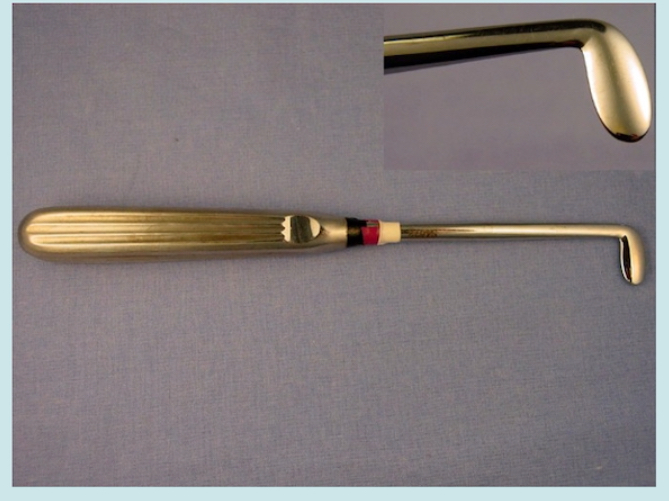
ID this instrument
Blair elevator
It is most commonly used during cleft palate repair procedures
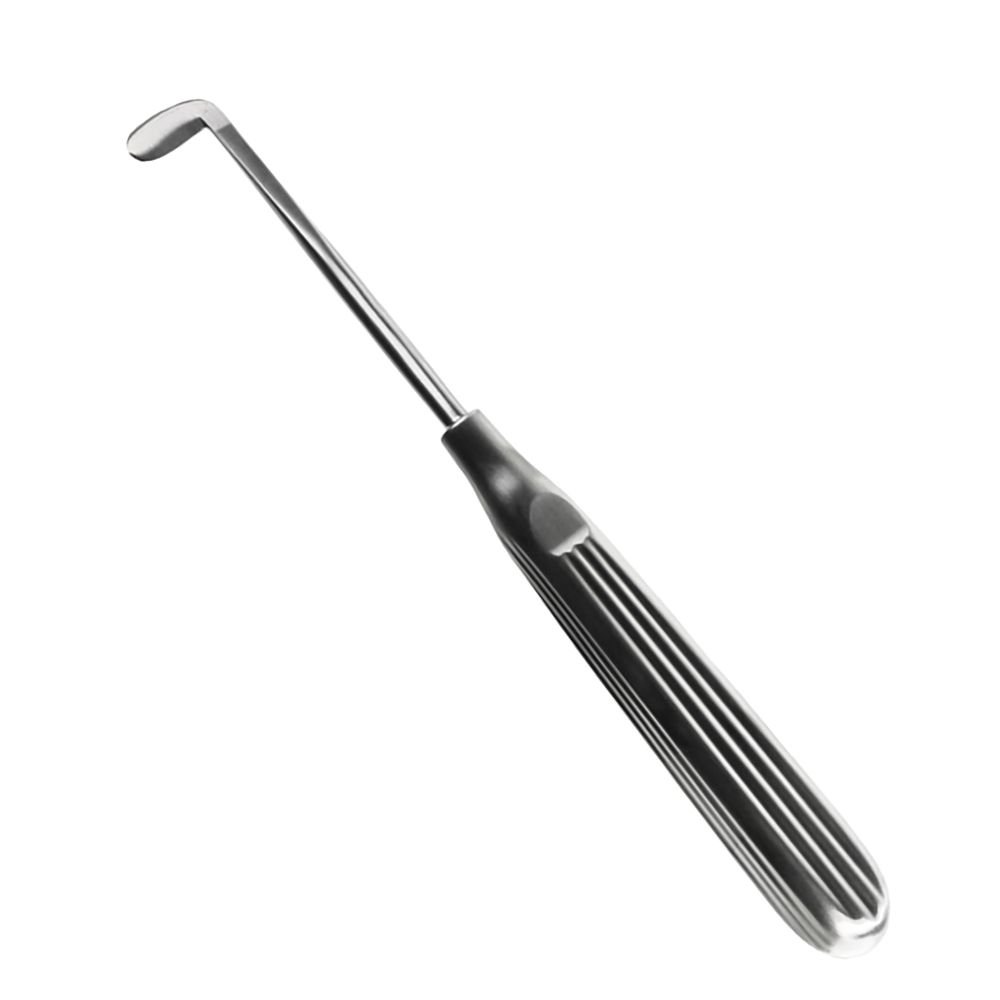
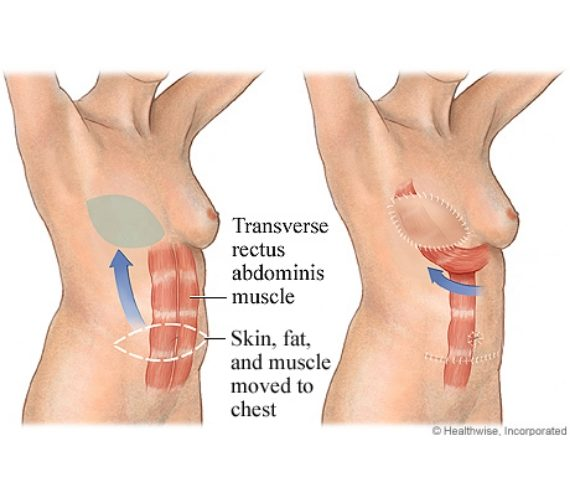
Define TRAM (as in TRAM flat)
Transverse Rectus Abdominis Myocutaneous flap
What type of anesthesia is most often used when performing a palatoplasty?
General anesthesia
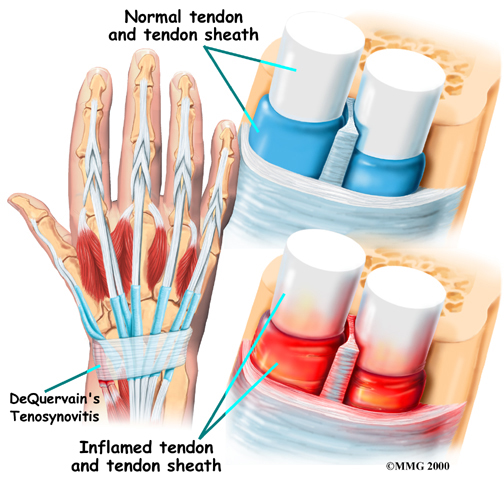
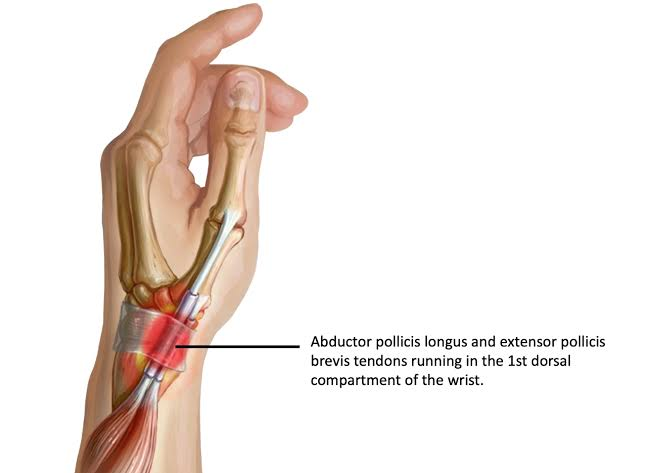
Define this hand pathology
De Quervain’s tenosynovitis
ABCDs of melanoma
Asymmetry, Border, Color, Diameter
rhytid-
wrinkle
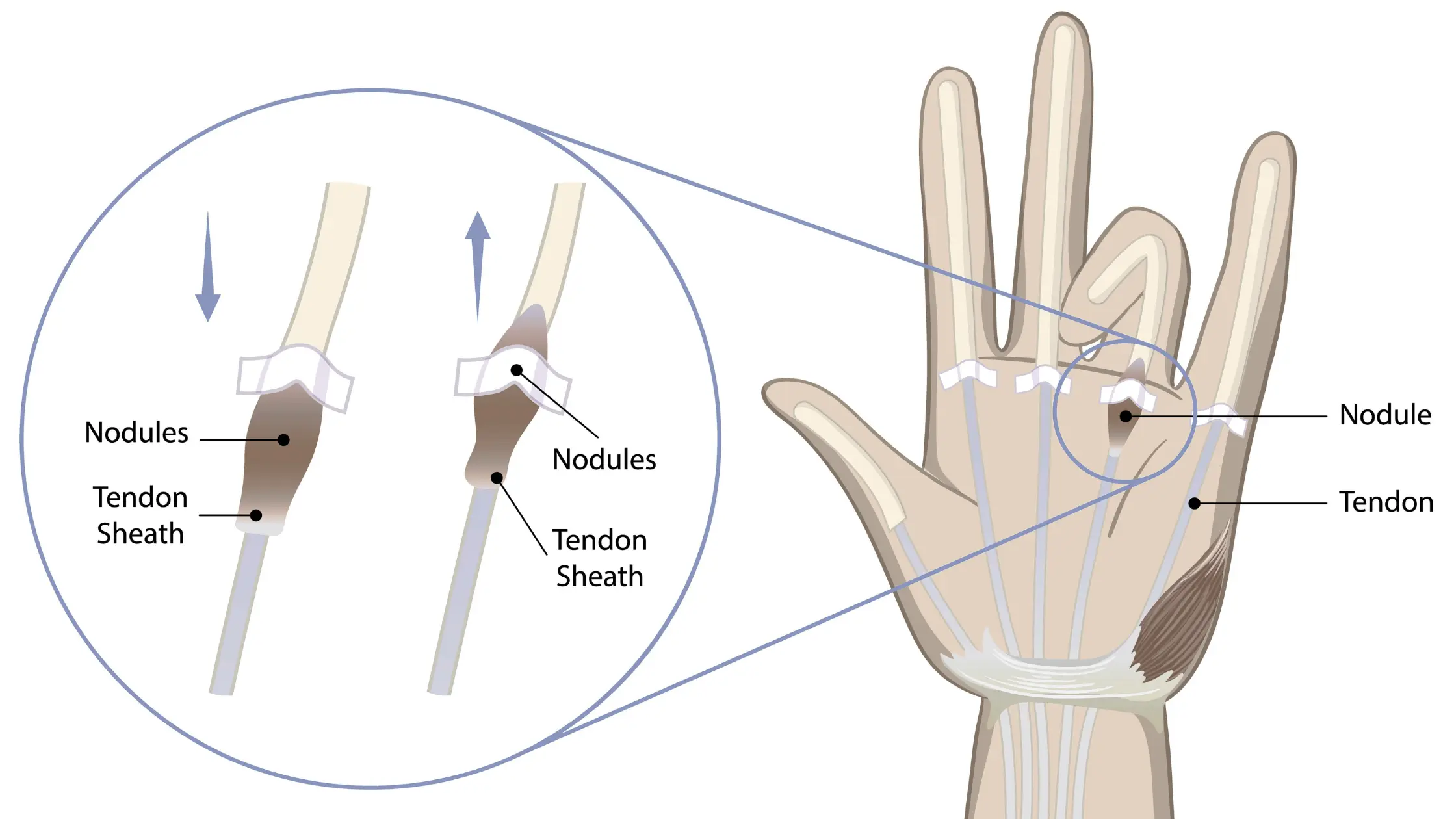
Define this hand pathology
Trigger finger
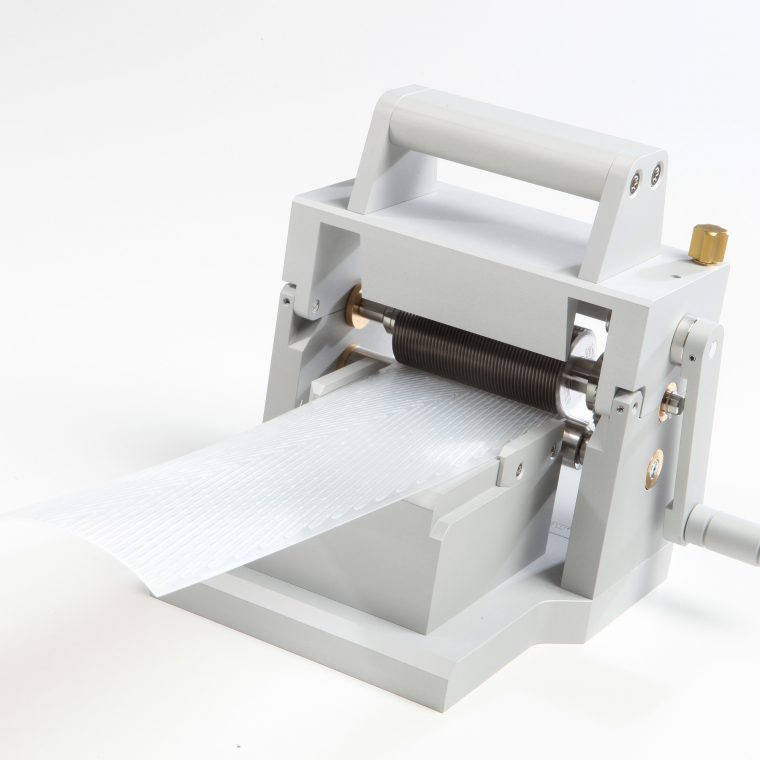
Name the instrument and the plate the donor tissue is placed on
Mesher; dermacarrier
What is the most common type of polydactyly?
Fifth finger polydactyly
The amount of fat removed during liposuction varies by doctor, method, and patient, but is typically less than _______
10 lbs
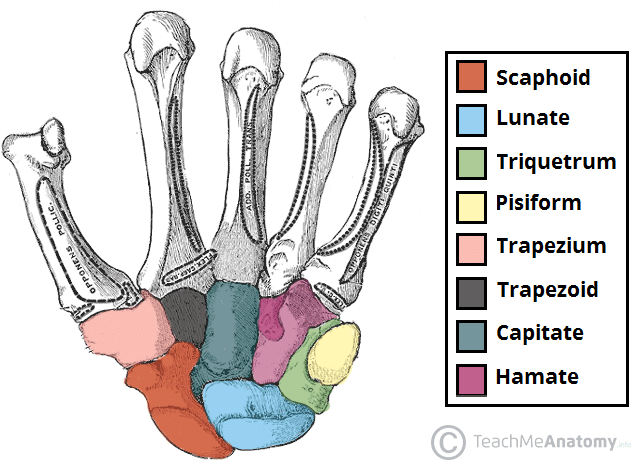
Name the carpal bones
Scaphoid
Lunate
Triquetrum
Pisiform
Trapezium
Trapezoid
Capitate
Hamate
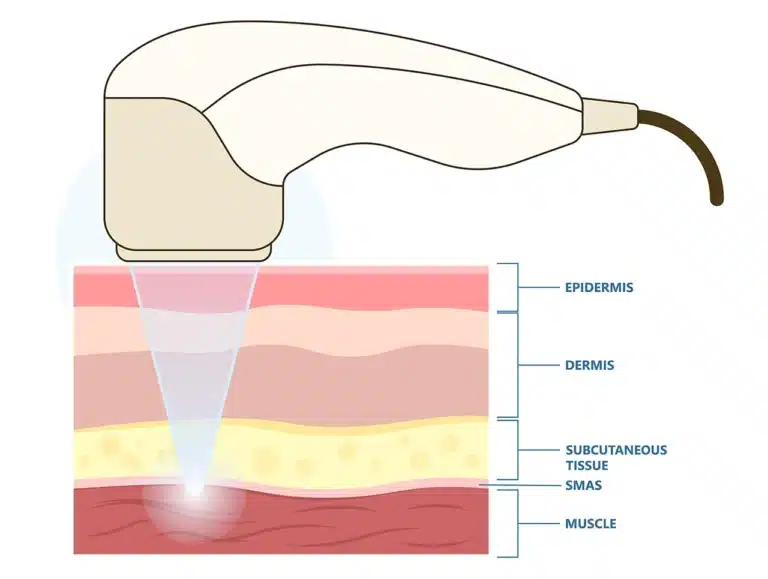
Define SMAS
Superficial musculo-aponeurotic system
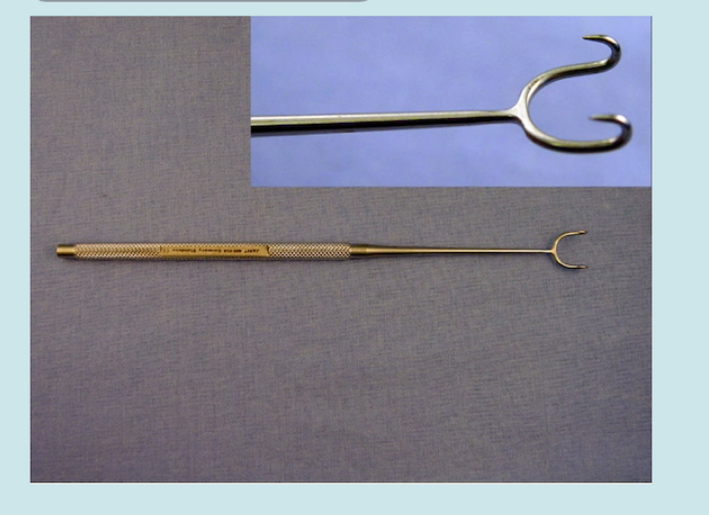
______ tenaculum
Nasal tenaculum
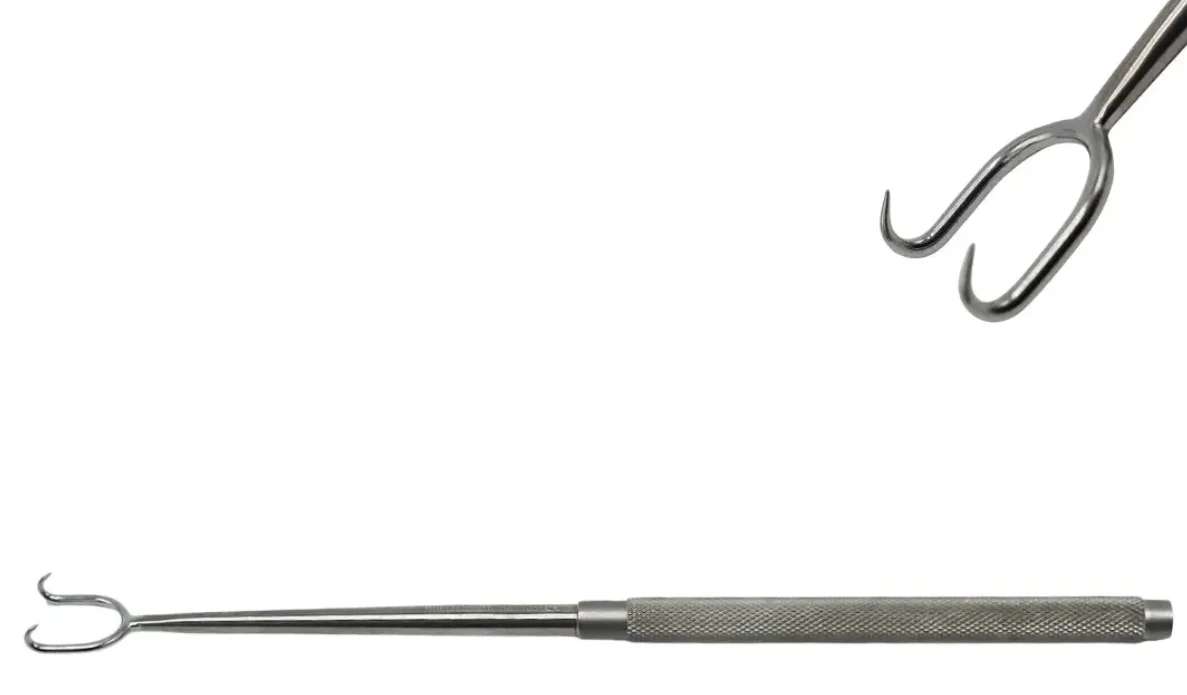
Cleft palate and cleft lip _______
a) occur simultaneously
b) are separate malformations
b - cleft palate ad cleft lip are separate congenital malformations and can occur in the same patient, or only one can occur in a patient
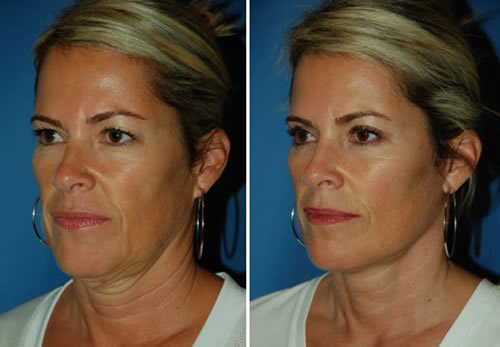
A rhytidectomy is performed to rejuvenate _____ of the face
only the jowl
the middle
the lower third
the upper third
The lower third
What type of stitch is used to anastomose tendons?
Figure-of-eight
De Quervain tenosynovitis is caused by inflammation of the tendon sheath in which compartment of the wrist?
1st dorsal compartment; surgical intervention is done to release the dorsal carpal ligament
Dorsal or dorsum refers to
The back or posterior side of the hand
Volar refers to
The palmar side of the hand
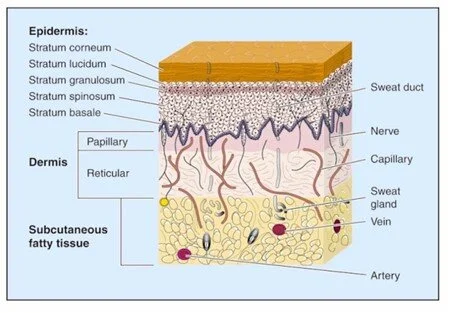
Distinguish between the papillary and reticular layers of the dermis
Papillary Dermis (Top Layer)
Location: Lies right under the epidermis (outer skin layer).
Structure: Made of loose, thin connective tissue with finger-like bumps called papillae that form fingerprints.
Contents: Packed with tiny blood vessels (capillaries) and touch receptors (Meissner corpuscles) to feed the top skin and sense light touch.
Reticular Dermis (Bottom Layer)
Location: Sits below the papillary dermis and above the fat layer (hypodermis).
Structure: Much thicker and made of dense, irregular connective tissue with heavy-duty, interwoven collagen and elastin fibers.
Contents: Holds hair follicles, sweat glands, oil glands, and deep pressure receptors.
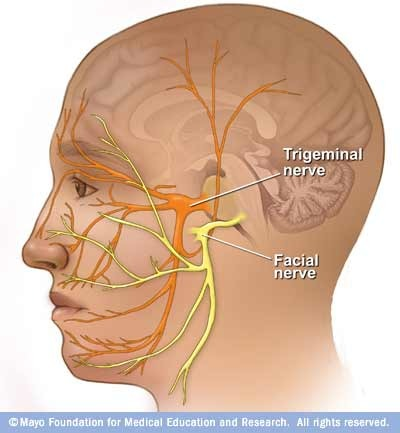
During a rhytidectomy, which cranial nerve must be avoided?
Facial (XII)
Term for duplicate digits
Polydactyly
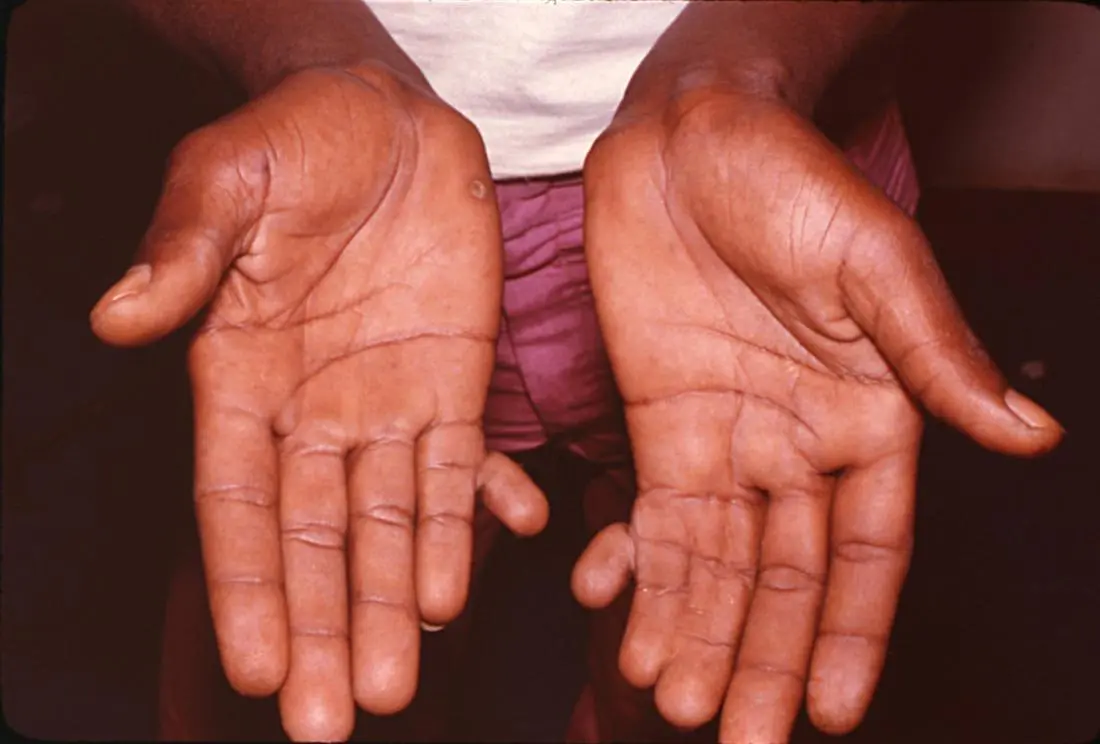
Term for fused or webbed digits
Syndactyly
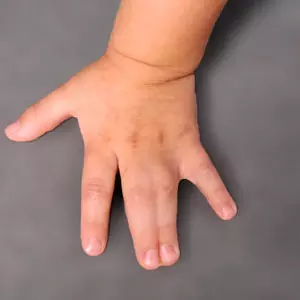
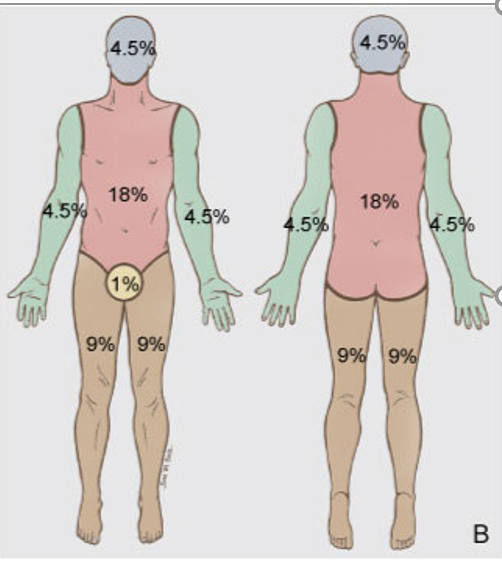
Rule of 9s
Burn estimation chart
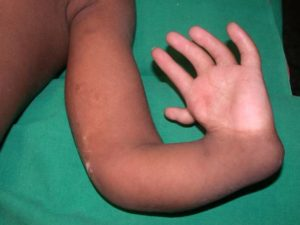
Two possible power sources for oscillating-blade type dermatome are _______ and _______
electricity, nitrogen
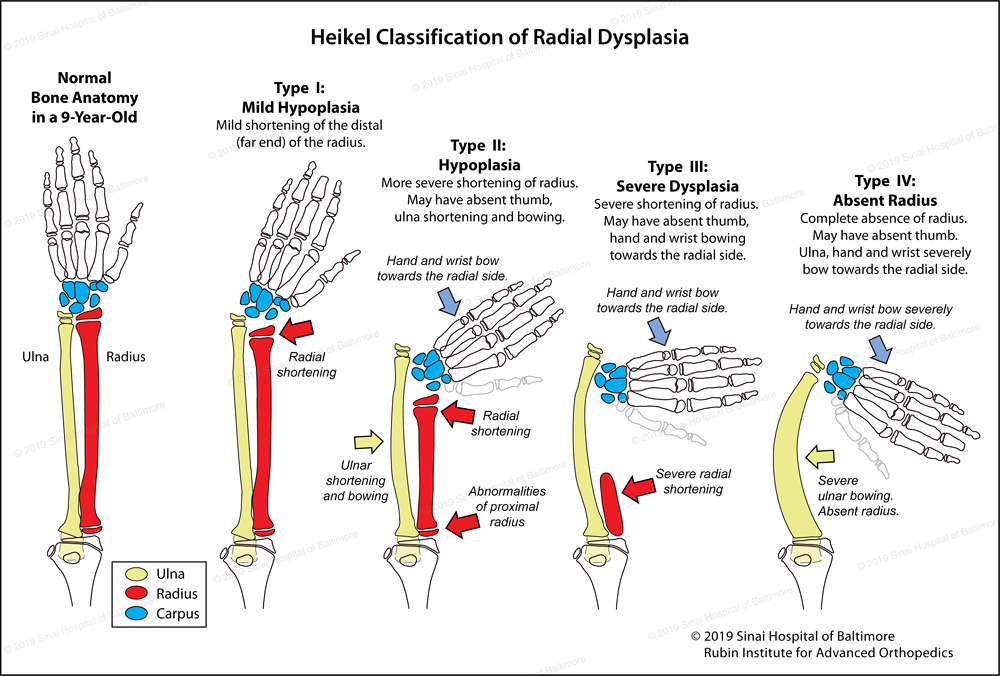
A congenital condition caused by the failure of the radius and adjacent soft tissue to develop, causing the hand to be medially deranged. Typically associated with deformities of the thumb
Radial dysplasia / radial hypoplasia / club hand
Which type of sweat glands are limited to the external genitalia and axillae?
Apocrine
Which type of sweat glands are distributed over most of the body and open directly onto the skin surface?
Merocine/eccrine
Define cheilo-
Lip (as in cheiloschisis aka cleft lip)
What side of the wrist is the transverse carpal ligament located on?
Volar
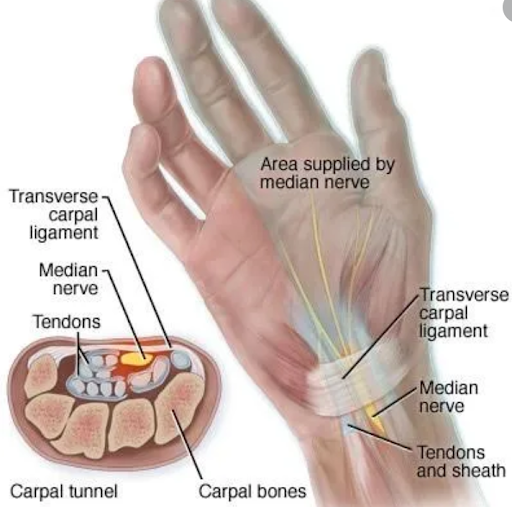
Which pathology is caused by palmar fascia contracture?
DuPuytren’s contracture
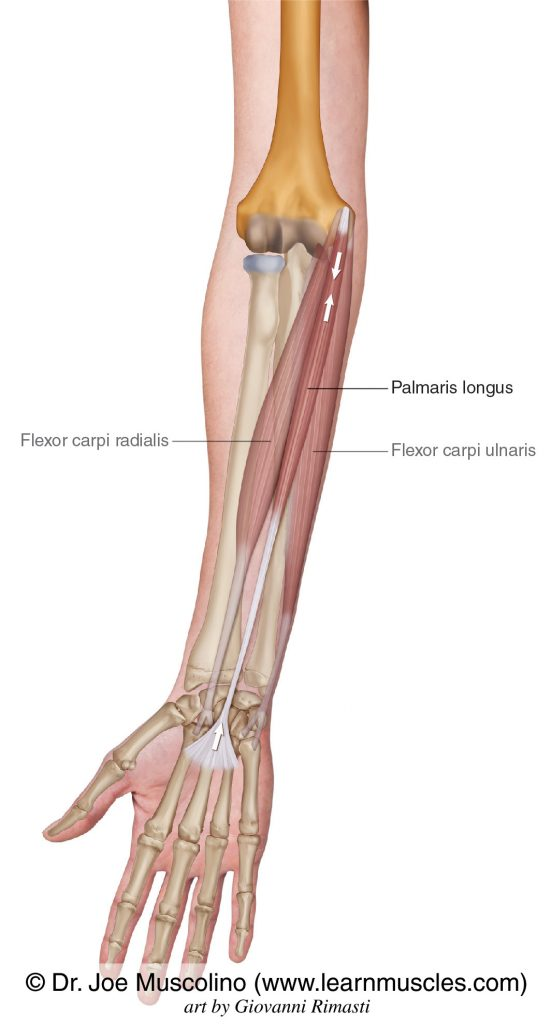
Which muscle flexes the hand at the wrist?
Palmaris longus
Describe the order of structures attached first to last in a digit reimplantation
bone to bone
tendons
vessels
nerves
Cosmetic procedure aka forehead rejuvenation
Brow lift
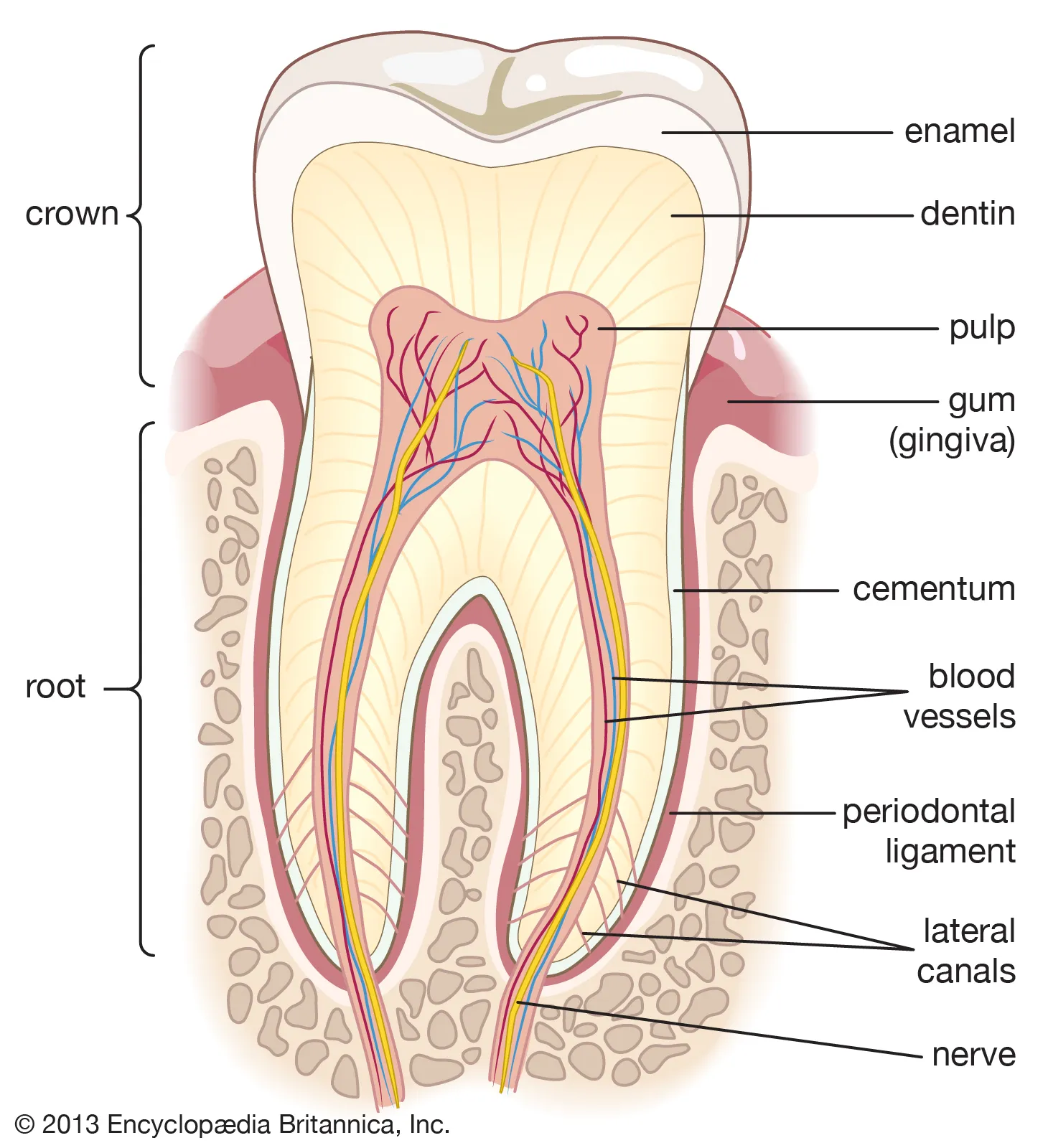
Name the ligament that anchors the tooth root to the jaw bone
Periodontal ligament
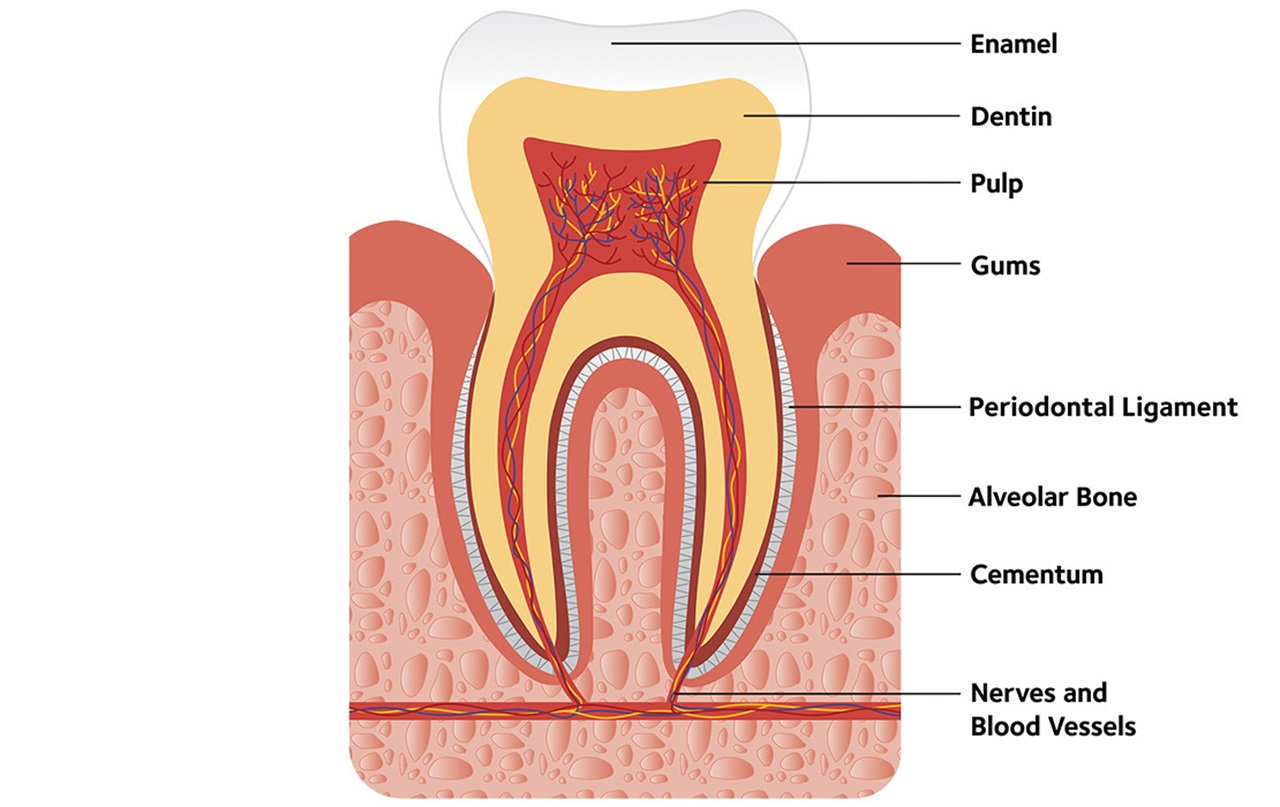
What is the mineralized tissue that protects the root to the level of the enamel?
Cementum
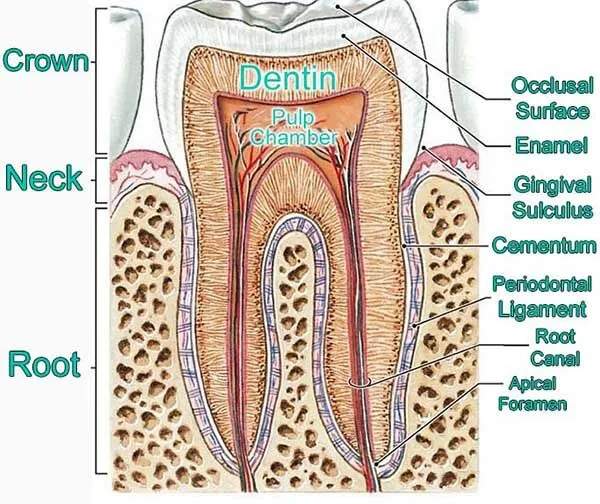
Name the segment that surrounds or encases the pulp (located between enamel and pulp)
Dentin
Define malocclusion
Abnormal alignment of the teeth of the upper jaw with those of the lower jaw
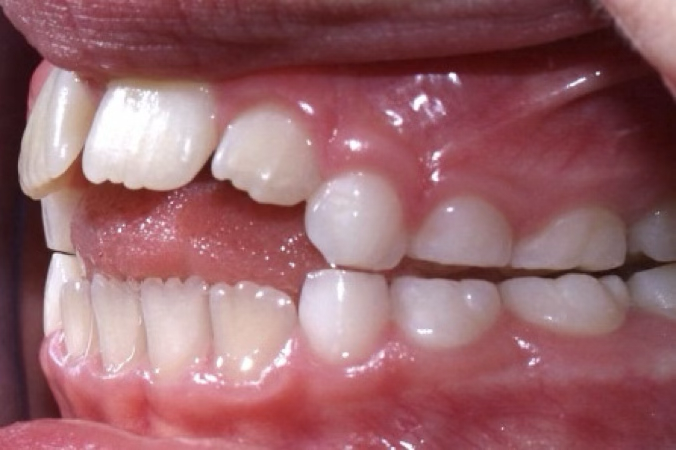
Define this condition
Alveolar prognathism
●Harmful oral habits may contribute to or worsen alveolar prognathism:
◾Thumb sucking
◾Tongue thrusting
●These habits can cause:
◾Tooth misalignment
◾Abnormal jaw and dental development
Smaller branch of a structure that extends from a larger branch
Ramus (plural rami)
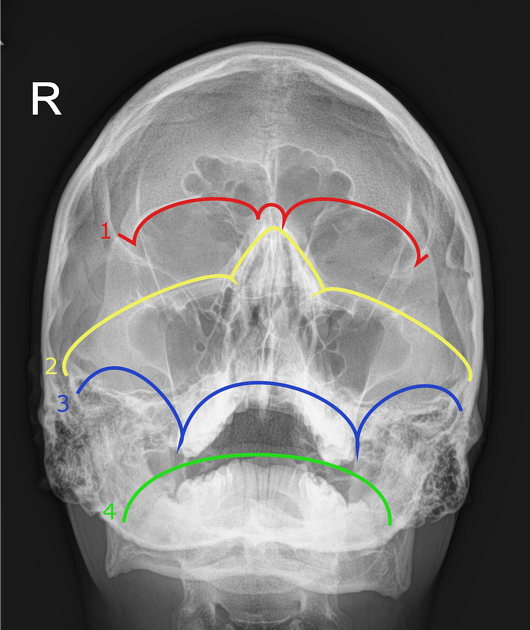
Discern between Caldwell and Waters view on xray
Caldwell view - Flat plate (plain x-ray); nose and forehead placed against the cassette; good view of hard palate, obital floor, nasal septum, and zygoma
Waters view - flat plate (plain x-ray film) with neck hyperextended; patient stands or sits upright; nose and chin against the cassette; view of frontal/maxillary sinus and infraorbital rim
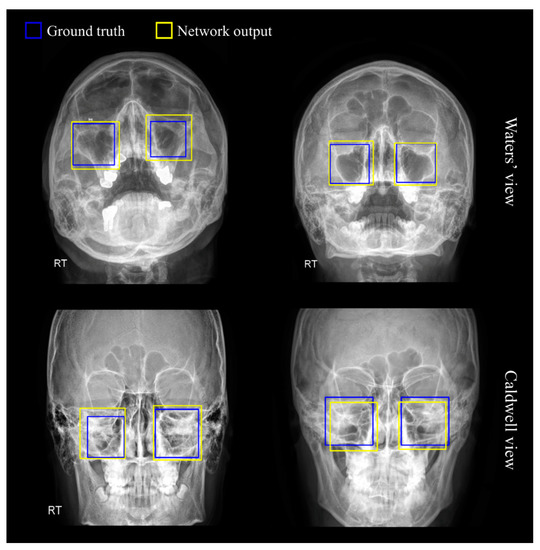
Which x-ray patient position provides a good view of the hard palate, orbital floor, nasal septum, and zygoma?
Caldwell view
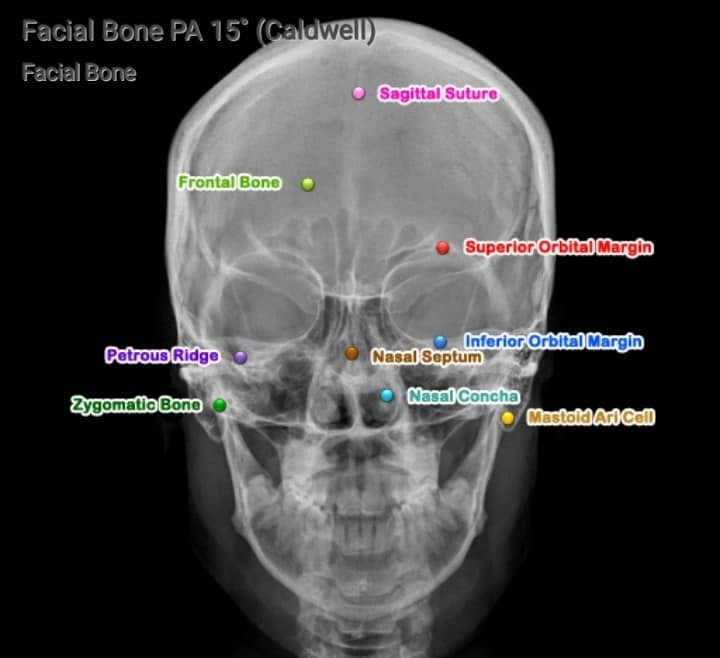
Which x-ray patient position provides views of the frontal and maxillary sinus and infraorbital rim?
Waters view
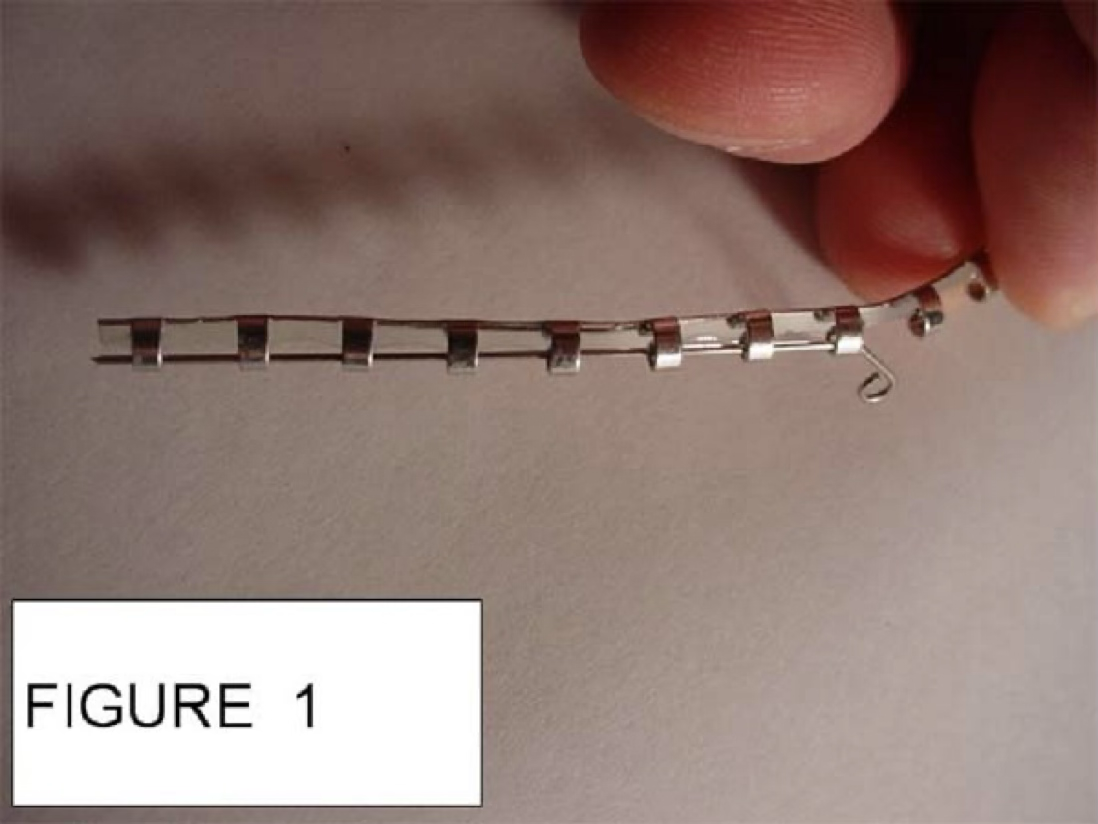
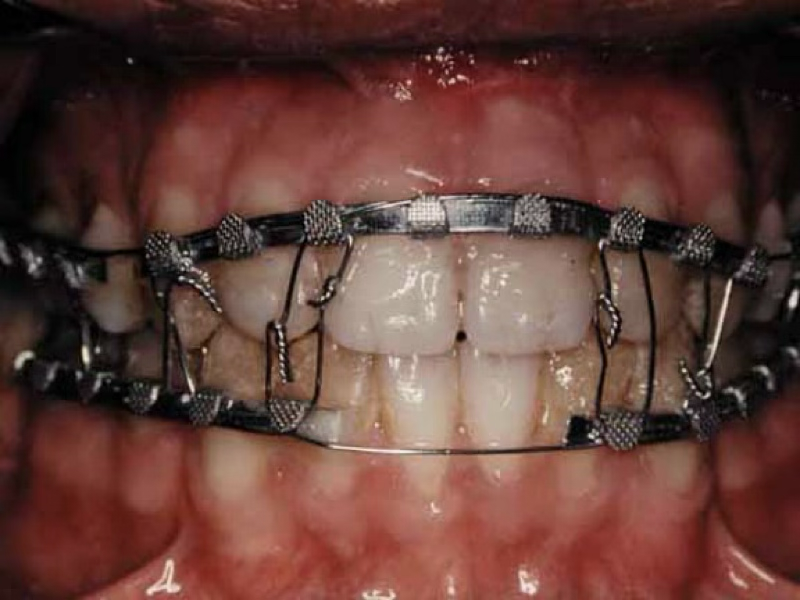
What segmental length will an arch bar be cut to?
10 cm
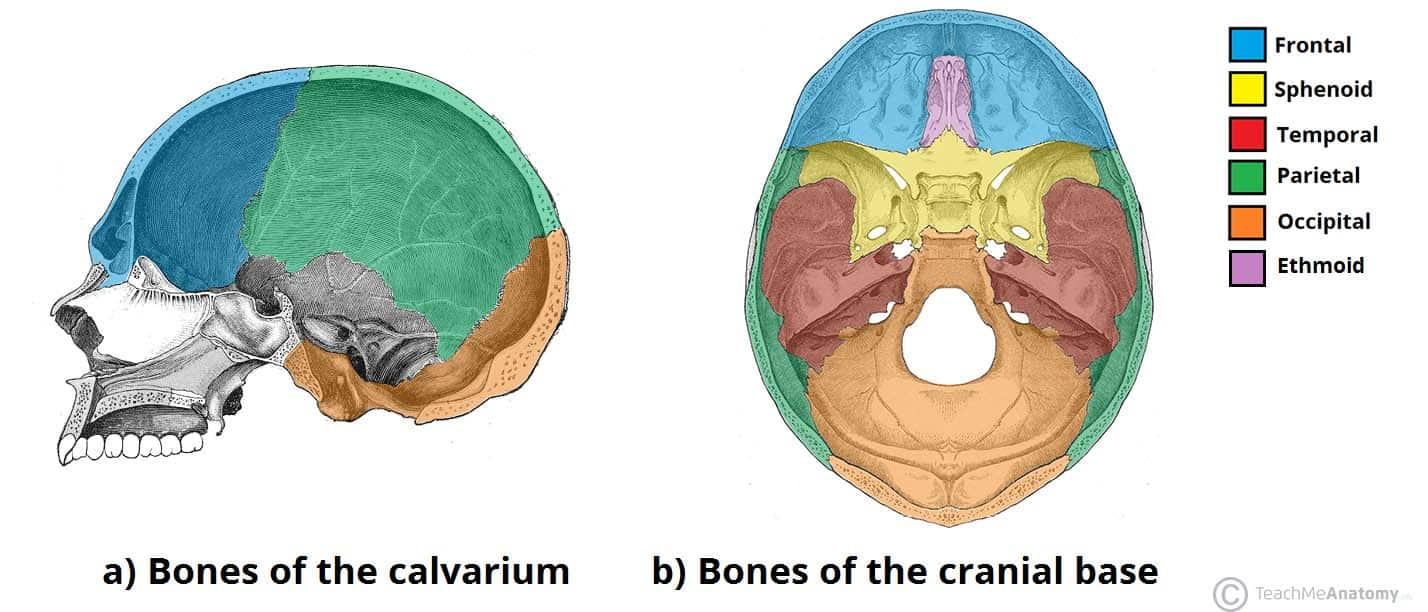
Name the calvaria bones
Frontal bone
Parietal bones
Occipital bone
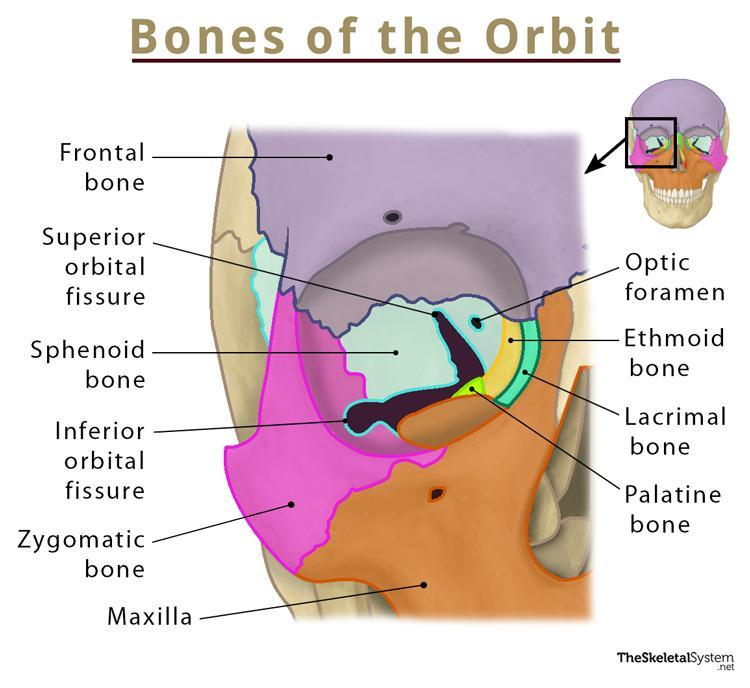
Each orbit consists of how many craniofacial bones?
7
Frontal
Lacrimal
Ethmoid-*
Maxilla- *
Zygomatic
Sphenoid
Palatine
**Weakest bones = ethmoid and maxilla
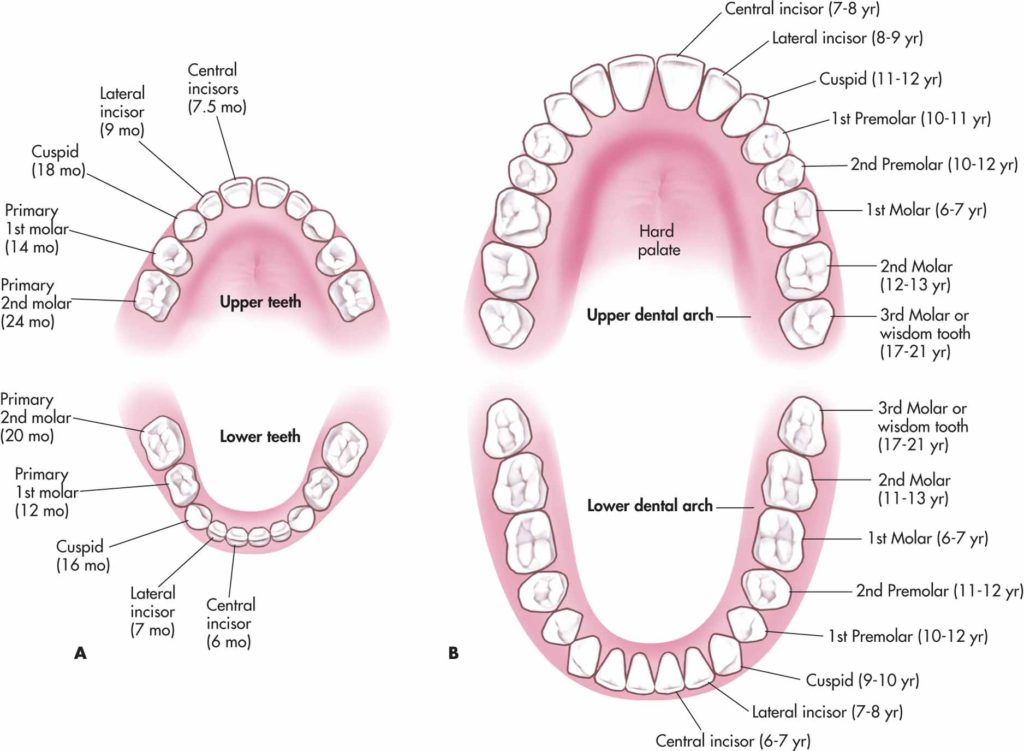
Medical term for baby teeth
Deciduous (primary)
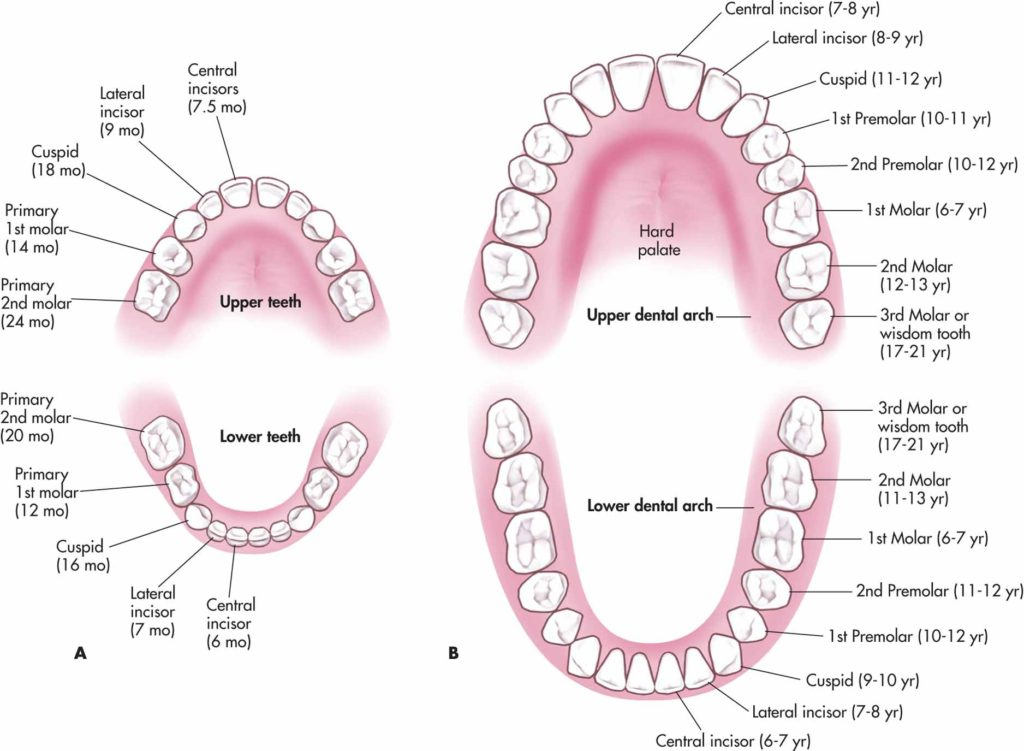
Used for speech and mastication
Teeth
How many deciduous and permanent teeth are there?
20 deciduous; 32 permanent
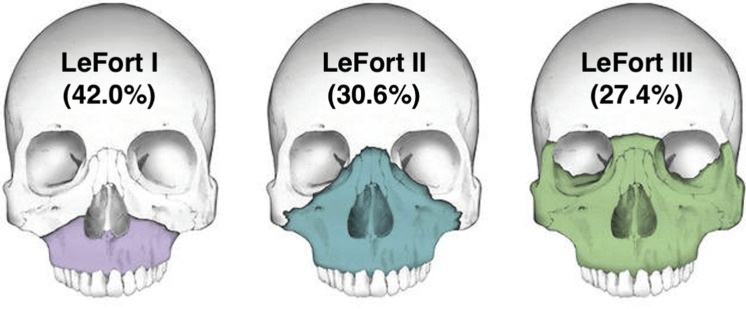
Which type of mid-facial fracture is most common?
LeFort I
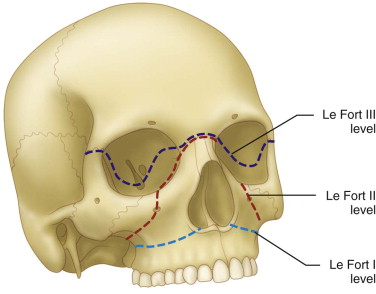
Another name for craniofacial disjunction fractures is?
LeFort III, because it completely separates the midface skeleton from the cranial base
What wire gauge will not be used to apply arch bars?
20
Specifically, any wire gauge outside the standard 24 to 26 gauge range (such as heavy 16-18 gauge or very thin 30-36 gauge) will not be used.
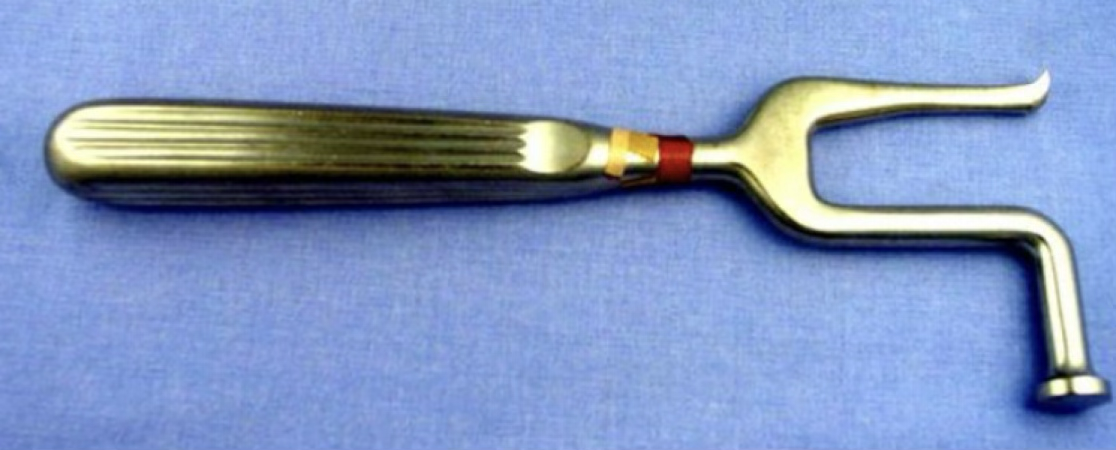
ID this instrument
Rubin nasal osteotome
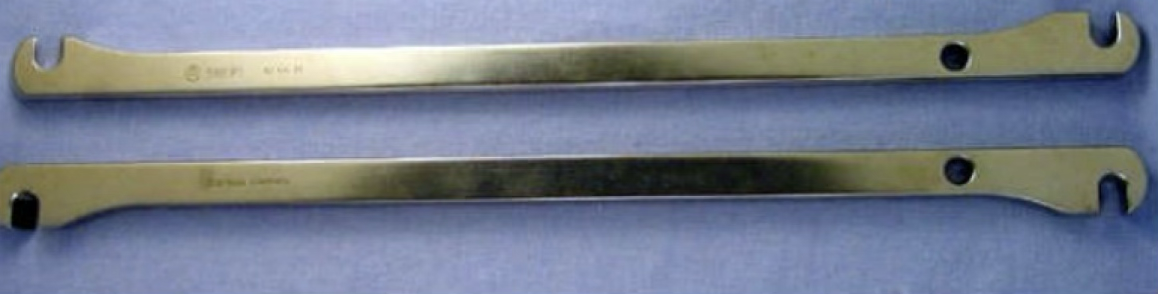
Bending iron
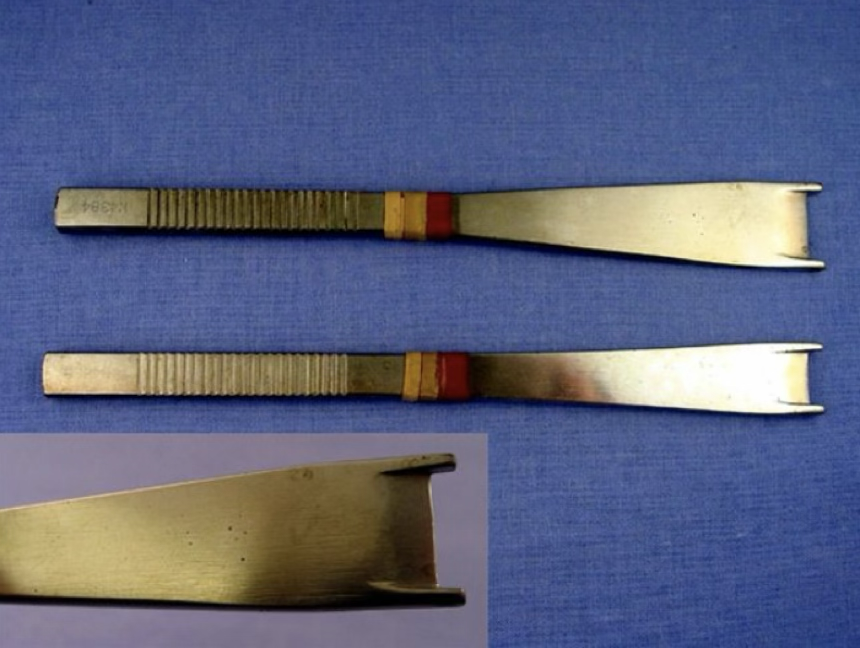
Cinelli osteotome
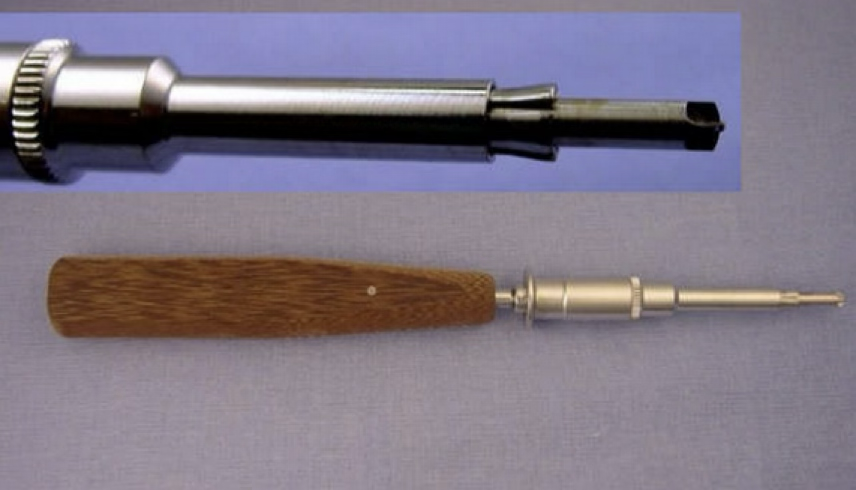
Cruciform screwdriver
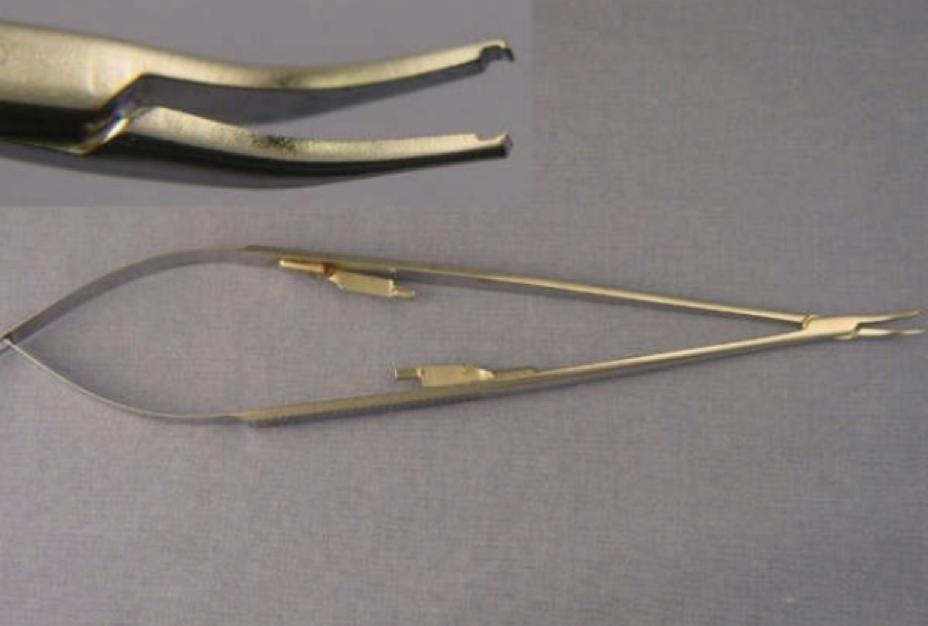
Locking forcep
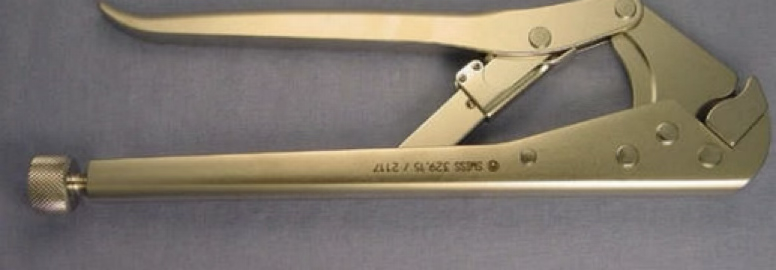
Large plate bender
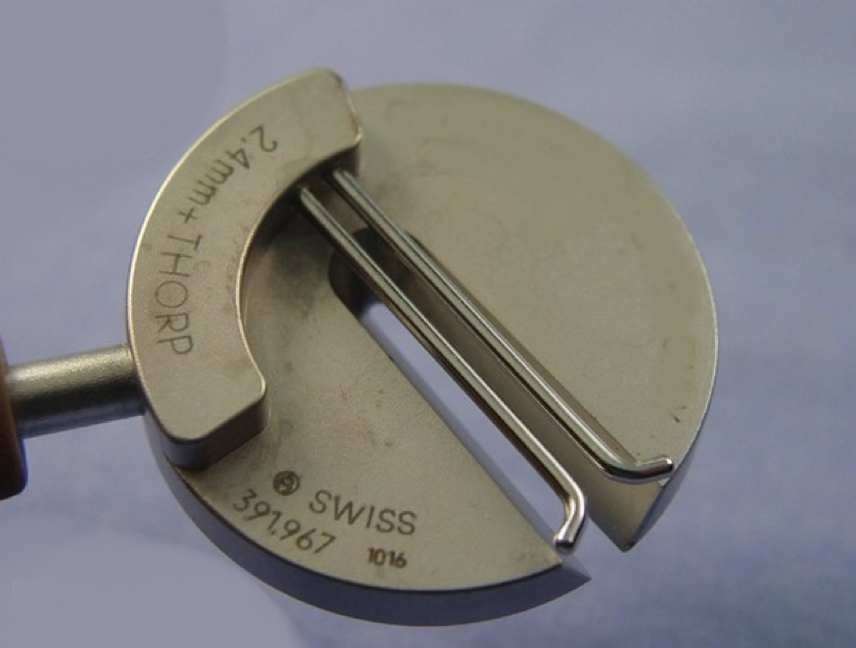
Titanium plate cutter
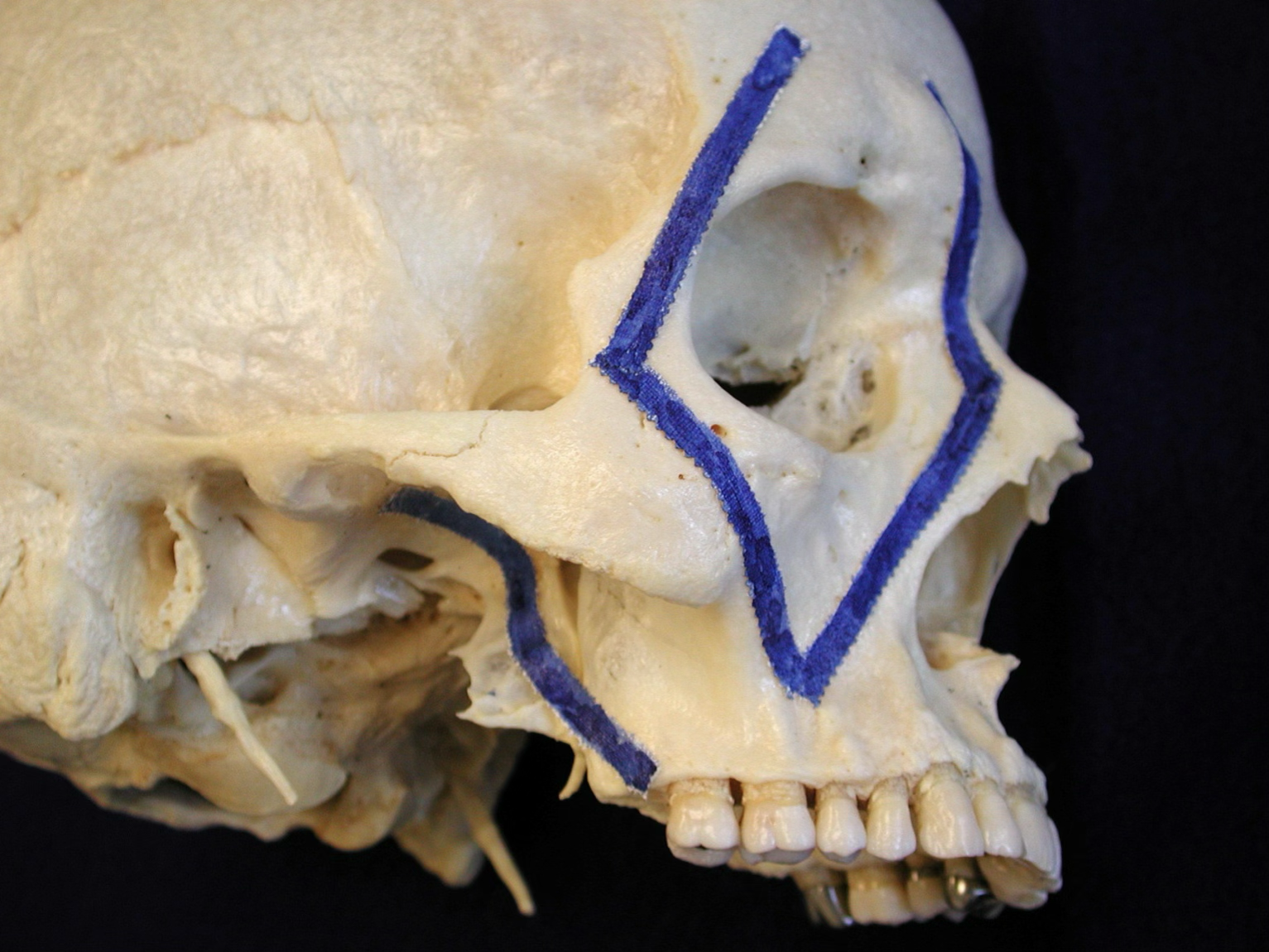
Name the fx type
Vertical buttress
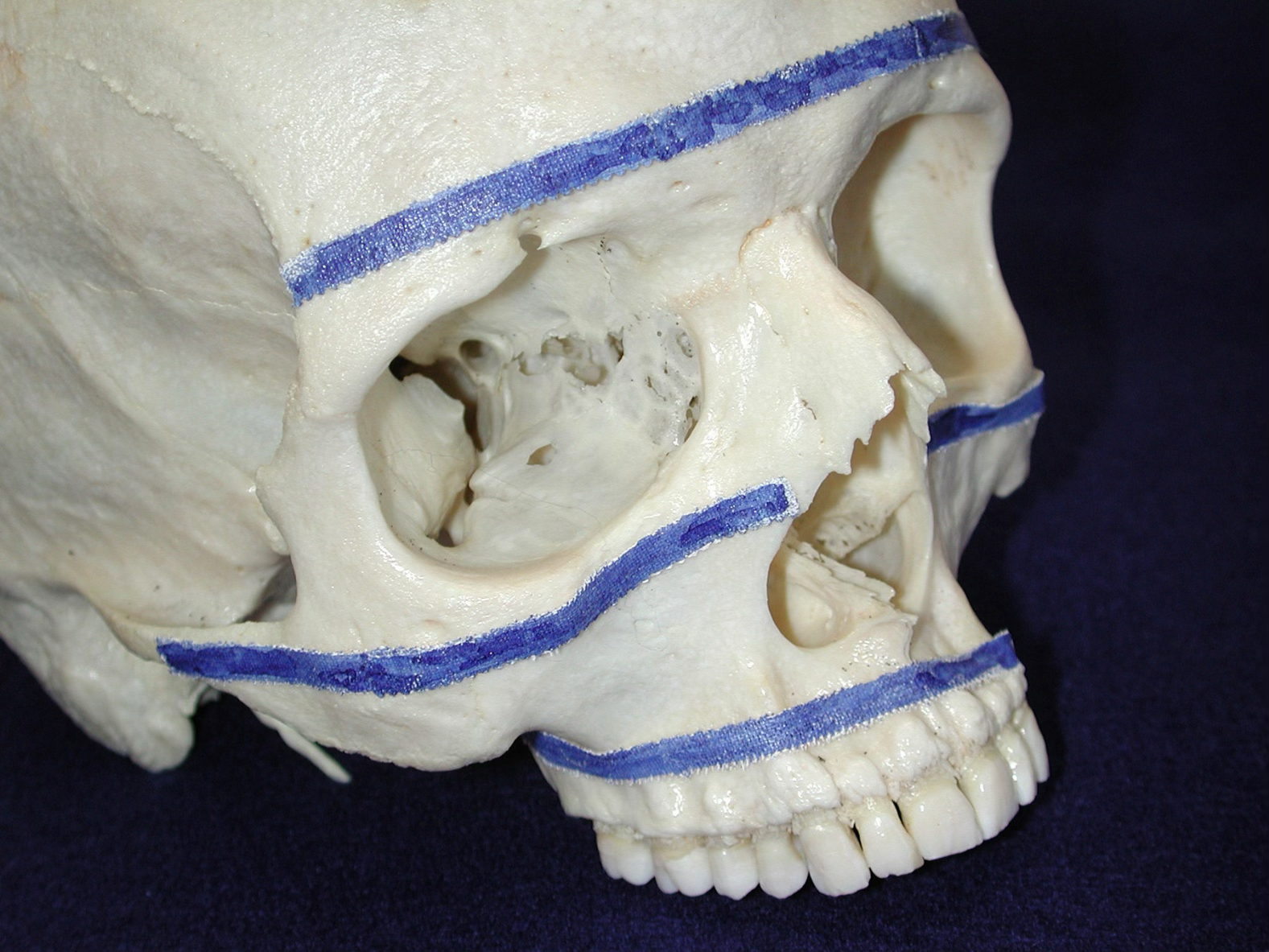
Name the fx type
Horizontal buttress
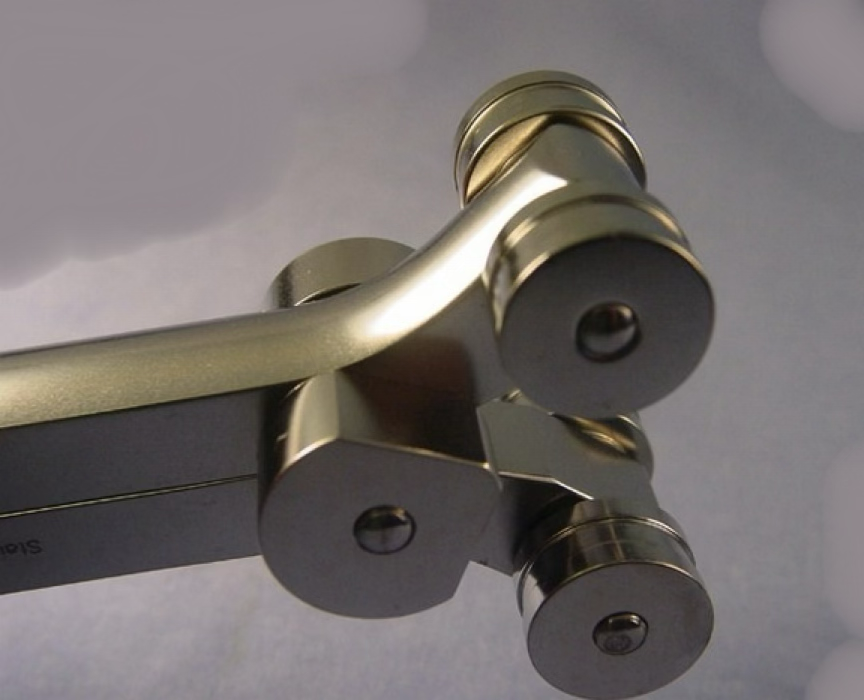
Rod bender
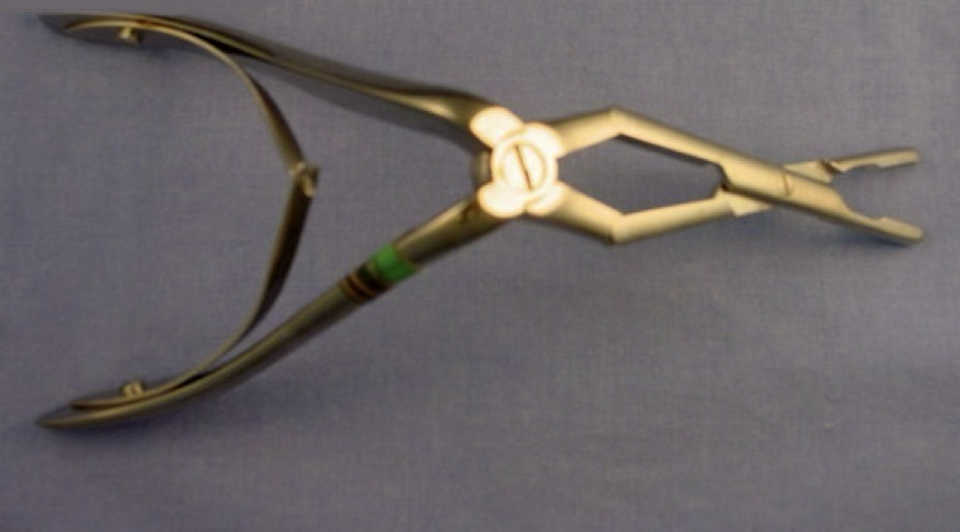
Jansen-Middleton septum forceps
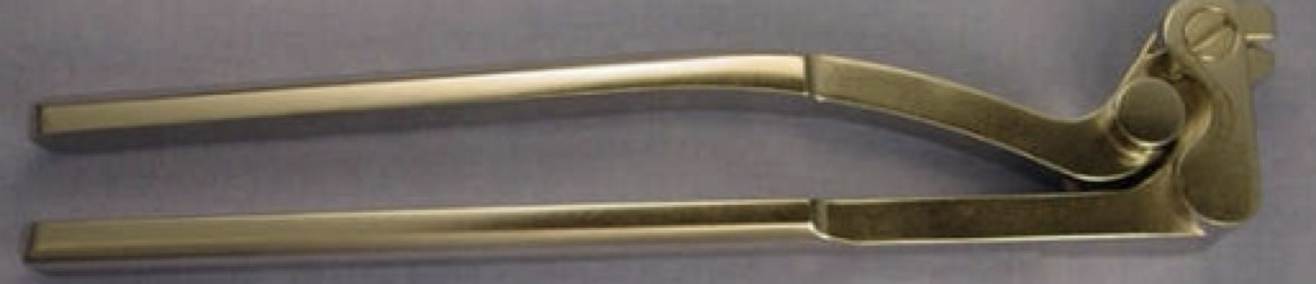
Combination plate bender
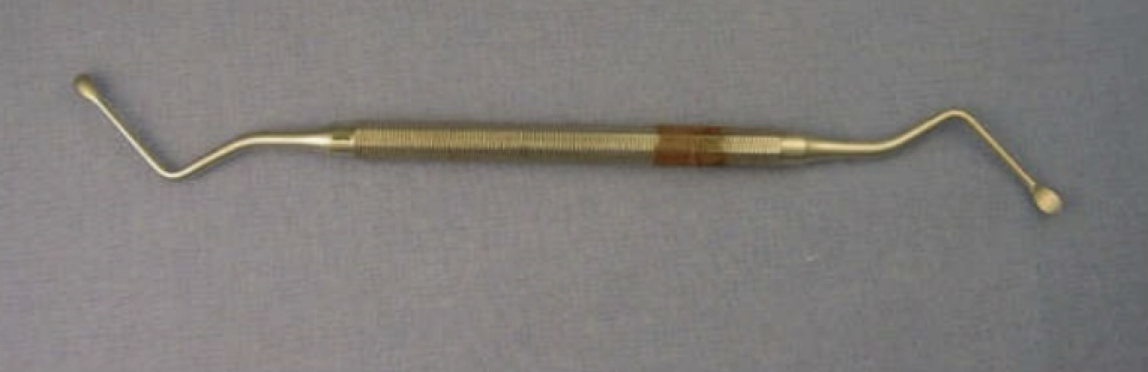
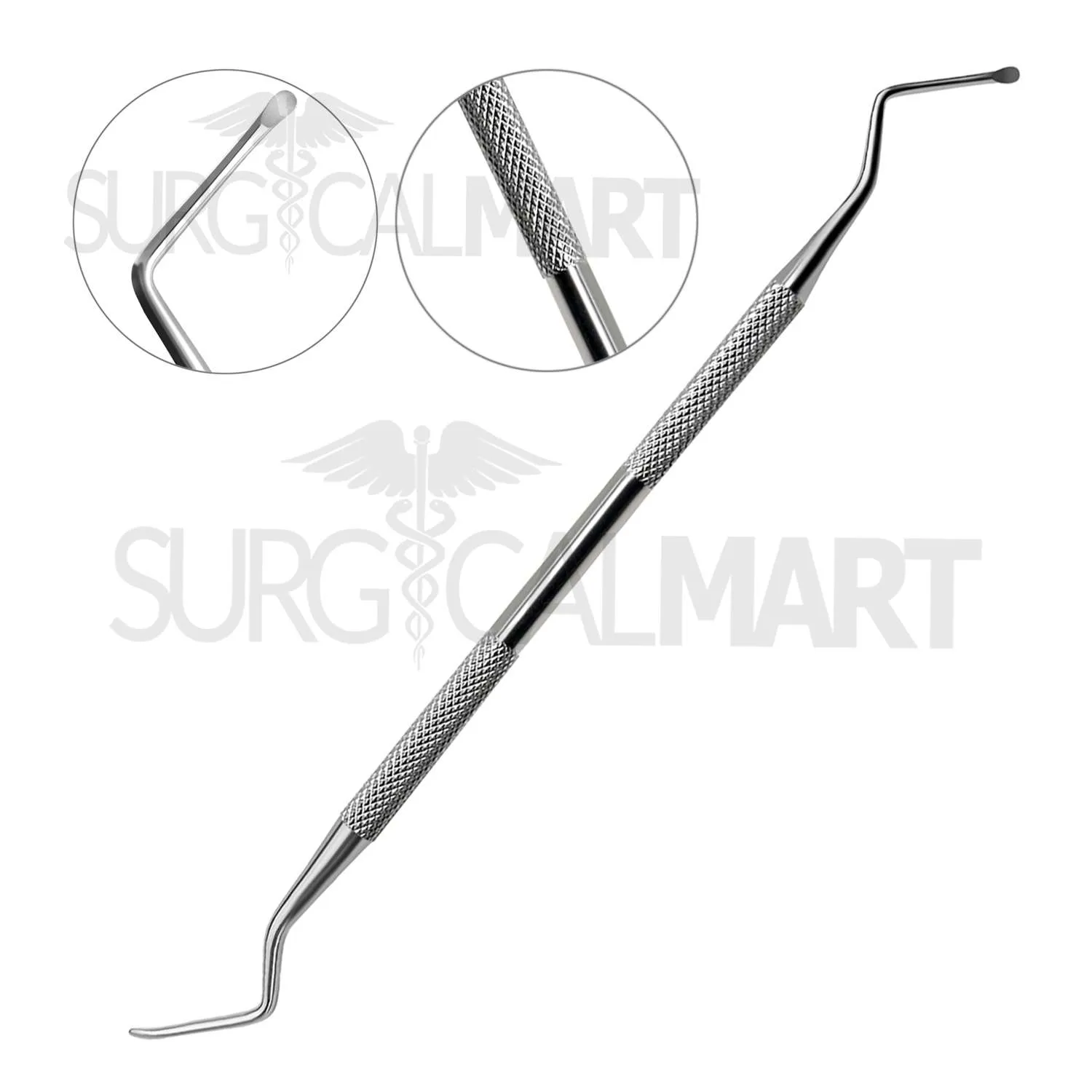
Lucas curette
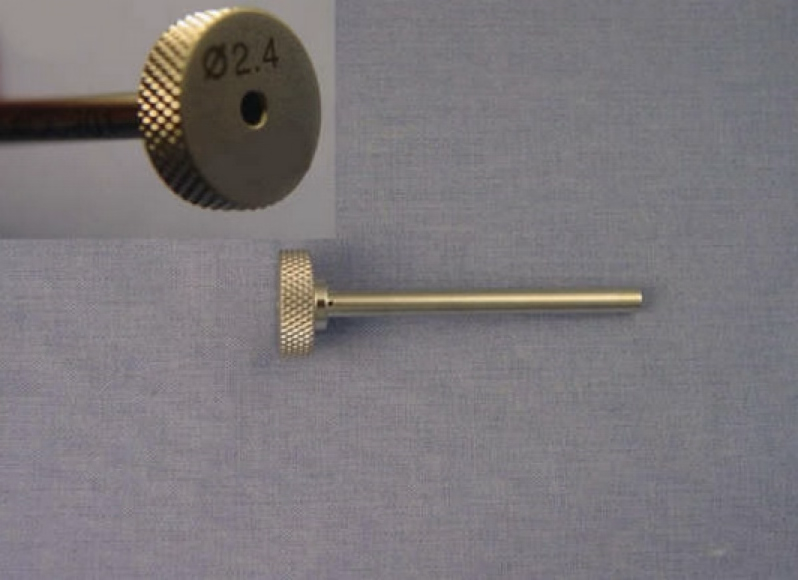
Trocar drill guide
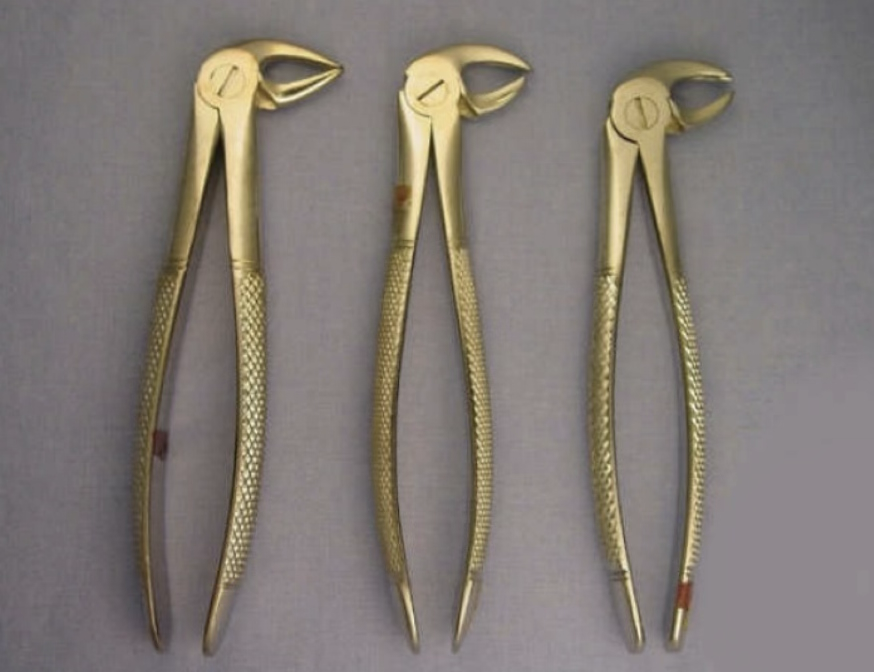
Molar extracting forceps
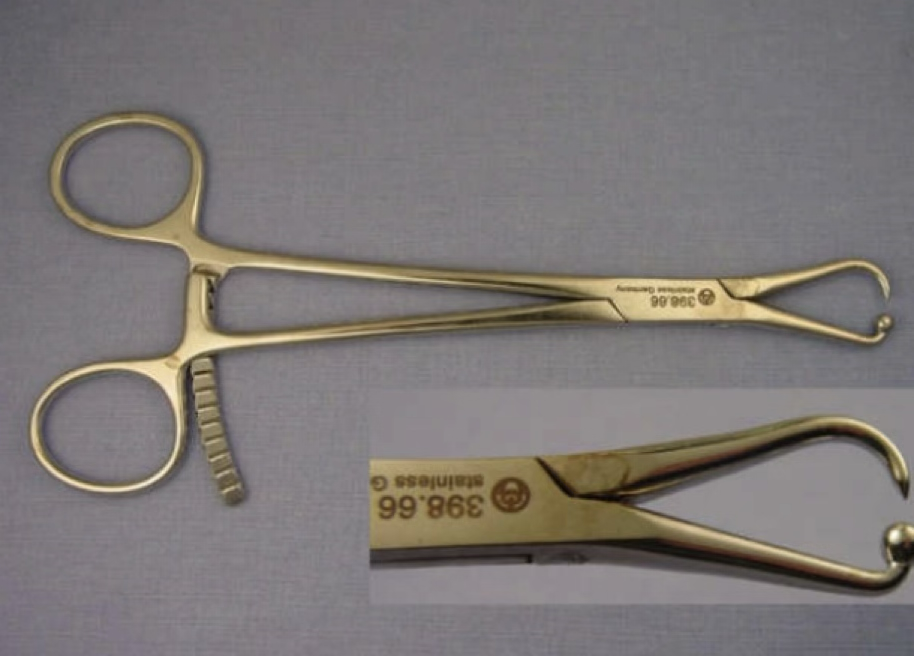
Plate and bone holder
All routine oral procedures are considered which wound classification?
II