Basic elements of Anatomy & Cranial nerves
 Call Kai
 Learn
Learn Practice Test
 Spaced Repetition
 Match
Match Flashcards
 Knowt Play
1/80

There's no tags or description
Looks like no tags are added yet.
Name | Mastery | Learn | Test | Matching | Spaced | Call with Kai | Chat |
|---|
No analytics yet
Send a link to your students to track their progress
81 Terms
Anatomy
Study of the structure
Physiology
Study of the function of the body
Applied Anatomy
Applies anatomy to diagnose and treat
Descriptive Anatomy
Relates body parts to functional systems
Gross Anatomy
Studies body parts w/o a microscope
Microscopic Anatomy
Studies body parts with a microscope
Developmental anatomy
Studies growth and development to birth
Comparative Anatomy
Studies comparisons across species
Pathological anatomy
Studies changes in the body parts due to disease
Cystology
Examines cell structure and function
Histology
Studies tissues with a microscope
Osteology
Studies bone structure and function
Myology
Studies muscle form and function
Arthrology
Studies joints
Angiography
Studies the blood vessels and lymphatic system
Neurology
Studies the brain
Axial
(80) bones that lie around the longitudinal axis of the body
- vertebrae, sternum, ribs, skull, ear ossicles, hyoid

Appendicular
(126)
bones of upper and lower limb. and pectoral and pelvic girdles

Anatomical Position
Individual is standing straight, feet parallel, arms by side with palms forward, and head faces forward with gaze ahead
Median
divides body into equal left and right halves
Sagital Plain
Divides body into unequal right and left halves
Coronal/Frontal
Divides body into anterior and posterior points
Commonly used in imagine of the brain
Horizontal/Transverse/Axial
Divides body into superior and inferior portions
CT scans are commonly generated in this plane
Extends from side to side
Extends from top to bottom
Extends from front to back
Towards the front
Towards the front
On one side
On both sides
Bilateral
On same side
On opposite side
Pertaining to body wall
Pertaining to internal organs
Towards the head
Towards the feet
External/Superficial
Towards surface of the body
Internal/Deep
Away from surface of body
Lying face up
Decrease angle
Increase angle
Toward body/midline
Away from body/midline
Rotation of forearm, palm faces posteriorly
Rotation of forearm, palm faces anteriorly (anatomical position )
turns the sole inward towards body midline
Soul of the foot is turned outward/laterally
Close the mouth
Open the mouth
Mandible moves anteriorly/forward
Mandible moves posteriorly/inward
Organs
Body tissues combined together to perform a special action
Epithelium
covers all surfaces of the body
Connective Tissue
Connects other tissue
In our bones tendons and other cartilage
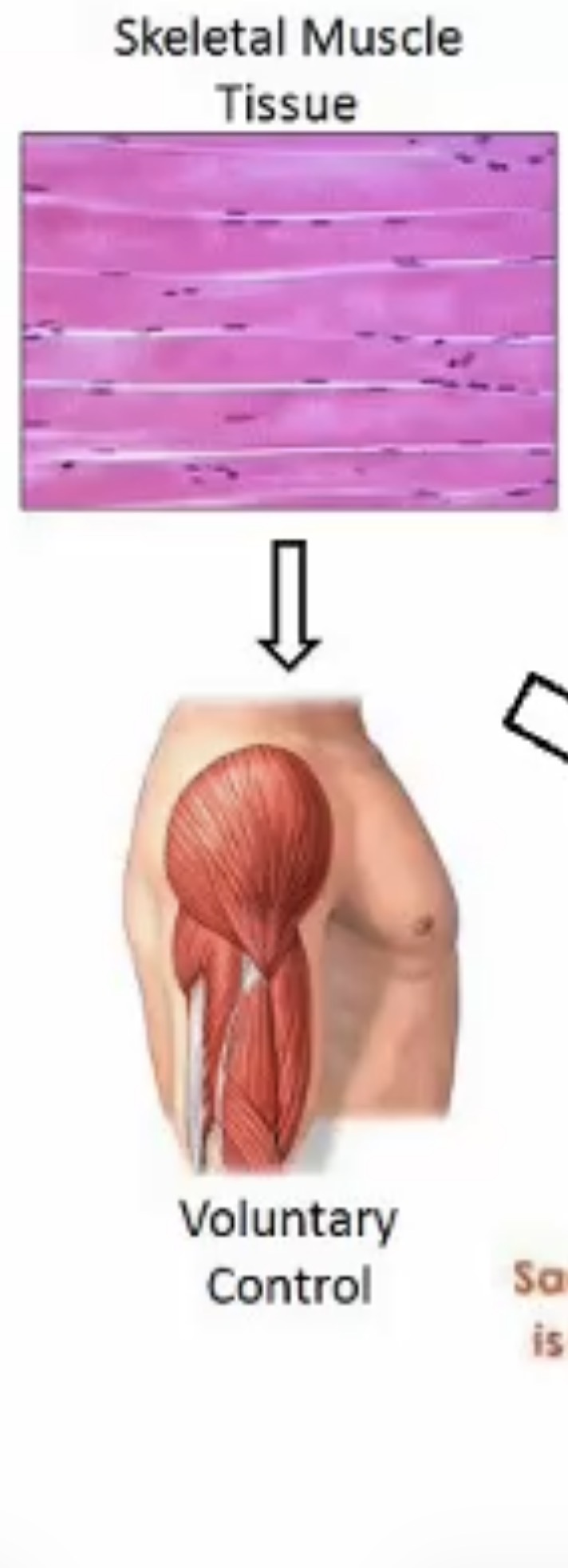
Muscle tissue 3 types
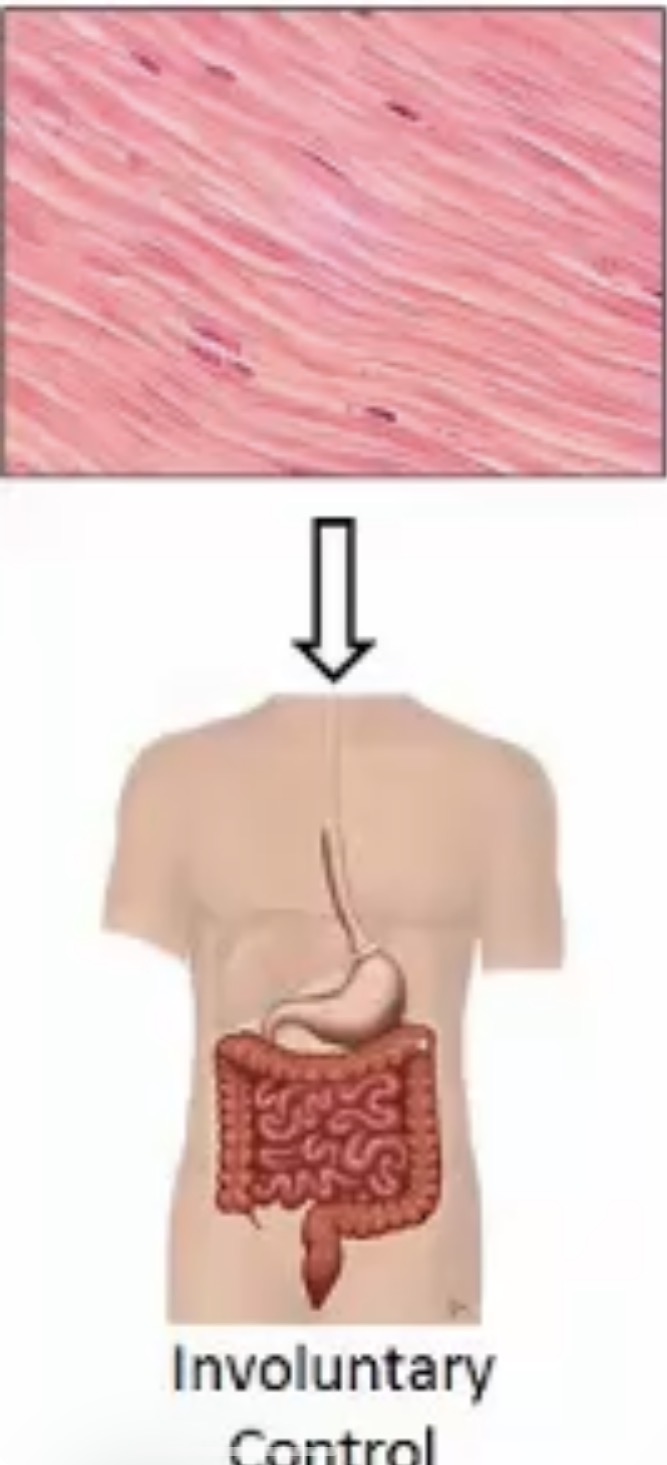
Smooth: Found in walls of interal organs and blood vessels
Cardiac: In heart and proximal parts of the great vessels
Skeletal: forms all muscles under voluntary control
Nerve Tissue
Neurons, process cells
Simple Squamous
Single and flat layer
Easy for things to pass through
Gas exchange in the lungs
Simple Cubodial
Single layer of cubed shaped
Lines kidney tubules and glands
Secretes and reabsorbs water snd small molecules
Simple Columnar
Single layer of taller cube like shapes
Lines most digestive organs to absorb nutriens
Stratified Squamous
Multiple layers of flat skin
Outer layer of skin, mouth, and vagina
Protects against abrasion, drying out, and infection
Stratified Cuboidal
Multi layered cube shapes
Lines ducts of sweat glands
Secretes water and ions
Stratified Columnar
Multiple layers of columns
Lines epididymus, mammary glands, and larynx
Secrets mucus
Superficial Fascia
In the fats, adipose tissue and cartilage at the end of the bone
Deep Fascia
Loose connective tissue under the skin
Connective tissue functions
Protect
Structural support / attachment
Storage
Medium for exchange/transport
Defense and protection
Types of Nervous tissue
Brain and spinal cord
Type of nervous tissue
Peripheral Nerves

Bones
Provides skeletal support and protects organs/soft tissues
Characterized by length and shape
Fibroblasts
Cells that facilitate bone repair
Joints
Connects bones with other bones or cartilage with other cartilage
Diarthrodial ( synovial) joints
Highly mobile
Contain lubricating synovial fluid
Ball and socket, gliding, and hinge joints
Amphiarthrodial (cartilageinous) joints
Slightly immobile
Cartilage forms union between joints
Synarthrodial (fibrous joints)
Immobile
Bound by fibrous ligaments
Sutures located between bones of the skull joints
Muscles
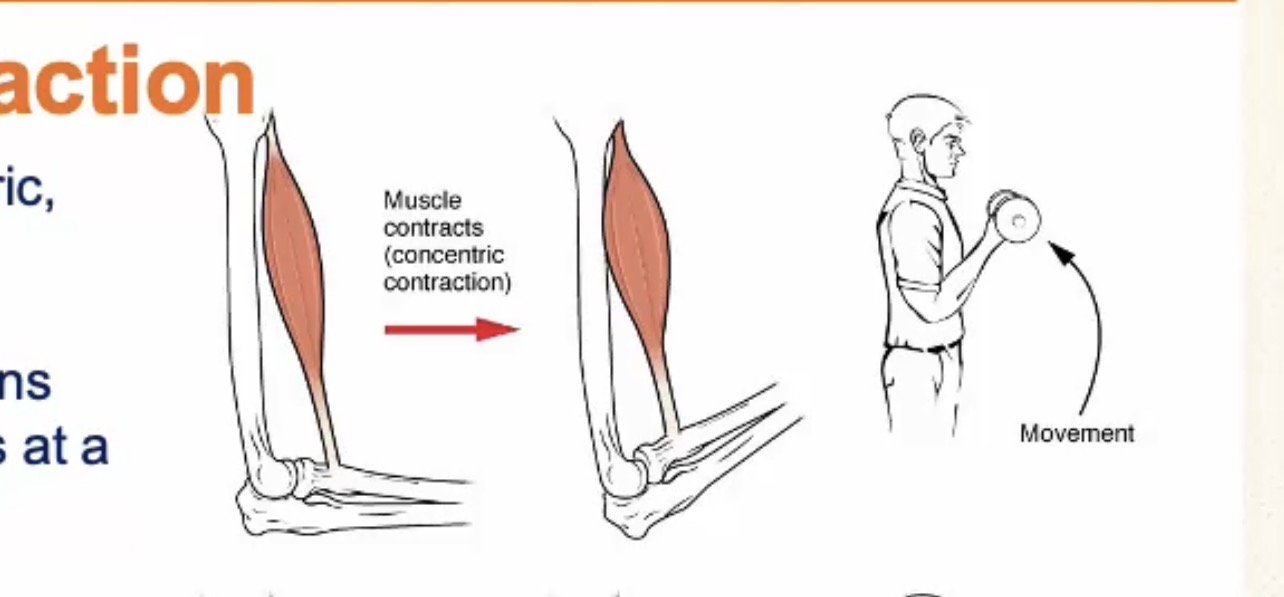
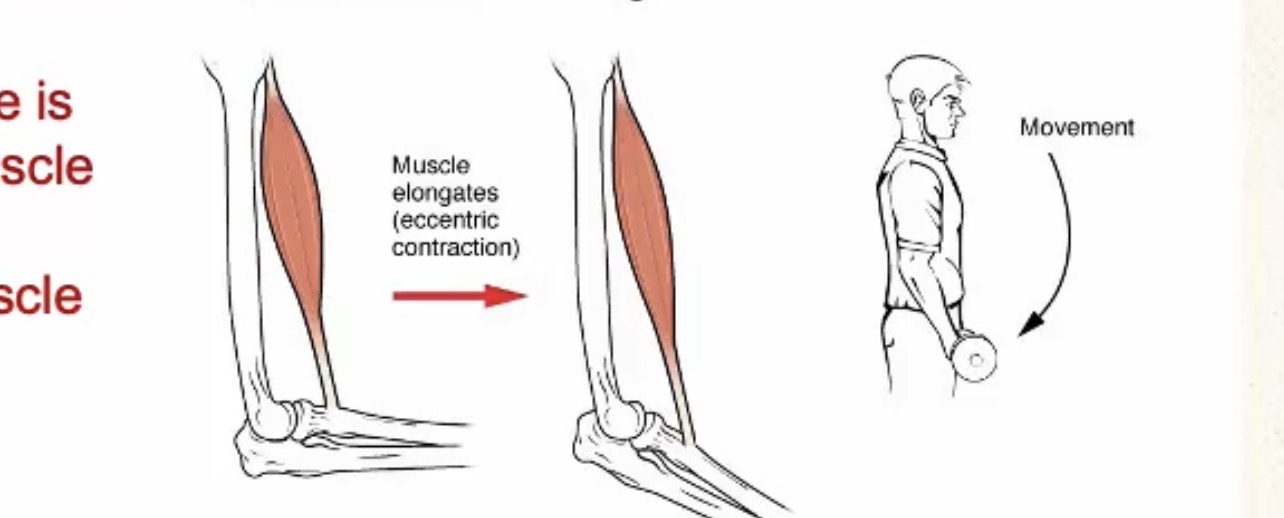
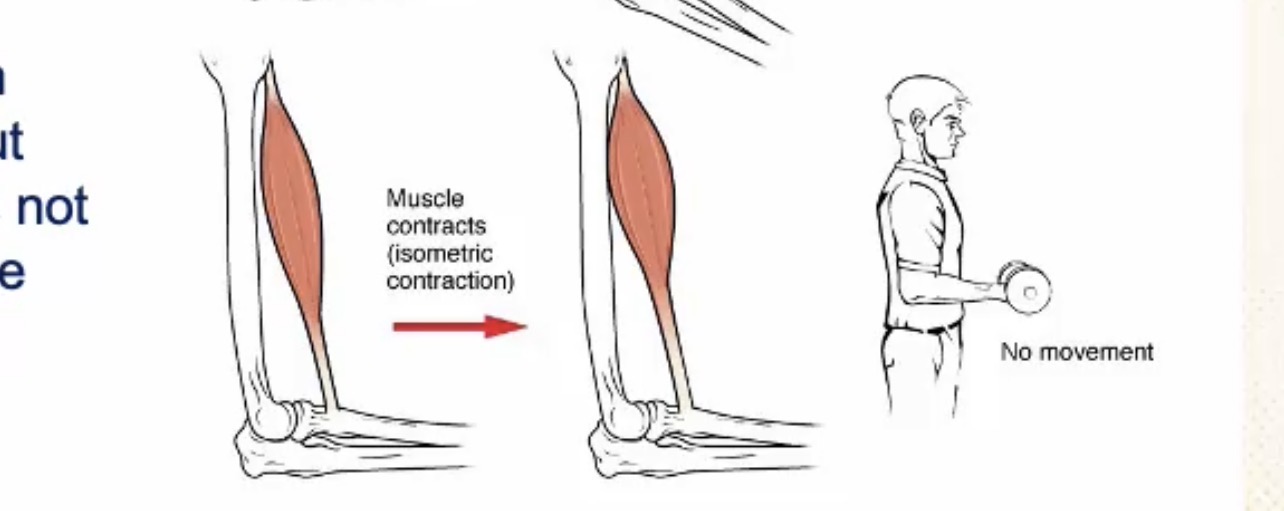
A combination of muscle fibers that all have a common function
Can shorten to about 1/3 of their length
Point of attachment of the least mobile element as related to speech function
Point of attachment that moves when a muscle contracts