Geologic History
 Call Kai
 Learn
Learn Practice Test
 Spaced Repetition
 Match
Match Flashcards
1/18

There's no tags or description
Looks like no tags are added yet.
Name | Mastery | Learn | Test | Matching | Spaced | Call with Kai | Chat |
|---|

19 Terms
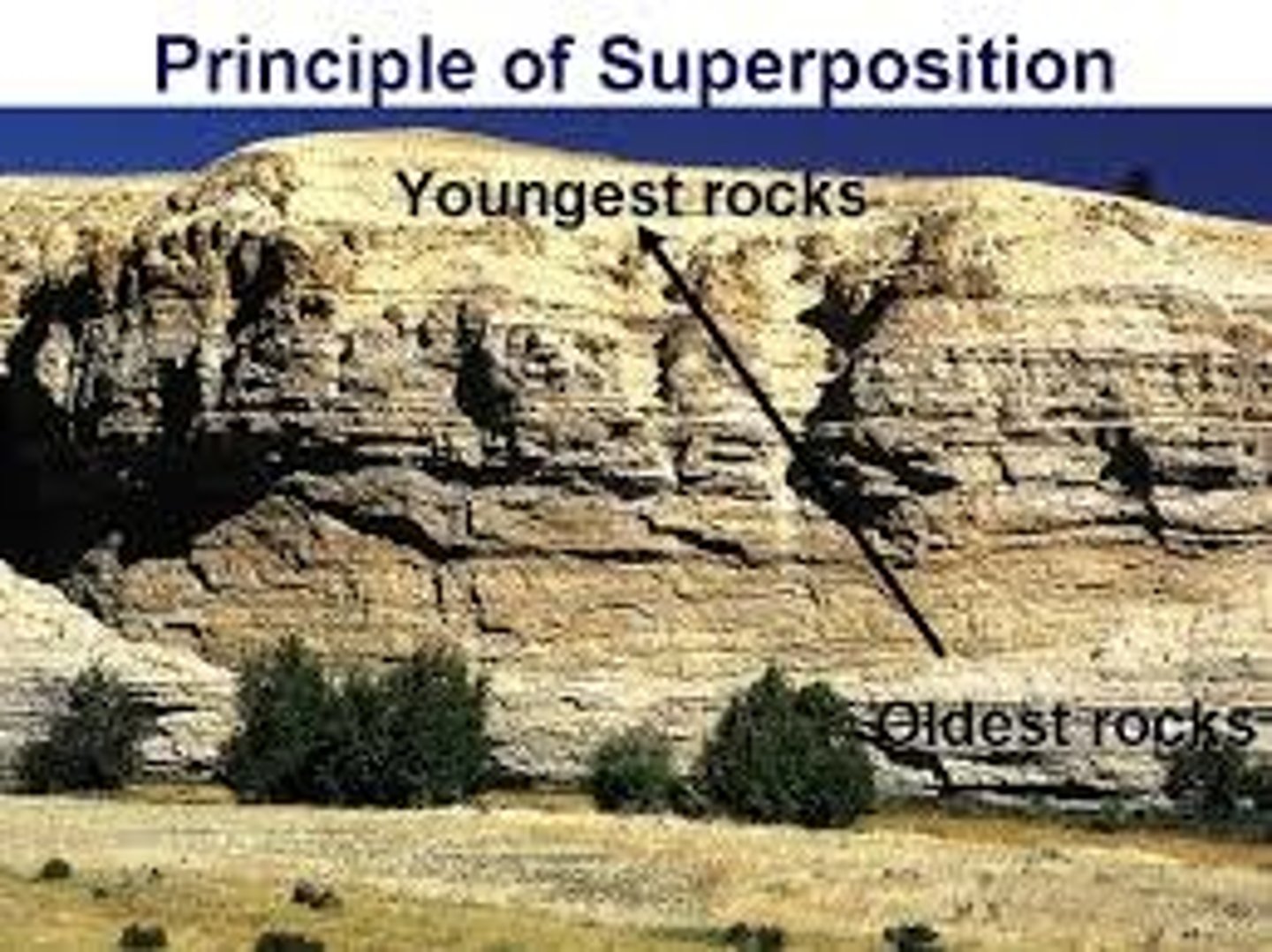
Law of Superposition
The geologic principle that states that in horizontal layers of sedimentary rock, each layer is older than the layer above it and younger than the layer below it.
Cross Cutting Principle
When something cuts across a body of rock, that "something" is younger than the rock it cuts across.
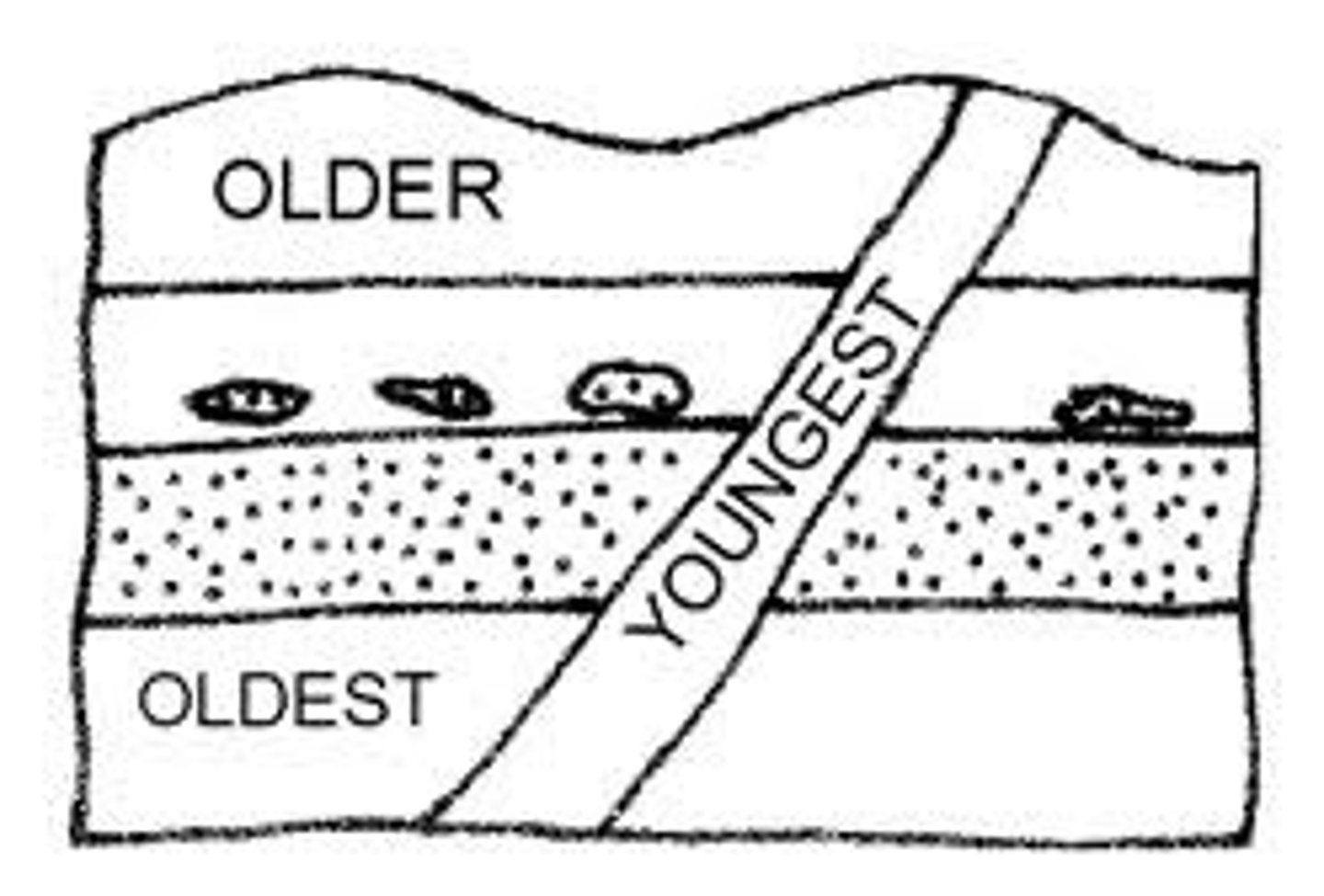
igneous intrusion
where magma cut through other rock layers underground
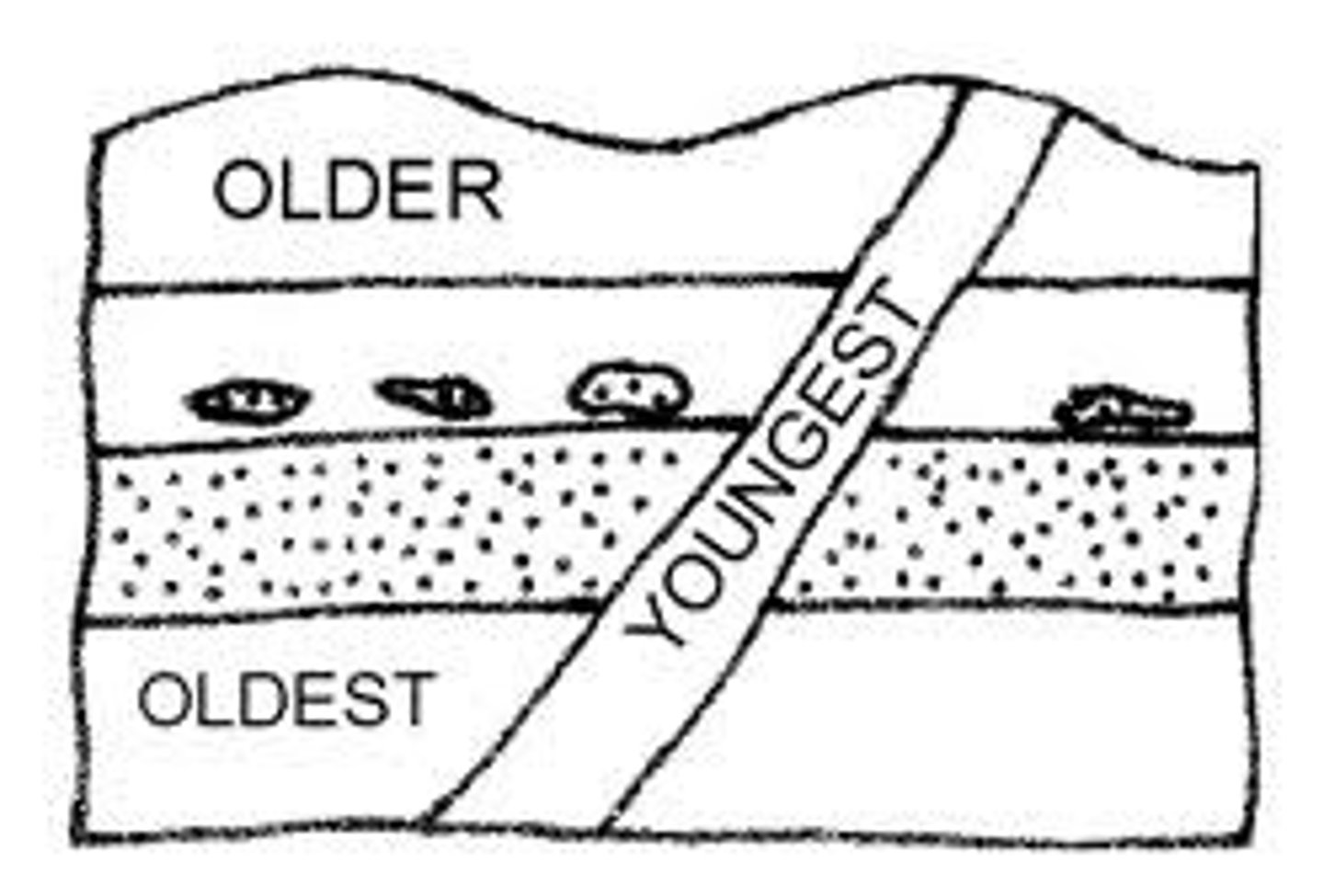
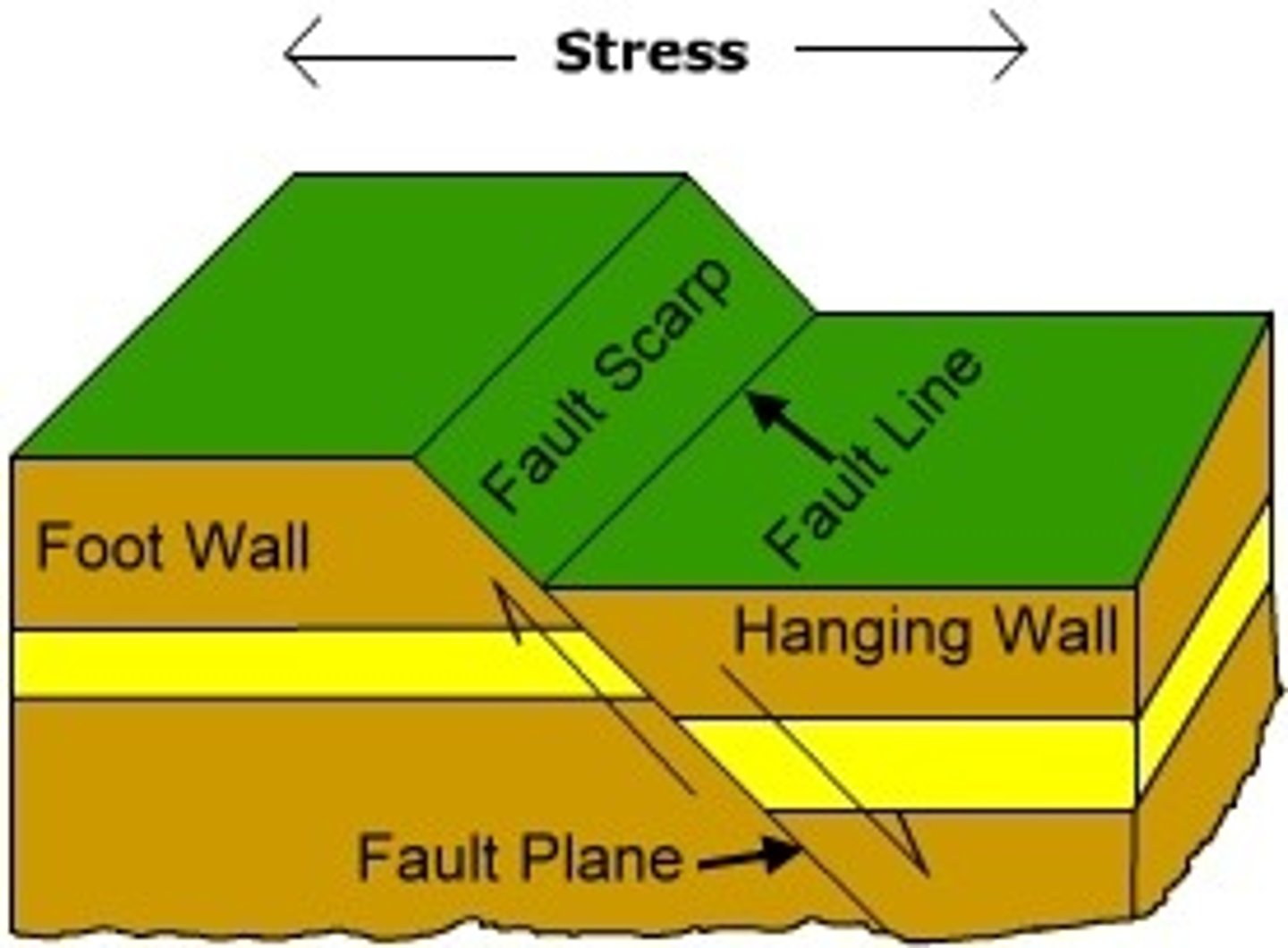
fault
a crack in the earth's crust
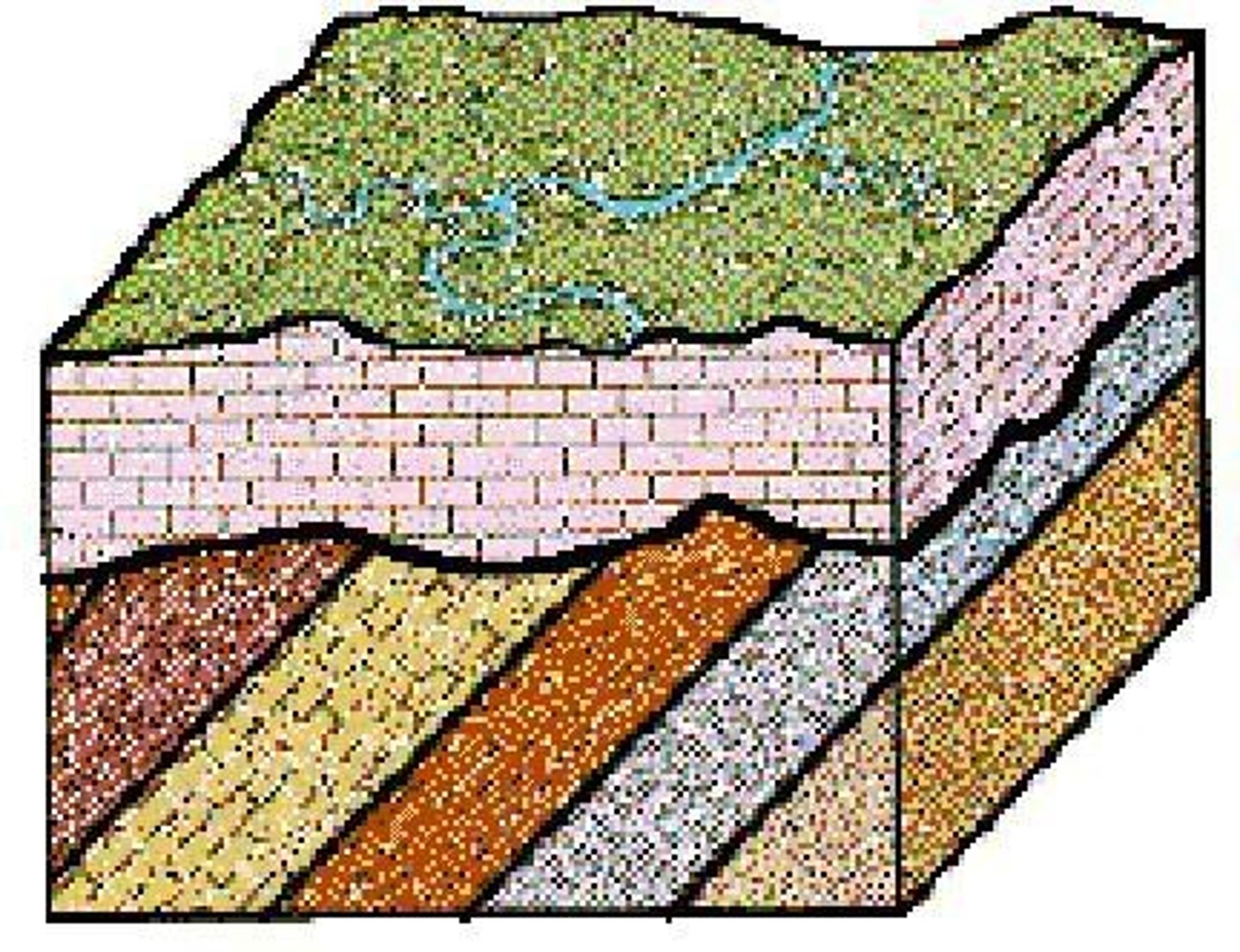
Unconformity
A break in the geologic record created when rock layers are eroded or when sediment is not deposited for a long period of time.
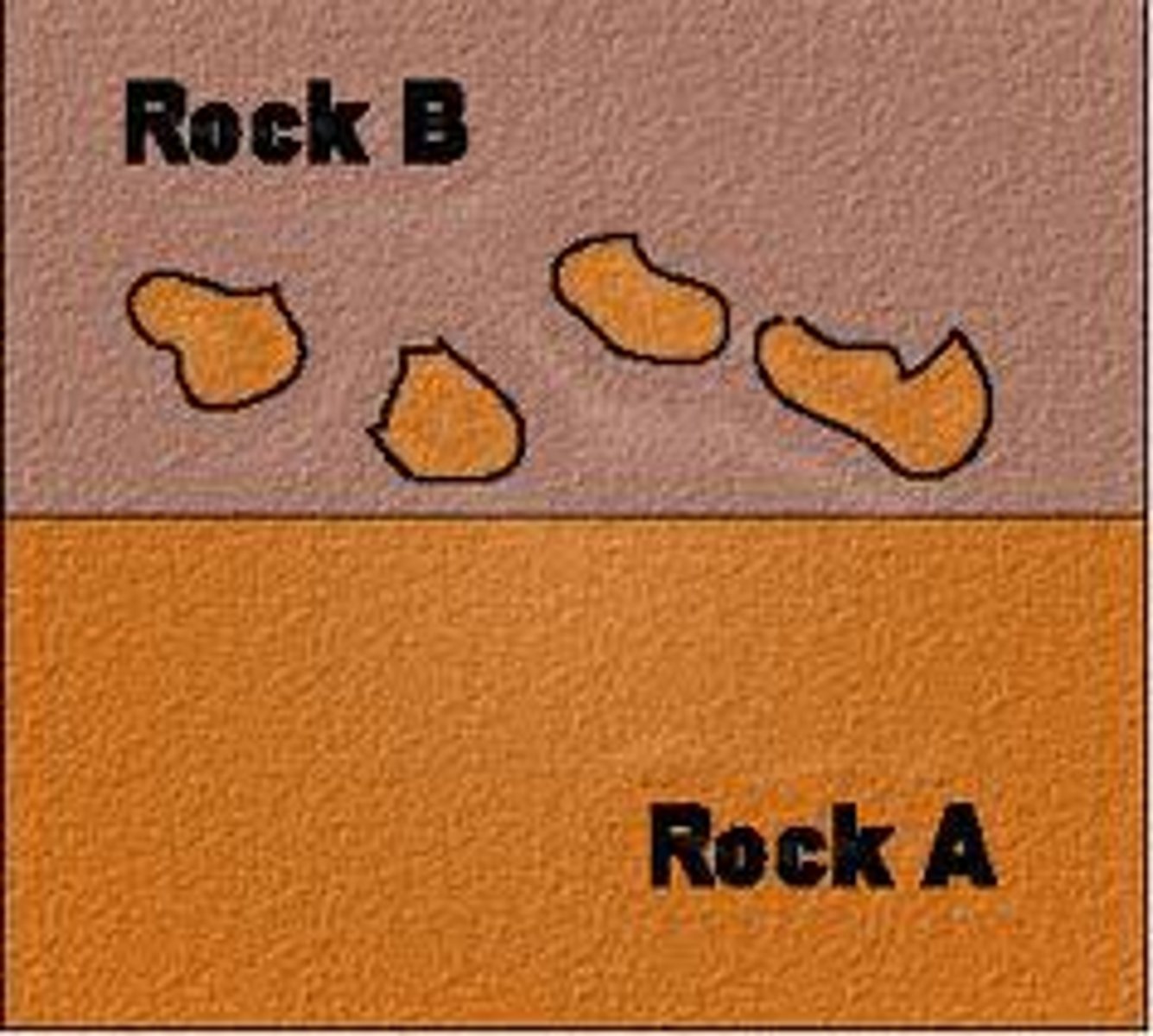
inclusions
Pieces of one rock unit that are contained within another; the rock embedded are older than the layer that contains them.
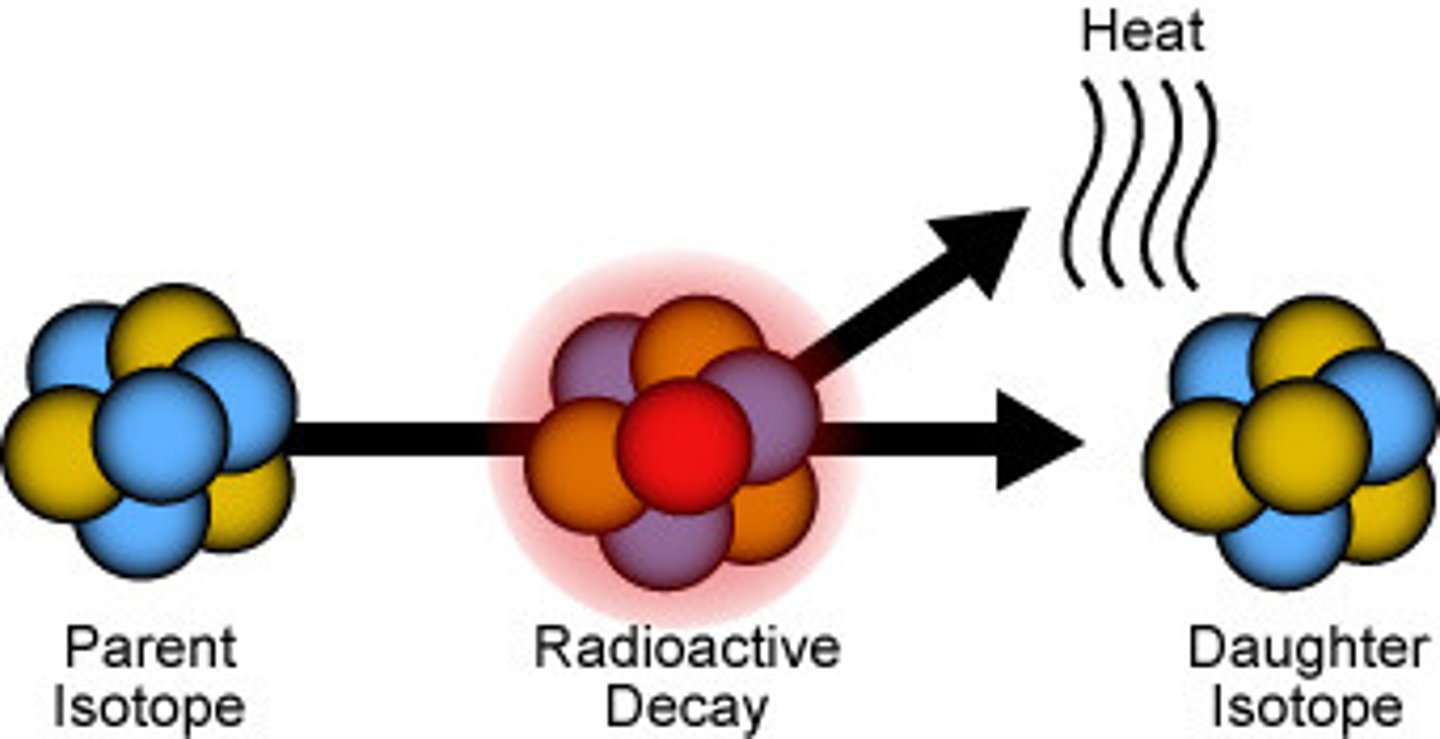
radioactive decay
The breakdown of a radioactive element, releasing particles and energy
parent isotope
the isotope that undergoes decay; its unstable and radioactive
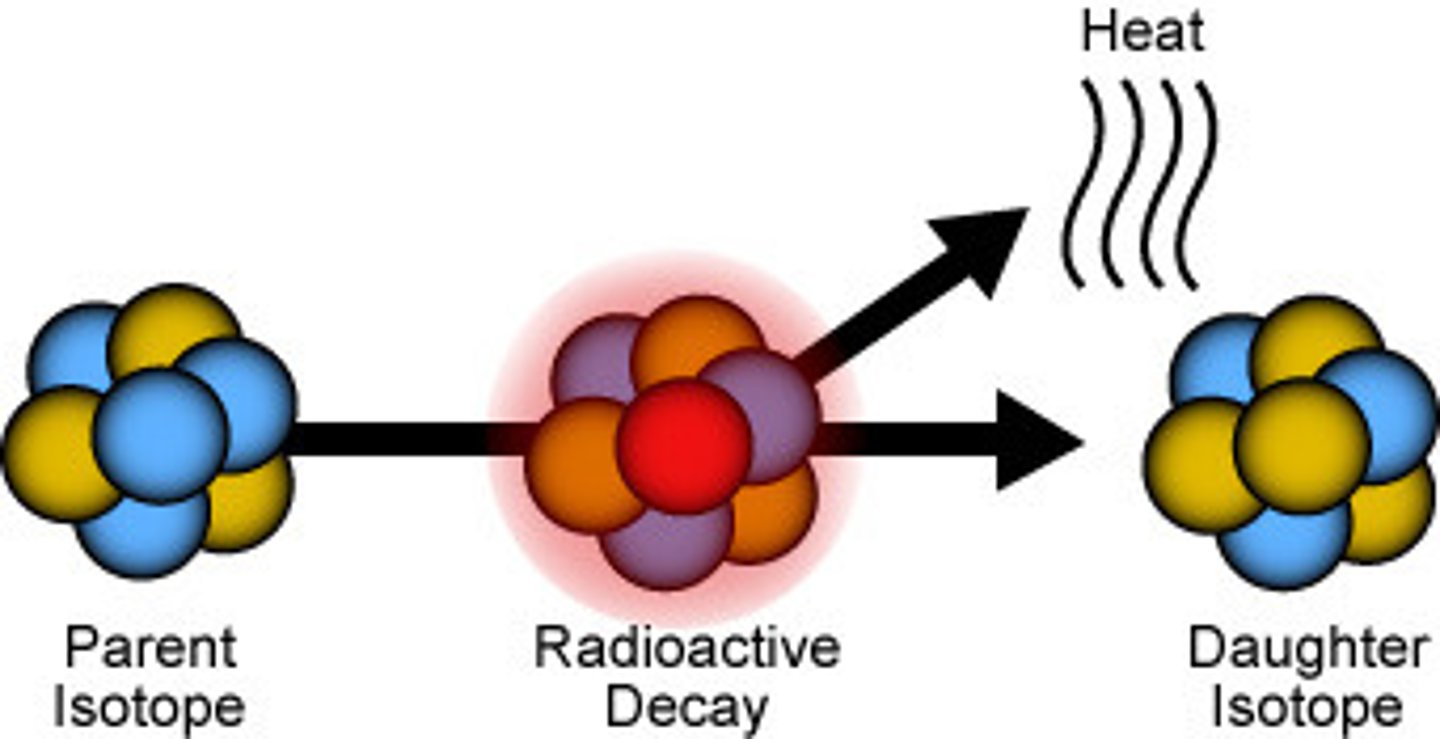
daughter isotope
the stable isotope produced by the radioactive decay of the parent isotope
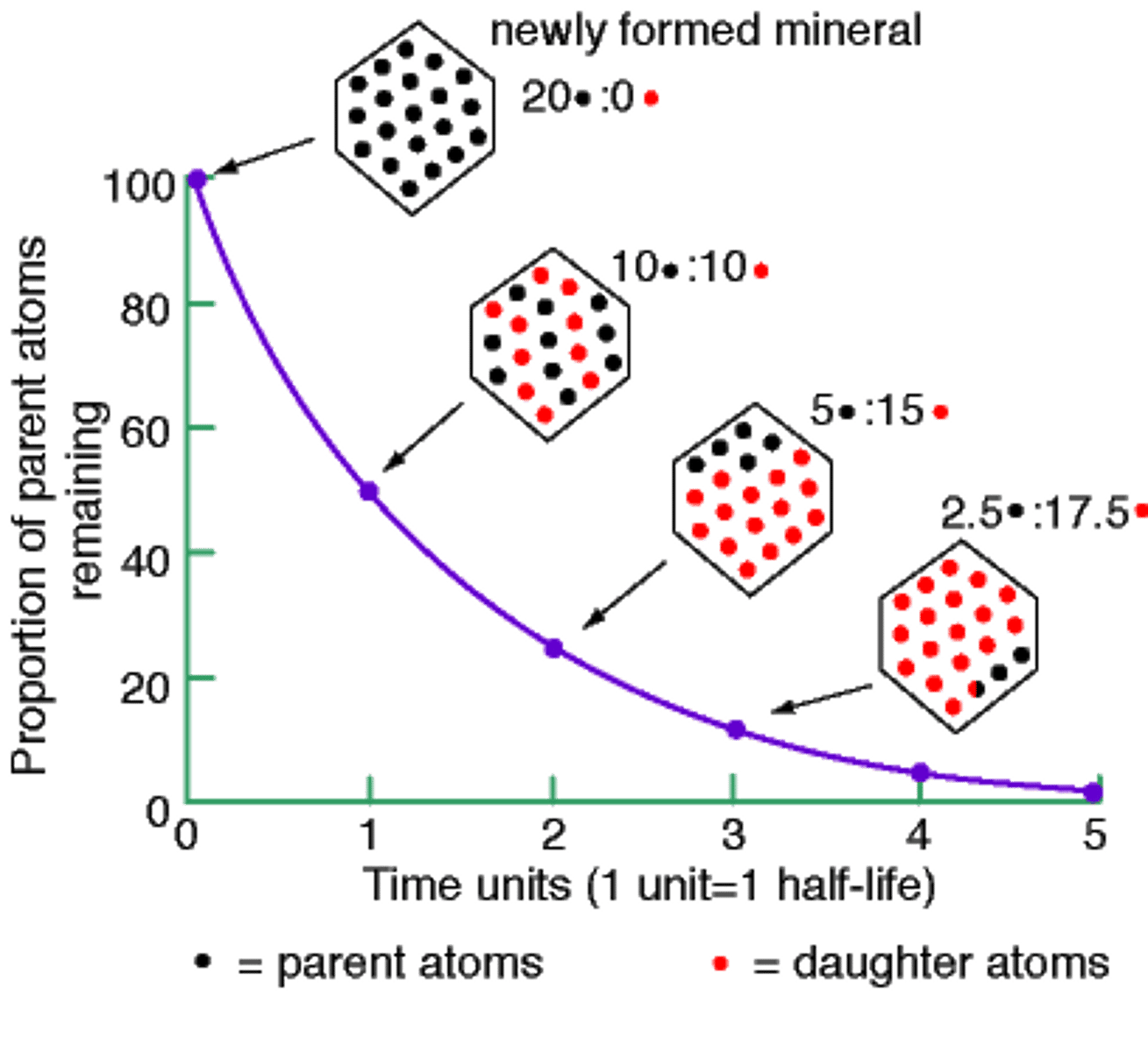
half-life
length of time required for half of the radioactive atoms in a sample to decay
fossils
Preserved remains of once-living organisms
Conditions for fossilization
- Suitability of the remains (hard parts)
- Quick burial
- Favorable medium (what its preserved in)
- Minerals must be present
- time
Environments for fossilization
-Marine environments
-Volcanic ash layers
-Tar pits and peat bogs
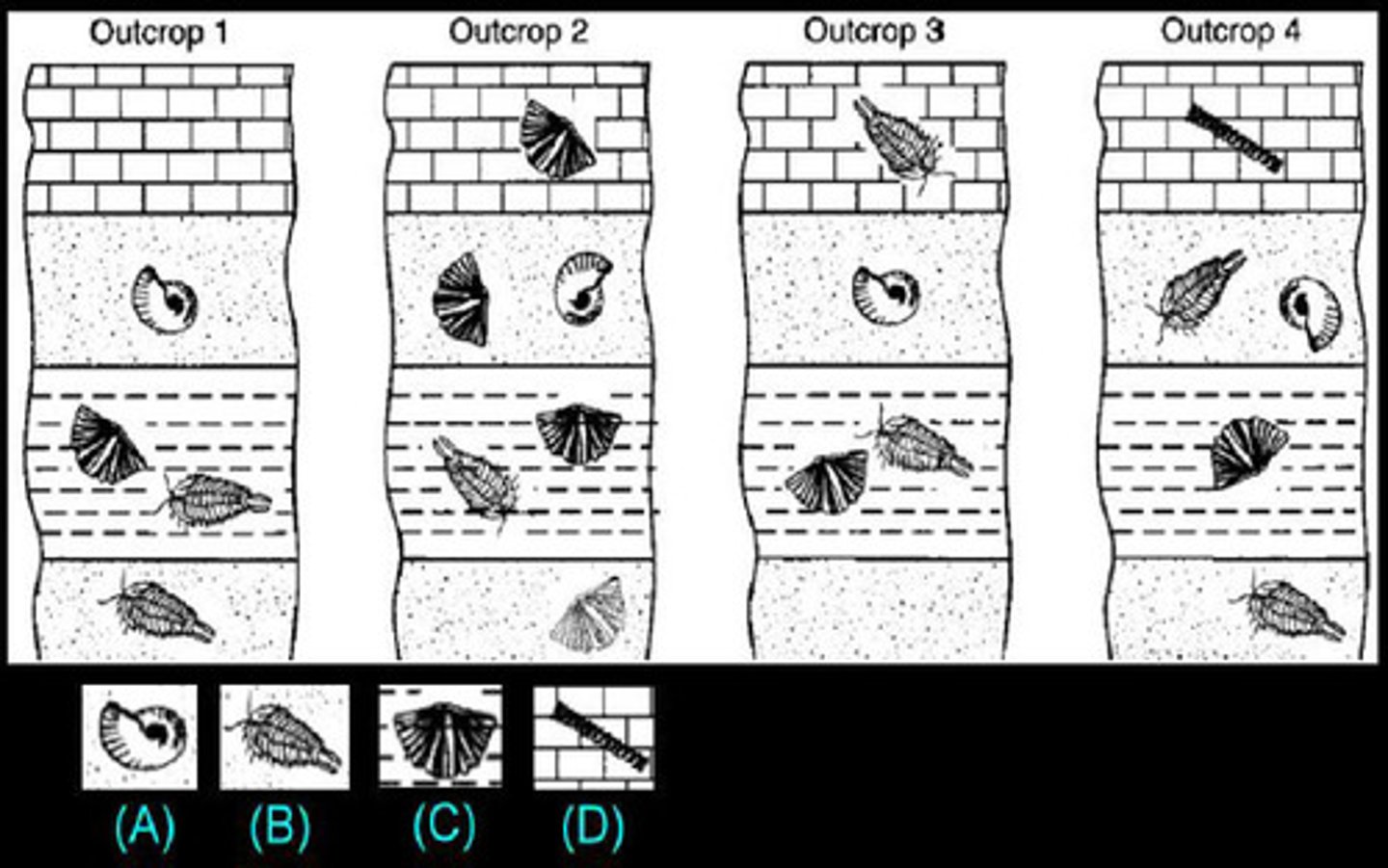
index fossil
fossils of widely distributed organisms that lived during only one short period
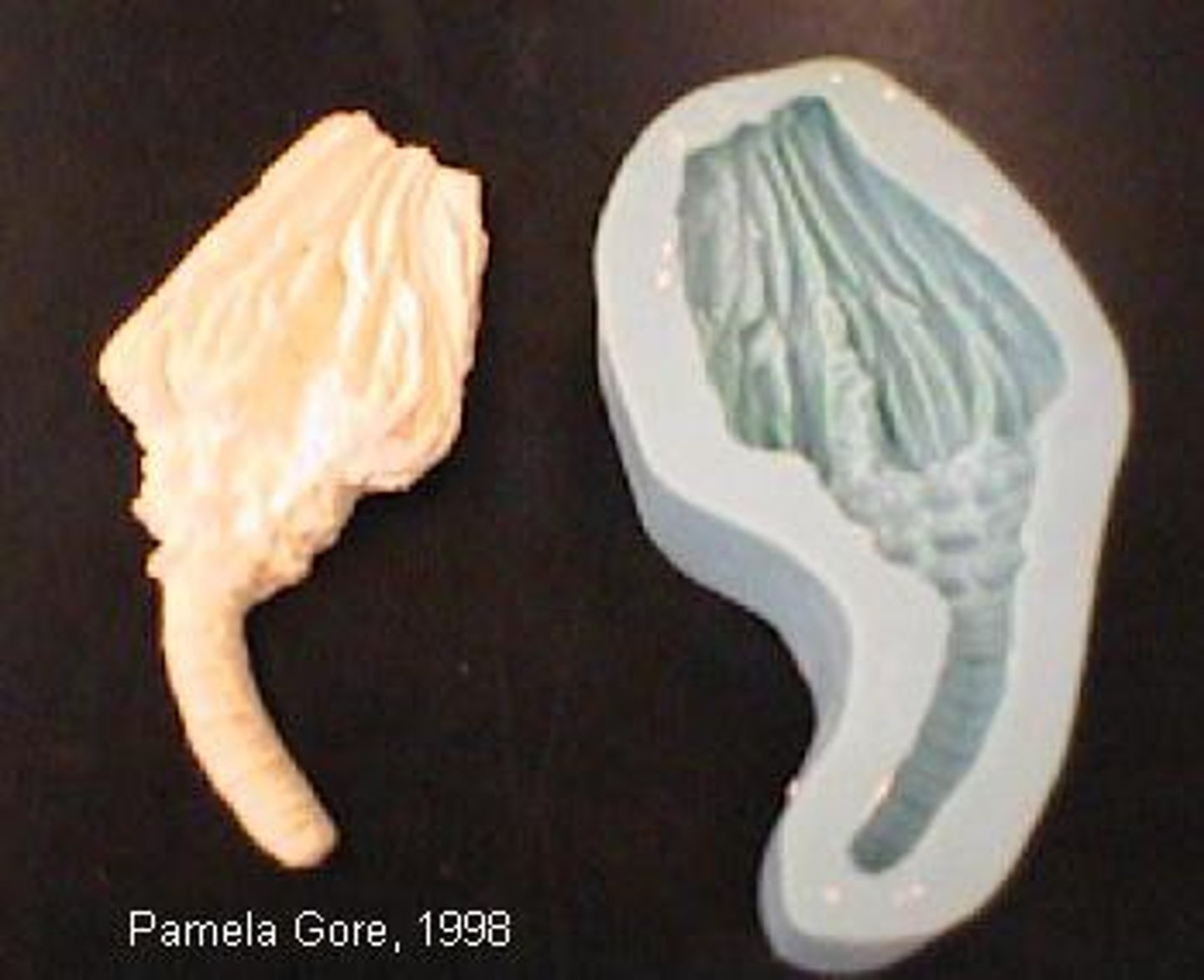
Molds and Casts
Shells often leave empty cavities called molds within hardened sediment. When sand or mud fills a mold and hardens, a natural cast forms.
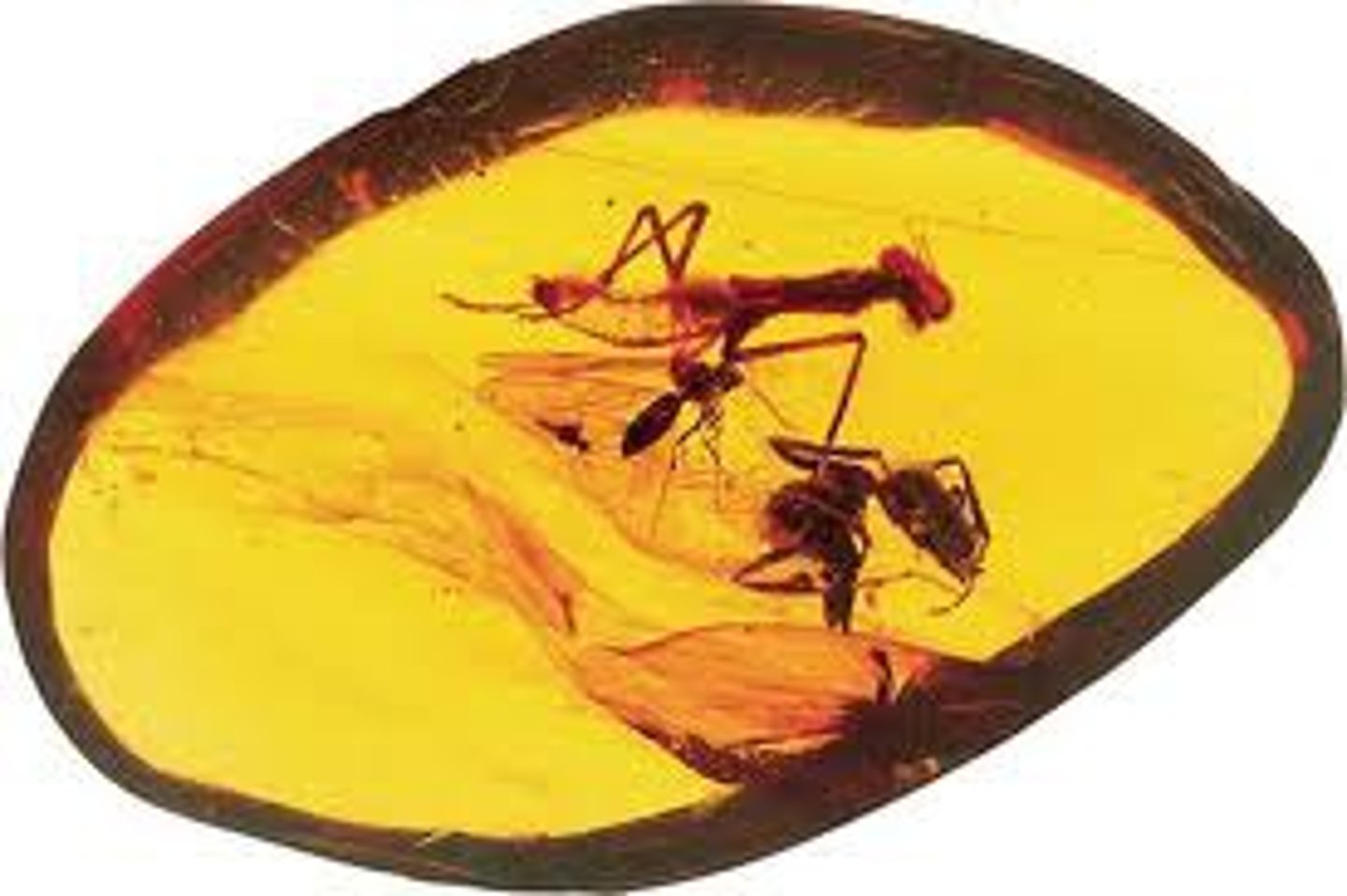
amber fossil
small organisms become trapped in tree sap and over time the sap hardens
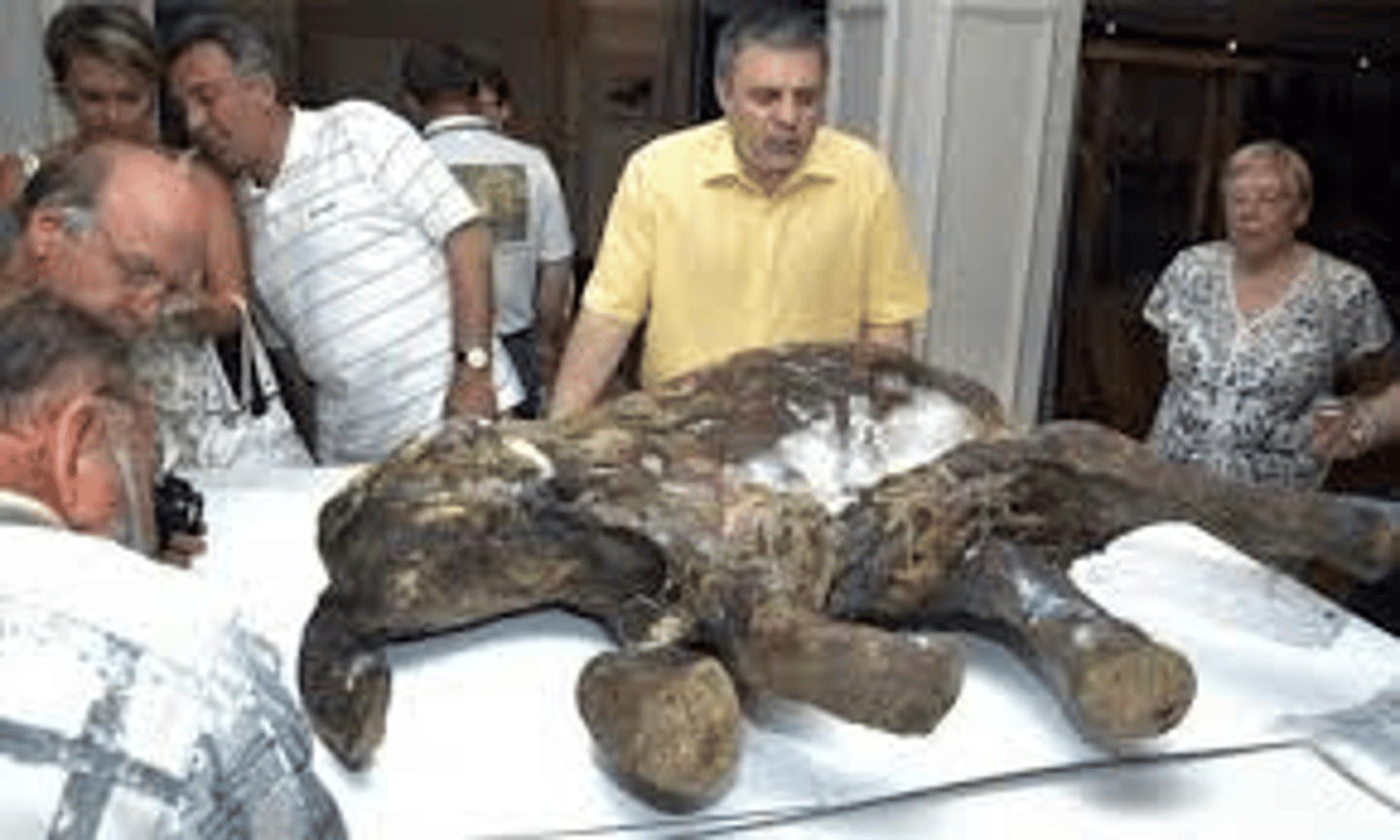
ice fossilization
organisms trapped in ice
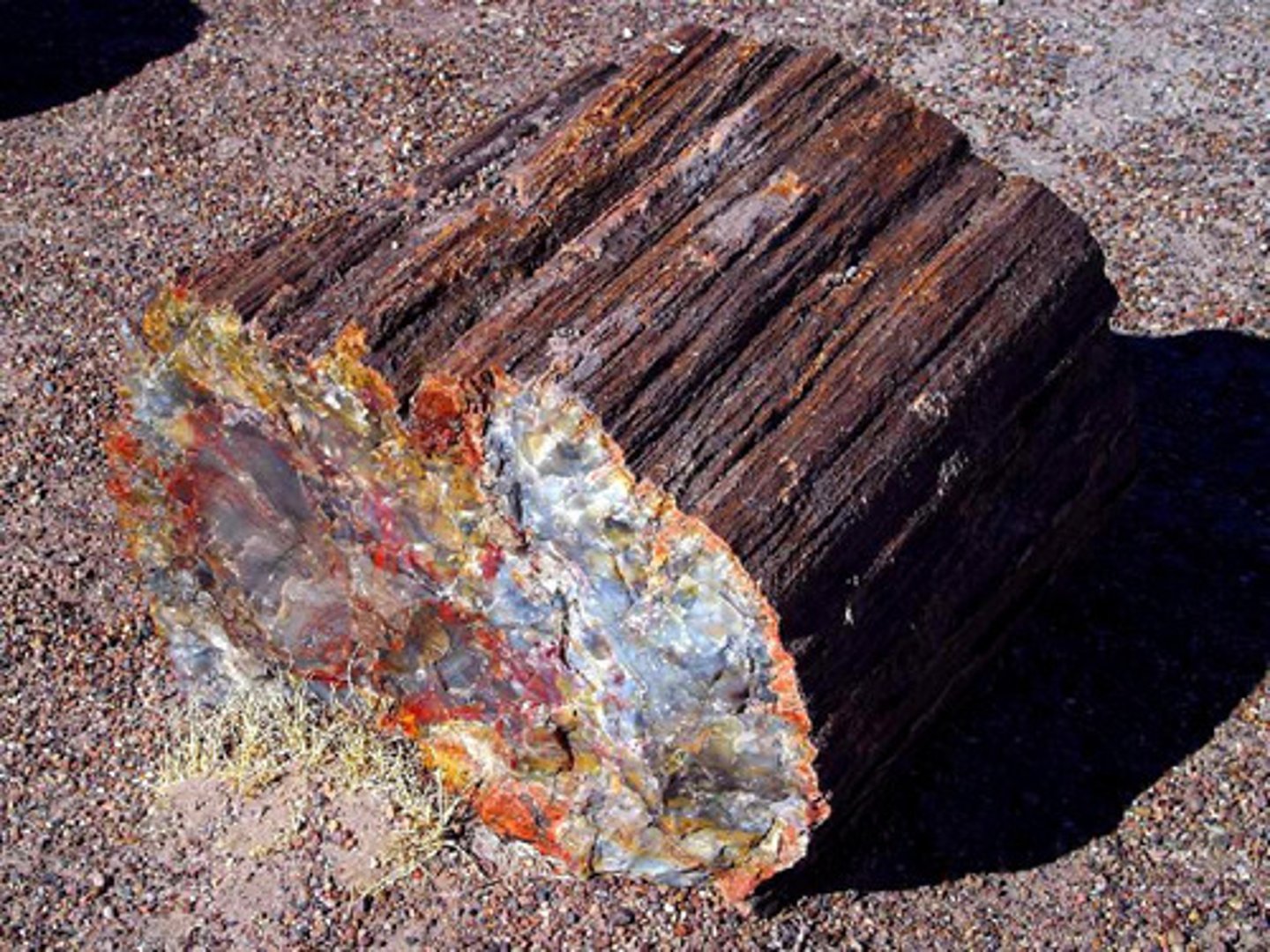
petrified fossils
fossils in which minerals replace all or part of an organism
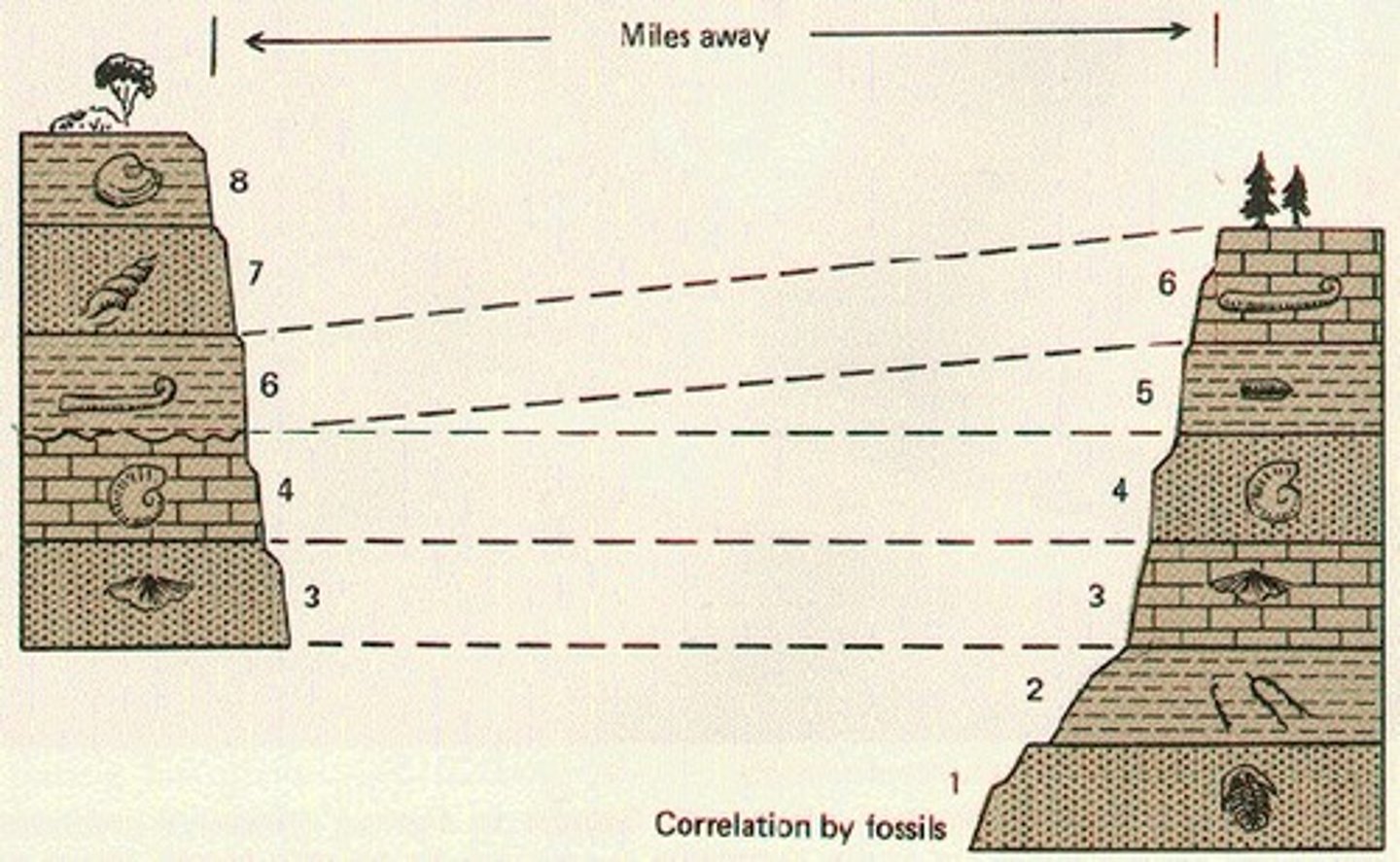
Index Fossil Correlation
Even though rock layers some distance away from each other might have a different name, if there is the same index fossil in each of those layers, it indicates that it is the SAME age rock layer.