A&P1 chapter 1 Introduction to the Human Body
 Call Kai
 Learn
Learn Practice Test
 Spaced Repetition
 Match
Match Flashcards
 Knowt Play
1/177

There's no tags or description
Looks like no tags are added yet.
Name | Mastery | Learn | Test | Matching | Spaced | Call with Kai | Chat |
|---|
No analytics yet
Send a link to your students to track their progress
178 Terms
Anatomy
the study of structure and the relationship among structures
What are the branches of Anatomy?
embryology, developmental biology, cell biology, histology, gross anatomy, systemic anatomy, regional anatomy, surface anatomy, imaging anatomy, pathological anatomy.
Embryology
The first eight weeks of development after fertilization of a human egg.
Developmental biology
The complete development of an individual from fertilization to death
Cell biology
Cellular structure and functions
Histology
Microscopic structure of tissues
Gross Anatomy
Structures that can be examined without a microscope
Systemic anatomy
Structure of specific systems of the body such as the nervous or respiratory systems.
regional anatomy
Specific regions of the body such as the nervous system or the respiratory system
Surface anatomy
Surface markings of the body to understand internal anatomy through visualization and palpation (gentle touch)
Imaging anatomy
Body structures that can be visualized with techniques such as s-rays, MRI, and CT scans
Pathological anatomy
Structural changes (gross to microscopic) associated with disease.
Neurophysiology
Functional properties of nerve cells
Endocrinology
Hormones (chemical regulators in the blood) and how they control body functions
Cardiovascular physiology
functions of the heart and blood vessels
Immunology
The body’s defenses against disease-causing agents
Respiratory physiology
Functions of the air passageways and lungs
Renal physiology
Functions of the kidneys.
Exercise physiology
Changes in cell and organ functions due to muscular activity
Pathophysiology
Functional changes associated with disease and aging
What are the branches of Physiology?
neurophysiology, endocrinology, cardiovascular physiology, immunology, respiratory physiology, renal physiology, exercise physiology, and pathophysiology
Chemical level
includes atoms, the smallest units of matter that participate in chemical reactions, and molecules, two or more atoms joined together.
Cells
the basic structural and functional units of an organism
Tissues
Consist of groups of similarly specialized cells and the substances surrounding them that usually arise from a common ancestor and perform certain special functions
Organs
structures of denote form that are composed of two or more different tissues and have specific functions
Systems
consist of related organs that have a common function
Organismal
The human organism is a collection of structurally and functionally integrated systems; any living individual
What are the eleven systems of the human body?
integumentary, skeletal, muscular, nervous, endocrine, cardiovascular, lymphatic, respiratory, digestive, unitary, and reproductive
What are the components of the Integumentary system?
Skin, hair, fingernails, toenails, sweat glands, oil glands
Integumentary system
Protects body; helps regulate body temperature; eliminates some wastes; helps make vitamin D; detects sensation such as touch, pain, warmth, and cold; stores fat and provides insulation
What are the components of the Skeletal System?
Bones, joints, and cartilages
Skeletal system
Supports and protects body; provides surface area or muscle attachments; aids body movements; houses cells that produce blood cells; stores minerals and lipids (fats)
Muscular system
Participates in body movements, such as walking; maintains posture; produces heat
What are the components of the Nervous system
Brain, spinal cord, nerves, eyes, ears
Nervous system
Generates action potentials (nerve impulses) to regulate body activities; detects changes in body’s internal and external environments, interpret changes, and responds by causing muscular contractions or glandular secretions.
What are the components to the endocrine system?
Pineal gland, hypothalamus, pituitary gland, thymus, thyroid gland, parathyroid glands, adrenal glands, pancreas, ovaries, testes
Endocrine system
Regulates body activities by releasing hormones (chemical messengers transported in blood from endocrine gland or tissue to target organ)
What are the comments of the Cardiovascular System?
Blood, heart, blood vessels
What are the comments to the Lymphatic system and Immunity?
Lymphatic fluid, vessels, spleen, thymus, lymph nodes, and tonsils
What are the cells in the Lymphatic system and Immunity that carry out immune responses?
B cells & T cells
Lymphatic system and Immunity
Returns proteins and fluid to blood; carries lipids from gastrointestinal tract to blood; contains sites of maturation and proliferation of B cells and T cells that protect against disease-causing microbes.
Proliferation
the rapid and repeated increase in the number of cells through orderly cell division
Maturation
The biological process where cells, tissues, organs, and the body systems progress toward a fully developed and functional adult state.
What are the components of the Respiratory System?
Lungs, Pharynx (throat), larynx (voice box), trachea(windpipe), Bronchial tubes
what body part is the Pharynx?
Throat
What body part is the Larynx?
Voice box
What body part is the Trachea?
Windpipe
Respiratory System
Transfers oxygen from inhaled air to blood and carbon dioxide from blood to exhaled air; helps regulate acid-base balance of body fluids; air flowing out of lungs through vocal cords produces sounds
What are the components of the Digestive System?
Mouth, Pharynx (throat), esophagus (food tube), stomach, small and large intestines, salivary glands, liver, gallbladder, and pancreas.
What body part is the esophagus?
Food tube
What organs in the Digestive system assist in the Digestive Process?
Salivary glands, Liver, Gallbladder, and Pancreas
Digestive System
Achieves physical and chemical breakdown of food; absorbs nutrients; eliminates solid waste
What are the components of the Urinary system?
kidney, Ureters, Urinary Bladder, and urethra
Urinary System
Produces, stores, and eliminates urine; eliminates wastes and regulates volume and chemical composition of blood; helps maintain the acid-base balance of body fluids; maintains body’s mineral balance; helps regulate production of red blood cells
What are the components of the Reproductive System?
Gonads (testes in males and ovaries in females), uterine tubes (fallopian tubes), uterus, vagina, and mammary glands in females and epidermis, ductus deferens, seminal vesicles, prostate, and penis in males.
What are the components in the Female Reproductive System?
Mammary gland, Uterine tube, Uterus, Ovary, Vagina.
What are the components in the Male Reproductive System?
Penis, Testis, Ductus deferens, Seminal vesicle, Prostate, Epididymis
What is Palpation , Auscultation, and Percussion used for?
To access certain aspects of body structure and function
Palpation
The examiner feels body surface with the hands; an example would be pulse and heart rate determination
Auscultation
The examiner listens to body sounds to evaluate the functioning of certain organs, as in listening to the lungs or heart.
Percussion
The examiner taps on the body surface with the fingertips and listens to the resulting echo
What are the six characteristics that all living this have?
Metabolism, Responsiveness, Movement, Growth, Differentiation, and Reproduction
Metabolism
the sum of all chemical process that occur in the body, including catabolism and anabolism
Responsiveness
is the ability to detect and respond to changes in the external or internal environment
Movement
includes motion of the whole body individual organs, single, single cells, or even organelles inside cells
Growth
refers to an increase in size and complexity, due to an increase in the number of cells, size of cells, or both
Differentiation
is the change in a cell from an unspecialized state to a specialized state
Reproduction
refers either to the formation of new cells for growth, repair, or replacement, or the production of a new individual.
Homeostasis
a condition of equilibrium, or balance, in the body’s internal environment
What body systems is Homeostasis regulated by?
Nervous system and endocrine system
Homeostasis: The Nervous System
detects changes and sends nerve impulses to counteract the disruption
Homeostasis: Endocrine system
Regulates hemostasis by secreting hormones
Feedback system
cycle of events in which information about the status of a condition is continually monitored and fed back (reported) to a central control region
Stimulus
Any disruption that changes a controlled condition
Receptor
moniter changes in a controlled condition and sends input, in the form of nerve impulses or chemical signals, to a control center
Control center
sets the range of values within which a controlled condition should be maintained evaluates the input it receives from receptors, and generates output commands when they are needed.
Effector
body structure that receives output from the control center and produces a response or effect that changes the controlled condition
If a response reverses the original stimulus, the system is a
negative feedback system
If a response enhances the original stimulus, the system is a
positive feedback system
Epidemiology
deals with how diseases are transmitted among individual
Pharmacology
is the science that deal with the effects and uses of drugs in treatment
If the body is lying face down it is in
prone position
If the body is lying face up it is in
Supine position
What body part is the Cranial?
Skull
What body part is the Facial?
Face
What body part is the Frontal?
Forehead
What body part is the Temporal?
Temple
What body part is the Orbital or Ocular?
Eye
What body part is the Otic?
Ear
What body part is the Buccal?
Cheek
What body part is the Nasal?
Nose
What body part is the Oral?
Mouth

What body part is the Mental?
Chin
What body part is the Sternal?
Breastbone
What body part is the Axillary?
Armpit
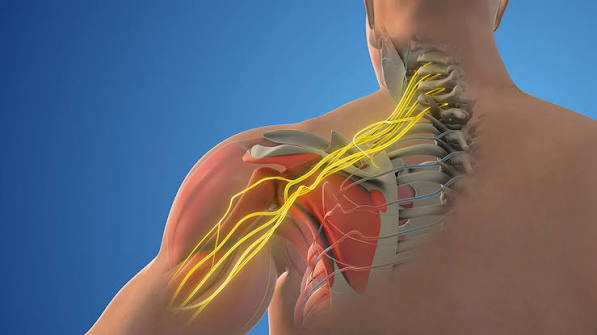
What body part is the Brachial?
Arm
What body part is the Antecubital?
Front of the elbow
What body part is the Antebrachial?
Forearm
What body part is the Carpal?
Wrist
What body part is the Palmar or Volar?
Palm