Chapter 22 Immune System and the Body's Defense, A & P Chapter 22: Immune System and the Body's Defense
 Call Kai
 Learn
Learn Practice Test
 Spaced Repetition
 Match
Match Flashcards
 Knowt Play
1/228

There's no tags or description
Looks like no tags are added yet.
Name | Mastery | Learn | Test | Matching | Spaced | Call with Kai | Chat |
|---|
No analytics yet
Send a link to your students to track their progress
229 Terms
Identify the immune cell that secretes cytotoxic chemicals (i.e. perforin)
Natural killer cell (NK)
What are 3 antimicrobial substances released by the skin and mucous membranes?
Lysozyme, Sebum, Immunoglobulin A
What is the order of events of inflammation?
1. Release of chemicals
2. Vasodilation
3. Recruitment of immune cells
4. Delivery of plasma proteins
Identify the class of immunoglobulin that is found in mucus, saliva, tears, and breast milk
IgA
When you get a flu shot, you are receiving a(n) _______, an infection of weakened flu virus or virus particles.
Vaccine
What destroys infected cells via apoptosis
Cytotoxic T cell
What produces antibodies
Plasma cell
What releases interleukins and cytokines to stimulate other cells
Helper T cell
What are phagocytes
Macrophages, Neutrophils, Dendritic cells,
B-lymphocytes and T-Lymphocytes identify pathogenic organisms by recognizing their?
Antigens
Lymphocytes are testes to see if they are immunocompetent in the bone marrow and _______ gland.
Thymus
What cells produce histamine and heparin
Basophils, Mast cells
Vaccines provide a type of adaptive immunity called
Artificially acquired active immunity
T/F: Nonpathogenic microorganisms reside on the skin of healthy individuals.
True (The microorganisms are called the normal flora. They help the growth of pathogenic organisms)
What is true regarding active immunity?
1. Active Immunity may result from direct exposure to an antigen.
2. Active Immunity includes the development of memory cells.
What is the order of events of activation of a T helper cell.
1. APC engulfs antigen and presents it on an MHC class II molecule.
2. Helper T cell binds APC
3. Helper T cell secretes IL-2
4. Helper T cell proliferates
What immune system cell is associated with allergies and asthma?
Eosinophils
Antibody concentration in the blood is also known as antibody
Titer
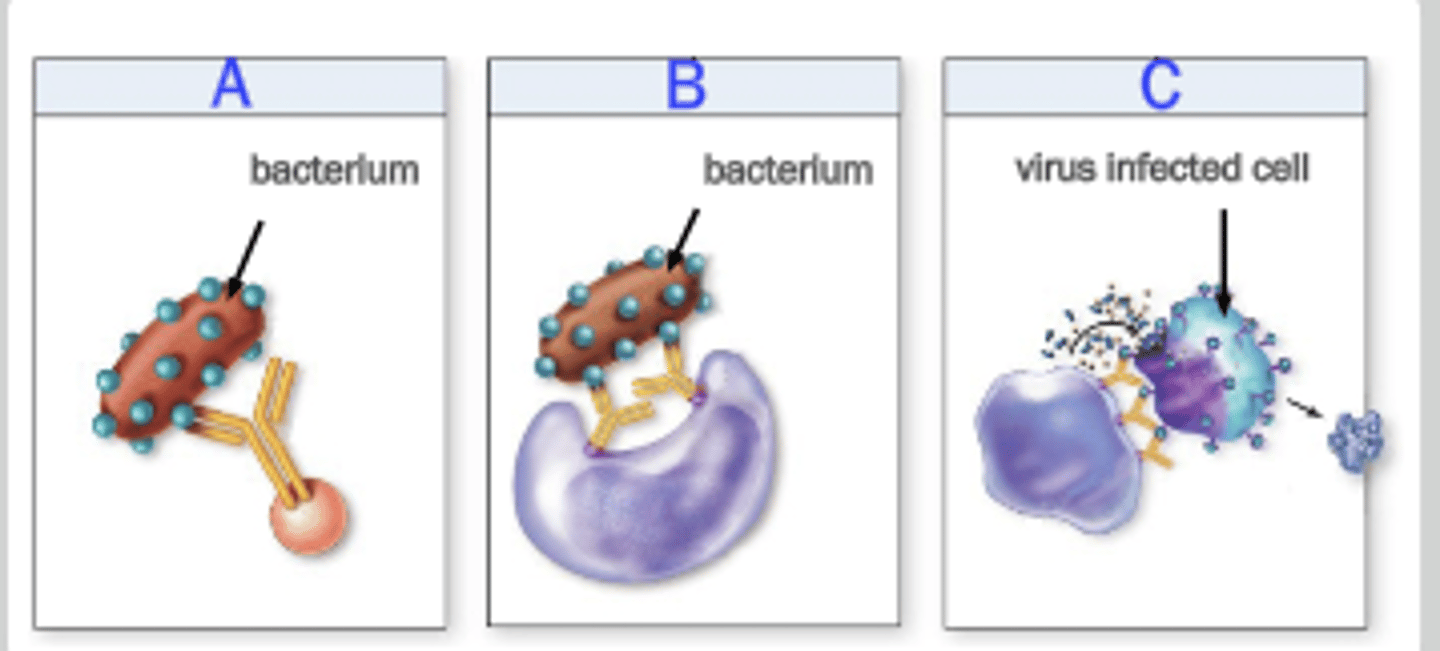
Identify each anitbody function
A: Complement fixation
B: Opsonization
C: Activation of NK cells
What is true of IgG
1. It can cross the placenta
2. Predominant antibody in the blood.
3. It can neutralize snake venom
What immunoglobulin has a half life in blood of 23 days?
IgG
Creutzfeldt-Jakob disease is caused by prions. It is also called?
Mad cow disease
Identify the signs/symptoms of inflammation
Pain, swelling, redness, heat
When the body fails to distinguish between foreign antigens and self-antigens ________ disorder occur
Immune
Immunoglobulin E (IgE) is involved in
Acute hypersensitivities
What are lymphatic tissues?
Spleen, lymph nodes, tonsils
What is the phase order of an acute hypersensitivity reaction?
1. Sensitization phase
2. Activation phase
3. Effector phase
The antibody titer is a measure of the concentration of a specific antibody in the _______.
Circulating blood
Immunity obtained from another individual is called ______ immunity
Acquired
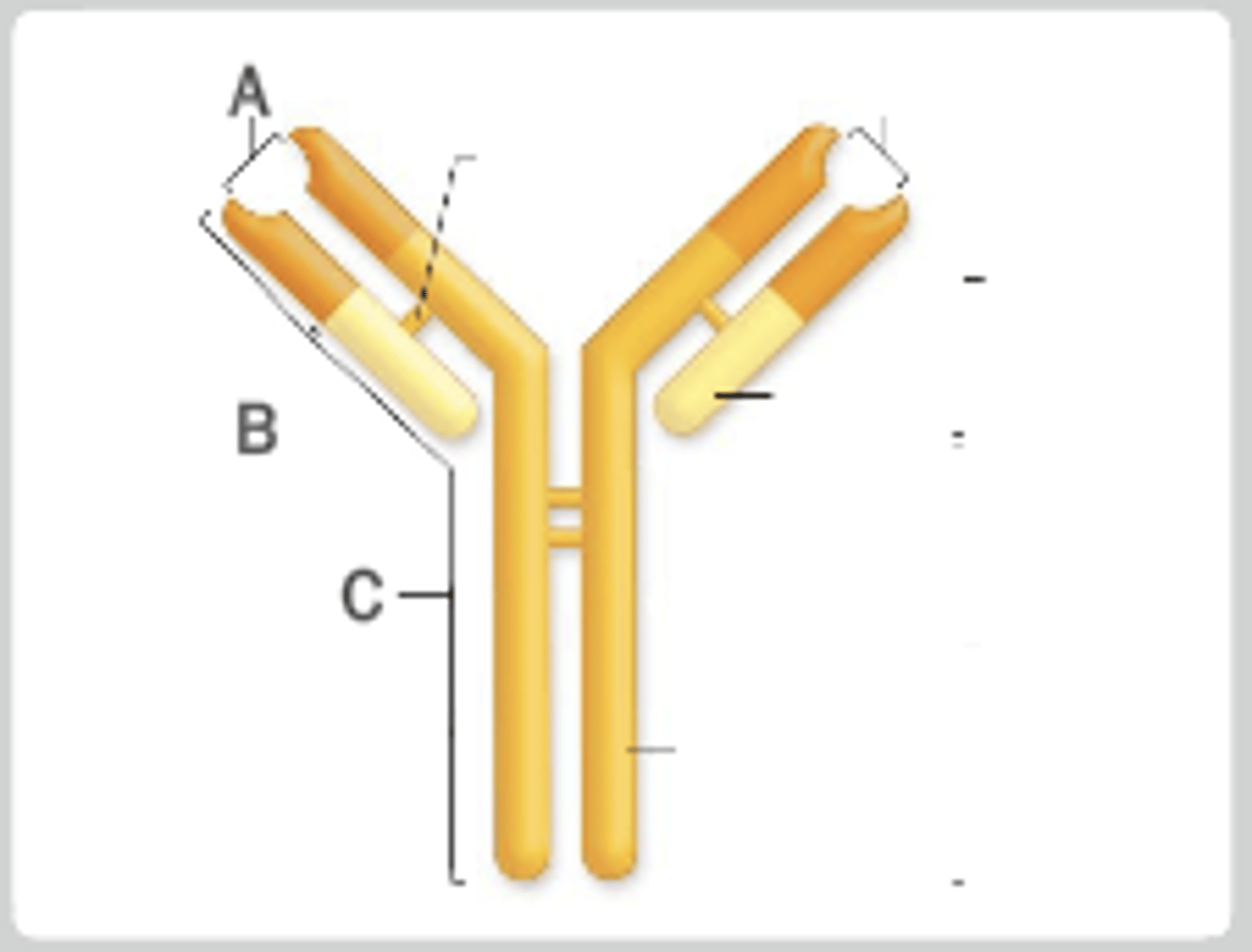
Identify the parts of the antibody pictured
A: Antigen-binding site
B: Variable region
c: Constant region
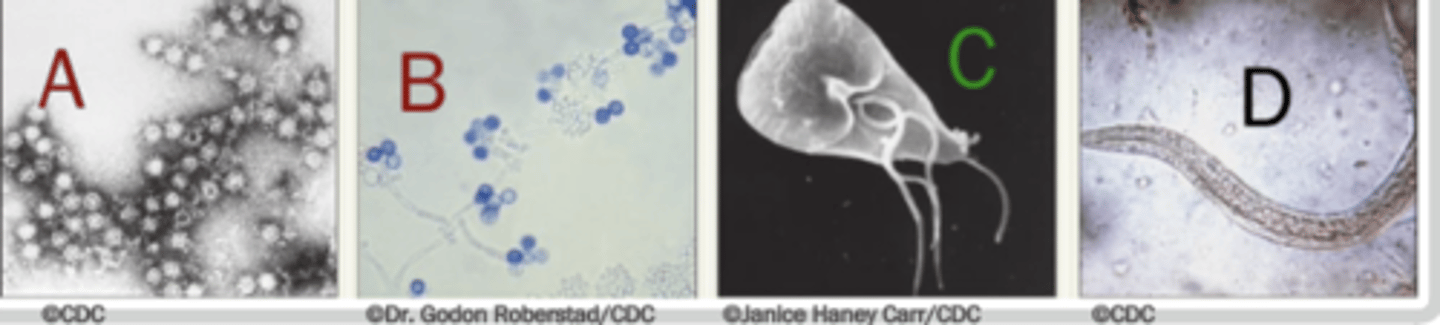
What are the five major categories of infectious agents?
1. Multicellular parasites
2. Bacteria
3. Viruses
4. Protozoans
5. Fungi
Identify the multicellular parasite
D
The three types of granulocytes are
Basophils, eosinophils, neutrophils
What are the benefits of fever
Promotion of interferon activity
Inhibition bacteria reproduction
Accelerated tissue repair
Viruses must enter a cell to reproduce. They are called
Obligate intracellular parasites
Inflammation decreases and tissue healing usually begins within ______ hours after injury
72 hours (3 days)
What are two characteristics of bacteria
1-2 micrometers in size
Single-celled organism
What is the order of B cell activation?
1. B cell bings free antigen
2. B cell engulfs antigen and presents it to a T helper cell.
3. Activated helper T cell releases IL-4
4. B cell proliferates
Malaria is an example of a disease caused by
Protozoans
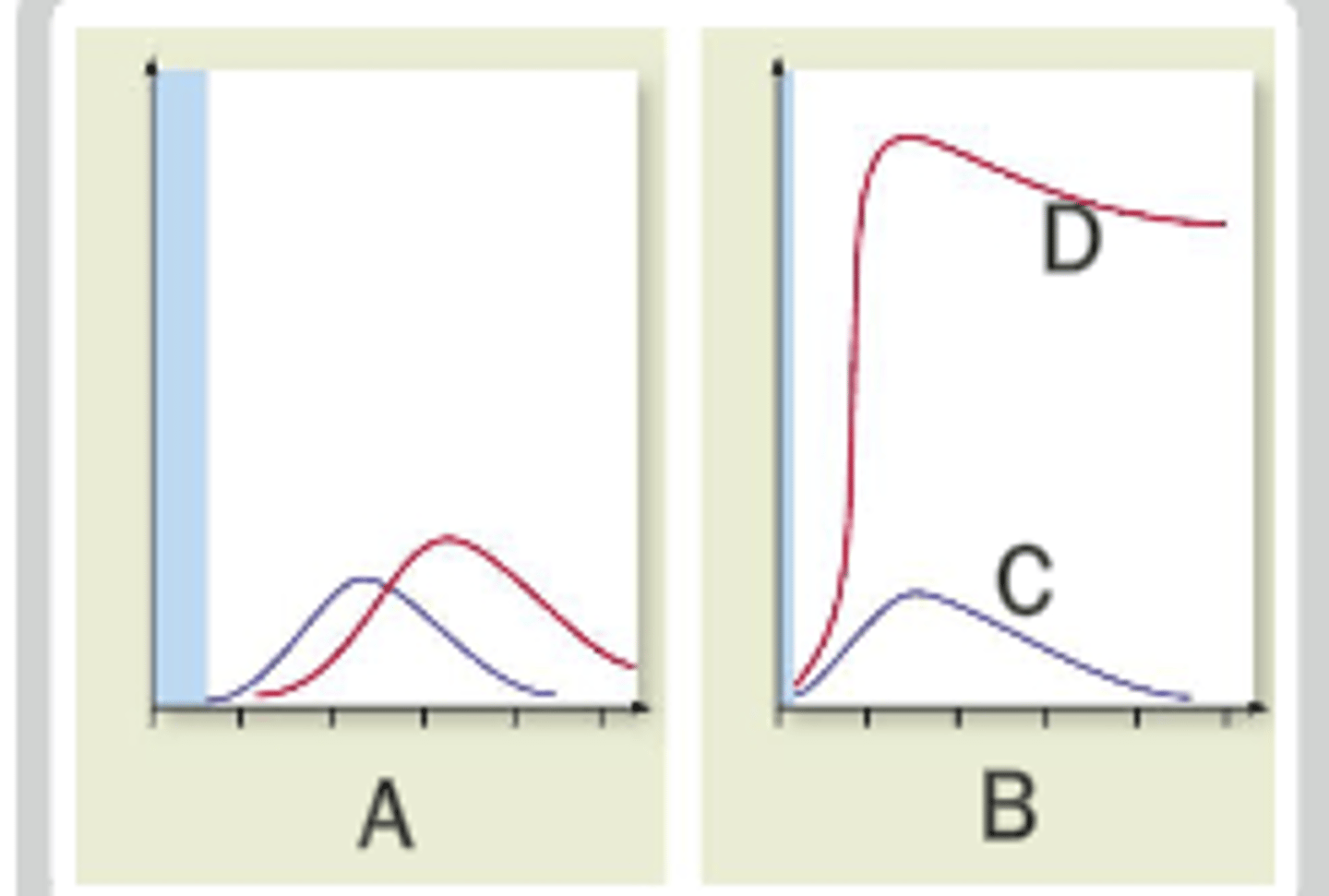
Identify each of the following in the picutre
A: Primary response
B: Secondary response
C: IgM
D: IgG
What class of immunoglobulin is most effective at causing agglutination of cells and binding complement
IgM
Hepatitis vaccination often require more than one injection because
Memory B cells have a set life span
What are the antigen-presenting cells
Dendritic cells, lymphocytes, Macrophages
The secondary response of immunologic memory is often called the memory response or _________
Anamnestic response
What are examples of antimicrobial proteins of the innate immune system?
Interferons and complement
Pyrexia is the presence of
Fever
Antibody-mediated immunity is also called ______ immunity
Humoral
The complement system is usually activated in one of two ways. The _______ pathway occurs when a bacteria of fungus binds directly to the complement protein
Alternative
What components are required for the process of class switching to occur?
Cytokines
CD40 surface protein
CD154 protein
Opsonization is the binding of a protein to a portion of bacteria. The binding protein, such as an anitbody, is called
Opsonin
Innate immunity is
nonspecific
High fever can cause
Denaturation of proteins
Seizures
Death
Irreversible brain damage
What cell becomes an epidermal dendritic cell
Monocyte
Which leukocyte is most prevalent in blood?
Neutrophils
Which class of immunoglobulin is usually a pentamer found mostly in blood
IgM
What factors affect an antigen's immunogenicity
Size
Complexity
What class of immunoglobulin causes the release of histamine from basophils and mast cells
IgE
A Y-shaped immunoglobulin molecule is made of four polypeptide chains and referred to as ______ monomer
Antibody
Small proteins called ______ serve as a means of communication between immune system cells
Cytokines
Natural killer cells are able to detect unhealthy cells. This process is called ______ surveillance.
Immune
Pyrogens target the
Hypothalamus
What class of immunoglobulin is usually formed in response to allergic reactions and parasitic infections
IgE
Mold and yeasts are types of
Fungi
Antibodies are
Immunoglobulins
Standing in the elevator, someone sneezes on you infecting you with a new rhinovirus. However, it then takes 3-6 days until you produce antibodies because of the ______ phase.
Latent
A class of cytokines released from leukocytes are called ______, also referred to as IFN
Interferons
Acquired immunity is also called
Adaptive immunity
When antibodies clump together viral particles, they become insoluble, or ______
Precipitated
Activated helper T cells are required to activate what?
B Cells
Cytotoxic T cells
A membrane attack complex is the name for a ________.
Protein channel
What is the process in which cells migrate along a chemical gradient, attracting immune system cells.
Chemotaxis
nonspecific immunity is another name for
Innate immunity
activated cytotoxic T cells destroy foreign or infected cells using ______.
Perforins
Granzymes
Cell-mediated immunity is a type of _____ immunity
Adaptive immunity
Activated helper T cells release _______ and ______ to stimulate other immune cells?
Interleukins
Cytokines
T-lymphocytes originate in
Red bone marrow
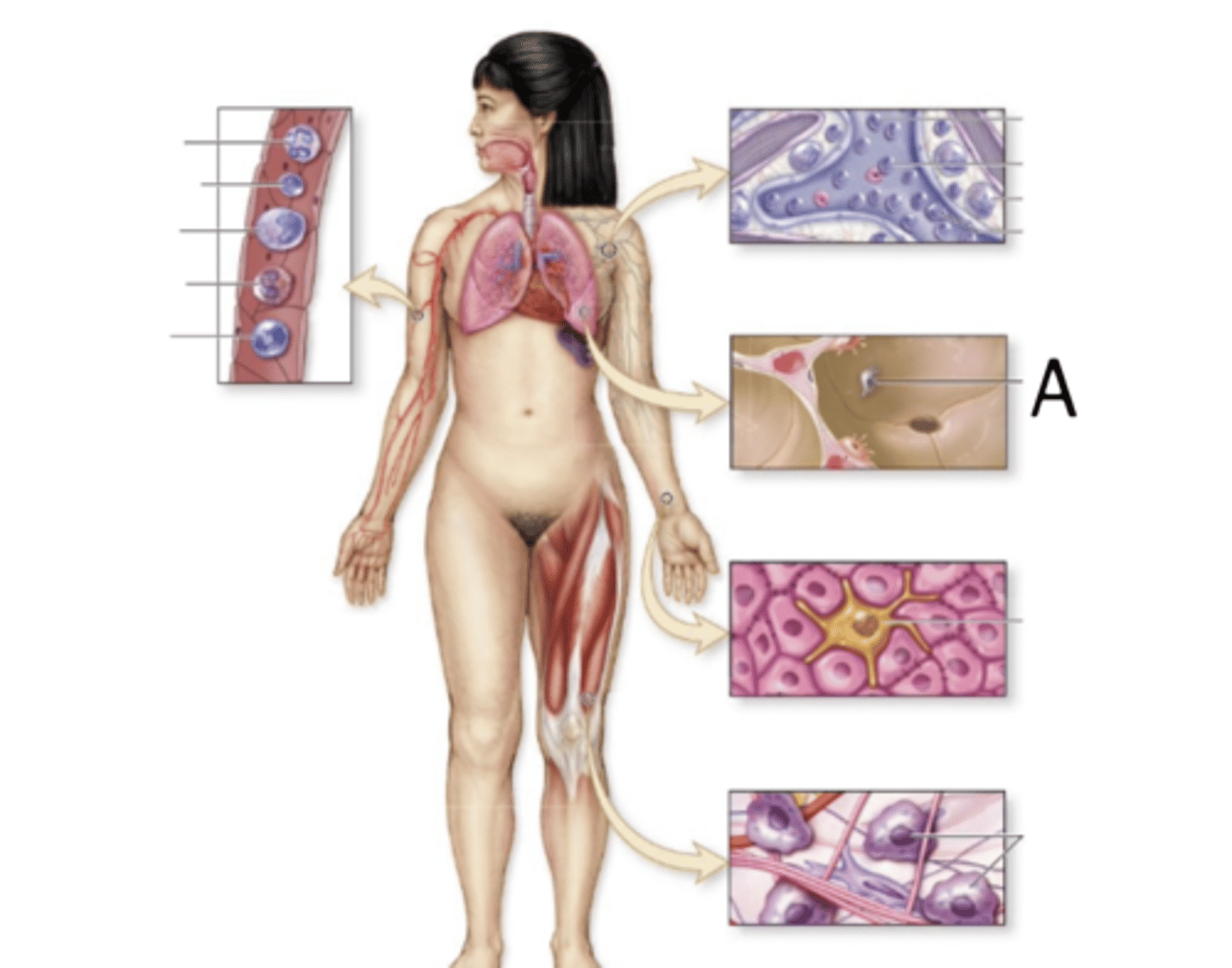
Letter A is a picture of cells called the alveolar _______ of the lungs
Macrophages
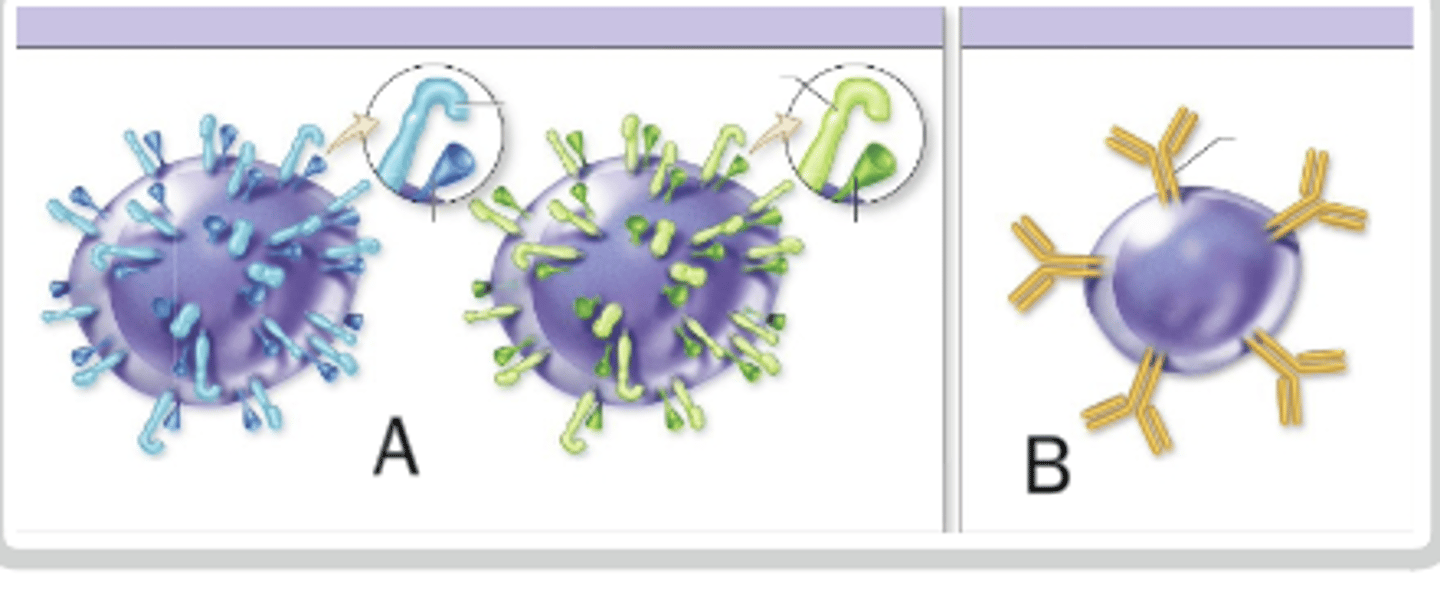
Activated B-lymphocytes differentiate into _____ cells that produce antibodies
Plasma
Which represents a T-lymphocyte
A
T/F: Acid is produced by the digestive and reproductive systems, aiding the immune system.
True
CD8 cells are also called
Cytotoxic T-cells
What is the waxy secretion secreted by the external auditory meatus that may trap microbes
Cerumen
Along with direct contact between the plasma cell and a helper T-lymphocyte, specific type of ________ released from the helper T-lymphocyte is necessary for class switching.
Cytokines
_____ are hair-like extensions of plasma membranes that in the respiratory system, function to sweep mucus upward so that it can be expectorated or swallowed
Cilia
Lymphocytes are tested to see that they do not bing to any self-antigens. This test is called ______.
Negative selection
The second time you are exposed to the identical antigen, you produce more antibodies more quickly because ____
Of the presence of memory B cells
Acitvated B-lymphocytes that do not become plasma cells, become
Memory B-Lymphocytes
What enzyme attacks the cell wall of some gram-positive bacteria
Lysozyme
What skin secretion contains lactic acid and fatty acids?
Sebaceous gland secretions
Certain areas of the body actively prevent access to immune cells. This areas are said to have
Immune privilege
The complement system is made of 30 differnt
Proteins
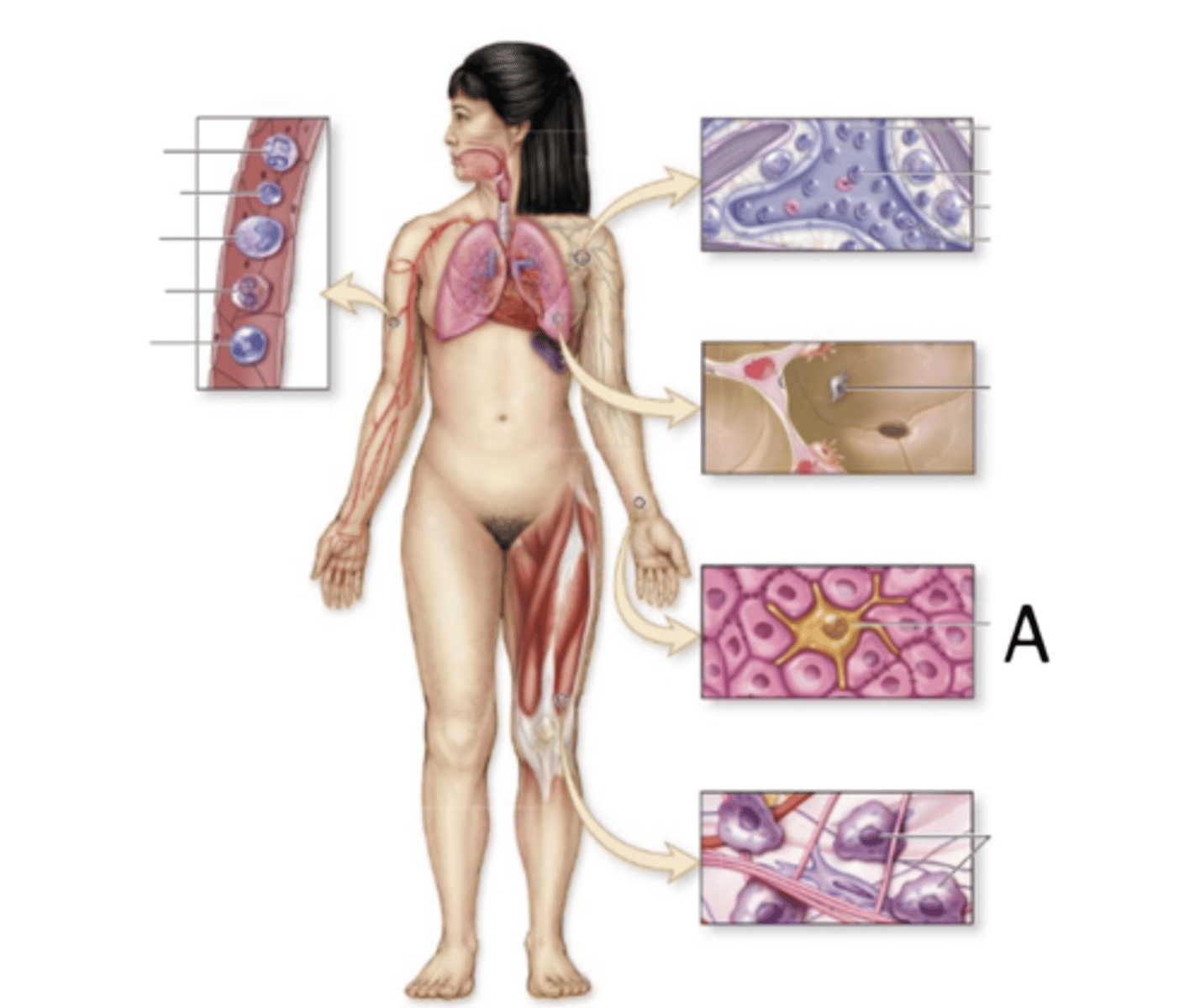
Letter A is a picture of a dendritic cell. Dendritic cells are found in the
Epithelial
The process in which leukocytes tightly adhere to capillaries
Margination
The ability of a plasma cell to produce a different type of antibody, class switching, requires direct contact between the plasma cell and ____.
Helper T-Lymphocytes
Lymphocytes do not stay in secondary lymph structures permanently but move out after several days. This process is referred to as
Lymphocyte recirculation
Where are complement proteins synthesized
The liver
Positive selection tests to see if the ______ of a T-lymphocyte can recognize and bind to an MHC molecule
TCR
The region of the antibody that binds to the antigen is the _____ region
Variable
The ________ _______ ________ molecules must match as closely as possible to prevent rejection of the donor organs in an organ transplant
Major histocompatibility complex
What is the half life of IgA in blood?
5.5 days