Our Call to Evangelize - Unit 5: Catholic Apologetics - Authority
 Call Kai
 Learn
Learn Practice Test
 Spaced Repetition
 Match
Match Flashcards
 Knowt Play
1/28

There's no tags or description
Looks like no tags are added yet.
Name | Mastery | Learn | Test | Matching | Spaced | Call with Kai | Chat |
|---|
No analytics yet
Send a link to your students to track their progress
29 Terms
Catholic Apologetics
The highest level of apologetics in which one seeks the true church Christ established. Its main audience includes non-Catholic Christians (i.e. Protestants and Orthodox) and it uses Scripture, Tradition, and reason.
Church (definition of)
The visible and spiritual body of Christ in which believers are called to join. Christ didn't end religion but sought to fulfill it.
Four Marks of the Church
One, Holy, Catholic, and Apostolic. They are biblical and part of Sacred Tradition after being formally defined at the Council of Constantinople (381 AD)
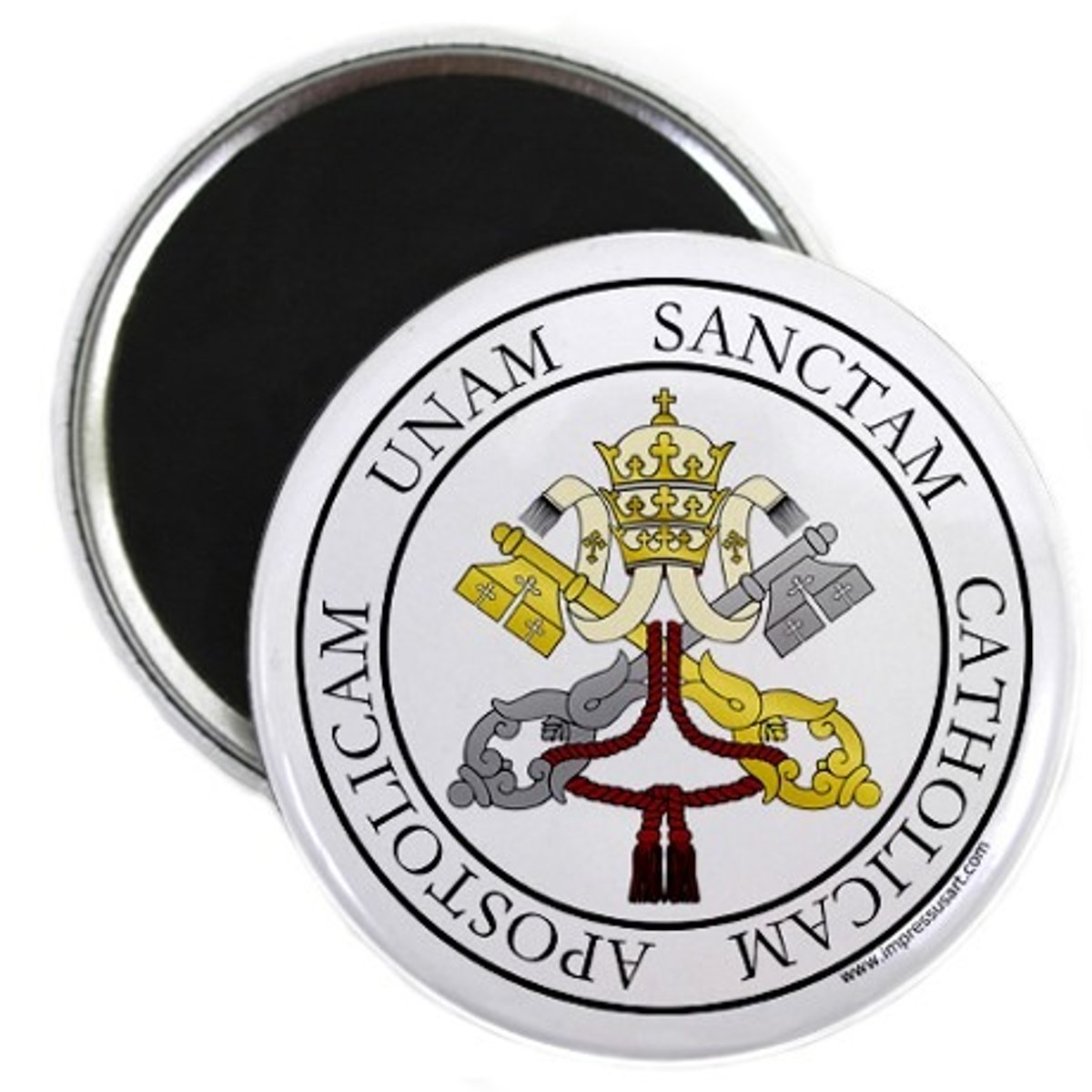
The Four Marks connection w/ the Catholic Church
1) One: infallible pope and common faith, 2) Holy: through its founder, means of salvation, and holiness/miracles of its saints, etc, 3) Catholic: largest and most widespread church meant for all people, 4) Apostolic: Apostolic foundation, succession, and Tradition.
Visible, Infallible, Perpetual
The Church is visible through its earthly members, infallible and perpetual through Christ's promise to guide it in the truth to the end of time (Mt. 28:20). (VIP).
Ecumenism
The respectful interaction/dialogue of Catholics and non-Catholic Christians in mutual search for truth and unity.
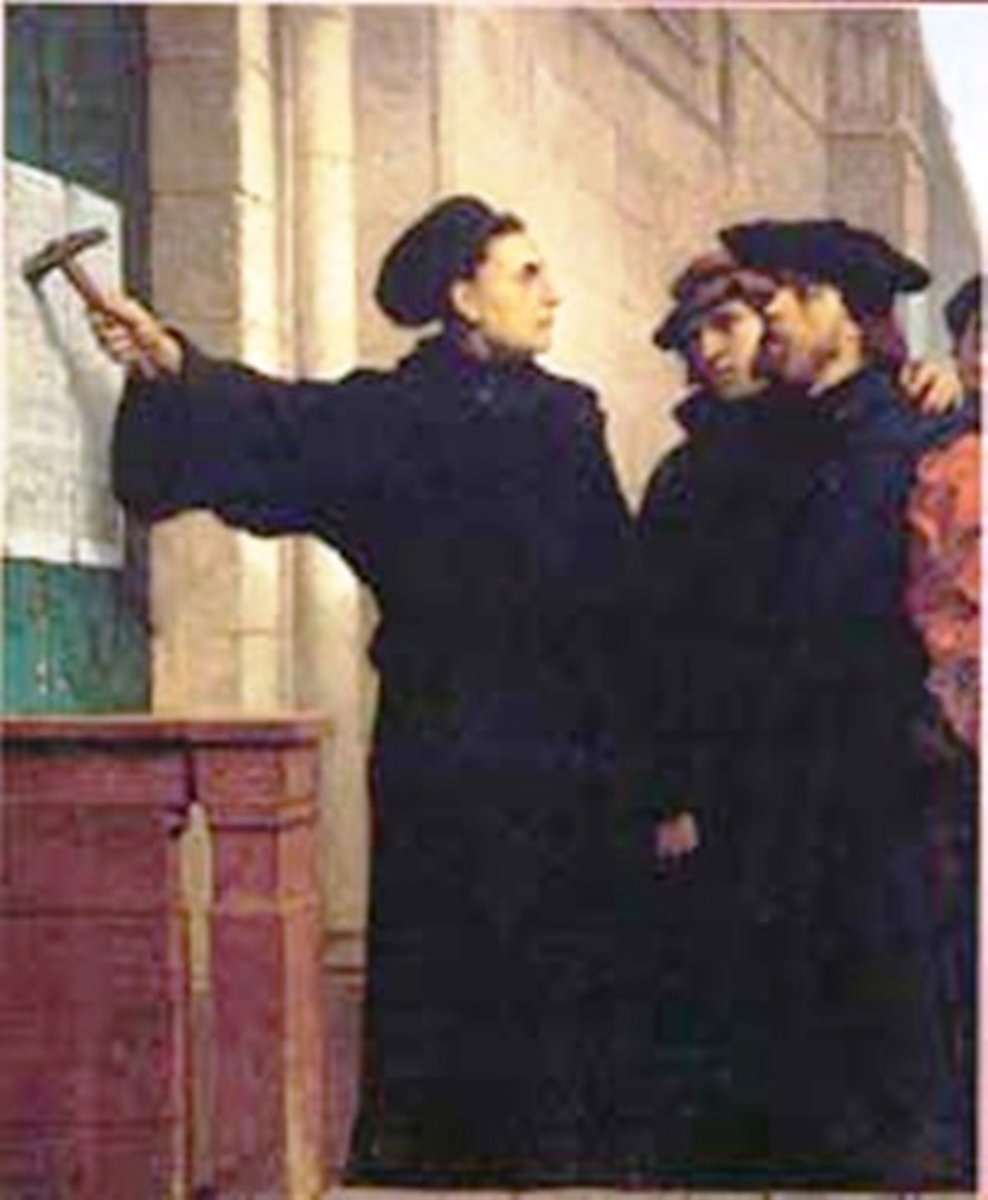
Protestant Revolution/Reformation
The division of the Catholic Church that took place in the 1500s. It has led to the creation of a great number of Christian denominations.
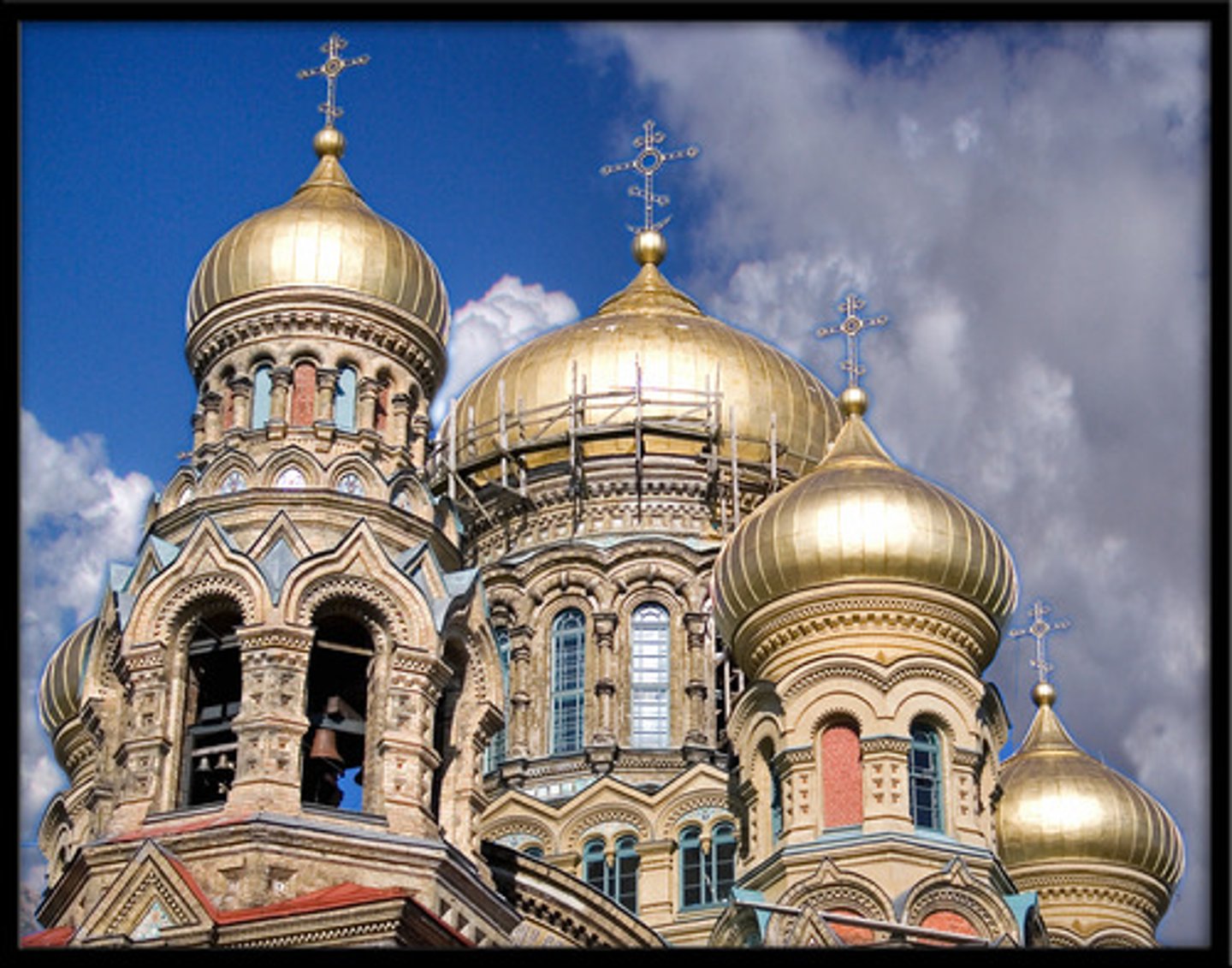
Eastern Orthodox Church
The most similar version of Christianity with Catholicism. The only truly significant difference is that this version of Christianity downplays papal primacy.
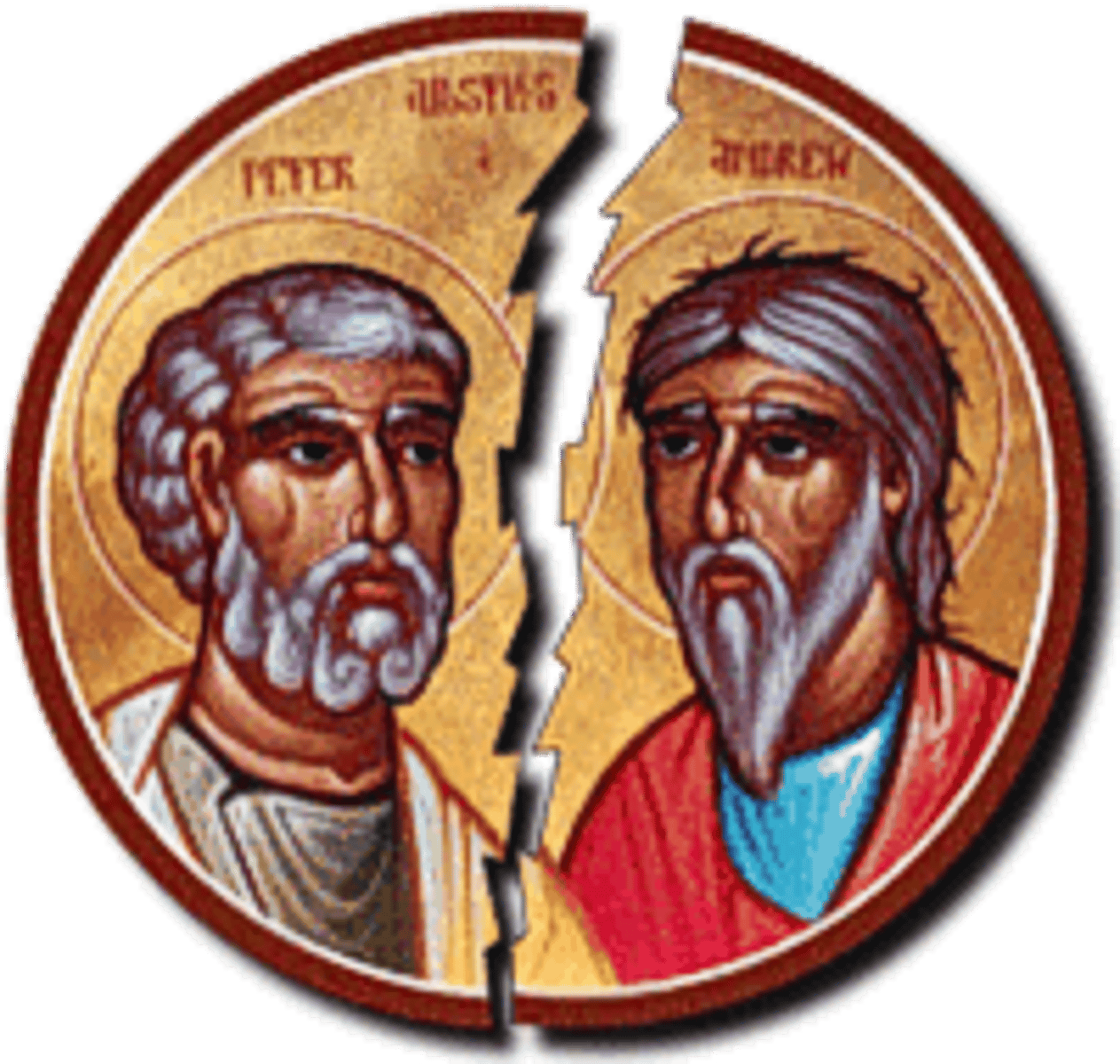
The Great Schism
The split between the Roman Catholic Church and the Eastern Orthodoxy in 1054 AD primarily over papal primacy.
Luther, Calvin, Zwingli, King Henry VIII
Key Protestant Reformers who rejected Papal authority. The first three did so on the basis of Sola Scriptura while the last did so on the desire to "nationalize" the church (i.e. control both church and state).
Great Apostasy
The belief that the church Christ established completely failed. Catholics reject this theory since Christ promised to guide His Church to the end of the age (Mt. 28:20) and He is trustworthy since He is God. It is also difficult to prove when exactly such a falling-away of Christ's took place historically.
Development of Doctrine
Growth in the understanding of God's revelation, which manifests itself over time throughout the history of the Church. Thus, the Church is like any organism that grows over time while maintaining its core.
Deposit of Faith
The truths of the Catholic faith contained in Scripture and Tradition and entrusted to the Church.
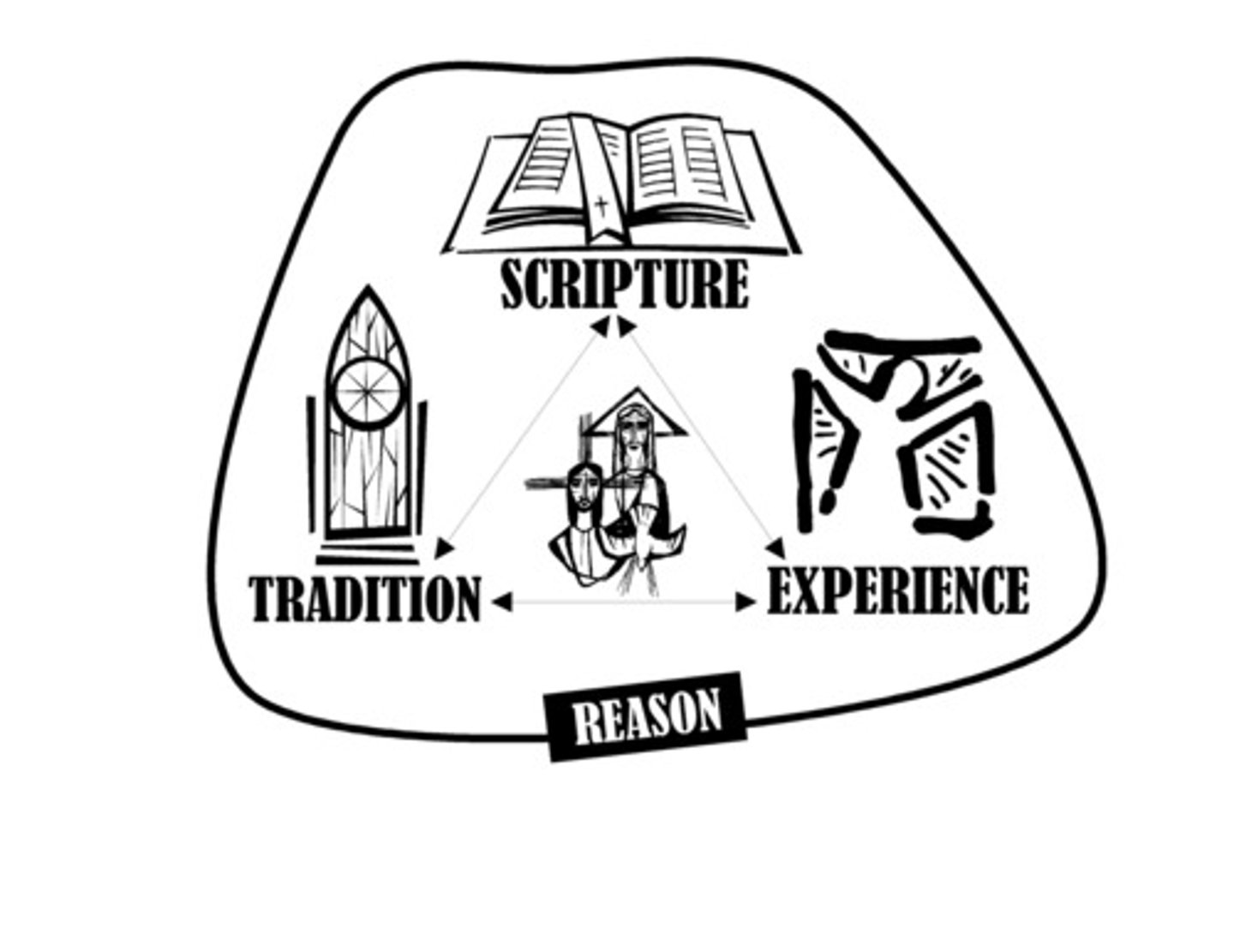
Magisterium
The teaching office of the Church consisting of the pope and bishops united with him. It interprets Scripture and Tradition and can speak infallibly on faith and morals.
Scripture
The inerrant, inspired written Word of God and story of salvation history written by human authors entrusted to the Church
Spiral Argument
Catholics believe in biblical inerrancy and inspiration primarily because it is taught to be true by the Church which was established by Christ who is God in the flesh. Thus, the authority descends from God to Christ to the Church.
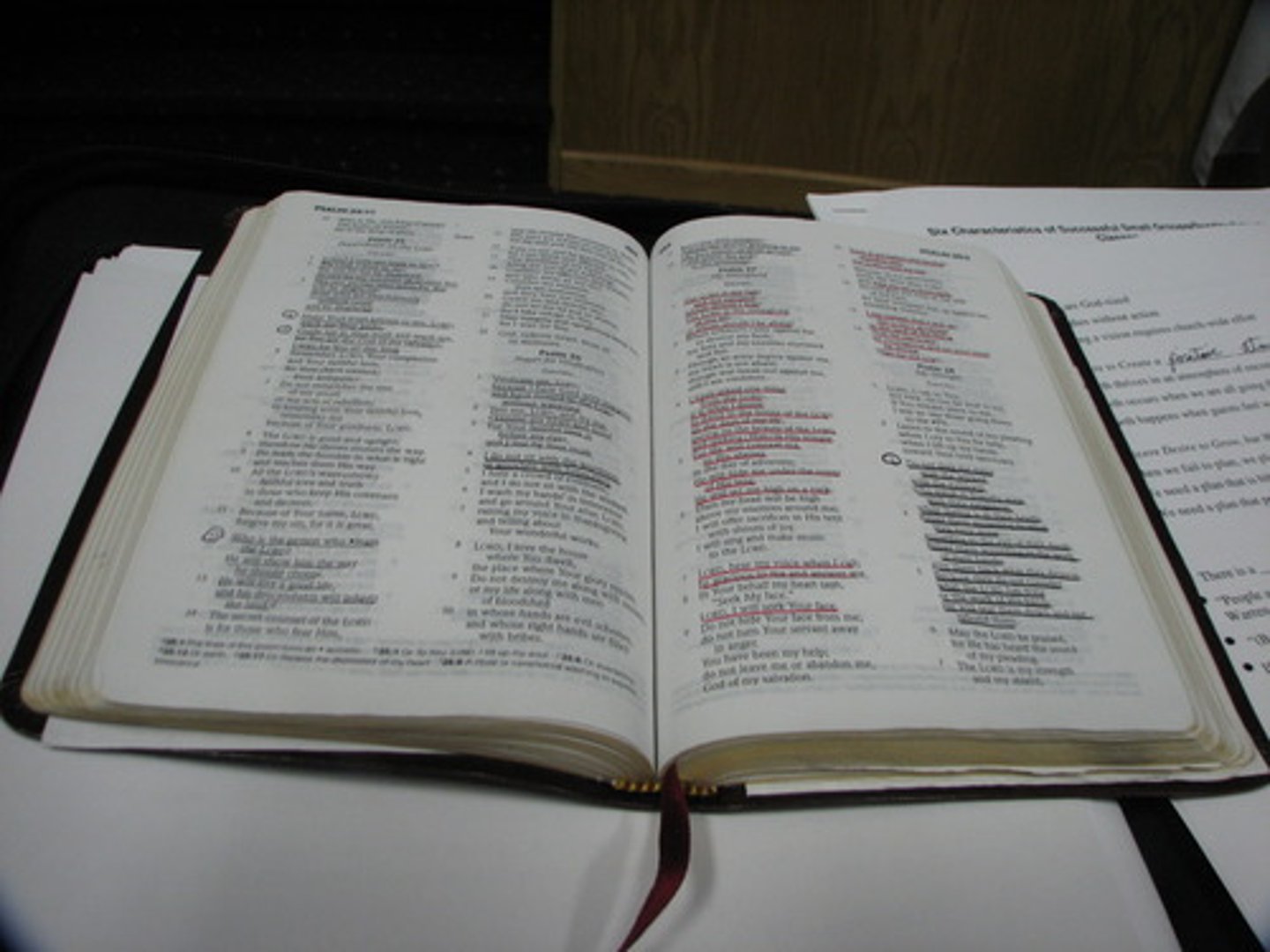
Sola Scriptura (definition)
The belief that Scripture is the sole authoritative rule of faith for Christians
Sola Scriptura (problems of)
1) unbiblical, 2) unhistorical, 3) unworkable to unity Christ desired (this is clear from all of the divisions in Protestantism), 4) Canon Problem: the bible never came w/ table of contents and its books were determined by the Church.
Sacred Tradition
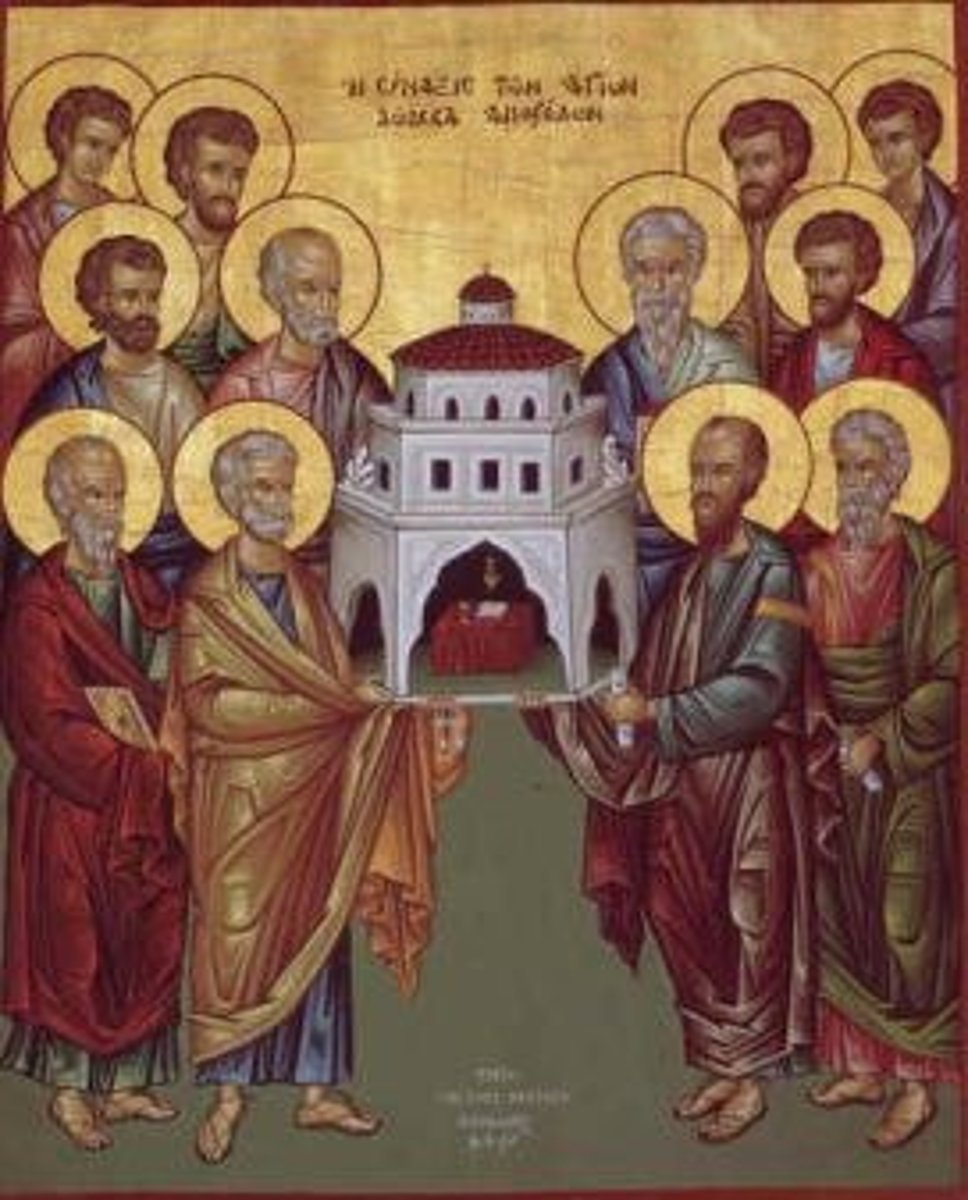
The truth of Christ handed down from the apostles without alteration by the Church. Tradition is distinct from Scripture, of equal authority with it, inerrant, unchanging, and binding on believers.
Human Tradition
Customs of the Catholic Church (usually cultural or preferential) that are helpful but can change. Jesus warned against putting this kind of tradition before the commands of God.
Papal Primacy
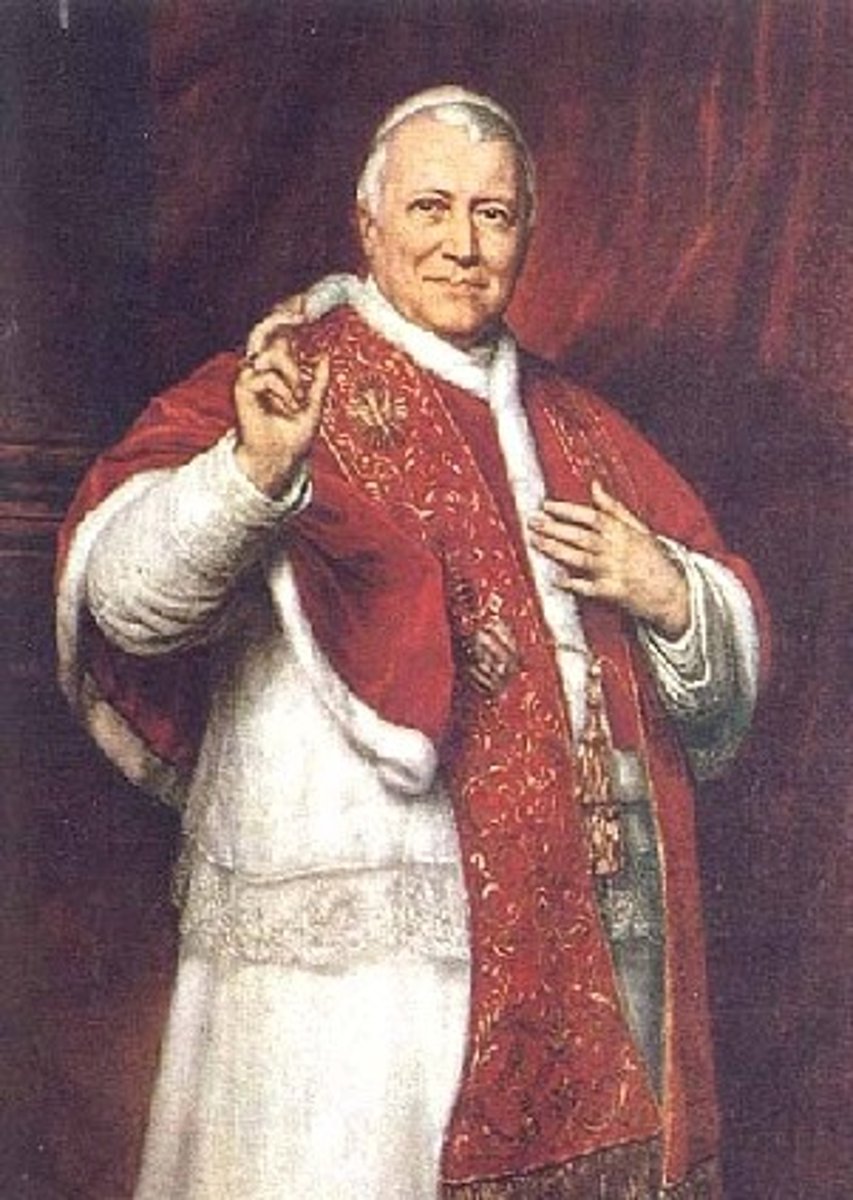
The belief that the pope is the leading bishop of the Church and has universal authority over it.
Papal Infallibility
A divine charism (or gift) which allows the pope to make truthful, binding declarations on official statements on faith and morals. This doesn't mean the pope is impeccable (i.e. incapable of sin) as Peter sinned in Scripture.
Papal Primacy (Old Testament foreshadowing)
In David's Kingdom, the Prime Minister was given keys to rule while the king was away. Jesus = New King David
Papal Primacy (New Testament)
Matthew 16:18-20: Jesus gives Peter alone the Keys to the Kingdom of Heaven and calls him the rock that He will His build Church on. In 1 Peter, Peter writes from "Babylon" which was codename for Rome.
Papal Primacy (Tradition/history)
The historical record highlights St. Peter's ministry in Rome and the Church Fathers generally recognized the special role of the bishop of Rome. The Council of Chalcedon (451 AD) recognized papal primacy. Despite the sins of popes, none have officially taught heresy.
Papal Primacy (reason)
Since Christ desired unity in the Church, it makes sense that He established a visible leader that He guides.
Church Father
Characteristics of these individuals include: 1) Early Chronology (lived before 800 AD), 2) Orthodox in doctrine, 3) Holiness of life. Their writings are important since they provide empirical evidence of what the early Church believed and attest to many Catholic doctrines w/o contradicting the faith.
Apostolic Father
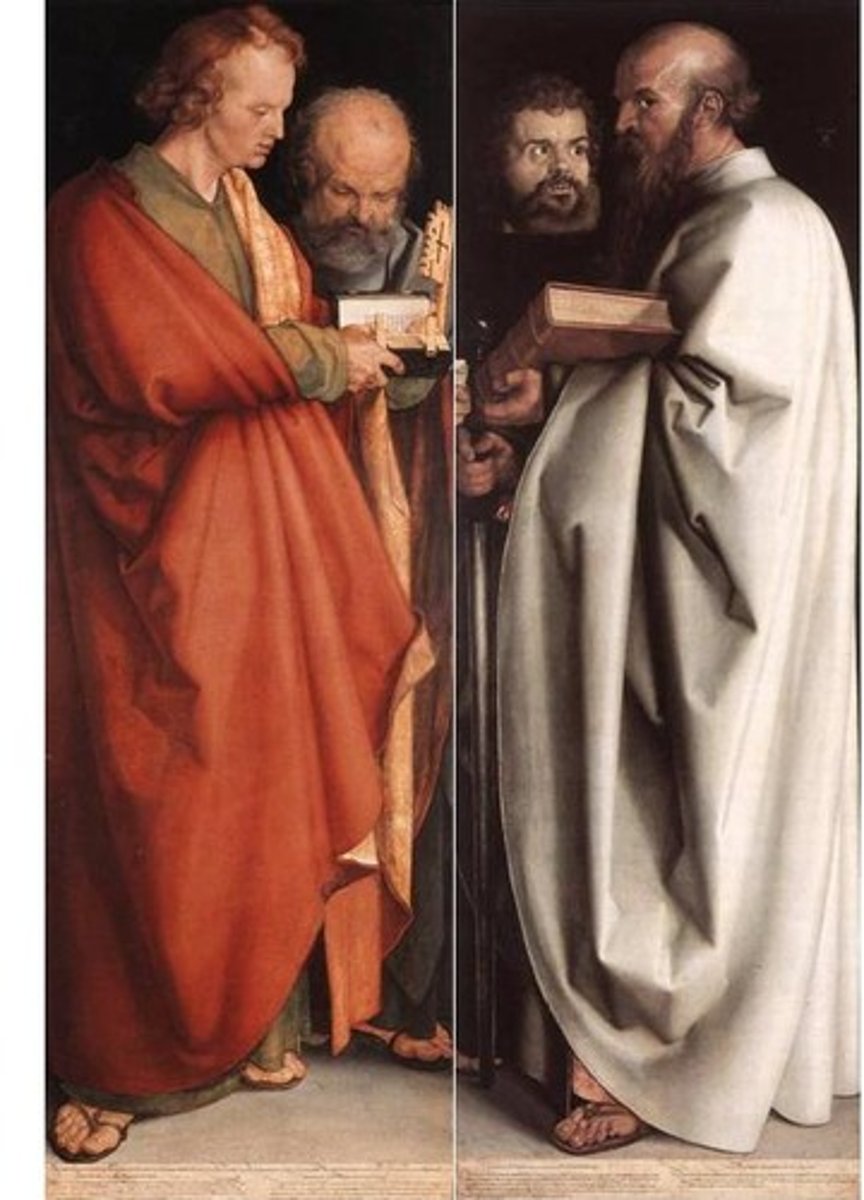
The first of the Church Fathers who lived early enough to know the Apostles.
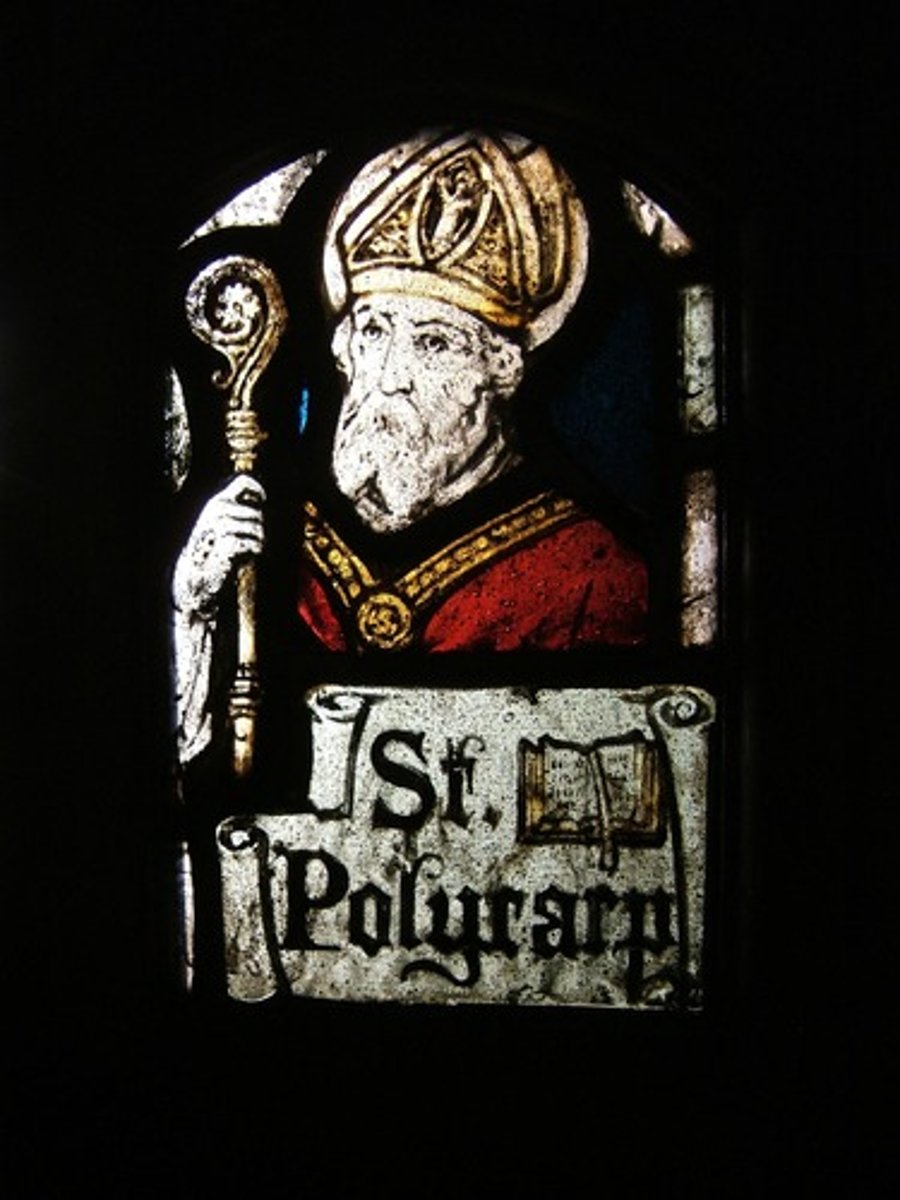
Apostolic Succession
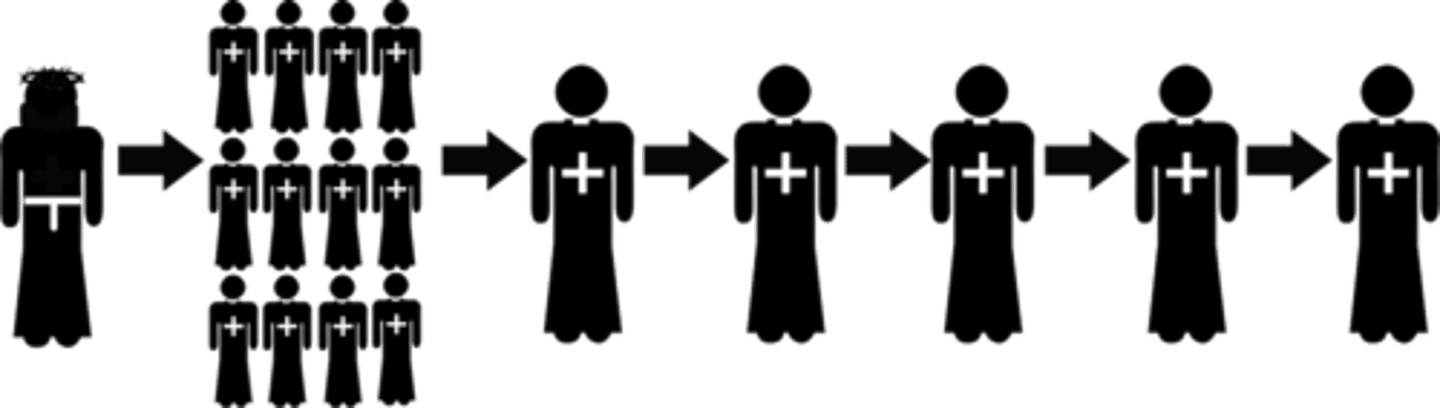
An unbroken line of authority from the apostles to Catholic bishops today.