Connective, Muscle, Nerve
 Call Kai
 Learn
Learn Practice Test
 Spaced Repetition
 Match
Match Flashcards
 Knowt Play
1/90

There's no tags or description
Looks like no tags are added yet.
Name | Mastery | Learn | Test | Matching | Spaced | Call with Kai | Chat |
|---|
No analytics yet
Send a link to your students to track their progress
91 Terms
What are the three major categories of connective tissue?
Connective tissue proper, supporting connective tissue, and fluid connective tissue.

What is the connective tissue’s characteristics?
Everywhere in the body, protection, distribution (blood, nutrients)
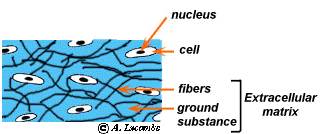
What is the extracellular matrix (ECM)?
The material outside of cells that consists of two components of ground substance and protein fibers.
What is ground substance?
The material between cells and fibers that supports and surrounds the cells.
What are the three types of connective tissue fibers?
Collagen fibers, elastic fibers, and reticular fibers.

What are collagen fibers?
Strong fibers that resists stretching, most common and the strongest.

What are elastic fibers?
Flexible fibers that allow tissues to stretch and return to their original shape.

What are reticular fibers?
Thin, branching fibers that form a supportive network.

What are the three types of loose connective tissue?
Areolar, adipose, and reticular connective tissue.
What is areolar connective tissue?
A loose connective tissue with fibers arranged loosely in a soft, flexible matrix.

What are the main functions of areolar connective tissue?
Package and cushions organs, binds tissues together, and holds tissue fluid.

Where is areolar connective tissue found?
Around organs, blood vessels, and nerves and beneath epithelial tissue.
What are the main cells of areolar connective tissue?
Fibroblasts, macrophages, and other immune cells.
What is adipose tissue?
Connective tissue specialized for storing fat.

What are the main functions of adipose tissue?
Insulation, energy storage, and cushioning/protection.
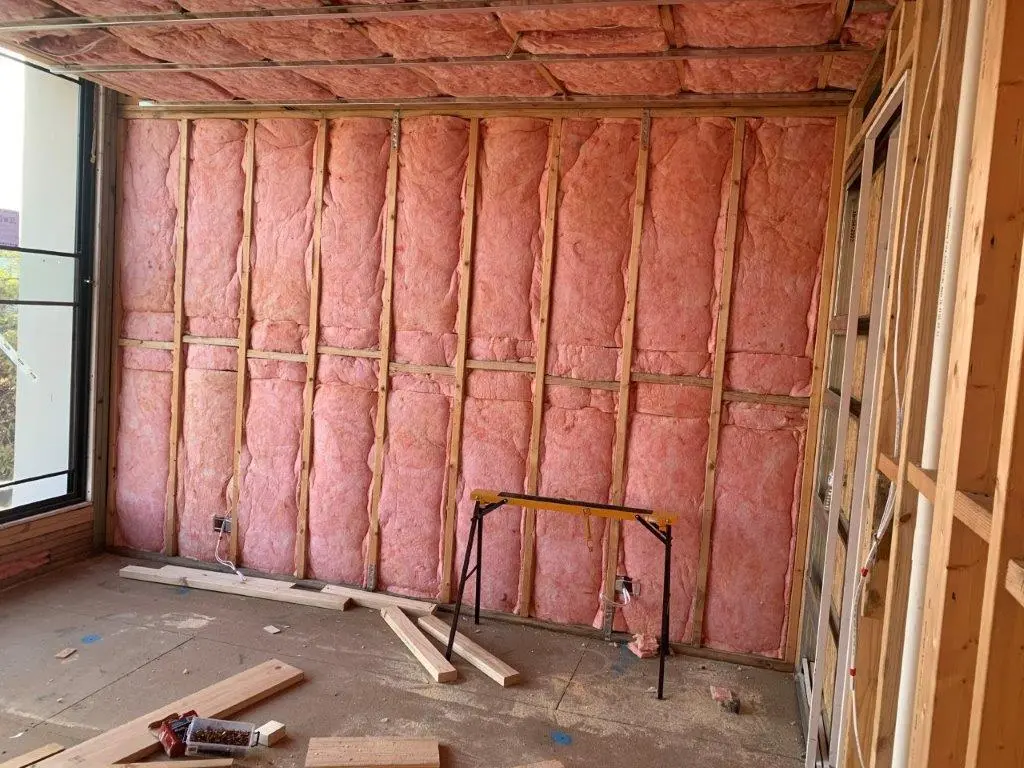
Where is adipose tissue found?
Under the skin and around organs such as the kidneys and heart.
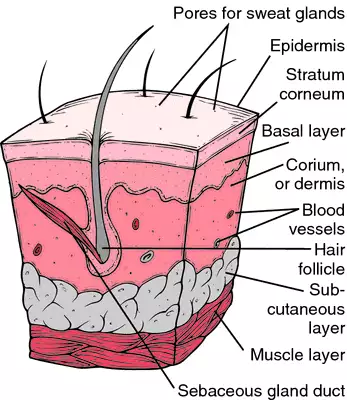
What is the main CELL and FIBER in adipose tissue?
Adipocytes and Reticular fibers.
What is reticular connective tissue?
Connective tissue containing reticular fibers that form a supportive network with fibroblast.

What is the function of reticular connective tissue?
Provides a framework that supports cells and tissues.
Where is reticular connective tissue found?
In lymph nodes, spleen, and bone marrow.

What are the three types of dense connective tissue?
Dense regular, dense irregular, and elastic connective tissue.
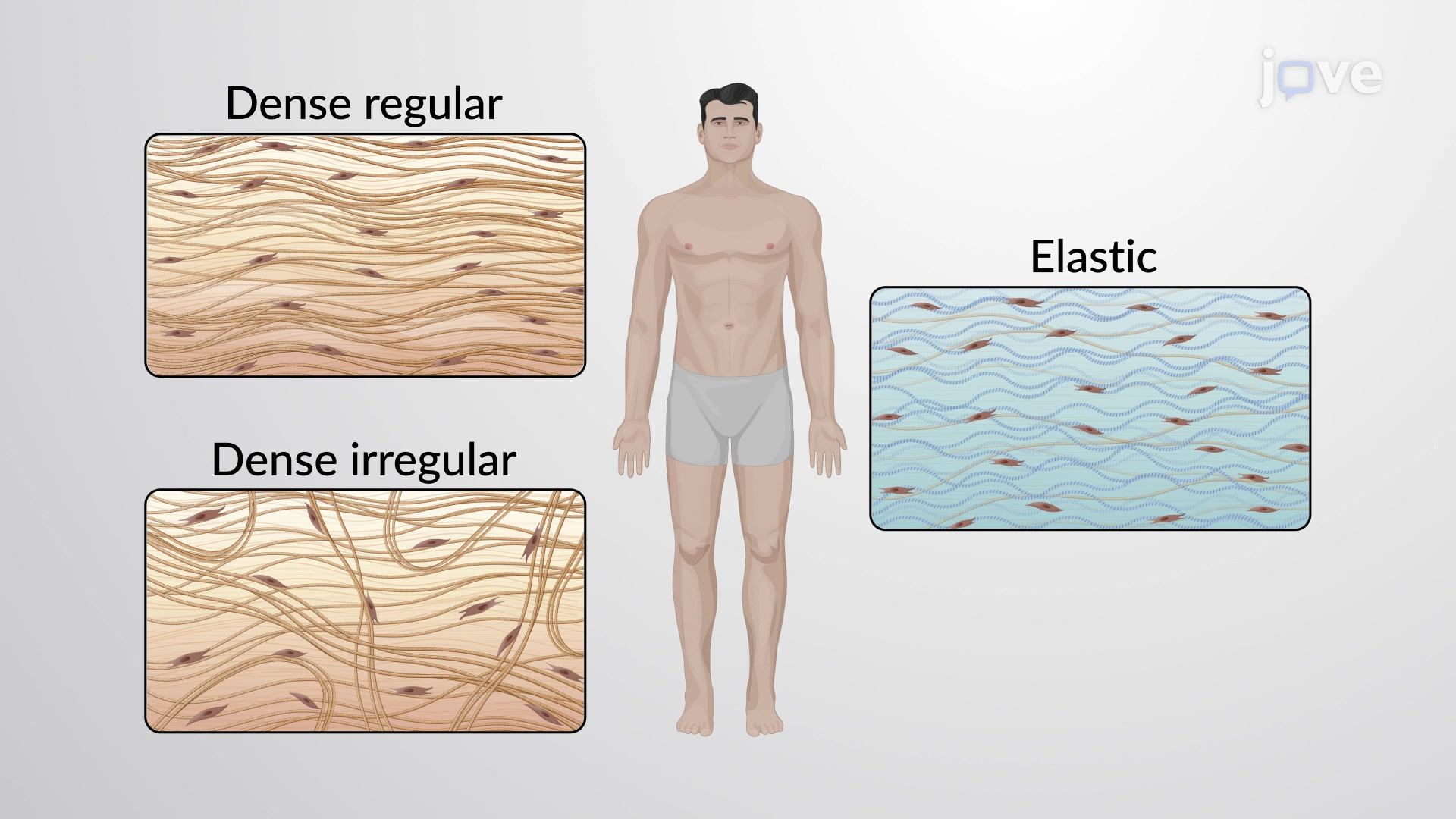
What is dense regular connective tissue?
Connective tissue with densely packed collagen fibers arranged in parallel with fibroblasts.

What is the function of dense regular connective tissue?
Provides strong attachment and resists pulling forces in one direction.

Where is dense regular connective tissue found?
In tendons and ligaments.
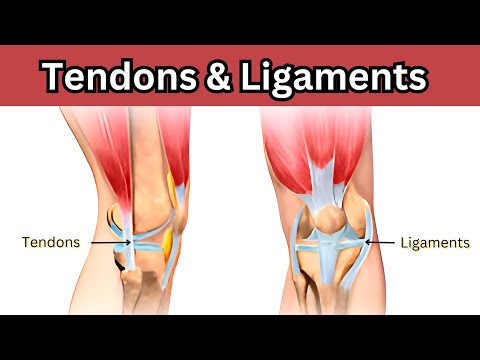
What is dense irregular connective tissue?
Connective tissue with densely packed collagen fibers arranged in many directions.

What is the function of dense irregular connective tissue?
Provides strength and resists forces from multiple directions.
Where is dense irregular connective tissue found?
In the dermis of the skin and around organs.

What is dense elastic connective tissue?
Connective tissue containing many elastic fibers that allow stretching and recoil.

What is the function of dense elastic connective tissue?
Allows tissues to stretch and return to their original shape with elastic fibers.
Where is elastic connective tissue found?
In the walls of large arteries and certain airways (lungs, breathing)

What are the two major types of supporting connective tissue?
Cartilage and bone.
What are the three types of cartilage?
Hyaline cartilage, elastic cartilage, and fibrocartilage.
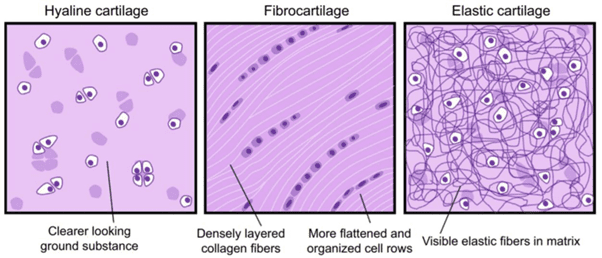
What is hyaline cartilage?
A smooth, firm connective tissue with a flexible matrix.

What is the function of hyaline cartilage?
Provides support, cushioning, and smooth surfaces at joints.
Where is hyaline cartilage found?
Nose, tracheal rings, and ends of bones at joints,

What are the main cells of cartilage?
Chondrocytes.

What type of fibers are found in hyaline cartilage?
Fine collagen fibers.
What is elastic cartilage?
Cartilage containing many elastic fibers that provides flexible support.

What is the function of elastic cartilage?
Provides support while allowing flexibility.
Where is elastic cartilage found?
In the external ear and epiglottis.

What is fibrocartilage?
The strongest type of cartilage, containing thick bundles of collagen fibers.


What is the function of fibrocartilage?
Provides support and absorbs shock.
Where is fibrocartilage found?
In intervertebral discs and the pubic symphysis.

What is bone?
A hard connective tissue with a mineralized extracellular matrix.
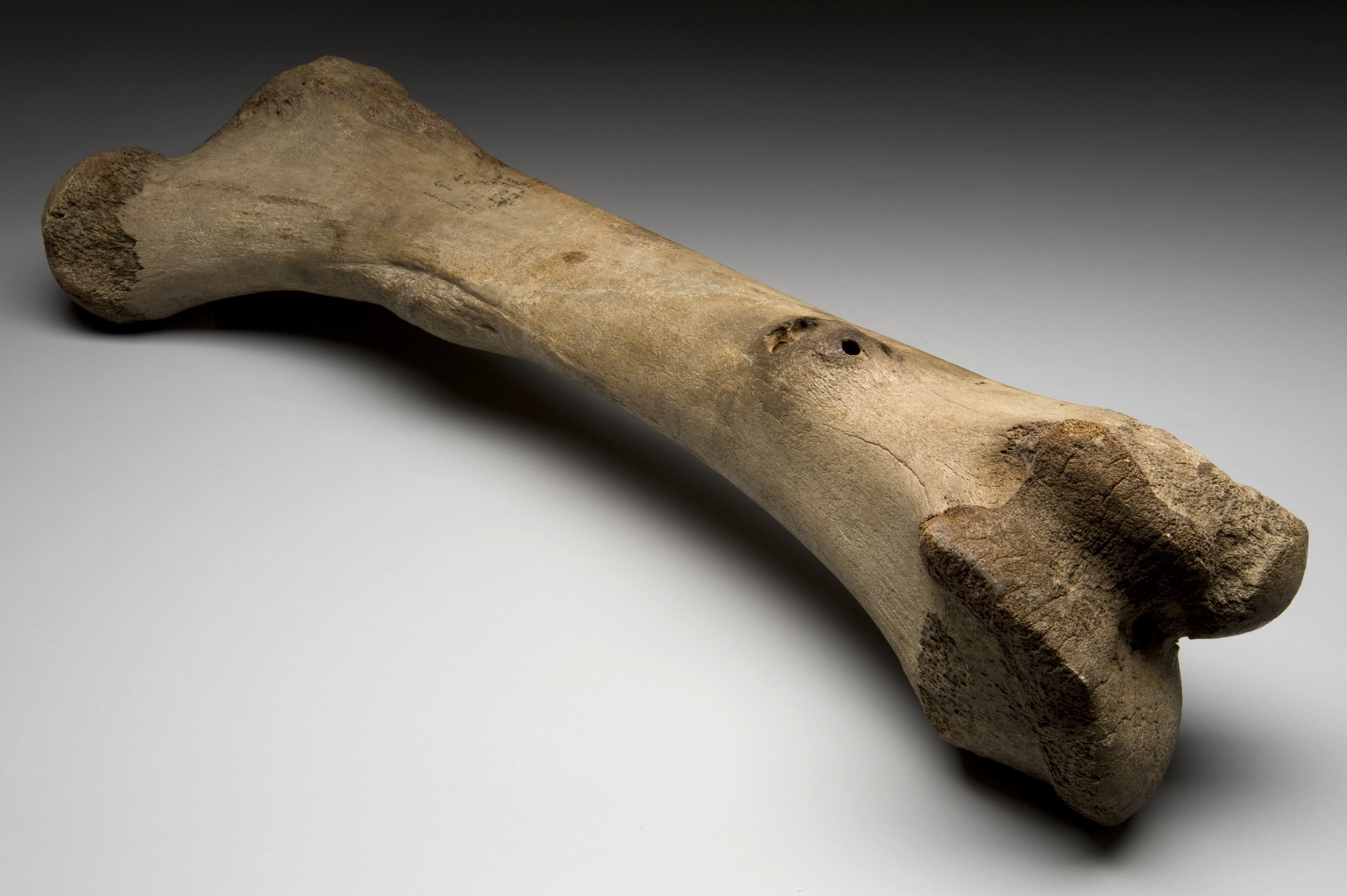
What is the function of bone?
Provides support and protection, allows movement, and stores minerals.
Where is bone found?
Throughout the skeleton.
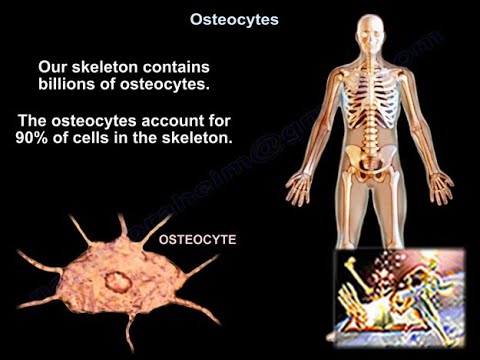
What are the main cells of bone?
Osteocytes.
What is fluid connective tissue?
Connective tissue with a fluid extracellular matrix.
What is blood?
A fluid connective tissue consisting of cells suspended in a liquid matrix called plasma.

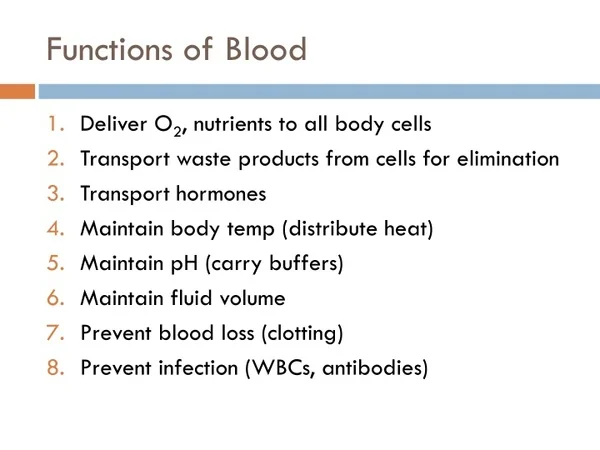
What is the function of blood?
Transports gases, nutrients, wastes, hormones, and other substances throughout the body.
Where is blood found?
Inside blood vessels and the chambers of the heart.
What are the main cells found in blood?
Red blood cells, white blood cells, and platelets.
What is the extracellular matrix of blood?
Plasma.
What are membranes?
Thin structures that cover surfaces, line body cavities, or surround organs.

What are membranes made of?
Epithelial tissue and connective tissue.
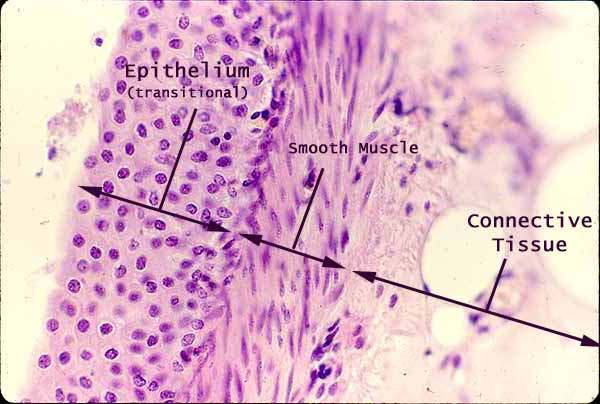
What are the four major types of membranes?
Cutaneous, mucous, serous, and synovial membranes.
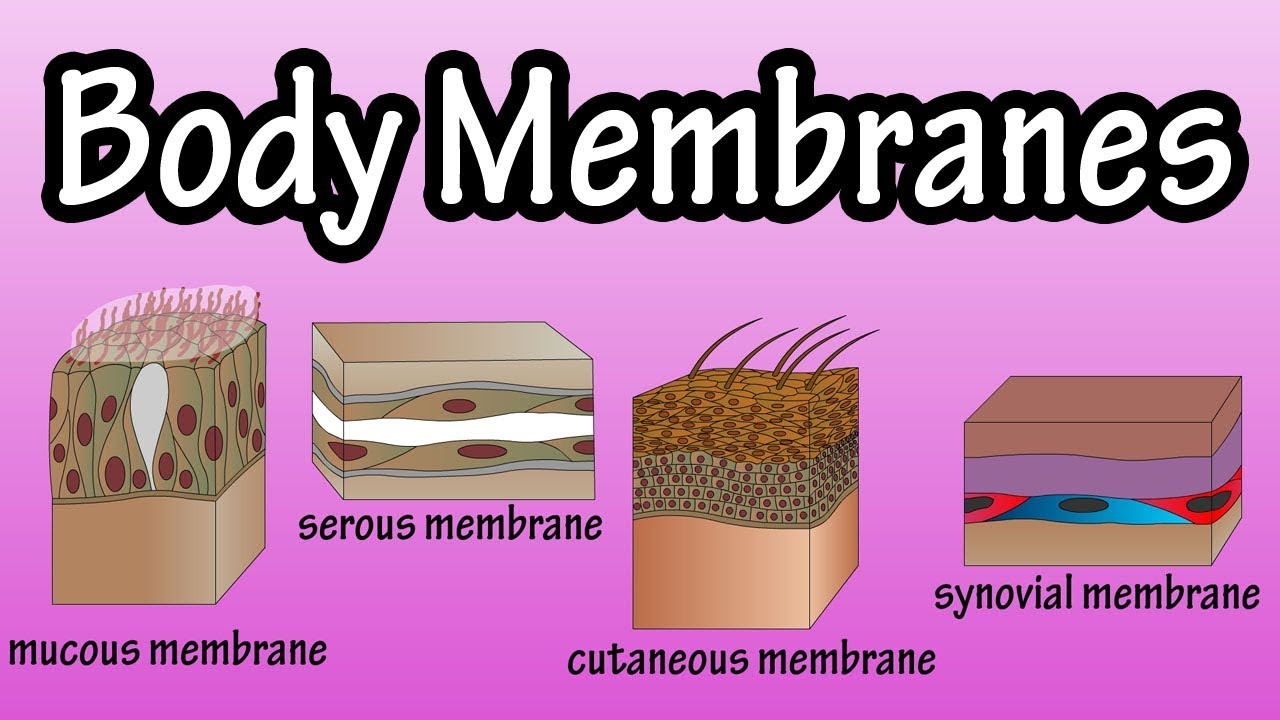
What is a cutaneous membrane?
The skin; it covers the external surface of the body.
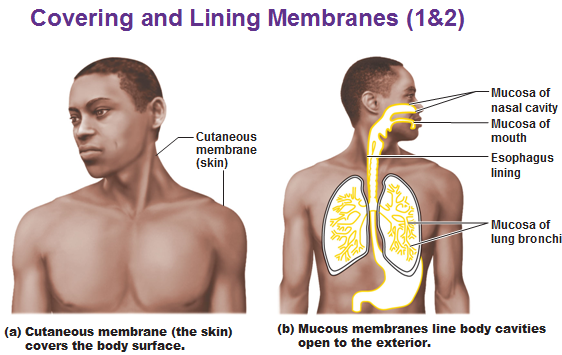
What tissues make up the cutaneous membrane?
Keratinized stratified squamous epithelium (epidermis) attached to a thick layer of connective tissue (dermis) and dry membrane.
What is a mucous membrane?
A membrane that lines body cavities and tubes that open to the outside of the body with CT called lamina propia.

Where are mucous membranes found?
In areas such as the digestive, respiratory, urinary, and reproductive tracts.
What is a serous membrane (fluid)?
Sero, a membrane that lines closed ventral body cavities and covers organs within them.

What is the function of serous membranes?
They produce fluid that reduces friction between organs and surrounding surfaces.

Where are serous membranes found?
Around organs in the thoracic (pleurae, pericardium, peritoneum) and abdominopelvic cavities. Partietal and visceral.
What is a synovial membrane?
A connective tissue membrane that lines the inside of movable joint cavities.

What is the function of synovial membranes?
They produce synovial fluid that lubricates joints.
What are the three types of muscle tissue?
Skeletal, cardiac, and smooth muscle.
What is skeletal muscle?
Long, cylindrical cells with multiple nuclei. Muscle tissue attached to bones that produces voluntary body movement.

Where is skeletal muscle found?
Attached to bones.
What kind of cells does the skeletal muscle has?
Cells are striated (striations)

What is cardiac muscle?
Muscle tissue found only in the heart.
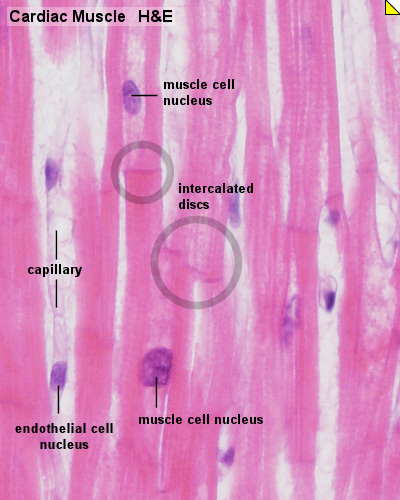
What is the function of cardiac muscle?
Contracts to pump blood through the heart and circulatory system.
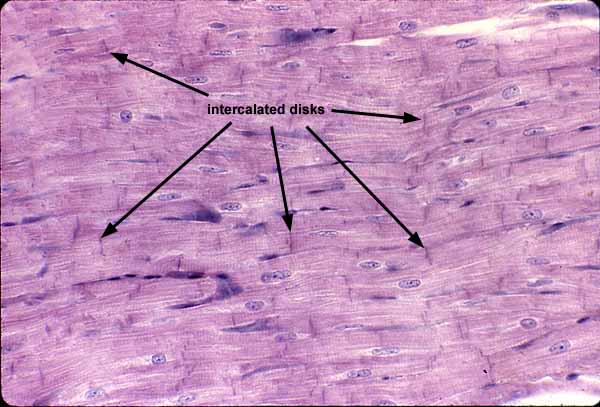
What are these called?
Intercalated disks
What is smooth muscle?
Muscle tissue that produces involuntary movement of internal organs.
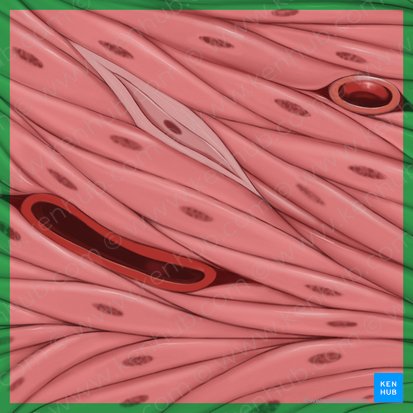
Where is smooth muscle found?
In the walls of hollow organs such as the digestive tract and blood vessels.

What is the function of smooth muscle?
Moves substances through internal organs and controls the diameter of tubes such as blood vessels.

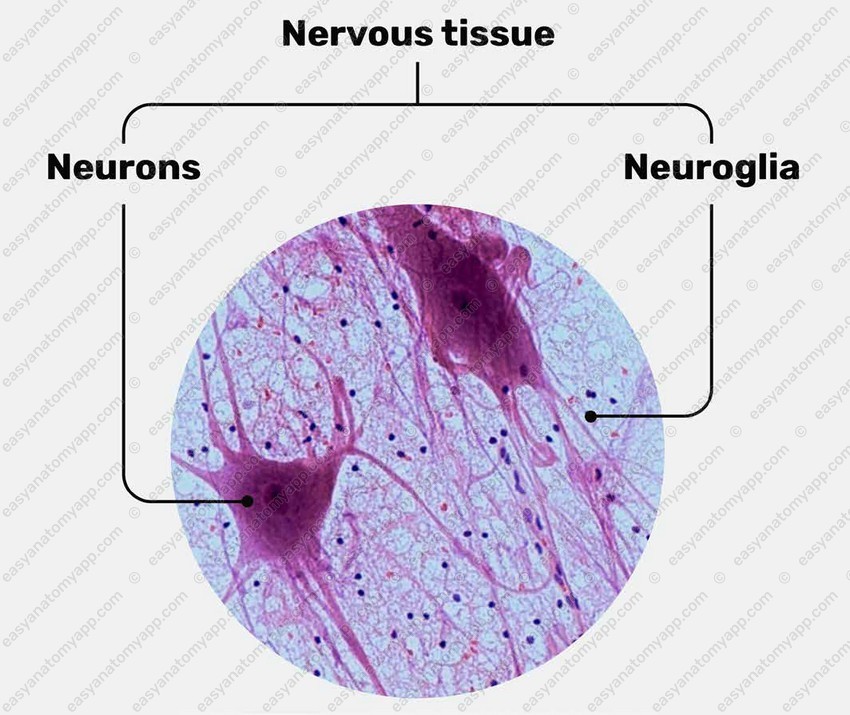
Transmit information
Epithelial tissues and many connective tissues.
Which tissues have poor (slow) regeneration?
Skeletal muscle and cartilage

Which tissues that are replaced largely with scar tissue (No regeneration)?
Cardiac muscle and nervous tissue