Explorers or boys messing about
 Call Kai
 Learn
Learn Practice Test
 Spaced Repetition
 Match
Match Flashcards
 Knowt Play
1/25

There's no tags or description
Looks like no tags are added yet.
Name | Mastery | Learn | Test | Matching | Spaced | Call with Kai |
|---|
No analytics yet
Send a link to your students to track their progress
26 Terms
Ideas and perspectives
Media bias
Frustration at wasting taxpayer money
Mockery of the men
Arrogance of the explorers
The national consequences of individual incompetence
Title: “Explorers or boys messing about?”
Juxtaposition: “Explorers” vs “boys” – one sounds heroic and daring, the other childish and absurd, infantilising them in the title. Rhetorical question: Morris’ belief that they are childish is evident, guiding the reader to share his judgement.
Title: “Either way, taxpayer gets rescue bill”
Appeal to readers’ concerns: “Taxpayer” – as a left-leaning paper, The Guardian knows its readers will not approve of the waste of public money.
Their last expedition ended “in farce”
Theatrical metaphor: Presents the expedition as ludicrous and absurd rather than brave or heroic.
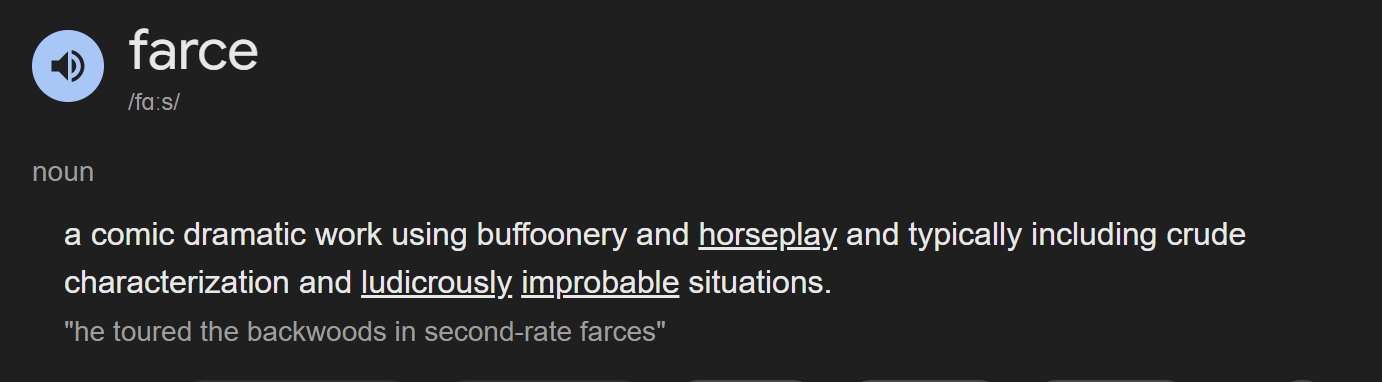
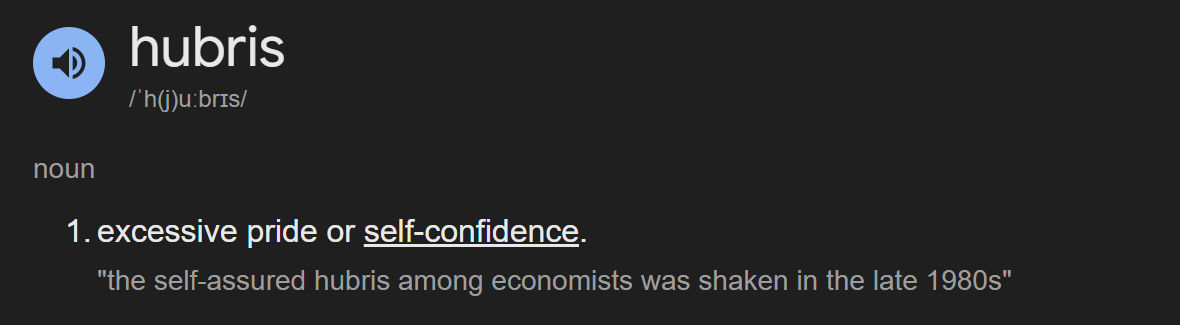
“almost led to tragedy”
Contrast / theatrical metaphor: Shifts from comedy to seriousness, highlighting the explorers’ hubris and the real danger of their actions.
when their helicopter “plunged” into the sea off Antartica.
Active, plosive verb: Emphasises danger, impact, and lack of control.
“The men were plucked”
Passive verb: Suggests helplessness and inability to save themselves.
“Royal Navy, the RAF and British coastguards”
Listing: Emphasises the absurd scale of the rescue effort contrasted to just two men.
“the taxpayers of Britain and Chile”
Repeated focus on taxpayers: Reinforces concern about public money being wasted and appeals to readers’ resentment.
“Experts” questioned the wisdom of taking such a small helicopter
Appeal to authority: Builds logos and ethos, presenting criticism as informed rather than merely Morris’ opinion.
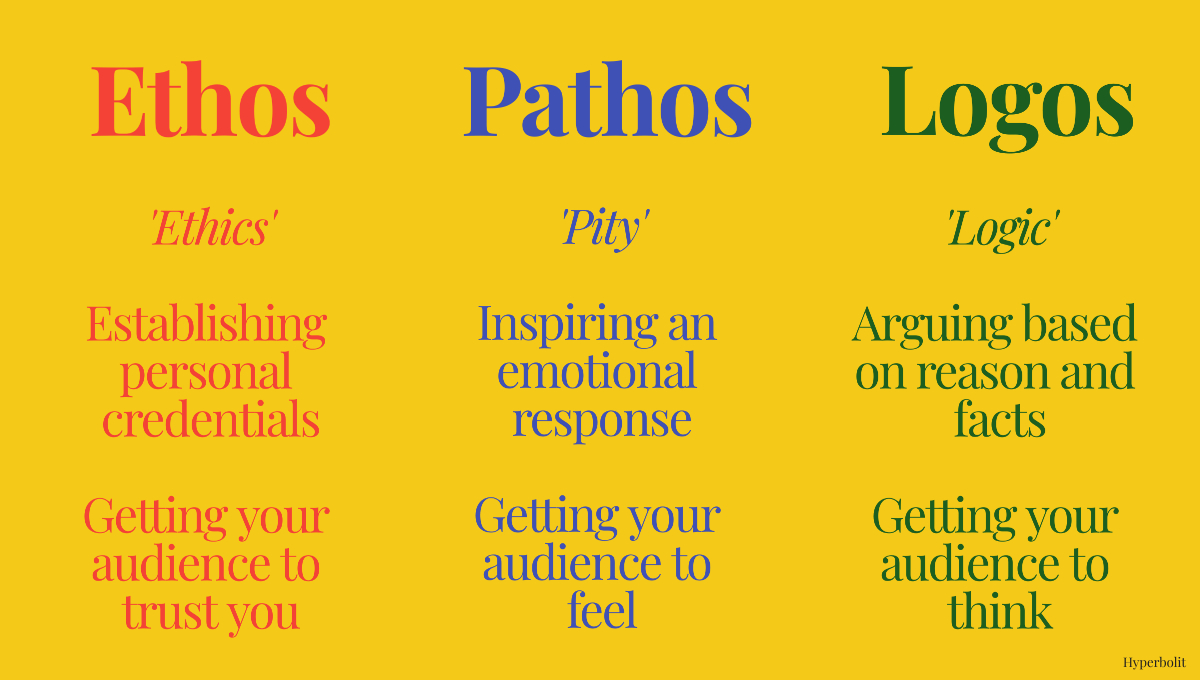
“small helicopter” / “hostile environment”
Juxtaposition: Highlights how inadequate the helicopter is for such conditions. ,Personification: The environment appears actively antagonistic, reinforcing the explorers’ foolishness.
“trusty helicopter”
Irony / quotation marks: Signal scepticism and sarcasm, implying its reliability was overestimated.
“boys messing about with a helicopter”
Infantilising language: Reduces them to childish figures, undermining any sense of heroism.
this is what Ms Vestey Mr Brooks wife said - not even respected by family
“also known as Q”
Allusion to James Bond; his nickname comes from the gadget inventor in James Bond, who is highly intelligent and skilled; surely the nickname is being used ironically here as Smith seems neither of those things.
“scrambled”
Verb choice: Connotes chaos and panic, further diminishing their authority.
“could I call the emergency people?”
Immature diction: Vague and childlike phrasing undermines seriousness and competence.
“180 miles away”
Facts and figures: Emphasise the scale of inconvenience caused by their actions.
“nothing short of a miracle”
Religious metaphor: Highlights the improbability and extraordinary nature of survival and their reliance on luck rather than skill.
“He has trekked solo to Everest base camp … in the Congo”
Extended list: Sounds exaggerated or unbelievable, making his failure seem more ridiculous.
“claims”
Sceptical verb: Suggests Morris doubts the truth of Smith’s achievements.
“Despite their experience”
Irony: Mocks their supposed competence in light of their failure.
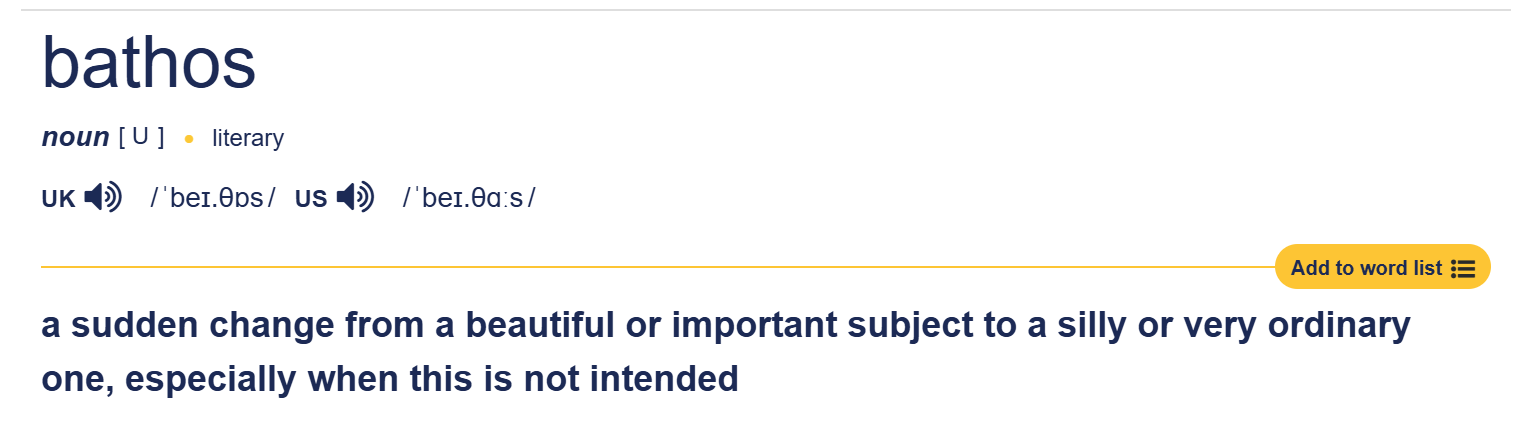
Short paragraph on Russian authorities stopping them the Russians threatened to send in military planes
Bathos: Grand ambitions are abruptly and comically undermined.
“Ironically”
Explicit sarcasm: Signals Morris’ scorn for their hubristic ambitions.
“Gunter Endres, editor of Jane’s Helicopter Markets and Systems”
Expert opinion with credentials: Strengthens the article’s credibility.
The flying conditions had been “excellent”
Irony: Highlights incompetence as they crash despite favourable conditions.
“have their bottoms kicked”
Childlike imagery: Infantilises them further, reinforcing mockery and ridicule.